

5 Hidden Causes of Baby Rash in Bangladesh Humid Climate
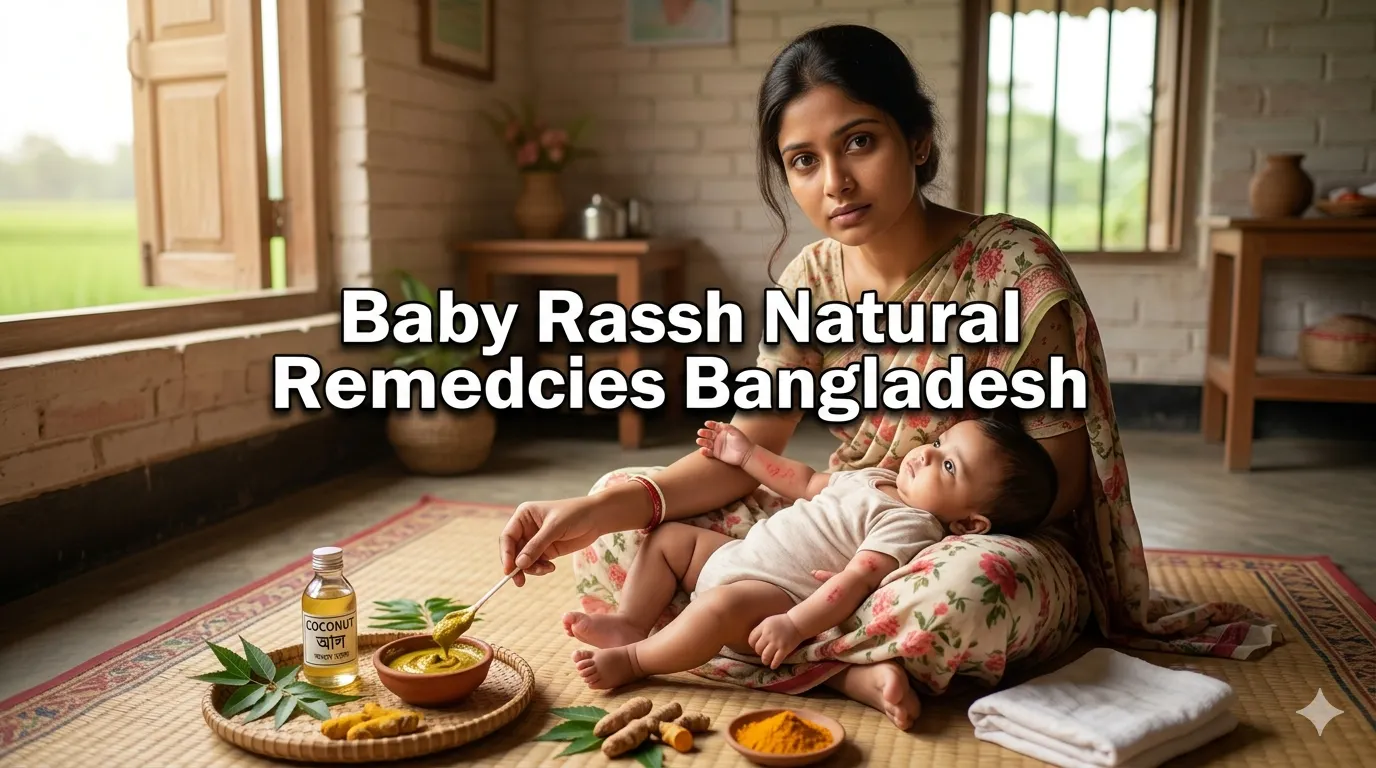
Every parent in Bangladesh knows the heart-wrenching sight of their baby's delicate skin covered in red, irritated rashes. In our country's relentlessly humid climate—where temperatures soar above 30°C and humidity regularly exceeds 80%—baby rashes are not just common; they're almost inevitable. But what if the cause isn't just "heat" or "teething" as our grandmothers suggest? What if there are hidden factors unique to Bangladesh's tropical environment that most parents never consider?
Baby rash in Bangladesh's humid climate presents unique challenges that differ significantly from temperate regions. The combination of extreme heat, prolonged monsoon seasons, hard water in many areas, traditional clothing practices, and specific environmental allergens creates a perfect storm for infant skin irritation. While most parents reach for commercial creams or follow age-old home remedies without understanding the root cause, this approach often provides only temporary relief—or worse, exacerbates the problem.
This comprehensive guide reveals five hidden causes of baby rash specific to Bangladesh's humid climate that pediatric dermatologists and experienced mothers have identified. More importantly, you'll discover safe, effective, and affordable natural remedies using ingredients readily available in Bangladeshi households—from neem leaves and coconut oil to turmeric and rice water. These time-tested solutions, backed by both traditional wisdom and modern science, can provide lasting relief for your baby's sensitive skin without harsh chemicals or expensive imported products.
Why Bangladesh's Climate Is Particularly Challenging for Baby Skin
Before diving into the hidden causes, it's essential to understand why Bangladesh's unique climate creates such difficult conditions for infant skin health.
Extreme humidity levels: Bangladesh experiences humidity levels between 70-90% for most of the year, particularly during the pre-monsoon (March-May) and monsoon (June-September) seasons. This persistent moisture in the air prevents sweat from evaporating efficiently, trapping it against baby's delicate skin and creating an ideal environment for bacterial and fungal growth.
Prolonged heat exposure: With temperatures remaining above 25°C even during "winter" months and soaring to 35-40°C in summer, babies in Bangladesh face year-round heat stress. Unlike temperate climates where seasons provide relief, Bangladeshi infants have limited respite from heat-related skin issues.
Monsoon-specific challenges: The monsoon season brings additional complications: waterlogged environments increase fungal spores in the air, standing water breeds mosquitoes and other insects whose bites can cause rashes, and the constant dampness makes it difficult to keep baby's skin dry and clean.
Water quality issues: Many areas in Bangladesh have hard water with high mineral content or contaminated water sources. Bathing babies in such water can strip natural oils, disrupt the skin's pH balance, and introduce irritants that trigger rashes.
Traditional practices: While many Bangladeshi cultural practices around infant care are beneficial, some—like excessive bundling, using certain oils, or applying talcum powder—can inadvertently worsen rashes in humid conditions.
Understanding these environmental factors helps explain why standard advice from Western parenting books often falls short in the Bangladeshi context. We need solutions specifically tailored to our climate, culture, and available resources.
Hidden Cause #1: Trapped Moisture and Heat Rash (Miliaria)
The most common yet misunderstood cause of baby rash in Bangladesh is miliaria, commonly known as heat rash or prickly heat. However, what most parents don't realize is that it's not just about being "too hot"—it's about trapped moisture and blocked sweat ducts.
How it happens: Babies have underdeveloped sweat glands that are easily overwhelmed in humid conditions. When sweat cannot escape through the skin's surface, it becomes trapped beneath, causing inflammation and the characteristic red bumps or blisters of heat rash. In Bangladesh's humidity, this can occur even when babies aren't visibly sweating.
Common locations: Neck folds, armpits, groin area, diaper region, chest, and back—anywhere skin touches skin or clothing creates friction.
Why it's hidden: Parents often mistake heat rash for allergic reactions or infections, leading them to use inappropriate treatments like heavy creams that further block pores and worsen the condition.
Signs specific to Bangladesh's climate:
- Rash appears or worsens during peak humidity hours (10 AM - 4 PM)
- Small red or clear bumps that may feel prickly to touch
- Rash improves slightly during rare cooler, drier periods
- Common in babies who are overdressed or wrapped tightly
- May have a musty odor due to bacterial growth in moist areas
Natural Remedies for Heat Rash
1. Neem Water Bath (নিম পানি গোসল)
Neem (Azadirachta indica) is Bangladesh's most powerful natural antibacterial and antifungal agent. Its cooling properties make it ideal for heat rash.
How to use:
- Boil 15-20 fresh neem leaves in 2 liters of water for 10 minutes
- Let it cool to lukewarm temperature
- Strain the water and add to baby's bath
- Gently pour over affected areas or give a full bath
- Pat dry gently—don't rub
- Use 2-3 times per week during monsoon and summer
Why it works: Neem contains nimbidin and azadirachtin, compounds with proven anti-inflammatory and antimicrobial properties that reduce rash severity and prevent secondary infections.
2. Rice Water Application (চালের পানি)
Rice water, a staple in Bangladeshi households, is remarkably soothing for irritated skin.
How to use:
- Soak 1/2 cup of rice in 2 cups of water for 30 minutes
- Strain and collect the milky water
- Apply to rash-affected areas using soft cotton
- Let air dry for 10-15 minutes
- Rinse gently with cool water
- Use 2-3 times daily
Why it works: Rice water contains allantoin, a compound that soothes inflammation and promotes skin healing. The starch creates a protective barrier while allowing skin to breathe.
3. Coconut Oil and Camphor Mixture
This traditional Bangladeshi remedy combines the moisturizing properties of coconut oil with camphor's cooling effect.
How to use:
- Mix 2 tablespoons virgin coconut oil with a pinch of edible camphor (kapur)
- Gently warm the mixture until camphor dissolves
- Let it cool to room temperature
- Apply a thin layer to affected areas
- Use after bath or before sleep
Why it works: Coconut oil's lauric acid has antimicrobial properties, while camphor provides immediate cooling relief and reduces itching.
Hidden Cause #2: Fungal Infections in Skin Folds (Candidiasis)
What many Bangladeshi parents mistake for simple heat rash is actually fungal infection—particularly Candida albicans overgrowth. Bangladesh's humid climate creates the perfect breeding ground for fungi, especially in baby's skin folds where moisture gets trapped.
Why it's hidden: Fungal rashes often look similar to heat rash or diaper rash, leading parents to use treatments that don't address the fungal component. Without antifungal intervention, these rashes persist or worsen despite good hygiene.
Signs of fungal infection:
- Bright red rash with defined edges
- Small red dots (satellite lesions) around the main rash
- Rash in skin folds: neck, armpits, groin, behind knees
- White, curd-like discharge in severe cases
- Rash doesn't improve with standard heat rash treatments
- May have a yeasty or bread-like odor
Risk factors in Bangladesh:
- Prolonged monsoon humidity
- Infrequent changing of wet clothes during rainy season
- Use of non-breathable synthetic fabrics
- Overuse of antibiotics (which kill beneficial bacteria that keep fungi in check)
- Poor ventilation in homes during monsoon
Natural Antifungal Remedies
1. Turmeric Paste (হলুদ বাটা)
Turmeric is Bangladesh's most accessible and powerful natural antifungal agent.
How to use:
- Mix 1/2 teaspoon organic turmeric powder with 1 teaspoon coconut oil or breast milk
- Create a smooth paste
- Apply to affected areas
- Leave for 15-20 minutes
- Rinse gently with lukewarm water
- Use once daily until rash clears
Why it works: Curcumin, turmeric's active compound, has potent antifungal and anti-inflammatory properties. Studies show it's effective against Candida species while being completely safe for babies.
Important note: Turmeric may temporarily stain skin yellow—this is normal and fades within hours.
2. Garlic-Infused Oil
Garlic contains allicin, a powerful antifungal compound used traditionally in Bangladeshi medicine.
How to use:
- Crush 2-3 garlic cloves
- Warm with 2 tablespoons coconut oil on low heat for 5 minutes
- Strain and cool completely
- Apply a thin layer to affected areas
- Use twice daily
Why it works: Allicin disrupts fungal cell walls, preventing Candida growth. The coconut oil base provides additional antifungal action.
Safety note: Always do a patch test first. Garlic can be potent, so ensure the oil is well-diluted and cooled.
3. Yogurt Application (টক দই)
Plain, unsweetened yogurt contains beneficial bacteria that compete with and suppress fungal growth.
How to use:
- Use fresh, plain yogurt (no sugar or flavoring)
- Apply a thin layer to affected areas
- Leave for 15-20 minutes
- Rinse with cool water
- Use 2-3 times daily
Why it works: The probiotics (Lactobacillus) in yogurt restore the skin's natural bacterial balance, crowding out fungal overgrowth. This is particularly effective for diaper area rashes.
Hidden Cause #3: Contact Dermatitis from Traditional Fabrics and Detergents
One of the most overlooked causes of baby rash in Bangladesh is contact dermatitis—skin irritation caused by fabrics, detergents, or traditional practices that parents assume are safe or even beneficial.
The fabric problem: While cotton is breathable, many Bangladeshi families use:
- Synthetic blends that trap heat and moisture
- Stiff, unwashed new clothes with chemical residues from manufacturing
- Dark-colored fabrics dyed with harsh chemicals
- Multiple layers that prevent air circulation
The detergent issue: Most household detergents in Bangladesh contain:
- Strong fragrances that irritate baby skin
- Harsh surfactants that strip natural oils
- Optical brighteners that remain on fabric
- Enzymes that can trigger allergic reactions
Traditional practices that backfire:
- Excessive oiling: While oil massage (tel malish) is culturally important, using heavy oils in humid weather can clog pores and trap dirt
- Talcum powder: Widely used but can cake in humid conditions, creating abrasion and blocking pores
- Tight swaddling: Traditional tight wrapping prevents air circulation and traps sweat
Signs of contact dermatitis:
- Rash appears where clothing touches skin
- Redness in areas where elastic bands sit (waist, legs)
- Rash worsens after wearing certain clothes
- Dry, scaly patches
- Itching or fussiness when dressed
Natural Solutions for Fabric-Related Rashes
1. Proper Fabric Selection and Preparation
Best fabrics for Bangladesh's climate:
- 100% cotton (সুতি কাপড়): Soft, breathable, absorbs moisture
- Muslin cotton: Lightweight, allows air circulation
- Bamboo fabric: Naturally antibacterial, moisture-wicking
- Light colors: Reflect heat, show dirt easily (prompting frequent changes)
Before first use:
- Wash all new clothes 2-3 times before baby wears them
- Use mild, fragrance-free detergent
- Rinse thoroughly to remove all soap residue
- Sun-dry when possible (UV light kills bacteria)
2. Natural Detergent Alternatives
Soapnut (Reetha/রিঠা) solution:
- Boil 10-12 soapnuts in 1 liter water for 20 minutes
- Strain and use the liquid for washing baby clothes
- Completely natural, hypoallergenic, and biodegradable
- Available in most Bangladeshi markets
Why it works: Soapnuts contain natural saponins that clean effectively without harsh chemicals or fragrances that irritate baby skin.
3. Aloe Vera for Soothing Irritated Skin
How to use:
- Cut fresh aloe vera leaf (ঘৃতকুমারী)
- Scoop out the clear gel
- Apply directly to rash-affected areas
- Let air dry
- Use 2-3 times daily
Why it works: Aloe vera contains polysaccharides that promote skin healing and glycoproteins that reduce inflammation and pain. It's cooling and moisturizing without being greasy.
Hidden Cause #4: Water Quality and Bathing Practices
The quality of water used for bathing babies in Bangladesh varies dramatically by location, and many parents don't realize that their bathing practices—however well-intentioned—may be causing or worsening rashes.
Water quality issues:
- Hard water: Common in many areas, contains high levels of calcium and magnesium that can:
- Strip natural oils from baby's skin
- Leave mineral deposits that irritate sensitive skin
- Reduce soap effectiveness, leading to residue buildup
- Contaminated water: In areas with questionable water quality:
- Bacteria and parasites can cause skin infections
- Heavy metals may trigger allergic reactions
- Chlorine (in treated water) can dry and irritate skin
- Water temperature: Many Bangladeshi families bathe babies in:
- Water that's too hot (thinking it's more cleansing)
- Water that's too cold (causing stress and dry skin)
Bathing frequency problems:
- Over-bathing: Bathing 2-3 times daily (common in summer) strips protective oils
- Under-bathing: In monsoon, infrequent bathing allows sweat and bacteria to accumulate
- Prolonged soaking: Long baths soften skin excessively, making it prone to irritation
Signs of water-related rash:
- Dry, flaky skin after bathing
- Rash appears within hours of bath
- Skin feels tight or rough
- Redness in areas where water pools (neck folds, diaper area)
Natural Solutions for Water-Related Issues
1. Water Softening Techniques
For hard water:
- Add 1 tablespoon of lemon juice to bath water
- Or add 1/4 cup of boiled and cooled rice water
- These help neutralize mineral content
For questionable water quality:
- Always boil bathing water and let it cool to lukewarm
- Add a pinch of alum (ফিটকিরি) to purify—dissolve completely before bathing baby
- Use filtered or bottled water for final rinse if tap water quality is poor
2. Optimal Bathing Practices
Frequency:
- Summer: Once daily is sufficient; sponge bath for extra cooling
- Monsoon: Once daily with thorough drying
- Winter: Every other day to preserve natural oils
Temperature:
- Test with your elbow or wrist—should feel warm, not hot
- Ideal temperature: 37-38°C (body temperature)
Duration:
- Limit baths to 5-10 minutes
- Prolonged soaking removes protective oils
3. Post-Bath Care with Natural Oils
Mustard oil (সরিষার তেল) - traditional choice:
- Warm slightly and massage gently after bath
- Creates protective barrier
- Has natural antibacterial properties
- Note: Use sparingly in humid weather; can be heavy
Coconut oil (নারিকেল তেল) - better for humid climate:
- Lighter than mustard oil
- Non-comedogenic (won't clog pores)
- Antifungal and antibacterial
- Apply while skin is still slightly damp to lock in moisture
Sunflower oil (সূর্যমুখী তেল):
- Lightest option for very humid weather
- High in vitamin E
- Quickly absorbed
Hidden Cause #5: Environmental Allergens and Air Quality
Bangladesh's unique environmental conditions expose babies to allergens and irritants that many parents never consider as rash triggers.
Common environmental triggers:
- Monsoon mold and mildew: High humidity causes rapid fungal growth on walls, clothes, and bedding
- Dust mites: Thrive in humid conditions, particularly in mattresses and soft toys
- Pollen: Certain seasons bring high pollen counts that can trigger skin reactions
- Air pollution: Dhaka and other urban areas have poor air quality; particulate matter settles on skin and causes irritation
- Mosquito bites: Frequent bites during monsoon can cause widespread rash and secondary infection from scratching
- Incense and dhoop: Common in Bangladeshi homes, the smoke can irritate sensitive baby skin
Signs of environmental allergy rash:
- Rash appears or worsens in specific locations or seasons
- Hives or raised welts
- Intense itching
- Rash improves when baby is in air-conditioned or well-ventilated spaces
- Accompanied by other allergy symptoms (sneezing, watery eyes)
Natural Protection Against Environmental Allergens
1. Neem for Environmental Protection
Beyond bathing, neem can protect baby from environmental allergens:
Neem leaf pillow:
- Dry neem leaves in shade
- Fill a small muslin pouch
- Place near baby's sleeping area (not directly under baby)
- Natural insect repellent and air purifier
Neem room spray:
- Boil neem leaves, strain, and cool
- Add to spray bottle
- Mist room (not directly on baby)
- Reduces airborne allergens and repels insects
2. Tulsi (Holy Basil) for Air Purification
Tulsi is revered in South Asian culture for good reason:
How to use:
- Keep tulsi plant in baby's room or nearby
- Naturally purifies air
- Repels mosquitoes
- Reduces airborne bacteria and fungi
Tulsi bath:
- Boil 10-12 tulsi leaves
- Add to bath water
- Boosts immunity and soothes skin
3. Natural Mosquito Protection
Mosquito bites are a major cause of rash in Bangladesh:
Citronella oil:
- Mix 5 drops citronella oil with 2 tablespoons coconut oil
- Apply to baby's exposed skin before sleep
- Natural mosquito repellent
Lemongrass (সরা ঘাস):
- Boil lemongrass, use water for bathing
- Or keep fresh lemongrass near windows
- Natural insect repellent
Physical barriers:
- Always use mosquito net (মশারি) - most effective protection
- Ensure net has no holes
- Tuck securely under mattress
Prevention Strategies for Bangladesh's Climate
Preventing baby rash is far easier than treating it. Here are comprehensive prevention strategies tailored for Bangladeshi conditions:
Daily Care Routine
Morning:
- Gentle bath with lukewarm water
- Pat dry thoroughly, especially skin folds
- Light application of coconut oil if needed
- Dress in clean, breathable cotton
Throughout the day:
- Change wet or soiled clothes immediately
- Wipe skin folds with soft, damp cloth after feeding
- Allow baby to be diaper-free for 30 minutes, 2-3 times daily
- Keep room well-ventilated; use fan (not directly on baby)
Evening:
- Sponge bath if full bath was in morning
- Check skin folds for redness or moisture
- Apply natural barrier cream if needed
- Ensure sleeping area is clean and dry
Seasonal Adjustments
Summer (March-May):
- Increase bathing frequency to once daily
- Use lighter fabrics (muslin cotton)
- Keep baby in coolest part of house
- Offer frequent breastfeeding to prevent dehydration
- Avoid outdoor exposure during peak heat (11 AM - 3 PM)
Monsoon (June-September):
- Ensure complete drying after bath
- Use antifungal powders sparingly (cornstarch-based, not talc)
- Wash and sun-dry clothes thoroughly
- Keep mosquito nets in constant use
- Monitor for fungal infections closely
Winter (November-February):
- Reduce bathing frequency to every other day
- Use slightly warmer (not hot) water
- Apply oil after bath to prevent dryness
- Dress in layers that can be removed if baby gets warm
- Use humidifier if air is very dry (rare in Bangladesh)
Dietary Considerations for Breastfeeding Mothers
If you're breastfeeding, what you eat can affect baby's skin:
Foods that may trigger baby rash:
- Excessive spicy foods
- Seafood (if baby shows sensitivity)
- Certain nuts
- Dairy (in some cases)
Foods that promote healthy baby skin:
- Fresh fruits and vegetables
- Adequate water (3-4 liters daily)
- Omega-3 rich foods (fish, flaxseeds)
- Probiotic-rich foods (yogurt, fermented foods)
When to Seek Medical Attention
While most baby rashes in Bangladesh can be treated naturally at home, certain situations require immediate medical attention:
Red flags:
- Rash accompanied by fever above 38°C
- Baby appears lethargic or unusually irritable
- Rash spreads rapidly or covers large areas
- Presence of pus, yellow crust, or foul odor (signs of infection)
- Blisters or open sores
- Rash doesn't improve after 5-7 days of home treatment
- Baby refuses to feed
- Signs of dehydration (fewer wet diapers, dry mouth)
Conditions requiring prescription treatment:
- Severe fungal infections needing prescription antifungals
- Bacterial infections requiring antibiotics
- Eczema or atopic dermatitis needing steroid creams
- Allergic reactions needing antihistamines
Finding the right healthcare provider:
- Pediatric dermatologist (specialist in baby skin conditions)
- General pediatrician
- Government hospitals: Dhaka Shishu Hospital, DMCH
- Private hospitals: Apollo, United, Square
- Always prefer doctors who respect and integrate traditional practices when safe
Common Myths About Baby Rash in Bangladesh
Let's debunk some common misconceptions:
Myth 1: "Rash means baby is teething"
Truth: While teething can cause mild facial rash from drooling, most body rashes have other causes. Don't dismiss persistent rash as "just teething."
Myth 2: "Apply talcum powder to keep baby dry"
Truth: Talcum powder can cake in humid conditions, block pores, and cause respiratory issues. Use cornstarch-based powder sparingly or better yet, allow air drying.
Myth 3: "More bathing means cleaner, healthier skin"
Truth: Over-bathing strips natural oils and worsens dryness and irritation. Once daily is sufficient.
Myth 4: "All natural remedies are safe"
Truth: Some natural substances can irritate baby skin. Always patch test and research before applying anything new.
Myth 5: "Rash will go away on its own"
Truth: While some rashes resolve independently, others worsen without treatment. Monitor closely and intervene when needed.
Creating a Rash-Free Environment: Practical Tips for Bangladeshi Homes
Your home environment significantly impacts baby's skin health:
Ventilation:
- Open windows daily for air circulation
- Use exhaust fans in bathrooms and kitchens
- Avoid keeping baby in stuffy, closed rooms
- Cross-ventilation is key during monsoon
Bedding:
- Wash baby's bedding weekly in hot water
- Sun-dry mattresses and pillows monthly
- Use cotton sheets, avoid synthetic materials
- Change bedding immediately if wet
Toys and soft items:
- Wash soft toys weekly
- Sun-dry to kill dust mites
- Limit number of stuffed toys in crib
- Choose washable, natural fiber toys
Floor and surfaces:
- Mop floors daily with water (avoid harsh chemicals)
- Dust furniture regularly
- Keep baby's area free from mold and mildew
- Fix any water leaks immediately
Conclusion: Embracing Natural Wisdom for Healthy Baby Skin
Baby rash in Bangladesh's humid climate doesn't have to be a constant source of worry. By understanding the five hidden causes—trapped moisture and heat rash, fungal infections, contact dermatitis from fabrics and detergents, water quality issues, and environmental allergens—you can take proactive steps to prevent and treat rashes effectively.
The natural remedies discussed in this guide—neem, turmeric, coconut oil, rice water, aloe vera, and others—are not just old wives' tales. They're time-tested solutions backed by both traditional wisdom and modern science, perfectly suited to Bangladesh's climate and readily available in local markets.
Remember, every baby's skin is unique. What works perfectly for one may need adjustment for another. The key is observation, patience, and consistency. Keep a simple diary noting:
- When rash appears or worsens
- What remedies you've tried
- What seems to help
- Any patterns related to weather, food, or activities
This information will help you refine your approach and, if needed, provide valuable insights to healthcare providers.
Most importantly, trust your instincts as a parent. You know your baby best. While natural remedies are generally safe, don't hesitate to seek medical attention if something seems wrong or if rash persists despite your best efforts.
By combining traditional Bangladeshi wisdom with modern understanding of infant skin health, you can keep your baby comfortable, rash-free, and happy—even in our challenging humid climate. Your baby's healthy, glowing skin is not just a cosmetic concern; it's a sign of overall well-being and a reflection of the loving care you provide every day.
May your baby's skin remain soft, healthy, and rash-free!