
7 Sustainable Organic Cotton Clothing Brands for Newborns in 2026: A Parent's Guide to Safe, Eco-Friendly Baby Fashion
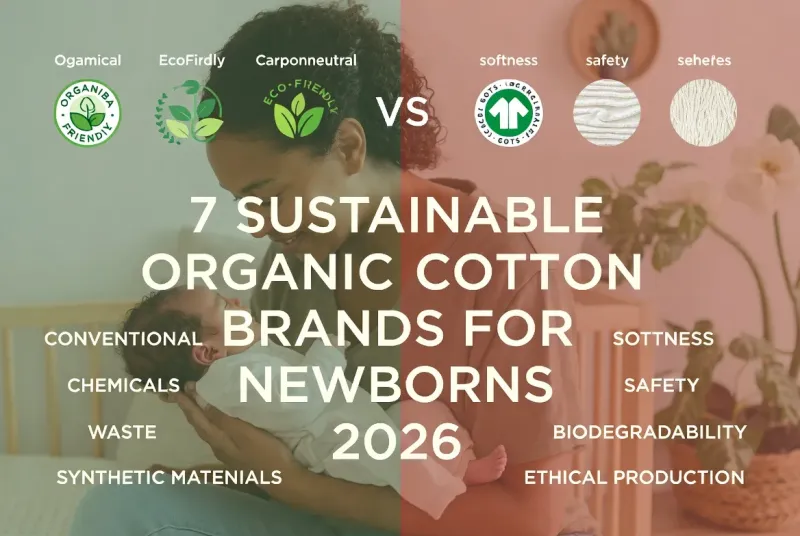
Why Organic Cotton Matters for Newborns Health, Environment, and Ethics
When you bring a newborn home, every choice feels monumental—including what clothes them. Conventional cotton, despite being a natural fiber, is one of the world's most chemically-intensive crops. It accounts for approximately 16% of global insecticide use and 7% of pesticide use, despite occupying only 2.4% of cultivated land. These chemicals don't just harm the environment; residues can remain in conventional cotton fabrics, potentially irritating your baby's delicate, developing skin.
Organic cotton offers a safer, more sustainable alternative. Here's why it matters
Health Benefits for Your Newborn
1. Gentle on Sensitive Skin- Newborn skin is 30% thinner than adult skin and more permeable- Organic cotton is free from harsh chemicals, pesticides, and synthetic dyes that can cause irritation, rashes, or allergic reactions- Natural fibers breathe better, reducing risk of overheating and skin conditions like eczema
2. No Toxic Chemical Exposure- Conventional cotton processing uses formaldehyde, heavy metals, and azo dyes- Organic cotton prohibits these substances, protecting your baby from endocrine disruptors and carcinogens- Reduces risk of respiratory irritation from chemical off-gassing
3. Softer, More Comfortable- Organic cotton fibers are often longer and stronger than conventional cotton- Results in softer, more durable fabric that withstands frequent washing without pilling or harshness- Gets softer with each wash—perfect for baby's sensitive skin
Environmental Impact
1. Water Conservation- Organic cotton farming uses 91% less water than conventional cotton- Relies on rainwater rather than irrigation in many regions- Healthier soil retains water more efficiently
2. No Harmful Pesticides or GMOs- Protects farm workers, local communities, and ecosystems from toxic chemical exposure- Preserves biodiversity and soil health- Prevents groundwater contamination
3. Lower Carbon Footprint- Organic farming practices sequester more carbon in soil- Eliminates synthetic fertilizers derived from fossil fuels- Many organic brands use renewable energy in production
4. Biodegradability- Organic cotton breaks down naturally without releasing microplastics- Conventional cotton blended with synthetics can persist in landfills for decades
Ethical Considerations
1. Fair Labor Practices- Certified organic brands often adhere to fair trade principles- Better wages and working conditions for garment workers- Safe working environments free from toxic chemical exposure
2. Transparent Supply Chains- Leading organic brands trace their cotton from farm to finished product- Accountability at every stage of production- Support for small-scale organic farmers
What to Look For Certifications That Matter
Not all "organic" claims are equal. Look for these third-party certifications
✅ GOTS (Global Organic Textile Standard)- The gold standard for organic textiles- Requires minimum 70% certified organic fibers (95% for "organic" label)- Prohibits toxic heavy metals, formaldehyde, aromatic solvents, and GMOs- Mandates strict environmental and social criteria throughout supply chain- Includes on-site inspections and testing for residues
✅ OEKO-TEX Standard 100- Tests for harmful substances in finished textiles- Class I certification is specifically for baby products (most stringent)- Tests for over 100 regulated and non-regulated substances- Ensures product is safe for baby's sensitive skin
✅ USDA Organic- Certifies organic farming practices- Prohibits synthetic pesticides, GMOs, and sewage sludge- Often paired with GOTS for complete supply chain verification
✅ Fair Trade Certified- Ensures fair wages and safe working conditions- Community development premiums for workers- Environmental sustainability requirements
✅ Made Safe- Screens ingredients for known behavioral toxins, endocrine disruptors, and more- One of the most comprehensive human health certifications
✅ B Corporation (B Corp)- Certifies overall social and environmental performance- Transparency, accountability, and legal commitment to stakeholder interests- Holistic assessment of business practices
The 7 Best Sustainable Organic Cotton Clothing Brands for Newborns in 2026
After extensive research evaluating certifications, quality, ethics, accessibility, and environmental commitment, here are the top 7 sustainable organic cotton brands for newborns:
#1: Pact Baby⭐ Overall Best for Affordable Everyday Essentials🌱 Certifications: GOTS Certified Organic, Fair Trade Certified💰 Price Range: $8-$28 for basics🌍 Made In: India (Fair Trade Certified factories)
Why We Love It:Pact has democratized organic cotton, making it accessible without compromising on certifications or ethics. Their newborn collection includes everything from bodysuits and sleepers to swaddles and hats—all GOTS certified and Fair Trade.
Standout Features:- 100% GOTS organic cotton (no blends)- Carbon-neutral shipping on all orders- Plastic-free packaging- Size range: Preemie to 24 months- Super-soft fabric that holds up to frequent washing- Gender-neutral designs in earth tones and soft pastels
Best For Budget-conscious parents who want certified organic basics without premium pricing
Sustainability Highlights:- Uses 95% less water than conventional cotton- Renewable energy in production facilities- Take-back program for worn-out clothes (recycling partnership)- Transparent supplier list published annually
Price Examples:- 3-pack bodysuits: $24- Footed sleeper: $22- Swaddle blanket: $18- Newborn hat and mittens set: $14
Where to Buy pactorganic.com, Amazon (select items)
#2: Burt's Bees Baby⭐ Best for Softness and Comfort🌱 Certifications: GOTS Certified, OEKO-TEX Standard 100💰 Price Range: $10-$35🌍 Made In: India, Peru, Turkey (GOTS certified facilities)
Why We Love It:Burt's Bees Baby has built a reputation for exceptionally soft organic cotton that parents and babies love. Their bee-themed branding and commitment to sustainability make them a trusted choice.
Standout Features:- 100% organic cotton (GOTS certified)- Signature "Bee Essentials" line with mix-and-match pieces- Adorable bee-themed designs and nature-inspired prints- Preemie to 5T sizing- Easy-snap closures for diaper changes- Machine washable and dryer-safe
Best For Parents prioritizing ultra-soft comfort and cute, nature-inspired designs
Sustainability Highlights:- 100% organic cotton since 2010- Reduced water usage by 33% since 2015- Recyclable packaging materials- Partnership with Cotton Incorporated for sustainable farming research
Price Examples:- 5-pack bodysuits: $32- Coverall sleeper: $24- Receiving blanket 2-pack: $20- Bee-themed gift set: $35
Where to Buy burtsbeesbaby.com, Target, Amazon, Walmart
#3: Finn + Emma⭐ Best for Stylish, Modern Designs🌱 Certifications: GOTS Certified, Fair Trade Certified💰 Price Range: $16-$48🌍 Made In: India (Fair Trade Certified facilities)
Why We Love It:Finn + Emma proves sustainable baby clothes can be seriously stylish. Their modern, minimalist designs and artistic prints appeal to design-conscious parents who refuse to compromise on ethics.
Standout Features:- 100% GOTS organic cotton- Unique, artist-designed prints (no generic patterns)- Gender-neutral aesthetic- Thoughtful details like envelope necklines and reinforced knees- Size range: Newborn to 5T- Coordinating parent items available
Best For Style-forward parents who want unique, Instagram-worthy organic baby clothes
Sustainability Highlights:- Fair Trade Certified ensuring fair wages- Low-impact, azo-free dyes- Plastic-free shipping materials- Carbon-neutral operations- Supports women's empowerment programs in manufacturing communities
Price Examples- Bodysuit 3-pack $42- Romper $38- Organic cotton hat $18- Swaddle blanket $32
Where to Buy finnandemma.com, Nordstrom, boutique retailers
#4: Colored Organics⭐ Best for Vibrant Colors and Prints🌱 Certifications: GOTS Certified, OEKO-TEX Standard 100, WRAP Certified💰 Price Range: $12-$38🌍 Made In: India (WRAP certified facilities)
Why We Love It:Colored Organics specializes in vibrant, playful designs that don't rely on toxic dyes. Their extensive print collection and commitment to safe, low-impact coloring processes set them apart.
Standout Features:- 100% GOTS organic cotton- Over 200 unique prints and patterns- Low-impact, azo-free dyes- Size range: Preemie to 12 years (great for siblings!)- Mix-and-match collections- Subscription box option for growing babies
Best For Parents who want colorful, fun designs without compromising on organic certification
Sustainability Highlights:- GOTS-certified low-impact dyes (no heavy metals or toxins)- Water recycling systems in production- Solar-powered facilities- Biodegradable packaging- Textile recycling program
Price Examples:- Bodysuit 5-pack: $35- Footed pajamas: $28- Organic cotton leggings: $18- Print mix-and-match sets: $32
Where to Buy coloredorganics.com, Amazon, specialty baby stores
#5: Under the Nile⭐ Best for Premium Quality and Durability🌱 Certifications: GOTS Certified, Fair Trade Certified, Made Safe💰 Price Range: $18-$52🌍 Made In: Egypt (Fair Trade Certified facilities)
Why We Love It:Under the Nile has been pioneering organic baby clothing since 1993. Their Egyptian organic cotton is renowned for exceptional quality, and their vertical integration (controlling everything from farm to finished product) ensures unparalleled transparency.
Standout Features:- 100% GOTS organic Egyptian cotton (longest, strongest fibers)- Made Safe certified (rigorous health standards)- Fair Trade Certified- Heirloom-quality construction- Timeless designs that work for any baby- Size range: Preemie to 24 months
Best For: Parents seeking premium, investment-quality organic cotton that lasts through multiple children
Sustainability Highlights:- Own organic cotton farms in Egypt (complete supply chain control)- Solar-powered production facilities- Zero-waste manufacturing (fabric scraps repurposed)- Fair wages and community development programs- Carbon-neutral shipping
Price Examples:- Bodysuit 3-pack: $42- Sleep gown: $38- Organic cotton blanket: $48- Layette gift set: $85
Where to Buy underthenile.com, Whole Foods, premium baby boutiques
#6: Kyte Baby⭐ Best for Temperature-Regulating Bamboo-Cotton Blends🌱 Certifications: OEKO-TEX Standard 100, FSC Certified (for bamboo)💰 Price Range: $16-$44🌍 Made In: China (OEKO-TEX certified facilities)
Why We Love It:While not 100% organic cotton, Kyte Baby's innovative bamboo-viscose and organic cotton blends offer superior temperature regulation—perfect for babies who run hot or have sensitive skin prone to overheating.
Standout Features:- Bamboo-viscose blend with organic cotton (70% bamboo, 30% organic cotton)- OEKO-TEX Standard 100 certified (Class I for babies)- Temperature-regulating fabric (keeps baby cooler in summer, warmer in winter)- Incredibly soft and breathable- Size range: Newborn to 6T- Beautiful, muted color palette
Best For Babies with eczema, sensitive skin, or temperature regulation issues
Sustainability Highlights:- FSC-certified bamboo (sustainably harvested)- Closed-loop production process (chemicals recycled, not released)- OEKO-TEX certified dyes and finishes- Plastic-free packaging- Carbon-neutral shipping option
Note: While bamboo is sustainable, the viscose production process involves chemicals. Kyte uses a closed-loop system that recaptures 99% of solvents.
Price Examples- Bodysuit 3-pack $36- Footed sleeper $34- Sleep sack $44- Bamboo swaddle $28
Where to Buy kytebaby.com, Amazon, boutique retailers
#7: Little Green Radicals⭐ Best for UK/European Parents and Bold Prints🌱 Certifications: GOTS Certified, Fair Trade Certified💰 Price Range: £12-£35 ($15-$45 USD)🌍 Made In: India and Turkey (GOTS certified facilities)
Why We Love It:Little Green Radicals brings bold, playful designs to organic baby clothing. Their commitment to fair trade and vibrant, non-toxic prints makes them a favorite among eco-conscious parents who refuse to sacrifice style.
Standout Features:- 100% GOTS organic cotton- Fair Trade Certified- Bold, colorful prints with social justice themes- Size range: 0-24 months- Matching sibling and parent items- Gender-inclusive designs
Best For Parents who want statement-making organic clothes with ethical values
Sustainability Highlights:- Fair Trade premiums support community development- GOTS-certified low-impact dyes- Renewable energy in production- Plastic-free packaging- Supports organic farming cooperatives
Price Examples:- Bodysuit 3-pack: £24 ($30)- All-in-one sleeper: £22 ($28)- Organic cotton hat: £10 ($13)- Gift set: £35 ($45)
Where to Buy littlegreeneradicals.com, select UK/EU retailers, international shipping available
Building a Sustainable Newborn Wardrobe Practical Tips
You don't need to buy everything organic to make a difference. Here's how to build a sustainable newborn wardrobe strategically:
1. Prioritize Organic for Skin-Contact ItemsFocus organic spending on:- Bodysuits/onesies (worn directly against skin)- Sleepers and pajamas (extended wear time)- Swaddles and blankets (prolonged skin contact)- Hats and mittens (sensitive areas)
Can be conventional (or hand-me-down):- Outer layers like jackets- Decorative items- Shoes (newborns don't need them!)
2. Buy Less, Choose Well- Newborns grow incredibly fast (outgrow NB size in weeks)- Focus on 0-3 month and 3-6 month sizes- Invest in quality pieces that last through multiple children- Accept hand-me-downs (washing removes most chemical residues)
3. Essential Newborn Clothing List (Minimalist Approach)- 5-7 bodysuits/onesies- 3-5 sleepers/footed pajamas- 2-3 swaddles or sleep sacks- 2-3 hats- 3-4 pairs of mittens- 5-7 pairs of socks- 2-3 lightweight blankets
Total Approximately $200-400 for all organic from brands above
4. Mix Price Points Strategically- Splurge on: Sleep items (extended wear), sensitive skin babies- Save on: Everyday basics from affordable brands like Pact- Consider: Subscription services or bulk packs for better value
5. Care for Organic Cotton Properly- Wash in cold water (preserves fibers, saves energy)- Use fragrance-free, eco-friendly detergent- Line dry when possible (extends garment life)- Avoid fabric softeners (reduce absorbency and breathability)- Treat stains immediately (organic cotton stains more easily without chemical treatments)
6. Extend Clothing Life- Mend small tears rather than discarding- Repurpose worn items as cleaning rags- Donate or sell gently-used items- Participate in clothing swaps with other parents- Use take-back programs when available
Understanding the True Cost of Organic Baby Clothes
Yes, organic cotton costs more upfront. Here's why—and why it's worth it
Price Comparison:- Conventional cotton bodysuit: $5-8- Organic cotton bodysuit: $10-18- Premium organic (GOTS + Fair Trade): $14-24
Why the Price Difference:1. Farming Costs- Organic farming is more labor-intensive (no synthetic pesticides)- Lower yields per acre initially (though soil health improves long-term)- Certification costs for farmers
2. Production Costs- Fair wages for workers (not sweatshop labor)- Safer working conditions- Environmental compliance- Smaller batch production
3. Quality and Durability- Organic cotton lasts longer (stronger fibers)- Holds up to frequent washing without pilling- Can be passed down to siblings or resold- Better resale value
Cost Per Wear Analysis:- Conventional bodysuit ($6) worn 20 times before deterioration = $0.30 per wear- Organic bodysuit ($16) worn 50+ times (through multiple children) = $0.32 per wear initially, but:andnbsp; - Resale value: $4-6andnbsp; - Hand-me-down value: Pricelessandnbsp; - Environmental cost: Significantly lower
The Real Cost of "Cheap" Clothes:- Environmental degradation (water pollution, soil depletion)- Worker exploitation (poverty wages, unsafe conditions)- Chemical exposure (to farmers, workers, and your baby)- Shorter lifespan (more frequent replacement = more waste)
Addressing Common Concerns About Organic Baby Clothes
Concern 1: "Organic cotton is too expensive"Reality: While upfront costs are higher, cost-per-wear evens out. Start with key pieces (sleep items, bodysuits) and supplement with conventional or second-hand items. Look for sales, bulk packs, and subscription discounts.
Concern 2: "There aren't enough style options"Reality: Organic baby clothing has come a long way! Brands like Finn + Emma, Colored Organics, and Little Green Radicals offer vibrant prints and modern designs. The stereotype of boring beige organic clothes is outdated.
Concern 3: "Organic cotton isn't as durable"Reality: High-quality organic cotton is often MORE durable than conventional cotton because the fibers aren't weakened by harsh chemical processing. GOTS-certified organic cotton must meet strict quality standards.
Concern 4: "I can't find organic clothes in my size/budget"Reality: Start small. Even one or two organic pieces make a difference. Look for:- Sales and clearance sections- Second-hand organic clothing (thrift stores, Facebook groups, Poshmark)- Clothing swaps with other parents- Affordable brands like Pact and Burt's Bees Baby
Concern 5: "Is organic really that much better for my baby?"Reality: For babies with sensitive skin, eczema, or allergies, organic cotton can make a significant difference in comfort and skin health. For all babies, it reduces exposure to potentially harmful chemical residues. The environmental and ethical benefits extend beyond your individual child.
The Future of Sustainable Baby Fashion Trends to Watch
As we move through 2026 and beyond, sustainable baby clothing is evolving
🌱 Circular Fashion Models- Rental services for baby clothes (especially for fast-growing newborns)- Take-back and recycling programs becoming standard- Upcycled and regenerated fiber clothing
🌱 Innovative Materials- Organic cotton blended with Tencel (lyocell) for enhanced softness- Regenerative organic cotton (goes beyond sustainable to restore soil health)- Plant-based dyes and natural colorants- Biodegradable elastics and trims
🌱 Technology Integration- Blockchain for complete supply chain transparency- QR codes on garments showing farm-to-closet journey- AI-powered sizing to reduce returns and waste
🌱 Policy Changes- Extended Producer Responsibility (EPR) laws requiring brands to manage end-of-life clothing- Stricter regulations on chemical use in textiles- Incentives for organic and regenerative farming
🌱 Accessibility Improvements- More affordable organic options as demand increases- Mainstream retailers expanding organic lines- Second-hand marketplaces making organic accessible to all budgets
Conclusion Every Choice Matters
Choosing sustainable organic cotton clothing for your newborn is more than a purchasing decision—it's a vote for the kind of world you want your child to inherit. Every organic cotton bodysuit represents:
✅ Cleaner water for farming communities✅ Safer working conditions for garment workers✅ Reduced chemical exposure for your baby✅ Lower environmental impact✅ Support for regenerative agricultural practices
You don't have to be perfect. Start where you are, with what you can afford. Whether you choose one organic sleeper or outfit your entire nursery in GOTS-certified clothing, your choices matter.
Remember:- Certifications matter: Look for GOTS, OEKO-TEX, and Fair Trade- Quality over quantity: Invest in pieces that last- Second-hand is sustainable: Hand-me-downs and thrifted organic clothes are excellent choices- Care matters: Proper washing extends garment life and reduces environmental impact- Your values matter: Support brands aligned with your ethics
The 7 brands featured in this guide—Pact, Burt's Bees Baby, Finn + Emma, Colored Organics, Under the Nile, Kyte Baby, and Little Green Radicals—represent the best of what sustainable organic baby clothing can be: safe, soft, stylish, and ethically made.
As your baby grows, so does their impact on the world. By choosing organic cotton from the very beginning, you're teaching them—through your actions—that their comfort, health, and future matter. That the people who make their clothes matter. That the planet they'll inherit matters.
Welcome to parenthood. Welcome to conscious consumerism. Welcome to raising a generation that knows better and can do better.
For more resources on sustainable parenting, eco-friendly baby products, and ethical family living, explore trusted platforms committed to environmental stewardship and social responsibility. Your journey toward sustainable parenting starts with one thoughtful choice at a time.
For curated selections of certified organic baby clothing, expert reviews, and personalized recommendations for your newborn's wardrobe, discover trusted retailers committed to sustainability, transparency, and the wellbeing of babies, workers, and our planet. Dress your baby in love, intention, and organic cotton.