

Dandruff Causes and Best Treatments for Flake-Free Hair
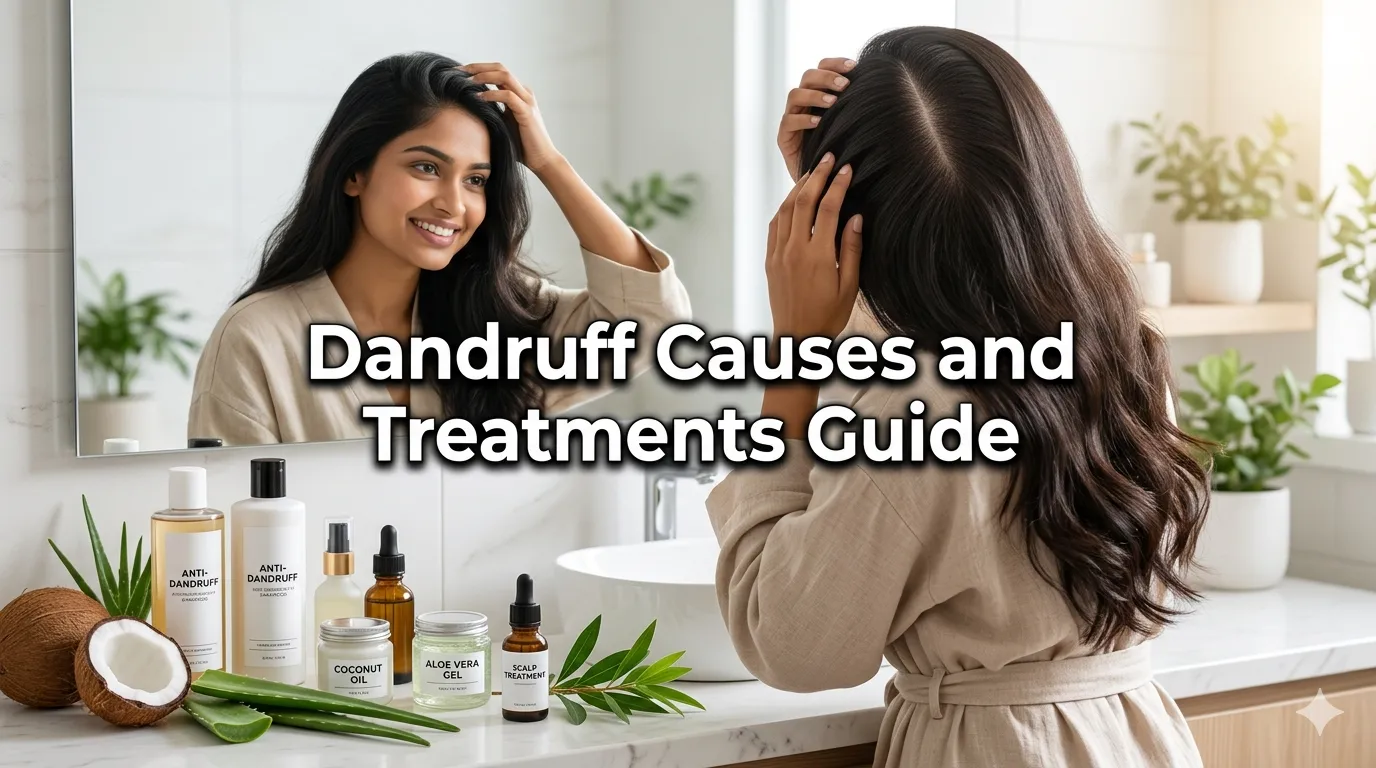
Dandruff is one of the most common scalp conditions affecting people of all ages, genders, and hair types. Those telltale white flakes on your shoulders, persistent itching, and an often-embarrassing scalp condition can impact your confidence and daily comfort. The good news? Dandruff is highly treatable, and with the right understanding of its causes and targeted treatments, you can achieve a flake-free, healthy scalp.
Battling dandruff effectively requires more than just grabbing any anti-dandruff shampoo off the shelf. It requires understanding what's causing your flakes, selecting the right active ingredients for your specific type of dandruff, and adopting scalp care habits that support long-term scalp health. While results take consistency and patience, implementing a thoughtful treatment approach can transform even the most stubborn dandruff into a manageable, occasional concern.
This comprehensive guide will walk you through everything you need to know about understanding and treating dandruff—from identifying the root causes of flaking and distinguishing between dandruff and dry scalp, to selecting the most effective treatments and building a scalp care routine that prevents recurrence. Whether you're dealing with mild, occasional flakes or persistent, severe dandruff, you'll find practical, science-backed strategies to help you achieve a healthier, flake-free scalp.
Understanding What Causes Dandruff
Before diving into solutions, it's essential to understand what leads to dandruff in the first place. Contrary to popular belief, dandruff isn't caused by poor hygiene—it's a complex scalp condition with multiple contributing factors.
Primary Causes of Dandruff
1. Malassezia Yeast Overgrowth
The most common cause of dandruff is an overgrowth of Malassezia, a yeast-like fungus that naturally lives on everyone's scalp. For most people, Malassezia is harmless, but in some individuals, it can trigger an inflammatory response that accelerates skin cell turnover.
How it works:
- Malassezia feeds on scalp oils (sebum)
- It produces oleic acid as a byproduct
- In sensitive individuals, oleic acid triggers inflammation
- Inflammation speeds up skin cell production
- Excess skin cells clump together with oil, forming visible flakes
2. Seborrheic Dermatitis
This is a more severe form of dandruff characterized by:
- Red, inflamed scalp skin
- Greasy, yellowish scales rather than dry white flakes
- Flaking that extends to eyebrows, ears, or chest
- More intense itching and discomfort
Seborrheic dermatitis is linked to Malassezia overgrowth, immune system response, and genetic predisposition.
3. Dry Scalp
Often confused with dandruff, dry scalp produces smaller, whiter flakes that aren't oily. Causes include:
- Cold, dry weather
- Over-washing with harsh shampoos
- Hot water stripping natural oils
- Age-related decrease in oil production
Key difference: Dry scalp flakes are small and white; dandruff flakes are larger, often yellowish, and accompanied by an oily scalp.
Contributing Factors
1. Hormonal Changes
Hormones influence oil production, which affects Malassezia growth. Fluctuations during puberty, pregnancy, menopause, or due to conditions like PCOS can trigger or worsen dandruff.
2. Stress
Chronic stress weakens the immune system and can trigger inflammatory responses, potentially worsening dandruff and seborrheic dermatitis.
3. Diet and Nutrition
- Diets high in sugar and processed foods may promote yeast growth
- Deficiencies in B vitamins, zinc, or omega-3 fatty acids may affect scalp health
- Dehydration can contribute to dry scalp conditions
4. Hair Care Habits
- Not washing hair frequently enough allows oil and dead skin to build up
- Using heavy styling products can trap flakes and irritate scalp
- Harsh shampoos can strip natural oils, triggering rebound oil production
- Not rinsing shampoo thoroughly leaves residue that irritates scalp
5. Environmental Factors
- Cold, dry weather can worsen both dandruff and dry scalp
- High humidity can promote yeast growth
- Pollution and hard water may irritate sensitive scalps
6. Underlying Health Conditions
- Parkinson's disease and other neurological conditions
- HIV/AIDS and other immune-compromising conditions
- Eczema or psoriasis affecting the scalp
- Yeast infections elsewhere in the body
Dandruff vs. Dry Scalp: Know the Difference
Many people mistake dry scalp for dandruff, but they require different treatments. Here's how to tell them apart:
Dandruff Characteristics
- Flake appearance: Larger, yellowish or white flakes that may feel oily
- Scalp condition: Often oily or greasy to the touch
- Itching: Moderate to intense itching
- Associated symptoms: Redness, inflammation, possible odor
- Response to treatment: Improves with anti-fungal ingredients
Dry Scalp Characteristics
- Flake appearance: Small, white, dry flakes that fall easily
- Scalp condition: Feels tight, dry, or flaky
- Itching: Mild to moderate itching, often with tightness
- Associated symptoms: Dry skin elsewhere on body, especially in winter
- Response to treatment: Improves with moisturizing and gentle care
Featured snippet answer: Dandruff is caused by Malassezia yeast overgrowth and produces oily, yellowish flakes with itching, while dry scalp results from lack of moisture and produces small, white, dry flakes. Dandruff requires anti-fungal treatments like zinc pyrithione or ketoconazole, while dry scalp needs moisturizing shampoos and gentle hydration.
Most Effective Ingredients for Treating Dandruff
Selecting products with the right active ingredients is crucial for effective dandruff treatment. Here are the most beneficial ingredients, categorized by how they work:
Anti-Fungal Ingredients (Target Malassezia)
1. Zinc Pyrithione
How it works: Reduces Malassezia yeast growth and has anti-inflammatory properties
Benefits:
- Effective against mild to moderate dandruff
- Reduces flaking and itching
- Gentle enough for frequent use
- Available in many affordable shampoos
How to use: Use shampoo containing 1-2% zinc pyrithione 2-3 times weekly. Leave on scalp for 3-5 minutes before rinsing for maximum effectiveness.
Best for: First-line treatment for common dandruff; suitable for most hair types
Product examples: Head and Shoulders, Dove Dermacare, Jason Dandruff Relief
2. Ketoconazole
How it works: Powerful anti-fungal that directly targets and reduces Malassezia yeast
Benefits:
- Highly effective for stubborn or severe dandruff
- Also helps with seborrheic dermatitis
- Long-lasting results with consistent use
- Reduces inflammation and itching
How to use: Use 1% ketoconazole shampoo (over-the-counter) or 2% (prescription) 2-3 times weekly. Leave on scalp for 3-5 minutes before rinsing.
Best for: Moderate to severe dandruff, seborrheic dermatitis, or when other treatments haven't worked
Product examples: Nizoral A-D (1% OTC), prescription-strength Nizoral (2%)
Note: May cause dryness; follow with conditioner on hair lengths only.
3. Selenium Sulfide
How it works: Slows skin cell turnover and reduces Malassezia growth
Benefits:
- Effective for oily dandruff and seborrheic dermatitis
- Reduces flaking and itching
- Helps control excess oil production
How to use: Use 1% selenium sulfide shampoo 2-3 times weekly. Leave on scalp for 2-3 minutes before rinsing thoroughly.
Best for: Oily scalp with dandruff; seborrheic dermatitis
Product examples: Selsun Blue, Head and Shoulders Clinical Strength
Caution: Can discolor blonde, gray, or chemically treated hair; rinse very thoroughly.
Exfoliating Ingredients (Remove Flakes)
4. Salicylic Acid
How it works: Beta hydroxy acid that exfoliates scalp, loosening and removing flakes
Benefits:
- Physically removes existing flakes and buildup
- Unclogs hair follicles
- Enhances penetration of other active ingredients
- Helps prevent future flake buildup
How to use: Use shampoo with 1.5-3% salicylic acid 2-3 times weekly. Massage into scalp and leave for 2-3 minutes before rinsing.
Best for: Thick, stubborn flakes; buildup from styling products
Product examples: Neutrogena T/Sal, Paul Mitchell Tea Tree Special Shampoo
Note: Can be drying; follow with moisturizing conditioner.
5. Coal Tar
How it works: Slows rapid skin cell turnover and reduces inflammation
Benefits:
- Effective for severe dandruff and scalp psoriasis
- Reduces itching, scaling, and inflammation
- Long history of safe use
How to use: Use 0.5-5% coal tar shampoo 2-3 times weekly. Leave on scalp for 5-10 minutes before rinsing thoroughly.
Best for: Severe dandruff, scalp psoriasis, or when other treatments fail
Product examples: Neutrogena T/Gel, Psoriatrax
Caution: Can increase sun sensitivity; may stain light hair or fabrics; has strong odor.
Soothing and Supporting Ingredients
6. Tea Tree Oil
How it works: Natural anti-fungal and anti-inflammatory properties
Benefits:
- Reduces Malassezia growth naturally
- Soothes itching and inflammation
- Refreshing scent and sensation
- Gentler alternative for sensitive scalps
How to use: Use shampoo with 5% tea tree oil 2-3 times weekly. Can also add a few drops of pure tea tree oil to regular shampoo (patch test first).
Best for: Mild dandruff, those preferring natural ingredients, sensitive scalps
Product examples: Paul Mitchell Tea Tree Special Shampoo, Maple Holistics Tea Tree Oil Shampoo
Note: Always dilute pure tea tree oil; can cause irritation if used undiluted.
7. Piroctone Olamine
How it works: Anti-fungal agent that targets Malassezia with less irritation than some alternatives
Benefits:
- Effective against dandruff-causing yeast
- Gentler on scalp than some anti-fungals
- Also has conditioning properties
- Less likely to cause dryness
How to use: Use shampoo containing 0.5-1% piroctone olamine 2-3 times weekly.
Best for: Sensitive scalps, those who find other anti-fungals too drying
Product examples: Clear Scalp and Hair Beauty Therapy, some European dandruff shampoos
Building Your Anti-Dandruff Scalp Care Routine
A consistent, well-structured routine is essential for treating and preventing dandruff. Here's how to structure your hair care for maximum effectiveness:
Washing Routine
Step 1: Choose the Right Anti-Dandruff Shampoo
- Start with zinc pyrithione for mild dandruff
- Escalate to ketoconazole or selenium sulfide for stubborn cases
- Rotate between two different active ingredients if one stops working
- Look for "clinical strength" options for severe flaking
Step 2: Proper Application Technique
- Wet hair thoroughly with lukewarm (not hot) water
- Apply shampoo directly to scalp, not just hair
- Massage gently with fingertips (not nails) for 1-2 minutes
- Let shampoo sit on scalp for 3-5 minutes before rinsing—this is crucial for active ingredients to work
- Rinse thoroughly to remove all residue
Step 3: Frequency
- Initial treatment phase: Use anti-dandruff shampoo every other day or 3-4 times weekly
- Maintenance phase: Once flakes are controlled, reduce to 1-2 times weekly
- Prevention: Use once weekly or as needed to prevent recurrence
Step 4: Conditioner Use
- Always follow anti-dandruff shampoo with conditioner to prevent dryness
- Apply conditioner to mid-lengths and ends only—avoid scalp
- Choose oil-free, non-comedogenic conditioners if you have oily scalp
- Rinse thoroughly with cool water to seal hair cuticles
Between Washes: Scalp Care
1. Avoid Heavy Styling Products
- Gels, pomades, and waxes can build up on scalp and worsen dandruff
- If you use styling products, wash hair more frequently
- Choose lightweight, water-based formulas
- Always wash out styling products before bed
2. Scalp Massage
- Gentle scalp massage improves circulation and helps loosen flakes
- Use fingertips, not nails, to avoid irritation
- Can be done dry or with a few drops of scalp oil
3. Avoid Scratching
- Scratching damages scalp and can worsen inflammation
- If itching is intense, use a soothing scalp treatment instead
- Keep nails short to minimize damage if you do scratch
Weekly Treatments
Scalp Exfoliation (1 Time Weekly)
- Use a scalp scrub or brush with salicylic acid to remove buildup
- Gentle physical exfoliation can help loosen stubborn flakes
- Follow with anti-dandruff shampoo for best results
- Don't over-exfoliate—once weekly is sufficient
Soothing Scalp Mask (As Needed)
- Apply aloe vera gel, diluted tea tree oil, or specialized scalp mask
- Leave on for 10-15 minutes before washing
- Helps calm inflammation and reduce itching
Natural and Home Remedies for Dandruff
While clinical ingredients are most effective, some natural remedies can complement your treatment or help with mild cases:
1. Apple Cider Vinegar Rinse
How it works: ACV's acidity helps restore scalp pH and has mild anti-fungal properties
How to use:
- Mix 1 part apple cider vinegar with 2-3 parts water
- After shampooing, pour mixture over scalp
- Massage gently and leave for 2-3 minutes
- Rinse thoroughly with cool water
- Use 1-2 times weekly
Benefits: Reduces itching, balances scalp pH, removes product buildup
Caution: Can sting if scalp is broken or very irritated; always dilute.
2. Coconut Oil Treatment
How it works: Lauric acid in coconut oil has anti-fungal properties; oil helps moisturize dry scalp
How to use:
- Warm 2-3 tablespoons of virgin coconut oil
- Massage into scalp and leave for 30 minutes to overnight
- Wash out thoroughly with anti-dandruff shampoo
- Use 1-2 times weekly
Benefits: Moisturizes dry scalp, may reduce Malassezia growth, soothes itching
Caution: Can worsen oily dandruff; best for dry scalp or as pre-shampoo treatment.
3. Aloe Vera
How it works: Anti-inflammatory and soothing properties calm irritated scalp
How to use:
- Apply pure aloe vera gel directly to scalp
- Leave for 20-30 minutes
- Rinse and follow with regular shampoo
- Use 2-3 times weekly as needed
Benefits: Reduces itching and inflammation, hydrates without greasiness
4. Baking Soda Scrub
How it works: Gentle physical exfoliant that removes flakes and buildup
How to use:
- Mix 1-2 tablespoons baking soda with water to form paste
- Gently massage into wet scalp
- Rinse thoroughly and follow with conditioner
- Use once weekly maximum
Benefits: Removes flakes, balances scalp pH, clarifies buildup
Caution: Can be drying; not for frequent use; may alter hair color with repeated use.
5. Omega-3 Supplementation
How it works: Omega-3 fatty acids reduce inflammation and support scalp health from within
How to use:
- Take 1,000-2,000 mg omega-3 (fish oil or algae-based) daily
- Include omega-3 rich foods: salmon, walnuts, flaxseeds, chia seeds
- Allow 4-8 weeks to see effects
Benefits: Reduces scalp inflammation, supports overall skin health
Lifestyle Changes That Support Dandruff Control
Your daily habits significantly impact scalp health and dandruff severity:
Diet Adjustments
Consider Reducing:
- Sugar and refined carbs: Can promote yeast growth and inflammation
- Dairy: Some people find dairy worsens seborrheic dermatitis
- Processed foods: Often lack nutrients needed for healthy skin
- Excessive alcohol: Can dehydrate skin and worsen inflammation
Eat More:
- Zinc-rich foods: Pumpkin seeds, chickpeas, lean meats support scalp healing
- B vitamins: Whole grains, eggs, leafy greens support skin cell health
- Omega-3 fatty acids: Salmon, walnuts, flaxseeds reduce inflammation
- Probiotics: Yogurt, kefir, fermented foods support healthy microbiome
- Water: Aim for 8+ glasses daily; hydration supports scalp health
Stress Management
Chronic stress can trigger or worsen dandruff by affecting immune function and inflammation:
- Practice meditation, deep breathing, or yoga
- Get 7-9 hours of quality sleep nightly
- Exercise regularly to reduce stress and improve circulation
- Make scalp care a relaxing self-care ritual
Hygiene Habits
- Wash hair regularly—don't let oil and dead skin build up
- Rinse shampoo and conditioner thoroughly to prevent residue
- Clean hairbrushes and combs weekly to prevent reinfection
- Change pillowcases 2-3 times weekly to reduce yeast transfer
- Avoid sharing hats, brushes, or towels with others
Common Mistakes That Worsen Dandruff
1. Not Letting Shampoo Sit
Anti-dandruff shampoos need 3-5 minutes on scalp to work. Rinsing immediately reduces effectiveness.
2. Using Hot Water
Hot water strips natural oils and can irritate scalp, worsening flaking. Use lukewarm water instead.
3. Over-Washing or Under-Washing
Both extremes can worsen dandruff. Find the right frequency for your scalp (typically every other day to 3 times weekly).
4. Scratching the Scalp
Scratching damages the scalp barrier, increases inflammation, and can lead to infection. Use soothing treatments instead.
5. Using Heavy Oils on Oily Scalp
Coconut oil or other heavy oils can feed Malassezia on oily scalps. Use lightweight, non-comedogenic products.
6. Stopping Treatment Too Soon
Dandruff often returns if treatment stops. Continue maintenance use even after flakes clear.
7. Ignoring Underlying Conditions
If dandruff is severe or doesn't respond to treatment, it may be seborrheic dermatitis, psoriasis, or another condition requiring medical attention.
When to See a Dermatologist
Consult a dermatologist if:
- Over-the-counter treatments aren't improving dandruff after 4-6 weeks of consistent use
- You have severe redness, swelling, pain, or oozing on scalp
- Dandruff is accompanied by hair loss
- Flaking extends to face, ears, chest, or other body areas
- You suspect scalp psoriasis, eczema, or fungal infection
- Dandruff is affecting your quality of life or causing significant distress
Professional treatments that may help:
- Prescription-strength shampoos: Higher concentrations of ketoconazole, selenium sulfide, or coal tar
- Topical steroids: For severe inflammation and itching
- Antifungal creams or solutions: For stubborn Malassezia overgrowth
- Light therapy: For severe seborrheic dermatitis or psoriasis
- Oral medications: In severe cases, oral antifungals or other systemic treatments
Special Considerations for Different Hair Types
Curly or Coily Hair
- May need to wash less frequently, making dandruff control more challenging
- Use anti-dandruff shampoo focused on scalp, condition lengths generously
- Consider co-washing (conditioner-only washing) between anti-dandruff washes
- Look for sulfate-free anti-dandruff options to prevent dryness
- Scalp treatments may need extra time to penetrate dense hair
Color-Treated or Chemically Processed Hair
- Some anti-dandruff ingredients (selenium sulfide, coal tar) can fade color
- Choose gentler options like zinc pyrithione or piroctone olamine
- Always follow with color-safe conditioner
- Consider alternating anti-dandruff shampoo with color-protecting shampoo
- Consult colorist before starting new scalp treatments
Fine or Thin Hair
- Heavy anti-dandruff shampoos can weigh hair down
- Look for "volumizing" or "lightweight" anti-dandruff formulas
- Focus conditioner on ends only to avoid flattening roots
- Rinse thoroughly to prevent buildup that makes hair look greasy
Very Dry or Damaged Hair
- Anti-dandruff shampoos can be drying; always follow with rich conditioner
- Consider pre-shampoo oil treatment to protect hair while treating scalp
- Look for anti-dandruff shampoos with added moisturizing ingredients
- Limit anti-dandruff shampoo to scalp only; use gentle shampoo on lengths
Preventing Dandruff Recurrence
Once you've controlled dandruff, maintain results with these ongoing practices:
- Continue maintenance washing: Use anti-dandruff shampoo once weekly even after flakes clear
- Rotate active ingredients: If one ingredient stops working, switch to another to prevent resistance
- Maintain scalp hygiene: Regular washing prevents oil and dead skin buildup
- Manage stress: Chronic stress can trigger flare-ups
- Support overall health: Balanced diet, adequate sleep, and hydration support scalp health
- Monitor for triggers: Note if weather changes, new products, or lifestyle factors trigger flaking
- Treat early: At first sign of returning flakes, increase anti-dandruff shampoo frequency
Timeline: When Will You See Results?
Patience and consistency are crucial when treating dandruff:
1-2 weeks: Initial reduction in flaking and itching with consistent anti-dandruff shampoo use
2-4 weeks: Significant improvement in visible flakes; scalp feels less itchy and irritated
4-6 weeks: Major improvement in scalp condition; dandruff largely controlled
6-8 weeks: Scalp health stabilized; maintenance routine established
Important: Results vary based on:
- Severity of initial dandruff
- Consistency with treatment routine
- Underlying factors (hormones, stress, health conditions)
- Correct identification of dandruff type (vs. dry scalp or other conditions)
- Individual response to active ingredients
Product Recommendations by Concern
For Mild, Occasional Dandruff:
- Head and Shoulders Classic Clean (zinc pyrithione)
- Dove Dermacare Scalp Anti-Dandruff Shampoo
- Jason Dandruff Relief Treatment Shampoo
For Moderate to Severe Dandruff:
- Nizoral A-D Anti-Dandruff Shampoo (ketoconazole 1%)
- Selsun Blue Medicated Treatment (selenium sulfide)
- Neutrogena T/Gel Therapeutic Shampoo (coal tar)
For Sensitive Scalp:
- Free and Clear Medicated Anti-Dandruff Shampoo
- Vanicream Dandruff Shampoo
- Paul Mitchell Tea Tree Special Shampoo (tea tree oil)
For Dry Scalp (Not True Dandruff):
- Aveeno Apple Cider Vinegar Blend Shampoo
- OGX Hydrating Tea Tree Mint Shampoo
- Briogeo Scalp Revival Charcoal + Coconut Oil Shampoo
For Natural/Alternative Approach:
- Maple Holistics Tea Tree Oil Shampoo
- Acure Seriously Soothing Blue Tansy Night Oil
- Homemade apple cider vinegar rinse or coconut oil treatment
Conclusion: Your Journey to a Flake-Free Scalp
Battling dandruff and achieving a flake-free, healthy scalp is absolutely achievable with the right knowledge, products, and consistent care. While it requires patience and commitment, the reward—comfortable, confident, healthy hair—is well worth the effort.
Remember that every scalp is unique. What works beautifully for one person may need adjustment for another. Pay attention to how your scalp responds, be willing to experiment within the guidelines of effective treatment, and celebrate small improvements along the way.
Start by incorporating one or two strategies from this guide—perhaps switching to a zinc pyrithione shampoo or adding a weekly scalp treatment. Build your routine gradually, prioritize gentle handling and thorough rinsing, and give your scalp time to heal and rebalance.
Your journey to a flake-free scalp starts today. With the knowledge and tools from this guide, you're well-equipped to take control of dandruff and achieve the healthy, comfortable scalp you deserve.
Remember: A healthy scalp is the foundation for healthy hair. Be patient, be consistent, and be kind to your scalp.