

Beauty Sleep is Real: How Sleep Deprivation Accelerates Aging and How to Fix It
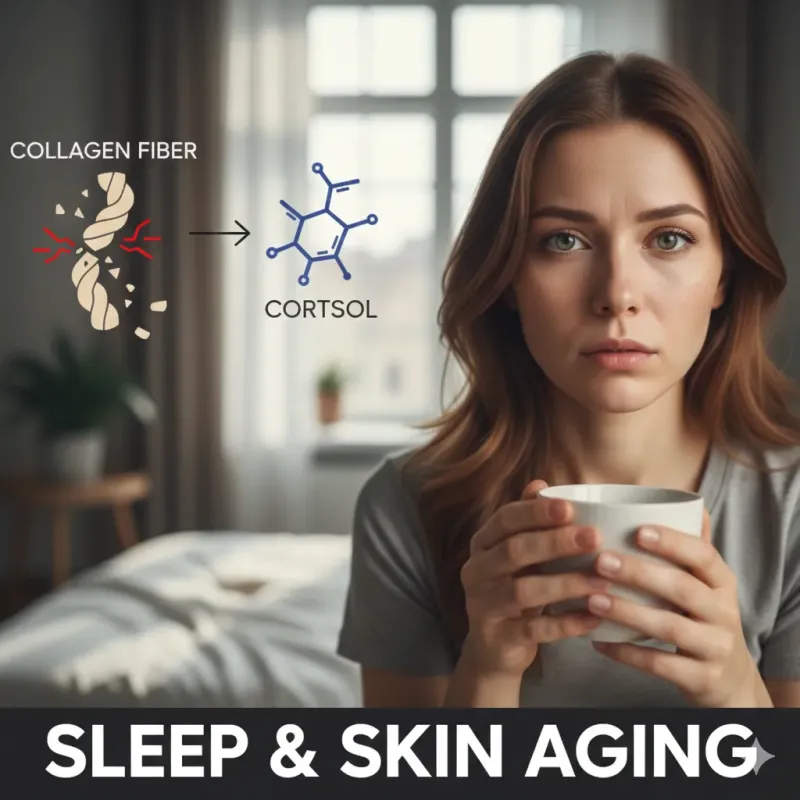
Understanding Beauty Sleep The Science Behind Rest and Radiance
"Beauty sleep" is more than a poetic phrase—it's a measurable, biological phenomenon. When you sleep, your skin doesn't rest; it works. During specific sleep stages, particularly deep (slow-wave) sleep and REM sleep, your body activates critical repair processes that directly impact your skin's appearance, resilience, and long-term health.
Conversely, when sleep is insufficient or disrupted, these processes are compromised, creating a cascade of effects that accelerate visible aging, worsen existing concerns, and leave skin vulnerable to further damage. Understanding this connection empowers you to prioritize sleep not as a luxury, but as a foundational pillar of skincare.
What Happens to Your Skin During Sleep?
Your skin follows a circadian rhythm—a 24-hour biological clock that regulates cellular functions in sync with light and dark cycles. At night, several key processes peak:
Process 1: Collagen Synthesis andamp; Repair- Growth hormone, released primarily during deep sleep, stimulates fibroblasts to produce new collagen and elastin- Cellular repair mechanisms fix UV damage, oxidative stress, and micro-injuries accumulated during the day- Matrix metalloproteinases (MMPs), enzymes that break down collagen, are downregulated at night- Result: Overnight, your skin rebuilds its structural foundation
Process 2: Barrier Restoration andamp; Hydration- Transepidermal water loss (TEWL) decreases at night, allowing skin to retain moisture more effectively- Production of natural moisturizing factors (NMFs) and barrier lipids (ceramides, cholesterol) increases- Skin pH stabilizes, supporting microbiome balance and enzyme function- Result: Morning skin feels plumper, smoother, and more resilient
Process 3: Cellular Detoxification andamp; Renewal- The glymphatic system (the brain's waste-clearance system) is highly active during sleep; emerging research suggests similar clearance mechanisms in skin- Autophagy—the cellular "clean-up" process that removes damaged components—peaks during sleep- Cell turnover accelerates, shedding dead cells and revealing fresher skin- Result: Reduced dullness, clearer complexion, and improved texture
Process 4: Inflammation Regulation- Cortisol, the primary stress hormone, naturally declines at night, reducing inflammation- Anti-inflammatory cytokines increase, calming redness and supporting healing- Melatonin, the sleep hormone, acts as a potent antioxidant in skin, neutralizing free radicals- Result: Less redness, faster healing of breakouts or irritation, and reduced risk of chronic inflammation
Process 5: Pigmentation Control- Melanocyte activity (cells that produce pigment) follows a circadian pattern- Sleep supports even melanin distribution and reduces post-inflammatory hyperpigmentation (PIH)- Result: More even tone and reduced risk of dark spots
When Sleep Is Compromised The Aging Accelerator
Chronic sleep deprivation disrupts these nighttime processes, creating measurable impacts on skin health and appearance.
Impact 1: Accelerated Collagen Breakdown- Sleep loss elevates cortisol, which:andnbsp; • Increases production of MMPs that degrade collagen and elastinandnbsp; • Suppresses fibroblast activity, reducing new collagen synthesisandnbsp; • Promotes inflammation that further damages structural proteins- Result: Fine lines deepen, skin loses firmness, and sagging appears earlier
Impact 2: Impaired Barrier Function- Inadequate sleep reduces production of barrier lipids and NMFs- TEWL increases, leading to dehydration, tightness, and flakiness- A compromised barrier allows irritants to penetrate more easily, triggering sensitivity and inflammation- Result: Skin feels rough, looks dull, and reacts more easily to products or environment
Impact 3: Increased Oxidative Stress- Sleep deprivation reduces melatonin and other endogenous antioxidants- Free radicals from UV, pollution, and metabolic stress accumulate unchecked- Oxidative damage accelerates cellular aging and contributes to hyperpigmentation- Result: Dullness, uneven tone, and premature aging signs
Impact 4: Worsened Inflammation andamp; Breakouts- Elevated cortisol from poor sleep promotes inflammation and sebum production- Immune function is impaired, reducing skin's ability to fight acne-causing bacteria- Healing of existing breakouts slows, increasing risk of scarring or PIH- Result: More frequent or persistent acne, slower recovery, and increased redness
Impact 5: Visible Signs of Fatigue- Fluid retention increases due to altered lymphatic drainage during poor sleep- Blood vessels under the eyes become more visible, creating dark circles- Skin appears pale or sallow due to reduced microcirculation- Result: Puffiness, dark circles, and a "tired" complexion that's hard to conceal
Impact 6: Disrupted Circadian Signaling- Chronic sleep loss desynchronizes skin's circadian clock genes- This impairs timing of repair processes, reducing their efficiency- Long-term, this may accelerate biological aging at the cellular level- Result: Skin appears older than chronological age; recovery from damage slows
The Sleep-Skin Connection Key Research Insights
Scientific studies consistently demonstrate the link between sleep quality and skin health
- A 2015 study in Clinical and Experimental Dermatology found that poor sleepers had significantly higher signs of intrinsic aging (fine lines, uneven pigmentation, reduced elasticity) compared to good sleepers, even after controlling for sun exposure and skincare habits.
- Research in the Journal of Investigative Dermatology showed that sleep-deprived individuals had impaired barrier recovery after tape-stripping (a test of barrier function), with slower restoration of hydration and pH balance.
- A study in Skin Pharmacology and Physiology demonstrated that topical melatonin application improved skin elasticity and reduced oxidative markers, supporting melatonin's role as a skin antioxidant.
- Emerging research on circadian biology suggests that aligning skincare routines with skin's natural rhythms (e.g., applying repair-focused actives at night) enhances efficacy.
The takeaway: Sleep isn't passive downtime for skin—it's active repair time. Protecting and optimizing this window is as important as any topical product.
The Science-Backed Protocol Restoring Skin Through Better Sleep
Addressing sleep-deprived skin requires a dual approach: improving sleep quality to support natural repair processes, and using targeted skincare to compensate for and enhance nighttime renewal. This protocol integrates dermatological science with practical, sustainable habits.
Pillar 1 Sleep Hygiene Foundations (The Non-Negotiable Base)
Before adding products, optimize your sleep environment and habits to support skin's natural repair cycle.
Strategy 1: Prioritize Sleep Duration andamp; Consistency- Aim for 7-9 hours of quality sleep nightly; consistency matters more than occasional long nights- Go to bed and wake up at similar times daily, even on weekends, to stabilize circadian rhythms- Create a wind-down routine: dim lights, avoid screens 60-90 minutes before bed, gentle stretching or meditation- Why it works: Regular sleep patterns synchronize skin's circadian clock, optimizing timing of repair processes
Strategy 2: Optimize Your Sleep Environment- Keep bedroom cool (60-67°F/15-19°C), dark, and quiet to support deep sleep- Use blackout curtains, white noise, or earplugs if needed- Invest in a silk or satin pillowcase to reduce friction on skin and hair (less tugging = fewer sleep lines)- Why it works: Environmental cues signal your body it's time for restorative sleep; reduced friction minimizes mechanical stress on skin
Strategy 3: Manage Light Exposure- Get bright natural light in the morning to anchor circadian rhythms- Limit blue light exposure 2-3 hours before bed: use screen filters, blue-light-blocking glasses, or device night modes- Avoid bright overhead lights in the evening; use warm, dim lamps instead- Why it works: Light is the primary regulator of melatonin production; managing exposure supports natural sleep-wake cycles and skin's circadian functions
Strategy 4: Support Sleep with Nutrition andamp; Timing- Avoid large meals, caffeine, and alcohol 3-4 hours before bed; these disrupt sleep architecture- Consider sleep-supportive nutrients: magnesium (calms nervous system), L-theanine (promotes relaxation), tart cherry juice (natural melatonin source)- Stay hydrated throughout the day, but reduce fluids 1-2 hours before bed to minimize nighttime awakenings- Why it works: Digestive and stimulant effects can fragment sleep; targeted nutrients support physiological relaxation
Pillar 2 Nighttime Skincare for Sleep-Enhanced Repair
Your evening routine is an opportunity to align topical care with skin's natural nighttime repair processes. Focus on ingredients that support collagen synthesis, barrier restoration, and antioxidant defense.
Key Ingredients for Nighttime Repair
1. Retinoids (Retinol, Retinaldehyde, Prescription Tretinoin)Why they work at night:- Retinoids increase collagen production and normalize cell turnover—processes that peak during sleep- They can increase sun sensitivity; nighttime application avoids UV exposure- Skin's barrier is more permeable at night, potentially enhancing retinoid penetration- Synergizes with growth hormone release during deep sleep for amplified repair
How to use:- Start low and slow: 0.25-0.5% retinol or 0.1% adapalene, 2-3 nights/week- Apply to dry skin after cleansing; wait 20 minutes before moisturizing- Use the "sandwich method" if sensitive: moisturizer → retinoid → moisturizer- Always pair with daily broad-spectrum SPF 30+; retinoids increase sun sensitivity- Expect initial adjustment (4-8 weeks) before visible improvement; full results take 3-6 months
2. Peptides (Signal Peptides, Copper Peptides)Why they work at night:- Signal peptides mimic natural protein fragments to "signal" fibroblasts to produce collagen—aligning with nighttime growth hormone peaks- Copper peptides support wound healing and antioxidant defense during skin's repair phase- Generally well-tolerated and can be layered with other actives- Provide targeted support without the irritation risk of stronger actives
How to use:- Look for products listing specific peptides (e.g., palmitoyl pentapeptide-4, copper tripeptide-1)- Apply after water-based serums, before moisturizer; can be used nightly- Pairs well with retinoids, hyaluronic acid, and niacinamide- Results typically visible in 8-12 weeks with consistent use
3. Niacinamide (Vitamin B3)Why it works at night:- Boosts production of ceramides and other barrier lipids, supporting overnight barrier restoration- Reduces inflammation and redness, calming skin after daytime stressors- Minimizes pore appearance and improves texture—addressing multiple concerns simultaneously- Well-tolerated by most skin types, including sensitive or reactive skin
How to use:- Choose 4-5% concentration for optimal efficacy with minimal irritation- Apply after cleansing, before moisturizer, evening routine- Pairs well with most ingredients, including retinoids and peptides- Visible results in 4-8 weeks with consistent use
4. Hyaluronic Acid (Multi-Molecular Weight)Why it works at night:- Attracts and binds water, maximizing hydration during skin's low-TEWL nighttime window- Multi-molecular formulations deliver hydration at multiple depths for comprehensive plumping- Supports barrier function and enhances penetration of other actives- Non-comedogenic and suitable for all skin types
How to use:- Apply to damp skin to maximize water-binding capacity- Layer under moisturizer to seal in hydration- Can be used nightly; pairs well with all actives- Immediate plumping effect; long-term barrier support with consistent use
5. Antioxidants (Vitamin C Derivatives, Ferulic Acid, Green Tea Extract)Why they work at night:- Neutralize free radicals accumulated during the day, preventing overnight oxidative damage- Support collagen protection and reduce inflammation- Some antioxidants (like certain vitamin C derivatives) are more stable or effective in nighttime formulations- Complement skin's endogenous antioxidant systems (melatonin, glutathione) that peak during sleep
How to use:- Apply antioxidant serums after cleansing, before moisturizer- Layer multiple antioxidants for synergistic protection (e.g., vitamin C derivative + ferulic acid)- Consistent nightly use provides cumulative protection against environmental aging
Sample Nighttime Routine for Sleep-Enhanced Skin Repair
Step 1: Gentle Double Cleanse (5 minutes)- First cleanse: Oil-based cleanser or micellar water to remove sunscreen, makeup, and pollutants- Second cleanse: pH-balanced, hydrating cleanser to purify without stripping- Pat dry gently; avoid rubbing, which can irritate sleep-compromised skin
Step 2: Treatment Serum (2-3 minutes)- Option A (Retinoid nights): Retinol or retinaldehyde serum (2-3x/week)- Option B (Peptide nights): Signal peptide or copper peptide serum (alternate nights)- Option C (Rest nights): Niacinamide or antioxidant serum for barrier support- Apply to dry skin; allow 1-2 minutes to absorb
Step 3: Hydrating Serum (1-2 minutes)- Hyaluronic acid serum (multi-molecular weight) applied to damp skin- Press gently into face and neck; avoid tugging delicate areas
Step 4: Night Moisturizer or Face Oil (2-3 minutes)- Ceramide-rich moisturizer with peptides or panthenol for barrier support- Optional: 2-3 drops of facial oil (squalane, rosehip, or marula) pressed over moisturizer for extra nourishment- Focus on areas prone to dryness or fine lines (around eyes, mouth, neck)
Step 5: Targeted Treatments (Optional, 1 minute)- Eye cream with peptides or caffeine for under-eye concerns- Lip treatment with hyaluronic acid or ceramides for overnight hydration- Spot treatment with azelaic acid or niacinamide for active breakouts
Weekly Support:- Gentle chemical exfoliation (1x/week max, on non-retinoid nights): Lactic acid or PHA to remove accumulated dead cells- Hydrating or repair mask (1x/week): Look for ceramides, hyaluronic acid, or centella for intensive overnight recovery- Facial massage or gua sha (2-3x/week): Gentle upward strokes with facial oil to support lymphatic drainage and product absorption
Pillar 3 Lifestyle Synergies for Sleep andamp; Skin Health
Skincare and sleep hygiene work best when supported by broader lifestyle habits that reduce stress, inflammation, and oxidative damage.
Nutrition for Sleep-Skin Synergy:- Prioritize magnesium-rich foods: Leafy greens, nuts, seeds, and legumes support nervous system calm and cortisol regulation- Include tryptophan sources: Turkey, eggs, dairy, and seeds provide precursors for melatonin and serotonin production- Limit evening sugar and refined carbs: Blood sugar spikes can disrupt sleep architecture and increase inflammation- Stay hydrated: Dehydration impairs skin barrier function and can fragment sleep; aim for adequate water intake earlier in the day
Stress Management Practices:- Evening mindfulness or meditation: 10-15 minutes before bed lowers cortisol and prepares mind/body for rest- Gentle movement: Restorative yoga, stretching, or walking earlier in the evening supports relaxation without overstimulation- Journaling or gratitude practice: Offloading worries before bed reduces cognitive arousal that interferes with sleep onset- Why it works: Chronic stress elevates cortisol, which disrupts sleep and accelerates skin aging; managing stress supports both
Environmental Adjustments:- Air quality: Use an air purifier or keep windows open (if outdoor air is clean) to reduce pollutant exposure that can irritate skin and disrupt sleep- Humidity control: Maintain 40-60% humidity in bedroom to support skin hydration and respiratory comfort- Temperature regulation: Cool sleeping environment supports deep sleep and reduces nighttime sweating that can irritate skin
When to Seek Professional Guidance
While lifestyle and topical care improve most sleep-related skin concerns, professional support can accelerate results or address underlying issues.
Consult a Dermatologist If:- Skin concerns persist despite consistent sleep improvement and skincare (e.g., severe hyperpigmentation, deep wrinkles, persistent acne)- You want personalized recommendations for prescription-strength actives (tretinoin, hydroquinone) or in-office procedures- You suspect underlying skin conditions (rosacea, eczema, melasma) exacerbated by sleep loss
A dermatologist can:- Prescribe targeted topicals or oral medications if needed- Recommend professional treatments (chemical peels, laser therapy, microneedling) to address specific concerns- Coordinate care with sleep specialists if sleep disorders are suspected
Consider a Sleep Specialist If:- You struggle with chronic insomnia, sleep apnea, or restless leg syndrome despite good sleep hygiene- Daytime fatigue significantly impacts work, mood, or quality of life- You suspect medications or health conditions are disrupting sleep
A sleep specialist can:- Conduct sleep studies to diagnose underlying disorders- Recommend cognitive behavioral therapy for insomnia (CBT-I), the gold-standard non-pharmacological treatment- Coordinate care with your primary provider to address medical contributors
Realistic Expectations Timelines for Improvement
Repairing sleep-deprived skin requires patience. Unlike acute concerns that may improve quickly, reversing sleep-related aging involves restoring biological processes that take time.
Short-Term (1-2 Weeks):- Improved hydration and comfort with consistent nighttime skincare- Reduced morning puffiness with better sleep position and hydration habits- Slightly brighter complexion with antioxidant support and improved sleep duration
Medium-Term (2-6 Weeks):- Noticeable reduction in dullness and improved texture with consistent exfoliation and barrier support- Faded post-inflammatory marks with niacinamide and sun protection- Better resilience: skin recovers more quickly from occasional poor sleep nights
Long-Term (6-12+ Weeks):- Visible improvement in fine lines and firmness with retinoids, peptides, and consistent sleep- More even tone and reduced hyperpigmentation with antioxidant support and circadian-aligned care- Sustainable routine: integrated sleep hygiene and skincare habits that maintain results with minimal maintenance
Factors Influencing Your Timeline:- Sleep consistency: Regular, quality sleep accelerates repair more than occasional long nights- Baseline skin health: Previously damaged skin may take longer to show improvement- Age and genetics: Natural aging processes influence recovery speed; focus on progress, not perfection- Lifestyle factors: Nutrition, stress management, and sun protection significantly impact results
Common Mistakes to Avoid
Even with good intentions, certain approaches can undermine your efforts to repair sleep-deprived skin.
Mistake 1: Over-Treating Skin to "Fix" Sleep DamageWhy it backfires: Layering multiple potent actives (retinoids, acids, vitamin C) on sleep-compromised skin can overwhelm the barrier, causing irritation that worsens inflammation and delays repair.Fix: Prioritize barrier support and gentle, consistent care; introduce one new active at a time.
Mistake 2: Skipping Nighttime Skincare Because "I'm Too Tired"Why it backfires: Skipping cleansing allows pollutants, makeup, and sebum to accumulate overnight, clogging pores and impairing barrier repair during skin's critical renewal window.Fix: Keep a minimal "tired-night" routine: micellar water or cleansing wipe, hydrating serum, moisturizer. Even 2 minutes of care supports skin.
Mistake 3: Expecting Skincare to Compensate for Chronic Sleep LossWhy it backfires: Topicals support but cannot override the biological necessity of sleep; without adequate rest, repair processes remain compromised.Fix: View skincare as complementary to sleep—not a substitute. Prioritize both for best results.
Mistake 4: Using Heavy, Comedogenic Products at NightWhy it backfires: Thick, occlusive formulas can trap heat and sebum, potentially worsening breakouts or milia, especially on sleep-deprived skin that may be more reactive.Fix: Choose lightweight, non-comedogenic nighttime formulas that support barrier function without clogging pores.
Mistake 5: Ignoring Sleep Position andamp; Pillowcase ChoicesWhy it backfires: Sleeping on your side or stomach creates mechanical pressure on skin, contributing to sleep lines that can become permanent wrinkles over time; cotton pillowcases create friction that irritates skin.Fix: Train yourself to sleep on your back when possible; use silk or satin pillowcases to reduce friction.
The Mindset Shift Self-Compassion Over Perfection
Sleep-deprived skin can feel deeply personal—seeing tired eyes or dullness in the mirror after a hard night can amplify feelings of stress or inadequacy. It's easy to blame yourself or feel frustrated when "perfect" skincare doesn't instantly reverse fatigue.
Reframe the Narrative- Your skin's appearance after poor sleep reflects biology, not personal failure- Occasional sleep disruptions are normal; consistency over time matters more than perfection- Progress isn't linear: one restless night doesn't erase weeks of good habits
Practice Skin-Positive Self-Talk- Instead of "My skin looks terrible because I didn't sleep," try "My skin is resilient; I'm supporting it with gentle care tonight"- Celebrate non-appearance wins: prioritizing rest, completing a simple routine, choosing nourishing foods- Remember: radiant skin reflects overall well-being, not just topical products
Build a Supportive Environment- Share your journey with trusted friends or communities; you're not alone in balancing rest and radiance- Limit exposure to filtered, idealized imagery that fuels unrealistic expectations about "perfect" skin- Focus on health and function: skin that feels comfortable and resilient, not just looks flawless
The Bigger Picture Sleep as Foundational Self-Care
Addressing sleep-deprived skin often reveals opportunities to support broader well-being. The same practices that restore skin through better sleep—consistent routines, stress management, nourishing nutrition—also benefit mental health, immune function, and long-term vitality.
By approaching sleep as an act of self-care rather than a chore, you empower yourself to:- Listen to your body's cues about rest, stress, and recovery needs- Advocate for sustainable routines that honor both skin and overall health- Cultivate confidence that comes from informed care, not perfection
Conclusion Radiant Skin Through Rest and Intentional Care
Beauty sleep is real—not as a magical fix, but as a biological necessity. By understanding how sleep supports skin repair, implementing targeted nighttime skincare, and prioritizing sleep hygiene as foundational self-care, you can reverse the visible effects of sleep deprivation and cultivate skin that looks refreshed, resilient, and radiant.
Remember:- Sleep is active repair time: Collagen synthesis, barrier restoration, and detoxification peak during rest- Consistency compounds: Regular, quality sleep yields greater benefits than occasional long nights- Skincare supports but doesn't replace sleep: Prioritize both for optimal results- Progress is personal: Focus on your own journey, not comparisons to filtered imagery- Self-compassion matters: Your worth isn't defined by a tired-looking day
Start where you are. Audit your current sleep habits and nighttime routine. Identify one change to make this week—perhaps setting a consistent bedtime, adding a peptide serum, or switching to a silk pillowcase. Notice how your skin and well-being respond. Build from there.
Your skin tells a story of resilience, adaptation, and the quiet power of showing up for yourself—even on tired days. With informed care and self-compassion, you can cultivate skin that not only looks radiant but feels like a reflection of your strength and intention.
For evidence-based skincare resources, personalized guidance, and expert support tailored to sleep-deprived skin and circadian-aligned care, explore trusted platforms that prioritize science, transparency, and individualized care. Your journey to refreshed, resilient skin starts with one intentional choice at a time.