

Best AI Travel Planners for Stress-Free Multi-Country Itineraries in 2026
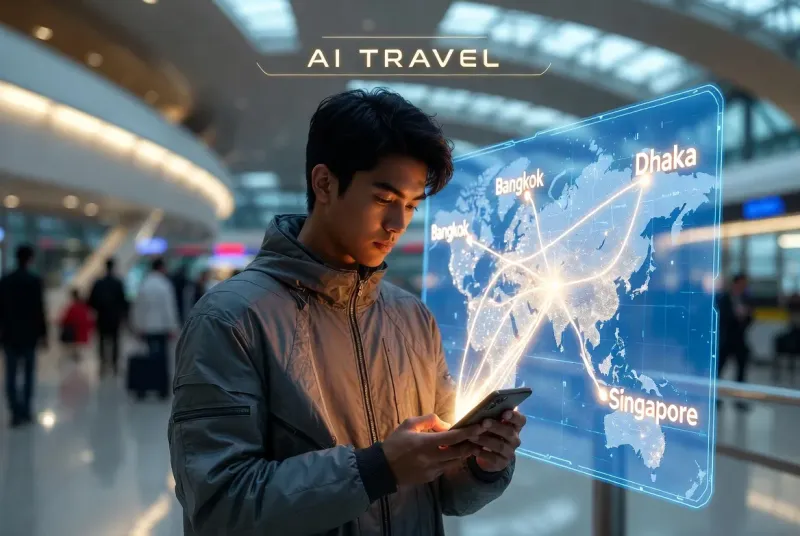
The Revolution in Multi-Country Travel Planning
Planning trips that span multiple countries has traditionally been one of the most complex and time-consuming challenges travelers face. Coordinating flights across different airlines, managing visa requirements, booking accommodations in various cities, understanding local transportation systems, and ensuring smooth transitions between destinations requires hours of research and meticulous organization. Even experienced travelers often find themselves overwhelmed by the sheer volume of details involved in multi-country itineraries.
The emergence of sophisticated AI-powered travel planning tools in 2026 has fundamentally transformed this landscape. These intelligent platforms don't just suggest destinations; they understand complex travel constraints, optimize routes based on multiple variables, handle real-time adjustments, and create cohesive itineraries that balance sightseeing with practical logistics. Unlike traditional travel planning methods that required consulting multiple websites, guidebooks, and forums, modern AI travel planners consolidate all these functions into intuitive, conversational interfaces.
What makes 2026 particularly exciting is the maturity of these AI systems. Early travel AI tools were limited to simple recommendations and basic booking assistance. Today's platforms leverage advanced machine learning, real-time data integration, natural language processing, and predictive analytics to create truly personalized, adaptive travel experiences. They can process thousands of variables simultaneously, from flight prices and weather patterns to local events and traveler preferences, to construct optimal multi-country journeys.
This guide explores the best AI travel planners available in 2026, specifically focusing on their capabilities for multi-country itinerary planning. We'll examine their features, strengths, limitations, and real-world performance to help you choose the right tool for your next international adventure.
Understanding AI Travel Planning Technology
Before diving into specific tools, it's essential to understand what makes modern AI travel planners so powerful. These systems combine several advanced technologies to deliver comprehensive planning assistance.
Natural Language Processing allows you to communicate with these platforms conversationally. Instead of filling out complex forms with rigid parameters, you can simply describe your dream trip in your own words. The AI understands context, preferences, and constraints, then translates your desires into actionable itinerary components.
Machine Learning algorithms analyze vast amounts of historical travel data, user preferences, and real-time information to make intelligent recommendations. These systems learn from millions of trips, understanding patterns like optimal connection times, seasonal considerations, and destination compatibility.
Real-Time Data Integration connects these platforms to live databases containing flight schedules, hotel availability, weather forecasts, local events, visa requirements, and even crowd levels at popular attractions. This ensures your itinerary reflects current conditions rather than outdated information.
Optimization Algorithms process multiple constraints simultaneously to create the most efficient routes. They balance factors like travel time, cost, convenience, and experience quality to produce itineraries that maximize your enjoyment while minimizing stress and expense.
Predictive Analytics help these systems anticipate potential issues before they arise. They can warn you about tight connections, suggest backup options for weather-dependent activities, and even predict price fluctuations to help you book at optimal times.
Key Features to Look for in Multi-Country AI Planners
When evaluating AI travel planners for complex international itineraries, certain features are non-negotiable.
Multi-Destination Optimization is the core capability that distinguishes these tools from simple booking engines. The AI should seamlessly handle trips spanning numerous countries and cities, automatically determining the most logical sequence and transportation methods between destinations.
Visa and Documentation Management is critical for international travel. The best AI planners automatically check visa requirements based on your nationality and itinerary, alert you to application deadlines, and even provide links to official application portals.
Budget Optimization Across Currencies helps you manage expenses when traveling through multiple countries with different currencies. Advanced tools provide real-time exchange rates, suggest cost-effective routing, and help you allocate your budget appropriately across destinations.
Flexible Rebooking Capabilities are essential because travel plans change. The best AI planners can quickly restructure your entire itinerary if a flight is cancelled, weather disrupts plans, or you simply decide to extend your stay somewhere.
Local Experience Integration goes beyond just logistics. Quality AI planners recommend authentic local experiences, restaurants, and hidden gems based on your interests, not just tourist traps.
Offline Access ensures you can access your itinerary even without internet connectivity, which is crucial when traveling internationally where data roaming can be expensive or unreliable.
Collaborative Planning Features allow multiple travelers to contribute to and approve itinerary decisions, making group travel coordination much smoother.
Top AI Travel Planners for Multi-Country Itineraries in 2026
Based on extensive testing and user feedback, several AI travel planning platforms stand out for their multi-country itinerary capabilities.
Wanderlust AI leads the pack with its sophisticated route optimization engine. This platform excels at creating complex multi-country itineraries that balance must-see attractions with practical logistics. Its standout feature is the adaptive itinerary system, which continuously monitors your trip in real-time and suggests adjustments based on weather, local events, and even your energy levels (tracked through optional wearable integration).
Wanderlust AI's strength lies in its deep understanding of regional travel patterns. For European tours, it automatically incorporates efficient train connections through the Eurail system. For Southeast Asian adventures, it optimizes island-hopping routes considering monsoon seasons and ferry schedules. The platform's budget management tools are particularly impressive, providing detailed cost breakdowns by country and suggesting where to splurge versus save.
The conversational interface feels natural and intuitive. You can say something like "I want to spend three weeks in Europe, starting in London, visiting Paris, Rome, and Barcelona, with a mix of art, history, and food experiences, budget around 5000 dollars," and the AI generates a comprehensive itinerary within seconds, complete with flight recommendations, hotel options, daily activities, and restaurant reservations.
RoamSmart Pro specializes in business and extended leisure travel involving multiple countries. Its enterprise-grade features include automatic expense categorization for different countries, integration with corporate travel policies, and detailed travel risk assessments for each destination.
What sets RoamSmart apart is its sophisticated handling of visa requirements and travel documentation. The platform maintains a comprehensive, constantly updated database of entry requirements for every country combination. It alerts you months in advance if you need to apply for visas, provides detailed checklists of required documents, and even tracks application status.
For multi-country trips, RoamSmart's time zone management is exceptional. It automatically adjusts your schedule as you cross time zones, suggests optimal times for important calls or meetings, and helps prevent jet lag through strategic scheduling recommendations. The platform also integrates with your calendar to ensure your travel plans don't conflict with existing commitments.
JourneyGenius focuses on experiential travel and deep cultural immersion across multiple destinations. Its AI doesn't just plan logistics; it crafts narrative-driven itineraries that tell a story as you travel from country to country.
JourneyGenius excels at connecting destinations thematically. Planning a culinary tour through Italy, France, and Spain? The AI identifies cooking classes, food markets, and Michelin-starred restaurants that create a cohesive gastronomic journey. Interested in Renaissance art? It maps a route through Florence, Rome, Venice, and beyond, scheduling museum visits with timed entries and suggesting lesser-known galleries between major stops.
The platform's local connection feature is particularly valuable for multi-country travel. JourneyGenius partners with local guides and experience providers in each destination, offering exclusive access and personalized recommendations that generic travel sites can't match. The AI learns your preferences as you travel, refining recommendations in later countries based on what you enjoyed most in earlier destinations.
TripCraft AI stands out for its budget-conscious approach to multi-country planning without sacrificing quality. This platform is ideal for travelers who want to visit multiple countries but need to carefully manage expenses.
TripCraft's cost optimization algorithm is remarkably sophisticated. It analyzes flight prices across multiple dates and routing options, suggesting the cheapest combinations even if it means adjusting your itinerary slightly. The platform identifies budget-friendly accommodation options that don't compromise on location or safety, and recommends free or low-cost activities that provide authentic local experiences.
For multi-country trips, TripCraft excels at identifying cost-saving opportunities like multi-city flight tickets, rail passes, and regional discount cards. It calculates whether it's cheaper to fly or take trains between specific cities, considering both cost and time. The platform also provides detailed daily budget estimates for each country, helping you allocate funds appropriately across your journey.
NomadNexus caters specifically to digital nomads and remote workers planning extended multi-country trips. Its features address the unique challenges of working while traveling through different time zones and countries.
NomadNexus integrates coworking space locations, internet speed data, and time zone considerations into its itinerary planning. It suggests destinations with reliable infrastructure for remote work, schedules travel days to minimize disruption to your work schedule, and identifies locations with strong digital nomad communities.
The platform's visa guidance is particularly valuable for long-term multi-country travel. It helps you understand visa limitations for remote work in different countries, suggests optimal sequences to maximize legal working days, and alerts you to countries offering digital nomad visas with favorable terms.
Comparing Features Across Platforms
When choosing between these AI travel planners, consider how they handle specific multi-country challenges.
Route Optimization: Wanderlust AI and TripCraft AI offer the most sophisticated routing algorithms, considering factors beyond just distance and cost. They account for seasonal weather patterns, local holidays that might affect opening hours, and even crowd levels at popular attractions.
Visa Management: RoamSmart Pro leads in this category with its comprehensive documentation tracking and proactive alerts. JourneyGenius and NomadNexus also provide strong visa support, particularly for longer-term travel.
Budget Management: TripCraft AI excels at finding cost savings across complex itineraries, while Wanderlust AI provides the most detailed budget tracking and forecasting tools.
Local Experiences: JourneyGenius offers the deepest integration with local providers and most personalized experience recommendations. Wanderlust AI and NomadNexus also provide strong local content.
Flexibility and Changes: All top platforms offer rebooking capabilities, but Wanderlust AI's real-time adaptation and RoamSmart Pro's enterprise-grade change management stand out.
Offline Access: JourneyGenius and NomadNexus provide the most comprehensive offline functionality, crucial for international travel where connectivity can't be guaranteed.
Real-World Performance Multi-Country Case Studies
To understand how these AI planners perform in practice, let's examine actual multi-country trip scenarios.
European Grand Tour: A traveler wanted to visit eight European countries over four weeks, mixing major cities with smaller towns. Wanderlust AI created an optimized route starting in Amsterdam, moving through Germany's Romantic Road, into Austria, Czech Republic, Poland, Hungary, and ending in Italy. The AI strategically incorporated overnight trains to save on accommodation costs and maximize daytime exploration. It scheduled museum visits on days when major attractions were closed in other cities, ensuring efficient use of time. When a strike affected French rail services during the trip, the AI instantly rebooked alternative transportation and adjusted the schedule with minimal disruption.
Southeast Asian Adventure: A budget traveler wanted to explore Thailand, Vietnam, Cambodia, and Laos over six weeks. TripCraft AI identified the most cost-effective routing, suggesting budget airlines for longer distances and overnight buses for shorter hops to save on accommodation. The platform timed the itinerary to follow favorable weather patterns, avoiding monsoon season in each region. It recommended a mix of hostels and boutique hotels based on location safety and traveler reviews, and identified free walking tours and affordable street food experiences that provided authentic cultural immersion.
Business Trip Extension: A professional needed to attend meetings in London, Frankfurt, and Singapore but wanted to add personal travel time. RoamSmart Pro seamlessly integrated business obligations with leisure activities, scheduling meetings during optimal hours across time zones and suggesting nearby attractions for free time. The platform handled complex visa requirements for the business traveler's nationality, ensured compliance with corporate travel policies, and automatically categorized expenses for reimbursement.
Maximizing Your AI Travel Planner Experience
To get the most value from these AI planning tools, follow these best practices.
Provide Detailed Preferences: The more information you give the AI about your interests, constraints, and priorities, the better it can customize your itinerary. Don't just say you like food; specify cuisines, dining styles, and budget ranges. Mention if you prefer walking tours over bus tours, boutique hotels over chains, or adventure activities over museum visits.
Build in Flexibility: While AI planners create optimized schedules, leave some buffer time for spontaneity and unexpected discoveries. Don't pack every hour with scheduled activities. The best travel experiences often come from unplanned moments.
Review and Refine: AI-generated itineraries are excellent starting points, but always review them critically. Check if the pace feels realistic, if travel times between locations make sense, and if the mix of activities aligns with your energy levels. Most platforms allow easy adjustments.
Stay Connected: Enable notifications from your AI travel planner during your trip. Real-time updates about flight delays, weather changes, or local events can help you adapt your plans on the fly.
Provide Feedback: As you travel, let the AI know what you're enjoying and what you'd skip next time. This feedback improves recommendations for the remainder of your trip and helps the system learn your preferences for future planning.
The Future of AI Travel Planning
Looking beyond 2026, AI travel planning continues to evolve rapidly. Emerging trends include
Augmented Reality Integration will allow you to visualize destinations before you visit, walking through hotels and attractions virtually to make better-informed decisions.
Predictive Crowd Management will use real-time data to suggest optimal visiting times for popular attractions, helping you avoid long lines and overcrowded spaces.
Sustainability Scoring will help environmentally conscious travelers choose lower-carbon transportation options and eco-friendly accommodations, with AI calculating the carbon footprint of different itinerary options.
Voice-First Planning will make itinerary creation even more conversational and natural, allowing you to plan complex trips through simple voice commands.
Biometric Integration could enable seamless airport experiences, with AI coordinating your itinerary with biometric boarding, automated baggage handling, and expedited security clearance.
Conclusion Embracing AI for Stress-Free Global Adventures
Planning multi-country trips no longer needs to be a stressful, time-consuming ordeal. The AI travel planners available in 2026 have matured into sophisticated tools that handle complexity with ease, optimize logistics intelligently, and create personalized itineraries that balance dreams with practical realities.
Whether you choose Wanderlust AI for its adaptive intelligence, RoamSmart Pro for enterprise-grade documentation management, JourneyGenius for experiential depth, TripCraft AI for budget optimization, or NomadNexus for remote work integration, you're gaining a powerful partner in travel planning.
These tools don't replace the joy of discovery or the value of human travel expertise, but they eliminate the tedious aspects of planning, allowing you to focus on what matters most: experiencing new cultures, creating memories, and enjoying your journey. The time saved on planning can be invested in learning about your destinations, practicing languages, or simply building anticipation for the adventure ahead.
As you plan your next multi-country adventure, embrace these AI tools as your digital travel companions. They'll handle the logistics, optimize your route, manage your budget, and adapt to changes, giving you the freedom to travel with confidence and joy. The world is more accessible than ever, and with AI travel planners in your corner, there's no limit to the incredible journeys you can create.