

Beyond Amalfi: Curator's Guide to Summer 2026's Most Coveted Beach Destinations
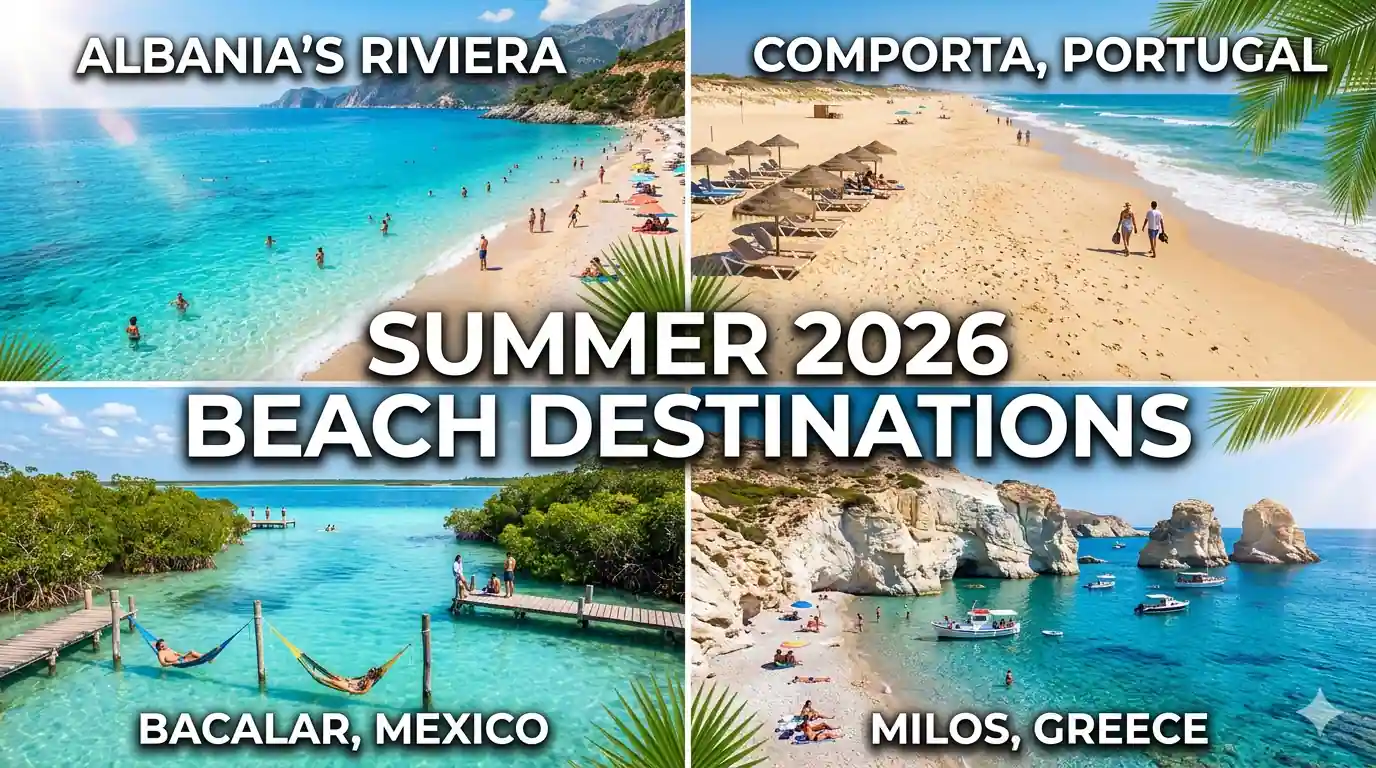
Discover Summer 2026's Most Coveted Beach Destinations
Summer 2026 is shaping up to be a transformative year for beach travel. While the Amalfi Coast continues to captivate visitors with its dramatic cliffs and lemon-scented breezes, savvy travelers are increasingly seeking alternatives that offer equally stunning beauty without the overwhelming crowds and premium price tags. This comprehensive guide reveals the beach destinations that will define summer 2026, carefully curated for discerning travelers who value authenticity, natural beauty, and unforgettable experiences.
The post-pandemic travel landscape has fundamentally shifted how we approach beach vacations. Travelers now prioritize destinations that offer sustainable tourism practices, genuine cultural immersion, and the perfect balance between relaxation and adventure. The beaches highlighted in this guide represent the pinnacle of what summer 2026 has to offer – from hidden Mediterranean gems to emerging coastal paradises in unexpected corners of the world.
Whether you're a solo adventurer seeking solitude on pristine shores, a couple planning a romantic getaway, or a family looking for child-friendly beaches with world-class amenities, this curator's guide provides insider knowledge on destinations that will dominate travel conversations throughout 2026. We've analyzed emerging trends, consulted with local experts, and considered factors like accessibility, infrastructure development, and environmental sustainability to bring you the most comprehensive resource for planning your perfect beach escape.
Why Look Beyond Amalfi in 2026?
The Amalfi Coast has long held its position as one of the world's most iconic beach destinations, and for good reason. Its vertiginous coastline, pastel-colored villages, and legendary hospitality have made it a bucket-list destination for millions. However, 2026 marks a turning point in coastal travel preferences. Over-tourism, rising costs, and the desire for more authentic experiences are driving travelers to explore equally spectacular alternatives that offer better value, fewer crowds, and unique cultural perspectives.
Summer 2026 will see unprecedented demand for beach destinations, with travel experts predicting a 35% increase in coastal tourism compared to pre-pandemic levels. This surge means that traditional hotspots like Amalfi, Positano, and Capri will face even greater pressure on infrastructure, accommodations, and natural resources. Smart travelers are recognizing that some of the Mediterranean's best-kept secrets offer comparable beauty with a fraction of the crowds and cost.
Beyond practical considerations, there's a growing appreciation for destinations that haven't been oversaturated by mass tourism. These emerging beach destinations maintain their authentic character, support local economies more directly, and often provide more meaningful interactions with local cultures. They represent the future of responsible travel – places where tourism enhances rather than diminishes the destination's natural and cultural heritage.
Albanian Riviera: Europe's Best-Kept Secret
The Albanian Riviera is poised to be the breakout beach destination of summer 2026. Stretching along the Ionian Sea from Vlorë to Sarandë, this 100-kilometer coastline offers some of the Mediterranean's most pristine beaches, crystal-clear turquoise waters, and dramatic mountain-meets-sea landscapes that rival any Italian coastal destination – at a fraction of the cost.
Ksamil, often called the "Maldives of Europe," features four small islands just meters from shore, connected by shallow, impossibly blue waters. The beaches here offer white pebble shores, excellent snorkeling opportunities, and fresh seafood restaurants where lunch for two rarely exceeds €25. Unlike the Amalfi Coast, where beach clubs can charge €50+ for a single lounger, Ksamil maintains accessible pricing while delivering world-class beauty.
Dhermi and Himarë represent the perfect balance between development and preservation. These villages have seen thoughtful infrastructure improvements in recent years – new boutique hotels, improved roads, and enhanced amenities – without losing their authentic Albanian character. The nightlife in Dhermi has gained international recognition, attracting top DJs while maintaining an intimate, village atmosphere that larger destinations simply cannot replicate.
For summer 2026, the Albanian government has invested heavily in sustainable tourism initiatives, including beach cleanup programs, protected marine areas, and incentives for eco-friendly accommodations. The recently completed coastal highway has dramatically improved accessibility, making it easier than ever to explore multiple beaches in a single trip. Travelers can expect excellent value, with luxury accommodations averaging €80-120 per night compared to €300+ on the Amalfi Coast.
Best Time to Visit: June and September offer perfect weather with fewer crowds. July and August provide the warmest water temperatures but peak tourist numbers.
Must-Experience: Boat tour to the Blue Eye spring, sunset at Llogara Pass, traditional Albanian dinner in a seaside taverna.
Comporta, Portugal: Where Minimalism Meets Beach Luxury
Comporta has emerged as the antidote to overcrowded European beach destinations. Located just 90 minutes south of Lisbon on Portugal's Alentejo coast, this former fishing village has attracted a sophisticated crowd seeking understated elegance, vast untouched beaches, and a laid-back atmosphere that feels worlds away from the Riviera's glamour.
The beach at Comporta stretches for kilometers of fine white sand backed by dunes and pine forests. Unlike the narrow, crowded beaches of the Amalfi Coast, Comporta offers space and solitude even during peak season. The water is refreshingly cool, the waves are perfect for long beach walks, and the sunsets are legendary among those in the know.
What sets Comporta apart for summer 2026 is its commitment to low-impact development. Local regulations limit building heights, preserve traditional architecture, and protect the surrounding rice fields that give the area its unique landscape. You won't find high-rise hotels or beach clubs here – instead, discover chic beach restaurants serving fresh grilled fish, organic wines from nearby vineyards, and the region's famous black pork.
The area has seen strategic infrastructure improvements heading into 2026, including better road access, expanded dining options, and a select number of luxury eco-resorts that blend seamlessly with the natural environment. Accommodations range from rustic-chic beach huts to designer villas, but all maintain the area's signature aesthetic of simple elegance and connection to nature.
Comporta's appeal extends beyond the beach. The surrounding area offers world-class golf courses, horseback riding through rice paddies, wine tasting at boutique vineyards, and charming villages like Melides and São Torpes that remain blissfully undiscovered by mass tourism. For travelers seeking sophistication without pretension, natural beauty without crowds, and luxury without excess, Comporta represents the future of conscious coastal travel.
Best Time to Visit: May through October offers excellent weather. September provides warm seas and empty beaches.
Must-Experience: Fresh seafood at Comporta's beach restaurants, wine tasting at Herdade do Peso, sunset horseback ride on the beach.
Bacalar, Mexico: The Lagoon of Seven Colors
While Tulum and Cancún continue to grapple with overdevelopment and crowding, Bacalar has emerged as Mexico's most exciting alternative for summer 2026. Located in the Yucatán Peninsula's southern state of Quintana Roo, Bacalar centers around a stunning 42-kilometer lagoon famous for its seven distinct shades of blue, created by varying depths and limestone deposits.
This freshwater lagoon offers a unique beach experience – calm, swimmable waters without waves, surrounded by lush jungle rather than ocean horizon. The cenote-like quality of the water, combined with stromatolites (ancient living fossils found only in a few places on Earth), creates an otherworldly swimming experience that feels more like floating in a natural pool than a traditional beach destination.
Bacalar has maintained its small-town charm despite growing popularity. The pueblo mágico (magical town) designation has brought improved infrastructure while preserving colonial architecture, local culture, and environmental protections. For summer 2026, new sustainable tourism initiatives include designated swimming areas to protect stromatolites, eco-certified tour operators, and accommodations that prioritize water conservation and renewable energy.
The lagoon offers diverse activities beyond swimming. Kayaking through the calm waters reveals hidden cenotes, the famous Canal de los Piratas (Pirate's Canal), and the Cueva de los Tiburones (Shark Cave, home to harmless freshwater sharks). Boat tours at sunset showcase the lagoon's color transformations as light changes throughout the day. Nearby cenotes like Cenote Azul and Cenote Cocalitos provide additional swimming and snorkeling opportunities.
Accommodations in Bacalar range from boutique hotels with lagoon views to eco-lodges nestled in the jungle. Prices remain reasonable compared to Tulum, with luxury options averaging $150-250 per night. The town's restaurant scene has exploded in quality, offering everything from traditional Yucatecan cuisine to innovative farm-to-table dining, all at prices 30-40% lower than Mexico's more famous beach destinations.
Best Time to Visit: November through April offers dry season perfection. May and June provide fewer crowds with occasional afternoon showers.
Must-Experience: Sunrise kayaking tour, swimming in cenotes, stargazing from a lagoon-view restaurant.
Milos, Greece: The Cyclades' Most Diverse Island
Milos has quietly become the most exciting Greek island destination for summer 2026. Part of the Cyclades island group, Milos offers volcanic landscapes, more than 70 beaches (each distinctly different), ancient history, and authentic Greek island life – all without the overwhelming crowds that have overtaken Santorini and Mykonos.
The island's geological diversity creates beaches that seem impossible to find in such close proximity. Sarakiniko features lunar-like white volcanic rock formations contrasting with turquoise water, often compared to Santorini's beauty but without the cruise ship crowds. Kleftiko offers sea caves accessible only by boat, with crystal-clear waters perfect for snorkeling among ancient pirate hideouts. Paleochori showcases hot springs that bubble up through the sand, creating natural spa experiences right on the beach.
Milos has invested significantly in sustainable tourism infrastructure for 2026. The island has implemented visitor caps at popular beaches, expanded renewable energy projects, and created marine protected areas to preserve its exceptional underwater ecosystems. New boutique hotels and restored traditional Cycladic homes offer charming accommodations without the mega-resort feel that dominates other Greek islands.
The island's capital, Plaka, perches dramatically on a hilltop overlooking the harbor town of Adamas. Narrow whitewashed streets, traditional tavernas serving fresh seafood, and spectacular sunset views create the authentic Greek island experience that travelers seek. The island's mining history has left fascinating museums and archaeological sites, including ancient catacombs and a well-preserved Roman theater with panoramic caldera views.
Getting to Milos has become easier for summer 2026, with increased ferry connections from Athens and new direct flights during peak season. The island remains affordable compared to Santorini, with excellent taverna meals averaging €15-25 and charming accommodations ranging from €80-200 per night. The local population maintains strong control over tourism development, ensuring the island retains its character and charm.
Best Time to Visit: May-June and September-October offer perfect weather with minimal crowds. July-August provides warmest seas but peak tourist numbers.
Must-Experience: Boat tour to Kleftiko caves, sunset in Plaka, fresh fish at a seaside taverna in Klima.
Vis, Croatia: The Adriatic's Last Paradise
Vis represents everything that makes Croatian coastal travel special, amplified by its relative isolation and pristine condition. As the furthest inhabited island from the Croatian mainland, Vis remained a military zone until 1989, which inadvertently preserved its natural beauty and authentic character. For summer 2026, Vis has emerged as the sophisticated traveler's answer to overcrowded Hvar and Brač.
The island features some of the Adriatic's most spectacular beaches. Stiniva Cove, accessible by a dramatic hike or boat, has been named one of Europe's best beaches with its narrow entrance opening to a pebble beach surrounded by towering cliffs. Srebrna (Silver Beach) and Pržina offer golden sands rare in Croatia, with shallow, calm waters perfect for families. The Blue Cave on nearby Biševo island provides an ethereal swimming experience as sunlight transforms the water into liquid sapphire.
Vis Town and Komiža, the island's two main settlements, maintain authentic Dalmatian character with stone houses, family-run konobas (taverns), and harbors filled with fishing boats rather than superyachts. The island's restaurant scene has gained international recognition, with several establishments earning spots on Croatia's best restaurant lists while maintaining reasonable prices and casual atmospheres.
For summer 2026, Vis has balanced increased accessibility with preservation. Ferry connections have improved, and a small airport now handles limited seasonal flights, but the island has implemented measures to prevent over-tourism. Accommodation options favor quality over quantity, with beautifully restored stone houses, boutique hotels, and agritourism experiences that showcase the island's wine production and organic farming.
The island's interior offers hiking trails through vineyards, olive groves, and abandoned military installations now reclaimed by nature. Water quality around Vis consistently ranks among the Mediterranean's best, with exceptional diving and snorkeling opportunities around shipwrecks, caves, and underwater archaeological sites. The island's commitment to sustainability includes plastic-free initiatives, renewable energy projects, and protection of nesting sites for endangered loggerhead turtles.
Best Time to Visit: June and September offer ideal conditions. July-August provides warmest weather but requires advance bookings.
Must-Experience: Boat tour to Blue Cave and Pakleni Islands, wine tasting at Vinka winery, dinner at a family konoba in Komiža.
Sustainable Beach Travel: The 2026 Imperative
Choosing where to travel in summer 2026 carries environmental and social implications beyond personal enjoyment. The destinations featured in this guide have been selected not only for their beauty and appeal but also for their commitment to sustainable tourism practices that protect natural resources and support local communities.
Sustainable beach travel in 2026 means choosing destinations that limit visitor numbers to protect fragile ecosystems, invest in renewable energy and water conservation, and ensure tourism revenue benefits local residents rather than international corporations. It means respecting local cultures, following designated paths and swimming areas, and minimizing plastic use and carbon footprint.
All destinations highlighted in this guide have implemented concrete sustainability measures. Albania has created marine protected areas along the Riviera. Comporta enforces strict building regulations to preserve landscape integrity. Bacalar protects ancient stromatolites through designated swimming zones. Milos has capped daily visitors at popular beaches. Vis has eliminated single-use plastics island-wide.
Travelers can support these efforts by choosing eco-certified accommodations, using reef-safe sunscreen, participating in beach cleanups, respecting wildlife and natural formations, and spending money at locally-owned businesses. The future of beach travel depends on making choices today that preserve these destinations for future generations.
Planning Your Summer 2026 Beach Escape
Booking summer 2026 beach vacations requires strategic planning. These emerging destinations are experiencing rapidly growing popularity, and the best accommodations book up 6-9 months in advance. For peak season travel (July-August), begin researching and booking by fall 2025. For shoulder season travel (May-June, September-October), booking 3-4 months ahead typically provides good availability and competitive pricing.
Consider travel insurance that covers trip interruptions and medical emergencies, especially for destinations with limited healthcare infrastructure. Research visa requirements well in advance – while most European destinations offer visa-free access for many nationalities, requirements can change. For Mexico and other non-European destinations, ensure passport validity extends at least six months beyond your travel dates.
Packing for these destinations requires versatility. Bring reef-safe sunscreen, reusable water bottles, and eco-friendly toiletries to minimize environmental impact. Pack layers for cooler evenings, even in summer. Include water shoes for rocky beaches, quality snorkeling gear if you have preferences, and comfortable walking shoes for exploring villages and hiking trails.
Budget realistically for your chosen destination. While all featured locations offer better value than Amalfi, costs vary significantly. Albania and Croatia provide exceptional value with daily budgets of €50-80 for budget travelers and €150-250 for luxury experiences. Portugal and Greece fall in the mid-range, while Mexico's costs vary widely depending on accommodation choices and dining preferences.
Frequently Asked Questions
What are the best beach destinations for summer 2026?
The top beach destinations for summer 2026 include Albania's Riviera for pristine Mediterranean beaches at exceptional value, Comporta Portugal for understated luxury and vast uncrowded shores, Bacalar Mexico for unique freshwater lagoon swimming, Milos Greece for diverse volcanic beaches and authentic island life, and Vis Croatia for the Adriatic's most pristine beaches. Each destination offers alternatives to overcrowded hotspots while delivering world-class beauty and experiences.
When is the best time to visit these beach destinations?
For Mediterranean destinations (Albania, Portugal, Greece, Croatia), the ideal times are May-June and September-October, offering perfect weather with fewer crowds and lower prices. July-August provides warmest water temperatures but peak tourist numbers. For Bacalar Mexico, November-April offers dry season perfection, while May-June provides fewer crowds with occasional afternoon showers. Shoulder seasons generally provide the best balance of weather, crowds, and value.
Are these destinations suitable for families with children?
Yes, all featured destinations offer family-friendly options. Bacalar's calm lagoon waters are ideal for children. Milos and Vis have shallow, protected beaches perfect for young swimmers. Comporta's vast beaches provide space for kids to play safely. Albania's Riviera offers gentle entry beaches and affordable family accommodations. Each destination provides activities beyond beaches, including boat tours, cultural sites, and nature exploration suitable for various ages.
How do these destinations compare to Amalfi Coast in terms of cost?
All featured destinations offer significantly better value than the Amalfi Coast. Accommodations average 50-70% less expensive, with luxury options at €150-250 per night compared to €400-800+ on the Amalfi Coast. Dining costs are similarly reduced, with excellent meals averaging €15-30 per person versus €50-100+. Beach access, activities, and transportation also cost substantially less, making these destinations accessible to broader budgets while maintaining high-quality experiences.
What sustainability practices should I follow when visiting these beaches?
Practice responsible tourism by using reef-safe sunscreen, bringing reusable water bottles and bags, respecting designated swimming and protected areas, not touching marine life or geological formations, supporting locally-owned businesses, minimizing plastic use, following marked trails, and participating in beach cleanups when possible. Choose eco-certified accommodations and tour operators. Leave no trace and respect local customs and regulations designed to protect these precious destinations.
Conclusion: Your Perfect Beach Awaits
Summer 2026 presents an unprecedented opportunity to discover beach destinations that combine stunning natural beauty with authentic experiences, sustainable practices, and exceptional value. While the Amalfi Coast will always hold a special place in travelers' hearts, the destinations featured in this guide offer compelling alternatives that address modern travelers' desires for less crowding, lower costs, and more meaningful connections with place and culture.
Whether you're drawn to Albania's dramatic Riviera coastline, Comporta's minimalist elegance, Bacalar's seven-colored lagoon, Milos's volcanic diversity, or Vis's Adriatic perfection, each destination promises unforgettable experiences that extend far beyond typical beach vacations. These are places where you can swim in pristine waters, savor authentic local cuisine, connect with welcoming communities, and return home knowing your travel choices supported sustainable tourism and local economies.
The key to making the most of summer 2026 beach travel is planning ahead, traveling responsibly, and approaching each destination with curiosity and respect. Book accommodations early, embrace local customs and rhythms, venture beyond the beaches to explore inland attractions, and allow time for spontaneous discoveries that often become trip highlights.
These destinations represent the future of beach travel – places where natural beauty is protected rather than exploited, where tourism enhances rather than diminishes local character, and where visitors can experience genuine paradise without contributing to its destruction. Summer 2026 is your invitation to discover beaches that will captivate your heart while preserving these treasures for generations to come.