

Beyond the Balm: Lip Care Trends and Barrier Repair Guide
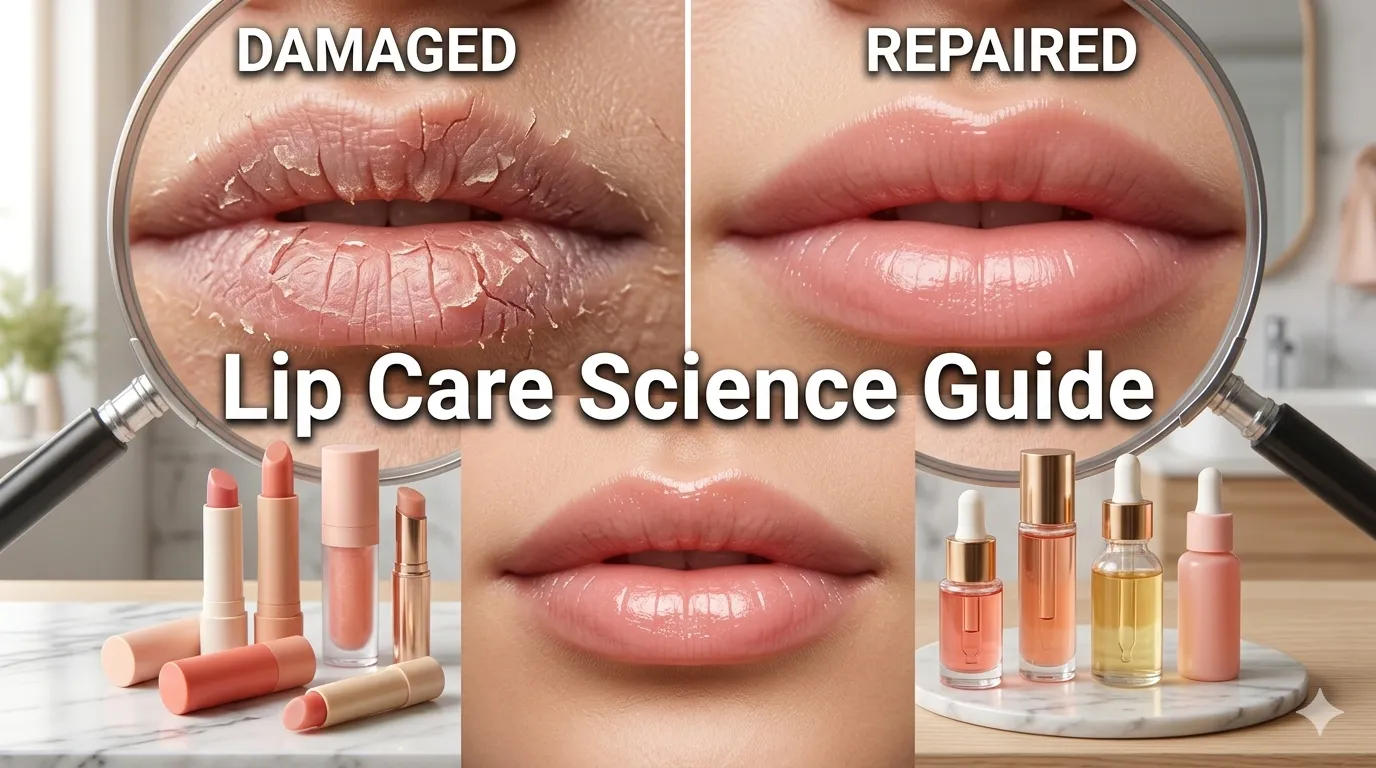
Unlocking Healthy, Resilient Lips Through Science-Backed Care
Lip care has evolved far beyond the simple swipe of a waxy balm. Today's consumers are seeking sophisticated solutions that address the unique biology of the lips, repair compromised barriers, and deliver lasting hydration without relying on synthetic ingredients or temporary fixes. As beauty trends shift toward holistic, ingredient-conscious approaches, understanding the science of lip care has never been more important.
Your lips are fundamentally different from the rest of your facial skin. They lack oil glands, have a thinner stratum corneum, and are constantly exposed to environmental stressors—from temperature fluctuations to UV radiation to habitual licking. This anatomical reality makes lips uniquely vulnerable to dryness, cracking, and barrier damage. Effective lip care isn't about masking symptoms; it's about supporting the lip's natural barrier function with targeted, evidence-based ingredients and practices.
This comprehensive guide explores the latest lip care trends grounded in dermatological science, explains the biology of the lip barrier and how to repair it, evaluates natural ingredients for efficacy, and provides actionable routines for every lip concern. Whether you're dealing with chronic chapping, seeking anti-aging solutions, or simply wanting to optimize your daily lip care, you'll discover strategies that deliver real, lasting results.
Understanding Lip Anatomy: Why Lips Need Specialized Care
The Unique Structure of Lips
To care for your lips effectively, you must first understand what makes them distinct:
No sebaceous glands: Unlike facial skin, lips lack oil-producing glands. This means they cannot self-lubricate and rely entirely on external products and saliva for moisture—a major reason lips dry out so quickly.
Thin stratum corneum: The outermost layer of lip skin is only 3-5 cell layers thick (compared to 16+ layers on facial skin). This thinness allows for greater sensitivity but also increases vulnerability to moisture loss, irritation, and environmental damage.
High vascularity: Lips have a dense network of blood vessels close to the surface, giving them their characteristic color but also making them prone to inflammation and visible damage when the barrier is compromised.
Constant exposure: Lips are exposed to food, drink, saliva, weather, UV radiation, and habitual behaviors (licking, biting) throughout the day—creating a uniquely challenging environment for barrier maintenance.
Scientific insight: Dr. Elena Rodriguez, dermatologist specializing in mucocutaneous disorders, explains: "The lip barrier is a delicate balance of lipids, proteins, and hydration. When this balance is disrupted—by weather, habits, or harsh products—repair requires targeted ingredients that mimic the lip's natural composition, not just occlusive waxes that temporarily seal in dryness."
The Lip Barrier: Structure and Function
The lip barrier functions similarly to the skin barrier but with key differences:
Lipid composition: Lips contain fewer ceramides and cholesterol than facial skin but have higher concentrations of free fatty acids. This unique lipid profile requires specialized care to maintain integrity.
Water loss dynamics: Transepidermal water loss (TEWL) is significantly higher in lips due to the thin stratum corneum and lack of oil glands. This makes lips prone to rapid dehydration.
pH considerations: Lip skin has a slightly higher pH (around 6.0) than facial skin (4.5-5.5), affecting how ingredients interact with the barrier and which actives are most effective.
Repair mechanisms: Lips heal quickly due to rich blood supply but are prone to recurrent damage because of constant exposure. Effective care supports natural repair while preventing re-injury.
Modern Lip Care Trends: What's Backed by Science
Trend 1: Barrier-Focused Formulations
The shift: Moving beyond occlusive balms to products that actively repair and strengthen the lip barrier.
Science behind it: Research shows that ingredients mimicking the lip's natural lipid profile—ceramides, cholesterol, and free fatty acids in specific ratios—accelerate barrier repair more effectively than occlusives alone.
Key ingredients:
- Ceramides: Restore lipid barrier, reduce water loss, improve resilience
- Cholesterol: Supports barrier structure and enhances ceramide efficacy
- Free fatty acids: Provide emollience and support barrier repair
- Niacinamide: Strengthens barrier, reduces inflammation, improves hydration
What to look for: Products listing ceramides, cholesterol, and fatty acids in the first half of ingredients; formulations labeled "barrier repair" or "lip barrier support."
Trend 2: Multi-Functional Lip Serums
The shift: Lip care products that combine hydration, treatment, and protection in lightweight, fast-absorbing formats.
Science behind it: Serums deliver higher concentrations of actives than traditional balms, with smaller molecular weights that penetrate the thin lip skin more effectively.
Effective serum ingredients:
- Hyaluronic acid: Binds up to 1000x its weight in water for intense hydration
- Peptides: Signal collagen production, improve lip fullness and texture
- Antioxidants (vitamin C, E, ferulic acid): Protect against environmental damage and support repair
- Panthenol (vitamin B5): Soothes, hydrates, and supports barrier function
Application tip: Apply serums to clean, slightly damp lips for enhanced absorption; follow with a light occlusive to seal in hydration.
Trend 3: Natural Ingredients with Proven Efficacy
The shift: Moving from "natural" as a marketing term to selecting plant-based ingredients with clinical evidence for lip care.
Science behind it: Many botanical ingredients contain bioactive compounds that support lip health, but efficacy depends on concentration, formulation, and stability.
Evidence-backed natural ingredients:
- Shea butter: Rich in fatty acids and vitamins A/E; studies show it improves skin hydration and barrier function
- Jojoba oil: Molecular structure closely resembles human sebum; excellent emollient with anti-inflammatory properties
- Calendula extract: Contains triterpenoids and flavonoids with proven wound-healing and anti-inflammatory effects
- Sea buckthorn oil: High in omega-7 fatty acids (palmitoleic acid) that support mucosal tissue repair
- Green tea extract: EGCG provides antioxidant protection and reduces inflammation
What to avoid: "Natural" products with irritants like citrus oils, menthol, or camphor that can worsen lip sensitivity despite marketing claims.
Trend 4: SPF Integration for Lip Protection
The shift: Recognizing lips as high-risk areas for UV damage and incorporating sun protection into daily lip care.
Science behind it: Lips have minimal melanin protection and thin skin, making them highly susceptible to UV damage, premature aging, and skin cancer. Daily SPF is essential.
Effective lip SPF options:
- Mineral sunscreens: Zinc oxide and titanium dioxide provide broad-spectrum protection with minimal irritation risk
- SPF 30+: Minimum recommended for daily lip protection
- Reapplication: Lips require reapplication every 2 hours with sun exposure due to eating, drinking, and talking
Pro tip: Choose tinted mineral SPF lip products for immediate cosmetic benefit plus protection; reapply over lip color as needed.
Trend 5: Gentle Exfoliation for Smooth Texture
The shift: Moving from harsh physical scrubs to enzymatic or ultra-gentle chemical exfoliation that respects the delicate lip barrier.
Science behind it: Over-exfoliation damages the already-thin lip barrier, worsening dryness and sensitivity. Gentle, targeted exfoliation removes dead cells without compromising barrier integrity.
Safe exfoliation methods:
- Enzymatic exfoliants: Papain (from papaya) or bromelain (from pineapple) gently dissolve dead cells without abrasion
- Low-concentration PHAs: Polyhydroxy acids like gluconolactone provide gentle exfoliation with hydration benefits
- Soft cloth method: Damp, soft washcloth used with light circular motion after hydrating lips
Frequency: Limit exfoliation to 1-2 times weekly maximum; always follow with intensive hydration and barrier support.
Barrier Repair Protocol: Step-by-Step Science
Phase 1: Assessment and Preparation
Identify your lip concern:
- Acute chapping: Sudden dryness, cracking, or peeling from weather, illness, or habits
- Chronic barrier damage: Persistent dryness, sensitivity, or recurrent cracking despite basic care
- Anti-aging focus: Fine lines, loss of definition, or thinning associated with aging
- Post-procedure care: Recovery after cosmetic treatments or medical procedures
Eliminate aggravating factors:
- Stop lip licking, biting, or picking (creates a damaging cycle)
- Avoid fragranced or flavored lip products that may irritate
- Discontinue harsh exfoliants or drying matte lipsticks temporarily
- Address underlying issues: allergies, dehydration, nutritional deficiencies
Phase 2: Active Repair (Weeks 1-2)
Morning routine:
- Gentle cleanse: Rinse lips with lukewarm water; pat dry gently
- Hydrating serum: Apply hyaluronic acid or panthenol serum to damp lips
- Barrier cream: Layer a ceramide-containing lip treatment to seal hydration
- SPF protection: Finish with mineral SPF 30+ lip product
Evening routine:
- Remove residue: Gently cleanse lips to remove daytime products
- Repair treatment: Apply a rich barrier repair balm with ceramides, cholesterol, and fatty acids
- Occlusive seal: For severely damaged lips, add a thin layer of pure squalane or lanolin-free ointment
- Overnight hydration: Consider a dedicated overnight lip mask 2-3 times weekly
Key ingredients for active repair:
- Ceramides NP, AP, EOP: Restore lipid barrier structure
- Cholesterol: Enhances ceramide efficacy and barrier cohesion
- Linoleic acid: Essential fatty acid that supports barrier repair
- Allantoin: Soothes irritation and promotes healing
- Bisabolol: Anti-inflammatory compound from chamomile
Phase 3: Maintenance and Prevention (Week 3+)
Daily maintenance routine:
- Continue morning hydration + SPF protocol
- Simplify evening routine to barrier-supporting balm
- Reapply lip care after eating, drinking, or wiping lips
- Exfoliate gently 1x weekly maximum if needed for texture
Preventive strategies:
- Hydration: Drink adequate water; lips reflect systemic hydration status
- Humidification: Use a humidifier in dry environments, especially while sleeping
- Dietary support: Ensure adequate intake of omega-3s, B vitamins, and zinc for skin health
- Habit modification: Address lip-licking or mouth-breathing that exacerbates dryness
Natural Ingredients: Evaluating Efficacy and Safety
Top Natural Ingredients for Lip Barrier Support
Shea Butter (Butyrospermum parkii):
- Evidence: Clinical studies demonstrate improved skin hydration and barrier function with regular use
- Key compounds: Oleic, stearic, and linoleic acids; vitamins A and E
- Best for: Dry, cracked lips; overnight repair treatments
- Formulation tip: Choose unrefined shea butter for maximum nutrient retention
Jojoba Oil (Simmondsia chinensis):
- Evidence: Molecular structure closely mimics human sebum; studies show excellent emollient and barrier-supportive properties
- Key compounds: Long-chain fatty acids and fatty alcohols
- Best for: All lip types; lightweight hydration without greasiness
- Formulation tip: Cold-pressed, unrefined jojoba oil retains maximum efficacy
Calendula Extract (Calendula officinalis):
- Evidence: Multiple studies confirm wound-healing, anti-inflammatory, and antimicrobial properties
- Key compounds: Triterpenoids, flavonoids, carotenoids
- Best for: Irritated, inflamed, or post-procedure lips
- Formulation tip: Look for CO2 extracts for higher concentration of active compounds
Sea Buckthorn Oil (Hippophae rhamnoides):
- Evidence: Rich in omega-7 (palmitoleic acid), which is particularly beneficial for mucosal tissue repair
- Key compounds: Omega-3, -6, -7, and -9 fatty acids; vitamins C and E
- Best for: Severely damaged or chronically dry lips
- Formulation tip: Use in small concentrations (5-10%) due to strong color and potency
Green Tea Extract (Camellia sinensis):
- Evidence: EGCG and other polyphenols provide potent antioxidant and anti-inflammatory protection
- Key compounds: Catechins, particularly epigallocatechin gallate (EGCG)
- Best for: Environmental protection; anti-aging lip care
- Formulation tip: Choose stabilized extracts to preserve antioxidant activity
Ingredients to Approach with Caution
Essential oils:
- Concern: Many essential oils (peppermint, cinnamon, citrus) are potent sensitizers that can irritate delicate lip skin
- Safer approach: If used, ensure proper dilution (