

Eczema Flare-Ups: Complete Management Protocol
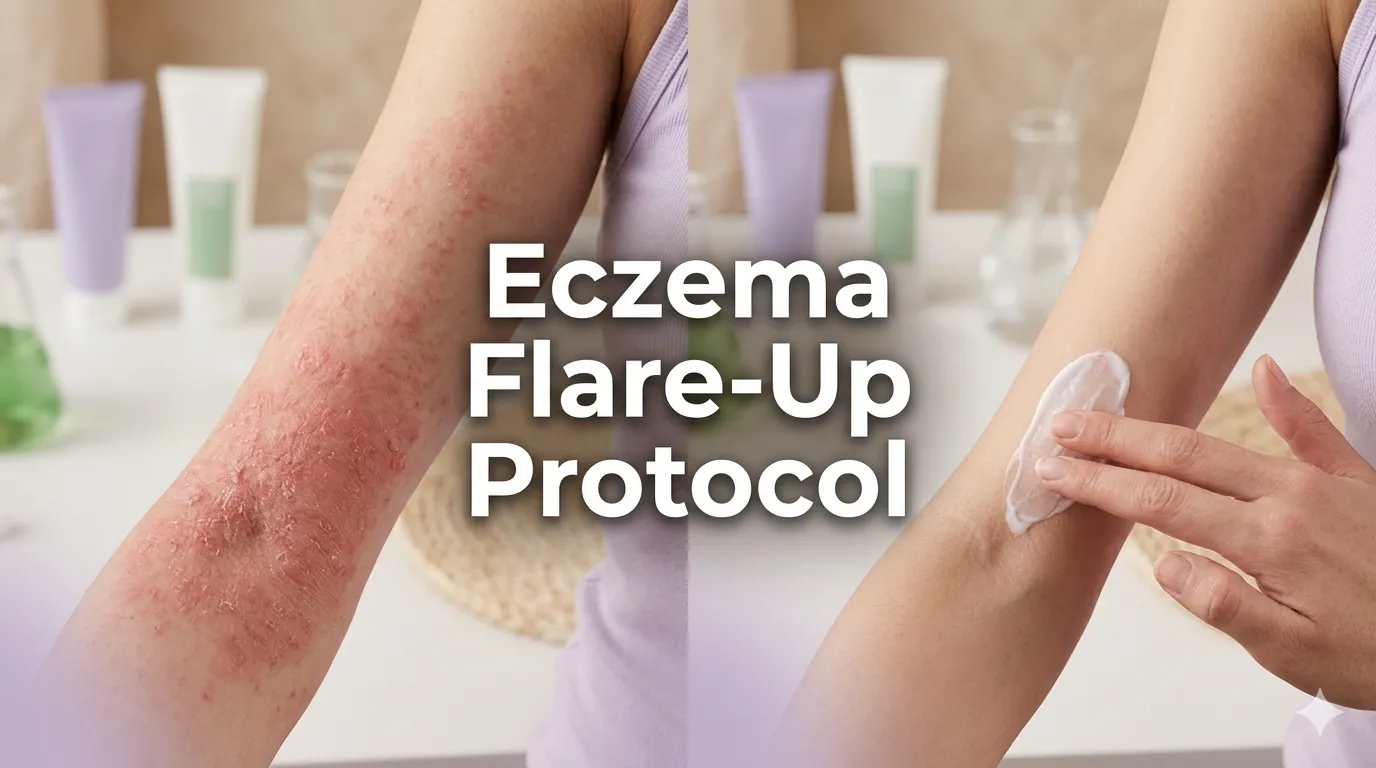
A Science-Backed Guide to Calming Skin in Today's World
Eczema (atopic dermatitis) affects over 31 million Americans and countless more worldwide, yet managing flare-ups in our modern Western lifestyle presents unique challenges. Between stress-filled schedules, processed foods, environmental pollutants, harsh skincare products, and the constant pressure to "push through," eczema sufferers often find themselves trapped in a frustrating cycle: flare-up, temporary relief, repeat.
The itch is more than just uncomfortable; it's a neurological signal that can disrupt sleep, impair concentration, damage self-esteem, and significantly impact quality of life. But understanding eczema as a complex interplay of immune dysfunction, barrier impairment, environmental triggers, and lifestyle factors empowers you to break the cycle.
This comprehensive, dermatologist-informed protocol provides a complete framework for managing eczema flare-ups within the realities of modern Western life. You'll discover the science behind why flares happen, identify your personal triggers, implement a multi-layered skincare strategy, modify lifestyle factors that exacerbate symptoms, and know exactly when to seek professional help. Whether you're newly diagnosed or have managed eczema for years, this guide offers actionable, evidence-based strategies to regain control and find lasting relief.
Understanding Eczema: The Science Behind the Itch
What Is Atopic Dermatitis?
Eczema is a chronic inflammatory skin condition characterized by:
- Intense itching: Often worse at night
- Dry, sensitive skin: Compromised barrier function
- Red, inflamed patches: Immune system overreaction
- Cracking, oozing, or crusting: In severe flares
- Thickened skin (lichenification): From chronic scratching
The underlying biology:
1. Barrier Dysfunction:
- Mutations in the filaggrin gene (present in ~50% of moderate-severe cases) impair production of natural moisturizing factors
- Reduced ceramides, cholesterol, and fatty acids compromise the lipid barrier
- Increased transepidermal water loss (TEWL) leads to chronic dryness
- Compromised barrier allows allergens, irritants, and microbes to penetrate
2. Immune Dysregulation:
- Overactive Type 2 immune response (elevated IL-4, IL-13, IL-31)
- IL-31 directly stimulates itch nerves
- Chronic inflammation damages skin structure
- Immune cells release histamine and other itch mediators
3. Microbiome Imbalance:
- Reduced microbial diversity on eczema skin
- Overgrowth of Staphylococcus aureus (present on 90% of eczema skin vs. 5% of healthy skin)
- Bacterial toxins trigger inflammation and itching
- Impaired antimicrobial peptide production
Scientific insight: Dr. Emma Guttman-Yassky, leading eczema researcher at Mount Sinai, explains: "Eczema isn't just 'dry skin.' It's a systemic condition involving genetic predisposition, immune dysfunction, barrier impairment, and environmental triggers. Effective management requires addressing all these layers—not just slapping on moisturizer."
The Itch-Scratch Cycle: Why It's So Hard to Stop
Understanding the neurobiology of itch explains why eczema feels impossible to manage:
The Cycle:
- Trigger: Allergen, irritant, stress, or dryness activates immune cells
- Inflammation: Immune cells release IL-31, histamine, and other mediators
- Itch signal: Nerves transmit itch sensation to brain
- Scratching: Provides temporary relief via pain signals that override itch
- Damage: Scratching further damages barrier, introduces bacteria, worsens inflammation
- More itch: Damaged skin releases more inflammatory mediators
- Repeat: Cycle intensifies
Why scratching feels good (but isn't):
- Scratching activates pain fibers that temporarily inhibit itch signals in the spinal cord
- Brain releases serotonin to modulate pain, but serotonin can actually amplify itch long-term
- The relief is fleeting; damage is cumulative
Breaking the cycle requires:
- Reducing inflammation (topical treatments, systemic medications)
- Repairing barrier (moisturizers, gentle cleansing)
- Interrupting itch signals (antihistamines, neuromodulators)
- Behavioral strategies (habit reversal, mindfulness)
Modern Western Lifestyle Triggers: Identifying Your Personal Culprits
Environmental Triggers
1. Indoor Air Quality:
- Dry heating/AC: Low humidity (