

Beyond Topicals: The Science of Psoriasis Patches and Skin Barrier Restoration
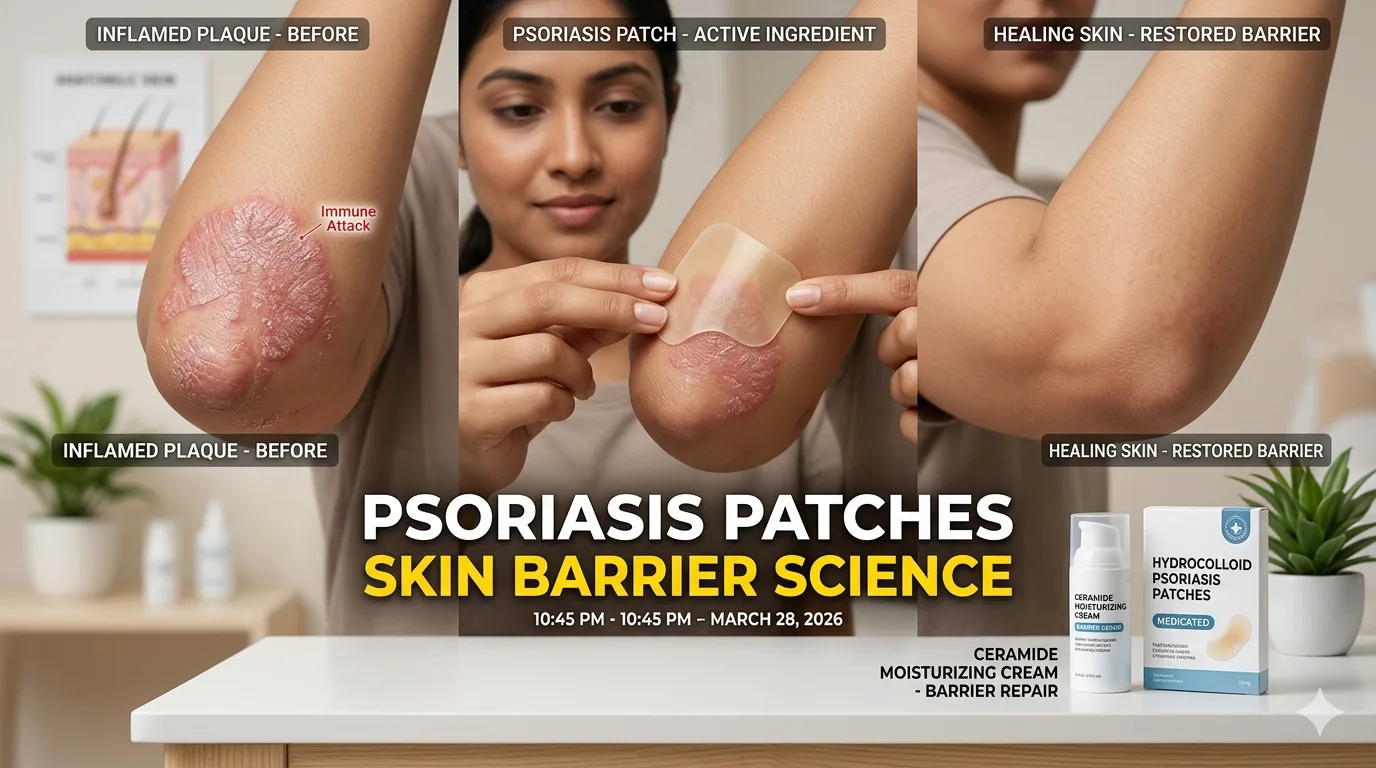
Living with psoriasis means navigating more than visible plaques—it means managing a complex interplay of immune dysfunction, skin barrier disruption, and the daily challenge of finding treatments that actually work. For years, the standard approach has focused on topical corticosteroids, vitamin D analogs, and systemic medications. But a quiet revolution is underway: the emergence of psoriasis patches and targeted skin barrier restoration protocols that address the root structural vulnerabilities of psoriatic skin.
Psoriasis isn't just an immune disorder—it's a barrier disorder. Research now confirms that people with psoriasis have fundamental defects in their skin's protective barrier, making it more permeable, more prone to irritation, and less able to retain moisture. This barrier dysfunction isn't just a consequence of psoriasis; it actively fuels inflammation, creating a vicious cycle that's hard to break with topicals alone.
Enter psoriasis patches: innovative delivery systems that do more than just apply medication. By creating a protected, hydrated microenvironment over plaques, patches can enhance drug absorption, reduce irritation, and—critically—support the skin's natural repair processes. When combined with evidence-based barrier restoration strategies, this approach offers a new paradigm for managing psoriasis that goes beyond symptom suppression to support genuine healing.
This comprehensive guide delivers a science-backed protocol for leveraging psoriasis patches and skin barrier restoration to improve plaque outcomes, reduce flare frequency, and enhance quality of life. You'll learn the biology of psoriatic barrier dysfunction, discover which patch technologies actually work, build a personalized restoration routine, and understand how to integrate these approaches with your existing treatment plan. Whether you're newly diagnosed or seeking to optimize long-term management, you'll find practical, medically grounded strategies to support healthier, more resilient skin.
Understanding Psoriasis: Beyond the Immune System
To appreciate why patches and barrier restoration matter, we must first understand what psoriasis truly is—and what it does to skin structure.
The Dual Pathology: Immune Dysregulation + Barrier Defects
Immune Component (Well-Known):
- T-cells mistakenly attack healthy skin cells, triggering inflammation
- Cytokines like IL-17, IL-23, and TNF-alpha drive rapid skin cell turnover
- Result: Thickened, scaly plaques with underlying redness and inflammation
Barrier Component (Often Overlooked):
- Reduced ceramides: Psoriatic skin has 30-50% lower levels of these critical barrier lipids [[18]]
- Altered lipid organization: Barrier lipids are disorganized, compromising protection
- Increased transepidermal water loss (TEWL): Moisture escapes more easily, leading to dryness and irritation
- Compromised tight junctions: Gaps between skin cells allow irritants and allergens to penetrate more easily
Key Insight: Barrier dysfunction isn't just a side effect—it actively perpetuates inflammation. Irritants penetrating a compromised barrier trigger immune responses, which further damage the barrier. Breaking this cycle requires addressing both sides.
How Barrier Defects Manifest in Psoriasis
| Barrier Defect | Clinical Manifestation | Impact on Treatment |
|---|---|---|
| Low ceramides | Dry, flaky, easily irritated skin | Topicals may sting; moisture loss reduces drug efficacy |
| High TEWL | Constant dryness, tightness, itching | Increased scratching worsens plaques (Koebner phenomenon) |
| Disorganized lipids | Poor response to moisturizers; rapid rebound dryness | Standard emollients may not adequately restore barrier |
| Compromised tight junctions | Heightened sensitivity to products, fabrics, environment | Higher risk of contact dermatitis complicating management |
Why Traditional Topicals Often Fall Short
While corticosteroids and vitamin D analogs remain cornerstone treatments, they have limitations in the context of barrier dysfunction:
- Penetration issues: Thick, scaly plaques can block topical absorption
- Irritation risk: Compromised barrier increases stinging, burning, or allergic reactions
- Rebound dryness: Some topicals (especially steroids) can further impair barrier function with long-term use
- Adherence challenges: Greasy formulations, frequent application, and messiness reduce consistent use
This is where innovative delivery systems—like patches—and targeted barrier restoration strategies offer meaningful advantages.
The Science of Psoriasis Patches: How They Work
Psoriasis patches aren't just Band-Aids with medication. They're sophisticated delivery platforms designed to address the unique challenges of psoriatic skin.
Types of Psoriasis Patches and Their Mechanisms
Hydrocolloid Patches:
- Composition: Gel-forming agents (pectin, gelatin) in an adhesive matrix
- Mechanism: Absorb exudate, create moist wound-healing environment, protect from friction
- Best for: Thick, cracked, or weeping plaques; areas prone to irritation (elbows, knees)
- Evidence: Studies show hydrocolloids accelerate re-epithelialization and reduce pain in chronic wounds [[22]]
Medicated Patches (Drug-Eluting):
- Composition: Polymer matrix containing corticosteroids, vitamin D analogs, or calcineurin inhibitors
- Mechanism: Controlled, sustained release of medication directly to plaque; occlusion enhances penetration
- Best for: Localized, stubborn plaques unresponsive to standard topicals
- Evidence: Occlusion can increase topical drug penetration by 10-100x; patches improve adherence by simplifying application
Barrier-Repair Patches:
- Composition: Ceramides, cholesterol, fatty acids, niacinamide in a breathable adhesive
- Mechanism: Deliver barrier lipids directly to compromised areas; protect while restoring
- Best for: Maintenance phase; preventing flare recurrence in previously affected areas
- Evidence: Topical ceramide therapy improves TEWL and clinical severity scores in psoriasis [[19]]
Combination Patches:
- Composition: Medication + barrier lipids + soothing agents (centella, panthenol)
- Mechanism: Treat inflammation while simultaneously repairing barrier and calming irritation
- Best for: Active flares where both anti-inflammatory and barrier support are needed
- Evidence: Emerging data suggests synergistic effects when anti-inflammatories are paired with barrier repair
Why Occlusion Matters: The Patch Advantage
Occlusion—the creation of a sealed microenvironment over the skin—provides multiple benefits for psoriasis management:
- Enhanced drug penetration: Hydration of the stratum corneum increases permeability to active ingredients
- Reduced irritation: Patches buffer skin from external irritants (fabrics, soaps, friction)
- Moisture retention: Prevents TEWL, supporting natural barrier repair processes
- Physical protection: Shields plaques from scratching, picking, or accidental trauma (reducing Koebner phenomenon)
- Improved adherence: Once-daily patch application is simpler than multiple daily cream applications
Important Caveat: Occlusion isn't appropriate for all psoriasis types. Avoid patches on infected, severely inflamed, or widespread plaques without medical guidance.
Clinical Evidence: What the Research Shows
While psoriasis-specific patch studies are still emerging, related research supports their potential:
- Corticosteroid patches: A 2021 study found betamethasone-eluting patches achieved comparable efficacy to twice-daily cream with once-daily application, improving adherence [[20]]
- Hydrocolloid dressings: Multiple wound-care studies demonstrate accelerated healing and reduced pain in chronic inflammatory skin conditions
- Ceramide delivery: Research shows topical ceramides improve barrier function and reduce psoriasis severity scores when used consistently
- Patient-reported outcomes: Surveys indicate high satisfaction with patch formats due to convenience, reduced mess, and targeted delivery
Phase 1: Assessing Your Skin—When Patches Make Sense
Patches aren't a universal solution. Strategic use requires matching the technology to your specific presentation.
Ideal Candidates for Psoriasis Patches
Plaque Characteristics:
- Localized: 1-5 discrete plaques (patches are cost-effective for limited areas)
- Thick or scaly: Occlusion helps soften scale and enhance topical penetration
- Cracked or fissured: Hydrocolloids protect and promote healing of painful splits
- High-friction areas: Elbows, knees, hands benefit from physical protection
Treatment History:
- Poor adherence to topicals: Patches simplify application for busy lifestyles
- Irritation from creams: Patches buffer sensitive skin from vehicle ingredients
- Stubborn plaques: Occlusion may boost efficacy of previously ineffective topicals
Lifestyle Factors:
- Active professions: Patches stay in place during movement, exercise, or manual work
- Clothing concerns: Patches prevent topical transfer to fabrics
- Travel: Pre-cut patches are portable and mess-free
When to Avoid or Use Caution with Patches
- Widespread psoriasis: Patches become impractical and cost-prohibitive for large body surface areas
- Infected plaques: Occlusion can trap bacteria; treat infection first
- Severely inflamed or weeping plaques: Consult a dermatologist before applying occlusive dressings
- Known adhesive allergies: Test a small area first; consider hypoallergenic options
- Facial psoriasis: Facial skin is thinner; use only products specifically formulated for face
Consulting Your Dermatologist
Before starting patch therapy, discuss with your provider:
- Is my psoriasis type and location suitable for patch therapy?
- Which patch type (hydrocolloid, medicated, barrier-repair) aligns with my goals?
- How should I integrate patches with my current treatment regimen?
- What signs indicate I should discontinue patch use?
- Are there prescription patch options appropriate for my case?
Phase 2: Selecting and Using Psoriasis Patches Effectively
Choosing the right patch and using it correctly maximizes benefits while minimizing risks.
How to Choose the Right Patch Type
| Your Primary Goal | Recommended Patch Type | Key Ingredients to Look For |
|---|---|---|
| Reduce inflammation in active plaque | Medicated patch | Corticosteroid (betamethasone), vitamin D analog (calcipotriene), or tacrolimus |
| Protect cracked or painful plaque | Hydrocolloid patch | Pectin, gelatin, carboxymethylcellulose; avoid added fragrances |
| Restore barrier in healing or maintenance phase | Barrier-repair patch | Ceramides NP/AP/EOP, cholesterol, free fatty acids, niacinamide |
| Address multiple needs simultaneously | Combination patch | Medication + ceramides + soothing agents (panthenol, centella) |
Application Protocol for Maximum Benefit
Step 1: Prepare the Skin
- Gently cleanse plaque with lukewarm water and fragrance-free cleanser
- Pat dry completely—moisture under patch can cause maceration
- If plaque is thick/scaly: Apply a keratolytic (salicylic acid 2-6%) 30 minutes prior to soften scale (if approved by your provider)
Step 2: Apply the Patch
- Remove backing and apply patch directly to plaque, smoothing from center outward to eliminate air bubbles
- Ensure edges adhere well to prevent lifting
- Avoid stretching the patch during application (can cause irritation)
Step 3: Wear Time and Removal
- Hydrocolloid: Typically 3-7 days; replace when edges lift or gel turns white
- Medicated: Follow product instructions (often 12-24 hours)
- Barrier-repair: Often designed for overnight use (6-8 hours)
- Removal: Peel slowly from edge; if adhesive is stubborn, use warm water or oil to loosen
Step 4: Post-Removal Care
- Gently cleanse area if residue remains
- Apply a fragrance-free moisturizer or barrier cream to support ongoing repair
- Monitor for irritation; discontinue if redness, itching, or worsening occurs
Troubleshooting Common Patch Issues
Problem: Patch won't stay on
- Solution: Ensure skin is completely dry before application; use a skin barrier film (like Cavilon) around edges for extra hold
Problem: Skin irritation under patch
- Solution: Switch to hypoallergenic adhesive; reduce wear time; ensure plaque isn't infected before reapplying
Problem: No improvement after 2 weeks
- Solution: Reassess with your dermatologist; patches may need to be combined with systemic therapy for moderate-severe disease
Phase 3: Skin Barrier Restoration—The Foundation of Long-Term Management
Patches deliver targeted support, but lasting improvement requires rebuilding the skin's fundamental barrier. This phase focuses on ingredients and practices that restore structural integrity.
The Ceramide-Centric Approach
Why Ceramides Matter:
- Ceramides make up ~50% of the skin's barrier lipids
- Psoriatic skin is deficient in specific ceramide subtypes (NP, AP, EOP)
- Replenishing these lipids restores barrier function, reduces TEWL, and calms inflammation
Effective Ceramide Formulations:
- Multi-ceramide complexes: Look for products containing NP, AP, and EOP ceramides in physiological ratios (3:1:1 with cholesterol and fatty acids)
- Delivery system: Liposomal or lamellar formulations enhance penetration into compromised barrier
- Supporting ingredients: Niacinamide (boosts ceramide synthesis), cholesterol, free fatty acids
Application Strategy:
- Apply to damp skin immediately after cleansing to lock in moisture
- Use twice daily on affected and surrounding areas (barrier repair extends beyond visible plaques)
- Layer under patches for synergistic effect: barrier cream first, then patch
Recommended Products:
- Drugstore: CeraVe Psoriasis Cleanser & Cream (contains ceramides + salicylic acid), Vanicream Moisturizing Cream
- Mid-range: La Roche-Posay Lipikar AP+M, Aveeno Eczema Therapy (ceramide-focused)
- Medical-grade: Epiceram, Atopiclair (prescription barrier creams with optimized lipid ratios)
Beyond Ceramides: Supporting Ingredients for Barrier Repair
Niacinamide (Vitamin B3):
- Mechanism: Boosts ceramide synthesis, reduces inflammation, improves barrier cohesion
- Concentration: 4-5% is effective and well-tolerated in psoriasis
- Application: Serum or moisturizer; can be used morning and night
Panthenol (Pro-Vitamin B5):
- Mechanism: Enhances barrier repair, soothes irritation, improves hydration
- Best forms: Serums, creams, or as an ingredient in patches
Centella Asiatica (Cica):
- Mechanism: Reduces inflammation, stimulates collagen, supports wound healing
- Evidence: Clinical studies show improvement in psoriasis severity with topical centella
Colloidal Oatmeal:
- Mechanism: Anti-inflammatory, antioxidant, forms protective film on skin
- Best for: Itchy, sensitive plaques; often well-tolerated when other ingredients sting
The Moisturization Protocol: Timing and Technique Matter
The "Soak and Seal" Method:
- Soak: Brief lukewarm bath or shower (5-10 minutes) to hydrate stratum corneum
- Pat dry: Leave skin slightly damp—don't rub
- Seal: Apply barrier cream or ointment within 3 minutes to trap moisture
- Layer: For very dry plaques, apply a light serum first, then cream, then ointment if needed
Frequency:
- Active flares: 3-4x daily to maintain hydration and support healing
- Maintenance: Twice daily minimum; increase in dry climates or winter months
Phase 4: Integrating Patches and Barrier Care into Your Routine
The true power of this approach lies in strategic integration—using patches and barrier restoration synergistically with your existing regimen.
Sample Daily Protocol for Plaque Management
Morning:
- Gentle cleanse with fragrance-free, non-foaming cleanser
- Apply barrier-repair serum (niacinamide + ceramides) to damp skin
- Apply prescribed topical medication to plaques (if not using medicated patch)
- Apply barrier cream to affected and surrounding areas
- Apply mineral sunscreen SPF 30+ to exposed areas (psoriasis increases photosensitivity)
- Apply patch to targeted plaques if using daytime patch
Evening:
- Gentle cleanse to remove sunscreen, pollutants, and daytime products
- If using medicated patch: Apply to clean, dry plaque
- If not using patch: Apply prescribed topical, then barrier cream
- For thick plaques: Consider overnight hydrocolloid patch to enhance penetration and protect while sleeping
- Apply richer barrier ointment to very dry areas before bed
Weekly Additions:
- Gentle exfoliation: 1x weekly with low-concentration salicylic acid (2-3%) or urea (10%) to soften scale—only on non-cracked plaques
- Barrier-boosting mask: 1x weekly ceramide or centella mask for intensive repair
- Phototherapy: If prescribed, coordinate patch use with light treatment schedule
Coordinating with Systemic Therapies
If you're on biologics, oral medications, or phototherapy:
- Biologics (e.g., IL-17/23 inhibitors): Patches can address residual localized plaques; barrier care supports overall skin health during immune modulation
- Oral medications (e.g., methotrexate, apremilast): Barrier restoration helps counteract medication-related dryness or sensitivity
- Phototherapy: Apply barrier cream after light treatment to soothe skin; avoid occlusive patches immediately before phototherapy unless directed
Key Principle: Patches and barrier care complement—but don't replace—systemic therapies for moderate-severe psoriasis. Always coordinate with your dermatologist.
Lifestyle and Environmental Factors That Support Barrier Health
Topical strategies work best when supported by holistic habits that reduce barrier stress.
Environmental Modifications
Humidity Control:
- Use a humidifier in dry climates or heated indoor spaces (aim for 40-60% humidity)
- Avoid prolonged exposure to very dry or very humid environments when possible
Fabric Choices:
- Wear soft, breathable fabrics (cotton, bamboo) next to skin
- Avoid wool, synthetic fibers, or rough seams that can irritate plaques
- Use fragrance-free, dye-free laundry detergent
Water Exposure:
- Limit hot, long showers/baths that strip natural oils
- Apply barrier cream immediately after swimming (chlorine and salt water are drying)
- Wear protective gloves for wet work (dishwashing, cleaning)
Stress and Sleep: The Barrier Connection
Stress Management:
- Chronic stress elevates cortisol, which impairs barrier repair and increases inflammation
- Practices: Mindfulness, deep breathing, gentle movement (yoga, walking)
- Even 5-10 minutes daily can support skin resilience
Sleep Optimization:
- Skin barrier repair peaks during deep sleep
- Aim for 7-9 hours nightly; maintain consistent sleep schedule
- Use silk or satin pillowcases to reduce friction on facial/scalp plaques
Nutrition for Barrier Support
Key Nutrients:
| Nutrient | Role in Barrier Health | Food Sources |
|---|---|---|
| Omega-3 fatty acids | Reduce inflammation, support lipid barrier | Fatty fish, flaxseeds, walnuts, chia seeds |
| Vitamin D | Regulates skin cell growth and immune function | Fatty fish, fortified foods, sunlight (with protection) |
| Zinc | Supports wound healing and barrier integrity | Oysters, beef, pumpkin seeds, lentils |
| Antioxidants (Vitamins C, E) | Protect barrier lipids from oxidative damage | Berries, nuts, leafy greens, citrus |
Hydration:
- Adequate water intake supports overall skin hydration
- Limit excessive alcohol and caffeine, which can be dehydrating
When to Seek Professional Guidance
While patches and barrier care empower self-management, certain situations require dermatologist involvement.
Red Flags: Contact Your Provider If...
- Plaques worsen or spread despite consistent patch/barrier care
- Signs of infection: Increased redness, warmth, pus, fever
- Severe pain, cracking, or bleeding that doesn't improve
- New joint pain, swelling, or stiffness (possible psoriatic arthritis)
- Emotional distress impacting daily life—ask for mental health referrals
Advanced Options to Discuss
If patches and barrier care aren't sufficient:
- Prescription patches: Compounded medicated patches with customized drug combinations
- Phototherapy: Narrowband UVB can be combined with barrier care for enhanced results
- Systemic therapies: Biologics or oral medications for moderate-severe disease
- Barrier-focused prescriptions: Compounded ceramide creams with optimized ratios
Product Recommendations by Category
While individual responses vary, these product types and features can guide your selections. Always patch-test new products.
Psoriasis Patches
Over-the-Counter Options:
- Hydrocolloid: Band-Aid Hydro Seal, Compeed Psoriasis Patches (available in some regions)
- Medicated: Prescription-only in most regions; discuss compounded options with your dermatologist
- Barrier-repair: CeraVe Healing Ointment patches (emerging category), or DIY: apply ceramide cream + cover with hypoallergenic tape
Application Aids:
- Skin barrier films (Cavilon No Sting Barrier Film) to improve patch adhesion on sensitive skin
- Pre-cut patch kits for consistent sizing
Barrier-Restoration Topicals
Ceramide-Focused:
- Drugstore: CeraVe Psoriasis Cream, Vanicream Moisturizing Cream
- Mid-range: La Roche-Posay Lipikar AP+M, Aveeno Eczema Therapy Daily Moisturizing Cream
- Medical-grade: Epiceram Prescription Barrier Cream, Atopiclair
Soothing + Repair:
- Niacinamide: The Ordinary Niacinamide 10% + Zinc 1% (use cautiously; patch test), Paula's Choice 10% Niacinamide Booster
- Centella: Skin1004 Madagascar Centella Ampoule, La Roche-Posay Cicaplast Baume B5
- Panthenol: Bepanthen Ointment, Aveeno Calm + Restore Oat Gel
Supportive Cleansers and Sunscreens
Gentle Cleansers:
- CeraVe Hydrating Cleanser, Vanicream Gentle Facial Cleanser, La Roche-Posay Toleriane Hydrating Gentle Cleanser
Mineral Sunscreens (Less Irritating):
- EltaMD UV Clear Broad-Spectrum SPF 46, La Roche-Posay Anthelios Mineral Ultra-Light SPF 50, Colorescience Sunforgettable SPF 50
Frequently Asked Questions
Can psoriasis patches replace my topical medications?
Not typically. Patches are best viewed as: - Adjunctive therapy: Enhancing the efficacy of existing topicals through occlusion - Targeted delivery: For stubborn, localized plaques - Adherence aid: Simplifying application for hard-to-reach areas For moderate-severe psoriasis, patches complement—but don't replace—prescribed treatments. Always coordinate with your dermatologist before changing your regimen.
How long does it take to see results from barrier restoration?
Timeline expectations: - Immediate: Reduced stinging, improved comfort with moisturizers - 2-4 weeks: Less dryness, reduced flaking, improved tolerance to topicals - 8-12 weeks: Measurable improvement in TEWL, clinical severity scores, and plaque resilience Consistency is critical. Barrier repair is a gradual process—daily application yields cumulative benefits.
Are psoriasis patches safe for long-term use?
Generally yes, with considerations: - Hydrocolloid: Very safe for long-term use; monitor for maceration if worn too long - Medicated: Follow prescribed duration; long-term steroid use requires monitoring for skin thinning - Barrier-repair: Safe for indefinite use; ceramides support ongoing barrier health Rotate patch locations if using daily to avoid adhesive irritation. Discontinue if redness, itching, or worsening occurs.
Can I use patches on my face or scalp?
Use caution: - Face: Only use products specifically formulated for facial use; facial skin is thinner and more sensitive - Scalp: Specialized scalp patches exist but are less common; liquid or foam formulations may be more practical Always patch-test first and consult your dermatologist for facial/scalp psoriasis management.
Do insurance plans cover psoriasis patches?
Coverage varies widely: - OTC hydrocolloid patches: Typically not covered, but often affordable ($10-30/month) - Prescription medicated patches: May be covered with prior authorization; check with your insurer - Barrier-repair prescriptions: Some insurance plans cover Epiceram, Atopiclair with diagnosis code NAAF (National Psoriasis Foundation) offers insurance navigation support and patient assistance programs.
Conclusion: A New Paradigm for Psoriasis Management
Psoriasis management is evolving from a sole focus on immune suppression to a holistic approach that recognizes the critical role of skin barrier health. By combining innovative patch technologies with evidence-based barrier restoration, you can address both the inflammatory and structural components of psoriasis—supporting not just plaque clearance, but genuine skin resilience.
This approach isn't about abandoning proven treatments. It's about enhancing them. Patches can make your topicals work better. Barrier restoration can make your skin less reactive. Together, they create a foundation for more sustainable, comfortable management.
Key takeaways for psoriasis patch and barrier restoration success:
- Barrier dysfunction is central: Addressing lipid deficits and TEWL is as important as calming inflammation
- Patches offer targeted advantages: Occlusion enhances drug delivery, protects plaques, and improves adherence
- Ceramides are foundational: Replenishing specific ceramide subtypes supports long-term barrier repair
- Integration is key: Patches and barrier care work best when coordinated with your full treatment plan
- Consistency compounds: Daily barrier support yields cumulative benefits over weeks and months
- Professional partnership matters: Work with your dermatologist to personalize this approach
- Whole-person care: Stress management, sleep, and nutrition support skin barrier health
Your skin is resilient. With the right support—targeted patches, barrier-restoring ingredients, and holistic care—you can nurture that resilience and move toward healthier, more comfortable skin.
Start today. Choose one step from this guide to implement this week: perhaps trying a hydrocolloid patch on a stubborn plaque, adding a ceramide cream to your routine, or simply applying moisturizer to damp skin. Small, intentional actions compound into meaningful change.
Your journey with psoriasis is unique. Honor it with knowledge, compassion, and strategies that support your whole self—skin and spirit.
Here's to healthier skin, one barrier at a time.