

Brightening Face Masks: DIY vs Store-Bought Ultimate Comparison
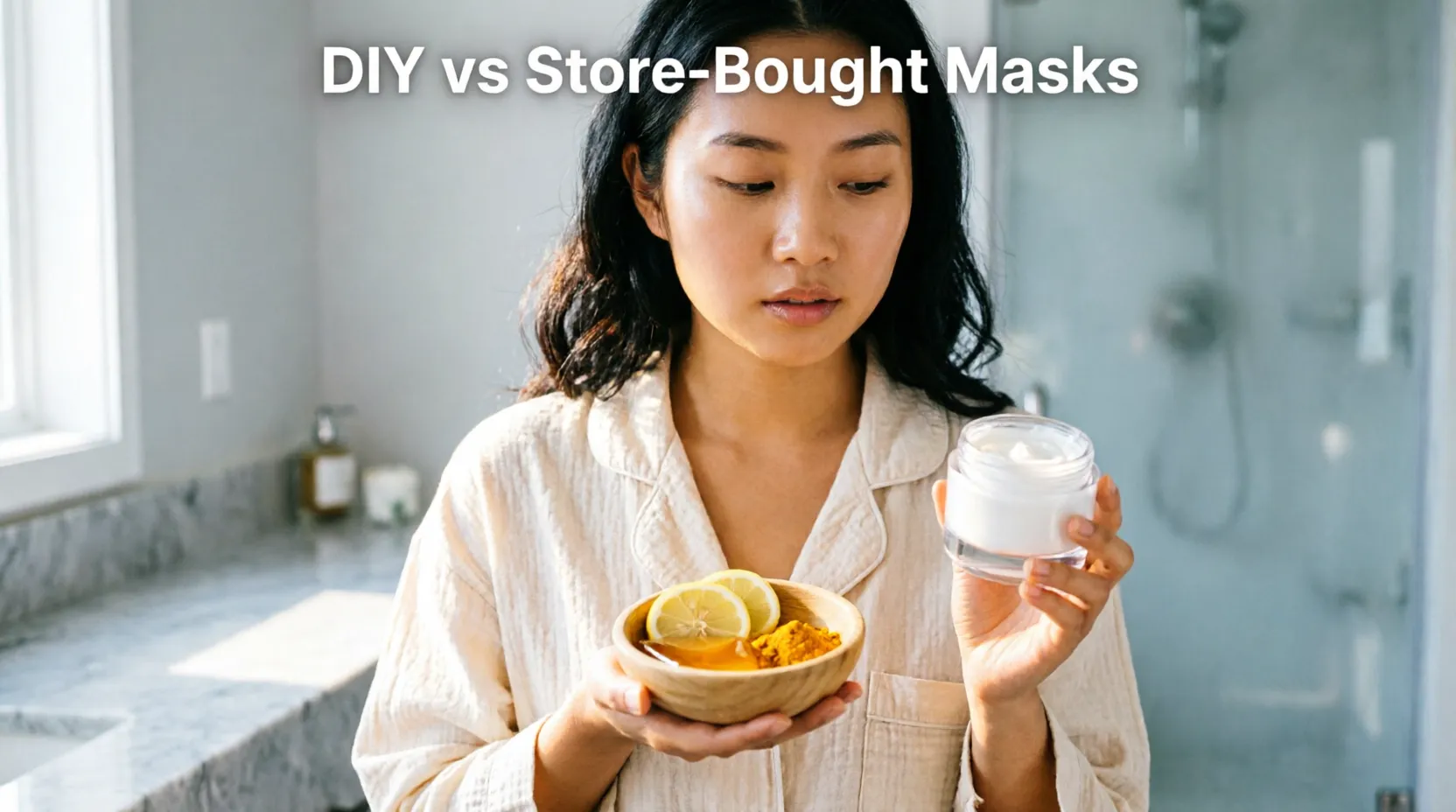
The Great Brightening Mask Debate: Natural Kitchen Solutions vs. Scientific Formulations
If you've ever stood in the skincare aisle staring at rows of brightening masks while simultaneously scrolling through TikTok tutorials on honey-lemon masks, you've faced the ultimate skincare dilemma: should you whip up a DIY brightening treatment from ingredients in your kitchen, or invest in a clinically-formulated mask from the store?
This isn't just a question of convenience or cost—it's about efficacy, safety, skin compatibility, and achieving real, visible results. Both approaches have passionate advocates. DIY enthusiasts swear by the purity and affordability of kitchen ingredients like turmeric, honey, yogurt, and lemon. Meanwhile, skincare scientists and dermatologists point to the rigorous testing, stable formulations, and proven actives in professional brightening masks.
Why this comparison matters: Brightening masks promise to address hyperpigmentation, dullness, dark spots, and uneven skin tone—concerns that affect millions of people worldwide. But with so many options available, how do you know which path will deliver the glowing, even-toned complexion you're seeking without wasting time, money, or potentially damaging your skin?
This comprehensive showdown examines both approaches through multiple lenses: ingredient efficacy, scientific backing, cost-effectiveness, safety profiles, convenience, customization potential, and real-world results. We'll dive deep into the chemistry of popular DIY ingredients, analyze clinical formulations, and help you make an informed decision based on your skin type, concerns, budget, and lifestyle.
What you'll discover:
- The science behind popular DIY brightening ingredients—what actually works and what's just hype
- Clinical ingredients decoded—understanding vitamin C, niacinamide, alpha arbutin, and other proven brighteners
- Cost comparison—the real price per use of DIY versus store-bought
- Safety considerations—potential risks of DIY formulations versus tested products
- Effectiveness timeline—how long until you see results from each approach
- Hybrid strategies—how to combine both approaches for optimal results
Whether you're a skincare minimalist who loves natural solutions, a science enthusiast who trusts clinical research, or someone simply seeking clearer, brighter skin, this guide will equip you with the knowledge to choose wisely.
Understanding Skin Brightening: The Science Behind the Glow
Before comparing DIY and store-bought masks, it's essential to understand what "brightening" actually means at a biological level and what mechanisms create that coveted radiant complexion.
What causes dull, uneven skin?
- Melanin overproduction: UV exposure, inflammation, and hormonal changes trigger melanocytes to produce excess melanin, leading to dark spots and hyperpigmentation
- Dead skin cell buildup: Accumulated dead cells on the skin's surface create a dull, rough appearance and prevent light reflection
- Oxidative stress: Free radicals from UV rays, pollution, and stress damage skin cells and accelerate aging
- Poor circulation: Reduced blood flow deprives skin of oxygen and nutrients, creating a sallow appearance
- Dehydration: Lack of moisture makes skin appear lackluster and emphasizes fine lines
- Inflammation: Chronic inflammation triggers post-inflammatory hyperpigmentation (PIH), especially in deeper skin tones
How brightening treatments work:
Effective brightening masks address these issues through several mechanisms:
- Tyrosinase inhibition: Blocking the enzyme tyrosinase, which is essential for melanin production
- Exfoliation: Removing dead skin cells through chemical or physical means to reveal brighter skin underneath
- Antioxidant protection: Neutralizing free radicals that cause damage and dullness
- Cell turnover acceleration: Speeding up the skin's natural renewal process
- Hydration: Plumping skin cells to improve light reflection
- Anti-inflammatory action: Reducing inflammation that triggers pigmentation
Both DIY and clinical masks can theoretically address these pathways, but they differ significantly in potency, stability, delivery systems, and scientific validation.
Key Differences Between DIY and Clinical Approaches
DIY masks rely on natural ingredients that contain brightening compounds in their whole-food form. These ingredients often contain multiple beneficial compounds working synergistically, but the concentration of active ingredients can vary dramatically based on source, freshness, and preparation method.
Clinical formulations use isolated, stabilized active ingredients at specific concentrations proven effective through research. They're engineered for optimal penetration, stability, and safety, with preservatives to prevent contamination and pH adjusters to ensure compatibility with skin.
Understanding these fundamental differences helps set realistic expectations for what each approach can deliver.
DIY Brightening Masks: Kitchen Chemistry Deep Dive
DIY brightening masks have surged in popularity, fueled by social media, the clean beauty movement, and the desire for natural, affordable skincare. Let's examine the most popular ingredients, their mechanisms of action, and what science actually says about their efficacy.
Turmeric: The Golden Spice
Active compound: Curcumin
Claimed benefits: Reduces hyperpigmentation, brightens complexion, anti-inflammatory
The science: Curcumin has demonstrated tyrosinase-inhibiting properties in laboratory studies, showing potential to reduce melanin production. Its potent anti-inflammatory effects can help prevent post-inflammatory hyperpigmentation. However, curcumin has poor bioavailability and stability—it degrades quickly when exposed to light and air.
Popular DIY recipe: 1 tsp turmeric powder + 1 tbsp honey + 1 tbsp yogurt
Reality check: While turmeric shows promise in studies, the concentration in DIY masks is unpredictable. Fresh turmeric may stain skin yellow temporarily. Results are subtle and require consistent, long-term use.
Best for: Those with mild dullness, inflammatory skin conditions, and patience for gradual results
Lemon Juice: The Vitamin C Powerhouse
Active compounds: Citric acid (AHA), vitamin C (ascorbic acid)
Claimed benefits: Exfoliates, brightens, fades dark spots
The science: Lemon juice contains natural AHAs that exfoliate dead skin cells and vitamin C, a proven brightening agent. However, the concentration is highly variable, and the pH is extremely acidic (around 2), which can disrupt the skin's natural pH (4.5-5.5) and cause irritation, especially in sensitive skin.
Popular DIY recipe: 1 tbsp lemon juice + 1 tbsp honey
Reality check: Dermatologists generally advise against applying straight lemon juice to skin due to risks of phytophotodermatitis (severe reaction when exposed to sunlight), chemical burns, and increased photosensitivity. The vitamin C in lemon juice is also unstable and oxidizes quickly.
Safer alternative: Dilute lemon juice significantly (1 part lemon to 10 parts water) and use only at night, followed by strict sun protection
Best for: Not recommended for regular use; those with resilient skin seeking occasional exfoliation should proceed with extreme caution
Honey: Nature's Humectant
Active compounds: Enzymes, antioxidants, natural sugars
Claimed benefits: Hydrates, brightens, antibacterial
The science: Honey is a natural humectant that draws moisture into skin, creating a plumper, more radiant appearance. Raw honey contains antioxidants and has mild antibacterial properties. Manuka honey, in particular, has been studied for wound healing and anti-inflammatory effects.
Popular DIY recipe: 1-2 tbsp raw honey applied directly or mixed with other ingredients
Reality check: Honey is one of the safer DIY ingredients with genuine benefits. However, its brightening effects are primarily from hydration rather than direct pigment inhibition. Results are subtle but cumulative.
Best for: All skin types, especially dry or dehydrated skin; excellent as a base for other brightening ingredients
Yogurt: Lactic Acid Gold
Active compound: Lactic acid (AHA)
Claimed benefits: Gentle exfoliation, brightening, hydrating
The science: Yogurt contains lactic acid, a gentle AHA that exfoliates dead skin cells and has been shown to improve skin texture and brightness. It also contains probiotics that may support the skin microbiome.
Popular DIY recipe: 2 tbsp plain Greek yogurt + 1 tsp honey
Reality check: This is one of the more scientifically sound DIY options. The lactic acid concentration in yogurt is mild (making it suitable for sensitive skin), and it's less likely to cause irritation than stronger acids. However, the concentration is much lower than clinical formulations.
Best for: Sensitive skin, beginners to chemical exfoliation, maintenance brightening
Papaya: Enzymatic Exfoliation
Active compound: Papain (enzyme)
Claimed benefits: Gentle exfoliation, brightening, vitamin C
The science: Papaya contains papain, a proteolytic enzyme that breaks down dead skin cells, plus vitamin C and antioxidants. It's gentler than AHAs and suitable for sensitive skin.
Popular DIY recipe: Mashed ripe papaya applied directly or mixed with honey
Reality check: Enzymatic exfoliation is effective and gentle, but results are subtle. Fresh papaya must be ripe for optimal enzyme activity.
Best for: Sensitive skin, those who can't tolerate AHAs, gentle maintenance
Aloe Vera: Soothing Brightener
Active compounds: Aloin, polysaccharides, vitamins
Claimed benefits: Hydrating, soothing, mild brightening
The science: Aloe vera contains aloin, which has demonstrated depigmenting effects in studies, though it's present in higher concentrations in the latex (not the gel). The gel is primarily hydrating and soothing, which can improve overall skin radiance.
Popular DIY recipe: Fresh aloe gel applied directly or mixed with other ingredients
Reality check: Aloe is excellent for hydration and soothing but has minimal direct brightening effects unless you're using the latex (which can be irritating). Best used as a supporting ingredient.
Best for: Soothing irritated skin, hydration, post-sun care
Rice Water: Ancient Beauty Secret
Active compounds: Ferulic acid, allantoin, inositol
Claimed benefits: Brightening, smoothing, anti-aging
The science: Rice water contains ferulic acid (an antioxidant) and inositol, which may promote cell growth. Historical use in Asian beauty traditions is well-documented, though modern clinical research is limited.
Popular DIY recipe: Fermented rice water used as a toner or mask base
Reality check: While traditional use is compelling, scientific evidence is limited. Some users report brighter, smoother skin, but results vary widely.
Best for: Those interested in traditional beauty practices, gentle hydration
Clinical Brightening Masks: Science-Backed Formulations
Clinical brightening masks are formulated with specific concentrations of proven actives, stabilized for maximum efficacy, and tested for safety. Let's examine the key ingredients and what makes them effective.
Vitamin C (L-Ascorbic Acid and Derivatives)
Concentration: Typically 10-20% for L-ascorbic acid; derivatives vary
Mechanism: Inhibits tyrosinase, neutralizes free radicals, boosts collagen production
Efficacy: Extensive research confirms vitamin C's brightening effects. Studies show visible improvement in hyperpigmentation after 8-12 weeks of consistent use.
Formulation considerations: L-ascorbic acid is most effective but unstable; derivatives like magnesium ascorbyl phosphate and tetrahexyldecyl ascorbate are more stable but may be less potent.
Best products contain: Vitamin C + vitamin E + ferulic acid (this combination enhances stability and efficacy)
Timeline: 4-8 weeks for visible brightening; 12 weeks for significant pigmentation improvement
Niacinamide (Vitamin B3)
Concentration: 2-10% (5% is optimal for brightening)
Mechanism: Inhibits melanosome transfer from melanocytes to keratinocytes, strengthens barrier, reduces inflammation
Efficacy: Multiple clinical studies demonstrate niacinamide's ability to reduce hyperpigmentation and improve skin tone evenness. It's well-tolerated by most skin types.
Advantages: Stable, non-irritating, works well with other actives, suitable for sensitive skin
Timeline: 4-8 weeks for visible improvement
Alpha Arbutin
Concentration: 1-2%
Mechanism: Tyrosinase inhibitor that's more stable and less irritating than hydroquinone
Efficacy: Clinical studies show alpha arbutin effectively reduces hyperpigmentation with minimal side effects. It's considered one of the safest brightening agents.
Advantages: Gentle, stable, suitable for long-term use, safe for sensitive skin
Timeline: 8-12 weeks for noticeable results
Kojic Acid
Concentration: 1-4%
Mechanism: Tyrosinase inhibitor derived from fungi
Efficacy: Proven brightening effects, though it can cause irritation in some individuals, especially at higher concentrations.
Considerations: Can be sensitizing; best used in combination with soothing ingredients; avoid if you have sensitive skin
Timeline: 4-8 weeks
Azelaic Acid
Concentration: 10-20% (prescription strength available)
Mechanism: Tyrosinase inhibitor, anti-inflammatory, antibacterial
Efficacy: Particularly effective for post-inflammatory hyperpigmentation and melasma. Also treats acne, making it ideal for those with acne-prone skin.
Advantages: Safe for pregnancy, treats multiple concerns, well-tolerated
Timeline: 4-12 weeks
Glycolic Acid and Other AHAs
Concentration: 5-20% for at-home masks; higher for professional treatments
Mechanism: Chemical exfoliation removes dead skin cells, accelerates cell turnover, enhances penetration of other actives
Efficacy: Well-documented improvements in skin texture, brightness, and pigmentation
Considerations: Can cause irritation; requires sun protection; start with lower concentrations
Timeline: Immediate glow from exfoliation; 4-8 weeks for pigmentation improvement
Tranexamic Acid
Concentration: 2-5%
Mechanism: Inhibits plasmin, reducing melanocyte activation; anti-inflammatory
Efficacy: Emerging research shows significant improvement in melasma and post-inflammatory hyperpigmentation
Advantages: Gentle, effective for stubborn pigmentation, suitable for sensitive skin
Timeline: 8-12 weeks
Licorice Root Extract (Glabridin)
Concentration: Varies
Mechanism: Tyrosinase inhibitor, anti-inflammatory
Efficacy: Clinical studies support its brightening effects; gentler than many synthetic alternatives
Advantages: Natural origin, well-tolerated, anti-inflammatory
Timeline: 8-12 weeks
Head-to-Head Comparison: DIY vs. Clinical
Now let's compare these approaches across critical factors to help you make an informed decision.
Efficacy and Results
Winner: Clinical formulations
Why: Clinical masks contain standardized concentrations of proven actives backed by extensive research. You know exactly what you're getting and at what concentration. Results are more predictable and typically faster.
DIY reality: While some DIY ingredients have scientific backing, the concentration is unpredictable, stability is questionable, and penetration is often limited. Results are subtle and require long-term, consistent use.
Exception: For very mild dullness or as maintenance between clinical treatments, DIY masks can be effective.
Safety and Risk
Winner: Clinical formulations (with caveats)
Why: Clinical products undergo stability testing, preservative systems prevent bacterial growth, pH is optimized for skin compatibility, and concentrations are within safe ranges.
DIY risks:
- Bacterial contamination (especially with food-based masks)
- pH imbalance (lemon juice is dangerously acidic)
- Photosensitivity (citrus ingredients increase sun sensitivity)
- Allergic reactions (natural doesn't mean non-allergenic)
- Skin irritation from improper concentrations
Safest DIY options: Honey, yogurt, aloe vera (when used properly)
Riskiest DIY options: Straight lemon juice, undiluted essential oils, baking soda
Cost-Effectiveness
Winner: Depends on your priorities
DIY costs:
- Ingredients: $5-20 for multiple uses
- Cost per use: $0.50-2
- Time investment: 10-15 minutes per preparation
Clinical costs:
- Product: $15-100+ depending on brand and actives
- Cost per use: $2-10
- Time investment: Zero preparation
Analysis: DIY is cheaper per use but requires time and carries risks. Clinical products cost more but offer convenience, consistency, and proven results. For serious pigmentation concerns, clinical products provide better value due to superior efficacy.
Convenience
Winner: Clinical formulations
Clinical masks are ready to use, have long shelf lives, and require no preparation. DIY masks require sourcing ingredients, preparation, and immediate use (no preservation).
DIY advantage: Customization—you can adjust ingredients based on what your skin needs that day.
Customization
Winner: DIY
DIY masks allow complete customization. You can adjust ingredients, concentrations, and textures to your exact preferences and skin needs.
Clinical advantage: Many brands now offer targeted formulations for specific concerns (melasma, PIH, general dullness), reducing the need for customization.
Environmental Impact
Winner: Tie (depends on choices)
DIY: Minimal packaging, natural ingredients, but potential food waste
Clinical: Packaging waste, but many brands now use sustainable packaging and clean formulations
Best approach: Choose clinical products from eco-conscious brands or DIY with ingredients you already have
The Hybrid Approach: Best of Both Worlds
You don't have to choose exclusively between DIY and clinical masks. A strategic hybrid approach can maximize benefits while minimizing risks and costs.
How to Combine Both Approaches
Weekly routine example:
- Monday: Clinical vitamin C mask (10-15 minutes)
- Wednesday: Gentle DIY honey-yogurt mask (15-20 minutes)
- Friday: Clinical niacinamide or AHA mask (as directed)
- Sunday: Rest or hydrating DIY aloe mask
Strategic layering:
- Use clinical masks for targeted treatment of pigmentation
- Use DIY masks for maintenance, hydration, and soothing
- Alternate based on skin's needs—clinical when you need results, DIY when skin needs a break
DIY Ingredients That Complement Clinical Actives
Honey: Use after clinical masks to soothe and hydrate
Aloe vera: Calms irritation from active ingredients
Yogurt: Gentle exfoliation on days you're not using clinical acids
Green tea: Antioxidant boost that enhances clinical antioxidant serums
What NOT to Mix
Avoid combining:
- Vitamin C + lemon juice (too acidic, risk of irritation)
- Retinoids + strong DIY acids (over-exfoliation)
- Multiple brightening actives simultaneously (increased irritation risk)
Skin Type Considerations
Your skin type significantly influences which approach is best for you.
Normal Skin
Best approach: Either DIY or clinical; you have flexibility
Recommendation: Clinical masks 2-3x weekly for results; DIY for maintenance
Dry Skin
Best approach: Hydrating DIY masks + gentle clinical brighteners
Recommended ingredients: Honey, yogurt, niacinamide, hyaluronic acid-based clinical masks
Avoid: Drying DIY ingredients (lemon, baking soda); high-concentration AHAs
Oily/Acne-Prone Skin
Best approach: Clinical masks with proven actives
Recommended ingredients: Niacinamide, salicylic acid, azelaic acid, clay-based DIY masks
Avoid: Heavy, occlusive DIY ingredients (coconut oil, heavy honey masks)
Sensitive Skin
Best approach: Gentle DIY + low-concentration clinical actives
Recommended ingredients: Honey, aloe, oatmeal, niacinamide, tranexamic acid
Avoid: Lemon juice, strong acids, essential oils, high-concentration actives
Always patch test new products or DIY ingredients
Mature Skin
Best approach: Clinical masks with proven anti-aging and brightening actives
Recommended ingredients: Vitamin C, retinol, glycolic acid, peptides
DIY support: Hydrating masks with honey, aloe
Deep Skin Tones
Best approach: Gentle, consistent brightening to avoid PIH
Recommended ingredients: Niacinamide, azelaic acid, alpha arbutin, tranexamic acid
Avoid: Harsh DIY acids, lemon juice (can cause PIH)
Priority: Sun protection is non-negotiable
Application Techniques for Maximum Results
How you apply your mask matters as much as what's in it.
Preparation
- Cleanse thoroughly to remove makeup, oil, and debris
- Exfoliate 1-2x weekly (not immediately before brightening masks)
- Steam or use a warm towel to open pores (optional)
Application
- Apply to damp skin for better penetration
- Use clean hands or a brush to prevent contamination
- Apply evenly, avoiding eye area and lips
- Follow product instructions for timing
Removal
- Rinse with lukewarm water (hot water strips natural oils)
- Gently pat dry—don't rub
- Immediately apply toner, serum, and moisturizer to lock in benefits
Frequency
- DIY masks: 1-3x weekly depending on ingredients
- Clinical masks: Follow product instructions (usually 1-3x weekly)
- Strong actives: Start with 1x weekly, gradually increase
Safety First: Essential Precautions
Regardless of your choice, safety must be your top priority.
DIY Safety Guidelines
- Always patch test: Apply a small amount behind your ear or on inner arm; wait 24 hours
- Use fresh ingredients: Discard if ingredients are old or spoiled
- Avoid citrus in daytime: Citrus ingredients increase photosensitivity
- Never use on broken skin: Open wounds, active acne, or sunburn
- Don't over-exfoliate: Limit DIY exfoliating masks to 1-2x weekly
- Maintain hygiene: Use clean bowls, utensils, and hands
Clinical Product Safety
- Read instructions carefully: Don't exceed recommended time or frequency
- Introduce actives slowly: Start with lower concentrations
- Use sunscreen daily: Brightening ingredients increase sun sensitivity
- Don't mix incompatible actives: Research interactions
- Watch for irritation: Discontinue if you experience severe redness, burning, or peeling
- Check expiration dates: Expired products can cause reactions
When to See a Dermatologist
Consult a professional if you experience:
- Severe or persistent irritation
- Allergic reactions (swelling, hives, difficulty breathing)
- No improvement after 12 weeks of consistent use
- Worsening pigmentation
- Sudden onset of dark spots (could indicate underlying health issues)
FAQs: Your Brightening Mask Questions Answered
How long does it take to see results from brightening masks?
DIY masks: 4-12 weeks for subtle improvement; results vary widely based on ingredients and consistency
Clinical masks: 4-8 weeks for visible brightening; 12 weeks for significant pigmentation reduction
Important: Consistency is crucial. Using a mask once won't deliver results. Commit to a routine for at least 8-12 weeks before evaluating effectiveness.
Can I use brightening masks every day?
No. Overuse can damage your skin barrier, cause irritation, and worsen pigmentation. Most masks should be used 1-3x weekly. Gentle hydrating DIY masks (honey, aloe) can be used more frequently, but active brightening masks require rest days for skin recovery.
Do brightening masks work on all types of hyperpigmentation?
Effectiveness varies:
- Post-inflammatory hyperpigmentation (PIH): Responds well to niacinamide, azelaic acid, vitamin C
- Melasma: Requires prescription-strength treatments; OTC masks provide modest improvement
- Sun spots: Respond well to vitamin C, AHAs, niacinamide
- Hormonal pigmentation: Requires comprehensive approach; masks alone won't resolve
Are natural ingredients safer than synthetic ones?
Not necessarily. "Natural" doesn't automatically mean safer or more effective. Some natural ingredients (lemon juice, essential oils) can be highly irritating or phototoxic. Many synthetic ingredients are rigorously tested and proven safe at specific concentrations. What matters is the specific ingredient, concentration, formulation, and your skin's tolerance—not whether it's natural or synthetic.
Can I mix different brightening ingredients?
Yes, but strategically:
- Safe combinations: Vitamin C + vitamin E + ferulic acid; niacinamide + zinc; AHAs + hyaluronic acid
- Avoid combining: Vitamin C + niacinamide (controversial, but can cause flushing in some); multiple strong acids; retinoids + AHAs/BHAs
- Best practice: Layer actives at different times (vitamin C in AM, retinol in PM) or alternate days
Do I need to use sunscreen with brightening masks?
Absolutely, non-negotiable. Brightening ingredients increase sun sensitivity. UV exposure worsens hyperpigmentation and counteracts your brightening efforts. Use broad-spectrum SPF 30+ daily, even indoors. Reapply every 2 hours if outdoors.
Which is better for sensitive skin: DIY or clinical?
Gentle clinical formulations are often better because they're tested for sensitivity, pH-balanced, and free from common irritants. However, some DIY ingredients (honey, aloe, oatmeal) are naturally soothing. Avoid DIY citrus, strong acids, and essential oils if you have sensitive skin.
Can brightening masks replace serums?
No. Masks provide intensive, periodic treatment, while serums deliver daily active ingredients. For best results, use both: serums for daily maintenance and masks for weekly intensive treatment.
Making Your Decision: A Practical Framework
Still unsure which approach is right for you? Use this decision framework:
Choose DIY If:
- You have a limited budget
- You enjoy the process of making your own products
- You have mild dullness rather than significant pigmentation
- You prefer natural ingredients
- You have time for preparation
- You want gentle, maintenance-level brightening
Choose Clinical If:
- You have moderate to severe hyperpigmentation
- You want faster, more predictable results
- You have specific skin concerns requiring targeted actives
- You value convenience and consistency
- You're willing to invest in proven results
- You have sensitive skin requiring tested formulations
Choose Hybrid If:
- You want results but also enjoy DIY
- You have varying skin needs throughout the month
- You want to balance cost and efficacy
- You're treating multiple concerns
Conclusion: Your Path to Brighter Skin
The debate between DIY and clinical brightening masks isn't about which is universally better—it's about which is better for you, given your skin concerns, budget, lifestyle, and preferences.
DIY masks offer affordability, customization, and the satisfaction of natural ingredients, but they come with limitations in efficacy, stability, and safety. They're best suited for mild concerns, maintenance, and those who enjoy the ritual of homemade skincare.
Clinical masks deliver proven results through standardized, research-backed formulations. They're ideal for those seeking significant improvement in hyperpigmentation, convenience, and peace of mind from tested products.
The hybrid approach offers the best of both worlds, allowing you to harness the power of clinical actives while enjoying the soothing, hydrating benefits of natural ingredients.
Regardless of your choice, remember that brightening is a marathon, not a sprint. Consistency, sun protection, and patience are your most powerful tools. Whether you're mixing honey in your kitchen or applying a vitamin C mask from a luxury brand, the key is finding a routine you can maintain long-term.
Your skin is unique. What works for others may not work for you, and that's okay. Experiment thoughtfully, listen to your skin, and don't be afraid to adjust your approach. The glow you're seeking is achievable—with the right knowledge, products, and realistic expectations.
Here's to your brightest, most radiant skin yet!