

Overwashing Acne: The Rebound Effect Truth
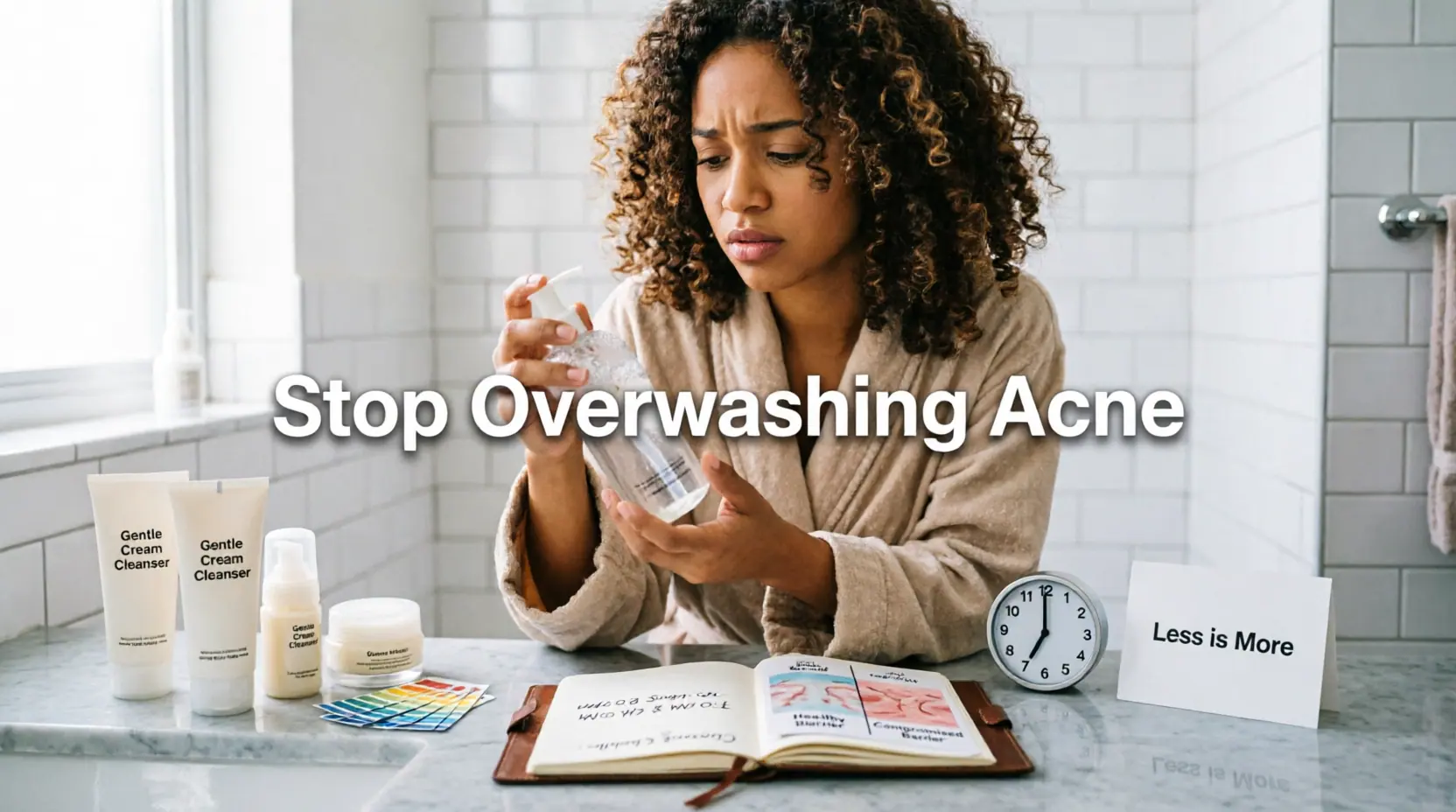
That urge to wash your face again when it feels oily or breaks out is completely understandable—but it might be making your acne worse, not better. Overwashing acne-prone skin is one of the most common yet counterproductive habits in skincare, triggering a biological response called the "rebound effect" that actually increases oil production, disrupts your skin barrier, and fuels more breakouts. If you've been washing your face three, four, or even five times a day hoping to "clean away" acne, you may be unknowingly sabotaging your clear skin journey.
The truth is, your skin isn't a surface to be scrubbed clean—it's a living, breathing organ with a delicate protective barrier that requires balance, not aggression. When you overwash, you strip away the natural oils, lipids, and acidic pH that keep your skin healthy, triggering a cascade of biological responses that lead to more oil, more inflammation, and more acne. Understanding this rebound effect is the first step to breaking the cycle and achieving the clear, balanced skin you deserve.
In this comprehensive, dermatologist-informed guide, we'll decode the science behind the acne rebound effect, reveal the hidden signs that you're overwashing your skin, share the exact cleansing frequency experts recommend for acne-prone skin, and provide expert strategies for repairing a damaged barrier. Whether you're dealing with persistent breakouts, oily-dehydrated skin, or sensitivity that won't resolve, you'll learn how to transform your cleansing routine from a source of frustration into a foundation for healthy, clear skin.
Understanding the Rebound Effect: Why More Washing = More Acne
Short answer: The rebound effect occurs when overwashing strips skin's natural oils, triggering sebaceous glands to overproduce sebum to compensate—leading to increased oiliness, clogged pores, and more breakouts despite more frequent cleansing.
To understand why overwashing backfires, you need to understand your skin's biology:
Your Skin's Protective Barrier: The Acid Mantle
What It Is:
- A thin, acidic film (pH 4.5-5.5) on skin's surface composed of sebum, sweat, and natural moisturizing factors
- Protects against harmful bacteria, environmental pollutants, and moisture loss
- Maintains healthy microbiome balance by favoring beneficial bacteria
- Regulates skin's water content and prevents transepidermal water loss (TEWL)
How Overwashing Damages It:
- Harsh cleansers and frequent washing dissolve protective lipids
- Alkaline formulas (pH 8-10) neutralize the acid mantle
- Stripped barrier allows irritants to penetrate and beneficial bacteria to die off
- Result: Increased sensitivity, inflammation, and vulnerability to acne-causing bacteria
The Biological Rebound Response
Step-by-Step Mechanism:
- Overwashing strips lipids: Frequent cleansing removes sebum and ceramides that hold barrier together
- Skin senses dryness: Keratinocytes detect moisture loss and signal sebaceous glands
- Sebaceous glands overcompensate: Produce excess sebum to restore perceived "dryness"
- Rebound oiliness occurs: Skin becomes oilier than before washing, often within 1-2 hours
- Pores clog more easily: Excess oil mixes with dead cells and bacteria, forming new breakouts
- Cycle repeats: Person washes more frequently, worsening the problem
Clinical Evidence: Studies show that reducing cleansing frequency from 3-4x daily to 2x daily can reduce sebum production by 20-30% within 2-4 weeks, with corresponding reduction in acne lesions.
Why Acne-Prone Skin Is Especially Vulnerable
Compounding Factors:
- Already overactive oil glands: Acne-prone skin has genetically larger, more active sebaceous glands
- Barrier dysfunction: Many with acne have compromised barrier function, making them more sensitive to stripping
- Inflammatory predisposition: Acne-prone skin has heightened immune response to irritation
- Microbiome imbalance: Overwashing disrupts beneficial bacteria that help control acne-causing strains
The Vicious Cycle:
- Wash more → strip barrier → rebound oil → more breakouts → wash more
- Each iteration worsens barrier damage and inflammation
- Breaking the cycle requires reducing cleansing frequency, not increasing it
Signs You're Overwashing Your Acne-Prone Skin
Short answer: Key signs include tightness after cleansing, increased oiliness within hours, persistent breakouts despite frequent washing, sensitivity to products, flakiness with oiliness, and breakouts that worsen after cleansing.
Recognizing overwashing is the first step to correction. Watch for these warning signs:
Immediate Post-Cleansing Signs
Tightness or "Squeaky Clean" Feeling:
- Skin feels stretched, uncomfortable, or "squeaky" after washing
- This indicates protective lipids have been stripped
- Healthy skin should feel clean but comfortable, not tight
Redness or Stinging:
- Visible redness or burning sensation after cleansing
- Sign of barrier compromise and inflammation
- May worsen with product application post-cleanse
Short-Term Rebound Signs (1-4 Hours Post-Cleansing)
Rapid Return of Oiliness:
- Skin becomes shiny or oily within 1-2 hours of washing
- Especially noticeable in T-zone (forehead, nose, chin)
- Indicates rebound sebum production in response to stripping
Oily-Dehydrated Paradox:
- Skin feels both oily and tight simultaneously
- Surface oiliness with underlying dehydration
- Common result of barrier damage from overwashing
Long-Term Consequences (Days to Weeks)
Persistent or Worsening Breakouts:
- Acne doesn't improve despite frequent cleansing
- New breakouts appear in areas where cleanser pools (jawline, hairline)
- Breakouts may be more inflamed or painful than before
Increased Sensitivity:
- Products that previously tolerated now cause stinging or redness
- Skin reacts to environmental factors (wind, temperature changes)
- Sign of compromised barrier function
Flakiness with Oiliness:
- Visible dry patches alongside oily areas
- Indicates uneven barrier damage and uneven oil production
- Common in combination skin that's been overwashed
The Science of Optimal Cleansing Frequency for Acne-Prone Skin
Short answer: Dermatologists recommend cleansing acne-prone skin maximum 2x daily (morning and night) with a gentle, pH-balanced cleanser; more frequent washing triggers rebound oil production and barrier damage that worsens acne.
Evidence-based guidelines for cleansing frequency:
Why Twice Daily Is the Sweet Spot
Morning Cleansing:
- Removes overnight oil buildup and skincare residue
- Prepares skin for daytime products and sunscreen
- For very dry or sensitive skin: water-only rinse may suffice
Evening Cleansing:
- Removes sunscreen, makeup, pollution, and daily buildup
- Essential for allowing nighttime treatments to penetrate
- Double cleanse only if wearing heavy makeup or water-resistant SPF
The Biological Rationale:
- Allows barrier 12+ hours to repair between cleansing sessions
- Prevents chronic lipid stripping that triggers rebound oil
- Maintains acid mantle pH for healthy microbiome balance
- Supported by clinical studies showing reduced acne with 2x daily vs. 3-4x daily cleansing
When to Adjust Frequency
Reduce to Once Daily If:
- Skin feels tight, red, or sensitive after cleansing
- Experiencing oily-dehydrated paradox
- Using prescription retinoids or strong actives that increase sensitivity
- Have very dry or sensitive acne-prone skin
- Protocol: Cleanse at night only; rinse with water in morning
Maintain Twice Daily If:
- Skin tolerates gentle cleansing without tightness or rebound oil
- Wear heavy sunscreen or makeup daily
- Have moderately oily acne-prone skin without sensitivity
- Using topical acne treatments that benefit from clean skin
Avoid More Than Twice Daily Unless:
- After intense sweating (use water rinse or gentle micellar water, not foaming cleanser)
- Under dermatologist guidance for specific medical protocols
- Temporary situation (e.g., post-procedure care with specific instructions)
The Myth of "Deep Cleansing" for Acne
Why "Deep Cleansing" Backfires:
- Marketing term, not medical concept—skin doesn't need "deep" cleaning
- Harsh "deep cleansing" formulas strip barrier, triggering rebound oil
- Acne forms deep in pores; surface cleansing can't "unclog" existing breakouts
- True acne treatment requires ingredients that penetrate pores (salicylic acid, retinoids), not aggressive washing
What Actually Works:
- Gentle cleansing to remove surface debris without stripping
- Leave-on treatments (salicylic acid, benzoyl peroxide, retinoids) that penetrate pores
- Barrier support to maintain healthy skin function
- Consistency over intensity—gentle care daily beats aggressive care occasionally
Choosing the Right Cleanser to Avoid the Rebound Effect
Short answer: Select pH-balanced (4.5-6.0), sulfate-free, fragrance-free cleansers with gentle surfactants and barrier-supporting ingredients; avoid high-foaming, alkaline, or "deep cleansing" formulas that strip skin.
The right cleanser minimizes rebound risk while effectively cleaning acne-prone skin:
Key Criteria for Acne-Safe Cleansers
pH Balance (4.5-6.0):
- Matches skin's natural acid mantle pH
- Prevents disruption of beneficial bacteria
- Reduces irritation and rebound oil triggers
- How to check: Look for "pH-balanced" on label; brands like CeraVe, La Roche-Posay typically formulate at skin-friendly pH
Gentle Surfactants:
- Avoid: Sodium lauryl sulfate (SLS), sodium laureth sulfate (SLES)
- Choose: Cocamidopropyl betaine, decyl glucoside, sodium cocoyl isethionate
- Why: Gentle surfactants clean effectively without stripping protective lipids
Non-Comedogenic Formula:
- Won't clog pores or feed acne-causing bacteria
- Avoid coconut oil, isopropyl myristate, and other high-comedogenic ingredients
- Look for "non-comedogenic" or "won't clog pores" on label
Barrier-Supporting Ingredients:
- Ceramides: Replenish barrier lipids stripped during cleansing
- Niacinamide: Regulates oil production and reduces inflammation
- Hyaluronic acid or glycerin: Provide hydration without heaviness
- Panthenol or centella: Soothe and support barrier repair
Fragrance-Free:
- Synthetic fragrance and essential oils are leading causes of contact dermatitis
- Inflammation from fragrance worsens acne and triggers rebound oil
- Choose "fragrance-free" (not just "unscented") for sensitive, acne-prone skin
Recommended Cleanser Types by Skin Concern
For Oily, Acne-Prone Skin:
- Formula: Gentle foaming or gel cleanser
- Key ingredients: Niacinamide, salicylic acid 0.5-2%, zinc
- Recommended: CeraVe Acne Foaming Cream Cleanser, La Roche-Posay Effaclar Purifying Foaming Gel, Paula's Choice CLEAR Pore Normalizing Cleanser
For Sensitive, Acne-Prone Skin:
- Formula: Cream or milky non-foaming cleanser
- Key ingredients: Ceramides, glycerin, centella asiatica
- Recommended: Vanicream Gentle Facial Cleanser, CeraVe Hydrating Cleanser, La Roche-Posay Toleriane Hydrating Gentle Cleanser
For Combination, Acne-Prone Skin:
- Formula: Lightweight gel or milky cleanser
- Key ingredients: Niacinamide, hyaluronic acid, gentle surfactants
- Recommended: Krave Beauty Matcha Hemp Hydrating Cleanser, Youth to the People Superfood Cleanser, CeraVe Foaming Facial Cleanser
Ingredients to Avoid in Acne Cleansers
- Sulfates (SLS/SLES): Strip lipids, trigger rebound oil
- High-comedogenic oils: Coconut oil, cocoa butter, wheat germ oil
- Problematic esters: Isopropyl myristate, isopropyl palmitate
- Synthetic fragrance: Triggers inflammation and sensitivity
- High concentrations of denatured alcohol: Dries skin, triggers rebound oil
- Harsh physical exfoliants: Walnut shells, apricot kernels cause micro-tears
How to Repair Skin Damaged by Overwashing
Short answer: Repair overwashed skin by reducing cleansing to once daily, switching to gentle pH-balanced cleanser, eliminating actives temporarily, using barrier-repair ingredients (ceramides, panthenol), and maintaining consistent gentle care for 2-4 weeks.
If you've damaged your barrier through overwashing, follow this repair protocol:
Phase 1: Stop the Damage (Week 1)
Immediate Actions:
- Reduce cleansing frequency: Switch to once daily (evening only); water rinse in morning
- Switch cleanser: Replace harsh cleanser with gentle, pH-balanced formula
- Pause all actives: Stop retinoids, acids, benzoyl peroxide, and exfoliants temporarily
- Use lukewarm water only: No hot water, which further strips lipids
- Pat dry, don't rub: Minimize physical irritation to compromised barrier
Phase 2: Active Repair (Weeks 2-4)
Morning Routine:
- Water rinse only (or gentle micellar water if very oily)
- Hydrating toner or essence with hyaluronic acid or glycerin
- Barrier-repair serum with ceramides, panthenol, or centella
- Rich moisturizer with ceramides, cholesterol, and fatty acids
- Mineral sunscreen SPF 30+ (chemical sunscreens may irritate compromised barrier)
Evening Routine:
- Gentle cleanser (pH 4.5-6.0)
- Hydrating toner or essence
- Barrier-repair serum or treatment
- Rich moisturizer
- Optional occlusive: Thin layer of petrolatum or squalane on extra-dry areas
Key Barrier-Repair Ingredients
Ceramides:
- Replenish the "mortar" between skin cells
- Look for ceramide NP, AP, or EOP in moisturizers or serums
- Clinical studies show ceramides reduce TEWL by 30-50% in damaged skin
Panthenol (Provitamin B5):
- Soothes irritation and supports wound healing
- Attracts moisture to skin cells
- Gentle enough for compromised, sensitive skin
Centella Asiatica (Cica):
- Anti-inflammatory and wound-healing properties
- Calms irritated, compromised skin
- Supports barrier repair without irritation
Niacinamide (2-5%):
- Strengthens barrier function and reduces inflammation
- Use lower concentration (2-5%) on compromised skin
- Also helps regulate rebound oil production
Phase 3: Gradual Reintroduction (Week 5+)
Once barrier is repaired (no tightness, redness, or sensitivity):
- Week 5: Reintroduce gentle active (niacinamide or low-dose vitamin C) 2x/week
- Week 6: Add gentle exfoliant (PHA or low-dose lactic acid) 1x/week
- Week 7: Gradually increase frequency as tolerated
- Week 8+: Slowly reintroduce acne treatments (salicylic acid, retinoids) starting 1x/week
Important: If irritation returns, go back to Phase 2 for another 1-2 weeks before trying again.
Lifestyle Factors That Amplify or Reduce Rebound Risk
Short answer: Support barrier health by managing stress, prioritizing sleep, staying hydrated, eating anti-inflammatory foods, and avoiding environmental triggers—creating internal support for topical repair efforts.
Your cleansing routine doesn't exist in isolation. These lifestyle factors influence rebound risk:
Stress Management
Impact on Rebound:
- Chronic stress elevates cortisol, which increases sebum production
- Stress impairs barrier repair and increases inflammation
- Stressed skin is more reactive to cleansing irritation
Solutions:
- Practice deep breathing or meditation 10 minutes daily
- Prioritize 7-9 hours of quality sleep for barrier repair
- Incorporate gentle movement (yoga, walking) for stress relief
Nutrition and Hydration
Barrier-Supporting Nutrients:
- Omega-3 fatty acids: Fatty fish, flaxseed, walnuts (support barrier lipids)
- Vitamin C: Citrus, berries, peppers (collagen synthesis)
- Vitamin E: Almonds, sunflower seeds, avocado (antioxidant protection)
- Zinc: Pumpkin seeds, chickpeas, lean meats (barrier repair)
- Water: 8-10 glasses daily to maintain cellular hydration
Avoid:
- High-glycemic foods that spike insulin and increase oil production
- Excessive dairy if it triggers breakouts for you
- Dehydrating substances like excessive caffeine or alcohol
Environmental Protection
- Humidity control: Use humidifier in dry environments to reduce TEWL
- Temperature protection: Avoid extreme hot/cold that stresses barrier
- UV protection: Daily mineral SPF prevents UV-induced barrier damage
- Pollution protection: Antioxidant serums neutralize free radicals from pollution
Common Mistakes That Worsen the Rebound Effect
Avoid these errors that can sabotage your repair efforts:
Mistake #1: Product-Hopping Too Quickly
Why it hurts: Constantly switching cleansers prevents skin from adjusting and can introduce new irritants, worsening barrier damage and rebound oil.
Fix: Commit to a gentle, pH-balanced cleanser for at least 4-6 weeks before evaluating results. Give your barrier time to heal.
Mistake #2: Adding Too Many Products at Once
Why it hurts: Layering multiple new products makes it impossible to identify what's helping or hurting, and can overwhelm compromised skin.
Fix: Introduce one product at a time, waiting 1-2 weeks between additions. Start with cleanser, moisturizer, and SPF only.
Mistake #3: Skipping Moisturizer
Why it hurts: Even oily, acne-prone skin needs hydration. Skipping moisturizer after cleansing allows rapid water loss, triggering rebound oil production.
Fix: Apply lightweight, non-comedogenic moisturizer to damp skin within 3 minutes of cleansing. Hydrated skin produces less rebound oil.
Mistake #4: Using Hot Water
Why it hurts: Hot water dissolves protective lipids, increases inflammation, and worsens barrier damage—amplifying rebound oil triggers.
Fix: Use lukewarm water only (95-100°F / 35-38°C). Test with wrist—should feel neutral, not warm.
Mistake #5: Expecting Overnight Results
Why it hurts: Barrier repair takes 2-4 weeks minimum. Impatience leads to over-treating, product-hopping, or giving up too soon.
Fix: Commit to gentle care for at least 4 weeks before evaluating results. Take weekly photos to track subtle progress.
Expert Tips for Long-Term Acne Management Without Rebound
Tip #1: Listen to Your Skin
If your skin feels tight, stings, or looks red after cleansing, your cleanser is too harsh or you're washing too frequently. Switch to gentler approach immediately.
Tip #2: The "Blot, Don't Wash" Rule
When T-zone gets shiny midday, use blotting papers instead of re-washing. Re-cleansing strips dry areas and triggers more rebound oil production.
Tip #3: Double-Cleanse Strategically
Only double-cleanse at night if wearing heavy makeup or water-resistant sunscreen. Use oil-based cleanser first, then gentle water-based cleanser—never two foaming cleansers.
Tip #4: Track Your Triggers
Keep a simple journal noting cleansing frequency, products used, and skin response. Patterns help you identify personal triggers and adjust accordingly.
Tip #5: Be Patient with Actives
When reintroducing acne treatments after barrier repair, start with lowest concentration and frequency (1x/week). Gradually increase as tolerated, monitoring for rebound signs.
Tip #6: Prioritize Barrier Health Over "Deep Cleaning"
Healthy barrier = less inflammation = less acne. Focus on gentle, consistent care rather than aggressive "deep cleansing" that damages barrier and triggers rebound.
Frequently Asked Questions About Overwashing and Acne
How do I know if I'm overwashing my acne-prone skin?
Short answer: Signs include tightness after cleansing, rapid return of oiliness (within 1-2 hours), persistent breakouts despite frequent washing, increased sensitivity, and flakiness with oiliness.
Confirmation method: Reduce cleansing to twice daily for 2 weeks. If oiliness decreases and breakouts improve, you were likely overwashing.
Can I wash my face after workouts without causing rebound?
Short answer: Yes—but use gentle methods. Rinse with lukewarm water only, or use micellar water or gentle cleansing water. Avoid foaming cleansers post-workout unless skin is very sweaty or dirty.
Post-workout protocol:
- Rinse with lukewarm water
- Pat dry gently
- Apply lightweight moisturizer if needed
- Save full cleanse for evening routine
Will reducing cleansing frequency make my acne worse initially?
Short answer: Possibly, but temporarily. As skin adjusts to less frequent cleansing, you may experience 1-2 weeks of adjustment with slightly more oiliness. This is normal and resolves as barrier repairs and rebound oil production normalizes.
What to expect:
- Week 1: Possible slight increase in oiliness as skin adjusts
- Weeks 2-3: Oil production normalizes; breakouts may begin improving
- Weeks 4+: Significant improvement in oil balance and acne
Can overwashing cause hormonal acne?
Short answer: Not directly, but overwashing can worsen hormonal acne by triggering inflammation and rebound oil production that amplifies hormonal breakouts. The underlying hormonal drivers remain, but barrier damage makes skin more reactive to hormonal fluctuations.
Management strategy:
- Address hormonal drivers with dermatologist (birth control, spironolactone if appropriate)
- Support skin barrier with gentle cleansing and barrier-repair ingredients
- Use targeted acne treatments (salicylic acid, retinoids) that don't strip barrier
Should I exfoliate if I've been overwashing?
Short answer: Pause all exfoliation until barrier is repaired (2-4 weeks). Once skin feels comfortable with no tightness or sensitivity, reintroduce gentle chemical exfoliants (PHA or low-dose lactic acid) 1x/week maximum.
Signs barrier is ready for exfoliation:
- No tightness after cleansing
- No stinging with moisturizer application
- Reduced redness and sensitivity
- More balanced oil production
When should I see a dermatologist about rebound acne?
Short answer: Consult a dermatologist if: acne doesn't improve after 8-12 weeks of consistent gentle cleansing, you experience severe breakouts or scarring, or you suspect underlying hormonal or medical causes.
A dermatologist can:
- Rule out medical conditions affecting acne
- Prescribe targeted treatments (topical retinoids, oral medications)
- Recommend professional procedures (chemical peels, laser)
- Provide personalized protocol based on skin analysis
The Bottom Line: Less Is More for Acne-Prone Skin
Clear skin isn't achieved by washing away acne—it's achieved by supporting your skin's natural balance. Overwashing triggers a biological rebound effect that increases oil production, damages your barrier, and fuels more breakouts. By cleansing gently, twice daily maximum, with the right pH-balanced formula, you create the foundation for healthy, clear skin.
Remember:
- Twice daily is enough: Morning and night cleansing supports acne management without triggering rebound
- Gentle is effective: pH-balanced, sulfate-free cleansers clean effectively without stripping
- Barrier health matters: Healthy barrier = less inflammation = less acne
- Patience pays off: Allow 4-6 weeks for skin to adjust to gentler routine
- Listen to your skin: Tightness, redness, or rapid oiliness signals need for adjustment
- Seek help when needed: Dermatologists can provide prescription solutions for persistent acne
Your skin has an incredible capacity to heal when given the right conditions. Start tonight: gentle cleanse with pH-balanced formula, apply barrier-repair moisturizer to damp skin, and commit to twice-daily cleansing maximum. Take progress photos. Celebrate small improvements. And trust that with knowledge, consistency, and the right protocol, balanced, clear skin is within reach.
You deserve to feel confident in your skin. With science-backed gentle cleansing, self-compassion, and realistic expectations, acne-free skin is absolutely within reach.