

Lip Barrier Repair: Fix Chapped Lips and Pigmentation
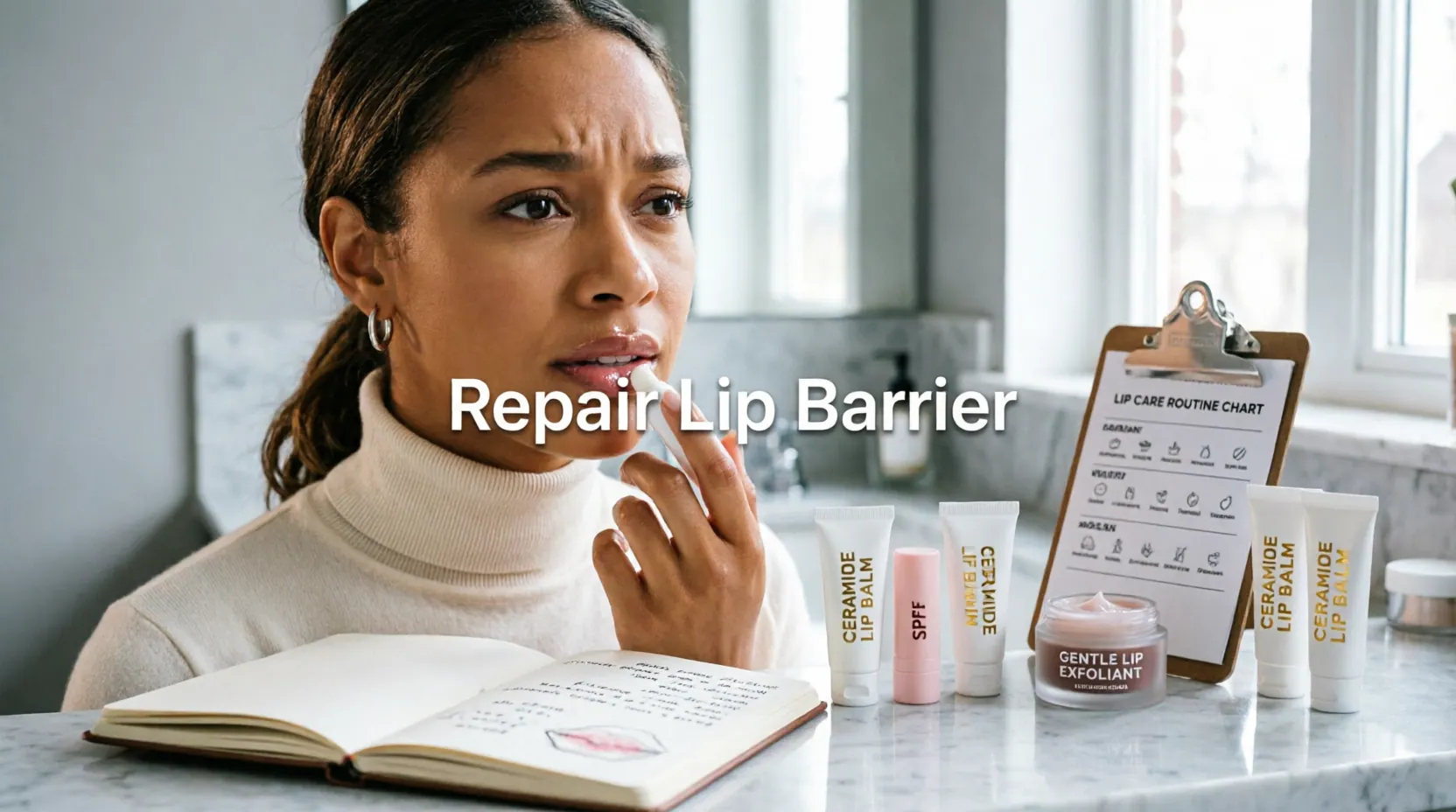
Those cracked, peeling, or discolored lips aren't just a cosmetic concern—they're a signal that your lip barrier is compromised. Chapped lips and lip pigmentation affect millions of people, yet most treatments only address symptoms while the underlying barrier damage persists. The truth is, your lips have a uniquely delicate structure that requires specialized care different from the rest of your face.
Unlike facial skin, lips have no oil glands, minimal melanin protection, and a barrier that's only 3-5 cell layers thick (compared to 16+ layers elsewhere). This makes them exceptionally vulnerable to dehydration, environmental damage, and pigmentation changes. When the lip barrier breaks down, you experience chronic dryness, painful fissures, darkening, and increased sensitivity to products and weather.
In this comprehensive, dermatologist-informed guide, we'll decode the science behind lip barrier function, reveal the hidden causes of chapped lips and lip pigmentation, share the exact protocol dermatologists recommend for repairing the lip barrier, and provide expert strategies for preventing recurrence. Whether you're dealing with seasonal chapping, chronic dryness, or stubborn lip darkening, you'll learn how to build a personalized lip care routine that delivers real, lasting results.
Understanding Lip Anatomy: Why Lips Are So Vulnerable
Short answer: Lips lack oil glands, have minimal melanin, and possess a barrier only 3-5 cell layers thick—making them exceptionally prone to dehydration, UV damage, and pigmentation changes compared to facial skin.
The unique anatomy of lips explains why they require specialized care:
Structural Differences From Facial Skin
No Sebaceous (Oil) Glands:
- Lips cannot produce their own natural oils or sebum
- Rely entirely on external moisturizers for hydration
- Prone to rapid moisture loss (transepidermal water loss)
- Heal slower than other facial skin due to limited lipid support
Minimal Melanin Protection:
- Lips contain significantly less melanin than surrounding skin
- Less natural protection against UV radiation
- More susceptible to sun-induced pigmentation and damage
- Higher risk of actinic cheilitis (pre-cancerous lip changes)
Thin Barrier Structure:
- Lip barrier is only 3-5 cell layers thick vs. 16+ elsewhere
- Less effective at retaining moisture and blocking irritants
- More permeable to allergens and environmental toxins
- Heals slower and scars more easily when damaged
The Lip Barrier Function
The lip barrier (stratum corneum) serves critical functions:
- Moisture retention: Prevents water loss that causes chapping
- Irritant protection: Blocks food, products, and environmental triggers
- Microbial defense: Houses antimicrobial peptides that prevent infection
- Sensory function: Contains nerve endings for taste and touch
When this barrier is compromised, lips become dry, cracked, inflamed, and prone to pigmentation changes. Repair requires rebuilding the lipid matrix, not just adding surface moisture.
Why Lips Get Chapped: Causes of Lip Barrier Damage
Short answer: Chapped lips result from barrier disruption caused by environmental exposure, licking lips, irritating products, nutritional deficiencies, medications, or underlying conditions like eczema or angular cheilitis.
Understanding what damages your lip barrier is essential for effective repair:
Environmental and Behavioral Factors
Lip Licking and Mouth Breathing:
- Saliva contains digestive enzymes that break down lip skin
- Evaporation of saliva causes further dehydration
- Mouth breathing dries lips overnight
- Creates a vicious cycle of dryness-licking-dryness
Weather Exposure:
- Cold, dry air accelerates moisture loss
- Wind causes physical irritation and chapping
- Low humidity environments (heated/cooled rooms) dehydrate lips
- Sun exposure damages lip barrier and triggers pigmentation
Dehydration and Nutrition:
- Inadequate water intake affects lip hydration
- Vitamin B deficiencies (especially B2, B3, B6, B12) cause cheilitis
- Iron deficiency can cause angular cheilitis (cracks at lip corners)
- Zinc deficiency impairs wound healing and barrier repair
Product-Related Causes
Irritating Lip Products:
- Fragrance, flavorings, and essential oils cause contact dermatitis
- Menthol, camphor, and phenol create temporary cooling but worsen dryness
- Matte or long-wear lipsticks contain drying alcohols and waxes
- Exfoliating lip scrubs with harsh particles damage thin lip skin
Toothpaste and Oral Care:
- Sodium lauryl sulfate (SLS) in toothpaste irritates lips
- Whitening agents (peroxides) can cause sensitivity
- Flavorings and preservatives trigger allergic reactions
- Rinsing inadequately leaves residue on lips
Medical and Medication Factors
Medications That Cause Dry Lips:
- Retinoids (isotretinoin, tretinoin) dramatically reduce oil production
- Antihistamines and decongestants cause dryness
- Diuretics increase fluid loss
- Chemotherapy agents affect rapidly dividing cells like lip skin
Underlying Conditions:
- Eczema or atopic dermatitis affects lip skin
- Angular cheilitis (infection at lip corners)
- Contact dermatitis from allergens
- Autoimmune conditions like lupus or Crohn's disease
Why Lips Develop Pigmentation: Causes of Lip Darkening
Short answer: Lip pigmentation results from melanin overproduction triggered by sun exposure, inflammation, hormonal changes, smoking, or certain medications—requiring targeted treatment different from facial hyperpigmentation.
Lip darkening (perioral hyperpigmentation) has distinct causes:
Sun-Induced Pigmentation
UV Damage Mechanism:
- Lips have minimal melanin, making them vulnerable to UV damage
- UV radiation stimulates melanocytes to produce excess melanin
- Chronic exposure leads to persistent darkening
- Can progress to actinic cheilitis (pre-cancerous changes)
Why Lips Darken Faster Than Face:
- Less natural melanin protection
- Often forgotten during sunscreen application
- Thinner barrier allows deeper UV penetration
- Frequent licking removes protective SPF
Inflammation-Induced Pigmentation
Post-Inflammatory Hyperpigmentation (PIH):
- Chronic chapping, licking, or irritation triggers inflammation
- Inflammation stimulates melanocytes to produce excess pigment
- Common in Fitzpatrick skin types III-VI
- Can persist long after initial irritation resolves
Common Inflammatory Triggers:
- Allergic contact dermatitis from lip products
- Chronic lip licking or biting
- Angular cheilitis (fungal/bacterial infection)
- Eczema or psoriasis affecting lips
Hormonal and Lifestyle Factors
Hormonal Influences:
- Pregnancy can cause melasma-like lip pigmentation
- Birth control or hormone therapy may trigger darkening
- Thyroid disorders affect skin pigmentation
Lifestyle Contributors:
- Smoking causes nicotine-induced pigmentation and reduced circulation
- Caffeine consumption may contribute to dehydration
- Spicy or acidic foods irritate lips and trigger inflammation
- Chronic lip biting or picking causes trauma-induced pigmentation
The Dermatologist's Lip Barrier Repair Protocol
Short answer: Repair chapped lips and pigmentation with a protocol: gentle cleansing, barrier-repair lip balm with ceramides and SPF, targeted treatments for pigmentation, hydration support, and trigger avoidance—consistently applied for 2-4 weeks.
Effective lip repair requires a systematic approach that addresses both chapping and pigmentation:
Phase 1: Immediate Relief (Days 1-3)
Goal: Stop further damage and provide immediate comfort
Step 1: Eliminate Irritants
- Stop using lip products with fragrance, flavorings, menthol, or camphor
- Discontinue matte or long-wear lipsticks temporarily
- Avoid lip scrubs or physical exfoliation
- Switch to SLS-free toothpaste
Step 2: Gentle Cleansing
- Rinse lips with lukewarm water only—no soap or cleanser
- Pat dry gently with soft towel—never rub
- Remove lip makeup with oil-based remover, not wipes
Step 3: Intensive Barrier Repair
- Apply thick layer of barrier-repair lip balm every 2 hours
- Look for: ceramides, petrolatum, squalane, or dimethicone
- Apply before bed with extra-thick layer for overnight repair
- Recommended: CeraVe Healing Ointment, Vanicream Lip Protectant, Aquaphor Lip Repair
Step 4: Soothe Inflammation
- Apply cool compress for 2-3 minutes to reduce inflammation
- Use lip balm with colloidal oatmeal or panthenol for calming
- Avoid spicy, acidic, or salty foods that irritate lips
Phase 2: Active Repair (Days 4-14)
Goal: Rebuild lipid barrier and address pigmentation
Daily Lip Care Routine
Morning:
- Gentle rinse: Lukewarm water only
- Barrier serum (optional): Lightweight formula with niacinamide or tranexamic acid for pigmentation
- Barrier lip balm: Ceramide-rich formula with SPF 30+ mineral sunscreen
- Reapply SPF: Every 2 hours with sun exposure
Evening:
- Gentle cleanse: Oil-based remover if wearing lip products
- Treatment (alternate nights):
- Night 1, 3, 5: Lip balm with azelaic acid or licorice extract for pigmentation
- Night 2, 4, 6: Barrier-repair balm with ceramides and peptides
- Night 7: Rest night—occlusive balm only
- Overnight occlusive: Thick layer of petrolatum or squalane to seal moisture
Key Ingredients for Lip Barrier Repair
Ceramides: Replenish the lipid "mortar" between lip cells. Look for ceramide NP, AP, or EOP.
Petrolatum or Dimethicone: Create occlusive barrier to prevent water loss. Non-comedogenic and non-irritating.
Niacinamide (2-4%): Reduces inflammation, inhibits pigment transfer, strengthens barrier. Well-tolerated on lips.
Azelaic Acid (10%): Anti-inflammatory and pigment-inhibiting. Gentle enough for lip skin.
Panthenol (Provitamin B5): Soothes irritation and supports wound healing.
Squalane: Lightweight emollient that mimics natural lipids without clogging.
Ingredients for Lip Pigmentation
Vitamin C (stable derivatives): Inhibits melanin production and provides antioxidant protection. Use lip-specific formulas to avoid irritation.
Licorice Root Extract: Natural brightener that inhibits tyrosinase. Gentle for sensitive lip skin.
Tranexamic Acid: Reduces inflammation-driven pigmentation. Emerging evidence for lip application.
Niacinamide: Blocks melanosome transfer and reduces inflammation. Safe for daily lip use.
Phase 3: Maintenance and Prevention (Weeks 3+)
Goal: Sustain barrier health and prevent recurrence
- Continue daily SPF: Mineral lip sunscreen every morning, reapply every 2 hours
- Maintenance balm: Keep ceramide-rich lip balm in purse, car, and bedside
- Weekly treatment: Gentle lip mask with hydrating ingredients 1-2x/week
- Monitor triggers: Track products, foods, or habits that cause dryness or darkening
Best Products for Lip Barrier Repair: Dermatologist Recommendations
Short answer: Top lip repair products include CeraVe Healing Ointment, Vanicream Lip Protectant, EltaMD UV Lip Balm SPF 36, and SkinCeuticals Physical Fusion UV Defense SPF 50—formulated with ceramides, SPF, and non-irritating ingredients.
Barrier-Repair Lip Balms
- CeraVe Healing Ointment: Contains ceramides, hyaluronic acid, and petrolatum; fragrance-free; ideal for severely chapped lips
- Vanicream Lip Protectant: Free of dyes, fragrance, lanolin; contains petrolatum and dimethicone; ideal for sensitive skin
- Aquaphor Lip Repair: Panthenol and glycerin for soothing; petrolatum base for occlusion; affordable and effective
- La Roche-Posay Cicaplast Lèvres: Panthenol, madecassoside, and shea butter; repairs and soothes irritated lips
Lip Sunscreens (Critical for Pigmentation Prevention)
- EltaMD UV Lip Balm SPF 36: Zinc oxide and octinoxate; moisturizing base; non-stinging formula
- Colorescience Sunforgettable Lip Shine SPF 35: Mineral SPF with tint options; iron oxides block visible light
- Supergoop! AcaiFusion Lip Balm SPF 30: Lightweight, non-sticky; antioxidant-rich formula
- ThinkSport SPF 30 Lip Balm: Mineral-only formula; reef-safe; fragrance-free
Treatment Products for Lip Pigmentation
- SkinCeuticals Physical Fusion UV Defense SPF 50 (for lips): Can be dabbed on lips; contains iron oxides for visible light protection
- Paula's Choice 10% Azelaic Acid Booster: Can be applied sparingly to lips; targets pigmentation and inflammation
- The Ordinary Niacinamide 10% + Zinc 1%: Dilute with lip balm for gentle application; reduces pigment transfer
- Mad Hippie Vitamin C Serum: Stable sodium ascorbyl phosphate; can be mixed with lip balm for brightening
What to Avoid on Lips
- Fragrance and flavorings: Common sensitizers that trigger contact dermatitis
- Menthol, camphor, phenol: Create cooling sensation but worsen dryness long-term
- Physical scrubs: Harsh particles damage thin lip skin
- Matte or long-wear lipsticks: Contain drying alcohols and waxes
- High-percentage acids: AHA/BHA over 5% can irritate lip barrier
Lifestyle Modifications to Support Lip Healing
Short answer: Accelerate lip repair by staying hydrated, avoiding lip licking, protecting from sun and wind, managing allergies, and addressing nutritional deficiencies that affect lip health.
Skincare alone isn't enough. These lifestyle habits create the optimal environment for healing:
Hydration and Nutrition
- Drink adequate water: Aim for 8-10 glasses daily to support overall skin hydration
- B vitamin-rich foods: Eggs, lean meats, leafy greens, and fortified cereals support lip health
- Iron and zinc sources: Red meat, beans, pumpkin seeds, and spinach support wound healing
- Omega-3 fatty acids: Fatty fish, flaxseed, and walnuts reduce inflammation
- Limit irritants: Reduce spicy, acidic, or very salty foods that irritate lips
Behavioral Adjustments
Break the Lip-Licking Cycle:
- Keep lip balm accessible to reduce urge to lick
- Apply balm before meals to create protective barrier
- Use sugar-free gum to occupy mouth if licking is habitual
- Address underlying causes (dry mouth, anxiety, allergies)
Protect from Environmental Stressors:
- Wear scarf or face covering in cold, windy weather
- Use humidifier indoors during winter or in dry climates
- Apply lip balm before swimming (chlorine is drying)
- Reapply SPF lip balm after eating or drinking
Oral Care Considerations
- Switch to SLS-free toothpaste: Reduces irritation and contact dermatitis
- Rinse thoroughly: Ensure no toothpaste residue remains on lips
- Address mouth breathing: Treat nasal congestion; use saline spray or humidifier at night
- Manage allergies: Antihistamines can cause dryness; use nasal steroids instead if appropriate
Common Mistakes That Worsen Chapped Lips and Pigmentation
Avoid these errors that can sabotage your repair efforts:
Mistake #1: Using "Medicated" Lip Balms with Irritants
Why it hurts: Products with menthol, camphor, or phenol create temporary cooling but strip natural lipids, worsening dryness and triggering inflammation that leads to pigmentation.
Fix: Choose fragrance-free, flavor-free balms with barrier-repair ingredients like ceramides, petrolatum, or squalane.
Mistake #2: Skipping Lip Sunscreen
Why it hurts: Lips have minimal melanin protection. UV exposure damages the barrier and triggers pigmentation. One unprotected day can undo weeks of repair.
Fix: Apply mineral lip SPF 30+ every morning. Reapply every 2 hours with sun exposure. Choose tinted formulas with iron oxides for visible light protection.
Mistake #3: Over-Exfoliating Lips
Why it hurts: Physical scrubs or harsh chemical exfoliants damage the thin lip barrier, causing micro-tears, inflammation, and post-inflammatory pigmentation.
Fix: Skip physical exfoliation entirely. If needed, use gentle enzymatic exfoliant (papain or bromelain) once weekly max, followed immediately by barrier balm.
Mistake #4: Picking or Peeling Flaky Skin
Why it hurts: Physical trauma creates micro-wounds, introduces bacteria, and triggers inflammation that worsens both chapping and pigmentation.
Fix: Apply thick layer of occlusive balm to soften flakes; let them shed naturally. Keep nails short to minimize damage if you slip.
Mistake #5: Using Facial Actives on Lips
Why it hurts: Retinoids, high-percentage acids, or vitamin C formulated for face can severely irritate delicate lip skin, causing barrier damage and rebound pigmentation.
Fix: Use lip-specific treatments or dilute facial actives with lip balm. Patch-test on jawline first before lip application.
Mistake #6: Expecting Overnight Results
Why it hurts: Lip barrier repair takes 2-4 weeks of consistent care. Impatience leads to product-hopping, over-treating, or giving up before treatments have time to work.
Fix: Commit to a simple routine for at least 2 weeks before evaluating results. Take weekly photos to track subtle progress.
Expert Tips for Faster Lip Barrier Recovery
Tip #1: Apply Balm to Damp Lips
After rinsing, pat lips until slightly damp (not dry), then apply barrier balm. This traps water in the stratum corneum, enhancing hydration and repair.
Tip #2: Use the "Sandwich Method" for Actives
When using pigmentation treatments: apply barrier balm first, wait 5 minutes, apply treatment, wait 5 minutes, apply balm again. This buffers irritation while maintaining efficacy.
Tip #3: Protect Overnight
Apply extra-thick layer of occlusive balm (petrolatum or squalane) before bed. Lips lose significant moisture overnight; sealing them accelerates repair.
Tip #4: Track Your Triggers
Keep a simple journal noting lip balm used, foods eaten, weather exposure, and lip condition. Patterns help you identify personal triggers and adjust accordingly.
Tip #5: Be Patient with Pigmentation
Lip pigmentation takes longer to fade than facial pigmentation due to thinner skin and constant movement. Commit to 8-12 weeks of consistent SPF and treatment before evaluating results.
Frequently Asked Questions About Lip Barrier Repair
How long does it take to heal chapped lips?
Short answer: With consistent care, initial improvement occurs in 3-7 days, significant barrier repair in 2-4 weeks, and full recovery may take 4-8 weeks depending on severity and adherence to protocol.
Healing speed depends on:
- Severity of initial damage
- Consistency of gentle routine
- Avoidance of triggers (licking, irritants)
- Individual healing capacity and age
Can lip pigmentation be reversed?
Short answer: Yes—most lip pigmentation from sun exposure or inflammation can be significantly improved with consistent SPF, barrier repair, and targeted brightening ingredients. Genetic or hormonal pigmentation may require professional treatments.
Realistic expectations: 50-80% improvement is achievable with consistent care. Complete reversal may not be possible for all cases, but significant brightening is realistic.
Is it safe to use vitamin C or retinoids on lips?
Short answer: Yes, but with caution. Use lip-specific formulations or dilute facial products with lip balm. Start with low frequency (1-2x/week) and monitor for irritation. Avoid during active chapping.
Safer alternatives: niacinamide, azelaic acid, or licorice extract are gentler options for lip pigmentation with lower irritation risk.
Should I exfoliate chapped lips?
Short answer: No—avoid physical exfoliation on chapped lips. It damages the already-compromised barrier. Focus on hydration and barrier repair first. Once healed, gentle enzymatic exfoliation once weekly may help with texture.
If flakes persist: apply thick occlusive balm overnight to soften; let them shed naturally rather than picking.
Can I wear lipstick while healing my lips?
Short answer: Yes, but choose hydrating, fragrance-free formulas. Avoid matte, long-wear, or heavily pigmented lipsticks during active repair. Apply barrier balm first as a protective base.
Tips for makeup during repair:
- Use tinted lip balms with SPF instead of traditional lipstick
- Choose cream formulas over powders (less drying)
- Remove gently with oil-based remover, not wipes
- Give lips makeup-free days when possible
When should I see a dermatologist for lip concerns?
Short answer: See a dermatologist if: chapping persists beyond 2-3 weeks of gentle care, pigmentation is sudden or asymmetrical, lips are painful or bleeding, or you suspect allergic contact dermatitis or actinic cheilitis.
A dermatologist can:
- Rule out medical conditions requiring prescription treatment
- Perform patch testing for allergic contact dermatitis
- Prescribe barrier-repair medications or anti-inflammatory topicals
- Recommend professional treatments for stubborn pigmentation
The Bottom Line: Gentle Consistency Heals
Chapped lips and lip pigmentation aren't just cosmetic concerns—they're signals that your delicate lip barrier needs support. By eliminating irritants, replenishing lipids, locking in hydration, and protecting from sun damage, you can restore comfort and even tone—often faster than you expect.
Remember:
- Stop the damage first: Pause irritating products, avoid lip licking, simplify your routine
- Rebuild with the right ingredients: Ceramides, petrolatum, and niacinamide are lip barrier heroes
- Protect daily: Mineral lip SPF is non-negotiable for preventing pigmentation
- Be patient: Lip repair takes 2-4 weeks; pigmentation improvement takes 8-12 weeks
- Listen to your lips: If a product stings or worsens dryness, stop using it immediately
- Seek help when needed: Dermatologists have prescription options for stubborn cases
Your lips have an incredible capacity to heal when given the right conditions. Start tonight: gentle rinse, apply ceramide-rich balm to damp lips, and commit to 2 weeks of barrier-focused care. The chapping will subside, the tightness will ease, and your lips will thank you with renewed comfort and confidence.
You deserve lips that feel soft, comfortable, and healthy. With knowledge, consistency, and compassion, a strong lip barrier—and relief from chapping and pigmentation—is absolutely within reach.