

Glass Skin at Home: Clinical Clarity Without Salon Prices
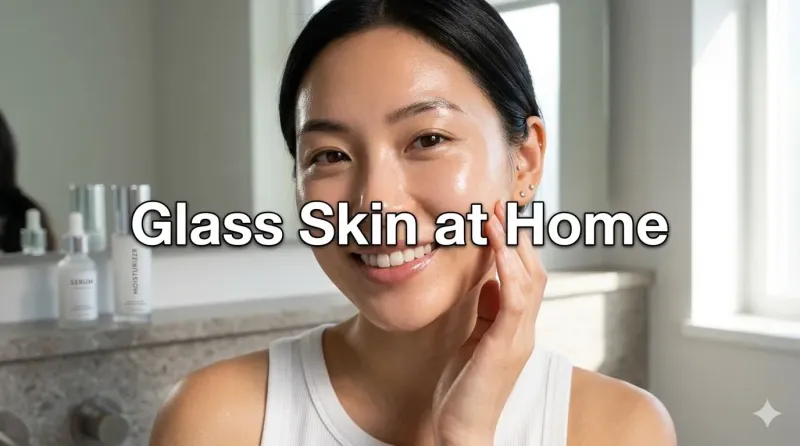
The term "glass skin" has exploded across social media, promising a complexion so smooth, luminous, and translucent that it resembles polished glass. While the aesthetic is undeniably appealing, many assume achieving this look requires expensive salon facials, luxury serums, or professional treatments. The truth? Clinical-grade results are absolutely achievable at home—with the right knowledge, strategic product selection, and consistent routine.
Glass skin isn't about perfection or filters. It's a measurable state of skin health: optimal hydration, smooth texture, even tone, and a healthy barrier that reflects light beautifully. These qualities stem from biological fundamentals—cell turnover, moisture retention, barrier integrity, and inflammation control—not from pricey products alone. By understanding the science behind glass skin and implementing evidence-based strategies, you can cultivate that coveted luminosity without the salon price tag.
This comprehensive guide delivers a clinically grounded protocol for achieving glass skin at home affordably. You'll learn what glass skin actually means from a dermatological perspective, discover which ingredients truly deliver luminosity (and which are just marketing), build a step-by-step routine that mimics professional treatments, and understand how lifestyle factors amplify your results. Whether you're working with a modest budget, limited time, or sensitive skin, you'll find practical, science-backed strategies to cultivate radiant, healthy skin—on your terms.
Understanding Glass Skin: Beyond the Social Media Hype
Before implementing any routine, it's essential to understand what "glass skin" actually means—and what it doesn't.
Clinical Definition vs. Social Media Perception
What Glass Skin Actually Is:
- Optimal hydration: Skin cells plump with water, creating a smooth, light-reflecting surface
- Even texture: Minimal roughness, bumps, or visible pores due to consistent cell turnover
- Uniform tone: Reduced hyperpigmentation, redness, or discoloration for a seamless canvas
- Healthy barrier: Intact lipid matrix that retains moisture and protects against irritants
- Subtle radiance: Light reflects evenly off smooth surface, creating natural luminosity
What Glass Skin Is NOT:
- Perfectly poreless: Pores are normal anatomical structures; glass skin minimizes their appearance, not eliminates them
- Filter-level flawlessness: Real skin has texture; glass skin enhances natural health, not creates artificial perfection
- One-size-fits-all: Glass skin looks different across skin types, tones, and ages; it's about your healthiest version
- Achievable overnight: True glass skin results from consistent care over weeks to months
Key Insight: Glass skin is a byproduct of skin health—not a specific product or treatment. Focus on supporting your skin's biology, and luminosity follows.
The Science Behind Luminous Skin
| Biological Factor | Role in Glass Skin | How to Support It |
|---|---|---|
| Stratum corneum hydration | Well-hydrated surface cells reflect light evenly; dry cells scatter light, creating dullness | Humectants (hyaluronic acid, glycerin) + occlusives (squalane, ceramides) to attract and seal moisture |
| Cell turnover rate | Regular shedding of dead cells reveals smooth, fresh surface; buildup creates roughness and dullness | Gentle exfoliation (PHA, lactic acid) + retinoids to support natural renewal cycle |
| Barrier integrity | Intact lipid matrix prevents moisture loss and irritant penetration; compromised barrier causes reactivity and dullness | Ceramides, cholesterol, fatty acids in 3:1:1 ratio; gentle cleansing; pH-balanced products |
| Inflammation control | Low inflammation = even tone and calm complexion; chronic inflammation causes redness, pigmentation, texture issues | Niacinamide, centella, antioxidants; stress management; sun protection |
| Microcirculation | Healthy blood flow delivers oxygen/nutrients for radiance; poor circulation contributes to dullness | Gentle facial massage; regular exercise; avoiding smoking; adequate sleep |
Phase 1: Foundation—Building the Base for Glass Skin
Glass skin starts with fundamentals. These non-negotiable practices create the canvas for luminosity.
Gentle Cleansing: Preserving the Barrier
Why It Matters:
- Harsh cleansers strip natural oils, compromising barrier function and triggering rebound oil production
- Alkaline cleansers disrupt skin's acidic mantle (optimal pH 4.5-5.5), increasing sensitivity and dullness
- Over-cleansing removes beneficial lipids needed for light reflection
Optimal Cleansing Protocol:
- Frequency: Twice daily for most; once daily (PM) if skin is very dry or sensitive
- Water temperature: Lukewarm only—hot water strips lipids and increases inflammation
- Product selection: pH 5.0-5.5, non-foaming or low-foaming, fragrance-free formulas
- Technique: Massage gently with fingertips for 30-60 seconds; rinse thoroughly; pat dry (don't rub)
Budget-Friendly Cleanser Recommendations:
- Dry/Sensitive: Vanicream Gentle Facial Cleanser ($8), CeraVe Hydrating Cleanser ($15)
- Normal/Combination: La Roche-Posay Toleriane Hydrating Gentle Cleanser ($15), Krave Beauty Matcha Hemp Hydrating Cleanser ($18)
- Oily: CeraVe Foaming Facial Cleanser ($15), COSRX Low pH Good Morning Gel Cleanser ($12)
Hydration Layering: The "7-Skin" Method Adapted
The Science:
- Applying multiple thin layers of hydrating toner/essence allows deeper penetration than one thick layer
- Humectants draw water into stratum corneum; layering maximizes this effect
- Plump, hydrated cells reflect light more evenly, creating immediate luminosity
Adapted Home Protocol (3-5 Layers):
- After cleansing, apply hydrating toner/essence to damp skin
- Pat gently until absorbed (15-30 seconds)
- Repeat 2-4 more times, allowing each layer to absorb
- Follow with serum and moisturizer to seal in hydration
Key Ingredients to Look For:
- Hyaluronic acid: Binds up to 1000x its weight in water; look for multi-molecular weights for surface and deep hydration
- Glycerin: Classic humectant; draws moisture from air and deeper skin layers
- Beta-glucan: Soothing humectant; particularly beneficial for sensitive skin
- Panthenol (B5): Hydrates while supporting barrier repair
Affordable Hydrating Toners/Essences:
- The Ordinary Hyaluronic Acid 2% + B5 ($7), Good Molecules Hyaluronic Acid Serum ($6)
- Pyunkang Yul Essence Toner ($17), COSRX Advanced Snail 96 Mucin Power Essence ($15)
- Paula's Choice Hyaluronic Acid Booster ($15—can be mixed into toner)
Barrier Repair: The Non-Negotiable Foundation
Why Barrier Health Creates Luminosity:
- Intact barrier retains hydration, keeping cells plump and light-reflective
- Healthy barrier prevents irritant penetration that causes redness and uneven tone
- Compromised barrier triggers inflammation, which dulls complexion and disrupts texture
The Golden Ratio for Barrier Repair:
- Ceramides (50%): Primary lipids that form barrier "mortar"; look for NP, AP, EOP subtypes
- Cholesterol (25%): Stabilizes lipid organization; ensures ceramides function properly
- Free fatty acids (15%): Provide flexibility; prevent barrier from becoming too rigid
- Evidence: Products mimicking this 3:1:1 ratio restore barrier function significantly faster than single-ingredient approaches
Barrier-Repair Moisturizer Protocol:
- Apply to damp skin after hydration layers to lock in moisture
- Use gentle pressing motions (not rubbing) to avoid irritation
- Allow 1-2 minutes to absorb before applying sunscreen (AM) or next product (PM)
- Consistency: Twice daily application yields measurable barrier improvement in 4-8 weeks
Budget Barrier Cream Recommendations:
- Budget: CeraVe Moisturizing Cream ($19 for large tub), Vanicream Moisturizing Cream ($14)
- Mid-range: La Roche-Posay Toleriane Double Repair ($20), Illiyoon Ceramide Ato Concentrate Cream ($18)
- Treatment-focused: Paula's Choice Omega+ Complex Moisturizer ($35), First Aid Beauty Ultra Repair Cream ($28)
Phase 2: Targeted Actives—Enhancing Texture and Tone
With foundation in place, strategic actives address texture, tone, and radiance—the visible markers of glass skin.
Gentle Exfoliation: Smoothing the Canvas
Why Exfoliation Matters for Glass Skin:
- Removes dead cells that scatter light, revealing smooth, fresh surface
- Enhances penetration of hydrating and brightening ingredients
- Prevents clogged pores that create texture and dullness
Choosing the Right Exfoliant for Sensitive Skin:
| Exfoliant Type | Best For | Frequency | Budget Recommendations |
|---|---|---|---|
| PHA (Gluconolactone) | Most sensitive skin; gentle surface exfoliation | 2-3x weekly | The Ordinary Gluconolactone 5% + Caffeine Solution ($7) |
| Lactic Acid (5-10%) | Normal to dry skin; hydrating exfoliation | 1-2x weekly | The Ordinary Lactic Acid 5% + HA ($7), Sunday Riley Good Genes (splurge alternative) |
| Mandelic Acid | Darker skin tones; larger molecule = less irritation | 1-2x weekly | The Ordinary Mandelic Acid 10% + HA ($7) |
| Enzyme exfoliants | Very sensitive skin; dissolves dead cells without acids | 1-2x weekly | Dermalogica Daily Microfoliant ($35), or DIY papaya mask |
Exfoliation Protocol for Glass Skin:
- Use only on clean, dry skin in PM routine
- Apply with fingertips; avoid eye area
- Leave on for recommended time (usually 5-10 minutes for leave-on; rinse off masks per instructions)
- Follow immediately with hydrating layers and barrier moisturizer
- Never exfoliate on irritated or compromised skin
- Always use SPF 30+ the next day (exfoliation increases sun sensitivity)
Brightening Without Irritation: Even Tone for Luminosity
Key Brightening Ingredients for Sensitive Skin:
- Niacinamide (4-5%):
- Mechanism: Inhibits melanin transfer to skin surface; reduces inflammation; strengthens barrier
- Evidence: Clinical studies show visible tone improvement in 4-8 weeks with minimal irritation
- Application: Apply to damp skin after cleansing; can be used AM and PM
- Budget picks: The Ordinary Niacinamide 10% + Zinc 1% ($6—use sparingly), Good Molecules Niacinamide Serum ($6)
- Azelaic Acid (10% OTC):
- Mechanism: Inhibits tyrosinase (pigment production); anti-inflammatory; antimicrobial
- Evidence: FDA-approved for rosacea; studies show efficacy for hyperpigmentation with good tolerance
- Application: Start 2-3x weekly; buffer with moisturizer if sensitive; increase frequency as tolerated
- Budget pick: The Ordinary Azelaic Acid Suspension 10% ($10)
- Alpha Arbutin (2%):
- Mechanism: Gentle tyrosinase inhibitor; breaks down into hydroquinone slowly for sustained effect
- Evidence: Clinical data supports efficacy for hyperpigmentation with minimal irritation risk
- Application: Apply to damp skin; compatible with most routines
- Budget pick: The Ordinary Alpha Arbutin 2% + HA ($9)
Brightening Protocol:
- Introduce one brightening ingredient at a time; wait 2-4 weeks before adding another
- Apply to damp skin after cleansing, before moisturizer
- Use consistently for 8-12 weeks to assess results (pigment turnover takes time)
- Always pair with daily SPF 30+ to prevent new pigmentation
Retinoids for Texture: The Gold Standard, Adapted
Why Retinoids Support Glass Skin:
- Increase cell turnover, revealing smoother, fresher surface
- Stimulate collagen production for improved texture and firmness
- Enhance penetration of other beneficial ingredients
Gentle Retinoid Options for Sensitive Skin:
| Retinoid Type | Potency | Best For | Budget Recommendation |
|---|---|---|---|
| Retinaldehyde | Moderate (one conversion step to active) | Those ready to step up from retinol | Medik8 Crystal Retinal 3 ($35), or The Inkey List Retinal ($15) |
| Retinol (0.1-0.3%) | Mild to moderate | Beginners, sensitive skin | The Ordinary Granactive Retinoid 2% Emulsion ($10), CeraVe Resurfacing Retinol Serum ($20) |
| Bakuchiol | Mild (plant-based alternative) | Very sensitive skin, pregnancy | The Ordinary Bakuchiol 1% ($10), Biossance Squalane + Phyto-Retinol Serum ($32) |
Retinoid Protocol for Glass Skin:
- Start low: Begin with lowest concentration 1-2x weekly
- Buffer application: Apply moisturizer first, then retinoid, then moisturizer again ("sandwich method")
- Apply to dry skin: Wait 20 minutes after cleansing to reduce irritation
- Use PM only: Retinoids increase sun sensitivity
- Be patient: Visible texture improvement typically appears after 8-12 weeks
- Never combine: With AHAs/BHAs or vitamin C in same routine initially
Phase 3: The Complete Glass Skin Routine—Step by Step
Putting it all together: a practical, affordable routine that delivers clinical results at home.
AM Routine: Protection and Radiance
Step 1: Gentle Cleanse (or just water if skin is dry)
- Use lukewarm water + pH-balanced cleanser
- Pat dry gently; leave skin slightly damp

Step 2: Hydration Layering (3 layers)
- Apply hydrating toner/essence; pat until absorbed
- Repeat 2 more times for plump, light-reflective surface

Step 3: Brightening Serum
- Niacinamide 4-5% or alpha arbutin 2% on damp skin
- Focus on areas of uneven tone or dullness

Step 4: Barrier Moisturizer
- Ceramide-rich cream to seal hydration
- Apply with gentle pressing motions

Step 5: Mineral Sunscreen (Non-Negotiable)
- Zinc oxide/titanium dioxide SPF 30+
- Tinted formulas with iron oxides protect against visible light
- Reapply every 2 hours with direct sun exposure

Time: ~5 minutes | Cost per use: ~$0.50-1.50
PM Routine: Repair and Renewal
Step 1: Gentle Cleanse
- Remove sunscreen and daily impurities without stripping
- Focus on scalp line, jawline, and areas with makeup

Step 2: Hydration Layering (3 layers)
- Same as AM; critical for overnight repair

Step 3: Targeted Treatment (Rotate based on need)
- Mon/Wed/Fri: Retinoid (if using) for texture
- Tue/Thu: Brightening serum (niacinamide/azelaic) for tone
- Sat/Sun: Rest night; hydration + barrier only

Step 4: Barrier-Repair Moisturizer
- Slightly richer formula than AM for overnight recovery
- Consider adding 1-2 drops of squalane for extra occlusion if very dry

Step 5: Occasional Additions (1-2x weekly)
- Exfoliation night: Replace treatment step with gentle exfoliant; skip retinoid/brightener
- Mask night: Hydrating or soothing mask after cleansing; follow with full routine

Time: ~7 minutes | Cost per use: ~$0.75-2.00
Weekly Enhancements for Accelerated Results
Hydrating Mask (1x weekly):
- Apply hyaluronic acid or colloidal oatmeal mask after cleansing
- Leave 10-15 minutes; rinse if directed or pat in excess
- Follow with full routine for amplified hydration
- Budget option: Mix 1 tbsp plain yogurt + 1 tsp honey + few drops glycerin
Gentle Exfoliation (1x weekly, if not using daily retinoid):
- Use PHA or low-dose lactic acid on clean, dry skin
- Leave 5-10 minutes; rinse thoroughly
- Follow with extra hydration layers and barrier cream
- Skip if skin feels sensitive or compromised
Facial Massage (2-3x weekly):
- Apply moisturizer or facial oil for slip
- Use fingertips or jade roller for gentle upward/outward strokes
- Focus on jawline, cheeks, forehead for 2-3 minutes
- Boosts circulation, enhances product absorption, reduces puffiness
Budget Breakdown: Glass Skin on a Realistic Budget
Achieving clinical results doesn't require luxury prices. Here's how to prioritize spending.
The $50 Starter Kit
Essentials (Total: ~$45-55):
- Cleanser: CeraVe Hydrating Cleanser ($15)
- Hydrating toner: The Ordinary Hyaluronic Acid 2% + B5 ($7)
- Brightening serum: The Ordinary Niacinamide 10% + Zinc 1% ($6)
- Barrier moisturizer: CeraVe Moisturizing Cream ($19)
- Sunscreen: Neutrogena Ultra Sheer SPF 50 ($10)

Optional additions as budget allows:
- Gentle exfoliant: The Ordinary Lactic Acid 5% + HA ($7)
- Retinoid: The Ordinary Granactive Retinoid 2% Emulsion ($10)
- Hydrating mask: The Ordinary AHA 30% + BHA 2% Peeling Solution ($8—use sparingly)
Smart Spending Strategies
Prioritize These Categories:
- Sunscreen: Non-negotiable for preventing pigmentation and maintaining results; invest in one you'll use daily
- Barrier moisturizer: Foundation of glass skin; choose one with ceramides in physiological ratio
- One targeted active: Start with either brightening (niacinamide) OR texture (gentle retinoid); add the second later if needed
Save On These:
- Cleansers: Drugstore options perform as well as luxury for gentle cleansing
- Hydrating toners: Simple humectant formulas work as well as complex blends
- Tools: Fingers work as well as expensive devices for massage and application
Maximize Value:
- Multi-use products: Niacinamide serum works for brightening, barrier support, and oil control
- Concentrated formulas: A little goes a long way; use pea-sized amounts for actives
- Buy larger sizes: Moisturizers and cleansers often cost less per ounce in larger containers
Lifestyle Amplifiers: Supporting Glass Skin from Within
Topical care works best when supported by habits that enhance skin health.
Hydration and Nutrition
Internal Hydration:
- Aim for 2-3L water daily; dehydration shows as dullness and fine lines
- Include hydrating foods: cucumber, watermelon, celery, soups
- Limit excessive caffeine and alcohol, which can be dehydrating
Skin-Supportive Nutrition:
| Nutrient | Role in Glass Skin | Food Sources |
|---|---|---|
| Omega-3 fatty acids | Reduce inflammation; support barrier lipids | Fatty fish, flaxseeds, walnuts, chia seeds |
| Vitamin C | Antioxidant protection; supports collagen for smooth texture | Citrus, bell peppers, broccoli, berries |
| Zinc | Supports barrier repair and wound healing | Oysters, beef, pumpkin seeds, chickpeas |
| Antioxidants | Protect against oxidative stress that dulls complexion | Berries, dark leafy greens, green tea, dark chocolate |
Sleep and Stress Management
Sleep Optimization:
- Skin repair peaks during deep sleep; aim for 7-9 hours nightly
- Use silk or satin pillowcases to reduce friction on skin
- Keep bedroom cool (65-68°F) to support overnight barrier repair
Stress Reduction:
- Chronic stress elevates cortisol, which impairs barrier function and increases inflammation
- Practices: 10 minutes daily mindfulness, deep breathing, or gentle movement
- Even brief stress-reduction practices can improve skin reactivity within weeks
Environmental Protection
Humidity Control:
- Use humidifier in dry climates or heated indoor spaces (aim for 40-60% humidity)
- Place in bedroom for overnight barrier support
Sun Protection Beyond Sunscreen:
- Wear wide-brimmed hats and UV-protective clothing for extended outdoor time
- Seek shade during peak UV hours (10 AM - 4 PM)
- Reapply sunscreen every 2 hours with direct exposure
Realistic Expectations and Timeline
Managing expectations prevents frustration and supports consistency.
What to Expect: Results Timeline
| Timeframe | Potential Changes | Notes |
|---|---|---|
| Days 1-7 | Immediate hydration boost; skin feels plumper, looks slightly brighter | Temporary effect from hydration layering; foundation for longer-term results |
| Weeks 2-4 | Improved texture from gentle exfoliation; reduced redness from barrier support | Consistency is critical; don't abandon routine if changes seem subtle |
| Weeks 4-8 | Visible tone improvement from brightening ingredients; enhanced radiance from consistent care | Take monthly photos in consistent lighting to track progress objectively |
| Weeks 8-12 | Cumulative luminosity; smoother texture; more even tone—true "glass skin" effects emerge | Maintenance becomes key; continue routine to sustain results |
Measuring Progress Objectively
Track These Metrics:
- Photographic documentation: Same lighting/angle monthly; focus on cheek and forehead areas
- Texture assessment: Run fingertips across cheek; note smoothness vs. roughness
- Tone evenness: Note reduction in contrast between pigmented areas and surrounding skin
- Product tolerance: Reduced stinging or redness indicates improved barrier health
Celebrate Non-Visual Wins:
- Less tightness after cleansing
- Makeup applies more smoothly
- Reduced reactivity to environmental changes
- Increased confidence in bare skin
Troubleshooting Common Glass Skin Challenges
Even with a solid routine, obstacles arise. Here's how to address them.
Problem: "My Skin Feels Tight or Stings After Products"
Likely Cause: Barrier compromise or product incompatibility
Solution:
- Pause all actives (retinoids, acids, brighteners) for 1-2 weeks
- Focus exclusively on gentle cleansing + hydration + barrier repair
- Reintroduce actives one at a time, buffering with moisturizer
- Ensure products are pH-balanced and fragrance-free
Problem: "I'm Not Seeing Results After 4 Weeks"
Likely Cause: Inconsistent routine, unrealistic expectations, or need for adjustment
Solution:
- Review consistency: Are you following routine daily? Missing steps?
- Assess product suitability: Is your moisturizer rich enough? Is exfoliant too gentle/strong?
- Extend timeline: Glass skin results typically emerge at 8-12 weeks; patience is essential
- Consider professional consultation if no improvement after 12 weeks of consistent care
Problem: "My Skin Looks Dull Despite Hydration"
Likely Cause: Surface buildup preventing light reflection
Solution:
- Add gentle exfoliation 1x weekly if not already included
- Ensure you're removing sunscreen thoroughly each evening
- Consider monthly chelating treatment if hard water is an issue
- Verify you're using adequate sunscreen—UV damage causes dullness
When Professional Treatment Might Be Worth It
Home care is powerful, but certain situations warrant professional support.
Signs It's Time to Consult a Professional
- No improvement after 12 weeks of consistent, appropriate home care
- Significant hyperpigmentation, scarring, or texture concerns
- Sensitivity that worsens with gentle products (may indicate underlying condition)
- Desire for accelerated results for special event
Professional Treatments That Complement Home Care
Chemical Peels (Superficial):
- How they help: Accelerate cell turnover for immediate texture improvement
- At-home alternative: Consistent gentle exfoliation yields similar long-term results
- When worth it: For event preparation or to jumpstart routine
Hydrating Facials:
- How they help: Professional-grade hydration infusions for immediate plumping
- At-home alternative: Layering hydration method + hydrating masks
- When worth it: Occasional treat for maintenance or special occasions
LED Light Therapy:
- How it helps: Red light may support collagen; blue light targets acne
- At-home alternative: Consistent topical care + sun protection
- When worth it: If you enjoy the ritual and can commit to consistent use
Frequently Asked Questions
Can I achieve glass skin if I have oily or acne-prone skin?
Absolutely—glass skin looks different across skin types: - Oily skin: Focus on lightweight hydration (hyaluronic acid, glycerin) + oil-free barrier support (squalane, dimethicone) - Acne-prone: Prioritize non-comedogenic products; niacinamide helps with both brightness and breakouts - Key: Glass skin is about health, not oiliness; well-hydrated oily skin can be luminous without being greasy Adjust product textures, not the core principles of hydration, barrier support, and gentle actives.
How do I know if a product is working or just causing irritation?
Key differences: - Working: Gradual improvement in texture/tone over weeks; skin feels comfortable, not tight or stinging - Irritating: Immediate or worsening redness, stinging, burning, or breakouts within days of starting When in doubt: Patch test new products on jawline for 3 days; introduce one new product at a time; discontinue if irritation occurs.
Can I use this routine if I wear makeup daily?
Yes—with strategic adjustments: - AM routine: Complete full routine before makeup; allow sunscreen to set 10-15 minutes before applying makeup - PM routine: Double cleanse if wearing heavy makeup: oil-based cleanser first, then gentle water-based cleanser - Product compatibility: Choose non-comedogenic, fragrance-free makeup to avoid undermining skincare efforts - Weekly reset: Consider one makeup-free day weekly to let skin fully benefit from nighttime routine Glass skin enhances makeup application—many find foundation goes on smoother and requires less product.
Is glass skin achievable for mature skin?
Yes—with adjusted expectations and focus: - Mature skin priorities: Emphasize barrier repair and hydration; add gentle retinoids for texture - Realistic goals: Focus on luminosity and even tone rather than poreless perfection - Patience: Cell turnover slows with age; allow 12+ weeks for visible results - Professional support: Consider dermatologist consultation for personalized anti-aging strategy Glass skin at any age is about healthy, radiant skin—not youthfulness.
How do I maintain glass skin once I achieve it?
Maintenance is simpler than achievement: - Keep core routine: Gentle cleanse + hydration + barrier moisturizer + SPF daily - Rotate actives: Continue brightening and texture actives 2-3x weekly for maintenance - Listen to your skin: Adjust frequency based on seasonal changes, stress, or hormonal shifts - Annual check-in: Reassess routine yearly; skin needs evolve with age and environment Consistency beats intensity—maintaining glass skin requires less effort than achieving it.
Conclusion: Your Glass Skin Journey Starts with Knowledge
Achieving glass skin at home isn't about replicating salon treatments or buying luxury products. It's about understanding your skin's biology, selecting evidence-based ingredients, and committing to consistent, gentle care. The luminosity you seek isn't hidden behind a price tag—it's cultivated through knowledge, patience, and strategic action.
Glass skin is ultimately a reflection of skin health. By supporting hydration, barrier function, cell turnover, and inflammation control, you create the conditions for natural radiance to emerge. This approach isn't just affordable—it's sustainable, adaptable, and empowering.
Key takeaways for achieving glass skin at home:
- Foundation first: Gentle cleansing, hydration layering, and barrier repair create the canvas for luminosity
- Target strategically: Add one active at a time for texture or tone; consistency matters more than intensity
- Protect daily: Sunscreen is non-negotiable for maintaining results and preventing new damage
- Support holistically: Hydration, nutrition, sleep, and stress management amplify topical care
- Be patient: Glass skin emerges over 8-12 weeks of consistent care; track progress objectively
- Customize: Adapt routine to your skin type, concerns, and lifestyle—there's no single "perfect" routine
- Seek help when needed: Professional guidance can accelerate results or address persistent concerns
Your healthiest, most radiant skin is within reach. With the right knowledge and consistent care, you can cultivate glass skin at home—without the salon price tag.
Start today. Choose one action from this guide to implement this week: perhaps adding a hydration layer to your routine, switching to a gentle cleanser, or simply applying sunscreen to damp skin. Small, intentional steps compound into transformative results over time.
Your most luminous skin isn't a destination—it's a daily practice. Honor your skin's needs, trust the process, and embrace the journey toward clinical clarity at home.
Here's to your healthiest, most radiant skin yet.