

Baby Sunburn Protection: Monsoon Skincare Essentials
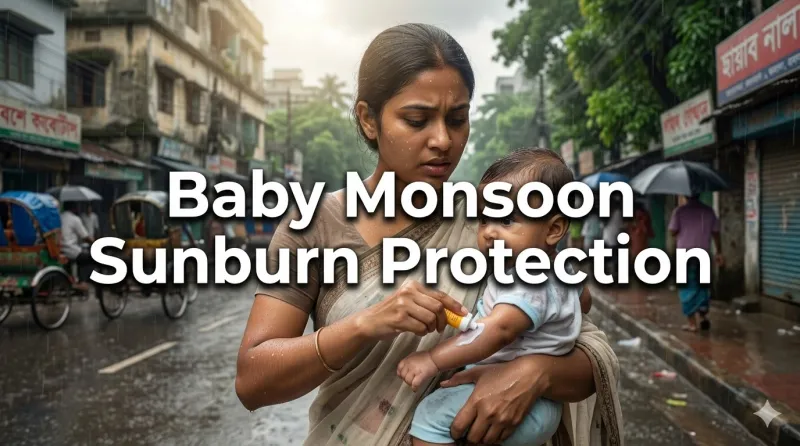
As monsoon clouds gather and rain begins to fall, many parents in Bangladesh and similar tropical climates breathe a sigh of relief, assuming the intense sun—and the risk of sunburn—has temporarily disappeared. But here's a crucial truth that every parent needs to know: up to 80% of the sun's harmful UV rays can penetrate cloud cover. Even on overcast, rainy, or humid monsoon days, your baby's delicate skin remains vulnerable to sun damage. Understanding how to protect your little one during this unique season is essential for maintaining healthy, comfortable skin year-round.
Baby skin is fundamentally different from adult skin—it's thinner, more permeable, and has less melanin (the natural pigment that provides some sun protection). This makes infants and toddlers significantly more susceptible to sunburn, dehydration, and long-term skin damage. During the monsoon, the combination of high humidity, intermittent sunshine, and variable weather patterns creates a deceptive environment where parents may let their guard down, inadvertently exposing their babies to harmful UV radiation.
This comprehensive guide delivers everything you need to know about protecting your baby from sunburn during monsoon season. You'll learn why UV exposure remains a risk even when the sun isn't visible, discover baby-safe sunscreen selection and application techniques, master physical protection strategies that work in humid conditions, and understand how to recognize and treat sunburn if it occurs. Whether you're a new parent navigating your baby's first monsoon or an experienced caregiver seeking updated guidance, this guide will empower you with practical, evidence-based strategies to keep your little one safe, comfortable, and protected—rain or shine.
Why Monsoon Doesn't Mean Sun-Safe: Understanding UV Exposure in Cloudy Weather
The belief that cloudy or rainy weather eliminates sunburn risk is one of the most common—and potentially harmful—misconceptions in baby skincare. Let's examine the science behind UV exposure during monsoon season.
How UV Rays Penetrate Clouds
Types of UV Radiation:
- UVA rays (320-400 nm): Penetrate deep into skin, causing premature aging and contributing to skin cancer; can pass through clouds and glass
- UVB rays (290-320 nm): Primarily responsible for sunburn; partially blocked by clouds but still significant on overcast days
- UVC rays: Mostly absorbed by Earth's atmosphere; not a typical concern
Cloud Cover Impact:
| Weather Condition | UV Reduction | Remaining Risk for Babies |
|---|---|---|
| Clear sunny day | 0% reduction | Very High |
| Light clouds (25-50% cover) | 10-30% reduction | High |
| Overcast (75-100% cover) | 30-50% reduction | Moderate to High |
| Heavy rain/thick clouds | 50-80% reduction | Moderate |
Key Insight: Even on the cloudiest monsoon days, enough UV radiation reaches the ground to cause skin damage in babies with prolonged exposure. A 30-minute outing on an overcast day can deliver a significant UV dose to unprotected infant skin.
Monsoon-Specific Risk Factors
High Humidity:
- Increases skin permeability, potentially allowing deeper UV penetration
- Can make sunscreen feel sticky or uncomfortable, leading parents to skip application
- May cause babies to sweat more, reducing sunscreen effectiveness if not water-resistant
Intermittent Sun Exposure:
- Monsoon weather often alternates rapidly between rain and brief sunny intervals
- Parents may not reapply sunscreen during these transitions
- Babies can receive unexpected UV exposure during "sun breaks"
Reflective Surfaces:
- Wet pavement, puddles, and standing water reflect UV rays, increasing exposure
- Light-colored surfaces (concrete, sand) reflect up to 25% of UV radiation
- Babies in strollers or carriers may receive reflected UV from below
Extended Outdoor Time:
- Monsoon season may encourage more outdoor activities during cooler, rainy periods
- Parents may spend longer outside assuming lower risk, increasing cumulative UV exposure
Why Baby Skin Is Especially Vulnerable
Structural Differences:
- Thinner epidermis: Baby skin is about 30% thinner than adult skin, offering less natural UV barrier
- Higher surface-area-to-body-weight ratio: Babies absorb more of any substance (including UV damage) relative to their size
- Immature melanin production: Infants produce less protective melanin, especially in the first 6 months
- Developing immune system: Less able to repair UV-induced cellular damage
Long-Term Implications:
- Severe sunburns in childhood increase lifetime risk of skin cancer
- Early UV exposure contributes to premature skin aging later in life
- Repeated sun damage can compromise skin barrier function, leading to eczema or sensitivity
Physical Protection Strategies: Your First Line of Defense
Before reaching for sunscreen, prioritize physical barriers. These methods are highly effective, chemical-free, and especially suitable for babies under 6 months (for whom sunscreen use is generally not recommended).
Smart Clothing Choices for Monsoon
UPF-Rated Clothing:
- What is UPF? Ultraviolet Protection Factor rates fabric's ability to block UV radiation (similar to SPF for sunscreen)
- Recommended: UPF 50+ clothing blocks 98% of UV rays
- Monsoon-friendly features:
- Lightweight, quick-dry fabrics (polyester blends, specialized UV fabrics)
- Loose weaves that breathe in humidity
- Light colors that reflect rather than absorb heat
DIY UV Protection with Regular Clothing:
- Fabric density test: Hold fabric up to light; less light passing through = better UV protection
- Dark colors: Navy, black, and dark red absorb more UV than pastels
- Tight weaves: Denim, canvas, and tightly woven cotton offer better protection than loose knits
- Wet fabric caution: Wet cotton can lose up to 50% of its UV protection; choose synthetic blends that maintain protection when damp
Monsoon-Specific Clothing Tips:
- Choose long sleeves and pants in lightweight, breathable fabrics to protect without overheating
- Opt for raglan sleeves or seamless designs to prevent chafing in humid conditions
- Include a lightweight, packable sun hat with a wide brim (3+ inches) that stays on in wind
- Consider UV-protective baby leggings or arm covers for extra coverage during stroller walks
Strategic Shade and Timing
Creating Effective Shade:
- Stroller covers: Use breathable, UV-blocking canopy covers (ensure adequate ventilation to prevent overheating)
- Portable umbrellas: Clip-on stroller umbrellas provide flexible shade; choose UV-coated options
- Natural shade: Seek shade under trees, awnings, or covered walkways; remember UV can reflect from surfaces
- Car windows: Use UV-blocking window shades for car travel; standard glass blocks UVB but not all UVA
Timing Outdoor Activities:
- UV Index awareness: Check daily UV Index (available via weather apps); take extra precautions when UV Index is 3 or higher
- Peak hours: Limit direct sun exposure between 10 AM and 4 PM, even on cloudy days
- Monsoon advantage: Take advantage of naturally shadier periods during heavy rain, but remain vigilant during breaks
- Duration management: Keep outdoor sessions brief (15-30 minutes) for infants; gradually increase as baby grows
Accessories That Enhance Protection
Hats:
- Wide-brimmed styles: Protect face, ears, and neck; look for chin straps to keep hat secure
- Material: Tightly woven cotton or UPF-rated synthetic fabrics
- Monsoon tip: Choose quick-dry materials; avoid heavy fabrics that stay wet and cause discomfort
Sunglasses:
- UV protection: Choose sunglasses labeled "100% UV protection" or "UV400"
- Fit and safety: Flexible, wraparound styles with strap to prevent loss; shatterproof lenses
- When to start: Can be introduced around 6 months; ensure baby tolerates them comfortably
Stroller and Carrier Modifications:
- UV-blocking covers: Mesh covers that allow airflow while blocking UV
- Reflective surfaces: Line stroller footrests with UV-reflective material to reduce exposure from below
- Positioning: Angle stroller so baby's face is shaded; avoid positioning where reflected UV from wet ground hits baby directly
Baby-Safe Sunscreen: Selection and Application Guide
For babies over 6 months, sunscreen becomes an important part of sun protection. Choosing and using the right product requires careful consideration.
Understanding Sunscreen Types
Mineral (Physical) Sunscreens:
- Active ingredients: Zinc oxide and/or titanium dioxide
- How they work: Sit on skin surface, reflecting and scattering UV rays
- Pros for babies:
- Less likely to cause irritation or allergic reactions
- Work immediately upon application (no wait time)
- Broad-spectrum protection by nature
- Cons:
- Can leave white cast (though micronized formulas reduce this)
- May feel thicker or heavier on skin
Chemical Sunscreens:
- Active ingredients: Avobenzone, octisalate, octocrylene, etc.
- How they work: Absorb into skin, converting UV rays to heat
- Pros:
- Often more cosmetically elegant (lighter feel, no white cast)
- Water-resistant formulas widely available
- Cons for babies:
- Higher risk of skin irritation or allergic reaction
- Require 15-20 minutes to become effective after application
- Some chemical filters have raised safety concerns in research (though regulatory agencies deem approved ingredients safe)
Recommendation for Babies: Pediatric dermatologists generally recommend mineral sunscreens for infants and toddlers due to their gentle nature and immediate protection.
Choosing the Right Baby Sunscreen for Monsoon
Essential Criteria:
- Broad-spectrum: Protects against both UVA and UVB rays
- SPF 30-50: SPF 30 blocks ~97% of UVB; higher SPF offers marginally more protection but may encourage less frequent reapplication
- Water-resistant: Crucial for monsoon humidity and potential rain exposure; look for "40-minute" or "80-minute" water resistance
- Fragrance-free: Reduces risk of irritation in sensitive baby skin
- Hypoallergenic: Formulated to minimize allergic reactions
- Pediatrician-tested: Indicates suitability for infant skin
Monsoon-Specific Considerations:
- Non-comedogenic: Won't clog pores in humid conditions
- Quick-absorbing: Less likely to feel sticky or slide off in humidity
- Travel-sized packaging: Easy to carry in diaper bag for reapplication
Ingredients to Avoid in Baby Sunscreen:
- Oxybenzone (potential hormone disruptor; banned in some regions)
- Retinyl palmitate (vitamin A derivative; safety concerns in sun-exposed skin)
- High concentrations of alcohol (can dry or irritate baby skin)
- Artificial fragrances or dyes
Proper Application Technique
When to Apply:
- Timing: Apply 15-30 minutes before going outdoors (for chemical sunscreens); mineral sunscreens work immediately but still benefit from early application to ensure even coverage
- Frequency: Reapply every 2 hours, or immediately after swimming, sweating, or towel-drying
- Monsoon adjustment: Reapply after heavy humidity exposure or if baby has been in rain, even if not visibly wet
How Much to Use:
- Rule of thumb: Use enough to fill a shot glass (about 1 ounce) to cover an adult's body; for babies, use approximately 1/4 to 1/2 teaspoon for face and neck, and adjust for body size
- Don't skimp: Using less than recommended significantly reduces protection
- Missed spots: Pay special attention to ears, back of neck, tops of feet, and hands
Application Steps:
- Ensure baby's skin is clean and dry
- Dispense sunscreen into your palm (not directly on baby to control amount)
- Gently massage into skin using circular motions; ensure even coverage
- Allow to absorb/dry for a few minutes before dressing
- For face: Apply carefully, avoiding eyes and mouth; use a mineral stick sunscreen around eyes for precision
- Reapply as directed, especially after activity or exposure to moisture
Special Areas:
- Lips: Use baby-safe lip balm with SPF 15+
- Scalp: For babies with thin or no hair, apply sunscreen to scalp or use a wide-brimmed hat
- Hands and feet: Often overlooked but frequently exposed
Sunscreen Safety and Myths
Myth: "Babies under 6 months can't use any sunscreen."
- Reality: While physical protection is preferred for infants under 6 months, small amounts of mineral sunscreen can be applied to exposed areas (face, backs of hands) if shade and clothing aren't sufficient. Consult your pediatrician for guidance.
Myth: "Higher SPF means all-day protection."
- Reality: No sunscreen provides all-day protection. SPF relates to UVB protection duration, not UVA. Reapplication every 2 hours is essential regardless of SPF.
Myth: "Sunscreen prevents vitamin D synthesis."
- Reality: While sunscreen reduces vitamin D production, brief, incidental sun exposure (like walking to the car) typically provides sufficient vitamin D. Babies also get vitamin D from breast milk/formula and supplements if recommended by a pediatrician.
Myth: "Cloudy days don't require sunscreen."
- Reality: As discussed, significant UV penetrates clouds. Sunscreen should be part of daily protection, regardless of visible sun.
Recognizing and Treating Baby Sunburn
Despite best efforts, sunburn can happen. Knowing how to identify and respond is crucial for minimizing discomfort and preventing complications.
Signs of Sunburn in Babies
Early Signs (Appear within 2-6 hours):
- Redness or pinkness of skin (may be harder to see on darker skin tones; feel for warmth)
- Warmth or heat radiating from skin
- Mild swelling
- Baby may be fussy, irritable, or unusually clingy
Later Signs (Peak at 12-24 hours):
- Increased redness, pain, or tenderness
- Swelling or blistering (in moderate to severe cases)
- Peeling skin (days later, as skin heals)
- Fever, chills, or lethargy (signs of more severe reaction)
Special Considerations for Baby Skin:
- Babies may not be able to verbalize pain; watch for behavioral changes
- Sunburn on face may cause eye sensitivity or excessive tearing
- Diaper area is usually protected but can burn if exposed during changes
Immediate First Aid for Baby Sunburn
Step 1: Get Out of the Sun Immediately
- Move baby to a cool, shaded, or air-conditioned environment
- Remove any wet or sweaty clothing that may trap heat
Step 2: Cool the Skin Gently
- Use a clean, soft cloth soaked in cool (not cold) water; gently apply to affected areas
- Give a lukewarm bath (not cold, which can shock baby's system)
- Avoid ice or very cold water, which can damage sensitive skin further
- Pat skin dry gently; do not rub
Step 3: Hydrate and Soothe
- Hydration: Offer frequent breastfeeds, formula, or small amounts of water (if baby is over 6 months and pediatrician-approved) to prevent dehydration
- Moisturize: Apply a gentle, fragrance-free moisturizer or aloe vera gel (ensure it's pure and baby-safe) to soothe skin
- Avoid: Petroleum-based products (like Vaseline) initially, as they can trap heat; avoid butter, oils, or topical anesthetics (like benzocaine) which can irritate or be absorbed systemically
Step 4: Manage Discomfort
- Pain relief: Consult your pediatrician about appropriate infant acetaminophen or ibuprofen (for babies over 6 months) for pain or fever
- Comfort measures: Hold baby close, offer extra cuddles, maintain a calm environment
- Clothing: Dress in loose, soft, breathable cotton clothing that won't irritate burned skin
When to Seek Medical Attention
Contact your pediatrician or seek emergency care if your baby shows any of the following:
- Sunburn in an infant under 1 year: Always consult a doctor for sunburn in babies under 12 months
- Severe symptoms: Blisters covering a large area, severe pain, or swelling
- Signs of infection: Pus, increasing redness, warmth, or red streaks from burned area
- Systemic symptoms: Fever over 100.4°F (38°C) in infants under 3 months, or over 102°F (38.9°C) in older babies; chills, headache, confusion, or excessive sleepiness
- Dehydration signs: Fewer wet diapers, dry mouth, no tears when crying, sunken soft spot (fontanelle) on head
- Eye involvement: Sunburned eyes (pain, redness, sensitivity to light)
Preventing Future Sunburn: Learning from the Experience
- Review protection strategies: Identify what may have failed (missed sunscreen application, inadequate clothing, unexpected sun exposure)
- Adjust routine: Incorporate sunscreen into daily preparation, even on cloudy days
- Educate caregivers: Ensure all family members and babysitters understand sun protection protocols
- Monitor weather: Check UV Index daily, not just visible sun conditions
Monsoon Skincare Routine: Beyond Sun Protection
Protecting baby from sunburn during monsoon is part of a broader skincare strategy that addresses humidity, sweat, and potential irritants.
Daily Monsoon Skincare Essentials
Gentle Cleansing:
- Frequency: Bathe baby once daily with lukewarm water; use mild, fragrance-free baby wash 2-3 times per week
- Technique: Focus on skin folds (neck, armpits, groin) where sweat and moisture can accumulate
- Post-bath: Pat skin dry thoroughly, especially in folds, to prevent fungal or bacterial growth
Moisturizing in Humidity:
- Choose wisely: Opt for lightweight, water-based, or gel-based moisturizers that won't feel heavy in humidity
- Ingredients to look for: Glycerin, hyaluronic acid, ceramides (support skin barrier without clogging pores)
- Avoid: Heavy ointments or oils that may trap sweat and cause heat rash
- Application: Apply to damp skin after bathing to lock in moisture
Diaper Area Care:
- Extra vigilance: Humidity increases risk of diaper rash; change diapers frequently
- Barrier creams: Use zinc oxide or petroleum-based creams to protect skin from moisture
- Air time: Allow diaper-free time in a cool, shaded area to let skin breathe
Managing Heat Rash and Irritation
Prevention:
- Dress baby in loose, breathable cotton clothing
- Avoid overdressing; babies regulate temperature less efficiently than adults
- Keep baby in cool, well-ventilated spaces when possible
- Use fans or air conditioning to reduce ambient humidity (ensure airflow isn't directly on baby)
Treatment:
- Cool compresses: Apply clean, cool, damp cloth to affected areas
- Calamine lotion: Use baby-safe calamine to soothe itching (consult pediatrician first)
- Avoid: Heavy creams or oils that can clog pores further
- Keep nails trimmed: Prevent baby from scratching irritated skin
Hydration and Nutrition for Skin Health
For Breastfed Babies:
- Continue frequent breastfeeding; breast milk provides hydration and immune support
- Ensure mother stays well-hydrated to support milk production
For Formula-Fed Babies:
- Offer formula as usual; no need to dilute
- Monitor for signs of dehydration (fewer wet diapers, dry mouth)
For Babies on Solids (6+ months):
- Offer water in small amounts between feeds (as approved by pediatrician)
- Include water-rich foods like pureed cucumbers, melons, or pears
- Avoid sugary juices, which don't hydrate effectively
Cultural and Practical Considerations for South Asian Parents
Parenting practices vary across cultures. Understanding how traditional beliefs intersect with modern sun protection can help families make informed choices.
Addressing Common Cultural Beliefs
Belief: "Sun exposure is necessary for baby's health and vitamin D."
- Fact: While sun exposure aids vitamin D synthesis, brief, incidental exposure (like walking outdoors) is usually sufficient. Babies can get vitamin D from breast milk (if mother is supplemented), formula, or pediatrician-recommended supplements.
- Balanced approach: Protect skin with clothing and shade; discuss vitamin D supplementation with your pediatrician.
Belief: "Traditional oils (coconut, mustard) protect skin from sun."
- Fact: While some oils have moisturizing or antimicrobial properties, they do not provide meaningful UV protection. Some oils may even increase photosensitivity.
- Recommendation: Use traditional oils for massage or moisturizing if culturally important, but always layer with proper sunscreen and physical protection for sun exposure.
Belief: "Babies should be kept completely covered and indoors during monsoon."
- Fact: While limiting exposure is wise, complete isolation isn't necessary or beneficial. Fresh air and moderate outdoor time support development and well-being.
- Balanced approach: Use smart timing (avoid peak UV hours), physical barriers, and sunscreen to enable safe outdoor experiences.
Practical Tips for Monsoon Parenting in South Asia
Navigating Humidity:
- Keep baby's sleeping area well-ventilated; use fans or air conditioning if available
- Dress baby in a single layer of lightweight cotton; avoid overdressing
- Wipe sweat gently with a soft, damp cloth during the day
Managing Limited Resources:
- Affordable protection: Wide-brimmed hats and lightweight long sleeves are cost-effective sun protection
- DIY shade: Use umbrellas, scarves, or lightweight curtains to create shade when dedicated covers aren't available
- Community sharing: Share sunscreen or protective clothing with other parents in your community to reduce costs
Healthcare Access:
- Identify local pediatricians or clinics in advance for sunburn or skin concerns
- Keep a basic first-aid kit with baby-safe moisturizer, cool compress supplies, and pediatrician-approved pain relief
- Know the signs that warrant immediate medical attention (see earlier section)
Product Recommendations: Baby-Safe Options for Monsoon
While individual needs vary, these product categories and features can guide your selections. Always patch-test new products and consult your pediatrician with concerns.
Sunscreen Recommendations
Mineral Sunscreens (Preferred for Babies):
- Look for: Zinc oxide and/or titanium dioxide as active ingredients; fragrance-free; water-resistant
- Reputable brands: Thinkbaby, Babyganics, Blue Lizard Baby, All Good Baby (availability varies by region)
- Local options: In Bangladesh and South Asia, look for pediatrician-recommended brands available through pharmacies; check for mineral-based, baby-specific formulations
Application Aids:
- Sunscreen sticks: Easy for precise application around eyes and face
- Spray sunscreens: Use with caution; spray onto your hands first, then apply to baby to avoid inhalation
Clothing and Accessory Recommendations
UPF Clothing:
- Brands: Coolibar, Sun Protection Zone, or local brands offering UPF-rated baby clothing
- Features: Lightweight, quick-dry, breathable fabrics with UPF 50+ rating
Hats and Sunglasses:
- Hats: Wide-brimmed styles with chin straps; breathable materials
- Sunglasses: Flexible, strap-on styles with 100% UV protection
Soothing and After-Sun Care
Moisturizers:
- Look for: Fragrance-free, hypoallergenic, with soothing ingredients like aloe, oatmeal, or calendula
- Examples: Aveeno Baby, Cetaphil Baby, Mustela Stelatopia (availability varies)
Aloe Vera:
- Choose: Pure aloe vera gel with minimal additives; avoid products with alcohol, fragrance, or numbing agents
- Test: Patch-test on a small area first to ensure no reaction
Frequently Asked Questions
Can I use my regular sunscreen on my baby?
It's not recommended. Adult sunscreens may contain ingredients that are too harsh for baby's sensitive skin. Always choose a sunscreen specifically formulated for babies or children, preferably mineral-based, fragrance-free, and hypoallergenic. When in doubt, consult your pediatrician.
How do I apply sunscreen to a squirmy baby?
Make it part of a calm routine: - Apply after diaper change or bath when baby is relaxed - Use distraction: sing songs, offer a toy, or have another caregiver engage baby - Apply in sections: do face first, then limbs, taking breaks as needed - For face: use a mineral sunscreen stick for precise, quick application around eyes - Practice makes it easier; babies often become more cooperative with consistent routine
What if my baby has sensitive skin or eczema?
Extra caution is needed: - Consult your pediatrician or pediatric dermatologist before using any new skincare product - Patch-test sunscreen on a small area (like inner arm) 24 hours before full application - Choose fragrance-free, hypoallergenic, mineral-based sunscreens - Prioritize physical protection (clothing, shade) to minimize sunscreen need - If eczema flares, focus on gentle cleansing and moisturizing; discuss sun protection strategies with your doctor
How do I know if a sunscreen is water-resistant enough for monsoon?
Look for labels stating "water-resistant (40 minutes)" or "water-resistant (80 minutes)" as tested by regulatory standards. In monsoon humidity and potential rain, 80-minute water resistance is preferable. Remember: "water-resistant" doesn't mean "waterproof"; reapply after swimming, sweating, or towel-drying.
Can I use baby powder or talc to reduce sweat and prevent rash during monsoon?
It's generally not recommended. Baby powder (especially talc-based) can be inhaled by infants, posing respiratory risks. Cornstarch-based powders may feed yeast and worsen diaper rash. Instead: - Keep skin clean and dry with gentle cleansing - Use breathable clothing and frequent diaper changes - Apply barrier creams (zinc oxide) to protect skin from moisture - Consult your pediatrician for rash prevention strategies tailored to your baby
Is it safe to use insect repellent and sunscreen together on my baby?
Yes, but apply them correctly: - Apply sunscreen first, let it absorb for 15-20 minutes - Then apply insect repellent (if needed) on exposed skin - Choose baby-safe insect repellents with DEET (10-30% concentration) or picaridin, as recommended by pediatricians and health authorities - Avoid combination sunscreen-insect repellent products, as reapplication schedules differ - Always follow product instructions and consult your pediatrician for age-appropriate recommendations
Conclusion: Confident Protection for Every Monsoon Day
Protecting your baby from sunburn during monsoon season isn't about fear or restriction—it's about informed, proactive care that allows your little one to safely experience the world. By understanding that UV rays don't take a break when clouds appear, and by implementing a layered approach to protection, you can enjoy the beauty of the monsoon with peace of mind.
Key takeaways for monsoon baby sun protection:
- UV rays penetrate clouds: Sun protection is needed even on overcast monsoon days
- Physical barriers first: Clothing, shade, and timing are your most reliable defenses
- Choose baby-safe sunscreen: Mineral-based, broad-spectrum, water-resistant, fragrance-free
- Apply correctly: Enough product, even coverage, and regular reapplication
- Recognize sunburn early: Act quickly with cooling, hydration, and medical care if needed
- Adapt to monsoon: Manage humidity, sweat, and irritation with gentle skincare
- Balance tradition and science: Honor cultural practices while prioritizing evidence-based protection
Remember, every baby is unique. What works for one may need adjustment for another. Trust your instincts, consult your pediatrician with concerns, and know that your attentive care is the greatest protection of all.
Start today. Check your baby's sun protection supplies. Practice applying sunscreen. Plan your next outdoor outing with shade and timing in mind. Small, consistent actions build a foundation of safety that lets your baby explore, learn, and grow—protected from the sun's hidden rays, no matter the weather.
The monsoon brings renewal and beauty. With the right knowledge and preparation, it can also be a season of safe, joyful discovery for your baby. Here's to healthy skin and happy moments, come rain or shine.