

Face Itching? Fix Compromised Moisture Barrier Fast
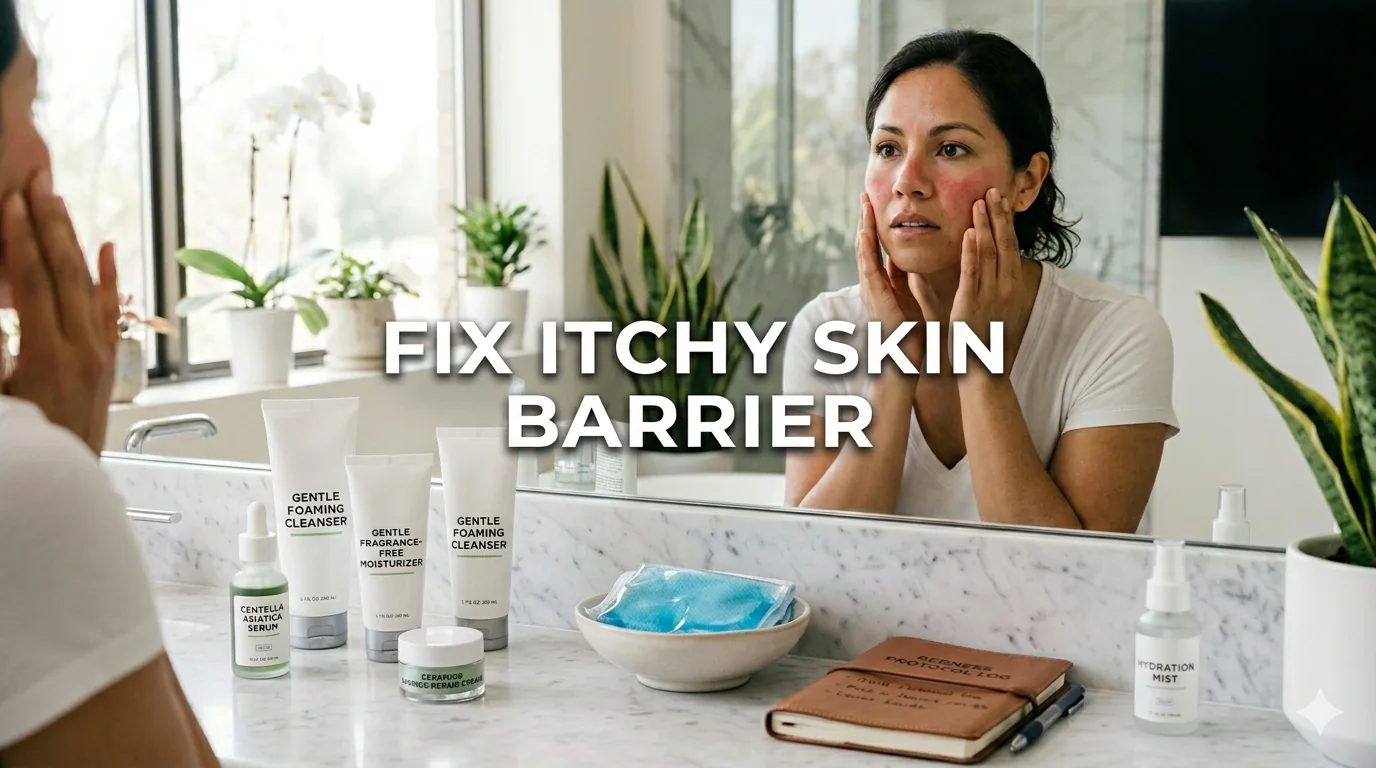
That persistent, maddening itch on your face isn't just annoying—it's often a warning sign that your skin's protective barrier is compromised. Facial itching combined with tightness, flakiness, redness, or stinging when applying products usually points to a damaged moisture barrier, the outermost layer of skin that keeps hydration in and irritants out. When this barrier breaks down, your skin becomes vulnerable, reactive, and uncomfortable.
The good news? A compromised moisture barrier can heal—and often faster than you think. With the right approach focused on gentle cleansing, strategic hydration, barrier-repair ingredients, and trigger avoidance, you can calm itching, restore comfort, and rebuild your skin's natural defenses in days to weeks. The key is stopping the behaviors that caused the damage and implementing a targeted recovery protocol.
In this comprehensive, dermatologist-informed guide, we'll decode the science behind the skin barrier, reveal the hidden causes of barrier damage and facial itching, share the exact step-by-step protocol for fast repair, and provide expert strategies for preventing recurrence. Whether your barrier is compromised from over-exfoliation, harsh products, environmental stress, or an underlying skin condition, you'll learn how to build a personalized routine that soothes itching, restores hydration, and strengthens your skin for long-term resilience.
What Is the Moisture Barrier and Why Does It Matter?
Short answer: The moisture barrier (stratum corneum) is your skin's outermost protective layer made of skin cells and lipids that seals in hydration, blocks irritants, and maintains healthy skin function—when compromised, it causes itching, dryness, sensitivity, and inflammation.
Think of your moisture barrier like a brick wall: skin cells (corneocytes) are the bricks, and lipids (ceramides, cholesterol, fatty acids) are the mortar holding them together. This structure:
- Locks in moisture: Prevents transepidermal water loss (TEWL) that leads to dryness
- Blocks irritants: Keeps pollutants, allergens, and microbes from penetrating
- Regulates pH: Maintains the skin's slightly acidic environment (pH 4.5-5.5) essential for healthy function
- Supports immunity: Houses antimicrobial peptides that defend against infection
When this barrier is damaged—by harsh products, over-exfoliation, environmental stress, or medical conditions—the "mortar" breaks down. Water escapes, irritants enter, and your skin responds with inflammation, itching, redness, and sensitivity. Healing requires rebuilding that lipid matrix, not just adding more moisture.
Why Your Face Itches: Signs of a Compromised Barrier
Short answer: Facial itching from barrier damage is accompanied by tightness after cleansing, stinging with products, visible flakiness, increased redness, and heightened sensitivity to temperature or touch—distinguishing it from allergic reactions or medical conditions.
Itching alone can have many causes, but when paired with these signs, it likely indicates barrier compromise:
Key Symptoms of Barrier Damage
- Tightness after washing: Skin feels stretched or uncomfortable within minutes of cleansing
- Stinging or burning: Even gentle products cause discomfort upon application
- Visible flakiness or rough texture: Patches of dry, peeling skin despite moisturizing
- Increased redness or reactivity: Skin flushes easily with temperature changes or touch
- Breakouts or milia: Paradoxically, a damaged barrier can trigger congestion as skin overcompensates with oil
- Makeup doesn't sit well: Foundation pills, clumps, or emphasizes dry patches
How to Differentiate From Other Causes
Allergic Contact Dermatitis: Sudden onset after new product; intense itching with rash, blisters, or swelling; improves when product is removed.
Eczema (Atopic Dermatitis): Chronic condition with intense itching, thickened skin, and family history; often affects flexural areas but can appear on face.
Rosacea: Flushing, visible blood vessels, and bumps; itching may occur but is usually accompanied by persistent redness.
Fungal Acne (Malassezia): Small, itchy, uniform bumps; worsens with oily products; responds to antifungal treatments.
If itching is severe, widespread, or accompanied by oozing, crusting, or fever, see a dermatologist to rule out infection or other medical conditions.
Hidden Causes of Barrier Damage and Facial Itching
Short answer: Beyond obvious irritants, hidden causes of barrier damage include over-exfoliation, using too many active ingredients, hard water exposure, indoor heating/cooling, stress-induced inflammation, and even your sleep position causing friction.
Many people damage their barrier without realizing it. These subtle culprits are often overlooked:
Skincare Mistakes That Sabotage Your Barrier
Over-Exfoliation: Using physical scrubs, high-percentage acids (AHA/BHA), or retinoids too frequently strips protective lipids.
- Sign: Itching starts after adding a new exfoliant or increasing frequency
- Fix: Pause all exfoliation for 2-4 weeks; reintroduce slowly (1x/week max) after barrier heals
Layering Too Many Actives: Combining vitamin C, retinoids, acids, and benzoyl peroxide creates cumulative irritation.
- Sign: Skin feels tight, itchy, or stings with multiple products
- Fix: Simplify to gentle cleanser, barrier moisturizer, SPF; add actives back one at a time after 4 weeks
Using Products with High Alcohol Content: Denatured alcohol (ethanol, SD alcohol) dissolves lipids and disrupts barrier function.
- Sign: Products feel "refreshing" but skin tightens and itches afterward
- Fix: Check ingredient lists; avoid alcohol in top 5 ingredients for leave-on products
Environmental and Lifestyle Factors
Hard Water: High mineral content (calcium, magnesium) leaves residue that disrupts skin pH and barrier lipids.
- Sign: Itching worsens after showering; soap doesn't rinse cleanly
- Fix: Install a shower filter; finish with a quick rinse of bottled or filtered water
Indoor Climate Control: Heating and air conditioning reduce humidity, accelerating water loss from skin.
- Sign: Itching increases in winter or in air-conditioned spaces
- Fix: Use a humidifier to maintain 40-60% humidity; apply moisturizer to damp skin
Stress and Poor Sleep: Elevated cortisol increases inflammation and impairs barrier repair.
- Sign: Itching flares during stressful periods or after poor sleep
- Fix: Prioritize 7-9 hours of sleep; practice stress-reduction techniques like deep breathing
Friction from Pillowcases or Masks: Rough fabrics or tight-fitting masks cause micro-tears and irritation.
- Sign: Itching concentrated on cheek or jaw areas
- Fix: Switch to silk or satin pillowcases; ensure masks fit snugly but not tightly
The Fast Repair Protocol: Step-by-Step Barrier Recovery
Short answer: Heal a compromised barrier fast by pausing actives, using a gentle cream cleanser, applying ceramide-rich moisturizer to damp skin, sealing with an occlusive at night, and protecting with mineral SPF daily—consistently for 2-4 weeks.
Barrier repair follows a clear sequence: stop the damage, replenish lipids, lock in hydration, and protect while healing. Follow this protocol for fastest results:
Phase 1: Immediate Relief (Days 1-3)
Goal: Stop itching and prevent further damage
Step 1: Pause All Potential Irritants
- Stop exfoliants (AHA, BHA, enzymes), retinoids, vitamin C, and benzoyl peroxide
- Avoid fragrance, essential oils, and alcohol-based products
- Discontinue physical scrubs, cleansing brushes, or rough washcloths
Step 2: Gentle Cleansing Only
- Use a non-foaming, cream or milky cleanser with pH 5.0-6.0
- Wash with lukewarm (not hot) water using fingertips only
- Pat dry with soft towel—never rub
- Recommended: CeraVe Hydrating Cleanser, La Roche-Posay Toleriane Hydrating Gentle Cleanser, Vanicream Gentle Facial Cleanser
Step 3: Soothe with Cool Compresses
- Wrap ice pack or cold gel mask in clean cloth
- Apply to itchy areas for 5-10 minutes to calm inflammation
- Repeat 2-3x/day as needed for immediate relief
Phase 2: Active Repair (Days 4-14)
Goal: Rebuild lipid matrix and restore hydration
Morning Routine
- Rinse or Gentle Cleanse: Water-only rinse if skin isn't oily; otherwise use cream cleanser
- Hydrating Toner (Optional): Alcohol-free formula with glycerin or panthenol; apply to damp skin
- Barrier Serum: Lightweight formula with ceramides, niacinamide (4-5%), or centella asiatica
- Ceramide Moisturizer: Rich cream with ceramides, cholesterol, and fatty acids in 3:1:1 ratio
- Mineral Sunscreen SPF 30+: Zinc oxide/titanium dioxide formula; tinted if redness is present
Evening Routine
- Gentle Cleanser: Same as morning; double cleanse only if wearing sunscreen/makeup
- Hydrating Layer: Hyaluronic acid or glycerin serum on damp skin
- Barrier Moisturizer: Same ceramide cream as morning, applied generously
- Optional Occlusive: For very dry/itchy areas, seal with thin layer of petrolatum or squalane oil
Key Ingredients for Barrier Repair
Ceramides: Replenish the "mortar" between skin cells. Look for ceramide NP, AP, or EOP.
Niacinamide (4-5%): Strengthens barrier, reduces inflammation, and improves hydration retention.
Panthenol (Provitamin B5): Soothes itching and supports wound healing.
Centella Asiatica (Cica): Anti-inflammatory and barrier-supportive; calms redness and irritation.
Fatty Acids (Linoleic, Oleic): Restore lipid balance; found in squalane, rosehip, or jojoba oil.
Phase 3: Maintenance and Prevention (Weeks 3+)
Goal: Sustain barrier health and prevent recurrence
- Continue barrier-focused routine: Keep ceramide moisturizer as staple
- Reintroduce actives slowly: Add one active every 2 weeks; start with low frequency (1x/week)
- Monitor skin response: If itching returns, pause the new product and focus on repair
- Seasonal adjustments: Use richer moisturizer in winter; lighter formula in summer
Best Products for Barrier Repair: Dermatologist Recommendations
Short answer: Top barrier-repair products include CeraVe Moisturizing Cream, La Roche-Posay Cicaplast Baume B5, Skin1004 Madagascar Centella Ampoule, Vanicream Moisturizing Cream, and EltaMD UV Clear SPF 46—formulated with ceramides, niacinamide, and soothing ingredients.
Not all "hydrating" products repair barriers. These evidence-backed options deliver results:
Cleansers
- CeraVe Hydrating Cleanser: Contains ceramides and hyaluronic acid; non-foaming, pH-balanced
- La Roche-Posay Toleriane Hydrating Gentle Cleanser: Prebiotic thermal water and ceramides; soap-free
- Vanicream Gentle Facial Cleanser: Free of dyes, fragrance, parabens; ideal for sensitive skin
Serums and Treatments
- Skin1004 Madagascar Centella Ampoule: 100% centella asiatica extract; soothes and strengthens barrier
- The Ordinary Niacinamide 10% + Zinc 1%: Regulates oil, reduces inflammation; dilute if sensitive
- Paula's Choice Omega+ Complex Serum: Ceramides, fatty acids, and cholesterol in optimal ratio
Moisturizers
- CeraVe Moisturizing Cream: MVE technology delivers ceramides over time; rich but non-greasy
- La Roche-Posay Cicaplast Baume B5: Panthenol, madecassoside, and shea butter; repairs and soothes
- Vanicream Moisturizing Cream: Simple formula with ceramides and squalane; no common irritants
- Aveeno Calm + Restore Oat Gel Moisturizer: Oat extract and feverfew; lightweight for sensitive skin
Sunscreens
- EltaMD UV Clear Broad-Spectrum SPF 46: Zinc oxide, niacinamide, and hyaluronic acid; oil-free
- La Roche-Posay Anthelios Mineral Tinted SPF 50: Iron oxides block visible light; gentle for reactive skin
- Colorescience Sunforgettable Total Protection Face Shield SPF 50: Mineral formula with antioxidants; tinted options
What to Avoid During Repair
- Fragrance and essential oils: Common sensitizers that trigger itching
- Denatured alcohol: Strips lipids and worsens dryness
- Physical exfoliants: Scrubs, brushes, or rough cloths cause micro-tears
- High-percentage acids: AHA/BHA over 5% can further compromise barrier
- Retinoids and vitamin C: Pause until barrier is fully healed (usually 2-4 weeks)
Lifestyle Adjustments to Support Barrier Healing
Short answer: Accelerate barrier repair by using a humidifier, drinking adequate water, managing stress, avoiding hot showers, wearing soft fabrics, and protecting skin from wind and sun exposure.
Skincare alone isn't enough. These lifestyle habits create the optimal environment for healing:
Hydration and Nutrition
- Drink water consistently: Aim for 8-10 glasses daily to support skin hydration from within
- Eat omega-3 rich foods: Fatty fish, flaxseed, and walnuts reduce inflammation and support barrier lipids
- Include probiotics: Yogurt, kefir, or supplements may improve gut-skin axis and reduce reactivity
- Limit inflammatory foods: Reduce sugar, processed carbs, and excessive dairy if you notice correlation with itching
Environmental Protection
- Use a humidifier: Maintain 40-60% humidity indoors, especially in winter or air-conditioned spaces
- Avoid hot showers: Use lukewarm water and limit bathing to 10 minutes to prevent lipid stripping
- Protect from wind and cold: Apply barrier cream before outdoor exposure; wear scarf or mask in harsh weather
- Install a shower filter: Reduces chlorine and hard water minerals that irritate compromised skin
Stress and Sleep Management
- Prioritize sleep: 7-9 hours nightly allows skin to repair and regenerate
- Practice stress reduction: Deep breathing, meditation, or gentle yoga lowers cortisol and inflammation
- Use silk pillowcases: Reduce friction and moisture loss while sleeping
- Keep bedroom cool: 60-67°F optimizes sleep quality and reduces nighttime itching
Common Mistakes That Delay Barrier Healing
Avoid these errors that sabotage your recovery efforts:
Mistake #1: Over-Moisturizing with Heavy Products
Why it hurts: Thick, occlusive creams can trap heat and sweat, causing irritation or milia on compromised skin.
Fix: Choose lightweight, non-comedogenic barrier creams. Apply to damp skin for better absorption without heaviness.
Mistake #2: Skipping Sunscreen
Why it hurts: UV exposure further damages the barrier and increases inflammation, prolonging itching and sensitivity.
Fix: Use mineral sunscreen daily, even indoors. Zinc oxide has anti-inflammatory properties that support healing.
Mistake #3: Picking or Scratching Itchy Skin
Why it hurts: Physical trauma creates micro-tears, introduces bacteria, and triggers more inflammation—delaying healing.
Fix: Apply cool compress or anti-itch serum instead of scratching. Keep nails short to minimize damage if you slip.
Mistake #4: Reintroducing Actives Too Soon
Why it hurts: Adding retinoids, acids, or vitamin C before the barrier is fully healed causes rebound irritation and setbacks.
Fix: Wait until skin feels comfortable, non-itchy, and resilient (usually 2-4 weeks) before adding one active at a time.
Mistake #5: Using Too Many Products
Why it hurts: Layering multiple serums, essences, and treatments increases risk of ingredient interactions and irritation.
Fix: Simplify to 3-4 essential steps: cleanse, hydrate, moisturize, protect. Add complexity only after barrier is strong.
Expert Tips for Faster Barrier Recovery
Tip #1: Apply Moisturizer to Damp Skin
After cleansing, pat skin until slightly damp (not dry), then apply moisturizer. This traps water in the stratum corneum, enhancing hydration and repair.
Tip #2: Use the "Sandwich Method" for Actives
When reintroducing retinoids or acids: apply moisturizer first, wait 10 minutes, apply active, wait 10 minutes, apply moisturizer again. This buffers irritation while maintaining efficacy.
Tip #3: Patch Test New Products
Before applying any new product to your face, test on a small area of jawline or behind ear for 48 hours. This prevents widespread reactions on compromised skin.
Tip #4: Track Your Triggers
Keep a simple journal noting products used, diet, stress levels, and itching intensity. Patterns help you identify personal triggers and adjust accordingly.
Tip #5: Be Patient with Healing
Barrier repair takes 2-4 weeks for noticeable improvement. Don't judge progress day-to-day; take weekly photos to see cumulative changes.
Frequently Asked Questions About Facial Itching and Barrier Repair
How long does it take to heal a compromised moisture barrier?
Short answer: With consistent care, itching often improves within 3-7 days, visible barrier repair occurs in 2-4 weeks, and full recovery may take 4-8 weeks depending on severity and adherence to the protocol.
Healing speed depends on:
- Severity of initial damage
- Consistency of gentle routine
- Avoidance of triggers
- Individual skin biology and age
Can I wear makeup while healing my barrier?
Short answer: Yes, but choose mineral-based, fragrance-free formulas and remove gently. Avoid heavy, occlusive foundations that trap heat and irritants.
Tips for makeup during repair:
- Use tinted mineral sunscreen as base
- Choose cream blushes over powders (less friction)
- Remove with micellar water or oil cleanser, not wipes
- Skip makeup on days when skin feels especially sensitive
Should I stop all skincare if my face is itchy?
Short answer: No—stopping all products can worsen dryness. Instead, simplify to a gentle cleanser, barrier moisturizer, and mineral SPF. Avoid actives until itching subsides.
Minimal effective routine:
- Morning: Rinse or gentle cleanse → barrier moisturizer → mineral SPF
- Evening: Gentle cleanse → barrier moisturizer (apply to damp skin)
Does drinking more water fix a damaged barrier?
Short answer: Hydration supports overall skin health but won't repair a compromised barrier alone. Topical ceramides, lipids, and gentle care are essential for rebuilding the stratum corneum.
Think of water as supportive care: drink adequately (8-10 glasses/day) while focusing on topical barrier-repair ingredients for direct healing.
Can a damaged barrier cause breakouts?
Short answer: Yes—when the barrier is compromised, skin may overproduce oil to compensate, leading to congestion and breakouts. Inflammation from barrier damage can also trigger acne-like bumps.
Solution: Focus on barrier repair first. Once the barrier is strong, address breakouts with gentle, non-drying treatments like azelaic acid or low-dose niacinamide.
When should I see a dermatologist for facial itching?
Short answer: See a dermatologist if itching persists beyond 2-3 weeks of gentle care, is severe or disruptive, is accompanied by oozing/crusting, or if you suspect an underlying condition like eczema or contact dermatitis.
A dermatologist can:
- Rule out medical conditions requiring prescription treatment
- Perform patch testing for allergic contact dermatitis
- Prescribe barrier-repair medications or anti-inflammatory topicals
- Recommend professional treatments like LED therapy for healing
The Bottom Line: Gentle Consistency Heals
Facial itching from a compromised moisture barrier is your skin's signal that it needs support, not aggression. By pausing irritants, replenishing lipids, locking in hydration, and protecting while healing, you can restore comfort and resilience—often faster than you expect.
Remember:
- Stop the damage first: Pause actives, avoid irritants, simplify your routine
- Rebuild with the right ingredients: Ceramides, niacinamide, and panthenol are barrier heroes
- Hydrate strategically: Apply moisturizer to damp skin for maximum benefit
- Protect daily: Mineral SPF prevents UV damage that delays healing
- Be patient: Barrier repair takes weeks, not days—consistency matters more than speed
- Listen to your skin: If a product stings or itches, stop using it immediately
Your skin has an incredible capacity to heal when given the right conditions. Start tonight: gentle cleanse, apply ceramide moisturizer to damp skin, and commit to 2 weeks of barrier-focused care. The itching will subside, the tightness will ease, and your skin will thank you with renewed comfort and strength.
You deserve skin that feels calm, comfortable, and confident. With knowledge, consistency, and compassion, a healthy barrier—and relief from itching—is absolutely within reach.