

Fashion Trends Forecast 2026: The Definitive Guide to What’s In and What’s Out
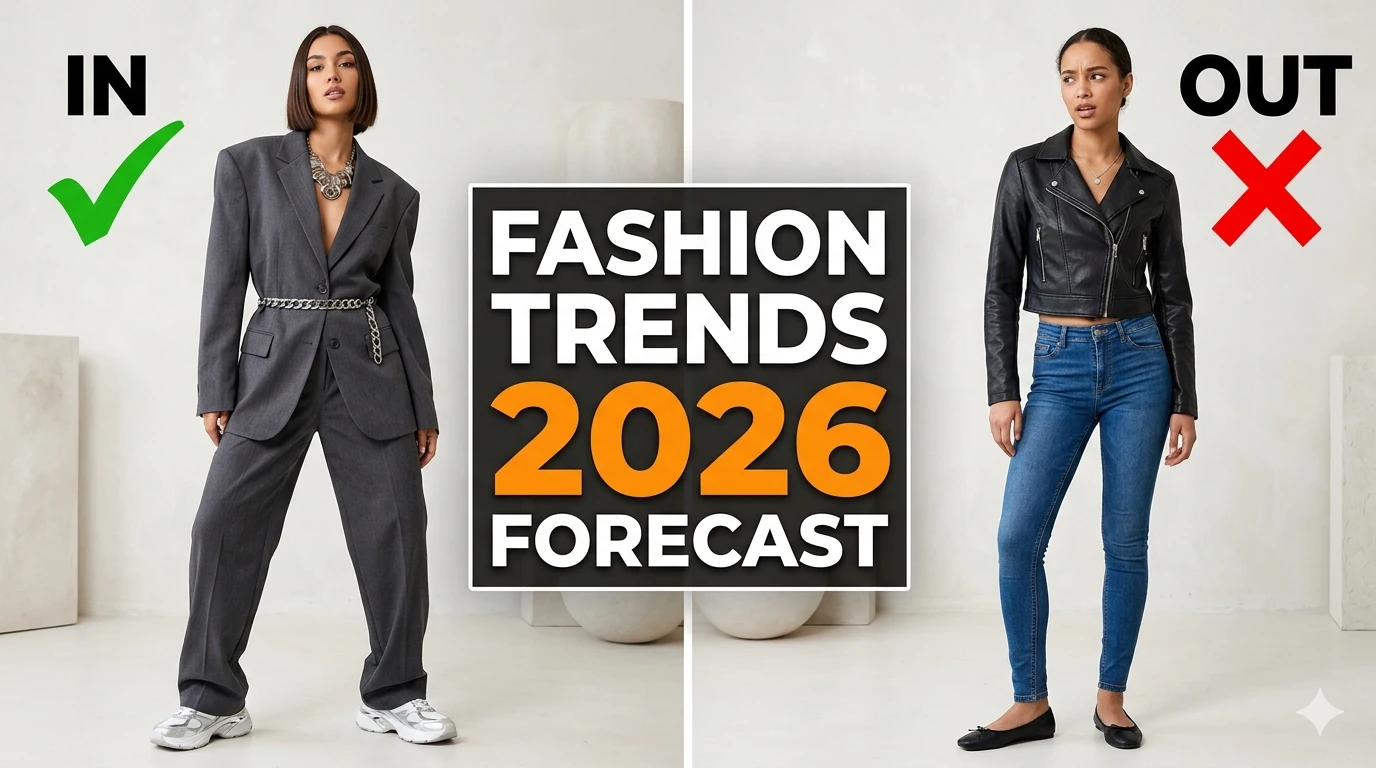
As we step into 2026, the fashion landscape is undergoing a fascinating transformation—one that balances nostalgia with innovation, sustainability with style, and individuality with global influence. After years of pandemic-induced minimalism and comfort-first dressing, fashion is reclaiming its role as a powerful form of self-expression, cultural commentary, and creative experimentation. But with so many micro-trends cycling at lightning speed, how do you separate lasting style from fleeting fads?
This definitive guide cuts through the noise to deliver a clear, curated forecast of what's in and what's out in fashion for 2026. Drawing insights from global runway shows, street style observations, consumer behavior data, and sustainability movements, we've identified the key silhouettes, colors, fabrics, and styling approaches that will define the year ahead—and the trends that are finally ready to be retired.
Whether you're a fashion enthusiast refreshing your wardrobe, a stylist advising clients, or a brand planning collections, you'll find actionable intelligence to navigate the year's most important style shifts. Let's explore the trends that will shape how we dress, express, and connect in 2026.
The Macro Forces Shaping Fashion in 2026
Before diving into specific trends, it's essential to understand the broader cultural, economic, and technological forces influencing fashion this year.
Sustainability Moves from Buzzword to Baseline
What's Changed: Sustainability is no longer a niche differentiator—it's an expectation. Consumers increasingly demand transparency about materials, labor practices, and environmental impact.
Fashion Impact:
- Circular fashion: Resale, rental, and repair services are becoming mainstream, not alternative
- Material innovation: Lab-grown leather, mushroom-based textiles, and recycled fibers are moving from prototype to production
- Longevity over novelty: Consumers are investing in versatile, high-quality pieces rather than disposable fast fashion
- Transparency tech: QR codes and blockchain tracking allow consumers to trace a garment's journey from fiber to finished product
What This Means for You: Prioritize brands with credible sustainability commitments. Look for timeless designs in innovative materials. Embrace secondhand shopping as a style strategy, not just a budget choice.
The Rise of "Quiet Luxury" and Intentional Dressing
What's Changed: After years of logo-mania and maximalist displays, there's a growing appreciation for understated elegance, craftsmanship, and intentional consumption.
Fashion Impact:
- Quality over quantity: Fewer, better pieces replace impulse buys and trend-chasing
- Neutral palettes: Cream, camel, charcoal, and olive replace loud prints and neon brights
- Tailoring renaissance: Well-fitted blazers, trousers, and coats signal sophistication without shouting
- Subtle branding: Logos shrink or disappear; craftsmanship speaks louder than labels
What This Means for You: Invest in versatile, well-made basics. Master the art of mixing high and low. Let fit and fabric do the talking, not flashy logos.
Digital-Physical Style Convergence
What's Changed: As virtual worlds, AI styling tools, and social media continue to shape how we discover and express style, the line between digital and physical fashion is blurring.
Fashion Impact:
- Avatar-inspired dressing: Bold colors, exaggerated proportions, and playful accessories inspired by digital avatars
- AI personalization: Algorithms help consumers discover styles aligned with their preferences and values
- Phygital experiences: Brands offer both physical garments and digital counterparts for virtual worlds
- TikTok-driven micro-trends: Styles can go viral globally in days, accelerating trend cycles
What This Means for You: Stay open to playful experimentation. Use digital tools to discover new styles. Remember that personal style transcends platforms—what matters is authenticity, not virality.
What's IN: The Key Fashion Trends Defining 2026
Now, let's explore the specific trends that are gaining momentum and deserve a place in your style vocabulary this year.
Trend #1: The New Power Suiting
What It Is: Tailored separates reimagined for modern life—soft shoulders, relaxed fits, and unexpected pairings that blend professionalism with personality.
Key Elements:
- Oversized blazers: Structured but not stiff; worn with everything from jeans to slip dresses
- Wide-leg trousers: High-waisted, fluid silhouettes that move with you
- Vest layering: Tailored vests worn alone or over shirts for polished dimension
- Unexpected textures: Linen, wool blends, and technical fabrics add interest to classic shapes
Why It's Trending: Post-pandemic work culture demands versatility. The new power suit transitions seamlessly from video calls to coffee meetings to evening plans.
How to Style It:
- Pair an oversized blazer with a simple tee and tailored shorts for smart-casual ease
- Layer a tailored vest over a crisp button-down with wide-leg trousers for office-ready polish
- Mix textures: a wool blazer with silk trousers, or a linen suit with a cotton tank
- Finish with minimalist leather loafers or sleek ankle boots
Brands to Watch: The Row, Khaite, COS, & Other Stories, local Bangladeshi tailors embracing modern cuts
Trend #2: Earth-Tone Minimalism
What It Is: A refined palette of natural, grounding colors that evoke calm, connection, and timelessness.
Key Colors:
- Warm neutrals: Oatmeal, camel, terracotta, and sand
- Earthy greens: Olive, sage, and moss
- Soft browns: Chocolate, taupe, and mushroom
- Muted blues: Dusty denim, slate, and fog
Why It's Trending: In a world of digital overload and uncertainty, earth tones offer visual calm and a connection to nature. They're also incredibly versatile and flattering across skin tones.
How to Style It:
- Monochromatic dressing: head-to-toe camel or olive for instant sophistication
- Texture mixing: pair a chunky knit in oatmeal with smooth silk trousers in taupe
- Accent with metals: gold or brass jewelry adds warmth without disrupting the calm palette
- Ground with leather: brown leather bags or shoes anchor earth-tone outfits
Pro Tip: Earth tones don't mean boring. Play with proportions, textures, and subtle pattern (like tonal stripes or herringbone) to add depth.
Trend #3: Statement Sleeves and Volume Play
What It Is: Strategic volume—particularly in sleeves, shoulders, and skirts—that adds drama without sacrificing wearability.
Key Silhouettes:
- Puff sleeves: Romantic but structured; at shoulders or elbows
- Balloon sleeves: Gathered at cuff for a soft, sculptural effect
- Peplum details: Subtle flares at waist or hem for feminine definition
- Full skirts: A-line or circle cuts that move beautifully
Why It's Trending: After years of slouchy comfort wear, people are craving clothes that feel special and expressive. Volume adds joy, movement, and a touch of fantasy to everyday dressing.
How to Style It:
- Balancing act: pair a voluminous sleeve with slim-fit bottoms, or a full skirt with a fitted top
- Keep accessories minimal: let the silhouette be the statement
- Choose structured fabrics: cotton poplin, wool crepe, or technical blends hold shape better than flimsy materials
- Confidence is key: volume demands owning your space—wear it with intention
Budget-Friendly Approach: Thrift vintage blouses with interesting sleeves, or add detachable puff sleeves to simple dresses for instant transformation.
Trend #4: Crafted Details and Artisanal Touches
What It Is: Handcrafted elements—embroidery, weaving, beading, and natural dyeing—that celebrate human skill and cultural heritage.
Key Details:
- Visible mending: Decorative stitching that celebrates repair over replacement
- Hand-embroidery: Floral motifs, geometric patterns, or abstract designs
- Natural dye variations: Subtle color shifts that celebrate organic processes
- Artisanal weaving: Textured fabrics with visible craftsmanship
Why It's Trending: As consumers seek meaning and connection in their purchases, handcrafted details tell a story of skill, culture, and intentionality that mass production can't replicate.
How to Style It:
- Let one crafted piece shine: pair an embroidered top with simple trousers, or a handwoven bag with minimalist attire
- Mix artisanal with modern: a hand-embroidered jacket over a sleek slip dress creates compelling contrast
- Support local artisans: seek out Bangladeshi nakshi kantha, jamdani, or block-printed pieces for authentic craftsmanship
- Care thoughtfully: handcrafted items often require gentle care—read labels and follow instructions
Cultural Note: When wearing artisanal pieces from cultures other than your own, do so with respect and awareness. Support authentic artisans rather than mass-produced imitations.
Trend #5: Utility Meets Elegance
What It Is: Functional details—pockets, straps, adjustable elements—elevated through refined fabrics and thoughtful design.
Key Features:
- Multi-pocket styling: Cargo-inspired details on dresses, skirts, and tailored pieces
- Adjustable elements: Drawstrings, buckles, and ties that allow customization
- Technical fabrics: Water-resistant, wrinkle-resistant, or temperature-regulating materials in elegant cuts
- Modular design: Pieces that can be worn multiple ways or layered adaptively
Why It's Trending: Modern life demands versatility. Utility details add practicality without sacrificing style, while technical fabrics offer performance with polish.
How to Style It:
- Elevate utility: pair a cargo-style skirt with a silk camisole and heels for unexpected sophistication
- Layer strategically: a technical vest over a tailored dress adds dimension and function
- Play with contrasts: rugged details in luxurious fabrics create compelling tension
- Embrace adaptability: choose pieces that work for multiple occasions to maximize value
Trend #6: Bold Color Blocking (Done Thoughtfully)
What It Is: Strategic use of contrasting colors in clean, geometric blocks—not chaotic clashing, but intentional composition.
Key Approaches:
- Two-tone dressing: Pairing two complementary colors in large, clean sections
- Monochromatic pops: One bold color against a neutral base
- Color-blocked accessories: Bags, shoes, or scarves that add color interest without overwhelming
- Tonal blocking: Different shades of the same color family for sophisticated depth
Why It's Trending: After years of safe neutrals, people are ready for joyful expression. Color blocking offers a structured way to experiment with bold hues.
How to Style It:
- Start small: try color-blocked accessories before committing to head-to-toe statements
- Use the color wheel: complementary colors (blue/orange, red/green) create dynamic contrast; analogous colors (blue/green/teal) offer harmonious depth
- Balance proportions: if wearing a bold color-blocked top, keep bottoms neutral, or vice versa
- Confidence is your best accessory: color blocking works best when worn with intention
What's OUT: Trends Ready for Retirement
Just as important as knowing what's in is recognizing what's losing relevance. These trends had their moment—but 2026 is time to let them go.
Trend to Retire #1: Ultra-Distressed Denim
Why It's Out: The extreme rips, fraying, and artificial aging that dominated the 2010s now feel dated and wasteful in an era that values longevity and intentionality.
What to Wear Instead:
- Clean, classic denim: Well-fitted jeans in dark washes or classic blue
- Subtle detailing: Minimal distressing or vintage-inspired fading that looks authentic, not manufactured
- Alternative fabrics: Linen-blend trousers, tailored joggers, or wide-leg cotton pants for casual elegance
Exception: Vintage denim with genuine wear and character can still work—just avoid mass-produced "pre-distressed" pieces that mimic authenticity.
Trend to Retire #2: Logomania and Overt Branding
Why It's Out: Loud logos and conspicuous branding feel increasingly out of step with the quiet luxury movement and growing consumer skepticism toward performative consumption.
What to Wear Instead:
- Subtle branding: Small, discreet logos or no visible branding at all
- Craftsmanship focus: Let quality materials and construction speak for themselves
- Personal style over brand status: Mix high and low pieces based on fit and feel, not label prestige
Exception: Vintage logo pieces worn ironically or as part of a curated, intentional aesthetic can still work—but use sparingly.
Trend to Retire #3: Fast Fashion Micro-Trends
Why It's Out: The cycle of buying, wearing once, and discarding ultra-trendy pieces is increasingly at odds with sustainability values and conscious consumption.
What to Do Instead:
- Invest in versatility: Choose pieces that work across multiple outfits and occasions
- Embrace timeless basics: Build a foundation of quality essentials that transcend trends
- Try before you commit: Rent or borrow trend pieces to test before buying
- Support circular fashion: Buy secondhand, sell or donate unworn items, and repair what you love
Mindset Shift: Ask "Will I wear this at least 30 times?" before purchasing. If not, reconsider.
Trend to Retire #4: Overly Matchy-Matchy Sets
Why It's Out: Head-to-toe matching sets (especially in loud prints or bright colors) can feel costumey and limit styling flexibility.
What to Wear Instead:
- Tonal dressing: Different shades and textures within the same color family for sophisticated cohesion
- Intentional mixing: Pair separates that complement rather than match exactly
- Statement one-pieces: A well-cut dress or jumpsuit that stands on its own
Exception: Tailored suit sets in neutral tones remain a powerful, versatile option when the fit is impeccable.
Trend to Retire #5: Extreme Platform Shoes
Why It's Out: While statement footwear has its place, the impractical, sky-high platforms of recent years are giving way to more wearable, versatile options.
What to Wear Instead:
- Block heels: Stable, comfortable height that works for all-day wear
- Loafers and ballet flats: Polished comfort that transitions seamlessly
- Minimalist sneakers: Clean, versatile styles that elevate casual looks
- Strappy sandals: Elegant, foot-flattering designs for warmer weather
Exception: Occasional statement shoes for special events are fine—just prioritize comfort and wearability for everyday.
Color Forecast: The Palette of 2026
Color sets the emotional tone for fashion. Here are the hues defining 2026.
The In Colors
| Color | Vibe | How to Wear It |
|---|---|---|
| Tranquil Blue | Calm, trustworthy, serene | Head-to-toe denim, silk blouses, tailored coats |
| Warm Terracotta | Grounded, welcoming, earthy | Knitwear, leather accessories, statement coats |
| Sage Green | Renewing, balanced, natural | Linen dresses, utility jackets, casual trousers |
| Soft Lavender | Hopeful, gentle, creative | Knit sets, silk scarves, evening wear accents |
| Rich Chocolate | Luxurious, warm, sophisticated | Leather goods, tailored separates, evening dresses |
The Out Colors
- Neon Brights: Once eye-catching, now feel dated and hard to style
- Millennial Pink: Had its moment; now feels overly curated
- Ultra-Metallics: Head-to-toe silver or gold feels costumey for everyday
- Overly Muted Pastels: Washed-out tones can look tired without careful styling
Pro Color Tip: Don't chase every "color of the year." Choose hues that complement your skin tone and existing wardrobe. A cohesive palette is more powerful than a trendy one.
Fabric and Texture Forecast
What you wear is as important as how it looks. These materials are defining 2026.
In Fabrics
- Linen and Linen Blends: Breathable, sustainable, and effortlessly elegant
- Recycled Polyester: Performance meets responsibility in activewear and outerwear
- Organic Cotton: Soft, ethical, and versatile for everyday essentials
- Tencel/Lyocell: Silky feel with eco-credentials; drapes beautifully
- Deadstock Fabrics: Upcycled materials that reduce waste while adding uniqueness
Out Fabrics
- Virgin Polyester: Increasingly avoided due to environmental impact
- Non-Recyclable Blends: Complex fabric mixes that can't be recycled are falling out of favor
- Overly Shiny Synthetics: Cheap-looking shine feels dated; matte finishes are preferred
Texture Trends
- Subtle ribbing: Adds dimension without overwhelming
- Brushed finishes: Soft, cozy textures that invite touch
- Minimal embellishment: Small, intentional details over excessive decoration
- Natural fiber variation: Embracing the slight irregularities of organic materials
Styling Principles for 2026: How to Wear the Trends
Trends are tools, not rules. These principles help you adapt 2026's trends to your personal style.
Principle #1: Edit Ruthlessly
The Approach: Curate your wardrobe with intention. Keep what fits, flatters, and brings joy; release the rest.
Practical Steps:
- Conduct a seasonal wardrobe audit: try everything on, note what works
- Apply the "30-wear test": will you wear this at least 30 times?
- Create a capsule of versatile basics, then add trend pieces strategically
- Donate or sell unworn items to extend their lifecycle
Principle #2: Mix High and Low with Confidence
The Approach: Style isn't about price tags—it's about vision. Combine investment pieces with accessible finds for a look that's uniquely yours.
Practical Steps:
- Invest in timeless basics: a great blazer, well-fitted jeans, quality leather shoes
- Experiment with trends through affordable accessories or secondhand finds
- Focus on fit: a $20 top that fits perfectly looks better than a $200 one that doesn't
- Develop your eye: study styling you admire, then adapt it to your context
Principle #3: Prioritize Comfort Without Sacrificing Style
The Approach: Comfort and style aren't opposites—they're partners. Clothes should feel as good as they look.
Practical Steps:
- Choose fabrics that feel good on your skin: soft knits, breathable linens, smooth silks
- Ensure proper fit: tailor key pieces if needed; comfort starts with cut
- Layer strategically: lightweight layers add dimension without bulk
- Test movement: can you sit, walk, and reach comfortably in this outfit?
Principle #4: Express, Don't Impress
The Approach: Dress for yourself first. Authentic style resonates more deeply than trend-chasing.
Practical Steps:
- Identify your style anchors: 3-5 words that describe how you want to feel in your clothes
- Build outfits around those feelings, not just current trends
- Use trends as accents, not foundations: one trend piece per outfit keeps your look fresh but authentic
- Trust your instinct: if you love it and feel confident, that's what matters most
Regional Spotlight: Fashion Trends in Bangladesh for 2026
Global trends intersect with local culture in fascinating ways. Here's how 2026's fashion forecast translates to the Bangladeshi context.
Global Trends, Local Interpretation
Quiet Luxury Meets Traditional Craft:
- Minimalist silhouettes crafted from jamdani, khadi, or nakshi kantha textiles
- Neutral-toned sarees with subtle embroidery for modern elegance
- Tailored kurtas in organic cotton or linen for effortless sophistication
Utility Elegance in Tropical Climate:
- Lightweight cargo-style pants in breathable cotton for urban mobility
- Multi-pocket kurtis that blend function with traditional aesthetics
- Water-resistant fabrics adapted for monsoon season without sacrificing style
Sustainable Fashion, Local Materials:
- Revival of handloom weaving with contemporary designs
- Natural dyeing techniques using local plants and minerals
- Upcycled saree and lungi transformations into modern garments
Emerging Bangladeshi Designers to Watch
- Aarong: Continuing to bridge traditional craft with contemporary design
- Aranya: Pioneering natural dyes and sustainable production
- Yellow: Modern minimalism with Bangladeshi textile heritage
- Ekta: Empowering artisan communities through contemporary design
- New voices: Emerging designers on Instagram and Dhaka Fashion Week bringing fresh perspectives
Shopping Strategies for Bangladeshi Consumers
- Support local artisans: Seek out handcrafted pieces that tell a story
- Embrace seasonal dressing: Choose breathable fabrics for hot months, layerable pieces for cooler weather
- Navigate modesty with style: Many global trends can be adapted to modest preferences with thoughtful styling
- Explore digital marketplaces: Platforms like Daraz, Evaly, and Instagram shops offer access to local designers
- Attend local fashion events: Dhaka Fashion Week, craft fairs, and designer pop-ups for discovery
Building a 2026-Ready Wardrobe: Practical Steps
Ready to refresh your style for the year ahead? Follow this actionable framework.
Step 1: Audit Your Current Wardrobe
- Try on every item: note what fits, flatters, and feels good
- Categorize: keep, repair, donate, or discard
- Identify gaps: what versatile pieces are missing from your collection?
- Document your style anchors: what colors, silhouettes, and fabrics make you feel most confident?
Step 2: Define Your 2026 Style Goals
- Choose 2-3 trends from this guide that resonate with your personal style
- Set a realistic budget: prioritize quality over quantity
- Identify key pieces: what 3-5 items would most elevate your wardrobe?
- Plan for versatility: how can new pieces work with what you already own?
Step 3: Shop Intentionally
- Research brands: Look for transparency, quality, and ethical practices
- Try before you buy: If possible, try items on or check return policies
- Consider secondhand: Thrift stores, consignment shops, and online resale platforms offer unique finds
- Support local: Explore Bangladeshi designers and artisans for unique, meaningful pieces
Step 4: Style with Confidence
- Start small: incorporate one trend piece at a time
- Photograph outfits: build a personal style reference library
- Ask for feedback: trusted friends can offer valuable perspective
- Trust yourself: your confidence is your best accessory
Frequently Asked Questions
How can I follow fashion trends without overspending?
Smart trend adoption doesn't require a big budget: - Accessorize strategically: Update your look with trend-forward bags, shoes, or jewelry - Thrift and swap: Secondhand shopping lets you experiment affordably - DIY updates: Simple alterations or embellishments can refresh existing pieces - Focus on versatile trends: Choose trends that work with your existing wardrobe - Quality over quantity: One well-chosen trend piece is better than several cheap ones
How do I know if a trend will work for my body type or personal style?
Personalization is key: - Adapt, don't adopt: Modify trends to suit your proportions and preferences - Focus on elements you love: If you love color but not volume, try bold hues in fitted silhouettes - Test before committing: Try trends with affordable pieces or rentals first - Trust your instinct: If a trend doesn't feel like "you," it's okay to skip it - Remember: Style is personal—there are no rules, only guidelines
Is sustainable fashion more expensive?
Not necessarily—and the value equation is shifting: - Upfront cost vs. cost-per-wear: A $100 garment worn 50 times costs $2/wear; a $20 garment worn twice costs $10/wear - Secondhand options: Sustainable fashion includes resale, which is often budget-friendly - Local artisans: Supporting local craftspeople can be affordable and meaningful - Mindful consumption: Buying less but better often saves money long-term - Tip: Calculate cost-per-wear when evaluating purchases to make informed decisions
How can I stay updated on fashion trends without feeling overwhelmed?
Curate your inputs: - Follow 3-5 trusted sources: Choose stylists, publications, or brands whose taste aligns with yours - Set time limits: Dedicate 15-20 minutes weekly to trend research, not hours daily - Focus on principles, not fads: Understand underlying shifts (like sustainability) rather than chasing every micro-trend - Unfollow noise: Mute accounts that trigger comparison or overwhelm - Remember: Trends are tools for expression, not obligations to fulfill
What if I prefer classic style over trends?
Classic style is timeless—and completely valid: - Trends can enhance classics: A trend-forward accessory can refresh a timeless outfit - Focus on fit and fabric: These matter more than trendiness for looking polished - Personal style transcends trends: Confidence and authenticity are always in style - Curate intentionally: Choose trends that genuinely resonate, skip the rest - Remember: Fashion is a language—speak it in your own voice
Conclusion: Your Style, Your Rules
Fashion in 2026 isn't about rigid rules or chasing every trend. It's about intentionality, authenticity, and joy. The most powerful style statement you can make is one that reflects who you are—not who algorithms or runways say you should be.
As you navigate the year ahead, remember: trends are invitations, not instructions. Take what resonates, adapt what inspires, and leave what doesn't serve you. Your wardrobe should be a source of confidence, creativity, and comfort—not stress or obligation.
Key takeaways for mastering fashion in 2026:
- Prioritize sustainability: Choose quality, longevity, and ethical practices
- Embrace quiet luxury: Let craftsmanship and fit speak louder than logos
- Play with volume and color: Use silhouette and hue to express your mood and personality
- Celebrate craftsmanship: Support artisanal details and cultural heritage
- Blend function and style: Choose pieces that work for your life, not just your feed
- Curate intentionally: Edit ruthlessly, choose thoughtfully, wear confidently
- Stay authentic: Your unique perspective is your greatest style asset
The best-dressed people aren't those who follow every trend—they're those who understand themselves, respect their values, and express their truth through what they wear.
Start today. Choose one insight from this guide to implement this week: perhaps auditing your wardrobe, trying one new color, or supporting a local artisan. Small, intentional steps create meaningful style evolution over time.
Fashion is a conversation—with culture, with community, and with yourself. In 2026, make sure your voice is heard.
Dress boldly. Live authentically. Style fearlessly.
Welcome to your most confident, creative, and intentional style year yet.