

Heatless Hair Styling: Ultimate Guide to Damage-Free Locks
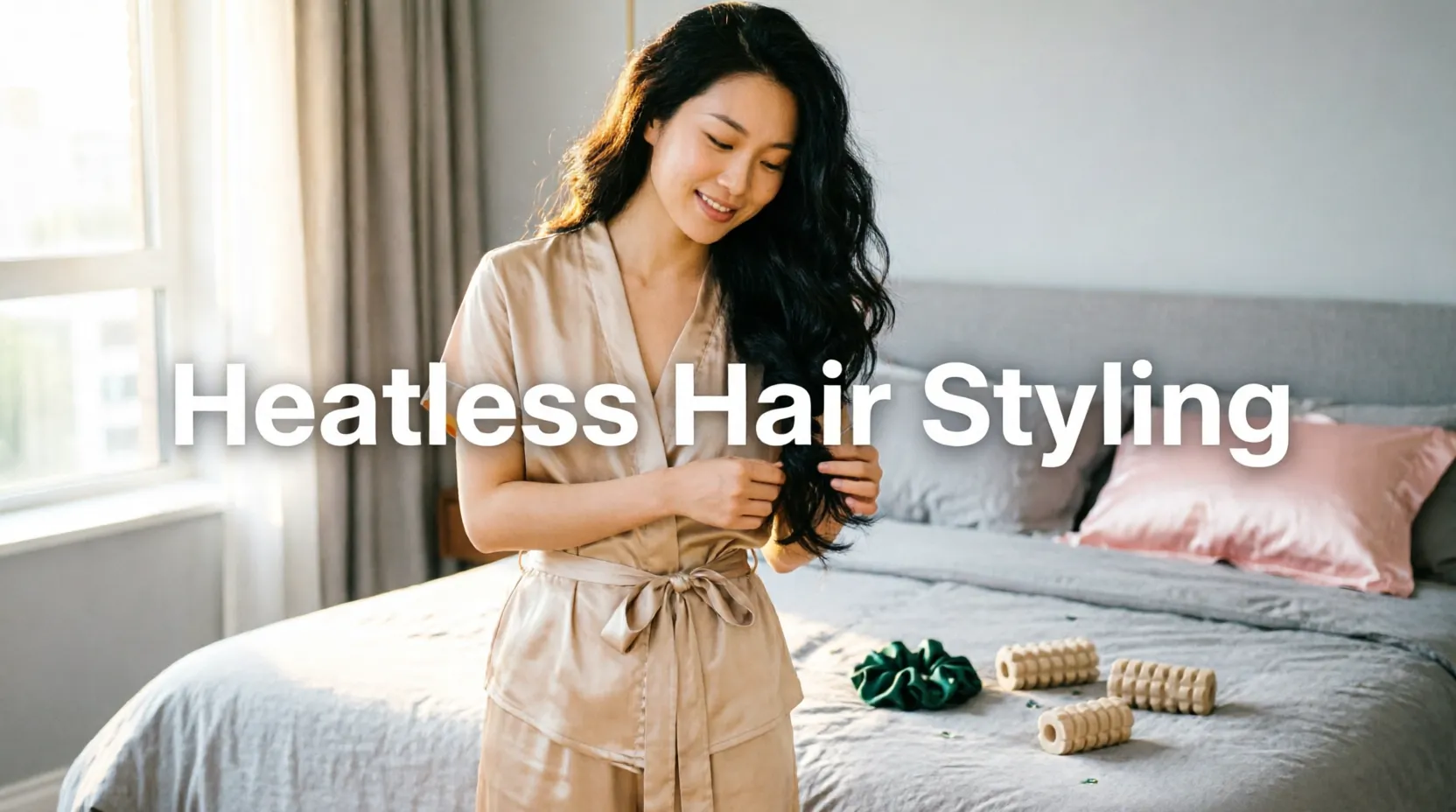
Why Heatless Styling Is the Future of Healthy Hair
If you've ever stared at your reflection after using a flat iron or curling wand and noticed dry, brittle ends or lackluster shine, you're not alone. Heat styling tools have long been the go-to for achieving polished looks, but they come with a hidden cost: cumulative damage that compromises hair health over time. The good news? You don't have to choose between beautiful hair and healthy hair anymore. Heatless styling techniques offer a revolutionary path to bouncy, defined, damage-free locks that look effortlessly chic.
Why heat damage matters: When hair is exposed to temperatures above 300°F (150°C), the protein structure (keratin) begins to break down. Repeated heat exposure leads to:
- Cuticle damage: The protective outer layer lifts, causing frizz and dullness
- Moisture loss: Heat evaporates natural oils, leaving hair dry and brittle
- Protein degradation: Keratin bonds weaken, leading to breakage and split ends
- Color fading: Heat accelerates color oxidation, making dyed hair look dull faster
- Reduced elasticity: Hair loses its ability to stretch and bounce back
Research shows that just one pass with a flat iron at 400°F can reduce hair's tensile strength by up to 30%. Over time, this damage accumulates, making hair harder to style and more prone to breakage.
The heatless revolution: Heatless styling isn't just a trend—it's a return to hair-friendly techniques that have been used for centuries, now updated with modern tools and knowledge. These methods work with your hair's natural texture and structure, creating beautiful styles while preserving integrity, shine, and strength.
Benefits of heatless styling:
- Preserves hair health: No thermal damage means stronger, shinier, more resilient hair
- Enhances natural texture: Works with your hair's pattern rather than fighting it
- Cost-effective: Most techniques require minimal or no special tools
- Time-saving: Many methods work overnight while you sleep
- Versatile results: Create curls, waves, volume, or sleek styles without heat
- Beginner-friendly: Most techniques are easy to learn and master
This comprehensive guide explores the most effective heatless styling techniques for every hair type, length, and desired look. You'll learn step-by-step methods, product recommendations, troubleshooting tips, and how to maintain your styles for long-lasting, damage-free beauty.
Understanding Your Hair: The Foundation of Heatless Success
Before diving into techniques, understanding your hair's unique characteristics helps you choose the most effective methods and set realistic expectations.
Hair type considerations:
- Straight hair (Type 1): May require more tension or longer setting times to hold curls; benefits from texturizing products
- Wavy hair (Type 2): Naturally predisposed to heatless waves; enhance with defining techniques
- Curly hair (Type 3): Focus on definition and frizz control; heatless methods preserve curl pattern
- Coily hair (Type 4): Prioritize moisture and gentle handling; heatless styles protect delicate strands
Porosity matters:
- Low porosity: Resists moisture absorption; use lightweight products and apply to damp hair
- Medium porosity: Ideal balance; most techniques work well
- High porosity: Absorbs moisture quickly but loses it fast; seal with oils or butters after styling
Density and thickness:
- Fine hair: May need lighter techniques to avoid weighing down; focus on root volume
- Medium hair: Versatile; most techniques work well
- Thick hair: May require more sections or stronger hold products for lasting results
Understanding these factors helps you customize heatless techniques for optimal results. What works beautifully for thick, wavy hair might need adjustment for fine, straight strands—and that's perfectly normal.
Preparing Your Hair for Heatless Styling
Proper preparation is the secret to long-lasting, beautiful heatless styles.
Step 1: Start with clean, conditioned hair
Wash with a sulfate-free shampoo to avoid stripping natural oils. Follow with a moisturizing conditioner, focusing on mid-lengths and ends. For extra slip and definition, use a leave-in conditioner.
Step 2: Apply styling products strategically
While hair is damp (not soaking wet), apply products based on your goals:
- For hold: Light-hold mousse or styling cream
- For definition: Curl-defining cream or gel
- For frizz control: Anti-frizz serum or oil
- For volume: Root-lifting spray or volumizing mousse
Pro tip: Apply products in sections to ensure even distribution. Use the "praying hands" method (smoothing product between palms then gliding over hair) for sleek styles, or "scrunching" for texture and volume.
Step 3: Detangle gently
Use a wide-tooth comb or detangling brush starting from ends and working upward. Never brush dry curly or coily hair—this causes breakage and frizz.
Step 4: Choose your drying method
Most heatless techniques work best on damp hair. You can:
- Air-dry until 70-80% dry before styling
- Use a microfiber towel or cotton T-shirt to gently blot excess water (reduces frizz vs. regular towels)
- Use a diffuser on low heat/cool setting if you're short on time (minimal heat exposure)
Heatless Curling Techniques: From Soft Waves to Defined Curls
Whether you want beachy waves, bouncy curls, or defined ringlets, these heatless methods deliver beautiful results without damage.
The Silk Robe Belt Method: Effortless Overnight Curls
Best for: Medium to long hair; soft, bouncy curls
Why it works: This viral technique uses a silk robe belt (or any long, soft fabric strip) to wrap hair in a way that creates uniform curls while you sleep. The silk minimizes friction and frizz.
Step-by-step:
- Start with damp, detangled hair. Apply a light-hold mousse or curl cream.
- Place the center of a silk robe belt at the nape of your neck, letting both ends hang down your back.
- Take a 1-2 inch section of hair from one side and wrap it around one end of the belt, twisting as you go down.
- Continue wrapping sections from that side, always twisting in the same direction, until you reach the end of the belt.
- Repeat on the other side with the remaining belt end.
- Tie the ends of the belt together at the top of your head to secure.
- Sleep on a silk pillowcase to minimize friction.
- In the morning, gently unwrap and shake out curls. Finger-comb for a softer look or leave defined.
Pro tips:
- For tighter curls, use smaller sections; for looser waves, use larger sections
- Wrap hair in the same direction on both sides for uniform curls, or opposite directions for a more natural look
- Lightly mist with a flexible-hold hairspray before unwrapping for longer-lasting results
Time commitment: 15-20 minutes to wrap; overnight setting
Foam Rollers: Classic Curls, Modern Results
Best for: All hair types and lengths; customizable curl size
Why it works: Foam rollers create consistent, defined curls without heat. Modern versions are lightweight, comfortable for sleeping, and come in various sizes for different curl patterns.
Step-by-step:
- Start with damp, product-treated hair.
- Section hair into 1-2 inch pieces, depending on desired curl size.
- Wrap each section around a foam roller from ends to roots, securing with the attached clip or a soft hair tie.
- Continue until all hair is rolled. For volume at roots, roll sections upward; for softer waves, roll downward.
- Allow to air-dry completely (2-4 hours) or sleep in rollers overnight.
- Gently remove rollers, starting from the bottom layers. Don't brush—finger-comb or shake out curls.
- Finish with a light mist of hairspray or a drop of oil to tame frizz.
Roller size guide:
- Large rollers (1.5-2 inches): Loose, beachy waves
- Medium rollers (1-1.5 inches): Classic, bouncy curls
- Small rollers (0.5-1 inch): Defined, spiral curls
Pro tips:
- Wrap hair smoothly around rollers for uniform curls; slight texture creates a more lived-in look
- For extra hold, lightly mist hair with water or setting spray before rolling
- Use satin-covered rollers or wrap regular rollers in silk scarves to reduce friction
Time commitment: 20-30 minutes to roll; 2-4 hours drying or overnight
The Headband Method: Easy Waves for Beginners
Best for: Beginners; medium to long hair; soft, romantic waves
Why it works: This simple technique uses a soft headband to create effortless waves with minimal effort. It's forgiving, comfortable, and perfect for those new to heatless styling.
Step-by-step:
- Start with damp, detangled hair. Apply a light styling cream or mousse.
- Place a soft, fabric headband around your head like a crown, sitting just above your ears.
- Take a small section of hair from the front and tuck it under the headband, pulling it through to the other side.
- Continue taking sections and tucking them under the headband, working your way around your head.
- Once all hair is tucked, adjust any sections for even distribution.
- Leave in place until hair is completely dry (2-3 hours) or overnight.
- Gently remove the headband and shake out waves. Finger-style for a natural finish.
Pro tips:
- Use a wider headband for looser waves; a narrower band creates more defined waves
- For added volume, tease roots slightly before tucking hair under the headband
- Secure loose ends with bobby pins if needed
Time commitment: 10-15 minutes to wrap; 2-3 hours drying or overnight
Twist-and-Pin Curls: Defined Spirals Without Tools
Best for: All hair types; defined curls or waves; short to long hair
Why it works: This technique uses your hair's natural tendency to set in the shape it's held in. Twisting creates spiral patterns that set as hair dries.
Step-by-step:
- Start with damp, product-treated hair.
- Take a 1-2 inch section and twist it tightly from root to end.
- Coil the twisted section into a small bun at the root and secure with a bobby pin or soft hair tie.
- Repeat throughout your head, working in sections.
- Allow to air-dry completely or use a diffuser on cool setting to speed up drying.
- Gently remove pins and unravel twists. Separate curls with fingers for a softer look.
- Finish with a light-hold hairspray or anti-frizz serum.
Variations:
- For waves: Twist sections loosely instead of tightly
- For volume: Pin twists upward at the crown
- For a half-up style: Only twist the top section of hair
Pro tips:
- Apply a small amount of gel or cream to each section before twisting for better hold
- Use satin-covered bobby pins to reduce friction and breakage
- Don't unravel twists until hair is 100% dry for longest-lasting results
Time commitment: 20-40 minutes to twist and pin; 2-4 hours drying
Sock Bun Curls: The Ultimate Lazy-Girl Hack
Best for: Medium to long hair; voluminous, bouncy curls
Why it works: This clever hack uses a sock (or donut-shaped bun maker) to create a base for wrapping hair, resulting in uniform, voluminous curls with minimal effort.
Step-by-step:
- Cut the toe off a clean sock and roll it into a donut shape.
- Start with damp, detangled hair. Apply a volumizing mousse or light-hold gel.
- Gather hair into a high ponytail at the crown and secure with a hair tie.
- Slide the sock donut over the ponytail, positioning it at the base.
- Separate ponytail into sections and wrap each around the sock, tucking ends underneath as you go.
- Once all hair is wrapped, secure with bobby pins if needed.
- Allow to air-dry completely or sleep in the style overnight.
- Gently remove the sock and shake out curls. Finger-comb for a softer finish.
Pro tips:
- For tighter curls, use a smaller sock or bun maker; for looser waves, use a larger one
- Place the bun higher on the head for more volume at the crown
- Lightly mist with texturizing spray after unraveling for added grip and longevity
Time commitment: 10-15 minutes to wrap; 2-4 hours drying or overnight
Heatless Waves and Texture: Effortless, Undone Beauty
Not every look requires defined curls. Sometimes, you want soft waves, beachy texture, or lived-in volume. These techniques deliver that effortless vibe without heat.
Braiding for Waves: The Timeless Technique
Best for: All hair types; soft, natural-looking waves
Why it works: Braiding creates gentle waves by holding hair in a pattern as it dries. Different braid styles produce different wave patterns.
Braid variations and results:
- Single loose braid: Soft, S-shaped waves throughout
- Two braids (pigtail style): More defined waves with a center part
- French or Dutch braids: Textured waves with added volume at roots
- Multiple small braids: Tighter, more defined waves or curls
- Rope twists: Softer, more relaxed waves than traditional braids
Step-by-step for classic two-braid waves:
- Start with damp, detangled hair. Apply a texturizing spray or light mousse.
- Part hair down the middle and divide into two equal sections.
- Braid each section loosely (tighter braids = more defined waves; looser = softer waves).
- Secure ends with soft hair ties.
- Allow to air-dry completely or sleep in braids overnight.
- Gently unravel braids and shake out waves. Finger-comb or use a wide-tooth comb for a softer look.
- Finish with a drop of hair oil to tame frizz and add shine.
Pro tips:
- For beachy texture, braid hair when it's slightly damp, not soaking wet
- Apply a sea salt spray before braiding for added texture and hold
- Don't brush out waves—finger-style to maintain definition
Time commitment: 5-10 minutes to braid; 2-4 hours drying or overnight
The T-Shirt Twist: Quick Waves in Minutes
Best for: Medium to long hair; quick, soft waves
Why it works: This technique uses a cotton T-shirt to wrap hair in a way that creates gentle waves with minimal effort. It's perfect for last-minute styling.
Step-by-step:
- Start with damp, detangled hair. Apply a light styling cream or mousse.
- Lay a clean cotton T-shirt flat and place your head at the bottom hem, with hair spread out on the shirt.
- Roll the shirt upward from the hem, wrapping your hair inside as you go.
- Once rolled to the top, twist the sleeves and tie them at the crown to secure.
- Leave in place for 30-60 minutes, or until hair is mostly dry.
- Gently unwrap and shake out waves. Finger-style for a natural finish.
Pro tips:
- Use a soft, cotton T-shirt (not a rough towel) to minimize frizz
- For more defined waves, twist sections of hair before wrapping in the shirt
- This method works best on hair that's 70-80% dry already
Time commitment: 5 minutes to wrap; 30-60 minutes setting
Plopping for Curly/Wavy Hair: Definition Without Frizz
Best for: Wavy and curly hair types; enhancing natural pattern
Why it works: Plopping uses a cotton T-shirt or microfiber towel to gently dry curly/wavy hair in a way that enhances definition and reduces frizz by minimizing disturbance to the curl pattern.
Step-by-step:
- After washing, apply curl-defining cream or gel to soaking wet hair.
- Lay a cotton T-shirt or microfiber towel flat on a surface.
- Bend forward and lower your hair into the center of the shirt, letting curls fall naturally.
- Wrap the bottom of the shirt up over your hair, then wrap the sides around your head.
- Tie the sleeves at the nape of your neck to secure.
- Leave in place for 15-30 minutes (or longer for more definition).
- Gently remove the shirt and allow hair to air-dry completely. Don't touch curls while drying to prevent frizz.
Pro tips:
- Use a microfiber towel or smooth cotton T-shirt—terry cloth towels cause frizz
- Don't rub or scrunch hair while plopping; let curls set undisturbed
- For extra hold, apply a light-hold gel before plopping
Time commitment: 5 minutes to plop; 15-30 minutes setting plus air-drying time
Heatless Volume and Lift: Root Boost Without Damage
Flat roots don't have to mean reaching for a hot tool. These heatless techniques add volume and lift at the roots for a fuller, more youthful look.
Velcro Rollers at the Roots: Instant Lift
Best for: All hair types; quick root volume
Why it works: Velcro rollers grip hair gently at the roots, creating lift as hair dries. They're lightweight, easy to use, and perfect for targeted volume.
Step-by-step:
- Start with damp or dry hair. For damp hair, apply a root-lifting spray.
- Section the top layer of hair at the crown.
- Roll a 1-2 inch section upward at the root and secure with the Velcro roller.
- Repeat with 2-4 sections at the crown for targeted volume.
- Allow to air-dry (15-30 minutes) or use a blow dryer on cool setting to speed up.
- Gently remove rollers and lightly backcomb roots with a teasing brush for extra lift.
- Finish with a light-hold hairspray to lock in volume.
Pro tips:
- Use smaller rollers for more lift; larger rollers for softer volume
- For dry hair, lightly mist roots with water or setting spray before rolling
- Don't leave Velcro rollers in too long on fine hair—they can cause tangles
Time commitment: 5-10 minutes to roll; 15-30 minutes setting
The Pineapple Method: Overnight Volume for Curly Hair
Best for: Curly and wavy hair; preserving volume overnight
Why it works: This technique gathers curly hair loosely at the top of the head while sleeping, preserving volume at the roots and preventing flattening.
Step-by-step:
- Before bed, gather curly hair loosely at the very top of your head (like a high, loose ponytail).
- Secure with a satin scrunchie or soft hair tie—don't pull tight.
- Sleep on a silk or satin pillowcase to minimize friction.
- In the morning, gently release hair and shake out curls.
- Refresh with a curl refresher spray or a light mist of water if needed.
Pro tips:
- Use a satin scrunchie to prevent breakage and creasing
- Don't pull hair too tight—this can cause tension and breakage
- For extra volume, flip hair upside down and shake roots after releasing
Time commitment: 2 minutes to tie; overnight setting
Clip-In Volume: Strategic Root Lifting
Best for: All hair types; targeted, temporary volume
Why it works: Small clips or rollers placed at the roots while hair dries create lift exactly where you need it.
Step-by-step:
- Start with damp hair at the roots. Apply a root-lifting mousse or spray.
- Section hair at the crown and part where you want volume.
- Lift a 1-inch section at the root and place a small clip or roller underneath, rolling upward.
- Secure with a bobby pin or the roller's clip.
- Repeat with 2-3 sections for targeted volume.
- Allow to air-dry or use a cool shot from a blow dryer.
- Remove clips and gently tease roots if desired. Finish with hairspray.
Pro tips:
- Use metal clips with a gentle grip to avoid creasing
- For fine hair, use smaller clips to avoid weighing down roots
- Don't over-tease—gentle backcombing preserves hair health
Time commitment: 5-10 minutes to clip; 20-30 minutes drying
Heatless Sleek Styles: Smooth, Polished Looks Without Heat
Not all heatless styling is about curls and waves. These techniques create sleek, polished looks without thermal damage.
The Silk Wrap: Salon-Smooth Finish at Home
Best for: Straight to wavy hair; sleek, frizz-free finish
Why it works: Wrapping damp hair smoothly around the head and securing with a silk scarf allows hair to dry in a sleek pattern, mimicking a blowout without heat.
Step-by-step:
- Start with damp, detangled hair. Apply a smoothing serum or cream.
- Part hair as desired (center, side, or deep side).
- Using a fine-tooth comb, smooth one section of hair flat against your head, following the direction you want hair to lie.
- Secure the smoothed section with bobby pins or a soft hair tie.
- Repeat with remaining sections, smoothing each flat against the head.
- Wrap a silk or satin scarf around your head to hold hair in place and reduce friction.
- Allow to air-dry completely (2-4 hours) or sleep in the wrap overnight.
- Gently remove scarf and pins. Lightly brush or finger-comb for a polished finish.
Pro tips:
- Use a silk or satin scarf—cotton can cause frizz
- Apply a lightweight serum before wrapping for extra shine and frizz control
- For extra hold, lightly mist with a flexible-hold hairspray after unwrapping
Time commitment: 15-20 minutes to wrap; 2-4 hours drying or overnight
Bandana Sleek: Retro Polish, Modern Results
Best for: All hair types; quick sleek style with a retro vibe
Why it works: A bandana or scarf holds hair smoothly in place while it dries, creating a sleek finish with a stylish accent.
Step-by-step:
- Start with damp, detangled hair. Apply a smoothing product.
- Brush hair back smoothly into a low ponytail or bun.
- Fold a bandana or silk scarf into a long strip.
- Tie the bandana around your head, covering the hairline and securing hair smoothly in place.
- Adjust to ensure hair is smooth and bandana is secure.
- Allow to air-dry for 1-2 hours, or leave in overnight.
- Gently remove bandana and style as desired.
Pro tips:
- Choose a silk or satin bandana to minimize friction
- For extra sleekness, apply a small amount of gel or pomade along the hairline before wrapping
- This style works great as a protective style for curly hair too
Time commitment: 5-10 minutes to wrap; 1-2 hours drying or overnight
Product Guide: Enhancing Heatless Styling Results
The right products can make or break your heatless styling results. Here's what to look for and how to use them.
Essential Product Categories
Leave-in conditioners: Provide moisture and slip for easier styling. Look for lightweight formulas that won't weigh hair down.
Styling creams and mousses: Add hold and definition without crunch. Choose based on your hair type—lighter formulas for fine hair, richer creams for thick or curly hair.
Anti-frizz serums and oils: Seal the cuticle and tame flyaways. Apply sparingly to ends or frizz-prone areas.
Root-lifting sprays: Add volume at the crown without heaviness. Spray at roots before styling.
Texturizing sprays: Add grip and definition for waves and curls. Great for second-day hair refresh.
Flexible-hold hairsprays: Lock in style without stiffness. Look for formulas that brush out easily.
Ingredient Tips for Healthy Hair
- Look for: Hyaluronic acid (hydration), proteins (strength), natural oils (shine), panthenol (moisture retention)
- Avoid: High alcohol content (drying), heavy silicones (buildup), sulfates (stripping)
- For curly hair: Seek curl-defining ingredients like flaxseed, marshmallow root, or aloe
- For fine hair: Choose lightweight, volumizing formulas with rice protein or bamboo extract
Application Techniques for Best Results
- Apply to damp hair: Most products distribute more evenly and absorb better on damp strands
- Use the right amount: Start with a small amount—you can always add more
- Focus on problem areas: Apply anti-frizz products to ends, root lifters at the crown
- Layer strategically: Apply lighter products first, heavier products last
Troubleshooting Common Heatless Styling Issues
Even the best techniques can hit snags. Here's how to troubleshoot common problems.
Problem: Curls Won't Hold
Possible causes:
- Hair was too wet or too dry when styled
- Not enough hold product applied
- Hair type requires longer setting time
Solutions:
- Style hair when it's 70-80% dry for optimal hold
- Apply a light-hold mousse or gel before styling
- Allow extra drying time or use a cool-shot blow dryer to set
- Finish with a flexible-hold hairspray
Problem: Frizz and Flyaways
Possible causes:
- Friction from cotton towels or pillowcases
- Insufficient moisture or sealing
- Humidity or environmental factors
Solutions:
- Use microfiber towels or cotton T-shirts to dry hair
- Sleep on silk or satin pillowcases
- Apply anti-frizz serum or oil to ends before styling
- Use a light-hold gel or cream to define and control
Problem: Flat or Limp Results
Possible causes:
- Products too heavy for hair type
- Insufficient root volume techniques
- Hair weighed down by product buildup
Solutions:
- Use lightweight, volumizing products for fine hair
- Incorporate root-lifting techniques like Velcro rollers or clips
- Clarify hair monthly to remove buildup
- Apply products mainly to mid-lengths and ends, not roots
Problem: Style Doesn't Last All Day
Possible causes:
- Insufficient hold products
- Environmental factors (humidity, wind)
- Hair type requires stronger hold
Solutions:
- Layer products: mousse for hold, hairspray for finish
- Use humidity-resistant formulas in humid climates
- Refresh style midday with a texturizing spray or dry shampoo
- Consider a stronger-hold product for special occasions
Maintaining Heatless Styles: Making Your Look Last
Creating a beautiful heatless style is just the beginning. These tips help you maintain your look longer.
Overnight Preservation
- Silk pillowcases: Reduce friction and prevent frizz while you sleep
- Loose protective styles: Pineapple curls, loose braids, or a silk scarf preserve styles overnight
- Dry shampoo at roots: Absorbs oil and adds volume for next-day refresh
Daytime Refresh Techniques
- Water mist: Lightly mist hair with water to reactivate styling products
- Curl refresher spray: Revives definition without weighing hair down
- Finger-combing: Gently reshape curls or waves without brushing
- Spot-treat frizz: Apply a tiny amount of serum to flyaways
Extending Style Longevity
- Avoid touching hair: Frequent handling causes frizz and breaks down style
- Use a wide-tooth comb: If you must detangle, use a wide-tooth comb gently
- Protect from elements: Wear a hat or scarf in wind or humidity
- Refresh strategically: Focus refresh efforts on areas that need it most
FAQs About Heatless Hair Styling
How long do heatless styles typically last?
Heatless styles can last 1-3 days depending on hair type, products used, and environmental factors. Curly and wavy hair types often hold styles longer than straight hair. Using the right products and preservation techniques can extend longevity significantly.
Can heatless styling work on short hair?
Absolutely! Many heatless techniques work on short hair with slight modifications. Foam rollers, twist-and-pin curls, and the headband method are particularly effective for shorter lengths. Focus on smaller sections and adjust setting times as needed.
Do I need special tools for heatless styling?
Most heatless techniques require minimal or no special tools. Common household items like silk scarves, cotton T-shirts, socks, and bobby pins work beautifully. If you want to invest, foam rollers, velvet rollers, and silk pillowcases enhance results but aren't essential.
How do I transition from heat styling to heatless?
Transition gradually: start by replacing one heat-styled day per week with a heatless style. Trim damaged ends regularly to improve hair health. Use deep conditioning treatments to restore moisture. Be patient—your hair will adapt and improve over time.
Can heatless styling help repair heat damage?
While heatless styling can't reverse existing damage, it prevents further damage and allows hair to recover. Combined with regular trims, deep conditioning, and protective products, heatless styling supports overall hair health and helps new, healthy growth thrive.
What if my hair doesn't hold heatless styles?
Experiment with different techniques and products. Fine or straight hair may need stronger hold products or longer setting times. Curly hair may benefit from more moisture and definition products. Don't be discouraged—finding your perfect method may take some trial and error.
Conclusion: Embrace Healthy, Beautiful Hair Without Heat
Heatless styling isn't just a trend—it's a sustainable, hair-healthy approach to achieving beautiful, versatile styles. By working with your hair's natural texture and using gentle, effective techniques, you can create curls, waves, volume, and sleek looks without compromising your hair's health.
The techniques in this guide offer something for everyone: quick fixes for busy mornings, overnight methods for effortless styling, and specialized approaches for every hair type. The key is experimentation—try different methods, adjust for your unique hair, and discover what works best for you.
Remember, healthy hair is beautiful hair. By choosing heatless styling, you're investing in long-term hair health, reducing breakage, preserving color, and maintaining natural shine. Your hair will thank you with increased strength, resilience, and radiance.
Start today with one simple technique. Wrap your hair in a silk scarf overnight. Try the headband method for easy waves. Braid your hair before bed for next-day texture. Small steps lead to big changes.
Here's to bouncy, damage-free locks and the confidence that comes from knowing your hair is healthy, strong, and beautifully you. Embrace the heatless revolution—your healthiest, most beautiful hair awaits.