

How Emotional Stress Alters Skin Radiance: The Science and Solutions
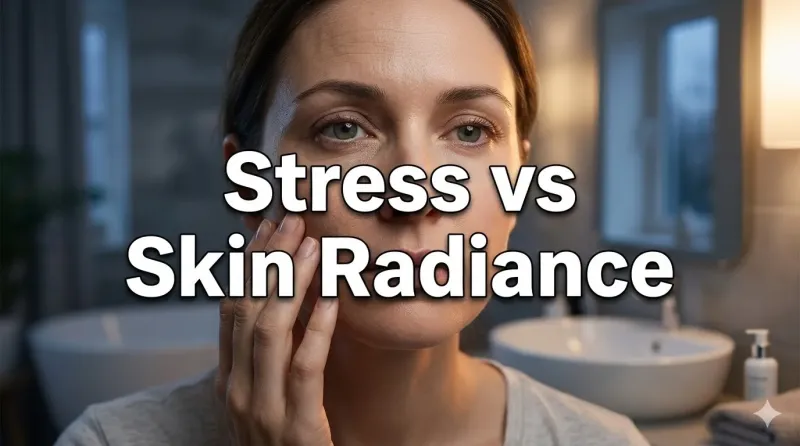
We have all experienced it: a period of intense deadlines, personal turmoil, or chronic anxiety, followed by a glance in the mirror where our reflection seems unfamiliar. The skin looks lackluster, gray, tired, and utterly devoid of its usual sparkle. While we often attribute this to lack of sleep or poor diet during stressful times, the root cause runs much deeper. It is a biological cascade triggered directly by our emotions.
The connection between the mind and the skin is so profound that it has spawned a dedicated field of study known as psychodermatology. This discipline explores how emotional states influence skin health and, conversely, how skin conditions affect mental well-being. One of the most immediate and visible impacts of emotional stress is the alteration of skin radiance. That coveted "glow" is not just about hydration; it is a complex interplay of blood flow, cellular turnover, barrier integrity, and inflammation—all of which are hijacked by stress hormones.
Understanding exactly how emotional stress strips away your radiance is the first step toward reclaiming it. This guide delves into the science behind the stress-skin connection, explains the physiological mechanisms that lead to dullness, and provides a comprehensive roadmap to restore your glow from the inside out.
The Mind-Skin Axis How Emotions Become Physical Reality
To understand why stress kills radiance, we must first understand the communication highway between your brain and your skin. This is known as the Brain-Skin Axis.
Your skin is not just a passive covering; it is an active neuroendocrine organ. It contains receptors for various neurotransmitters and hormones, including those released during stress. When you experience emotional stress—whether it's acute (a sudden scare) or chronic (ongoing work pressure)—your hypothalamus-pituitary-adrenal (HPA) axis is activated.
This activation triggers the release of stress hormones, primarily cortisol and adrenaline, into the bloodstream. These hormones travel throughout the body, and because the skin is rich in blood vessels and hormone receptors, it receives a heavy dose of these chemical signals. The skin essentially "feels" your stress before you even realize it physically.
While a short burst of adrenaline might temporarily increase blood flow (giving a fleeting flush), chronic elevation of cortisol is where the damage to radiance occurs. Cortisol is catabolic, meaning it breaks down tissues. In the skin, it degrades collagen, suppresses the immune system, and disrupts the barrier function. The result is a complexion that looks tired, inflamed, and fundamentally dull.
The Cortisol Effect Why Stress Makes You Look Gray
Cortisol is often called the "aging hormone" for good reason. Its impact on skin radiance is multifaceted and destructive when levels remain chronically high.
1. Vasoconstriction and Poor CirculationInitially, stress might cause flushing due to adrenaline. However, chronic stress often leads to poor microcirculation. Cortisol can cause blood vessels to constrict over time or become inefficient at delivering oxygen and nutrients to the skin cells.The Result: Without adequate oxygenated blood flow, the skin loses its natural pinkish undertone and begins to look sallow, gray, or yellowish. This lack of circulation is a primary driver of the "stressed out" look. Radiance is literally the reflection of light off healthy, oxygen-rich blood flowing near the surface; when that flow is compromised, the light reflection diminishes.
2. Breakdown of Collagen and ElastinCortisol inhibits the synthesis of collagen and accelerates the breakdown of existing collagen fibers. Collagen provides the structural scaffold that keeps skin plump and smooth.The Result: As collagen degrades, the skin becomes thinner and less able to reflect light evenly. Instead of a smooth, mirror-like surface that glows, the skin develops micro-irregularities that scatter light, creating a matte, flat appearance. This loss of structural integrity contributes significantly to the loss of radiance.
3. Suppression of Hyaluronic AcidCortisol negatively impacts the production of hyaluronic acid, a molecule capable of holding 1,000 times its weight in water. Hyaluronic acid is crucial for maintaining skin hydration and volume.The Result: Lower levels of hyaluronic acid lead to intracellular dehydration. Dehydrated skin cells shrink, creating a rougher surface texture that absorbs light rather than reflecting it. This makes the skin look dry, crepey, and dull, even if you are drinking enough water externally.
4. Impaired Cell TurnoverHealthy radiance depends on rapid cell turnover—the process where old, dead cells are shed to reveal fresh, new cells underneath. Stress slows down this regeneration process.The Result: Dead skin cells accumulate on the surface, forming a thick, opaque layer. This layer acts like a filter, blocking the natural glow from beneath and trapping oil and debris, which further contributes to a cloudy complexion.
Inflammation The Silent Killer of Glow
Beyond cortisol, stress triggers a systemic inflammatory response. When the body perceives stress, it releases pro-inflammatory cytokines. While inflammation is a necessary part of healing, chronic, low-grade inflammation is devastating to skin radiance.
Oxidative StressEmotional stress increases the production of free radicals (unstable molecules) in the body. If not neutralized by antioxidants, these free radicals cause oxidative stress, damaging cell membranes, proteins, and DNA.The Impact on Radiance: Oxidative damage leads to lipid peroxidation (damage to the skin's natural oils), making the skin barrier leaky and inefficient. It also triggers the production of melanin in irregular patterns, leading to hyperpigmentation and uneven tone. An uneven tone scatters light, destroying the uniform reflection needed for a glow. Furthermore, oxidative stress gives the skin a "tired" yellowish cast.
Barrier CompromiseInflammation weakens the skin barrier (stratum corneum). A compromised barrier cannot retain moisture effectively, leading to Transepidermal Water Loss (TEWL).The Impact on Radiance: As mentioned, dehydration is the enemy of glow. But beyond that, a damaged barrier often becomes red and irritated. While redness might sound like "color," it is actually an uneven, blotchy redness that masks the underlying luminosity. The skin looks angry rather than radiant.
Acne and CongestionStress increases sebum (oil) production, and when combined with slowed cell turnover and inflammation, it creates the perfect storm for clogged pores and breakouts.The Impact on Radiance: Active breakouts and the post-inflammatory hyperpigmentation (dark spots) they leave behind create an uneven landscape on the skin. Light cannot reflect smoothly off a surface covered in bumps and dark spots. The overall effect is a loss of clarity and brightness.
The Vicious Cycle Stress, Sleep, and Skin
Emotional stress rarely comes alone; it is almost always accompanied by sleep disturbances. This creates a vicious cycle that amplifies the loss of radiance.
Stress causes insomnia or fragmented sleep. During deep sleep, the body enters "repair mode." Growth hormones are released, cell turnover peaks, and blood flow to the skin increases to repair daily damage.When stress prevents deep sleep:- Repair processes are halted.- Cortisol levels remain high overnight instead of dropping.- Fluid retention increases (leading to puffiness that casts shadows, reducing glow).- Dark circles form due to pooled blood under thin skin.
The combination of high cortisol and lack of repair time means the skin wakes up looking exhausted. The "morning glow" is replaced by morning灰 (grayness). This physical manifestation of fatigue then causes more emotional stress ("I look terrible"), perpetuating the cycle.
Signs Your Radiance Is Being Stolen by Stress
How do you distinguish stress-induced dullness from dullness caused by other factors like weather or product buildup? Look for these specific signs:
- Sudden Onset: The dullness appeared rapidly following a stressful event or period, rather than gradually over seasons.- Sallow Tone: The skin has taken on a yellowish or grayish cast, distinct from simple dryness.- Increased Sensitivity: Products that usually work fine now sting or cause redness, indicating a stressed, compromised barrier.- Simultaneous Breakouts and Dryness: You experience oily T-zones with breakouts alongside dry, flaky cheeks—a classic sign of stress imbalance.- Persistent Fatigue Look: Even after a full night's sleep (if you managed to get one), you still look tired.- Exacerbated Existing Conditions: Rosacea, eczema, or psoriasis flare-ups often accompany stress-related dullness.
Restoring Radiance A Holistic Approach
Fixing stress-induced dullness requires more than just a new highlighter or a brightening serum. You must address both the internal hormonal drivers and the external skin damage.
Step 1 Manage the Internal Stress Response
You cannot skincare your way out of chronic stress; you must manage the source.
- Adaptogens: Consider incorporating adaptogenic herbs like Ashwagandha, Rhodiola, or Holy Basil into your diet. These herbs help the body regulate cortisol levels and improve resilience to stress.- Mindfulness and Breathwork: Practices like meditation, yoga, or simple box breathing (inhale 4 counts, hold 4, exhale 4, hold 4) activate the parasympathetic nervous system (rest and digest), lowering cortisol production. Just 10 minutes a day can make a difference.- Prioritize Sleep Hygiene: Create a wind-down routine. Avoid screens an hour before bed, keep the room cool, and use calming scents like lavender. Quality sleep is the single most effective "anti-stress" treatment for skin.- Exercise Moderately: While intense exercise can sometimes spike cortisol if overdone, moderate movement like walking or swimming boosts circulation and releases endorphins, combating stress and boosting glow.
Step 2 Skincare Ingredients to Combat Stress Damage
Your skincare routine should focus on soothing inflammation, repairing the barrier, and boosting circulation.
- Antioxidants (Vitamin C, Ferulic Acid, Resveratrol): These are non-negotiable. They neutralize the free radicals generated by stress and prevent oxidative damage. Vitamin C also brightens the complexion and boosts collagen. Apply in the morning.- Niacinamide (Vitamin B3): A powerhouse for stressed skin. It reduces inflammation, regulates oil production, strengthens the barrier, and improves uneven tone. It is gentle and effective for almost all skin types.- Barrier Repair Agents (Ceramides, Fatty Acids, Cholesterol): Rebuild the compromised barrier to stop water loss and soothe irritation. Look for rich moisturizers containing these lipids.- Soothing Botanicals (Centella Asiatica, Aloe, Green Tea, Chamomile): These ingredients calm the inflammatory response, reducing redness and sensitivity.- Gentle Exfoliation (Lactic Acid, PHAs): Since stress slows cell turnover, gentle chemical exfoliation helps remove the buildup of dead cells. Avoid harsh scrubs which can further irritate stressed skin. Lactic acid is hydrating and brightening.- Peptides: Signal peptides can help stimulate collagen production, counteracting the breakdown caused by cortisol.
Step 3 Boost Circulation Manually
Since stress constricts blood vessels, manually encouraging blood flow can instantly revive radiance.
- Facial Massage: Spend 2-3 minutes massaging your face while cleansing or applying oil. Use upward and outward strokes. This increases microcirculation, bringing oxygen and nutrients to the surface.- Gua Sha or Jade Rolling: These tools can help drain lymphatic fluid (reducing puffiness) and stimulate blood flow. Use gentle pressure.- Temperature Therapy: Splashing your face with cool water in the morning constricts vessels temporarily to reduce puffiness, followed by a warm towel to open pores and boost circulation. Contrast therapy can wake up the skin.
Step 4 Lifestyle Adjustments for Long-Term Glow
- Hydration: Stress dehydrates you. Drink plenty of water and eat water-rich foods (cucumbers, watermelon) to support cellular hydration.- Anti-Inflammatory Diet: Reduce sugar and processed foods which fuel inflammation. Increase intake of Omega-3 fatty acids (salmon, walnuts, flaxseeds) which support the skin barrier and reduce inflammation.- Digital Detox: Constant connectivity is a major source of modern stress. Set boundaries for phone and email usage to lower your baseline stress levels.
Common Mistakes When Treating Stressed Skin
In a panic to fix dullness, many people make mistakes that worsen the situation.
Over-ExfoliatingThinking "I need to scrub off this dullness," people often over-exfoliate. On stressed skin, this destroys the barrier further, leading to more inflammation and even more dullness. Stick to gentle enzymes or mild acids.
Using Too Many ActivesWhen skin is stressed, it is sensitive. Layering retinol, strong acids, and vitamin C all at once can overwhelm the skin. Simplify your routine to "Cleanse, Soothe, Moisturize, Protect" until the stress subsides.
Ignoring the Mental ComponentRelying solely on expensive creams without addressing the underlying stress is like mopping the floor while the tap is still running. You must address the emotional trigger to see lasting results.
Skipping SunscreenStressed skin is more vulnerable to UV damage. UV rays exacerbate oxidative stress and pigmentation. Daily SPF is critical to prevent further dulling.
FAQs Addressing Your Concerns
Q: Can stress cause permanent damage to skin radiance?A: While chronic stress can accelerate aging and cause long-term collagen loss, much of the "dullness" is reversible. Once stress levels are managed and the barrier is repaired, the skin can regain its glow. However, preventing long-term damage is key.
Q: How long does it take for skin to recover from stress?A: Skin cell turnover takes about 28-40 days. You may see immediate improvements in hydration and redness within a few days of stress reduction, but full restoration of radiance and texture typically takes 4-6 weeks of consistent care.
Q: Are there specific foods that help stress-related dullness?A: Yes. Foods rich in antioxidants (berries, leafy greens), Omega-3s (fatty fish, chia seeds), and Vitamin C (citrus, bell peppers) combat oxidative stress. Avoid excessive sugar and caffeine, which can spike cortisol.
Q: Can meditation really change my skin?A: Absolutely. Studies show that mindfulness practices lower cortisol levels. Lower cortisol means less collagen breakdown, less inflammation, and better barrier function, all of which translate to better skin.
Q: Should I stop using Retinol if I'm stressed?A: If your skin feels sensitive, stinging, or looks very dull and irritated, it is wise to pause retinol temporarily. Focus on barrier repair and soothing ingredients first. Reintroduce retinol slowly once your skin feels resilient again.
Conclusion Radiance Is a Reflection of Inner Peace
The link between emotional stress and skin radiance is undeniable. Your skin is a mirror of your internal state, reflecting the hormonal chaos of stress through dullness, grayness, and inflammation. While we cannot eliminate stress entirely from our lives, we can change how we respond to it and how we care for our skin during turbulent times.
Restoring radiance isn't just about applying a brightening serum; it's about a holistic approach that honors the mind-skin connection. By managing cortisol through mindfulness, supporting your body with nutrition, and nurturing your skin barrier with gentle, antioxidant-rich care, you can protect your glow against the ravages of stress.
Remember, true radiance comes from a place of balance. When you prioritize your mental well-being, your skin will follow suit. Be patient with yourself, simplify your routine, and trust that as your inner storm settles, your outer glow will return, brighter than before. Your skin is resilient, and with the right care, it can weather any emotional storm and emerge luminous.