

How Long-Term Makeup Use Impacts Skin Smoothness
The Complex Relationship Between Makeup and Skin Health
Makeup has been part of human culture for thousands of years, evolving from ancient kohl and ochre to today's sophisticated formulations packed with advanced ingredients. For many, daily makeup application is a ritual of self-expression, confidence-building, and professional presentation. However, as cosmetic use becomes more frequent and long-term, important questions arise about its cumulative effects on skin texture, smoothness, and overall health.
The impact of long-term makeup use on skin smoothness isn't simply good or bad—it's nuanced and highly individual. Factors including product formulation, application frequency, removal thoroughness, underlying skin type, environmental exposures, and complementary skincare practices all influence outcomes. Understanding these variables empowers you to enjoy makeup while protecting your skin's long-term texture and radiance.
Research in dermatology and cosmetic science reveals that makeup can both support and compromise skin smoothness depending on how it's used. Some formulations include beneficial ingredients like antioxidants, peptides, and hydrating compounds that may actually improve skin over time. Conversely, certain ingredients, improper removal, or excessive use can contribute to congestion, irritation, and premature aging. The key lies in informed choices and consistent care.
Modern life has made makeup more accessible and varied than ever before. The global cosmetics market continues to expand, with new products launching daily. While this variety offers exciting options, it also creates confusion about what's truly beneficial for long-term skin health. Many consumers don't realize that their daily makeup habits, accumulated over years or decades, can significantly influence how their skin ages and maintains its texture.
How Makeup Ingredients Interact With Skin
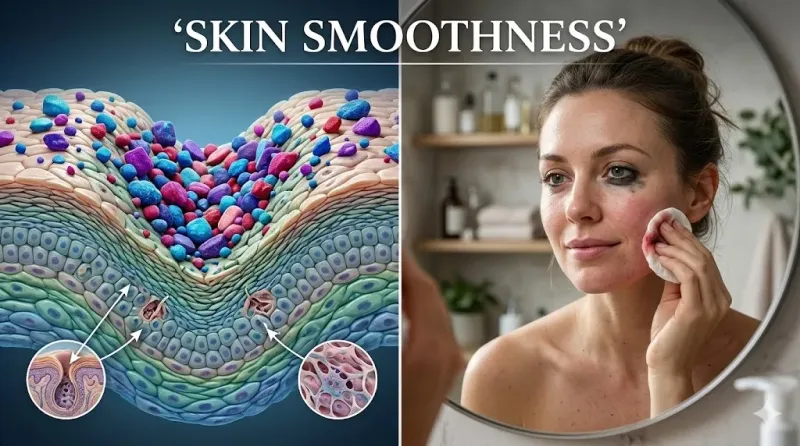
To understand long-term effects, we must examine how cosmetic ingredients interact with skin biology at a cellular level. Your skin's outermost layer, the stratum corneum, functions as a selective barrier—allowing beneficial substances to penetrate while blocking irritants and pathogens. Makeup products sit on this surface, and their ingredients can either support or disrupt barrier function.
**Comedogenic Ingredients and Pore Congestion**
Certain ingredients are classified as comedogenic, meaning they have a tendency to clog pores. Common examples include coconut oil, cocoa butter, lanolin, and some silicones like dimethicone in high concentrations. When these ingredients accumulate in hair follicles over months or years, they can contribute to micro-comedones—tiny clogs that may not be immediately visible but gradually create rough, uneven texture.
Pore congestion doesn't always manifest as obvious blackheads or acne. Sometimes it presents as subtle roughness, enlarged pore appearance, or difficulty achieving smooth makeup application. Over time, chronic congestion can stretch pore walls, making them appear larger and more noticeable even when clean. This is particularly problematic for those who wear heavy, full-coverage foundations daily without adequate cleansing.
The comedogenic scale rates ingredients from 0 to 5, with 0 being non-clogging and 5 being highly comedogenic. However, individual reactions vary significantly. What clogs one person's pores may cause no issues for another. This is why patch testing and paying attention to your skin's unique responses is crucial for long-term skin health.
**Occlusive Formulations and Barrier Function**
Many long-wear and full-coverage foundations contain occlusive ingredients designed to create a film that locks makeup in place. While beneficial for longevity, these same ingredients can trap dead skin cells, sebum, and environmental pollutants against the skin if not thoroughly removed. This occlusion can disrupt normal desquamation—the natural shedding of dead skin cells—leading to buildup that creates a dull, uneven surface.
Additionally, heavy occlusives can interfere with the skin's natural moisture regulation. When the barrier can't "breathe" or exchange moisture properly, transepidermal water loss may increase paradoxically, leading to dehydration that manifests as rough, flaky texture despite surface oiliness. This is particularly common with waterproof or transfer-resistant formulations designed for all-day wear.
The skin's natural renewal cycle takes approximately 28 days in young adults, slowing to 40-60 days with age. When makeup residue interferes with this process, dead cells accumulate on the surface, creating a rough, uneven texture that actually makes makeup application more difficult—a frustrating cycle that many long-term makeup users experience.
**Preservatives, Fragrances, and Sensitization**
Makeup products require preservatives to prevent microbial growth, and many include fragrances for sensory appeal. While necessary for product safety and user experience, these ingredients can cause cumulative irritation in sensitive individuals. Repeated low-level exposure to potential irritants may lead to subclinical inflammation—microscopic inflammation not visible to the naked eye but sufficient to disrupt skin barrier function and collagen integrity over time.
This low-grade inflammation can accelerate signs of aging, including fine lines, loss of elasticity, and uneven texture. Individuals with sensitive skin or conditions like rosacea may experience more pronounced effects, but even resilient skin can develop sensitivity after years of exposure to certain ingredients. This phenomenon, called "sensitization," means your skin can suddenly react to products you've used for years without issue.
Common sensitizers include certain preservatives like parabens and formaldehyde-releasers, synthetic fragrances, and some colorants. Natural doesn't always mean safer—essential oils, while natural, are among the most common causes of contact dermatitis in cosmetics.
**Beneficial Ingredients in Modern Formulations**
Not all makeup impacts are negative. Many contemporary formulations include skincare benefits that may actually improve skin smoothness with long-term use. Hyaluronic acid, glycerin, and squalane provide hydration that supports barrier function. Antioxidants like vitamin C, vitamin E, and green tea extract combat free radical damage from UV exposure and pollution. Peptides and niacinamide may support collagen production and improve texture.
Mineral makeup containing zinc oxide or titanium dioxide offers physical sun protection while being generally well-tolerated by sensitive skin. These ingredients sit on top of skin rather than penetrating, reducing irritation risk while providing broad-spectrum UV protection. When chosen thoughtfully, makeup can serve dual purposes: enhancing appearance while supporting skin health.
Some foundations now include ingredients like ceramides to support barrier function, salicylic acid to keep pores clear, or light-reflecting particles that create the optical illusion of smoother skin. The line between makeup and skincare continues to blur, offering opportunities for products that beautify while they protect.
Mechanical Effects Application and Removal Practices
Beyond ingredient chemistry, the physical actions of applying and removing makeup significantly influence long-term skin texture.
**Application Techniques and Friction**
Aggressive application methods—rubbing foundation with fingers, using dirty brushes, or buffing powder with excessive pressure—create micro-trauma to the skin surface. Over years, this repetitive friction can contribute to irritation, inflammation, and even accelerated collagen breakdown in delicate areas like around the eyes.
The skin around your eyes is particularly thin and delicate, measuring only 0.5mm thick compared to 2mm on most of your face. Repeated tugging, pulling, or rubbing during makeup application and removal can contribute to premature fine lines, sagging, and loss of elasticity in this vulnerable area.
Dirty application tools harbor bacteria, dead skin cells, and product residue that transfer back to skin with each use. This contamination can trigger breakouts, irritation, and compromised barrier function. Regular cleaning of brushes and sponges is essential but often overlooked in long-term makeup routines. Brushes should be washed weekly with gentle soap or brush cleaner, while sponges should be replaced monthly or cleaned after every use.
**The Critical Importance of Thorough Removal**
Perhaps the single most important factor determining makeup's long-term impact is removal thoroughness. Incomplete cleansing leaves residue that accumulates in pores, mixes with environmental pollutants, and creates a breeding ground for bacteria. Over months and years, this buildup contributes to congestion, dullness, and uneven texture.
Studies show that many people don't cleanse thoroughly enough, leaving up to 50% of makeup residue on the skin after washing. This is particularly true for waterproof products, long-wear formulations, and products containing silicones or pigments that bind tightly to skin.
Harsh removal methods present another risk. Aggressive scrubbing, using rough washcloths, or employing cleansing products with high pH or irritating surfactants can damage the skin barrier. A compromised barrier loses moisture more easily, becomes more reactive to products, and heals less efficiently—all factors that undermine smooth skin texture.
The concept of "double cleansing"—first using an oil-based cleanser to dissolve makeup and sunscreen, followed by a gentle water-based cleanser to remove residue—has gained scientific support for effectively removing long-wear cosmetics without barrier damage. This method ensures thorough cleansing while maintaining skin's natural protective functions.
**Time Pressure and Compromised Routines**
Modern life often means rushing through skincare routines. When tired or pressed for time, it's tempting to skip thorough cleansing or use makeup wipes as a quick fix. While convenient, makeup wipes often don't remove all residue and can leave cleansing agents on skin that cause irritation over time.
Consistently cutting corners on removal, even just a few times per week, can accumulate significant damage over months and years. The skin doesn't forget—each instance of sleeping with makeup or incomplete cleansing contributes to the cumulative burden on your skin's health.
Long-Term Effects on Skin Texture and Smoothness
When makeup use is combined with suboptimal practices over extended periods, several texture-related concerns may emerge:
**Pore Enlargement and Visibility**
Chronic pore congestion from makeup residue, combined with natural aging processes that reduce skin elasticity, can make pores appear larger and more noticeable. While pore size is largely genetically determined, their appearance can be exacerbated by buildup that stretches pore walls and by loss of surrounding collagen support.
Additionally, certain makeup techniques like heavy powder application can settle into pores throughout the day, creating a "cakey" appearance that emphasizes texture rather than smoothing it. Over time, this visual emphasis may become psychologically associated with actual texture changes, even when underlying skin remains relatively smooth.
Using pore-clogging products around the nose and T-zone, where pores are naturally larger and more active, can be particularly problematic. These areas produce more sebum and are more prone to congestion, making them vulnerable to long-term texture changes from improper makeup use.
**Dullness and Uneven Tone**
Makeup residue that isn't fully removed can mix with oxidized sebum and environmental pollutants to create a film that scatters light unevenly, making skin appear dull. Additionally, chronic low-level inflammation from irritating ingredients can disrupt normal melanin distribution, contributing to uneven tone and post-inflammatory hyperpigmentation.
Dehydration from barrier disruption further contributes to dullness, as well-hydrated skin reflects light more evenly and appears more radiant. Long-term makeup users who don't prioritize hydration may notice their skin losing its natural glow despite regular product application.
The accumulation of dead skin cells from impaired desquamation creates a rough surface that doesn't reflect light optimally. This is why regular gentle exfoliation is crucial for those who wear makeup frequently—it helps maintain the smooth surface necessary for radiant skin.
**Fine Lines and Premature Aging**
Several mechanisms may link long-term makeup use to accelerated appearance of fine lines. First, inadequate sun protection beneath makeup—relying solely on foundation with SPF, which is rarely applied thickly enough for adequate protection—can allow UV damage to accumulate. UV radiation remains the primary external cause of premature aging, breaking down collagen and elastin.
Most people apply only 25-50% of the recommended amount of sunscreen when using foundation with SPF, meaning they're getting far less protection than the label indicates. This false sense of security can lead to significant cumulative sun damage over years.
Second, repetitive facial expressions during makeup application, combined with tugging or pulling skin, may contribute to dynamic lines becoming static over time. Third, chronic inflammation from irritating ingredients can activate enzymes called matrix metalloproteinases that degrade collagen, accelerating loss of firmness and smoothness.
However, it's important to note that these effects are not inevitable. Many long-term makeup users maintain excellent skin texture through protective practices and complementary skincare.
**Texture Irregularities and Milia**
Heavy, occlusive products applied around the delicate eye area can contribute to milia—small, firm white bumps caused by trapped keratin. While not harmful, milia create texture irregularities that can be frustrating. Similarly, chronic congestion can lead to closed comedones that create a bumpy texture under the skin's surface.
Eye creams that are too rich for your skin type, combined with heavy concealer, create a perfect environment for milia formation. These tiny cysts often require professional extraction, as they don't respond to typical acne treatments.
Protective Strategies for Maintaining Skin Smoothness
The good news is that you can enjoy makeup while protecting your skin's long-term texture through informed choices and consistent practices.
**Choosing Skin-Friendly Formulations**
Look for products labeled "non-comedogenic," though note this term isn't strictly regulated. More reliable is checking ingredient lists for known pore-cloggers if you're prone to congestion. Lightweight, breathable formulations often work better for long-term wear than heavy, full-coverage options used daily.
Mineral-based makeup containing zinc oxide or titanium dioxide tends to be well-tolerated and offers inherent sun protection. Products with added skincare benefits—hyaluronic acid, niacinamide, antioxidants—can provide dual value. Patch test new products to identify potential irritants before full-face application.
Consider your skin's changing needs with age, seasons, and hormonal fluctuations. What works in your 20s may not suit your 30s or 40s. Be willing to adjust your product choices as your skin evolves.
**Mastering Gentle Application**
Use clean tools and apply products with light, patting motions rather than dragging or rubbing. Fingers can work well for cream products if hands are clean, but avoid excessive pressure. Allow skincare products to fully absorb before applying makeup to prevent pilling and ensure even application.
Consider using a hydrating primer to create a smooth base that reduces the amount of foundation needed. Less product generally means less potential for congestion and easier removal.
Invest in quality tools and maintain them properly. Natural bristle brushes work well for powders, while synthetic brushes are better for creams and liquids. Replace tools when they become worn or damaged.
**Prioritizing Thorough, Gentle Removal**
Never sleep with makeup on. Even one night can allow residue to penetrate pores and trigger inflammation. Develop a consistent evening routine that begins with an oil-based cleanser or micellar water to dissolve makeup, followed by a gentle, pH-balanced cleanser to remove residue without stripping skin.
Avoid hot water, which can further compromise the barrier. Pat skin dry with a clean towel rather than rubbing. Follow immediately with barrier-supporting moisturizer to aid overnight recovery.
Make removal a non-negotiable part of your routine, even when traveling, after late nights, or when exhausted. Keep travel-sized cleansers and makeup removers handy for situations when your routine is disrupted.
**Supporting Skin Health Beyond Makeup**
Makeup is just one factor in skin texture. Prioritize daily broad-spectrum sunscreen with at least SPF 30, applied generously beneath makeup. Incorporate gentle exfoliation 1-3 times weekly using AHAs, BHAs, or enzymes to support cell turnover without barrier damage.
Maintain hydration through adequate water intake and topical humectants like glycerin and hyaluronic acid. Support barrier function with ceramides, cholesterol, and fatty acids in your moisturizer. Manage stress, prioritize sleep, and eat an anti-inflammatory diet—all factors that influence skin texture independently of makeup use.
Regular professional facials or dermatological treatments can help maintain skin health and address concerns before they become significant. Consider treatments like gentle chemical peels, LED therapy, or hydrating facials that complement your makeup use rather than conflict with it.
Special Considerations for Different Skin Types
**Oily and Acne-Prone Skin**
Those with oily or acne-prone skin may be more susceptible to pore congestion from makeup. Look for oil-free, non-comedogenic formulations and avoid heavy occlusives. Salicylic acid-containing primers or foundations can help keep pores clear. However, avoid over-drying products that trigger compensatory oil production.
Mineral powder foundations can help absorb excess oil throughout the day, but be careful not to over-apply, which can create a cakey appearance. Blotting papers are a better solution for midday oil control than adding more powder.
**Dry and Mature Skin**
Dry or mature skin benefits from hydrating, emollient formulations that won't emphasize fine lines or flakiness. Cream and liquid products often work better than powders. Look for ingredients like hyaluronic acid, squalane, and peptides that support hydration and collagen. Avoid matte, long-wear formulas that can be drying.
As skin ages, it produces less natural oil and becomes more prone to dryness and sensitivity. Adjust your makeup choices accordingly, prioritizing hydration and gentle formulations over long-wear or full-coverage options.
**Sensitive and Reactive Skin**
Sensitive skin requires extra caution with ingredient selection. Fragrance-free, hypoallergenic formulations minimize irritation risk. Mineral makeup is often well-tolerated. Patch test all new products and introduce them one at a time to identify potential triggers. Keep routines simple to reduce cumulative irritation risk.
Pay attention to your skin's signals. If you experience stinging, redness, or itching, remove the product immediately and discontinue use. Your skin's tolerance can change over time, so remain vigilant even with products you've used successfully in the past.
When to Seek Professional Guidance
Consult a dermatologist if you experience persistent breakouts, redness, or texture changes despite adjusting your makeup routine. Professional evaluation can rule out underlying conditions like rosacea, perioral dermatitis, or contact allergy that may be exacerbated by cosmetics. Dermatologists can also recommend medical-grade skincare or procedures to address texture concerns that home care cannot resolve.
Consider professional makeup application lessons to learn techniques that minimize skin stress. Many makeup artists specialize in working with sensitive or mature skin and can recommend products and methods tailored to your needs.
If you suspect product sensitization or allergy, patch testing with a dermatologist can identify specific ingredients to avoid. This is particularly valuable if you've developed reactions to multiple products or can't identify the culprit through trial and error.
Embracing Balance Makeup as Enhancement, Not Mask
The healthiest long-term approach views makeup as enhancement rather than coverage. When skin is well-cared-for, less product is needed to achieve desired results. This reduces the cumulative burden of ingredients, simplifies removal, and allows skin to maintain its natural functions.
Consider incorporating makeup-free days to give skin a break from product exposure. Use these days to focus on intensive skincare treatments like masks or serums that support barrier repair and texture improvement.
Remember that skin texture naturally changes with age, hormones, and environment. Makeup can help you feel confident through these transitions, but sustainable smoothness comes from holistic skin health, not cosmetic coverage alone.
With informed choices, gentle practices, and complementary skincare, you can enjoy the creative and confidence-boosting benefits of makeup while preserving your skin's long-term smoothness, radiance, and health. The goal isn't perfection—it's balance, awareness, and care that honors both your aesthetic preferences and your skin's biological needs.
Your skin is with you for life. Treating it with respect while enjoying the artistry and self-expression that makeup provides isn't an either-or proposition. It's about finding your personal balance, staying informed about new research and products, and remaining attentive to your skin's evolving needs. With this approach, you can maintain smooth, healthy skin for years to come while still enjoying the transformative power of makeup.