

How Online Travel Agencies Are Reshaping Global Travel: The Rise of Smarter Booking Platforms Like RapidRoomz.com
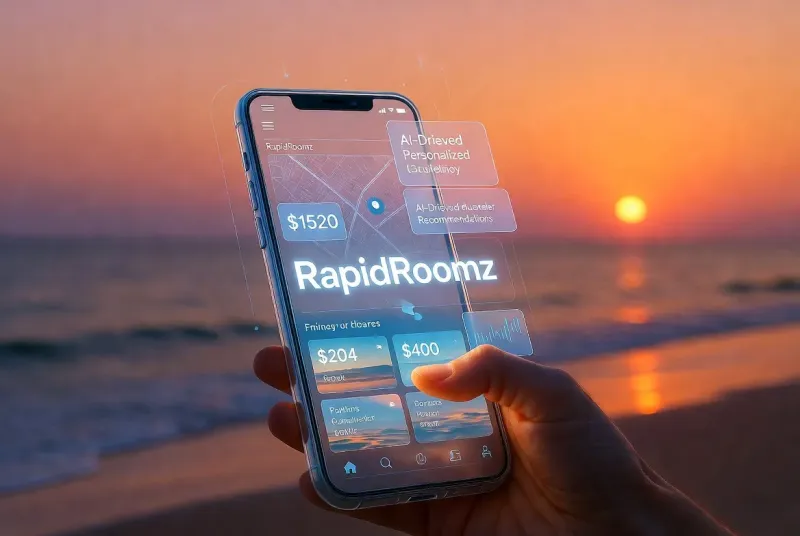
The travel industry is experiencing a digital revolution, and at the forefront of this transformation are Online Travel Agencies (OTAs) that are fundamentally reshaping how we discover, book, and experience travel. From the early days of basic hotel listings to today's AI-powered smart booking platforms like RapidRoomz.com, OTAs have evolved from simple intermediaries into sophisticated technology ecosystems that are making travel more accessible, personalized, and efficient than ever before.
Gone are the days when booking a hotel meant endless phone calls, fax confirmations, and hoping for the best. Today's travelers expect instant confirmation, transparent pricing, personalized recommendations, and seamless experiences across multiple devices. Modern OTAs are delivering on these expectations by leveraging cutting-edge technologies like artificial intelligence, machine learning, big data analytics, and mobile-first design to create booking platforms that are smarter, faster, and more intuitive.
This comprehensive guide explores how online travel agencies are transforming the global travel landscape, the technologies driving this evolution, and what makes next-generation platforms like RapidRoomz.com stand out in an increasingly competitive market. Whether you're a frequent traveler looking for better booking options, a travel industry professional seeking to understand market trends, or simply curious about how technology is reshaping travel, you'll discover how smart booking platforms are making travel more accessible, affordable, and enjoyable for everyone.
The Evolution of Online Travel Agencies: From Basic Listings to Smart Platforms
To understand where we are today, it's essential to understand the journey that OTAs have taken over the past three decades.
The First Generation: Digital Travel Agents (1990s-2000s)
The first OTAs emerged in the mid-1990s as the internet became commercially viable. Platforms like Expedia (1996), Priceline (1997), and Booking.com (1996) digitized the traditional travel agency model, allowing consumers to search and book flights, hotels, and rental cars online.
Key characteristics:
- Basic search functionality: Simple filters for dates, locations, and price ranges
- Static inventory: Limited real-time availability updates
- Desktop-only: Designed exclusively for desktop computers
- Standard pricing: Fixed rates with limited dynamic pricing
- Minimal personalization: One-size-fits-all approach to all users
These platforms were revolutionary for their time, offering convenience and choice that traditional travel agencies couldn't match. However, they were essentially digital catalogs with booking capabilities.
The Second Generation: Mobile and Social Integration (2010s)
The smartphone revolution of the late 2000s and early 2010s forced OTAs to completely reimagine their platforms. Mobile bookings exploded, and OTAs had to adapt quickly or risk obsolescence.
Key innovations:
- Mobile apps: Native iOS and Android applications for on-the-go booking
- Last-minute deals: Real-time inventory and flash sales
- Social proof: User reviews, ratings, and photos became central to decision-making
- Dynamic pricing: Real-time price adjustments based on demand, seasonality, and competition
- Loyalty programs: Points, rewards, and member-exclusive deals
This era also saw the rise of meta-search engines like Kayak, Trivago, and Skyscanner, which aggregated results from multiple OTAs, giving consumers more transparency and choice.
The Third Generation: AI-Powered Smart Platforms (2020s-Present)
Today's leading OTAs are leveraging artificial intelligence, machine learning, and advanced data analytics to create truly intelligent booking experiences. Platforms like RapidRoomz.com represent this new generation of smart travel platforms.
Defining features:
- AI-powered recommendations: Personalized suggestions based on behavior, preferences, and context
- Predictive pricing: Machine learning algorithms that predict price trends and optimal booking times
- Natural language processing: Conversational interfaces and chatbots for customer service
- Hyper-personalization: Unique experiences tailored to individual travelers
- Seamless omnichannel experience: Consistent experience across web, mobile, voice, and emerging platforms
- Blockchain integration: Secure, transparent transactions and smart contracts
- Augmented reality: Virtual property tours and destination previews
This generation of OTAs isn't just about booking travel—it's about creating intelligent travel companions that understand your needs, anticipate your preferences, and make travel planning effortless.
How Technology Is Transforming the Travel Booking Experience
The transformation of OTAs is driven by several key technologies that are fundamentally changing how travelers search, compare, and book accommodations.
Artificial Intelligence and Machine Learning
AI and ML are the backbone of modern smart booking platforms, enabling capabilities that were impossible just a few years ago.
Personalized Search Results:
Traditional OTAs showed the same search results to everyone searching for "hotels in Paris." AI-powered platforms like RapidRoomz.com analyze hundreds of data points—including your past bookings, browsing behavior, budget, travel purpose, group size, and even the time of day you're searching—to present results that are uniquely relevant to you.
Dynamic Pricing Intelligence:
Machine learning algorithms analyze vast amounts of historical and real-time data to:
- Predict price trends for specific destinations and dates
- Identify the optimal time to book for maximum savings
- Detect price anomalies and alert travelers to exceptional deals
- Adjust prices in real-time based on demand, competition, and inventory
Intelligent Chatbots and Virtual Assistants:
Natural Language Processing (NLP) enables 24/7 customer service through AI-powered chatbots that can:
- Answer complex questions about properties and destinations
- Modify bookings and handle special requests
- Provide destination recommendations and travel tips
- Resolve issues instantly without human intervention
Big Data and Predictive Analytics
Modern OTAs process petabytes of data daily, extracting insights that benefit both travelers and properties.
For Travelers:
- Demand forecasting: Predicting which destinations will be popular and when
- Behavioral insights: Understanding what travelers value most (location vs. price vs. amenities)
- Seasonal trends: Identifying the best times to visit specific destinations
For Properties:
- Revenue optimization: Helping hotels set optimal prices based on demand forecasts
- Market intelligence: Providing insights into competitor pricing and positioning
- Guest preferences: Revealing what amenities and services guests value most
Mobile-First and Voice-First Design
The way people book travel has fundamentally shifted:
Mobile Dominance:
- Over 60% of travel bookings now happen on mobile devices
- Mobile apps offer features like offline access, mobile-exclusive deals, and location-based services
- Mobile wallets and one-click payments make booking frictionless
Voice Search Integration:
- Voice assistants like Alexa, Google Assistant, and Siri are becoming booking channels
- Natural voice queries like "Find me a beachfront hotel in Bali under $100" are becoming common
- Voice booking is particularly popular for last-minute and repeat bookings
Blockchain and Cryptocurrency
While still emerging, blockchain technology is beginning to impact OTAs:
Benefits:
- Transparent pricing: Eliminating hidden fees and showing exactly where money goes
- Secure transactions: Cryptographic security for payments and personal data
- Smart contracts: Automated enforcement of booking terms and cancellation policies
- Cryptocurrency payments: Accepting Bitcoin, Ethereum, and other cryptocurrencies
- Loyalty tokens: Blockchain-based reward systems that are more flexible and valuable
Augmented and Virtual Reality
AR and VR are transforming how travelers evaluate properties before booking:
Virtual Property Tours:
- 360-degree virtual tours that let you "walk through" hotel rooms and facilities
- Interactive floor plans showing exact room layouts
- Virtual neighborhood tours showing nearby attractions and amenities
Augmented Reality Features:
- Point your phone at a hotel to see ratings, prices, and availability overlaid on the building
- AR navigation to help you find your hotel or nearby points of interest
- Virtual try-before-you-buy for room upgrades and amenities
The Rise of Smart Booking Platforms: What Makes Them Different
Not all OTAs are created equal. Next-generation platforms like RapidRoomz.com distinguish themselves through several key characteristics that set them apart from traditional booking sites.
1. True Personalization vs. One-Size-Fits-All
Traditional OTAs: Show the same results to everyone searching for "hotels in New York."
Smart Platforms: Understand that a business traveler, a family on vacation, a solo backpacker, and a honeymooning couple all have different needs—even when searching for the same destination.
RapidRoomz.com approach:
- Analyzes your complete travel profile and history
- Considers context (business vs. leisure, solo vs. group, budget vs. luxury)
- Learns from your behavior (which properties you view, how long you spend, what you book)
- Adapts recommendations in real-time as you search and browse
2. Transparent, Fair Pricing
The Problem with Traditional OTAs:
- Hidden fees revealed only at checkout
- Dynamic pricing that sometimes penalizes loyal customers
- Confusing rate structures with multiple room types and conditions
- Price parity clauses that prevent properties from offering better deals direct
Smart Platform Solution:
- All-in pricing: Show total price including all fees upfront
- Price transparency: Explain why prices vary and what's included
- Price matching: Guarantee best rates or match competitor prices
- Loyalty rewards: Actually reward frequent users with better deals, not punish them
3. Seamless, Omnichannel Experience
Traditional Approach:
- Separate experiences for web, mobile app, and call center
- Bookings don't sync across devices
- Customer service can't access your complete history
Smart Platform Approach:
- Unified profile: Your preferences, bookings, and history sync across all devices
- Seamless transitions: Start searching on mobile, continue on desktop, complete via voice
- Contextual continuity: Customer service agents see your complete journey and context
- Offline functionality: Access bookings and important information without internet
4. Intelligent Customer Support
Traditional OTA Support:
- Long wait times on phone
- Generic email responses
- Limited self-service options
- Inconsistent information across channels
Smart Platform Support:
- 24/7 AI chatbots: Instant answers to common questions
- Proactive notifications: Alert you to flight changes, check-in times, local events
- Contextual help: Support that understands your specific booking and situation
- Multi-channel: Chat, email, phone, social media—all with consistent information
- Self-service tools: Easy modification, cancellation, and special requests
5. Curated, Quality-Focused Inventory
Traditional Approach:
- List everything available, regardless of quality
- Minimal vetting of properties
- Fake or misleading reviews
- Focus on quantity over quality
Smart Platform Approach:
- Quality verification: Vet properties for accuracy, cleanliness, and service
- Authentic reviews: Verified guest reviews only, with photo verification
- Curated collections: Hand-picked properties that meet specific standards
- Transparent ratings: Clear, consistent rating system across all properties
Benefits for Travelers: Why Smart Booking Platforms Matter
The evolution of OTAs isn't just about technology—it's about delivering real, tangible benefits to travelers.
Time Savings
Traditional booking: Hours spent comparing multiple sites, reading reviews, checking amenities, and verifying prices.
Smart platform booking: AI does the heavy lifting, presenting personalized options that match your preferences in seconds.
Real-world impact:
- Reduce search time by 70-80%
- Eliminate the need to visit multiple websites
- Instant answers to questions via chatbot
- Quick modifications and cancellations
Cost Savings
Smart platforms help travelers save money in multiple ways:
Price Prediction:
- AI analyzes historical data to predict whether prices will rise or fall
- Recommendations on whether to book now or wait
- Price drop alerts for watched destinations
Smart Deals:
- Personalized deals based on your travel patterns
- Flash sales and exclusive member pricing
- Bundled packages (flight + hotel + car) at discounted rates
- Loyalty rewards that actually provide value
Transparent Pricing:
- No hidden fees or surprise charges
- Clear breakdown of what's included
- Price matching guarantees
Better Travel Experiences
Beyond saving time and money, smart platforms enhance the actual travel experience:
Personalized Recommendations:
- Discover properties and destinations you'll love but might not have found otherwise
- Local experiences and activities tailored to your interests
- Restaurant recommendations based on your preferences
Seamless Journey:
- Integrated itinerary management (flights, hotels, activities, transportation)
- Real-time updates and notifications
- Easy access to important documents and information
- 24/7 support when things go wrong
Confidence in Booking:
- Verified reviews and photos
- Accurate property descriptions
- Flexible cancellation policies
- Secure payment processing
Accessibility and Inclusivity
Smart platforms are making travel more accessible to diverse travelers:
- Accessibility filters: Easy identification of wheelchair-accessible properties, rooms with specific accessibility features
- Multi-language support: Platforms available in dozens of languages
- Currency flexibility: Book in your preferred currency with transparent exchange rates
- Mobile-first design: Accessible to travelers who only have smartphones
- Voice interfaces: Helpful for travelers with visual impairments or those who prefer voice commands
Impact on the Travel Industry: Hotels, Airlines, and Beyond
The rise of smart OTAs is transforming not just how travelers book, but the entire travel ecosystem.
For Hotels and Accommodations
Benefits:
- Increased visibility: Access to global audience of millions of travelers
- Revenue optimization: AI-powered pricing tools help maximize revenue
- Marketing support: Platforms invest heavily in marketing that benefits all listed properties
- Technology access: Smaller properties get access to booking technology they couldn't afford independently
- Guest insights: Data on guest preferences and behavior
Challenges:
- Commission fees: Typically 15-25% of booking value
- Reduced direct bookings: Guests may book through OTA instead of hotel website
- Price parity requirements: Some OTAs require hotels to offer same rates across all channels
- Brand dilution: Risk of becoming a commodity in a sea of similar properties
Adaptation strategies:
- Focus on direct booking incentives (loyalty programs, exclusive amenities)
- Use OTAs for customer acquisition, then build direct relationships
- Differentiate through unique experiences and personalized service
- Leverage OTA data to improve operations and guest satisfaction
For Airlines
While airlines have their own booking systems, OTAs play a crucial role:
Benefits:
- Broader distribution and visibility
- Package deals that increase bookings
- Access to leisure travelers who might not book direct
- Dynamic pricing support
Challenges:
- Commission costs
- Price comparison pressure
- Reduced brand loyalty
For Traditional Travel Agencies
Traditional brick-and-mortar travel agencies have had to evolve or face obsolescence:
Adaptation strategies:
- Specialization: Focus on complex, high-value travel (luxury, corporate, destination weddings)
- Hybrid models: Combine OTA technology with personalized human service
- Niche expertise: Become experts in specific destinations or travel types
- Value-added services: Offer services OTAs can't (visa assistance, travel insurance, 24/7 support)
For Destinations and Tourism Boards
OTAs are becoming important partners for destinations:
- Marketing partnerships: Co-marketing campaigns to promote destinations
- Data insights: Information on traveler demographics, preferences, and trends
- Seasonal balancing: Promoting off-season travel to balance tourism
- Sustainable tourism: Promoting responsible travel practices
The Future of Online Travel Agencies: Emerging Trends
The evolution of OTAs is far from over. Several emerging trends will shape the next generation of travel booking platforms.
1. Hyper-Personalization Through AI
Future platforms will move beyond "people who booked this also booked..." to truly individualized experiences:
- Predictive personalization: AI anticipates your needs before you search
- Contextual awareness: Platforms understand your mood, purpose, and constraints
- Dynamic packaging: Automatically create custom packages based on your preferences
- Voice and conversational AI: Natural, human-like interactions with booking assistants
2. Sustainability and Responsible Travel
As travelers become more environmentally conscious, OTAs are responding:
- Carbon footprint tracking: Show environmental impact of different travel options
- Sustainable property certification: Highlight eco-friendly accommodations
- Carbon offset programs: Integrated options to offset travel emissions
- Local community support: Promote properties and experiences that benefit local communities
- Overtourism management: Promote alternative destinations and off-season travel
3. Blockchain and Decentralized Travel
Blockchain technology could fundamentally change how travel is booked and managed:
- Decentralized booking platforms: Peer-to-peer booking without intermediaries
- Smart contracts: Automated enforcement of booking terms
- Tokenized loyalty programs: Cryptocurrency-based rewards that are more flexible and valuable
- Transparent reviews: Immutable, verified reviews that can't be faked
- Identity management: Secure, portable digital identities for seamless travel
4. Immersive Technologies
AR, VR, and mixed reality will transform how we plan and experience travel:
- Virtual destination scouting: Explore destinations in VR before booking
- AR-enhanced travel: Real-time information overlaid on your surroundings
- Virtual concierge: AR assistants that help you navigate and discover
- Social VR travel: Explore destinations with friends in virtual reality
5. Integrated Travel Ecosystems
Future platforms will be more than booking sites—they'll be complete travel ecosystems:
- All-in-one platforms: Flights, hotels, activities, transportation, insurance, visas—all in one place
- Subscription models: Monthly or annual subscriptions for unlimited or discounted travel
- Travel banking: Integrated payment solutions, travel credit cards, and financial services
- Travel communities: Social features for sharing experiences and getting recommendations
- AI travel assistants: Personal AI that manages your entire travel lifecycle
6. Contactless and Frictionless Travel
The pandemic accelerated trends toward contactless travel that will continue:
- Digital check-in/check-out: No front desk interaction needed
- Mobile room keys: Unlock rooms with your smartphone
- Biometric authentication: Facial recognition for seamless airport and hotel experiences
- Contactless payments: Mobile wallets and cryptocurrency
- Automated customer service: AI handles most queries without human intervention
How to Choose the Right Online Travel Agency
With so many OTAs available, how do you choose the right one for your needs?
Key Factors to Consider
1. Inventory and Selection
- Does the platform have properties in your desired destinations?
- Is there a good mix of budget, mid-range, and luxury options?
- Are unique accommodations (boutique hotels, vacation rentals, eco-lodges) available?
2. Pricing and Fees
- Are prices competitive with other platforms?
- Are all fees disclosed upfront, or are there hidden charges?
- Are there loyalty programs or member discounts?
- Is there a price match guarantee?
3. User Experience
- Is the website and app easy to use?
- Is the search functionality powerful and intuitive?
- Are filters and sorting options comprehensive?
- Is the booking process quick and straightforward?
4. Customer Support
- Is support available 24/7?
- Are there multiple contact channels (phone, chat, email)?
- What are response times?
- Is support available in your language?
5. Reviews and Reputation
- Are reviews verified and authentic?
- Is there a good mix of positive and negative reviews?
- How does the platform handle complaints and issues?
- What do independent review sites say about the platform?
6. Flexibility and Policies
- What are cancellation policies?
- Are changes to bookings easy to make?
- Is travel insurance offered?
- What happens if something goes wrong?
7. Technology and Innovation
- Does the platform use modern technology (AI, mobile-first design)?
- Are there innovative features that enhance the booking experience?
- Is the platform regularly updated and improved?
Questions to Ask Before Booking
- Is the total price including all fees clearly displayed?
- What is the cancellation policy?
- Are reviews verified and recent?
- What payment methods are accepted?
- Is customer support available if I need help?
- Are there any restrictions or special conditions?
- Can I easily modify my booking if needed?
- What happens in case of emergencies or natural disasters?
Maximizing Value: Tips for Smart Booking
Once you've chosen an OTA, here's how to get the most value from it:
1. Book at the Right Time
For hotels:
- Book 1-3 months in advance for domestic travel
- Book 3-6 months in advance for international travel
- Last-minute deals can offer savings but limit choices
- Use price prediction tools if available
For flights:
- Book domestic flights 1-3 months in advance
- Book international flights 2-8 months in advance
- Tuesday and Wednesday are often cheapest days to fly
- Be flexible with dates for best prices
2. Use Price Comparison Tools
- Check multiple OTAs before booking
- Use meta-search engines to compare prices
- Check the property's direct website (sometimes offers better rates)
- Set up price alerts for your desired destinations
3. Leverage Loyalty Programs
- Join loyalty programs for your favorite OTAs
- Concentrate bookings on one or two platforms to maximize rewards
- Look for status match opportunities
- Use co-branded credit cards for additional benefits
4. Be Flexible
- Flexible dates can save 20-40%
- Consider alternative airports or nearby cities
- Be open to different property types (hotels, vacation rentals, hostels)
- Travel during shoulder seasons for better prices and fewer crowds
5. Read the Fine Print
- Understand cancellation and change policies
- Check what's included (breakfast, wifi, parking, taxes)
- Verify check-in/check-out times
- Review property policies (pets, smoking, children)
6. Use Mobile Apps
- Mobile-exclusive deals and discounts
- Easier to manage bookings on the go
- Push notifications for price drops and deals
- Offline access to booking confirmations
7. Bundle Services
- Flight + hotel packages often save 10-25%
- Car rental + hotel bundles
- Activity packages with accommodations
- Multi-city or multi-destination packages
Conclusion: The Future of Travel Is Smart, Personalized, and Accessible
Online travel agencies have come a long way from simple digital catalogs to intelligent, AI-powered platforms that are fundamentally reshaping how we discover, book, and experience travel. Companies like RapidRoomz.com and other next-generation OTAs are leading this transformation, leveraging cutting-edge technology to make travel more accessible, affordable, and enjoyable for everyone.
The benefits are clear: travelers save time and money, enjoy more personalized experiences, and have access to better information and support. The travel industry benefits from increased visibility, better revenue management, and valuable data insights. And destinations benefit from increased tourism and better visitor management.
Key takeaways:
- Technology is transforming travel: AI, machine learning, big data, and mobile technology are creating smarter, more personalized booking experiences
- Choice and transparency are increasing: Travelers have more information, more options, and more control than ever before
- The industry is evolving: Hotels, airlines, and traditional agencies must adapt or risk obsolescence
- The future is integrated: Expect all-in-one platforms that manage your entire travel journey
- Sustainability matters: Future platforms will prioritize responsible and sustainable travel
As we look to the future, one thing is certain: online travel agencies will continue to evolve, becoming even more intelligent, personalized, and integrated into our daily lives. The question isn't whether to use OTAs—it's which platforms will best serve your needs and help you create the travel experiences you desire.
Your next adventure is just a click away. Whether you're planning a weekend getaway, a family vacation, or a round-the-world journey, smart booking platforms like RapidRoomz.com are here to make the process easier, smarter, and more enjoyable. Embrace the technology, take advantage of the tools available, and start creating the travel experiences you've always dreamed of.
The future of travel is here—and it's smarter, more personalized, and more accessible than ever before. Welcome to the new era of travel booking.