
Balance Work, Wellness and Life: 2026 Guide
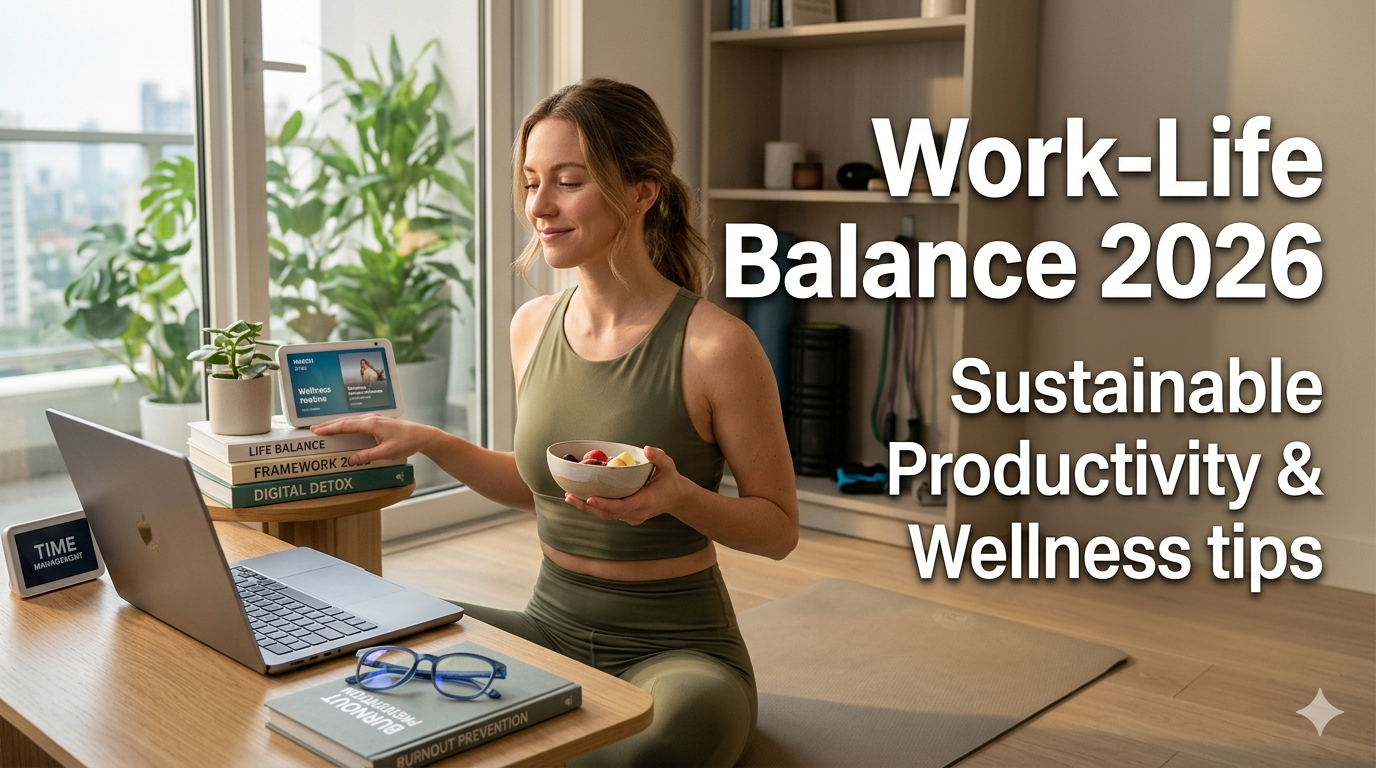
Mastering Work, Wellness, and Personal Life in a Rapidly Changing World
In 2026, balancing work, wellness, and personal life isn't just a nice-to-have—it's essential for long-term success, health, and happiness. With AI reshaping industries, remote and hybrid work becoming standard, and digital distractions multiplying, the pressure to "do it all" has never been higher. This comprehensive guide provides practical, research-backed strategies to help you create sustainable balance without sacrificing your career, health, or relationships.
The truth about work-life balance is that it's not about perfect equality between all areas of life every single day. It's about intentional choices, flexible boundaries, and regular recalibration. In a world that moves faster than ever, learning to protect your energy, prioritize what matters, and build resilient habits is the key to thriving—not just surviving.
Why Balance Matters More Than Ever in 2026
The Modern Challenges We Face
Today's professionals navigate a uniquely complex landscape. Artificial intelligence is automating tasks while creating new demands for upskilling. Remote work offers flexibility but blurs the line between office and home. Social media and constant connectivity create an "always-on" culture that makes true disconnection feel impossible.
Burnout rates continue to rise across industries. A 2025 global workforce study found that 68% of professionals report feeling chronically overwhelmed, while 52% struggle to maintain meaningful personal relationships due to work demands. These aren't just statistics—they reflect real human experiences of exhaustion, disconnection, and lost joy.
The good news? Awareness is growing. Companies are investing in employee wellness programs. Individuals are prioritizing mental health. And new tools and frameworks are emerging to support sustainable success. The key is learning to apply these resources intentionally.
What Happens When Balance Fails
Ignoring the need for balance doesn't make the pressure disappear—it compounds it. Chronic imbalance typically shows up as:
- Physical symptoms: fatigue, headaches, weakened immunity
- Mental health impacts: anxiety, brain fog, irritability
- Relationship strain: missed moments, emotional unavailability
- Professional consequences: decreased creativity, burnout, turnover
- Personal regret: feeling like life is passing you by
Recognizing these warning signs early gives you the power to course-correct before small imbalances become major crises. Balance isn't selfish—it's strategic self-preservation.
A Practical Framework for Sustainable Balance
Step 1: Clarify Your Non-Negotiables
Before you can balance anything, you need to know what matters most. Take 15 minutes to reflect: What three things must happen each week for you to feel fulfilled? Maybe it's a workout, dinner with family, or uninterrupted focus time for a passion project.
Write these non-negotiables down and treat them like unbreakable appointments. When your calendar fills up, these items get priority—not the leftover time. This simple shift moves you from reactive scheduling to intentional living.
Step 2: Design Your Ideal Week
Balance doesn't happen by accident. It requires planning. Block time for work, wellness, and personal life in your calendar before the week begins. Use color-coding to visualize the distribution:
- Blue: Deep work and meetings
- Green: Exercise, meditation, meals
- Yellow: Family, friends, hobbies
- Gray: Buffer time and transitions
Include transition buffers between activities. Rushing from a work call to picking up kids creates stress. A 10-minute buffer to breathe, hydrate, or reset makes a surprising difference in your mental state.
Step 3: Build Micro-Habits That Stick
Big lifestyle overhauls rarely last. Instead, focus on tiny, consistent actions that compound over time:
Wellness micro-habits: Drink a glass of water upon waking, take three deep breaths before checking email, walk for five minutes after lunch.
Work micro-habits: Start each day by identifying your top three priorities, batch similar tasks, end your workday with a shutdown ritual.
Personal life micro-habits: Send one thoughtful text daily, keep a gratitude note on your phone, schedule one "no-agenda" hour weekly.
Consistency beats intensity. Five minutes of daily movement matters more than one monthly marathon workout. Small habits build the foundation for lasting balance.
Setting Boundaries in an Always-On World
How to Protect Your Time and Energy
Boundaries aren't walls—they're filters that help you decide what deserves your attention. In 2026, digital boundaries are as important as physical ones.
Communicate your availability clearly: Use calendar status indicators, set email auto-responders for off-hours, and let colleagues know your typical response times. Most people respect clear expectations.
Create tech-free zones: Designate certain spaces (like the dinner table or bedroom) or times (first hour after waking, last hour before bed) as device-free. This protects mental space for rest and connection.
Practice the power of "no": You don't need to justify declining requests that don't align with your priorities. A polite "I can't commit to that right now" preserves your energy for what matters.
Managing Remote and Hybrid Work Challenges
Working from home offers flexibility but can blur boundaries. Create physical and psychological separation between work and personal life:
- Designate a specific workspace, even if it's just a corner of a room
- Start and end your day with a ritual (a walk, changing clothes, a short meditation)
- Use separate devices or user profiles for work vs. personal use when possible
- Communicate your "office hours" to household members
When your home is your office, intentionality becomes your best tool for maintaining separation and preventing work from expanding to fill all available time.
Wellness Practices That Fit a Busy Schedule
Movement, Nutrition, and Mental Health Made Simple
You don't need hours at the gym or elaborate meal prep to support your wellness. Focus on sustainable, integrated practices:
Movement: Aim for consistency over duration. A 15-minute walk, desk stretches, or a short home workout counts. Schedule movement like any other appointment. Try "exercise stacking"—pair activity with something you already do, like listening to a podcast while walking.
Nutrition: Prioritize simple, nourishing choices. Keep healthy snacks visible and convenient. Batch-cook staples on weekends. Hydrate consistently—keep a water bottle at your desk. Remember: progress, not perfection.
Mental health: Build brief mindfulness practices into your day. Try box breathing (inhale 4, hold 4, exhale 4, hold 4) before stressful meetings. Use apps for 5-minute guided meditations. Journal for three minutes before bed to process the day.
The Power of Rest and Recovery
Rest isn't laziness—it's a performance strategy. Your brain consolidates learning, repairs cells, and resets emotionally during downtime. Yet many professionals treat rest as optional.
Schedule rest intentionally: Block "do nothing" time on your calendar. Take real lunch breaks away from your screen. Protect one full day weekly for recharge (no work emails, no productivity pressure).
Quality sleep is non-negotiable: Aim for 7-9 hours. Create a wind-down routine: dim lights, avoid screens 60 minutes before bed, keep your bedroom cool and dark. Sleep impacts every aspect of balance—mood, focus, immunity, and decision-making.
Prioritizing Personal Life Without Guilt
Reclaiming Time for Relationships and Joy
Personal life often gets squeezed when work demands surge. But relationships and hobbies aren't luxuries—they're essential for resilience and happiness.
Schedule connection: Just as you'd book a client meeting, schedule time with loved ones. A weekly coffee with a friend, a monthly date night, or a daily 10-minute check-in with family. Put it on the calendar and protect it.
Embrace "good enough": Perfectionism steals time and joy. A simple home-cooked meal beats takeout guilt. A 20-minute walk with your partner counts as quality time. Let go of unrealistic standards that drain your energy.
Protect your hobbies: Creative outlets and leisure activities recharge your brain. Even 30 minutes weekly reading, gardening, or playing music reduces stress and boosts creativity that benefits your work too.
Managing Family and Caregiving Responsibilities
For parents, caregivers, or those supporting aging relatives, balance requires extra planning and self-compassion.
- Build a support network: share responsibilities with partners, family, or trusted friends
- Use technology wisely: shared calendars, meal delivery, or virtual check-ins can reduce logistical stress
- Ask for help: delegate tasks at work and home when possible
- Practice self-compassion: some days will be messy, and that's okay
You can't pour from an empty cup. Taking care of yourself isn't selfish—it enables you to show up fully for others.
Common Balance Mistakes to Avoid in 2026
Pitfalls That Undermine Your Efforts
Even with good intentions, certain habits can sabotage your balance. Watch out for these common traps:
Mistake 1: Trying to do everything perfectly. Balance isn't about flawless execution in every area daily. It's about progress and adjustment. Aim for "good enough" in lower-priority areas so you can excel where it matters most.
Mistake 2: Waiting for the "right time" to start. There will never be a perfectly calm period to implement balance strategies. Start small today. One boundary, one habit, one protected hour. Momentum builds from action, not waiting.
Mistake 3: Ignoring early warning signs. Fatigue, irritability, or dread about work are signals—not weaknesses. Address them early with rest, boundary adjustments, or support before they escalate.
Mistake 4: Comparing your journey to others. Social media showcases highlights, not realities. Your balance will look different based on your season, responsibilities, and values. Focus on your own progress.
Expert Tips and Tools for 2026 Success
Technology That Supports (Not Sabotages) Balance
Used intentionally, technology can enhance balance rather than disrupt it:
Productivity tools: Use task managers (Todoist, TickTick) to capture to-dos so your brain isn't holding them. Try time-blocking apps (Sunsama, Motion) to plan your week visually.
Wellness apps: Meditation (Insight Timer, Calm), movement (Nike Training Club, Down Dog), and sleep (Sleep Cycle) apps offer guided support in minutes a day.
Boundary tools: Set app limits on your phone, use "focus mode" during deep work, and schedule "do not disturb" hours to protect personal time.
AI assistants: Use AI to draft emails, summarize meetings, or brainstorm ideas—freeing mental energy for higher-value work and personal time.
When to Seek Additional Support
Sometimes balance requires more than self-help strategies. Reach out for professional support if you experience:
- Persistent anxiety, depression, or burnout symptoms
- Physical health issues linked to stress
- Relationship conflicts due to work pressure
- Difficulty functioning despite trying multiple strategies
Therapists, coaches, and employee assistance programs exist to help. Seeking support is a sign of strength and self-awareness, not failure.
Frequently Asked Questions About Work-Life-Wellness Balance
How do I start balancing work and personal life when I'm already overwhelmed?
Start with one small change. Pick one non-negotiable (like a 10-minute walk or no-email dinner) and protect it for one week. Small wins build confidence and momentum. Don't try to overhaul everything at once.
Is it possible to have balance with a demanding career?
Yes, but balance looks different at different life stages. It might mean intense work periods balanced with dedicated recovery time. The key is intentionality—choosing where to invest energy and regularly reassessing priorities.
How do I handle guilt when prioritizing personal time?
Reframe guilt as a sign you care deeply—but remember that rest and relationships fuel your ability to show up well in all areas. You're not neglecting responsibilities; you're sustaining your capacity to meet them.
What if my workplace doesn't support work-life balance?
Start with what you can control: your boundaries, your habits, your self-care. Document your productivity to advocate for flexibility. If the culture is truly toxic, consider whether this environment aligns with your long-term well-being.
How often should I reassess my balance?
Check in monthly for quick adjustments and do a deeper review quarterly. Life changes—new projects, family needs, health shifts—require recalibration. Balance is a practice, not a one-time achievement.
Building Resilience for Long-Term Success
Adapting to Change Without Losing Yourself
The world will keep changing. New technologies, economic shifts, and personal transitions are inevitable. Resilience isn't about avoiding change—it's about developing the flexibility to adapt while staying grounded in your values.
Cultivate a growth mindset: View challenges as opportunities to learn rather than threats to your stability. This mental shift reduces stress and opens creative solutions.
Build a support community: Connect with others navigating similar challenges. Share strategies, celebrate wins, and normalize struggles. You don't have to figure it all out alone.
Practice regular reflection: Weekly, ask yourself: What energized me this week? What drained me? What one adjustment would make next week better? Small course-corrections prevent major detours.
Your Action Plan for Immediate Impact
Start Today with These Three Steps
You don't need to wait for Monday or next month. Begin building balance right now:
Step 1: Audit your time. For three days, track how you spend each hour. Notice patterns: Where does time leak? What activities energize vs. drain you? Awareness is the first step to change.
Step 2: Choose one boundary to set. Maybe it's no work emails after 7 PM, a protected lunch break, or Sunday mornings offline. Communicate it and implement it this week.
Step 3: Schedule one wellness activity. Block 20 minutes this week for a walk, meditation, or hobby. Treat it as non-negotiable. Notice how it impacts your mood and productivity.
Progress compounds. One boundary leads to another. One wellness habit builds momentum. Small, consistent actions create transformative change over time.
Conclusion: Balance Is a Practice, Not a Destination
In a rapidly changing world, the goal isn't perfect equilibrium every day. It's developing the awareness, tools, and flexibility to navigate seasons of intensity with intention and recover with purpose.
You are the architect of your life. No algorithm, boss, or social expectation gets to decide your priorities without your consent. By clarifying your values, setting compassionate boundaries, and building sustainable habits, you create a life where work, wellness, and personal joy coexist.
Start where you are. Use what you have. Do what you can. One small choice at a time, you're building a balanced, resilient, and fulfilling life in 2026 and beyond.
Your well-being matters. Your relationships matter. Your dreams matter. And yes, your work matters too. The art of balance is weaving these threads together in a way that feels authentic to you. That's not just possible—it's within your reach, starting today.