

Create Calm Clutter-Free Nursery Small Dhaka Apartment
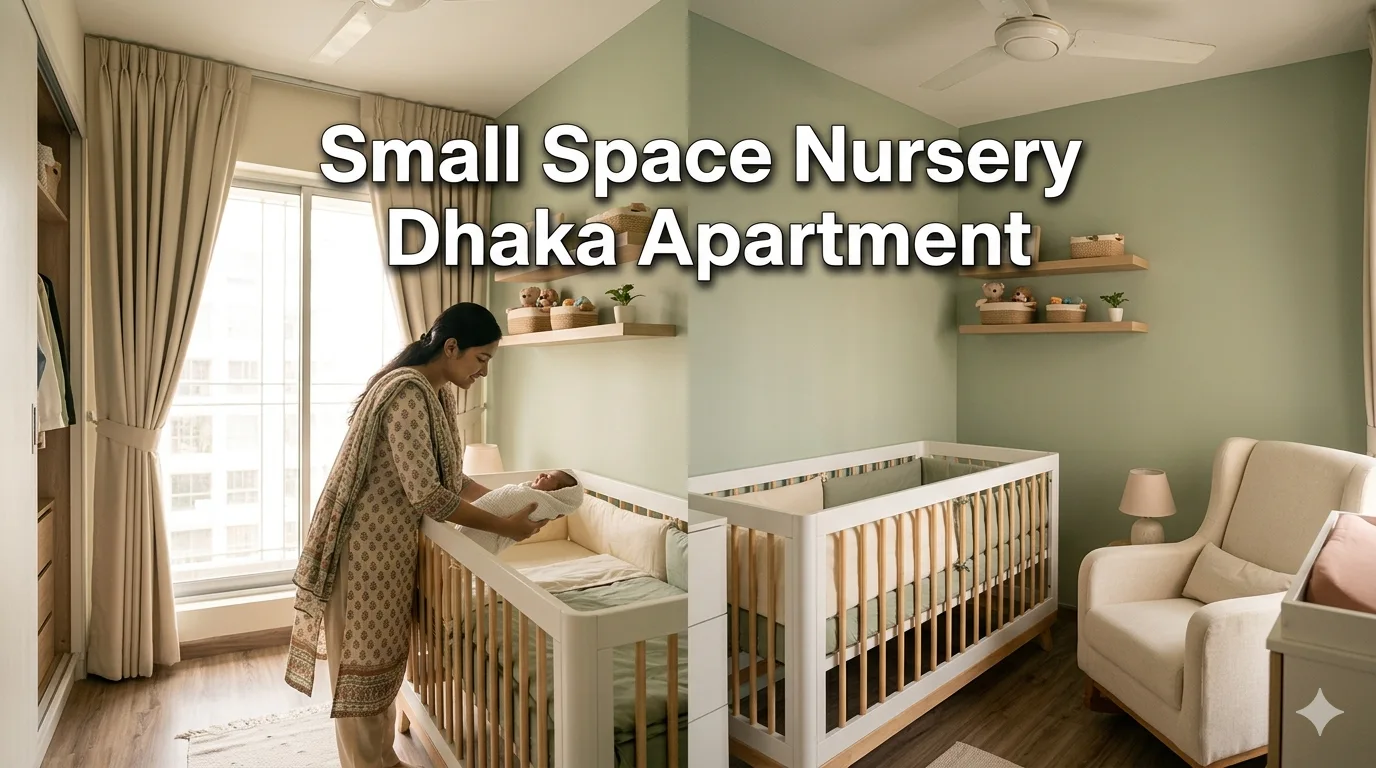
Living in a Dhaka apartment often means working with limited space, especially when preparing for a new baby. The thought of fitting a crib, changing table, nursing chair, and all the baby essentials into a compact room can feel overwhelming. But here's the good news: you don't need a sprawling nursery to create a peaceful, functional space for your little one. With thoughtful planning, smart storage solutions, and a minimalist mindset, you can design a calm, clutter-free nursery in your small Dhaka apartment that promotes better sleep, reduces stress, and makes daily baby care easier.
In Bangladesh's bustling capital, where apartment sizes are shrinking and multi-generational living is common, creating a dedicated baby space requires creativity and intentionality. The humid climate, limited storage, and urban noise present unique challenges that Western nursery design guides rarely address. This comprehensive guide is tailored specifically for Dhaka parents, offering practical, culturally relevant solutions that work within the constraints of typical Bangladeshi apartments.
Whether you're expecting your first child or making room for a new addition in an already-full home, this step-by-step guide will show you how to maximize every square foot, choose the right furniture, implement smart storage systems, and maintain a serene environment that benefits both baby and parents. From selecting space-saving furniture available in Bangladesh to organizing baby clothes in humid weather, we'll cover everything you need to create a nursery that's both beautiful and highly functional.
Why a Clutter-Free Nursery Matters for Baby and Parents
Before diving into the practical steps, it's important to understand why creating a calm, organized nursery is worth the effort—especially in a small Dhaka apartment.
Better Sleep Quality: A cluttered, chaotic environment can overstimulate babies and make it harder for them to settle down. A minimalist nursery with soft colors, minimal visual distractions, and organized spaces promotes relaxation and better sleep patterns for both baby and parents.
Reduced Parental Stress: When everything has a designated place and the space feels organized, daily baby care routines become smoother and less stressful. In the sleep-deprived early months, having an orderly nursery can make a significant difference in your mental well-being.
Easier Cleaning and Maintenance: Dhaka's dust and pollution mean frequent cleaning is necessary. A clutter-free nursery with minimal items and smart storage is much easier to keep clean, reducing allergens and creating a healthier environment for your baby.
Cost-Effective: By focusing on essentials and avoiding unnecessary purchases, you save money—a crucial consideration for young families in Bangladesh. A minimalist approach means buying fewer, higher-quality items that truly serve a purpose.
Flexibility for Growing Needs: A simple, well-organized nursery can adapt more easily as your baby grows and their needs change, without requiring complete room overhauls.
Assessing Your Space: The First Step
Before buying anything or moving furniture, take time to properly assess your available space. This crucial first step will inform all your subsequent decisions.
Measure Everything
In a small Dhaka apartment, every inch counts. Use a measuring tape to record:
- Room dimensions: Length, width, and height of the nursery space
- Door and window placements: Note their exact locations and dimensions
- Electrical outlets: Mark where outlets are located for lamps, fans, or monitors
- Closet space: Measure wardrobe or almirah dimensions if using for baby storage
- Ceiling height: Important if considering loft storage or tall furniture
Create a floor plan: Sketch a simple floor plan on graph paper or use free apps like RoomSketcher or Planner 5D. This visual representation helps you experiment with different furniture arrangements before making purchases.
Identify Your Nursery Zone
In many Dhaka apartments, you might not have a dedicated nursery room. Instead, you may need to create a baby zone within:
- Your bedroom (most common for newborns)
- A section of the living room
- A converted study or guest room
- A partitioned area in a multi-purpose room
Whatever space you're working with, identify the key functional zones you'll need:
- Sleeping area: For crib or bassinet
- Changing area: For diaper changes and dressing
- Feeding/nursing area: Comfortable seating for feeding
- Storage area: For clothes, diapers, and supplies
Consider Dhaka-Specific Factors
When assessing your space, keep these local considerations in mind:
Ventilation and airflow: Dhaka's heat and humidity require good air circulation. Ensure your nursery layout doesn't block windows or fans.
Noise levels: If your apartment faces a busy street, position the crib away from windows or invest in sound-dampening curtains.
Light exposure: Consider which direction your windows face. East-facing rooms get morning sun (good for waking up), while west-facing rooms can get very hot in the afternoon.
Power backup: If you have generator or IPS backup, ensure the nursery has access to it for fans, lights, or baby monitors during load shedding.
Essential Furniture: Less Is More
The key to a clutter-free nursery is being selective about furniture. In a small Dhaka apartment, every piece must earn its place by serving a clear, essential function.
The Absolute Essentials
1. Crib or Bassinet
For newborns, a bassinet or Moses basket works well for the first 3-4 months and takes up less space than a full crib. Look for:
- Compact, foldable designs that can be stored when not in use
- Portable bassinets that can move between rooms
- Convertible cribs that transform into toddler beds (long-term value)
Dhaka shopping tip: Check stores like Baby World, Aarong Baby, or online platforms like Pickaboo and Daraz for space-saving crib options. Consider second-hand furniture from trusted sources to save money.
2. Multi-Functional Changing Solution
Instead of a dedicated changing table (which takes up significant floor space), consider:
- Changing pad on top of a dresser: This dual-purpose solution saves space and provides storage below
- Portable changing mat: Can be used on your bed, floor, or any flat surface
- Wall-mounted changing station: Folds down when needed, folds up when not in use
3. Comfortable Seating
You'll spend countless hours feeding, soothing, and bonding with your baby. Choose seating wisely:
- Compact glider or rocking chair: Look for smaller-scale options suitable for Dhaka apartments
- Comfortable armchair with ottoman: Can double as guest seating
- Floor cushion or bean bag: Takes minimal space and can be stored when not in use
Budget alternative: If space and budget are tight, use your bed for nursing with plenty of pillows for support, and change baby on a portable mat.
Smart Storage Solutions
4. Vertical Storage
When floor space is limited, go vertical:
- Wall-mounted shelves: Install floating shelves above the crib or changing area for books, toys, and decorative items
- Over-door organizers: Utilize the back of doors for diapers, wipes, and small items
- Tall, narrow bookcases: Provide storage without taking up much floor space
5. Under-Crib Storage
Maximize the space beneath the crib with:
- Rolling storage bins for out-of-season clothes
- Vacuum-sealed bags for bulky items like blankets
- Shallow drawers for frequently used items
6. Multi-Purpose Furniture
Every piece should work harder in a small space:
- Ottoman with storage: Provides seating, footrest, and hidden storage
- Nesting tables: Can be separated when needed, nested together when not
- Foldable furniture: Chairs, tables, or storage that can be tucked away
Choosing a Calming Color Palette for Small Spaces
The colors you choose can dramatically impact how spacious and peaceful your nursery feels. In a small Dhaka apartment, strategic color choices can make the room feel larger and more serene.
Light, Neutral Colors
Why they work: Light colors reflect natural light, making rooms feel more open and airy—crucial in compact spaces.
Recommended colors for Dhaka nurseries:
- Soft white or cream: Creates a clean, bright backdrop
- Pale gray: Modern, gender-neutral, and calming
- Blush pink: Warm and soothing without being overwhelming
- Sage green: Brings nature indoors, very on-trend
- Soft blue: Classic nursery color that promotes calm
Dhaka consideration: Lighter colors also show dust less than dark colors, making maintenance easier in Dhaka's dusty environment.
Accent Colors
Add visual interest without overwhelming the space:
- Choose one or two accent colors maximum
- Use accents sparingly: in textiles, artwork, or small decor items
- Keep accents in the same color family for cohesion
Avoid These Color Mistakes
- Too many colors: Creates visual chaos in a small space
- Dark walls: Make rooms feel smaller and can absorb precious light
- Busy patterns: Overwhelming in compact spaces; opt for simple, subtle patterns instead
- High-contrast combinations: Can be overstimulating for babies
Smart Storage and Organization Systems
Effective storage is the backbone of a clutter-free nursery. In a small Dhaka apartment, you need systems that maximize every inch while keeping essentials easily accessible.
Clothing Storage Solutions
1. Rotate Seasonally
Bangladesh doesn't have extreme seasons, but you still have different clothing needs:
- Keep only current-season clothes in the nursery
- Store out-of-season items in vacuum-sealed bags under the bed or in a wardrobe elsewhere
- Babies grow quickly—don't keep too many clothes in one size
2. Use Vertical Drawer Dividers
Instead of stacking clothes (which creates mess when you pull one item out), fold baby clothes vertically using the KonMari method. This allows you to see everything at once and prevents piles from toppling.
3. Hanging Organizers
For wardrobes or almirahs:
- Use hanging shelf organizers for folded items
- Install a second hanging rod below the main one for shorter baby clothes
- Use slim, non-slip hangers to maximize hanging space
Diaper and Feeding Supply Organization
1. Create a Diaper Station
Keep all diaper-changing essentials in one portable caddy or basket:
- Diapers (one pack in station, rest stored elsewhere)
- Wipes
- Diaper cream
- Changing pad
- Extra clothes
- Small toys for distraction
This portable system means you can change baby anywhere in the apartment, not just in the nursery.
2. Feeding Supply Storage
For breastfeeding moms:
- Keep nursing supplies (nursing pads, nipple cream, burp cloths) in a small basket near your nursing chair
- Use a rolling cart that can move between nursery and bedroom
For formula feeding:
- Store formula, bottles, and cleaning supplies together
- Use a small countertop organizer if preparing formula in the nursery
Toy and Book Storage
1. The "Less Is More" Approach
Babies don't need many toys. Rotate a small selection every few weeks to keep things fresh without clutter:
- Keep 5-7 toys accessible at a time
- Store the rest in labeled bins elsewhere
- Rotate monthly to maintain interest
2. Open Bins and Baskets
Use open storage for easy access:
- Fabric bins that fit on shelves
- Woven baskets for a natural look
- Clear plastic bins so you can see contents
3. Book Display
Instead of stacking books (which makes it hard for little hands to choose):
- Use forward-facing bookshelves that display covers
- Install a simple ledge or picture rail to display books
- Keep only 10-15 books accessible; rotate the rest
Utilizing "Dead" Space
Every apartment has underutilized spaces. In Dhaka's compact apartments, these become goldmines:
- Behind the door: Over-door organizers for small items
- Under the crib: Rolling bins or vacuum bags
- Corners: Corner shelves or a small corner changing station
- Above the door: High shelf for items you rarely need
- Window area: Window seat with storage underneath (if space allows)
Creating Zones in a Small Space
Even in a compact nursery, creating distinct zones helps maintain order and makes the space feel more organized.
Sleep Zone
Location: Position the crib away from:
- Direct sunlight (use blackout curtains)
- Heating/cooling vents
- Noisy areas (street-facing walls if possible)
- Electrical outlets (for safety)
Keep it minimal: The sleep zone should have:
- Crib or bassinet only
- Blackout curtains for better naps
- White noise machine or fan (helps mask Dhaka's street noise)
- Minimal decor to avoid overstimulation
Changing Zone
Essential elements:
- Changing surface (pad on dresser or dedicated table)
- Diaper caddy with essentials
- Hamper for dirty clothes (preferably with lid to contain odors)
- Easy access to clean clothes
Safety first: Never leave baby unattended on a changing surface. Keep one hand on baby at all times.
Feeding/Nursing Zone
Comfort is key:
- Comfortable chair with good back support
- Small side table for water, snacks, phone, burp cloths
- Good lighting (dimmable lamp ideal for night feedings)
- Footrest or ottoman
Multi-purpose tip: If space is extremely limited, your bed can serve as the nursing zone with plenty of pillows for support.
Play Zone
Floor space: Even in a small nursery, try to maintain some clear floor space for:
- Tummy time
- Play mats
- Crawling practice as baby grows
Storage nearby: Keep toy storage accessible from the play zone so cleanup is easy.
Lighting Strategies for Small Nurseries
Proper lighting can make a small nursery feel larger and more functional. In Dhaka apartments, where natural light varies and power outages occur, a layered lighting approach is essential.
Maximize Natural Light
Window treatments:
- Use light, airy curtains that can be pulled back completely during the day
- Install blackout curtains or blinds for nap time and nighttime
- Keep windows clean to maximize light entry
Mirror placement: A strategically placed mirror can reflect natural light and make the room feel larger. Position it opposite a window for maximum effect.
Layered Artificial Lighting
1. Overhead Lighting
- Ceiling fan with light (essential in Dhaka's climate)
- Flush-mount or semi-flush mount fixtures (don't take up vertical space)
- Dimmable bulbs for adjustable brightness
2. Task Lighting
- Table lamp near nursing chair (for reading and night feedings)
- Small lamp on changing table (for nighttime diaper changes)
- Adjustable brightness for different times of day
3. Ambient Lighting
- String lights or fairy lights for soft glow
- Night light for navigating at night without fully waking baby
- Battery-operated LED lights for power outage backup
Lighting for Load Shedding
Dhaka's occasional power cuts require preparation:
- Keep rechargeable LED lamps in the nursery
- Battery-powered night lights
- If you have IPS/generator backup, ensure nursery lights are connected
- Flashlight in an accessible location (but not where baby can reach)
Maintaining a Clutter-Free Nursery Long-Term
Creating a clutter-free nursery is one thing; maintaining it is another. With a baby in the house, mess can accumulate quickly. Here's how to stay organized:
Daily Habits
1. The "One-Minute Reset"
Before bed, spend one minute:
- Returning items to their designated spots
- Folding and putting away clean clothes
- Wiping down the changing surface
- Clearing dirty dishes or bottles
This small daily effort prevents mess from snowballing.
2. Deal with Mail and Paper Immediately
Baby-related paperwork (doctor's notes, vaccination records, receipts) can quickly pile up:
- Create a simple filing system in a drawer
- Recycle junk mail immediately
- Digitize important documents when possible
Weekly Maintenance
1. Laundry System
Baby clothes multiply quickly. Stay on top of laundry:
- Do small loads frequently rather than letting piles accumulate
- Involve family members in folding and putting away
- Immediately store outgrown clothes to free up space
2. Toy Rotation
Once a week:
- Assess which toys baby is actually using
- Put away toys that aren't being played with
- Rotate in different toys from storage
Monthly Deep Organization
1. Growth Assessment
Every month:
- Remove clothes that no longer fit
- Adjust furniture height as baby grows (lower crib mattress, etc.)
- Reassess storage needs and adjust accordingly
2. Declutter Session
Once a month, do a quick declutter:
- Check for broken toys or items to donate
- Recycle packaging and boxes
- Wipe down all surfaces thoroughly
- Reorganize any areas that have become messy
Seasonal Organization
Every 3-4 months:
- Deep clean the nursery
- Rotate seasonal clothing
- Reassess furniture needs as baby reaches new milestones
- Donate or sell items no longer needed
Dhaka-Specific Challenges and Solutions
Creating a nursery in Dhaka comes with unique challenges. Here's how to address them:
Humidity and Mold Prevention
Challenge: Dhaka's high humidity can lead to mold, mildew, and musty smells—especially problematic for baby's clothes and bedding.
Solutions:
- Use a dehumidifier: If budget allows, invest in a small dehumidifier for the nursery
- Silica gel packets: Place in drawers and storage areas to absorb moisture
- Air circulation: Run fans regularly, even when not in the room
- Sun-dry clothes: Whenever possible, dry baby clothes in sunlight to kill bacteria and prevent mustiness
- Avoid overstuffing: Don't pack clothes too tightly; allow air circulation
- Use moisture-wicking fabrics: Choose cotton over synthetic materials
Dust and Pollution
Challenge: Dhaka's air quality means dust accumulates quickly.
Solutions:
- Minimal decor: Fewer decorative items mean less dusting
- Washable fabrics: Choose machine-washable curtains, rugs, and bedding
- Closed storage: Use cabinets with doors rather than open shelves when possible
- Regular cleaning: Wipe surfaces every 2-3 days
- Air purifier: If budget allows, use an air purifier in the nursery
- Keep windows closed: During high pollution hours, keep windows closed and use fans
Limited Shopping Options
Challenge: Not all international baby furniture brands are available in Bangladesh.
Solutions:
- Local carpenters: Hire a skilled carpenter to build custom, space-saving furniture
- Online shopping: Use Daraz, Pickaboo, or Chaldal for baby items
- Multi-purpose furniture: Adapt regular furniture for nursery use
- DIY solutions: Get creative with storage baskets, crates, and organizers
- Second-hand market: Check Bikroy.com or Facebook Marketplace for quality used items
Joint Family Living
Challenge: Many Dhaka families live with extended family, meaning shared spaces and different opinions on nursery setup.
Solutions:
- Clear communication: Discuss your minimalist approach with family members
- Designated storage: Give grandparents a basket for gifts they want to give baby
- Compromise: Allow a few traditional items (like a jhula or swing) if space permits
- Educate: Share articles about benefits of minimalism for baby development
Budget-Friendly Tips for Dhaka Parents
Creating a beautiful nursery doesn't require a huge budget. Here's how to maximize value:
Where to Save
- Furniture: Buy second-hand or hire a local carpenter instead of importing expensive brands
- Decor: Skip expensive wall art; use framed fabric or DIY projects
- Toys: Babies need very few toys; focus on quality over quantity
- Clothes: Accept hand-me-downs; babies outgrow clothes before wearing them out
- Textiles: Use regular bedsheets instead of expensive crib sheets; buy from local markets like New Market or Bashundhara City
Where to Splurge
- Crib mattress: Invest in a good-quality, firm mattress for safety
- Blackout curtains: Essential for better sleep in Dhaka's bright climate
- Ceiling fan: A good fan is crucial for comfort and air circulation
- Storage solutions: Quality organizers last longer and function better
Money-Saving Shopping Tips
- Shop during sales: Look for discounts during Eid, Pohela Boishakh, or end-of-season sales
- Buy in bulk: For items like diapers and wipes, bulk buying saves money
- Join parent groups: Facebook groups like "Dhaka Moms" often have buy/sell/swap opportunities
- Register for gifts: If culturally appropriate, create a baby registry so people gift what you actually need
Safety Considerations for Small Nurseries
In a compact space, safety becomes even more critical. Follow these guidelines:
Crib Safety
- Keep crib away from windows, cords, and blinds
- Ensure crib meets safety standards (slats no more than 2.375 inches apart)
- Use a firm, fitted mattress with no gaps
- Keep crib bare: no pillows, bumpers, or stuffed animals for infants
Furniture Safety
- Anchor tall furniture to walls to prevent tipping
- Cover electrical outlets with safety caps
- Keep cords (from lamps, fans, monitors) out of baby's reach
- Ensure furniture is stable and won't wobble
Air Quality and Temperature
- Maintain room temperature between 68-72°F (20-22°C)
- Ensure good ventilation without direct drafts on baby
- Use a fan for air circulation (reduces SIDS risk)
- Avoid using harsh chemicals or strong fragrances in the nursery
Conclusion: Your Peaceful Nursery Awaits
Creating a calm, clutter-free nursery in a small Dhaka apartment is absolutely achievable with the right approach. By focusing on essentials, implementing smart storage solutions, choosing a soothing color palette, and maintaining organization through daily habits, you can create a space that nurtures your baby and supports your family's well-being.
Remember, the perfect nursery isn't about having the most expensive furniture or the latest trends. It's about creating a safe, peaceful environment where your baby can thrive and where you can enjoy those precious early months without the stress of clutter and chaos.
Start small, be intentional with every purchase, and don't be afraid to adapt Western nursery concepts to fit Bangladeshi realities. Your small apartment can absolutely house a beautiful, functional nursery that serves your family well through baby's first years.
Take a deep breath, trust your instincts, and begin creating the peaceful nursery your baby deserves—one thoughtful decision at a time.
Happy nesting, Dhaka parents!