

Fading Pimple Marks: Proven Solutions for Clearer Skin
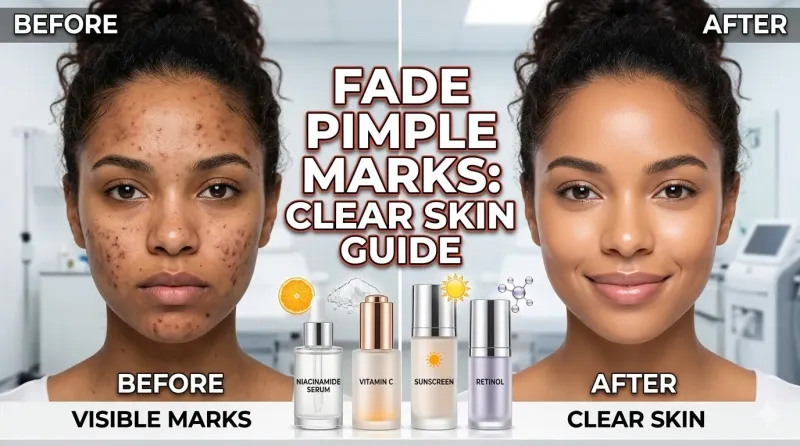
Dealing with acne is challenging enough—but even after the breakout clears, those stubborn dark marks can linger for weeks or months, affecting your confidence and skin's appearance. If you're searching for effective ways to fade pimple marks and achieve clearer, more even-toned skin, you're not alone. Post-acne hyperpigmentation is one of the most common skincare concerns worldwide, and the good news is that with the right approach, these marks can fade significantly.
This comprehensive guide explores science-backed solutions for fading pimple marks, from topical ingredients and professional treatments to lifestyle adjustments and prevention strategies. Whether your marks are fresh and red or older and brown, you'll find actionable, dermatologist-approved advice to help your skin heal, renew, and glow with confidence. Let's dive into the proven paths to clearer skin.
Understanding Pimple Marks: What You're Actually Treating
Before choosing a treatment, it's essential to understand what type of mark you're dealing with. Not all "pimple marks" are the same, and using the wrong approach can delay results or even worsen discoloration.
Post-Inflammatory Hyperpigmentation (PIH)
This is the most common type of pimple mark. PIH appears as flat brown, purple, or gray spots left behind after a pimple heals. It occurs when inflammation triggers excess melanin production in the affected area.
Key characteristics:
- Flat discoloration (not raised or indented)
- Brown, gray, or purplish tones (darker on deeper skin tones)
- Fades gradually over weeks to months with proper care
- More common in medium to deep skin tones
Post-Inflammatory Erythema (PIE)
PIE appears as pink, red, or purple marks caused by dilated blood vessels and lingering inflammation after a pimple heals. Unlike PIH, it's not related to melanin but to vascular changes.
Key characteristics:
- Red, pink, or purple flat marks
- More visible on fair to light skin tones
- May blanch (turn white) when pressed gently
- Often takes longer to fade than PIH without targeted treatment
Atrophic or Hypertrophic Scars
True scars involve textural changes—either depressed (atrophic) or raised (hypertrophic). These require different treatments than pigment-based marks and often need professional intervention.
Quick identification tip: Run your finger over the mark. If you feel a dip or bump, it's a scar. If it's smooth but discolored, it's likely PIH or PIE.
Top Ingredients That Fade Pimple Marks Effectively
Not all skincare ingredients are created equal when it comes to fading post-acne marks. These evidence-backed actives target discoloration through different mechanisms, offering multiple pathways to clearer skin.
Vitamin C (L-Ascorbic Acid)
How it works: A powerful antioxidant that inhibits tyrosinase (the enzyme responsible for melanin production), brightens existing discoloration, and boosts collagen for overall skin renewal.
Best for: PIH (brown marks), overall brightening, preventing new discoloration
Usage tips:
- Use in the morning under sunscreen for maximum protection
- Start with 10-15% concentration; sensitive skin may prefer magnesium ascorbyl phosphate
- Store in opaque, airtight packaging to prevent oxidation
- Expect visible brightening in 4-8 weeks with consistent use
Niacinamide (Vitamin B3)
How it works: Reduces inflammation, inhibits melanin transfer to skin cells, strengthens the skin barrier, and regulates oil production—making it ideal for acne-prone skin.
Best for: Both PIH and PIE, sensitive skin, preventing future breakouts
Usage tips:
- Effective at 2-5% concentration; higher isn't always better
- Can be used morning and night
- Pairs well with most actives, including retinoids and vitamin C
- Visible results typically appear in 4-12 weeks
Azelaic Acid
How it works: A multi-tasking ingredient that reduces inflammation, inhibits abnormal melanin production, and has mild exfoliating properties. It's particularly effective for both acne and post-acne marks.
Best for: PIH, PIE, sensitive or rosacea-prone skin, active acne
Usage tips:
- Available in 10% over-the-counter or 15-20% prescription strength
- Gentle enough for twice-daily use
- Safe for use during pregnancy (consult your doctor)
- Improvements often visible in 4-8 weeks
Alpha Arbutin
How it works: A natural, gentle derivative of hydroquinone that inhibits tyrosinase without the irritation or safety concerns associated with stronger lightening agents.
Best for: PIH, sensitive skin, those avoiding hydroquinone
Usage tips:
- Effective at 1-2% concentration
- Use morning or night; pairs well with vitamin C and niacinamide
- Results build gradually over 8-12 weeks
- Excellent for maintenance after stronger treatments
Retinoids (Retinol, Adapalene, Tretinoin)
How it works: Increase cell turnover, fade discoloration by shedding pigmented cells faster, stimulate collagen, and prevent new breakouts.
Best for: PIH, textural concerns, preventing future acne
Usage tips:
- Start with low concentration (0.025% tretinoin or 0.1% adapalene)
- Apply at night; always use sunscreen during the day
- Introduce slowly (2-3x/week) to minimize irritation
- Visible fading typically begins at 8-12 weeks
Chemical Exfoliants: AHAs and BHAs
How they work: Alpha hydroxy acids (glycolic, lactic) dissolve surface pigmented cells; beta hydroxy acid (salicylic) penetrates pores to clear debris and reduce inflammation.
Best for: PIH, dullness, preventing clogged pores
Usage tips:
- Start with 1-2x/week exfoliation; increase as tolerated
- Glycolic acid (5-10%) is potent; lactic acid is gentler
- Salicylic acid (0.5-2%) is ideal for acne-prone skin
- Never combine with retinoids on the same night when starting out
Professional Treatments for Stubborn Pimple Marks
When topical products aren't enough or you want faster results, dermatological procedures can accelerate fading significantly. These options should be performed by qualified professionals.
Chemical Peels
What it is: A controlled application of acid solution (glycolic, salicylic, TCA, or Jessner's) to exfoliate the top layers of skin, revealing fresher, more even-toned skin underneath.
Best for: Moderate PIH, dullness, mild textural concerns
What to expect:
- Superficial peels: Minimal downtime, series of 4-6 treatments recommended
- Medium peels: More dramatic results, 5-7 days of peeling, usually 1-3 sessions
- Results build over weeks as new skin emerges
- Sun protection is critical post-peel
Laser and Light Therapies
Options include:
- Pulsed Dye Laser (PDL): Targets red PIE marks by sealing dilated blood vessels
- Q-Switched Nd:YAG Laser: Breaks up brown pigment in PIH with minimal downtime
- Intense Pulsed Light (IPL): Broad-spectrum light that targets both red and brown discoloration
Best for: Stubborn PIH or PIE unresponsive to topicals
What to expect:
- Multiple sessions typically required (3-6, spaced 4-6 weeks apart)
- Minimal to moderate downtime depending on device
- Results continue improving for weeks post-treatment
- Higher cost but potentially faster, more dramatic results
Microneedling
What it is: Tiny needles create micro-injuries that trigger collagen production and enhance product penetration. Often combined with topical serums (like vitamin C or tranexamic acid) for enhanced fading.
Best for: PIH with mild textural concerns, enhancing topical product efficacy
What to expect:
- Series of 3-6 sessions spaced 4-6 weeks apart
- 24-72 hours of redness post-treatment
- Gradual improvement over 2-3 months
- Can be done in-office or with at-home devices (lower strength)
Tranexamic Acid Treatments
What it is: Originally a medication for bleeding, topical or injected tranexamic acid has emerged as a powerful treatment for stubborn hyperpigmentation, including post-acne marks.
Best for: Resistant PIH, melasma-like discoloration, deeper pigment
What to expect:
- Topical formulations: Used daily, results in 8-12 weeks
- Professional injections or microneedling combinations: Faster results, requires provider
- Generally well-tolerated with minimal side effects
Building Your At-Home Routine to Fade Pimple Marks
Consistency and smart product layering matter more than using every trending ingredient. Here's how to structure an effective, non-irritating routine.
Morning Routine for Fading Marks
Step 1: Gentle Cleanser
Use a pH-balanced, non-stripping cleanser to remove overnight buildup without compromising your barrier.
Step 2: Antioxidant Serum (Vitamin C or Niacinamide)
Apply to damp skin for better absorption. Vitamin C brightens and protects; niacinamide calms and evens tone.
Step 3: Targeted Treatment (Optional)
If using alpha arbutin or azelaic acid, apply a thin layer to affected areas.
Step 4: Moisturizer
Hydrated skin heals faster. Choose a lightweight, non-comedogenic formula.
Step 5: Sunscreen (Non-Negotiable)
UV exposure darkens PIH and prolongs PIE. Use broad-spectrum SPF 30+ daily, reapplied every 2 hours with sun exposure.
Evening Routine for Fading Marks
Step 1: Double Cleanse (If Wearing Makeup/Sunscreen)
Start with an oil-based cleanser, follow with a gentle water-based cleanser.
Step 2: Exfoliant (2-3x/Week)
Use an AHA or BHA on clean, dry skin. Wait 10-15 minutes before next step.
Step 3: Treatment Serum
Apply retinoid, azelaic acid, or tranexamic acid to target discoloration and boost renewal.
Step 4: Moisturizer or Barrier Repair Cream
Lock in actives and support overnight repair. Look for ceramides, squalane, or panthenol.
Pro tip: Don't layer too many actives at once. Start with one targeted treatment and add others gradually to avoid irritation, which can worsen discoloration.
Lifestyle Factors That Impact Pimple Mark Fading
Your skincare routine is crucial, but external and internal habits significantly influence how quickly marks fade.
Sun Protection: The Non-Negotiable
UV exposure stimulates melanin production, darkening PIH and prolonging healing. Even on cloudy days or indoors near windows, UVA rays penetrate and affect pigmentation.
Sunscreen best practices:
- Use broad-spectrum SPF 30+ daily, regardless of weather
- Apply 1/4 teaspoon for face; don't forget neck and ears
- Reapply every 2 hours with direct sun exposure
- Consider tinted sunscreens with iron oxides for added protection against visible light (which can worsen PIH in deeper skin tones)
Don't Pick or Pop Pimples
Picking increases inflammation, damages skin tissue, and significantly raises the risk of both PIH and scarring. If you struggle with picking:
- Keep hands busy with stress balls or fidget tools
- Use hydrocolloid pimple patches to cover tempting spots
- Treat active breakouts early with spot treatments to reduce the urge to pick
Manage Stress and Prioritize Sleep
Chronic stress elevates cortisol, which can worsen inflammation and delay skin healing. Poor sleep impairs cellular repair and barrier function.
Supportive habits:
- Aim for 7-9 hours of quality sleep nightly
- Practice stress-reduction techniques: deep breathing, meditation, gentle movement
- Maintain a consistent sleep schedule to support circadian skin repair
Nutrition for Skin Healing
While no single food erases marks, an anti-inflammatory diet supports overall skin health and recovery:
- Vitamin C-rich foods: Citrus, bell peppers, broccoli (supports collagen and brightening)
- Omega-3 fatty acids: Fatty fish, walnuts, flaxseeds (reduce inflammation)
- Antioxidant-packed produce: Berries, leafy greens, colorful vegetables (combat oxidative stress)
- Zinc sources: Pumpkin seeds, legumes, lean meats (supports wound healing)
- Hydration: Adequate water intake maintains skin barrier function
Common Mistakes That Delay Pimple Mark Fading
Even with good intentions, certain habits can slow progress or worsen discoloration. Avoid these pitfalls:
Over-Exfoliating or Over-Treating
The Problem: Using multiple strong actives daily or exfoliating too frequently compromises your skin barrier, leading to irritation, redness, and potentially more pigmentation.
The Solution: Start slowly. Introduce one new active at a time, 2-3x/week. Listen to your skin—if it stings, peels excessively, or feels tight, scale back.
Skipping Sunscreen
The Problem: UV exposure is the #1 reason pimple marks linger or darken. No treatment works optimally without daily sun protection.
The Solution: Make sunscreen the final, non-negotiable step of your morning routine. Keep a travel-size tube in your bag for reapplication.
Expecting Overnight Results
The Problem: Skin cell turnover takes ~28 days. Pigment fading requires multiple cycles. Impatience leads to product-hopping or overuse, causing irritation.
The Solution: Commit to a routine for at least 8-12 weeks before evaluating results. Track progress with weekly photos in consistent lighting.
Using Harsh "Natural" Remedies
The Problem: Lemon juice, undiluted essential oils, or baking soda can irritate skin, disrupt pH, and worsen discoloration.
The Solution: Stick to scientifically formulated products with proven safety and efficacy. "Natural" doesn't always mean gentle or effective.
Timeline: How Long Does It Take to Fade Pimple Marks?
Patience is essential. Fading timelines vary based on mark type, skin tone, treatment consistency, and sun protection.
General Expectations
- Fresh red marks (PIE): 4-12 weeks with consistent care
- Brown marks (PIH): 8-24 weeks; deeper pigment may take longer
- With professional treatments: Noticeable improvement in 4-8 weeks; full results in 3-6 months
- With diligent at-home care: Gradual fading over 2-6 months
Factors That Speed Up Fading
- Daily broad-spectrum sunscreen use
- Consistent use of targeted actives (vitamin C, niacinamide, retinoids)
- Avoiding picking or irritating the area
- Healthy sleep, stress management, and nutrition
- Professional treatments combined with at-home care
When to See a Dermatologist
Consult a professional if:
- Marks haven't improved after 3-4 months of consistent at-home care
- You suspect true scarring (textural changes)
- Discoloration is widespread or worsening
- You have sensitive skin and need personalized guidance
Frequently Asked Questions About Fading Pimple Marks
Can pimple marks fade on their own?
Yes, both PIH and PIE can fade naturally over time as skin renews itself. However, this process can take 6-24 months without intervention. Using targeted treatments and sun protection significantly accelerates fading and prevents marks from darkening.
What's the fastest way to fade pimple marks?
The fastest results typically come from combining professional treatments (like chemical peels or lasers) with a consistent at-home routine featuring vitamin C, niacinamide, retinoids, and daily sunscreen. However, "fast" is relative—most people see noticeable improvement in 4-8 weeks, with continued progress over several months.
Are natural remedies effective for fading marks?
Some natural ingredients have evidence supporting their use: licorice root extract, green tea, and aloe vera show mild brightening properties. However, they're generally less potent and slower-acting than clinically studied actives like vitamin C or azelaic acid. If you prefer natural options, look for products that combine botanical extracts with proven concentrations of effective ingredients.
Can I fade pimple marks if I have dark skin?
Absolutely. PIH is more common and can be more pronounced in deeper skin tones, but it responds well to treatment. Key considerations: use gentle actives to avoid irritation (which can worsen pigmentation), prioritize sun protection including visible light defense (tinted sunscreens with iron oxides), and consider ingredients like azelaic acid, niacinamide, and tranexamic acid, which are effective and well-tolerated across skin tones.
Should I treat active acne and pimple marks at the same time?
Yes, and many ingredients do both. Niacinamide, azelaic acid, and retinoids address active breakouts while fading marks. Focus first on controlling active acne to prevent new marks, while gently treating existing discoloration. Avoid overly aggressive treatments that could irritate active pimples.
Conclusion: Clearer Skin Is Within Reach
Fading pimple marks requires patience, consistency, and the right strategy—but it's absolutely achievable. By understanding your mark type, choosing evidence-backed ingredients, protecting your skin from sun exposure, and supporting your skin's healing through healthy habits, you can significantly improve discoloration and reveal a more even, radiant complexion.
Remember: progress isn't always linear. Some weeks you'll see dramatic change; others, subtle shifts. Trust the process, celebrate small wins, and be kind to your skin—and yourself—along the way.
Start today. Pick one actionable step: apply sunscreen diligently, introduce a gentle brightening serum, or schedule a dermatology consult. Your journey to clearer skin begins with a single, consistent choice. You've got this.