

Homemade Organic Baby Food: Complete 6-12 Months Meal Plan
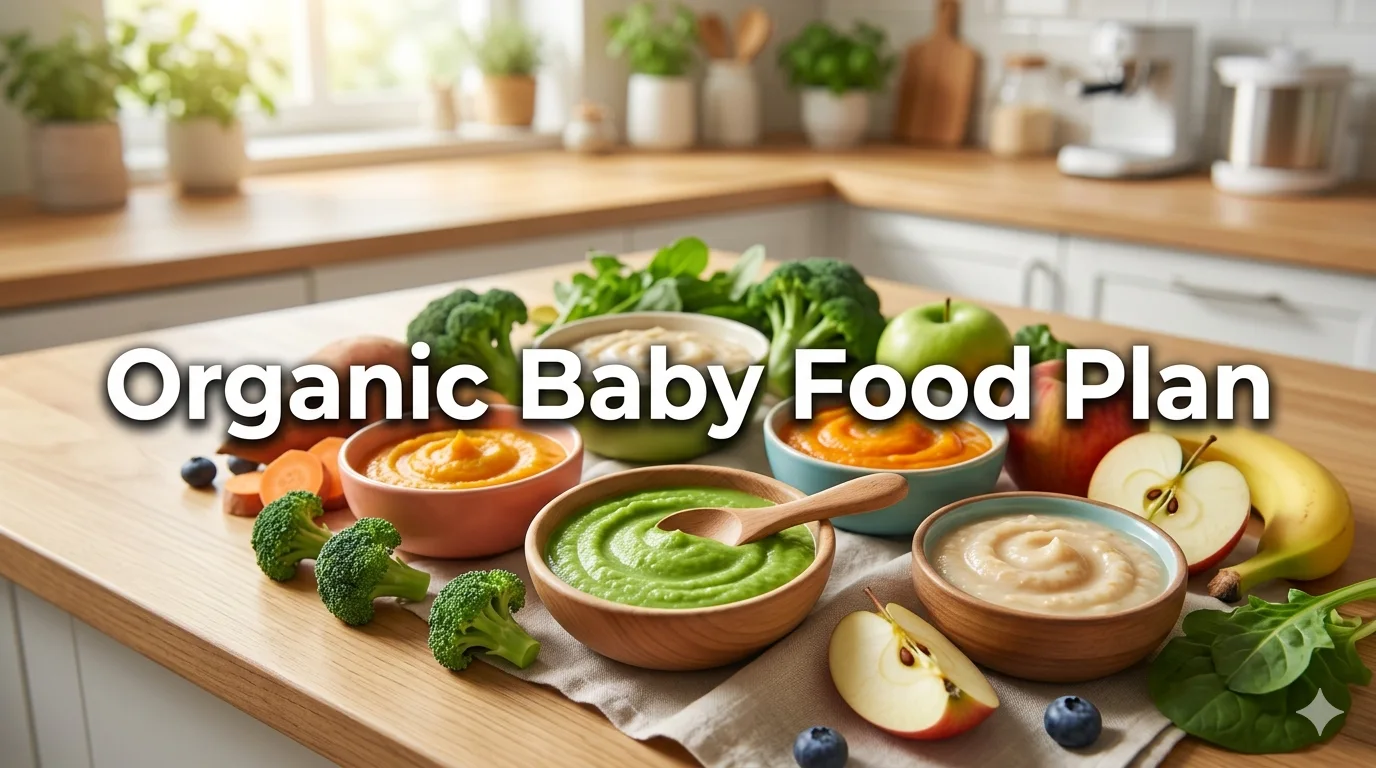
Starting your baby on solid foods is one of the most exciting milestones in their first year of life. As a parent, you want to provide the very best nutrition during this critical window of growth and development. Homemade organic baby food offers unparalleled benefits: you control every ingredient, avoid preservatives and additives, and introduce your little one to wholesome, nutrient-dense flavors that lay the foundation for lifelong healthy eating habits.
This comprehensive guide provides everything you need to know about preparing homemade organic baby food for babies aged 6-12 months, including a complete month-by-month meal plan, safe preparation techniques, nutritional guidelines, and delicious recipes that your baby will love. Whether you're a first-time parent or adding to your family, this resource will empower you to nourish your baby with confidence and care.
Why Choose Homemade Organic Baby Food?
The decision to make your own organic baby food is one of the most impactful choices you can make for your infant's health. Here's why it matters:
Complete Ingredient Control
When you prepare baby food at home, you know exactly what goes into every spoonful. There are no hidden sugars, excessive sodium, artificial preservatives, or questionable fillers. You select fresh, organic produce and prepare it using methods that preserve maximum nutrition.
Superior Nutritional Value
Commercial baby foods often undergo high-heat processing that can degrade heat-sensitive nutrients like vitamin C and certain B vitamins. Homemade baby food, prepared with gentle cooking methods and served fresh or properly stored, retains more of the natural vitamins, minerals, and enzymes that support your baby's rapid development.
Cost-Effective Nutrition
Organic store-bought baby food can cost $2-3 per small jar. Making your own organic baby food at home typically costs 50-70% less while providing superior quality and nutrition. A single organic sweet potato can make 8-10 servings, compared to buying 8-10 individual jars.
Expanded Palate Development
Homemade food allows you to introduce a wider variety of flavors and textures than most commercial options. This early exposure to diverse tastes helps prevent picky eating later and encourages acceptance of whole foods throughout childhood.
Environmental Benefits
Making baby food at home reduces packaging waste from jars, pouches, and boxes. You can buy organic produce in bulk, use reusable storage containers, and minimize your family's environmental footprint.
Understanding Baby's Nutritional Needs: 6-12 Months
During the second half of their first year, babies experience remarkable growth and development. Their nutritional needs evolve rapidly, and understanding these changes helps you provide appropriate foods at each stage.
Key Nutrients for Infant Development
Iron: Around 6 months, babies' iron stores from birth begin to deplete. Iron is crucial for brain development and preventing anemia. Include iron-rich foods like fortified cereals, pureed meats, beans, and lentils.
Zinc: Essential for immune function and growth. Found in meat, poultry, beans, and whole grains.
Healthy Fats: Critical for brain development and absorption of fat-soluble vitamins. Include avocado, full-fat yogurt, and olive oil.
Calcium: Supports bone development. Found in breast milk, formula, yogurt, and cheese.
Vitamin D: Necessary for calcium absorption. Continue supplementation as recommended by your pediatrician.
Protein: Supports rapid growth and tissue development. Include pureed meats, beans, lentils, and eventually eggs.
Developmental Readiness Signs
Before starting solids, ensure your baby shows these readiness cues:
- Can hold head up steadily and sit with minimal support
- Shows interest in food (watching you eat, reaching for food)
- Opens mouth when food approaches
- Has lost the tongue-thrust reflex (doesn't automatically push food out)
- Can move food to the back of the mouth and swallow
Most babies reach these milestones around 6 months, but every child develops at their own pace. Consult your pediatrician before starting solids.
Month-by-Month Meal Plan: 6-12 Months
This progressive meal plan introduces foods in an appropriate sequence, building from simple single-ingredient purees to more complex combinations and textures.
6 Months: First Foods Foundation
Goal: Introduce single-ingredient foods, one at a time, waiting 3-5 days between new foods to monitor for allergic reactions.
Texture: Very smooth, runny purees (thinner than adult food)
Frequency: 1-2 times daily, 1-2 tablespoons per serving
Recommended First Foods:
- Iron-fortified organic rice or oat cereal mixed with breast milk or formula
- Sweet potato (steamed and pureed)
- Carrots (steamed and pureed)
- Butternut squash (steamed and pureed)
- Avocado (mashed until smooth)
- Banana (mashed until smooth)
- Pear (steamed and pureed)
- Apple (steamed and pureed)
Sample Daily Schedule (6 months):
- Morning: Breast milk or formula
- Mid-morning: 1-2 tbsp sweet potato puree
- Noon: Breast milk or formula
- Afternoon: Breast milk or formula
- Evening: 1-2 tbsp iron-fortified cereal
- Bedtime: Breast milk or formula
Week 1-2 Recipe: Simple Sweet Potato Puree
Ingredients: 1 organic sweet potato, breast milk or formula as needed
Instructions: Peel and cube sweet potato. Steam for 10-12 minutes until very tender. Puree in blender with liquid until completely smooth. Serve warm or refrigerate up to 3 days.
7 Months: Expanding Variety
Goal: Introduce more vegetables, fruits, and begin adding proteins
Texture: Slightly thicker purees, some soft lumps acceptable
Frequency: 2 times daily, 2-4 tablespoons per serving
New Foods to Introduce:
- Green beans (steamed and pureed)
- Peas (steamed and pureed)
- Zucchini (steamed and pureed)
- Peaches (peeled, steamed, pureed)
- Plums (peeled, steamed, pureed)
- Organic chicken (poached and pureed)
- Organic turkey (poached and pureed)
- Lentils (cooked until very soft, pureed)
Sample Daily Schedule (7 months):
- Morning: Breast milk or formula
- Mid-morning: 2-3 tbsp carrot and sweet potato blend
- Noon: Breast milk or formula
- Afternoon: 2-3 tbsp pear and oat cereal
- Evening: Breast milk or formula
- Bedtime: Breast milk or formula
Recipe: Chicken and Vegetable Puree
Ingredients: 2 oz organic chicken breast, 1/4 cup carrots, 1/4 cup sweet potato, water or low-sodium broth
Instructions: Poach chicken until cooked through. Steam vegetables until tender. Combine all ingredients in blender with liquid. Puree until smooth, adding more liquid as needed for desired consistency.
8 Months: Texture Progression
Goal: Introduce thicker textures, soft mashed foods, and more protein variety
Texture: Mashed foods with soft lumps, beginning finger foods
Frequency: 2-3 times daily, 3-4 tablespoons per serving
New Foods to Introduce:
- Whole milk yogurt (full-fat, plain, organic)
- Cottage cheese (full-fat, organic)
- Egg yolk (hard-boiled, mashed)
- Beans (black beans, kidney beans, well-cooked and mashed)
- Tofu (soft, silken, mashed)
- Oatmeal (thicker consistency)
- Quinoa (cooked until very soft)
- Soft-cooked pasta (small shapes)
Sample Daily Schedule (8 months):
- Morning: Breast milk or formula
- Breakfast: 3-4 tbsp oatmeal with mashed banana
- Mid-morning: Breast milk or formula
- Lunch: 3-4 tbsp chicken and vegetable mash
- Afternoon: Breast milk or formula
- Dinner: 3-4 tbsp lentil and sweet potato mash
- Bedtime: Breast milk or formula
Recipe: Protein-Packed Lentil Mash
Ingredients: 1/4 cup red lentils, 1/4 cup sweet potato, 1/4 tsp cumin (optional), water
Instructions: Rinse lentils thoroughly. Cook lentils and diced sweet potato in water until very soft (about 15 minutes). Drain excess liquid. Mash with fork or blend briefly for chunky texture. Add cumin for flavor if desired.
9 Months: Finger Foods Begin
Goal: Introduce soft finger foods, encourage self-feeding, increase protein
Texture: Soft-cooked foods cut into small pieces, mashed with more texture
Frequency: 3 times daily, 4-6 tablespoons per serving
New Foods to Introduce:
- Whole egg (scrambled, well-cooked)
- Cheese (pasteurized, cut into small cubes)
- Soft-cooked vegetables (cut into strips)
- Soft fruits (banana, peach, pear - cut into strips)
- Toast strips (whole grain, organic)
- Soft-cooked fish (salmon, cod - check for bones)
- Hummus (thinly spread)
Sample Daily Schedule (9 months):
- Morning: Breast milk or formula
- Breakfast: Scrambled egg with soft toast strips
- Mid-morning: Breast milk or formula
- Lunch: Mashed beans with soft-cooked vegetables
- Afternoon: Breast milk or formula with fruit strips
- Dinner: Soft fish with quinoa and vegetables
- Bedtime: Breast milk or formula
Recipe: Baby-Friendly Scrambled Eggs
Ingredients: 1 organic egg, 1 tbsp breast milk or formula, 1 tsp butter or olive oil
Instructions: Whisk egg with milk. Heat butter in non-stick pan over low heat. Pour in egg mixture. Gently scramble until fully cooked (no runny parts). Cut into small pieces or mash for easier eating.
10-11 Months: Advanced Textures
Goal: Increase variety, introduce more complex flavors, develop chewing skills
Texture: Chopped foods, soft-cooked with more texture, combination meals
Frequency: 3 meals plus 1-2 snacks, 6-8 tablespoons per meal
New Foods to Introduce:
- Small pasta shapes (cooked soft)
- Rice (well-cooked, soft)
- Ground meat (beef, lamb, turkey)
- Meatballs (soft, homemade)
- Stir-fried vegetables (very soft)
- Smoothies (with yogurt and fruit)
- Pancakes (whole grain, soft)
Sample Daily Schedule (10-11 months):
- Morning: Breast milk or formula
- Breakfast: Whole grain pancake with mashed berries
- Mid-morning: Yogurt with soft fruit pieces
- Lunch: Ground turkey with soft vegetables and rice
- Afternoon: Breast milk or formula
- Dinner: Soft pasta with vegetable sauce and cheese
- Bedtime: Breast milk or formula
Recipe: Mini Meatballs for Babies
Ingredients: 4 oz ground organic turkey or beef, 1/4 cup cooked quinoa or oats, 2 tbsp grated zucchini, 1 egg yolk
Instructions: Mix all ingredients thoroughly. Form into small marble-sized balls. Bake at 375°F for 15-18 minutes until cooked through. Serve soft and warm, cutting in half if needed.
12 Months: Transition to Family Meals
Goal: Eat modified family meals, develop independence, establish routines
Texture: Most family foods with appropriate modifications
Frequency: 3 meals plus 2-3 snacks
New Foods to Introduce:
- Whole milk (if not breastfeeding, consult pediatrician)
- Honey (safe after 12 months)
- Citrus fruits (in moderation)
- More complex spices and herbs
- Raw vegetables (soft, grated)
Sample Daily Schedule (12 months):
- Morning: Breast milk or whole milk
- Breakfast: Oatmeal with fruit and yogurt
- Mid-morning: Cheese and fruit slices
- Lunch: Modified family meal (chicken, vegetables, rice)
- Afternoon: Hummus with soft vegetables
- Dinner: Modified family meal (fish, potatoes, green beans)
- Bedtime: Breast milk or whole milk
Safe Food Preparation and Storage Guidelines
Proper food handling is essential when preparing homemade baby food. Follow these guidelines to ensure safety and maintain nutritional quality.
Essential Equipment
- Steamer basket or electric steamer
- High-speed blender or food processor
- Ice cube trays with lids (for portioning)
- Glass storage containers with tight lids
- Sharp knives and cutting boards (use separate boards for meat and produce)
- Fine mesh strainer
- Vegetable peeler
Food Safety Basics
Washing Produce: Even organic produce should be thoroughly washed. Use a produce brush for firm vegetables. Remove outer leaves of leafy vegetables.
Cooking Temperatures: Cook meats to safe internal temperatures: poultry 165°F, ground meat 160°F, fish 145°F.
Avoid Cross-Contamination: Use separate cutting boards for raw meat and produce. Wash hands, utensils, and surfaces thoroughly.
No Added Salt or Sugar: Babies' kidneys cannot process excess sodium. Avoid adding salt, sugar, or strong spices to baby food.
Storage Guidelines
Refrigeration: Store pureed baby food in airtight containers for up to 3 days. Label with date and contents.
Freezing: Pour purees into ice cube trays, freeze until solid, then transfer to freezer bags. Use within 1-3 months for best quality. Label with date and food type.
Thawing: Thaw frozen baby food in refrigerator overnight or using defrost setting on microwave. Never refreeze thawed baby food.
Serving: Serve at room temperature or slightly warm. Test temperature before feeding. Discard uneaten food from baby's bowl (saliva introduces bacteria).
Organic Shopping Guide for Baby Food
Making organic baby food doesn't have to break the bank. Smart shopping strategies help you maximize nutrition while minimizing cost.
Prioritize the Dirty Dozen
If buying 100% organic isn't feasible, prioritize organic for produce on the Environmental Working Group's "Dirty Dozen" list—fruits and vegetables with highest pesticide residues:
- Strawberries
- Spinach
- Kale
- Nectarines
- Apples
- Grapes
- Peaches
- Cherries
- Pears
- Tomatoes
- Celery
- Potatoes
Clean Fifteen Can Be Conventional
These have lowest pesticide residues and are safer to buy conventional if needed:
- Avocados
- Sweet corn
- Pineapple
- Onions
- Papaya
- Sweet peas
- Eggplant
- Asparagus
- Broccoli
- Cabbage
Money-Saving Tips
- Buy organic produce in season when prices are lower
- Purchase frozen organic fruits and vegetables (often less expensive, equally nutritious)
- Buy in bulk from warehouse stores or co-ops
- Grow simple herbs and vegetables at home
- Join a community-supported agriculture (CSA) program
- Make large batches and freeze in portions
Allergen Introduction Guidelines
Current research supports early introduction of common allergens to reduce allergy risk. However, this should be done carefully and systematically.
Common Allergens to Introduce
- Peanuts: Introduce around 6 months as smooth peanut butter thinned with water or breast milk, or peanut puffs
- Eggs: Introduce well-cooked egg around 6 months
- Dairy: Yogurt and cheese around 6-8 months (cow's milk as drink after 12 months)
- Tree nuts: Nut butters thinned appropriately (never whole nuts)
- Fish: Well-cooked, low-mercury fish around 6-9 months
- Shellfish: Well-cooked shellfish after 9 months
- Wheat: Introduce through cereals and bread around 6 months
- Soy: Tofu and edamame around 6-8 months
Safe Introduction Protocol
- Introduce one allergen at a time
- Start with tiny amount (1/4 teaspoon)
- Wait 10-15 minutes, observe for reactions
- If no reaction, gradually increase amount over next few days
- Continue offering allergen 2-3 times weekly to maintain tolerance
- Introduce at home, not at daycare or restaurant
- Have antihistamine available and know signs of reaction
Signs of Allergic Reaction
- Hives or rash
- Swelling of face, lips, or tongue
- Vomiting or diarrhea
- Difficulty breathing or wheezing
- Lethargy or unusual fussiness
Seek immediate medical attention for severe reactions.
Troubleshooting Common Challenges
Even with the best planning, challenges arise. Here's how to handle common issues:
Baby Refuses New Foods
Solution: It can take 10-15 exposures before a baby accepts a new food. Don't force feeding. Offer small amounts alongside familiar foods. Try different preparations or temperatures. Model eating the food yourself.
Gagging vs. Choking
Gagging is a normal protective reflex as babies learn to manage textures. Stay calm, let baby work it out.
Choking is silent and requires immediate intervention. Learn infant CPR. Always supervise meals. Avoid high-risk foods (whole nuts, popcorn, whole grapes, hot dog rounds).
Constipation
Solution: Increase fiber-rich foods (pears, prunes, peas, beans). Offer water in sippy cup (2-4 oz daily after 6 months). Limit constipating foods (bananas, rice cereal, applesauce). Ensure adequate breast milk or formula.
Diarrhea
Solution: Pause new food introductions. Offer binding foods (bananas, rice, applesauce, toast). Ensure hydration. Consult pediatrician if persists more than 24 hours or baby shows signs of dehydration.
Messy Eating
Solution: Embrace the mess—it's part of learning! Use large bibs, splat mats, and easy-clean surfaces. Remember that sensory exploration is crucial for development.
Frequently Asked Questions
Can I mix breast milk or formula into baby food?
Yes! Mixing breast milk or formula into purees helps thin consistency for beginners and adds familiar flavor and nutrition. However, don't use breast milk or formula as the cooking liquid, as heat can destroy beneficial enzymes and antibodies. Add after cooking.
How do I know if my baby is getting enough iron?
Breastfed babies need iron-rich foods starting around 6 months. Include iron-fortified cereals, pureed meats, beans, and lentils. Pair iron-rich foods with vitamin C sources (fruits, vegetables) to enhance absorption. Your pediatrician will monitor iron levels at well-visits.
Is it safe to use spices in baby food?
Yes! Mild herbs and spices like cinnamon, cumin, garlic, ginger, basil, and oregano are safe and help develop palate. Avoid salt, sugar, and very spicy seasonings. Introduce one spice at a time to monitor tolerance.
Can I use a regular blender or do I need a baby food maker?
A regular high-speed blender or food processor works perfectly. Baby food makers are convenient but not necessary. The key is achieving appropriate texture for your baby's developmental stage.
How much should my baby eat at each meal?
Follow baby's hunger and fullness cues. At 6 months, start with 1-2 tablespoons. By 12 months, babies typically eat 3/4 to 1 cup per meal. Growth spurts and appetite fluctuations are normal. Trust your baby's internal regulation.
Conclusion: Nourishing Your Baby with Love and Intention
Preparing homemade organic baby food is one of the most loving gifts you can give your child during their crucial first year. While it requires time and planning, the benefits—superior nutrition, cost savings, environmental responsibility, and the joy of watching your baby discover new flavors—make it deeply rewarding.
Remember that every baby develops at their own pace. Some will eagerly embrace new foods; others will be more cautious. Some will progress quickly through textures; others will need more time. This is normal. Trust your instincts, follow your baby's cues, and consult your pediatrician with concerns.
The meal plan and recipes provided here offer a framework, but feel free to adapt based on your family's preferences, cultural foods, and what's available seasonally. The goal isn't perfection—it's providing wholesome, loving nutrition that supports your baby's growth and establishes a foundation for lifelong healthy eating.
Start where you are. Even preparing a few homemade meals weekly is better than none. Celebrate small victories. Enjoy this special time of nourishing your little one, one spoonful at a time.