

Natural Spa Scents: Transform Your Home Naturally
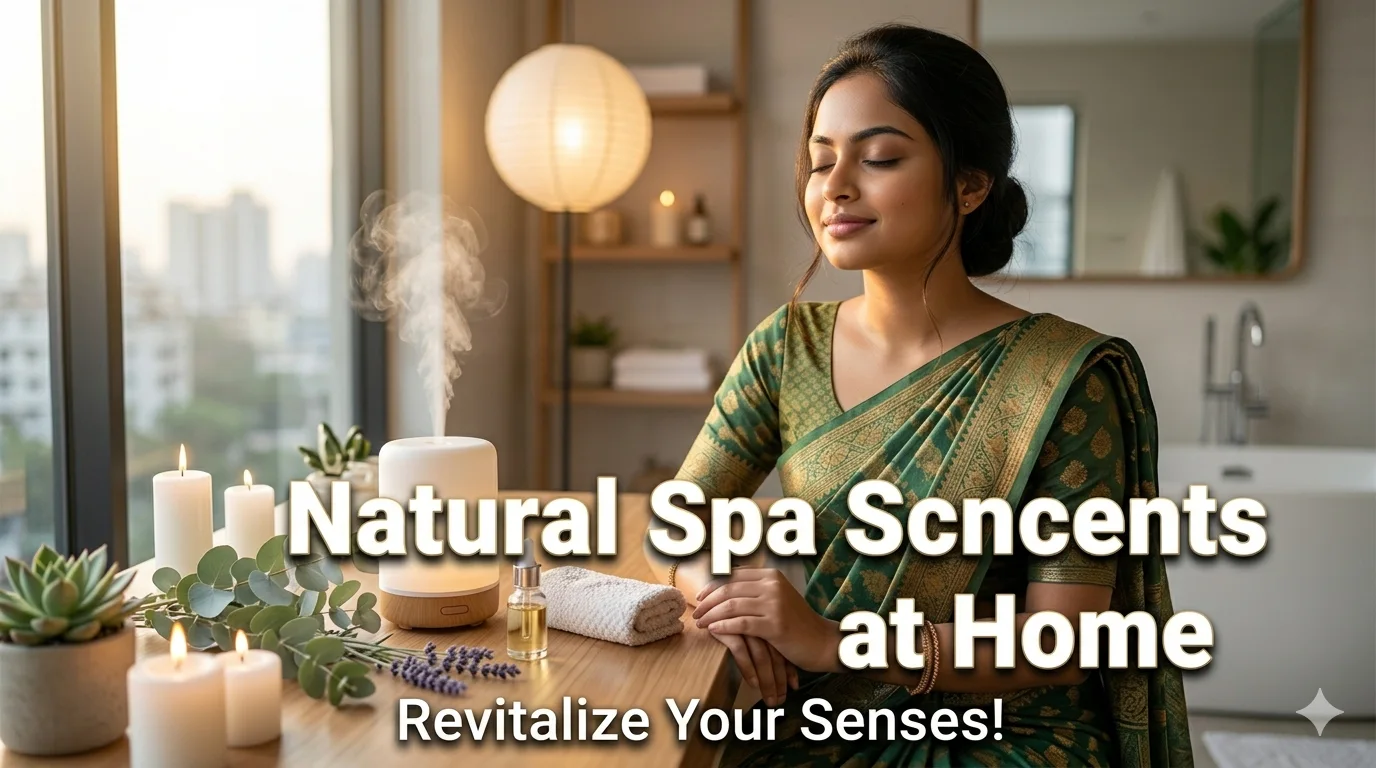
Imagine walking into your home and being instantly enveloped in the calming, luxurious aroma of a high-end spa. The stress of the day melts away as soothing scents of lavender, eucalyptus, and fresh citrus fill the air. While scented candles and synthetic air fresheners promise this experience, they often come with hidden chemicals and artificial fragrances that can irritate sensitive lungs and pollute your indoor air. The good news? You can create that same serene, spa-like atmosphere using only natural ingredients that are safe, sustainable, and surprisingly simple to make.
Transforming your home into a fragrant sanctuary doesn't require expensive products or complicated techniques. Nature provides an abundance of aromatic ingredients—essential oils, fresh herbs, citrus peels, flowers, and spices—that can fill your space with authentic, therapeutic scents. These natural alternatives not only smell divine but also offer aromatherapy benefits, from reducing stress and anxiety to improving sleep quality and boosting mood. Unlike synthetic fragrances that mask odors with chemicals, natural ingredients purify the air while creating layers of complex, evolving scents that change throughout the day.
This comprehensive guide reveals everything you need to know about creating spa-quality fragrances using only natural ingredients. You'll discover which essential oils create the most luxurious spa scents, learn step-by-step recipes for room sprays, simmer pots, reed diffusers, and sachets, and understand how to layer scents like a professional aromatherapist. Whether you want to create an energizing morning atmosphere, a calming evening retreat, or a fresh, clean scent that welcomes guests, you'll find practical, budget-friendly solutions that transform your home into a fragrant oasis. Let's explore how to harness the power of nature to create the spa experience you crave—right in your own home.
Why Natural Ingredients Beat Synthetic Fragrances
Before diving into recipes and techniques, it's essential to understand why natural ingredients are superior to commercial air fresheners and synthetic fragrances. This knowledge will motivate you to stick with natural solutions and appreciate their many benefits.
Health Benefits of Natural Fragrances
No toxic chemicals: Commercial air fresheners often contain phthalates, formaldehyde, benzene, and other volatile organic compounds (VOCs) that can cause headaches, respiratory irritation, allergic reactions, and even long-term health issues. Natural ingredients contain none of these harmful substances.
Therapeutic properties: Essential oils and botanical ingredients offer genuine aromatherapy benefits. Lavender reduces anxiety and improves sleep. Eucalyptus clears sinuses and boosts immunity. Citrus oils elevate mood and increase energy. These aren't just pleasant scents—they're medicinal compounds that actively support your wellbeing.
Better indoor air quality: Many natural ingredients, particularly certain essential oils like tea tree, eucalyptus, and lemon, have antimicrobial properties that can actually purify the air by reducing airborne bacteria and mold spores.
Environmental Advantages
Biodegradable: Natural ingredients break down harmlessly in the environment, unlike synthetic chemicals that persist in water systems and soil.
Sustainable sourcing: Many botanical ingredients can be grown at home or sourced from local, sustainable suppliers, reducing your carbon footprint.
Less packaging waste: Making your own fragrances eliminates the plastic bottles and packaging associated with commercial products.
Superior Scent Quality
Complexity and depth: Natural fragrances have multiple scent notes that evolve over time, creating a richer, more sophisticated aroma than one-dimensional synthetic scents.
No scent fatigue: Your nose doesn't become desensitized to natural scents as quickly as it does to artificial fragrances, meaning you continue to enjoy the aroma throughout the day.
Authenticity: Natural ingredients smell like what they are—real lavender, real citrus, real pine—creating a genuine connection to nature that synthetic "lavender-scented" or "ocean breeze" fragrances simply cannot replicate.
Essential Oils: The Foundation of Natural Spa Scents
Essential oils are the cornerstone of natural home fragrance. These concentrated plant extracts capture the aromatic compounds of flowers, herbs, trees, and fruits, providing powerful, long-lasting scents with therapeutic benefits.
Best Essential Oils for Spa-Like Ambiance
For Relaxation and Calm:
- Lavender: The ultimate spa scent. Reduces stress, anxiety, and promotes restful sleep. Has a floral, herbaceous aroma that's universally loved.
- Chamomile: Gentle, apple-like scent that soothes nervous tension and creates a peaceful atmosphere.
- Sandalwood: Warm, woody, grounding scent that promotes meditation and deep relaxation.
- Ylang-ylang: Exotic, sweet floral scent that reduces stress and creates a luxurious spa feeling.
For Freshness and Clarity:
- Eucalyptus: Clean, camphoraceous scent that clears sinuses, purifies air, and creates a spa-like freshness.
- Peppermint: Invigorating, crisp scent that energizes and sharpens focus while freshening the air.
- Lemon: Bright, clean citrus that eliminates odors, uplifts mood, and creates a fresh, clean atmosphere.
- Rosemary: Herbaceous, woody scent that improves concentration and purifies the air.
For Warmth and Comfort:
- Bergamot: Sophisticated citrus with floral notes that reduces stress while uplifting spirits.
- Cedarwood: Warm, woody, grounding scent that promotes relaxation and creates a cozy atmosphere.
- Frankincense: Rich, balsamic scent used in meditation and spiritual practices; creates a serene, sacred space.
- Vanilla: Warm, sweet, comforting scent that reduces anxiety and creates a welcoming atmosphere.
Quality Matters: Choosing the Right Essential Oils
Look for:
- 100% pure essential oils (not fragrance oils or perfume oils)
- Botanical name listed on the label
- Country of origin
- Extraction method (steam distillation or cold-pressed are best)
- Dark glass bottles (protects oils from light degradation)
- Reputable brands that provide third-party testing
Avoid:
- Oils labeled "fragrance oil" or "perfume oil"
- Extremely cheap oils (quality essential oils require large amounts of plant material)
- Clear plastic bottles
- Vague labeling without botanical names
Essential Oil Blending Basics
Creating custom spa scents is easy when you understand the three-note system:
Top notes (20-30% of blend): Light, fresh scents that you smell first but evaporate quickly. Examples: citrus oils (lemon, orange, bergamot), eucalyptus, peppermint.
Middle notes (40-50% of blend): The heart of the blend, balancing and rounding out the scent. Examples: lavender, rosemary, chamomile, geranium.
Base notes (20-30% of blend): Deep, rich scents that last longest and anchor the blend. Examples: sandalwood, cedarwood, vanilla, frankincense.
Classic spa blend ratios:
- Relaxation blend: 3 drops lavender (middle) + 2 drops bergamot (top) + 2 drops cedarwood (base)
- Fresh spa blend: 3 drops eucalyptus (top) + 2 drops peppermint (top) + 2 drops rosemary (middle)
- Luxury spa blend: 2 drops ylang-ylang (middle) + 2 drops lavender (middle) + 3 drops sandalwood (base)
DIY Natural Room Sprays: Instant Spa Atmosphere
Room sprays are the quickest way to transform your space with natural fragrance. Unlike commercial sprays filled with chemicals, these DIY versions use simple, safe ingredients that you can customize to your preferences.
Basic Natural Room Spray Recipe
Ingredients:
- 1/4 cup witch hazel or vodka (helps disperse oils and acts as preservative)
- 3/4 cup distilled water
- 20-30 drops essential oils (adjust for desired strength)
- Dark glass spray bottle (4 oz size)
Instructions:
- Add essential oils to the glass spray bottle
- Add witch hazel or vodka
- Add distilled water
- Cap tightly and shake well to combine
- Label with scent name and date
- Shake before each use (oils naturally separate)
Usage: Spray 2-3 pumps into the air, away from fabrics and surfaces. Use as needed to refresh your space.
Shelf life: 2-3 months when stored in a cool, dark place
Spa-Inspired Room Spray Recipes
1. Calming Lavender Dreams Spray
- 10 drops lavender essential oil
- 8 drops bergamot essential oil
- 5 drops frankincense essential oil
- Perfect for: Bedroom, meditation space, evening relaxation
2. Eucalyptus Mint Fresh Air Spray
- 12 drops eucalyptus essential oil
- 8 drops peppermint essential oil
- 5 drops rosemary essential oil
- Perfect for: Bathroom, kitchen, home office, eliminating odors
3. Citrus Sunshine Energizer
- 10 drops sweet orange essential oil
- 8 drops lemon essential oil
- 7 drops grapefruit essential oil
- Perfect for: Morning routine, kitchen, living room, boosting mood
4. Luxury Spa Retreat Spray
- 8 drops ylang-ylang essential oil
- 8 drops lavender essential oil
- 7 drops sandalwood essential oil
- Perfect for: Creating an upscale spa atmosphere, special occasions
5. Woodland Serenity Spray
- 10 drops cedarwood essential oil
- 8 drops pine essential oil
- 7 drops bergamot essential oil
- Perfect for: Living room, creating a grounding, earthy atmosphere
Advanced Room Spray Tips
For longer-lasting scent:
- Increase essential oil concentration to 40-50 drops
- Add 1 teaspoon vegetable glycerin (helps scent linger)
- Use vodka instead of witch hazel (better oil dispersion)
For sensitive individuals:
- Reduce essential oils to 10-15 drops
- Choose gentle oils like lavender, chamomile, or sweet orange
- Avoid strong oils like peppermint or eucalyptus
Safety notes:
- Never spray directly on skin, pets, or food
- Avoid spraying on delicate fabrics or finished wood
- Test on a small area first if spraying near upholstery
- Keep out of reach of children
Stovetop Potpourri: Simmering Spa Scents
Stovetop potpourri (also called simmer pots) is one of the most effective ways to fill your entire home with natural, therapeutic fragrance. The gentle heat releases aromatic compounds from fresh ingredients, creating a complex, evolving scent that's impossible to replicate with synthetic products.
Basic Simmer Pot Method
What you need:
- Small saucepan or pot
- Fresh or dried botanical ingredients
- Water
- Stove (low heat setting)
Basic recipe:
- Fill pot 3/4 full with water
- Add your chosen ingredients (see recipes below)
- Bring to a boil, then reduce to lowest simmer
- Add more water as needed to prevent burning
- Simmer for 1-4 hours, or as long as desired
- Store leftover mixture in refrigerator for up to 1 week; reheat to reuse
Classic Spa Simmer Pot Recipes
1. Eucalyptus Spa Detox
- 1 cup fresh eucalyptus leaves (or 1/2 cup dried)
- 2 sprigs fresh rosemary
- 1 lemon, sliced
- 4 cups water
- Benefits: Clears sinuses, purifies air, creates spa-like freshness
2. Citrus Herb Cleanse
- 1 orange, sliced
- 1 lemon, sliced
- 1 lime, sliced
- 3 sprigs fresh rosemary
- 2 sprigs fresh thyme
- 4 cups water
- Benefits: Uplifting, energizing, eliminates cooking odors
3. Lavender Vanilla Calm
- 1/4 cup dried lavender buds
- 2 vanilla beans, split (or 2 tsp vanilla extract)
- 1 cinnamon stick
- 4 cups water
- Benefits: Deeply relaxing, reduces anxiety, perfect for evening
4. Pine Forest Retreat
- 1 cup fresh pine needles
- 2 cinnamon sticks
- 1 orange, sliced
- 4 cups water
- Benefits: Grounding, fresh, reminiscent of forest bathing
5. Floral Garden Spa
- 1/2 cup dried rose petals
- 1/4 cup dried lavender
- 1 lemon, sliced
- 4 cups water
- Benefits: Romantic, luxurious, mood-lifting
Seasonal Simmer Pot Variations
Spring Renewal:
- Fresh mint leaves
- Lemon slices
- Fresh basil
- Green tea bags
Summer Fresh:
- Cucumber slices
- Lime slices
- Fresh basil
- Mint leaves
Autumn Warmth:
- Apple slices
- Cinnamon sticks
- Cloves
- Orange slices
- Nutmeg
Winter Comfort:
- Cranberries
- Orange slices
- Cinnamon sticks
- Fresh ginger slices
- Star anise
Simmer Pot Safety and Tips
Safety guidelines:
- Never leave simmering pot unattended
- Keep water level adequate to prevent burning
- Use lowest heat setting to prevent boiling dry
- Keep out of reach of children and pets
- Turn off before leaving home or going to sleep
Pro tips:
- Use fresh ingredients when possible for strongest scent
- Dried herbs and spices work well and last longer
- Citrus peels can be saved and dried for future use
- Leftover simmer pot liquid can be strained and used as natural fabric softener
- Used ingredients can be composted
Natural Reed Diffusers: Continuous Fragrance
Reed diffusers provide continuous, flameless fragrance that lasts for weeks. Unlike candles, they require no monitoring and are safe to use overnight or when you're away from home.
DIY Reed Diffuser Recipe
Ingredients:
- 1/4 cup lightweight carrier oil (sweet almond oil, safflower oil, or fractionated coconut oil)
- 2-3 tablespoons rubbing alcohol or vodka (helps oil travel up reeds)
- 20-30 drops essential oils
- 6-8 rattan reeds or bamboo skewers
- Small glass bottle or vase with narrow opening
Instructions:
- Combine carrier oil and alcohol/vodka in glass bottle
- Add essential oils
- Stir or shake gently to combine
- Insert reeds (start with 6, add more for stronger scent)
- Let sit for 1 hour, then flip reeds
- Flip reeds every 2-3 days to refresh scent
- Replace reeds and refill oil every 4-6 weeks
Best Reed Diffuser Blends
1. Tranquil Spa Blend
- 12 drops lavender
- 10 drops bergamot
- 8 drops cedarwood
2. Fresh Linen Blend
- 12 drops lemon
- 10 drops eucalyptus
- 8 drops peppermint
3. Warm & Cozy Blend
- 10 drops vanilla
- 10 drops sandalwood
- 10 drops sweet orange
4. Energizing Citrus Blend
- 12 drops grapefruit
- 10 drops lemon
- 8 drops rosemary
Reed Diffuser Tips
For stronger scent:
- Use more reeds (8-10 instead of 6)
- Flip reeds more frequently (daily)
- Place in high-traffic areas with air circulation
- Avoid placing in corners or enclosed spaces
For longer-lasting diffuser:
- Use narrow-necked bottle to slow evaporation
- Keep away from direct sunlight and heat sources
- Use high-quality essential oils
- Store extra oil mixture in dark bottle for refills
Natural Sachets and Drawer Fresheners
Sachets are perfect for adding subtle, long-lasting fragrance to drawers, closets, cars, and small spaces. They're easy to make, customizable, and can last for months.
Basic Fabric Sachet Recipe
Ingredients:
- Dried herbs, flowers, or spices (see combinations below)
- 10-15 drops essential oil (optional, for extra strength)
- Small fabric pouches, muslin bags, or old socks
- Ribbon or string (if making your own pouches)
Instructions:
- Combine dried ingredients in a bowl
- Add essential oils if using; mix well
- Let mixture sit for 24 hours to absorb oils
- Fill sachets with 2-3 tablespoons of mixture
- Tie or seal closed
- Place in drawers, closets, or desired location
- Refresh with essential oils every 2-3 weeks
Popular Sachet Combinations
1. Lavender Dreams (for bedroom linens)
- 1/2 cup dried lavender buds
- 2 tablespoons dried chamomile
- 10 drops lavender essential oil
2. Fresh Herb Garden (for kitchen towels)
- 1/4 cup dried rosemary
- 1/4 cup dried mint
- 2 tablespoons dried lemon peel
- 10 drops lemon essential oil
3. Cedar Closet (for clothing)
- 1/2 cup cedar shavings or chips
- 1/4 cup dried lavender
- 10 drops cedarwood essential oil
- Benefits: Naturally repels moths
4. Citrus Linen Fresh (for bathroom)
- 1/4 cup dried orange peel
- 1/4 cup dried lemon peel
- 2 tablespoons dried eucalyptus
- 10 drops sweet orange essential oil
5. Rose Petal Romance (for lingerie drawer)
- 1/2 cup dried rose petals
- 2 tablespoons dried lavender
- 10 drops rose or geranium essential oil
Drying Your Own Botanicals
Air drying method:
- Gather fresh herbs or flowers into small bundles
- Tie with string and hang upside down in dark, dry, well-ventilated area
- Allow 2-3 weeks to dry completely
- Store in airtight containers away from light
Oven drying method (faster):
- Preheat oven to lowest setting (170-200°F)
- Spread herbs/flowers on parchment-lined baking sheet
- Dry for 2-4 hours, checking frequently
- Remove when completely dry and crumbly
Natural Candle Alternatives: Flameless Fragrance
If you love the ambiance of candles but prefer to avoid open flames or paraffin wax, these natural alternatives provide beautiful fragrance without the drawbacks.
Essential Oil Warmer
How it works: Electric or tea-light warmers gently heat essential oils, releasing fragrance without burning.
Usage:
- Add 1-2 teaspoons water to warmer dish
- Add 5-10 drops essential oil
- Turn on or light tea light
- Enjoy 4-6 hours of fragrance
- Clean between uses
Best oils for warmers: All essential oils work well, but thicker oils like sandalwood, vanilla, and patchouli last longest.
Beeswax Melts
DIY Recipe:
Ingredients:
- 1 cup beeswax pellets
- 1/4 cup coconut oil
- 30-40 drops essential oils
- Silicone molds
Instructions:
- Melt beeswax and coconut oil in double boiler
- Remove from heat; stir in essential oils
- Pour into silicone molds
- Let cool completely (2-3 hours)
- Pop out of molds
- Use in wax warmer as needed
Benefits: Natural, non-toxic, long-lasting, no synthetic fragrances
Pomander Balls (Orange & Clove)
Traditional natural air freshener:
Ingredients:
- 1 whole orange
- 1/2 cup whole cloves
- 1/4 cup orris root powder (optional, helps preserve)
- Ribbon for hanging
Instructions:
- Poke holes all over orange with toothpick
- Press whole cloves into holes, covering as much surface as possible
- Roll in orris root powder if using
- Place in paper bag in dark, dry place
- Let dry for 2-3 weeks, turning daily
- Hang in closet or place in drawers
Benefits: Lasts for months, naturally antibacterial, beautiful decoration
Room-by-Room Fragrance Guide
Different spaces benefit from different scents. Here's how to customize your natural fragrance strategy for each area of your home.
Bedroom: Calming and Sleep-Promoting
Best scents: Lavender, chamomile, cedarwood, vanilla, ylang-ylang
Recommended methods:
- Lavender sachets in pillowcases
- Diffuser with calming blend 30 minutes before bed
- Cedarwood reed diffuser for continuous subtle scent
Avoid: Stimulating scents like peppermint, citrus, or eucalyptus before bedtime
Bathroom: Fresh and Clean
Best scents: Eucalyptus, tea tree, lemon, peppermint, rosemary
Recommended methods:
- Eucalyptus bundles hung in shower (steam releases scent)
- Room spray for quick freshening
- Simmer pot before guests arrive
Bonus: Tea tree and eucalyptus have antimicrobial properties that help purify bathroom air
Kitchen: Appetizing and Odor-Eliminating
Best scents: Lemon, orange, basil, rosemary, cinnamon, vanilla
Recommended methods:
- Citrus simmer pot while cooking
- Fresh herb bundles on counter
- Room spray after cooking strong-smelling foods
Avoid: Overly floral or heavy scents that compete with food aromas
Living Room: Welcoming and Balanced
Best scents: Bergamot, sandalwood, lavender, citrus blends, cedarwood
Recommended methods:
- Reed diffuser for continuous background scent
- Essential oil warmer for adjustable fragrance
- Seasonal simmer pots for special occasions
Home Office: Focus-Enhancing
Best scents: Rosemary, peppermint, lemon, eucalyptus, basil
Recommended methods:
- Room spray at start of workday
- Reed diffuser on desk
- Personal inhaler for quick focus boost
Research shows: Rosemary and peppermint improve concentration and memory retention
Entryway: First Impressions
Best scents: Fresh citrus, eucalyptus, pine, clean herbal blends
Recommended methods:
- Reed diffuser near door
- Room spray for quick refresh
- Pomander ball hanging by door
Safety Considerations and Best Practices
While natural ingredients are generally safer than synthetic fragrances, proper use is essential for safety and effectiveness.
Essential Oil Safety
Dilution is crucial:
- Never apply undiluted essential oils directly to skin
- Always dilute in carrier oil for topical use (2-3% dilution for adults)
- Keep concentrated oils away from children and pets
Pet safety:
- Cats are especially sensitive to essential oils; avoid diffusing around them
- Dogs are generally more tolerant but still need ventilation
- Avoid tea tree, eucalyptus, peppermint, and citrus oils around pets
- Research pet-safe oils before use
Pregnancy and children:
- Consult healthcare provider before using essential oils during pregnancy
- Use extra dilution for children (0.5-1% dilution)
- Avoid certain oils with infants and young children
- Keep all essential oils out of reach of children
Proper Ventilation
Always ensure:
- Adequate air circulation when using diffusers or simmer pots
- Don't overwhelm small spaces with too much fragrance
- Take breaks from continuous diffusion (diffuse 30-60 minutes, then pause)
- Open windows periodically to refresh air
Storage Guidelines
To maintain quality and safety:
- Store essential oils in dark glass bottles away from light
- Keep in cool, dry place (not bathroom)
- Tightly cap bottles to prevent oxidation
- Most oils last 1-3 years; citrus oils last 6-12 months
- Label all DIY products with date and ingredients
Frequently Asked Questions
How long do natural fragrances last compared to synthetic ones?
Natural fragrances typically last 2-4 hours in room sprays, 4-6 hours in diffusers, and several weeks in sachets or reed diffusers. While synthetic fragrances may last longer, natural scents offer therapeutic benefits and don't cause scent fatigue. You can refresh natural fragrances easily by adding more essential oils or flipping reeds.
Can I use fragrance oils instead of essential oils?
Fragrance oils are synthetic and don't offer the therapeutic benefits of essential oils. They may also contain chemicals that irritate sensitive individuals. For a truly natural spa experience, always use 100% pure essential oils. If cost is a concern, start with a few versatile oils like lavender, lemon, and eucalyptus.
Why can't I smell my natural fragrance after a while?
This is called "olfactory fatigue" or "nose blindness." Your nose adapts to constant scents and stops registering them. This doesn't mean the scent is gone—others can still smell it. To reset your sense of smell, step outside for fresh air for 5-10 minutes. Rotate scents weekly to prevent fatigue.
Are natural fragrances safe for people with allergies?
Natural fragrances are generally better tolerated than synthetic ones, but some individuals may still react to certain essential oils or botanicals. Start with gentle oils like lavender or chamomile, use lower concentrations, and ensure good ventilation. If you have severe allergies or asthma, consult your doctor before using essential oils.
How can I make my natural fragrance last longer?
To extend fragrance life: use base notes like sandalwood or vanilla (they last longest), add a fixative like orris root powder to sachets, use reed diffusers for continuous scent, store oils properly to maintain potency, and refresh sprays and diffusers regularly. Layering scents (using matching scents in multiple forms) also creates longer-lasting fragrance.
Can I mix different essential oils together?
Absolutely! Blending essential oils is how you create unique, complex scents. Follow the top-middle-base note system for balanced blends. Start with simple 2-3 oil combinations and experiment gradually. Keep notes on blends you love. Remember that some oils blend better than others—citrus blends well with most oils, while strong oils like peppermint should be used sparingly.
Conclusion: Your Natural Spa Sanctuary Awaits
Creating a spa-like atmosphere in your home doesn't require expensive products, synthetic fragrances, or complicated techniques. Nature provides everything you need to fill your space with authentic, therapeutic scents that promote relaxation, energy, and wellbeing. From simple room sprays to simmering potpourri, from reed diffusers to fragrant sachets, you now have a complete toolkit for transforming your home into a fragrant sanctuary.
The beauty of natural ingredients lies not just in their delightful aromas, but in their ability to support your health and mood while being gentle on your family and the environment. Unlike synthetic fragrances that mask odors with chemicals, natural ingredients purify the air, offer aromatherapy benefits, and create complex, evolving scents that connect you to nature.
Start small. Choose one method that appeals to you—perhaps a simple lavender room spray or an eucalyptus simmer pot. Master it, enjoy it, then expand your natural fragrance repertoire. Experiment with different essential oil blends, try seasonal variations, and discover which scents resonate most with you and your family.
Remember, creating a spa-like home isn't about perfection—it's about intentionality. It's about choosing natural over synthetic, quality over convenience, and wellbeing over quick fixes. Every time you mist a natural room spray, light an essential oil warmer, or hang a fragrant sachet, you're making a choice to nurture yourself and your environment.
Your spa sanctuary is waiting. The ingredients are simple, the methods are easy, and the results are transformative. Breathe deeply, relax completely, and enjoy the luxurious, natural fragrance of a home that truly feels like a sanctuary.
Welcome to your natural spa—where every breath is pure, every scent is therapeutic, and every moment is peaceful.