

Reduce Hair Breakage While Combing: Science-Based Guide
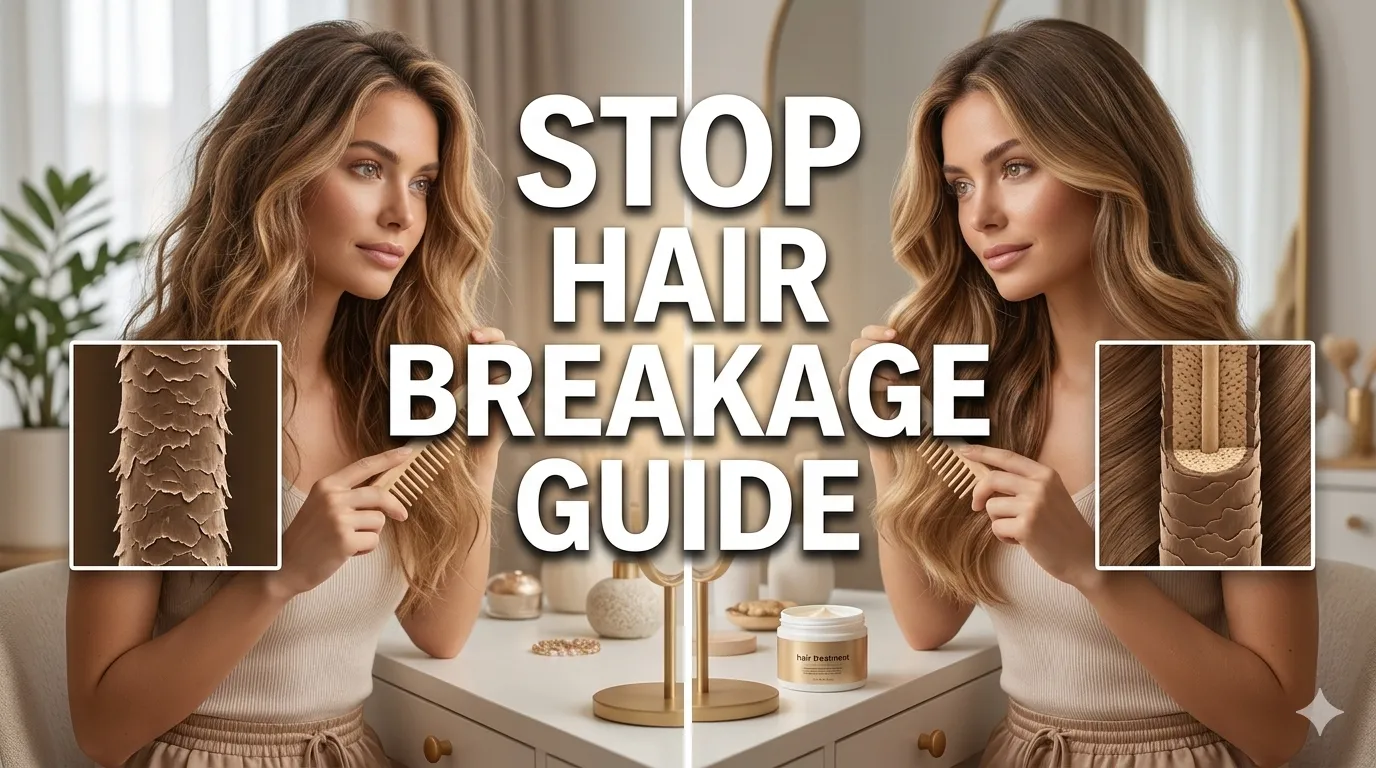
Protecting Your Strands: The Science of Mechanical Damage Prevention
Every time you comb, brush, or style your hair, you're applying mechanical force to delicate protein structures. For many people, this daily ritual inadvertently causes breakage, split ends, and long-term damage that undermines hair health and growth goals. The good news? Understanding the science behind mechanical damage empowers you to protect your strands while still achieving your desired style.
Mechanical damage is the leading cause of hair breakage—more common than chemical damage or heat styling for many people. It occurs when physical forces exceed hair's elastic limit, causing the cuticle to lift, the cortex to fracture, or the strand to snap entirely. Unlike chemical damage, which alters hair's internal structure, mechanical damage is cumulative: small stresses repeated daily add up to significant breakage over time.
This comprehensive, science-backed guide reveals how hair responds to mechanical stress, identifies the combing and styling practices that cause the most damage, and provides evidence-based strategies to minimize breakage while maintaining your routine. Whether you have straight, wavy, curly, or coily hair, you'll learn techniques to detangle gently, choose the right tools, and style with confidence—without sacrificing strand integrity.
Understanding Hair Structure: Why Mechanical Damage Happens
The Anatomy of a Hair Strand
To prevent breakage, you must first understand what you're protecting:
The Cuticle: The outermost layer consists of overlapping scales (like roof shingles) that protect inner layers. When intact and lying flat, the cuticle reflects light for shine and prevents moisture loss. Mechanical stress—like aggressive combing—lifts or chips these scales, creating friction, dullness, and vulnerability.
The Cortex: The middle and thickest layer contains keratin proteins arranged in spirals, providing strength, elasticity, and color. This is where hair's mechanical properties originate. When the cortex is damaged, hair loses elasticity and becomes prone to snapping.
The Medulla: The innermost core, present in thick hair but often absent in fine hair. Its role in mechanical strength is minimal.
Scientific insight: Dr. Priya Sharma, trichologist and hair biomechanics researcher, explains: "Hair is strongest when dry and most vulnerable when wet. Water swells the cortex, temporarily weakening hydrogen bonds that provide elasticity. This is why wet hair stretches more easily but also breaks more readily under tension."
How Mechanical Stress Causes Breakage
Breakage occurs when applied force exceeds hair's mechanical limits:
Elastic limit: Healthy hair can stretch 20-30% of its length before breaking. When stretched beyond this point—by pulling through tangles or tight styling—the cortex fractures.
Friction damage: Repeated rubbing (from rough towels, brushes, or fabrics) wears down the cuticle, creating micro-tears that weaken strands over time.
Impact damage: Sudden forces—like snapping a brush through knots or yanking hair from a tight ponytail—cause immediate breakage rather than gradual wear.
What is the most common cause of hair breakage during combing? The most common cause is combing wet hair with the wrong tool or technique. Wet hair has reduced elasticity and increased friction, making it 15 times more susceptible to breakage than dry hair. Starting at the roots instead of the ends, using fine-toothed combs on tangles, or applying excessive force all contribute to mechanical damage.
The Wet Hair Vulnerability: Why Timing Matters
Why Wet Hair Breaks More Easily
Water fundamentally changes hair's mechanical properties:
- Swelling: Hair absorbs up to 30% of its weight in water, causing the cortex to expand and hydrogen bonds to weaken
- Reduced elasticity: Wet hair stretches more easily but has lower tensile strength, meaning it breaks under less force
- Increased friction: Water raises the cuticle slightly, creating more surface roughness and resistance during combing
- Lubrication paradox: While water provides some slip, it doesn't replace the need for conditioning agents to reduce friction
Research evidence: A study published in the International Journal of Cosmetic Science found that wet hair requires 50% less force to break than dry hair. This is why gentle handling during wet detangling is non-negotiable.
Safe Wet Hair Detangling Protocol
Step 1: Prep with conditioner
Apply a generous amount of conditioner or detangling product to wet hair before combing. The slip provided by conditioning agents reduces friction by up to 70%, allowing the comb to glide through with minimal force.
Step 2: Use the right tool
Choose a wide-tooth comb or detangling brush designed for wet hair. These tools have flexible, widely spaced teeth that separate tangles gradually rather than yanking through them.
Step 3: Start from the ends
Always begin detangling at the tips and work upward in small sections. This approach releases knots progressively, preventing the accumulation of tension that causes breakage.
Step 4: Hold hair above the section
When combing a section, hold the hair just above where you're working. This absorbs tension and prevents pulling on the roots, which can cause traction damage.
Step 5: Be patient
If you encounter a stubborn knot, apply more conditioner and gently work it loose with your fingers before using a comb. Never force a comb through resistance.
Choosing the Right Tools: Science-Backed Selection
Combs vs. Brushes: When to Use What
Wide-tooth combs:
- Best for: Wet hair detangling, curly/coily hair, thick or tangled hair
- Why they work: Wide spacing reduces pulling force; smooth edges minimize cuticle damage
- Material matters: Choose seamless, polished wood or high-quality plastic to avoid snagging
Detangling brushes:
- Best for: All hair types, especially fine or fragile hair
- Why they work: Flexible bristles bend when encountering resistance, reducing breakage risk
- Look for: Ventilated designs, ball-tipped bristles, and ergonomic handles
Paddle brushes:
- Best for: Dry hair smoothing, straight or wavy hair
- Why they work: Large surface area distributes pressure evenly
- Avoid on: Wet hair or very tangled hair (can cause excessive pulling)
Round brushes:
- Best for: Blow-drying and styling, not detangling
- Caution: Metal barrels can overheat and damage hair; use ceramic or tourmaline for heat distribution
Material Science: What Your Tool Is Made Of
Wood combs:
- Pros: Naturally smooth, anti-static, gentle on cuticles
- Cons: Can warp if not properly cared for; avoid cheap wood with rough seams
Plastic combs/brushes:
- Pros: Affordable, durable, easy to clean
- Cons: Can generate static; choose high-quality, seamless designs
Metal tools:
- Pros: Durable, good for sectioning
- Cons: Can snag and damage cuticles; avoid for detangling
Natural bristle brushes:
- Pros: Distribute natural oils, gentle on scalp and hair
- Cons: Not ideal for detangling thick or curly hair; best for finishing
Tool Maintenance for Longevity and Safety
Clean regularly: Remove hair and product buildup weekly to prevent bacteria growth and maintain tool performance.
Inspect for damage: Replace tools with broken, bent, or rough teeth/bristles that can snag hair.
Store properly: Keep combs and brushes in a clean, dry place to prevent warping or contamination.
Detangling Techniques That Minimize Breakage
The Sectioning Method
Working in small, manageable sections reduces the force needed to detangle and prevents the accumulation of tension:
- Divide hair: Part hair into 4-6 sections using clips
- Start with the easiest section: Usually the bottom back, which has fewer tangles
- Apply detangling product: Use a leave-in conditioner or detangling spray for slip
- Detangle from ends to roots: Work in 1-2 inch increments, moving upward gradually
- Secure detangled sections: Clip or braid to prevent re-tangling
- Repeat: Move to the next section only after the previous is fully detangled
Why this works: Sectioning limits the amount of hair under tension at any moment, reducing the cumulative force that causes breakage. It also ensures thorough detangling without missing hidden knots.
Finger Detangling: The Gentlest Approach
Before reaching for a comb, use your fingers to separate large tangles:
- How to do it: Apply conditioner, then gently work through hair with your fingers, starting at the ends
- Benefits: Fingers provide tactile feedback, allowing you to feel and gently separate knots without excessive force
- Best for: Very tangled, curly, or coily hair; fragile or chemically treated hair
- Follow up: Use a wide-tooth comb for final smoothing after finger detangling
The "Hold and Comb" Technique
This method prevents tension from transferring to the roots:
- Take a small section of hair (1-2 inches wide)
- Hold the section firmly just above where you plan to comb
- Comb from the ends upward, stopping just below your holding point
- Release and move your hold higher, then comb the next section
- Repeat until the entire section is detangled
Science behind it: By holding the hair, you absorb the pulling force with your hand rather than transmitting it to the follicle. This prevents traction alopecia and root damage.
Styling Practices That Cause Mechanical Damage
Tight Hairstyles and Traction
The problem: Tight ponytails, braids, buns, and extensions place constant tension on hair follicles, leading to traction alopecia—a form of hair loss caused by mechanical stress.
Signs of traction damage:
- Receding hairline, especially at temples
- Thinning along the part line
- Small bumps or tenderness along the hairline
- Broken hairs around styled areas
Prevention strategies:
- Loosen up: Styles should feel comfortable, not painful. If a style causes headaches or pulling, it's too tight
- Vary placement: Alternate ponytail positions to avoid constant tension on the same follicles
- Use gentle accessories: Spiral hair ties, scrunchies, or fabric-covered elastics reduce breakage compared to rubber bands
- Take breaks: Give hair 1-2 days per week without tight styles to recover
Heat Styling and Mechanical Stress
Heat styling compounds mechanical damage by weakening hair's structure:
How heat increases breakage risk:
- Temperatures above 300°F (149°C) denature keratin proteins, reducing elasticity
- Repeated heat exposure dries the cuticle, increasing friction during combing
- Heat-damaged hair is more prone to snapping under tension
Safe heat styling protocol:
- Always use heat protectant: Forms a protective barrier that reduces protein damage
- Use lowest effective temperature: Fine hair: 250-300°F; medium: 300-350°F; coarse: 350-400°F max
- Limit frequency: Heat style no more than 2-3 times weekly
- Comb after cooling: Let hair cool completely before brushing to avoid stretching weakened strands
Brushing Dry Hair: When and How
Dry brushing can cause breakage if done incorrectly:
When to brush dry hair:
- For styling or smoothing, not detangling
- After hair is fully dry and any product has set
- When hair is free of major tangles (detangle wet first)
Safe dry brushing technique:
- Use a paddle brush or natural bristle brush for smoothing
- Start at the ends and work upward, even on dry hair
- Use gentle, long strokes rather than short, aggressive ones
- Brush before bed to distribute natural oils and prevent overnight tangles
Product Strategies to Reduce Mechanical Damage
Conditioners and Detanglers: The Slip Factor
Conditioning agents reduce friction—the primary driver of mechanical damage:
Key ingredients that provide slip:
- Cationic surfactants: Behentrimonium chloride, cetrimonium chloride (coat hair, reduce static)
- Silicones: Dimethicone, amodimethicone (create smooth surface, reduce friction)
- Natural oils: Argan, coconut, jojoba (lubricate cuticle, add flexibility)
- Polymers: PVP, acrylates (form flexible film that reduces breakage)
How to use for maximum protection:
- Apply conditioner generously to wet hair, focusing on mid-lengths to ends
- Let it sit 2-5 minutes before detangling to allow ingredients to penetrate
- For very tangled hair, use a dedicated detangling spray or leave-in conditioner
- Don't rinse out completely if your hair is very dry or prone to breakage
Leave-In Products for Ongoing Protection
Leave-in conditioners and serums provide continuous protection against mechanical stress:
Benefits:
- Reduce friction during daily combing and styling
- Add flexibility to prevent snapping
- Seal the cuticle to prevent moisture loss and cuticle lifting
- Provide thermal protection if heat styling
Application tips:
- Apply to damp hair after washing for even distribution
- Focus on ends and areas prone to breakage
- Use sparingly on fine hair to avoid weighing down
- Reapply to dry ends as needed for ongoing protection
Protein Treatments: Strengthening from Within
While conditioners reduce external friction, protein treatments strengthen hair internally:
How protein helps:
- Fills gaps in damaged cuticle and cortex
- Temporarily increases tensile strength and elasticity
- Reduces breakage during mechanical stress
Types of protein treatments:
- Hydrolyzed proteins: Small enough to penetrate hair shaft (keratin, wheat, silk)
- Amino acids: Building blocks that reinforce protein structure
- Protein-moisture balance: Use protein treatments monthly; overuse can cause brittleness
Lifestyle Factors That Influence Breakage Risk
Sleep and Pillowcase Choice
Nighttime friction is a major contributor to mechanical damage:
Cotton pillowcases:
- Create high friction that lifts cuticles and causes breakage
- Absorb moisture from hair, increasing dryness and fragility
Satin or silk pillowcases:
- Reduce friction by up to 43% compared to cotton
- Help hair retain moisture, maintaining elasticity
- Prevent tangles and morning breakage
Protective nighttime practices:
- Braid or loosely bun long hair before bed to prevent tangling
- Use a satin bonnet or scarf for extra protection
- Apply a light leave-in conditioner to ends before sleeping
Towel Drying: The Hidden Damage
Rough towel drying is a common cause of cuticle damage:
The problem with terry cloth:
- Rough texture creates friction that lifts and chips cuticles
- Vigorous rubbing stretches wet hair beyond its elastic limit
Safe drying technique:
- Use a microfiber towel or soft cotton t-shirt
- Gently squeeze or blot hair to remove excess water
- Never rub or twist hair aggressively
- Allow hair to air dry partially before styling
Environmental Factors
External conditions can increase hair's vulnerability to mechanical damage:
Low humidity: Dries hair, reducing elasticity and increasing breakage risk
High humidity: Causes hair to swell, temporarily weakening structure
UV exposure: Degrades keratin proteins, reducing tensile strength
Wind: Creates friction and tangles that increase combing force
Protection strategies:
- Use leave-in products with UV filters in sunny conditions
- Wear hats or scarves in windy or harsh weather
- Increase conditioning frequency in dry climates
- Use anti-humectant products in high humidity to reduce swelling
Special Considerations by Hair Type
Curly and Coily Hair
Unique challenges:
- Natural curl pattern creates more opportunities for tangling
- Drier hair has less natural slip, increasing friction
- Shrinkage makes detangling more challenging
Specialized techniques:
- Detangle in sections: Work with small, manageable sections to prevent overwhelming tangles
- Use the "praying hands" method: Smooth product through hair with flat palms to reduce friction
- Detangle when saturated: Apply conditioner to soaking wet hair for maximum slip
- Use fingers first: Finger detangle before using any tools
Fine or Fragile Hair
Unique challenges:
- Lower tensile strength means less force is needed to cause breakage
- More prone to static, which increases tangling
- Easily weighed down by heavy products
Specialized techniques:
- Use ultra-gentle tools: Choose brushes with flexible, ball-tipped bristles
- Minimize manipulation: Detangle only when necessary; avoid over-brushing
- Use lightweight products: Choose liquid-based conditioners over heavy creams
- Avoid heat: Air dry when possible; use lowest heat settings if styling
Chemically Treated or Damaged Hair
Unique challenges:
- Compromised cuticle increases friction and breakage risk
- Reduced elasticity means hair snaps more easily
- Porosity changes affect product absorption and performance
Specialized techniques:
- Extra conditioning: Use deep conditioners weekly to restore flexibility
- Protein treatments: Monthly treatments to reinforce weakened structure
- Gentle detangling: Always detangle wet with conditioner; never force through knots
- Minimize heat and tension: Avoid tight styles and limit heat styling
Common Mistakes That Increase Breakage
Mistake 1: Combing from Roots to Ends
The problem: Starting at the roots pushes tangles downward, accumulating tension that causes breakage at the weakest points (usually mid-shaft or ends).
The fix: Always start detangling at the ends and work upward in small increments. This releases knots progressively without building destructive tension.
Mistake 2: Using the Wrong Tool for Wet Hair
The problem: Fine-toothed combs or stiff-bristled brushes on wet hair create excessive friction and pulling force.
The fix: Use a wide-tooth comb or flexible detangling brush exclusively on wet hair. Save finer tools for dry styling only.
Mistake 3: Skipping Conditioner or Detangler
The problem: Combing without slip agents increases friction, requiring more force and causing more breakage.
The fix: Always apply conditioner or detangling product before combing wet hair. For dry detangling, use a light leave-in or detangling spray.
Mistake 4: Brushing Too Frequently
The problem: Excessive brushing creates cumulative friction damage, even with gentle technique.
The fix: Brush only when necessary for styling or detangling. For most hair types, 1-2 times daily is sufficient.
Mistake 5: Ignoring Tool Maintenance
The problem: Damaged or dirty tools snag hair and increase breakage risk.
The fix: Clean brushes and combs weekly; replace tools with broken or rough teeth/bristles immediately.
Measuring Progress: Signs Your Routine Is Working
Positive Indicators
Reduced shedding during combing: Fewer hairs in your brush or on the floor after styling indicates less breakage.
Smoother texture: Hair feels softer and less rough, indicating intact cuticles.
Improved elasticity: Hair stretches and returns without snapping, indicating healthy cortex structure.
Less tangling: Hair detangles more easily, indicating reduced friction and better moisture balance.
Visible length retention: Hair grows longer without breaking off at the ends.
When to Seek Professional Help
Consult a trichologist or dermatologist if you experience:
- Sudden increase in breakage or shedding
- Patchy hair loss or bald spots
- Scalp pain, itching, or inflammation
- Breakage that doesn't improve with gentle care after 2-3 months
Frequently Asked Questions
How often should I detangle my hair?
Detangle only when necessary—typically during washing or before styling. Over-detangling creates unnecessary mechanical stress. For most hair types, detangling 2-3 times weekly is sufficient.
Can I prevent breakage entirely?
Some breakage is normal—hair naturally sheds 50-100 strands daily. The goal is to minimize excessive breakage caused by mechanical damage. With proper technique and tools, you can significantly reduce preventable breakage.
Does cutting hair prevent breakage?
Regular trims remove split ends before they travel up the shaft, preventing further breakage. However, cutting doesn't prevent new breakage—gentle handling and proper care are still essential.
Are natural oils better than silicones for reducing breakage?
Both can be effective. Natural oils (argan, coconut) provide nourishment and flexibility; silicones provide superior slip and friction reduction. Choose based on your hair's needs—many people benefit from using both strategically.
Why does my hair break more in certain seasons?
Environmental factors affect hair's mechanical properties. Low humidity in winter dries hair, reducing elasticity. High humidity in summer causes swelling and weakening. Adjust your routine seasonally—more conditioning in dry weather, anti-humectants in humid weather.
Conclusion: Gentle Care for Stronger Hair
Reducing hair breakage while combing and styling isn't about avoiding these essential practices—it's about approaching them with knowledge, intention, and the right techniques. Mechanical damage is cumulative, but so is the benefit of gentle, consistent care.
Remember the fundamentals: Wet hair is fragile—handle it with extra care. Use the right tools for the job. Apply conditioning products to reduce friction. Detangle from ends to roots. Protect hair during sleep and styling. These simple principles, applied consistently, create profound long-term benefits.
Your hair is resilient but not indestructible. Every gentle comb stroke, every thoughtful product choice, every protective nighttime habit is an investment in your hair's health and beauty. Breakage doesn't have to be an inevitable part of your routine.
Start today. Choose one strategy from this guide to implement immediately—whether it's switching to a wide-tooth comb for wet hair, adding a detangling product to your routine, or changing your pillowcase. Small changes compound into transformative results.
Your strongest, healthiest hair is within reach. With science-backed techniques and consistent care, you can enjoy beautiful, resilient hair that withstands the demands of daily styling without breaking. Trust the process, be patient with progress, and celebrate every strand that stays strong.