

How to Restore Moisture to Dry Hair: Hydrating Tips for Lush Locks
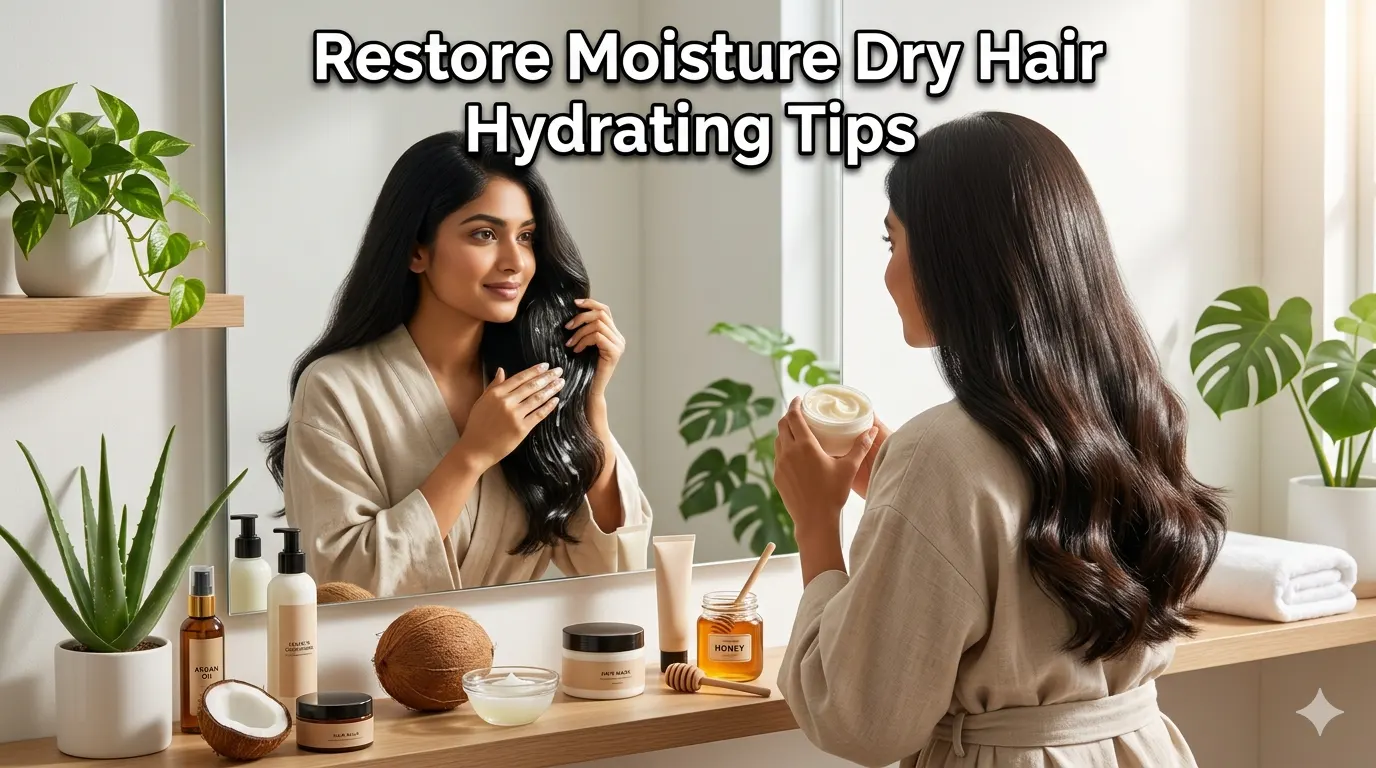
Dry, brittle, lackluster hair is a common concern that affects people of all hair types, textures, and backgrounds. Whether caused by heat styling, chemical treatments, environmental factors, or simply genetics, dry hair can feel rough, look dull, and be prone to breakage. The good news? With the right approach, consistent care, and targeted hydrating strategies, you can restore moisture, revive your strands, and achieve the lush, healthy locks you desire.
Restoring moisture to dry hair requires understanding what causes dryness, selecting the right products and ingredients, and adopting hair care habits that support hydration rather than strip it away. While results take time and consistency, implementing a thoughtful hydration routine can transform even the most parched strands into soft, shiny, resilient hair.
This comprehensive guide will walk you through everything you need to know about hydrating dry hair—from identifying the root causes of dryness and understanding your hair's unique needs, to selecting the most effective moisturizing ingredients and creating a daily routine that locks in hydration. Whether you have straight, wavy, curly, or coily hair, you'll find practical, science-backed strategies to help you achieve healthier, more hydrated hair.
Understanding What Causes Dry Hair
Before diving into solutions, it's essential to understand what leads to dry, dehydrated hair in the first place:
External Factors
1. Heat Styling
Regular use of blow dryers, flat irons, and curling wands can strip natural oils from hair, damage the cuticle, and reduce moisture retention. High temperatures break down the protein structure of hair, leading to dryness and brittleness.
2. Chemical Treatments
Coloring, bleaching, perming, and relaxing treatments alter hair's structure and can compromise its ability to retain moisture. These processes open the hair cuticle, allowing moisture to escape more easily.
3. Environmental Stressors
- Sun exposure: UV rays damage hair proteins and deplete moisture
- Wind and pollution: Can strip natural oils and cause oxidative damage
- Low humidity: Dry air pulls moisture from hair strands
- Hard water: Mineral buildup can prevent moisture absorption
4. Improper Hair Care Practices
- Over-washing with harsh sulfates strips natural oils
- Using hot water instead of lukewarm can dry out scalp and hair
- Rough towel-drying causes cuticle damage and moisture loss
- Brushing wet hair aggressively leads to breakage
Internal Factors
1. Hair Porosity
Understanding your hair's porosity—how well it absorbs and retains moisture—is crucial for effective hydration:
- Low porosity: Cuticles are tightly closed; moisture has trouble penetrating but is retained well once inside
- Medium porosity: Cuticles are slightly raised; ideal balance of absorption and retention
- High porosity: Cuticles are widely spaced; absorbs moisture easily but loses it quickly
2. Protein-Moisture Imbalance
Hair needs both protein for strength and moisture for flexibility. Too much protein without adequate moisture leads to brittle, dry hair. Too much moisture without protein leads to weak, mushy hair.
3. Scalp Health
A dry, unhealthy scalp produces less natural sebum, the oil that naturally moisturizes hair. Conditions like dandruff, psoriasis, or seborrheic dermatitis can compromise scalp health and hair hydration.
4. Nutrition and Hydration
What you eat and drink affects your hair. Dehydration, nutrient deficiencies (especially in omega-3s, biotin, vitamins A, C, E), and poor diet can contribute to dry, lackluster hair.
Key Ingredients for Hydrating Dry Hair
Selecting products with the right ingredients is crucial for effective hydration. Here are the most beneficial ingredients for restoring moisture to dry hair:
Humectants: Attract Moisture
1. Glycerin
How it works: Draws moisture from the air into hair strands
Benefits:
- Instantly hydrates and softens hair
- Improves manageability and reduces frizz
- Works well in humid climates
Best for: All hair types; use cautiously in very dry climates as it can draw moisture from hair if air is too dry
2. Hyaluronic Acid
How it works: Can hold up to 1,000 times its weight in water, delivering intense hydration
Benefits:
- Provides deep, long-lasting hydration
- Lightweight and non-greasy
- Strengthens hair while hydrating
Best for: All hair types, especially fine hair that needs hydration without weight
3. Propylene Glycol
How it works: Helps other ingredients penetrate hair while attracting moisture
Benefits:
- Enhances product absorption
- Improves moisture retention
- Softens and smooths hair
Emollients: Seal and Smooth
4. Natural Oils
Argan Oil:
- Rich in vitamin E and fatty acids
- Lightweight, non-greasy absorption
- Repairs damage and adds shine
- Best for: All hair types, especially color-treated hair
Coconut Oil:
- Penetrates hair shaft to prevent protein loss
- Reduces moisture loss during washing
- Best for: Medium to high porosity hair; use sparingly on low porosity
Jojoba Oil:
- Closely mimics natural scalp sebum
- Lightweight and easily absorbed
- Best for: All hair types, especially oily scalps
Avocado Oil:
- Rich in monounsaturated fats and vitamins
- Deeply nourishing for very dry hair
- Best for: Thick, coarse, or highly porous hair
5. Shea Butter
How it works: Rich emollient that seals moisture into hair shaft
Benefits:
- Intensely moisturizes and softens
- Protects against environmental damage
- Reduces breakage and split ends
Best for: Curly, coily, or very dry hair types
6. Cetyl Alcohol and Stearyl Alcohol
Note: Despite the name, these are fatty alcohols (not drying alcohols) that act as emollients
Benefits:
- Smooth hair cuticles for shine
- Improve product spreadability
- Help lock in moisture
Proteins: Strengthen While Hydrating
7. Hydrolyzed Proteins
Types: Keratin, silk, wheat, soy, collagen
How they work: Small protein fragments penetrate hair to reinforce structure
Benefits:
- Repair damaged cuticles
- Improve elasticity and reduce breakage
- Help hair retain moisture more effectively
Best for: Damaged, chemically treated, or high porosity hair
Caution: Overuse can cause protein overload; balance with moisturizing ingredients
Other Beneficial Ingredients
8. Aloe Vera
- Soothes scalp and hydrates hair
- Contains enzymes that promote healthy hair growth
- Lightweight hydration without buildup
9. Panthenol (Pro-Vitamin B5)
- Attracts and retains moisture
- Improves hair elasticity
- Adds volume and shine
10. Ceramides
- Restore hair's natural lipid barrier
- Prevent moisture loss
- Repair damaged cuticles
Creating Your Hydrating Hair Care Routine
A consistent, well-structured routine is essential for restoring and maintaining moisture. Here's how to structure your hair care for maximum hydration:
Washing Routine
Step 1: Pre-Shampoo Treatment (Optional but Recommended)
- Apply oil (coconut, argan, or jojoba) to dry hair 30 minutes before washing
- Focus on mid-lengths and ends where hair is driest
- Creates protective barrier against shampoo stripping
Step 2: Gentle Cleansing
- Use sulfate-free, moisturizing shampoo
- Focus shampoo on scalp only; let suds clean lengths as they rinse
- Use lukewarm water, not hot
- Limit washing to 2-3 times per week for dry hair
Step 3: Conditioner Application
- Apply conditioner generously to mid-lengths and ends
- Use wide-tooth comb to distribute evenly
- Leave on for 3-5 minutes before rinsing
- Rinse with cool water to seal cuticles
Deep Conditioning Routine
Frequency: Once weekly for moderately dry hair; twice weekly for severely dry or damaged hair
Application Method:
- After shampooing, squeeze excess water from hair
- Apply deep conditioning mask generously from mid-lengths to ends
- Cover hair with shower cap to trap heat and enhance penetration
- Leave on for 15-30 minutes (follow product instructions)
- For extra hydration, apply gentle heat with warm towel or hooded dryer
- Rinse thoroughly with cool water
DIY Deep Conditioning Mask Options:
- Honey and Avocado: Mash 1/2 avocado with 2 tbsp honey; apply for 20 minutes
- Coconut Oil and Yogurt: Mix 3 tbsp coconut oil with 1/4 cup plain yogurt; apply for 30 minutes
- Aloe and Olive Oil: Combine 3 tbsp aloe gel with 2 tbsp olive oil; apply for 20 minutes
Leave-In Treatment Routine
Step 1: Towel Dry Gently
- Use microfiber towel or old cotton t-shirt
- Gently squeeze water from hair; avoid rubbing
- Leave hair damp, not dripping wet
Step 2: Apply Leave-In Conditioner
- Choose product based on hair type (lightweight for fine hair, richer for thick/coarse)
- Apply to damp hair, focusing on mid-lengths and ends
- Use wide-tooth comb to distribute evenly
Step 3: Seal with Oil (Optional)
- Apply 2-3 drops of lightweight oil to ends
- Focus on driest areas
- Creates protective barrier against moisture loss
Styling and Protection
Heat Styling Precautions:
- Always apply heat protectant before using hot tools
- Use lowest effective temperature setting
- Limit heat styling to 1-2 times per week
- Consider heatless styling alternatives
Environmental Protection:
- Wear hat or scarf in strong sun
- Use UV-protective hair products
- Rinse hair after swimming in chlorinated or salt water
- Use satin or silk pillowcases to reduce friction
Hair Type-Specific Hydration Strategies
Different hair types have unique hydration needs. Tailor your approach accordingly:
Straight Hair
Challenges: Natural oils travel easily down straight strands, but over-washing can strip moisture; fine straight hair can be weighed down by heavy products
Hydration Strategy:
- Use lightweight, volumizing moisturizing products
- Focus conditioner on ends only
- Avoid heavy oils and butters that can flatten hair
- Try hyaluronic acid or glycerin-based products for lightweight hydration
- Wash every 2-3 days to preserve natural oils
Wavy Hair
Challenges: Prone to frizz and dryness; needs balance between moisture and definition
Hydration Strategy:
- Use curl-enhancing moisturizing products
- Apply leave-in conditioner to damp hair
- Use lightweight oils like argan or jojoba to seal moisture
- Try the "squish to condish" method: scrunch conditioner into waves
- Deep condition weekly with protein-moisture balanced treatments
Curly Hair
Challenges: Natural oils struggle to travel down curly strands; high porosity common; prone to dryness and breakage
Hydration Strategy:
- Use rich, creamy moisturizing products
- Apply products using "praying hands" or raking method for even distribution
- Seal moisture with heavier oils like coconut or castor oil
- Deep condition weekly with intensive treatments
- Try the LOC (Liquid-Oil-Cream) or LCO method for layering moisture
- Protect hair at night with satin bonnet or pineapple method
Coily/Kinky Hair
Challenges: Most prone to dryness; natural oils rarely reach ends; high manipulation can cause breakage
Hydration Strategy:
- Use ultra-rich, butter-based moisturizing products
- Apply products to soaking wet hair for maximum absorption
- Seal with heavy oils and butters (shea, castor, avocado)
- Deep condition weekly with protein treatments as needed
- Minimize manipulation; use protective styles
- Moisturize and seal every 2-3 days between washes
- Use satin/silk accessories to reduce moisture loss
Common Hydration Mistakes to Avoid
1. Over-Washing
Washing too frequently strips natural oils. For dry hair, limit washing to 2-3 times weekly.
2. Using Hot Water
Hot water strips oils and opens cuticles, allowing moisture to escape. Always rinse with cool or lukewarm water.
3. Skipping Conditioner
Conditioner is essential for replenishing moisture after shampooing. Never skip this step.
4. Applying Products to Dry Hair
Most moisturizing products work best on damp hair when cuticles are open and can absorb ingredients.
5. Using Heavy Products on Fine Hair
Overwhelming fine hair with heavy oils and butters can cause buildup and weigh hair down.
6. Ignoring Protein-Moisture Balance
Too much protein without moisture causes brittleness; too much moisture without protein causes weakness.
7. Rough Towel Drying
Rubbing hair with regular towels damages cuticles. Use microfiber or cotton t-shirt and gently squeeze.
8. Skipping Heat Protectant
Heat styling without protection accelerates dryness and damage. Always apply protectant first.
Lifestyle Factors That Support Hair Hydration
Your overall health and habits significantly impact hair moisture levels:
Nutrition for Hydrated Hair
Eat More:
- Omega-3 fatty acids: Salmon, walnuts, flaxseeds support scalp health and hair shine
- Vitamin E: Almonds, spinach, avocados protect hair from oxidative damage
- Biotin: Eggs, sweet potatoes, nuts support keratin production
- Vitamin A: Carrots, sweet potatoes, kale support sebum production
- Protein: Lean meats, beans, Greek yogurt provide building blocks for hair
- Water: Aim for 8+ glasses daily; dehydration shows in dry, brittle hair
Limit:
- Excessive sugar and processed foods (cause inflammation)
- Excessive alcohol (dehydrates body and hair)
- Very low-calorie diets (can deprive hair of essential nutrients)
Stress Management
Chronic stress can affect hair health by:
- Disrupting hormone balance that affects hair growth
- Causing scalp tension that reduces blood flow
- Leading to habits like hair pulling or neglecting care
Stress-reduction strategies:
- Practice meditation or deep breathing
- Get 7-9 hours of quality sleep
- Exercise regularly to improve circulation
- Make hair care a relaxing self-care ritual
Scalp Care
A healthy scalp is the foundation for healthy, hydrated hair:
- Gently massage scalp during washing to stimulate blood flow
- Exfoliate scalp monthly with gentle scrub to remove buildup
- Treat dandruff or scalp conditions promptly
- Avoid tight hairstyles that cause tension and breakage
When to Seek Professional Help
Consult a trichologist or dermatologist if:
- Dryness persists despite consistent care for 2-3 months
- You experience excessive hair shedding or breakage
- Scalp is itchy, flaky, painful, or shows signs of infection
- Hair texture changes suddenly without obvious cause
- You suspect underlying medical conditions (thyroid issues, hormonal imbalances, nutrient deficiencies)
Professional treatments that may help:
- Scalp analysis and personalized treatment plans
- Professional deep conditioning treatments
- Keratin or protein treatments for damaged hair
- Prescription treatments for scalp conditions
- Nutritional counseling for hair health
Timeline: When Will You See Results?
Patience and consistency are crucial when restoring moisture to dry hair:
1-2 weeks: Immediate improvement in feel and manageability; hair may feel softer after first few hydrating treatments
2-4 weeks: Noticeable reduction in frizz and improved shine; breakage may decrease
4-8 weeks: Significant improvement in texture and elasticity; hair feels stronger and more resilient
8-12 weeks: Major improvement in overall hair health; dryness substantially reduced
3-6 months: Continued improvement; hair reaches optimal hydration with consistent care
Important: Results vary based on:
- Severity of initial dryness and damage
- Hair type and porosity
- Consistency with routine and product selection
- Underlying health factors
- Environmental conditions
Maintaining Hydrated Hair Long-Term
Once you've restored moisture to your hair, maintain it with these ongoing practices:
- Continue your hydrating routine: Don't abandon moisturizing products once hair improves
- Regular deep conditioning: Maintain weekly or bi-weekly treatments
- Protective styling: Minimize heat and mechanical damage
- Trim regularly: Remove split ends every 8-12 weeks to prevent further damage
- Seasonal adjustments: Increase hydration in winter/dry climates; lighten products in humid weather
- Listen to your hair: Adjust routine based on how your hair feels and looks
Conclusion: Your Journey to Lush, Hydrated Hair
Restoring moisture to dry hair is absolutely achievable with the right knowledge, products, and consistent care. While the journey requires patience and commitment, the reward—soft, shiny, resilient hair that feels as good as it looks—is well worth the effort.
Remember that every head of hair is unique. What works beautifully for one person may need adjustment for another. Pay attention to how your hair responds, be willing to experiment within the guidelines of healthy hair care, and celebrate small improvements along the way.
Start by incorporating one or two hydrating strategies from this guide—perhaps switching to a sulfate-free shampoo or adding a weekly deep conditioning treatment. Build your routine gradually, prioritize gentle handling and sun protection, and give your hair time to heal and thrive.
Your journey to lush, hydrated hair starts today. With the knowledge and tools from this guide, you're well-equipped to transform dry, brittle strands into the healthy, vibrant locks you deserve.
Remember: Healthy hair is a journey, not a destination. Be patient, be consistent, and be kind to your hair.