

How Women Can Maintain Body Tone Without Intense Workouts
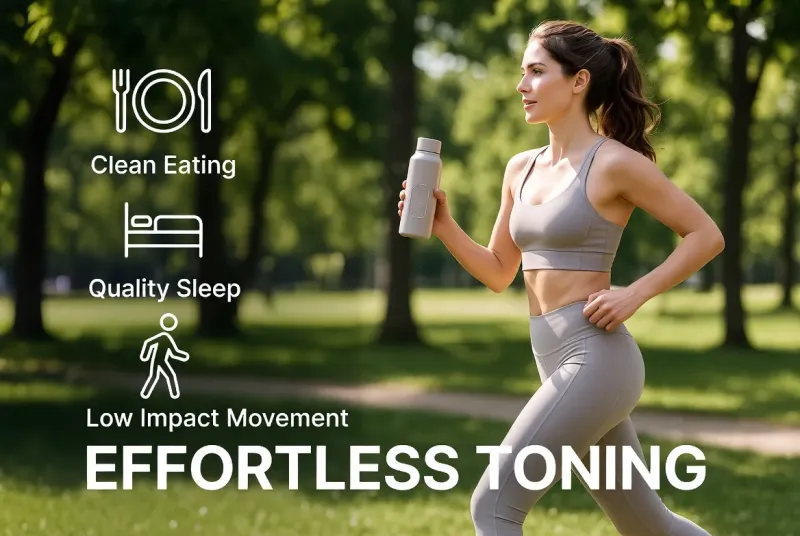
Redefining Fitness Tone Without the Torture
Let's start with a truth many fitness industries won't emphasize: you absolutely do not need intense, sweat-drenched workouts to maintain a toned, healthy body. For countless women juggling careers, family responsibilities, and personal well-being, the idea of spending hours at the gym or following punishing exercise regimens feels unrealistic—and frankly, unsustainable.
The good news? Science supports a gentler approach. Body tone—the firm, defined appearance of muscles beneath the skin—comes from consistent movement, smart nutrition, adequate recovery, and lifestyle habits that support your body's natural functions. You can absolutely achieve and maintain a toned physique without high-intensity interval training, heavy weightlifting, or exhausting cardio sessions.
This guide is designed for the real woman living a real life. Whether you're a working professional, a stay-at-home parent, a student, or navigating multiple roles, these strategies fit into your world. They're evidence-based, practical, and focused on long-term health rather than quick fixes. Let's explore how you can cultivate a toned, confident body through sustainable, enjoyable practices.
Understanding Body Tone What It Really Means
Before diving into strategies, it's helpful to understand what "body tone" actually is. Muscle tone, or muscular tonus, refers to the continuous and passive partial contraction of your muscles, or the muscle's resistance to stretch. When people talk about a "toned" body, they typically mean visible muscle definition, firmness, and a lean appearance—not necessarily large muscles or extreme athleticism.
Achieving this look depends on several factors:- Muscle mass: Having adequate lean muscle gives shape and definition- Body fat percentage: Lower body fat allows muscle definition to show through- Posture and alignment: Good posture instantly creates a more toned appearance- Hydration and skin health: Well-hydrated skin looks firmer and more radiant- Consistency: Small, regular actions compound into visible results over time
The key insight: you don't need to maximize any single factor. Balanced, sustainable attention to each creates the toned, healthy appearance many women desire—without extreme measures.
Strategy 1 Embrace Consistent, Low-Impact Movement
You don't need high-intensity workouts to build and maintain muscle tone. Consistent, low-impact movement done regularly is far more effective—and sustainable—than occasional intense sessions.
Walking The Underrated Powerhouse
Walking is one of the most accessible, effective exercises for maintaining body tone. It engages multiple muscle groups, supports cardiovascular health, and helps manage body composition—all with minimal joint stress.
Aim for 30 minutes of brisk walking most days. You can break this into three 10-minute sessions if that fits your schedule better. Walk during lunch breaks, take phone calls while pacing, or park farther from entrances to add steps naturally.
To increase toning benefits:- Add gentle hills or stairs to engage glutes and calves- Swing your arms deliberately to engage upper body muscles- Practice good posture: shoulders back, core lightly engaged, head tall- Try interval walking: alternate 2 minutes brisk, 2 minutes moderate
Pilates and Barre Precision Over Power
Pilates and barre-style workouts focus on controlled, precise movements that lengthen and strengthen muscles without bulk. These methods emphasize core stability, posture, and muscular endurance—key components of a toned appearance.
Many effective Pilates and barre routines require no equipment and can be done at home in 15-20 minutes. Look for beginner-friendly videos focusing on:- Core engagement exercises like the hundred, roll-ups, and leg circles- Lower body work: plié squats, leg lifts, and calf raises- Upper body toning: arm circles, push-up modifications, and shoulder stabilization
Consistency matters more than duration. Even 10 minutes daily creates more benefit than one long weekly session.
Yoga for Strength and Flexibility
Yoga builds functional strength through bodyweight holds and flows. Styles like Vinyasa, Hatha, or Power Yoga engage multiple muscle groups while improving flexibility and balance—contributing to a long, lean, toned appearance.
Beyond physical benefits, yoga supports stress management and body awareness, helping you make choices that support your fitness goals. A simple 20-minute morning yoga routine can:- Activate core muscles through poses like plank, boat, and warrior variations- Strengthen legs with chair pose, warrior sequences, and balancing postures- Tone arms and shoulders with downward dog, chaturanga modifications, and arm balances
Start with beginner videos and focus on form over intensity. Progress naturally as your strength builds.
Strategy 2 Optimize Daily Movement (NEAT)
Non-Exercise Activity Thermogenesis, or NEAT, refers to the calories you burn through daily activities outside of formal exercise. Boosting NEAT is a powerful, effortless way to support body tone.
Simple ways to increase NEAT:- Take the stairs instead of the elevator- Stand or pace while talking on the phone- Do light chores actively: squat while folding laundry, engage core while washing dishes- Garden, play with kids or pets, or dance while cooking- Use a standing desk or alternate sitting and standing throughout the day
These micro-movements add up. Research shows that increasing NEAT can significantly impact body composition over time—without requiring dedicated workout time.
Make it automatic:- Set reminders to stand and stretch every hour- Keep light resistance bands near your desk for quick arm exercises- Park farther away or get off transit one stop early- Walk to nearby errands instead of driving
Strategy 3 Prioritize Protein and Balanced Nutrition
Muscle tone depends heavily on what you eat. You don't need a restrictive diet, but focusing on protein and balanced meals supports muscle maintenance and healthy body composition.
Protein The Building Block of Tone
Protein provides amino acids essential for muscle repair and growth. Including adequate protein at each meal helps preserve lean muscle, especially as you age.
Aim for 20-30 grams of protein per meal from sources like:- Eggs, Greek yogurt, cottage cheese- Chicken, fish, lean meats- Beans, lentils, tofu, tempeh- Protein powders (if helpful for your routine)
You don't need to track grams precisely. A simple visual guide: include a palm-sized portion of protein at each meal.
Balance, Not Deprivation
Extreme diets often backfire, leading to muscle loss and metabolic slowdown. Instead, focus on balanced meals that include:- Protein for muscle support- Fiber-rich carbohydrates (vegetables, fruits, whole grains) for energy and satiety- Healthy fats (avocado, nuts, olive oil) for hormone health and nutrient absorption
This approach stabilizes blood sugar, reduces cravings, and supports sustainable energy—making it easier to stay consistent with movement habits.
Hydration The Silent Tone-Booster
Proper hydration supports muscle function, skin elasticity, and metabolism. Dehydration can make muscles appear less defined and skin look dull.
Aim for 2-3 liters of water daily, adjusting for activity level and climate. Tips to stay hydrated:- Start your day with a glass of water- Keep a water bottle visible throughout the day- Flavor water with lemon, cucumber, or mint if plain water feels boring- Eat water-rich foods: cucumbers, watermelon, oranges, soups
Strategy 4 Master the Art of Recovery
Rest isn't lazy—it's essential for maintaining muscle tone and overall health. Your body builds and repairs muscle during recovery, not during workouts.
Prioritize Quality Sleep
Sleep is when your body releases growth hormone, repairs muscle tissue, and regulates appetite hormones. Chronic sleep deprivation can increase cortisol (a stress hormone that promotes abdominal fat storage) and reduce motivation for healthy habits.
Aim for 7-9 hours of quality sleep nightly. Improve sleep quality by:- Keeping a consistent sleep schedule, even on weekends- Creating a calming pre-bed routine: dim lights, read, stretch gently- Limiting screens 30-60 minutes before bed- Keeping your bedroom cool, dark, and quiet
Manage Stress Mindfully
Chronic stress elevates cortisol, which can promote fat storage—particularly around the midsection—and interfere with muscle recovery. Stress management isn't a luxury; it's a fitness strategy.
Effective, accessible stress-reduction practices:- Deep breathing: 5 minutes of slow, diaphragmatic breathing calms the nervous system- Gentle movement: walking, stretching, or yoga releases tension- Journaling: writing down thoughts reduces mental clutter- Connection: talking with a friend or loved one buffers stress
You don't need hours of meditation. Even 5-10 minutes of intentional calm makes a difference.
Listen to Your Body
Pushing through pain or exhaustion leads to burnout and injury. Sustainable fitness means honoring your body's signals.
If you're overly sore, fatigued, or unmotivated:- Swap a workout for gentle stretching or a walk- Take a rest day without guilt- Focus on nourishing foods and hydration- Reassess your routine: is it too ambitious for your current life season?
Consistency over months and years matters far more than perfection in any single week.
Strategy 5 Incorporate Gentle Strength Principles
You don't need heavy weights to build tone. Bodyweight exercises and light resistance, done consistently, effectively strengthen and define muscles.
Bodyweight Basics for Home
These foundational movements engage multiple muscle groups and require no equipment:- Squats: strengthen legs and glutes; keep knees behind toes, chest lifted- Modified push-ups: tone chest, shoulders, and arms; start on knees or against a wall- Glute bridges: target posterior chain; squeeze glutes at the top- Planks: build core stability; start with 15-20 seconds, build gradually- Lunges: improve leg strength and balance; step forward or backward comfortably
Perform 2-3 sets of 10-15 repetitions, 2-3 times weekly. Focus on controlled movement and proper form over speed or quantity.
Add Light Resistance Gradually
As bodyweight exercises become easier, add gentle resistance:- Use water bottles or canned goods as light weights- Try resistance bands for added challenge in squats, rows, or arm exercises- Wear a weighted vest for walks (start light, 2-5 pounds)
Progressive overload—gradually increasing challenge—is key to continued improvement. But "progressive" can mean more repetitions, slower tempo, or better form—not just heavier weights.
Strategy 6 Cultivate Posture and Body Awareness
Posture dramatically influences how toned you appear. Standing tall with shoulders back and core engaged instantly creates a more defined, confident silhouette.
Simple Posture Checks Throughout the Day- Imagine a string gently pulling the crown of your head upward- Roll shoulders back and down, away from ears- Engage your core lightly, as if preparing for a gentle cough- Distribute weight evenly through both feet when standing
Set reminders to check posture: when you sit down, stand up, or check your phone. Over time, good posture becomes automatic.
Mindful Movement Practices
Activities that emphasize body awareness enhance both posture and muscle engagement:- Tai Chi: slow, flowing movements improve balance and mindful control- Feldenkrais or Alexander Technique: gentle methods for efficient movement patterns- Dance: any style that encourages full-body expression and coordination
These practices don't just improve appearance—they reduce pain, prevent injury, and make daily movement feel easier.
Strategy 7 Build Sustainable Habits, Not Short-Term Fixes
The secret to maintaining body tone long-term isn't intensity—it's consistency. Small, enjoyable habits repeated over time create lasting change.
Start Small, Build Gradually
Trying to overhaul your entire lifestyle overnight rarely works. Instead:- Choose one small change: drink more water, walk 10 minutes daily, add protein to breakfast- Practice it consistently for 2-3 weeks until it feels automatic- Add the next small change only after the first is established
This approach prevents overwhelm and builds confidence through small wins.
Focus on How You Feel, Not Just How You Look
Shifting your motivation from appearance to well-being creates more sustainable habits. Notice:- Do you have more energy throughout the day?- Do you sleep better?- Do you feel stronger carrying groceries or playing with kids?- Do you feel more confident and capable?
These internal rewards reinforce habits far more powerfully than scale numbers or mirror checks.
Embrace Flexibility, Not Perfection
Life happens. Some weeks you'll move more, others less. Some days you'll eat perfectly, others you won't. This is normal.
Instead of an all-or-nothing mindset:- If you miss a workout, do 5 minutes of stretching instead of skipping entirely- If you eat off-plan at one meal, make the next meal nourishing- If you're stressed or sick, prioritize rest without guilt
Progress isn't linear. What matters is returning to your habits, not never straying from them.
Special Considerations for Different Life Stages
Your approach to maintaining tone may shift through different phases of life—and that's okay.
In Your 20s and 30s- Focus on building healthy habits that become automatic- Prioritize strength-building to establish muscle mass early- Balance activity with adequate recovery to prevent burnout
In Your 40s and 50s- Hormonal changes may affect body composition; protein and strength work become even more important- Prioritize joint-friendly movements and flexibility- Listen to your body's recovery needs; rest is not optional
In Your 60s and Beyond- Maintain muscle mass to support mobility and independence- Focus on balance and fall prevention through gentle strength and stability work- Celebrate what your body can do, not just how it looks
When to Seek Professional Guidance
While these strategies work for most women, consult a healthcare provider or certified fitness professional if:- You have chronic pain, injuries, or medical conditions- You're new to exercise and want personalized guidance- You're not seeing progress despite consistent effort- You experience extreme fatigue, mood changes, or other concerning symptoms
A physical therapist, registered dietitian, or certified trainer can help tailor approaches to your unique needs.
The Bigger Picture Fitness as Self-Care, Not Punishment
Perhaps the most important shift is reframing fitness. Instead of viewing movement as punishment for what you ate or a chore you must endure, see it as an act of self-care—a way to honor your body, boost your mood, and invest in your long-term well-being.
When fitness feels good, you'll naturally want to do more of it. When you treat your body with kindness, it responds with strength, energy, and resilience.
Your toned, healthy body isn't a destination you reach through suffering. It's a natural outcome of consistent, compassionate care. You don't need intense workouts to get there. You need patience, consistency, and the wisdom to work with your body—not against it.
Start where you are. Choose one small step today. Tomorrow, take another. Over time, these small steps create the strong, toned, confident body you deserve—without burnout, without extremes, without sacrificing the life you love living.
You've got this.