

Hyperpigmentation Decoded: Causes, Prevention, and the Fastest Ways to Fade Dark Spots
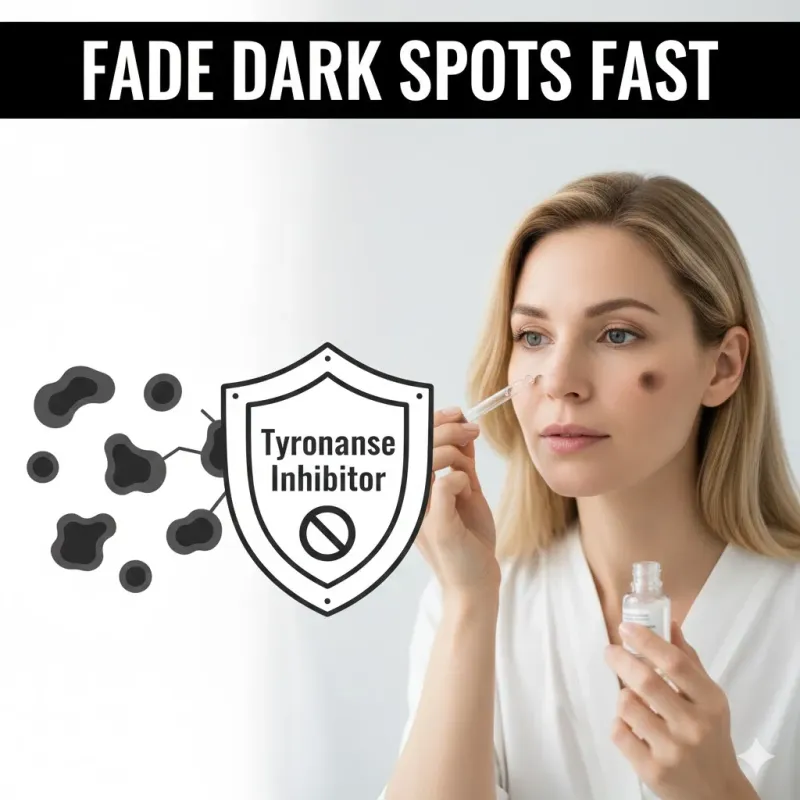
Understanding Hyperpigmentation The Science Behind Dark Spots
Hyperpigmentation is one of the most common and frustrating skin concerns, affecting people of all skin types and tones. It manifests as dark patches, spots, or uneven discoloration that can persist for months or even years. While not harmful to health, hyperpigmentation can significantly impact confidence and quality of life.
The good news? With the right knowledge and approach, most forms of hyperpigmentation can be significantly improved or completely resolved. But first, you need to understand what's happening beneath the surface.
What Is Hyperpigmentation?
Hyperpigmentation occurs when your skin produces excess melanin—the pigment responsible for your skin, hair, and eye color. This overproduction creates darker patches or spots that stand out against your normal skin tone.
Melanin is produced by specialized cells called melanocytes, located in the basal layer of your epidermis. When triggered by various factors, these cells produce more melanin than usual, which is then transferred to surrounding skin cells (keratinocytes), creating visible dark spots or patches.
The Three Main Types of Hyperpigmentation
1. Post-Inflammatory Hyperpigmentation (PIH)What it is: Dark spots that appear after skin inflammation or injury has healed.Common causes:- Acne breakouts (most common)- Eczema or psoriasis flare-ups- Cuts, burns, or scrapes- Insect bites- Aggressive skincare treatments (over-exfoliation, harsh peels)- Allergic reactions
Characteristics:- Color ranges from pink/red to brown/black depending on skin tone- Flat spots (not raised like scars)- Appears at the site of previous inflammation- More common and persistent in deeper skin tones (Fitzpatrick IV-VI)
Timeline Can last 3-24 months without treatment; fades faster with proper care
2. MelasmaWhat it is: Larger patches of discoloration, typically symmetrical, caused by hormonal changes.Common causes:- Pregnancy ("mask of pregnancy" or chloasma)- Birth control pills or hormone replacement therapy- Thyroid disorders- Genetic predisposition- Sun exposure (major trigger)
Characteristics:- Brown or gray-brown patches- Typically appears on cheeks, forehead, nose, upper lip, chin- Symmetrical pattern (both sides of face)- More common in women (90% of cases)- More prevalent in medium to deep skin tones
Timeline: Chronic condition; can improve with treatment but often recurs with sun exposure or hormonal changes
3. Solar Lentigines (Sun Spots/Age Spots)What it is: Flat, brown spots caused by cumulative UV exposure over time.Common causes:- Chronic sun exposure without adequate protection- Tanning bed use- Natural aging process combined with UV damage
Characteristics:- Small, flat, brown to black spots- Appear on sun-exposed areas: face, hands, shoulders, arms, décolletage- More common after age 40, but can appear earlier with significant sun exposure- Also called "liver spots" (though unrelated to liver function)
Timeline Permanent without treatment; can be lightened or removed with proper interventions
Less Common Types:- Freckles (ephelides): Genetic, appear in childhood, darken with sun exposure- Drug-induced hyperpigmentation: Caused by certain medications (chemotherapy, antimalarials, some antibiotics)- Acanthosis nigricans: Dark, velvety patches often related to insulin resistance
The Biology of Melanin Overproduction
To effectively treat hyperpigmentation, it helps to understand the biological pathway that creates it.
The Melanin Production Pathway
1. Trigger ActivationVarious stimuli activate melanocytes:- UV radiation (primary trigger)- Inflammation (cytokines and inflammatory mediators)- Hormonal signals (estrogen, progesterone, MSH—melanocyte-stimulating hormone)- Heat and visible light (especially for melasma)
2. Tyrosinase Enzyme ActivationTyrosinase is the rate-limiting enzyme in melanin synthesis. When activated, it converts the amino acid tyrosine into dopaquinone, which eventually becomes melanin.
3. Melanin Synthesis andamp; TransferMelanin is produced within melanosomes (specialized organelles) and transferred to surrounding keratinocytes, where it accumulates and becomes visible as dark spots.
4. Epidermal TurnoverNormally, pigmented skin cells are shed through natural exfoliation over 28-40 days. However, if melanin production outpaces turnover, pigmentation accumulates and becomes more stubborn.
Key Insight: Effective treatment must address multiple points in this pathway—preventing triggers, inhibiting tyrosinase, blocking melanin transfer, and accelerating cell turnover.
Root Causes andamp; Risk Factors
Understanding what triggers hyperpigmentation helps you prevent it and choose the right treatment.
1. Ultraviolet (UV) RadiationThe #1 cause of hyperpigmentation. UV exposure:- Directly stimulates melanocytes to produce more melanin- Triggers inflammation that leads to PIH- Worsens melasma and sun spots- Penetrates clouds and windows (UVA rays)
Prevention Daily broad-spectrum SPF 30+ is non-negotiable.
2. Visible Light andamp; HeatParticularly relevant for melasma and deeper skin tones:- High-energy visible (HEV) blue light from screens and sunlight can trigger pigmentation- Infrared radiation and heat exacerbate melasma- This is why melasma often worsens in summer or with hot yoga/cooking
Prevention Tinted sunscreens with iron oxides block visible light; avoid excessive heat exposure.
3. Inflammation andamp; Skin TraumaAny inflammatory event can trigger PIH:- Picking at acne or scabs- Harsh scrubs or over-exfoliation- Aggressive laser treatments or chemical peels (especially on deeper skin tones)- Allergic reactions to skincare products
Prevention Treat acne early, avoid picking, use gentle products, patch test new products.
4. Hormonal FluctuationsEstrogen and progesterone sensitize melanocytes:- Pregnancy, birth control, hormone therapy- Thyroid imbalances- Stress (elevated cortisol can worsen pigmentation)
Prevention: Sun protection is critical during hormonal changes; discuss alternatives with your doctor if birth control triggers melasma.
5. Genetic PredispositionSome people are simply more prone to hyperpigmentation:- Family history of melasma or PIH- Deeper skin tones (Fitzpatrick IV-VI) have more active melanocytes- Certain ethnicities (Latinx, Asian, African, Mediterranean) are at higher risk
Prevention Extra vigilance with sun protection and gentle skincare.
6. Medications andamp; Medical ConditionsCertain drugs can cause or worsen pigmentation:- Chemotherapy agents- Antimalarials (chloroquine, hydroxychloroquine)- Some antibiotics (tetracyclines)- Antipsychotics, antiseizure medications- Conditions like Addison's disease, hemochromatosis
Prevention Consult your doctor if you notice new pigmentation after starting medication.
The Fastest Ways to Fade Dark Spots Evidence-Based Treatments
Treating hyperpigmentation requires a multi-pronged approach. No single ingredient or treatment works for everyone, but combining strategies yields the best results.
TOPICAL INGREDIENTS (First-Line Treatment)
1. Hydroquinone (The Gold Standard)How it works: Inhibits tyrosinase enzyme, blocking melanin production.Effectiveness: Most potent topical lightening agent; 2-4% concentration shows results in 6-12 weeks.Best for: Melasma, PIH, sun spots.
Important considerations:- Prescription-strength (4%) available; OTC versions typically 2%- Should be used in cycles (3-4 months on, 1-2 months off) to prevent rebound pigmentation- Can cause irritation or ochronosis (paradoxical darkening) with prolonged use, especially in deeper skin tones- Not recommended during pregnancy or breastfeeding- Always use with sunscreen; makes skin more sun-sensitive
2. Retinoids (Tretinoin, Adapalene, Retinol)How they work:- Accelerate cell turnover, shedding pigmented cells faster- Inhibit tyrosinase activity- Enhance penetration of other lightening agents- Stimulate collagen production, improving overall skin quality
Effectiveness: Moderate to high; results in 8-12 weeks with consistent use.Best for: PIH, sun damage, overall texture improvement.
Usage tips:- Start with low concentration (0.025% tretinoin or 0.1% adapalene)- Apply 2-3 nights/week initially, increasing as tolerated- Always use sunscreen; retinoids increase sun sensitivity- Can be combined with hydroquinone for enhanced effect (prescription Tri-Luma combines both)
3. Vitamin C (L-Ascorbic Acid)How it works:- Antioxidant that inhibits tyrosinase- Neutralizes free radicals that trigger pigmentation- Brightens overall complexion- Enhances sunscreen efficacy
Effectiveness: Moderate; best for prevention and mild-moderate pigmentation.Best for: Overall brightening, sun damage prevention, early-stage PIH.
Usage tips:- Choose stable formulations (10-20% L-ascorbic acid with ferulic acid and vitamin E)- Apply in the morning before sunscreen- Store in opaque, airtight containers to prevent oxidation- Results take 8-12 weeks
4. Niacinamide (Vitamin B3)How it works:- Blocks melanin transfer from melanocytes to keratinocytes- Reduces inflammation that triggers PIH- Strengthens barrier function- Well-tolerated by most skin types
Effectiveness: Moderate; 4-5% concentration shows results in 8-12 weeks.Best for: PIH, melasma maintenance, sensitive skin.
Usage tips:- Can be used morning and night- Pairs well with most ingredients (vitamin C, retinoids, AHAs)- Minimal irritation risk; suitable for all skin tones
5. Azelaic AcidHow it works:- Inhibits tyrosinase- Anti-inflammatory (excellent for acne-related PIH)- Normalizes abnormal melanocyte activity- Safe for pregnancy
Effectiveness: Moderate to high; 15-20% prescription strength shows results in 8-12 weeks.Best for: Melasma, PIH, rosacea-related pigmentation, pregnancy-safe option.
Usage tips:- Can be used twice daily- Minimal photosensitivity; still use sunscreen- Gentle enough for sensitive skin
6. Alpha Arbutin andamp; Kojic AcidHow they work:- Natural tyrosinase inhibitors derived from plants/fungi- Gentler alternatives to hydroquinone- Reduce melanin production
Effectiveness: Mild to moderate; results in 8-12 weeks.Best for: Mild hyperpigmentation, maintenance, sensitive skin.
Usage tips:- Often combined with other lightening agents for enhanced effect- Lower irritation risk than hydroquinone- Can be used long-term
7. Chemical Exfoliants (AHAs: Glycolic Acid, Lactic Acid, Mandelic Acid)How they work:- Dissolve bonds between dead skin cells, accelerating turnover- Remove pigmented surface cells- Enhance penetration of other treatments
Effectiveness: Moderate; best as adjunctive therapy.Best for: Surface-level pigmentation, texture improvement.
Usage tips:- Start with low concentrations (5-10%)- Use 1-3 times/week depending on tolerance- Mandelic acid is gentler and better for deeper skin tones- Always use sunscreen; AHAs increase sun sensitivity
PROFESSIONAL TREATMENTS (For Stubborn Cases)
When topical treatments aren't enough, professional procedures can accelerate results.
1. Chemical PeelsWhat they are: Controlled application of acid solutions to remove damaged skin layers.Types:- Superficial peels (glycolic, lactic, salicylic acid): Minimal downtime; multiple sessions needed- Medium peels (TCA 20-35%): More dramatic results; 1-2 weeks downtime- Deep peels (phenol): Significant results; extended downtime; higher risk
Effectiveness: High for superficial to medium-depth pigmentation.Best for: Sun damage, PIH, melasma (with caution).
Important considerations:- Must be performed by experienced provider, especially on deeper skin tones- Risk of post-inflammatory hyperpigmentation if too aggressive- Requires strict sun protection before and after- Multiple sessions typically needed (4-6 for superficial peels)
2. Laser andamp; Light TherapiesWhat they are: Targeted energy that breaks up melanin or removes pigmented cells.
Types:- Q-switched Nd:YAG laser: Gold standard for deeper skin tones; targets melanin specifically- PicoSure laser: Ultra-short pulses; less heat, lower PIH risk- IPL (Intense Pulsed Light): Broad-spectrum light; best for lighter skin tones (I-III)- Fractional lasers (Fraxel): Creates micro-injuries to stimulate renewal; effective but higher PIH risk
Effectiveness: High for sun spots and PIH; variable for melasma (can worsen if not done carefully).Best for: Sun spots, PIH, some cases of melasma.
Important considerations:- Choose a provider experienced with your skin tone- Test spot essential for deeper skin tones- Multiple sessions needed (3-6 typically)- Strict sun protection before and after- Melasma requires conservative settings; aggressive treatment can cause rebound pigmentation
3. MicroneedlingWhat it is: Tiny needles create controlled micro-injuries, stimulating collagen and enhancing product penetration.Effectiveness: Moderate; best combined with topical lightening serums.Best for: PIH, overall texture, safer option for deeper skin tones.
Important considerations:- Lower risk of PIH than lasers for deeper skin tones- Can be combined with vitamin C, tranexamic acid, or other lightening agents- Multiple sessions needed (4-6)- Must be performed sterilely to avoid infection
4. CryotherapyWhat it is: Liquid nitrogen freezes and destroys pigmented cells.Effectiveness: High for isolated sun spots.Best for: Individual solar lentigines (age spots).
Important considerations:- Quick, in-office procedure- Can cause hypopigmentation (white spots) if over-treated- Not suitable for melasma or widespread pigmentation
Sample Hyperpigmentation Treatment Routine
Morning:1. Gentle cleanser (pH-balanced, non-stripping)2. Vitamin C serum (10-20% L-ascorbic acid)3. Niacinamide serum (4-5%) or alpha arbutin4. Lightweight moisturizer with ceramides5. Broad-spectrum sunscreen SPF 50+ (tinted with iron oxides if melasma)
Evening:1. Gentle cleanser (double cleanse if wearing sunscreen/makeup)2. Treatment rotation:andnbsp; andnbsp;- Retinoid nights (3-4x/week): Tretinoin or adapaleneandnbsp; andnbsp;- Azelaic acid or hydroquinone nights (alternate evenings)andnbsp; andnbsp;- Rest nights: Focus on barrier support with niacinamide or peptides3. Moisturizer with barrier-supporting ingredients
Weekly:- Gentle chemical exfoliation (1x/week): AHA (glycolic or lactic acid 5-10%)- Hydrating mask to support barrier health
Important: Introduce one active ingredient at a time, waiting 2-4 weeks before adding another. This helps you identify what works and avoids overwhelming your skin.
Prevention Strategies Stop Hyperpigmentation Before It Starts
Prevention is far easier than correction. These strategies protect your skin and prevent new dark spots:
1. Daily Sun Protection (Non-Negotiable)- Use broad-spectrum SPF 30+ every single day, even indoors- Reapply every 2 hours with sun exposure- Wear wide-brimmed hats, sunglasses, and protective clothing- Seek shade during peak hours (10 AM - 4 PM)- Remember: UVA rays penetrate clouds and windows
2. Treat Acne Early andamp; Gently- Don't pick or pop pimples- Use non-comedogenic products- Treat breakouts promptly with salicylic acid or benzoyl peroxide- See a dermatologist for persistent acne to prevent scarring and PIH
3. Be Gentle With Your Skin- Avoid harsh scrubs or aggressive exfoliation- Don't over-cleanse (twice daily is enough)- Patch test new products- Introduce actives slowly- Listen to your skin—if it's irritated, scale back
4. Manage Hormonal Triggers- Discuss birth control options with your doctor if melasma develops- Treat thyroid disorders- Manage stress (cortisol worsens pigmentation)- Extra sun protection during pregnancy
5. Antioxidant-Rich Diet- Eat colorful fruits and vegetables (vitamins C, E, A)- Omega-3 fatty acids reduce inflammation- Stay hydrated- Limit sugar (glycation damages skin)
Realistic Expectations How Long Does It Take?
Hyperpigmentation doesn't fade overnight. Here's what to expect
Timeline by Treatment Type
Topical Ingredients:- 4-6 weeks: Initial improvement in brightness and texture- 8-12 weeks: Visible lightening of dark spots- 3-6 months: Significant improvement for moderate pigmentation- 6-12 months: Maximum results for stubborn melasma or deep PIH
Professional Treatments:- Chemical peels: 2-4 weeks between sessions; 4-6 sessions for significant results- Laser treatments: 4-6 weeks between sessions; 3-6 sessions typical- Microneedling: 4-6 weeks between sessions; 4-6 sessions for optimal results
Factors That Affect Timeline:- Depth of pigmentation: Surface-level spots fade faster than dermal melanin- Skin tone: Deeper skin tones may take longer and require gentler approaches- Consistency: Daily sunscreen and treatment adherence are critical- Type of hyperpigmentation: Sun spots respond faster than melasma- Age: Younger skin turns over faster
When to See a Dermatologist
Consult a dermatologist if:- Hyperpigmentation is widespread or worsening despite consistent care- You have melasma (hormonal pigmentation requires specialized treatment)- Over-the-counter products haven't improved skin after 3-4 months- You have deeper skin tones (Fitzpatrick IV-VI) and want professional treatments- You're unsure of the type of pigmentation you have- You want prescription-strength treatments (hydroquinone 4%, tretinoin, combination creams)- You're considering laser or peel treatments
A dermatologist can:- Accurately diagnose the type of hyperpigmentation- Rule out other conditions (melanoma, lentigo maligna)- Prescribe stronger topical treatments- Perform safe, effective procedures tailored to your skin tone- Create a comprehensive treatment plan
Common Mistakes to Avoid
Mistake 1: Skipping SunscreenWhy it backfires: UV exposure reverses all progress and triggers new pigmentation.Fix: Make SPF 50+ a non-negotiable daily habit, rain or shine.
Mistake 2: Using Too Many Actives at OnceWhy it backfires: Overwhelming your skin causes irritation, which triggers more pigmentation.Fix: Introduce one active at a time; less is often more.
Mistake 3: Picking at Acne or ScabsWhy it backfires: Trauma triggers inflammation and PIH.Fix: Keep hands off your face; treat acne early to prevent breakouts.
Mistake 4: Expecting Overnight ResultsWhy it backfires: Impatience leads to product-hopping or aggressive treatments that damage your barrier.Fix: Commit to a routine for at least 8-12 weeks before evaluating results.
Mistake 5: Ignoring Your Skin ToneWhy it backfires: Treatments that work for lighter skin can cause PIH in deeper skin tones.Fix: Choose gentler approaches for Fitzpatrick IV-VI; work with a provider experienced in your skin tone.
Mistake 6: Using Hydroquinone IndefinitelyWhy it backfires: Long-term use can cause rebound pigmentation or ochronosis.Fix: Use in cycles (3-4 months on, 1-2 months off); alternate with non-hydroquinone brighteners.
The Mindset Shift Patience andamp; Consistency
Hyperpigmentation treatment is a marathon, not a sprint. The most successful approach combines
- Consistency: Daily sunscreen and treatment adherence matter more than product potency- Patience: Results take months, not weeks- Gentleness: Aggressive treatments often backfire, especially on deeper skin tones- Prevention: Protecting your skin is easier than correcting damage- Self-compassion: Your worth isn't defined by your skin's appearance
Celebrate small wins: improved texture, brighter overall tone, fewer new spots. Progress isn't always linear—some weeks you'll see more improvement than others. Trust the process.
Conclusion Your Path to Even, Radiant Skin
Hyperpigmentation is common, frustrating, and often stubborn—but it's not permanent. By understanding the science behind dark spots, addressing root causes, and implementing a strategic, evidence-based approach, you can significantly fade discoloration and achieve a more even, radiant complexion.
Remember:- Prevention is paramount: daily SPF is your best defense- Consistency beats intensity: gentle, regular care outperforms aggressive treatments- Patience is essential: results take time, but they're worth it- Professional guidance helps: don't hesitate to see a dermatologist for stubborn cases- Your skin tone matters: choose treatments appropriate for your Fitzpatrick type
Start where you are. Audit your current routine. Identify one change to make this week—perhaps adding daily sunscreen, introducing a vitamin C serum, or booking a dermatology consultation. Notice how your skin responds. Build from there.
Your skin tells a story of resilience, adaptation, and the power of informed care. With the right knowledge, products, and patience, you can fade dark spots and reveal the radiant, even-toned skin beneath.
For evidence-based skincare resources, personalized treatment plans, and expert guidance tailored to hyperpigmentation and your unique skin tone, explore trusted platforms that prioritize science, transparency, and individualized care. Your journey to clearer, more even skin starts with one intentional choice at a time.