

Face Wash Mistakes: 5 Ways You're Destroying Your Moisture Barrier
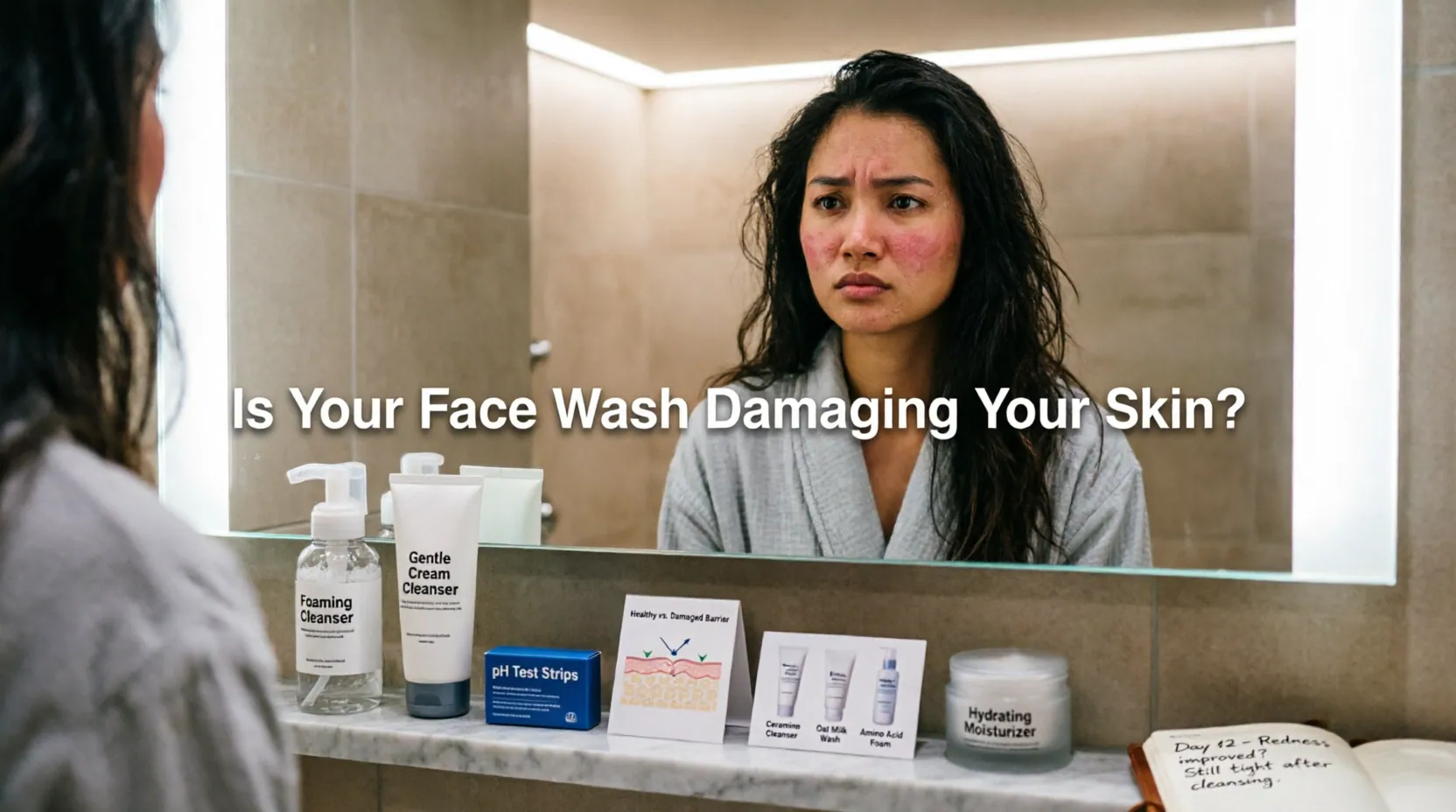
That tight, dry feeling after washing your face isn't a sign of a "deep clean"—it's a warning signal that your moisture barrier is under attack. Face wash mistakes are one of the most common yet overlooked causes of skin damage, affecting millions of people who unknowingly sabotage their skin health every single day. The harsh foaming cleansers, hot water, and aggressive scrubbing that promise "squeaky clean" skin are actually stripping away the protective lipids that keep your skin healthy, hydrated, and resilient.
Your skin's moisture barrier (stratum corneum) is a delicate structure of lipids, proteins, and natural moisturizing factors that protects against environmental aggressors, prevents water loss, and maintains skin health. When this barrier is compromised by harsh cleansing habits, the consequences are severe: chronic dryness, increased sensitivity, breakouts, premature aging, and a complexion that never quite looks or feels right.
In this comprehensive, dermatologist-informed guide, we'll expose the 5 most common cleansing mistakes that destroy your moisture barrier, reveal the science behind proper cleansing, share the exact protocol for choosing and using face wash correctly, and provide expert strategies for repairing damaged barriers. Whether you're dealing with persistent dryness, unexplained breakouts, or sensitivity that won't resolve, you'll learn how to transform your cleansing routine from a source of damage into a foundation for healthy, radiant skin.
Understanding the Moisture Barrier: Your Skin's First Line of Defense
Short answer: The moisture barrier (stratum corneum) is a protective layer of lipids, proteins, and natural moisturizing factors that prevents water loss, blocks irritants, and maintains skin health—when damaged by harsh cleansing, it leads to dryness, sensitivity, and inflammation.
Before understanding cleansing mistakes, you need to understand what you're protecting:
What Is the Moisture Barrier?
The moisture barrier, also known as the stratum corneum or acid mantle, is your skin's outermost protective layer:
- Structure: Composed of corneocytes (dead skin cells) held together by lipids (ceramides, cholesterol, fatty acids) in a "brick and mortar" structure
- pH Level: Naturally acidic (pH 4.5-5.5) to inhibit harmful bacteria and support beneficial microbes
- Function: Prevents transepidermal water loss (TEWL), blocks environmental irritants, protects against pathogens, and maintains skin integrity
Why the Barrier Matters
Healthy Barrier Functions:
- Hydration: Locks in moisture, keeping skin plump and supple
- Protection: Shields against pollutants, allergens, and microbes
- Comfort: Prevents sensitivity, stinging, and irritation
- Appearance: Creates smooth, radiant, even-toned skin
When Barrier Is Damaged:
- Water escapes rapidly, causing chronic dryness and dehydration
- Irritants penetrate easily, triggering inflammation and sensitivity
- Beneficial bacteria are disrupted, leading to breakouts or infections
- Skin appears dull, rough, flaky, and prematurely aged
How Cleansing Affects the Barrier
Proper cleansing supports barrier health by removing dirt, oil, and pollutants without stripping protective lipids. However, harsh cleansing:
- Strips natural oils: Removes ceramides and fatty acids that hold barrier together
- Disrupts pH: Alkaline cleansers (pH 8-10) neutralize acid mantle, allowing harmful bacteria to thrive
- Causes micro-tears: Aggressive scrubbing damages corneocytes
- Triggers inflammation: Barrier damage activates immune response, causing redness and sensitivity
The 5 Cleansing Mistakes That Destroy Your Moisture Barrier
Short answer: The most damaging cleansing mistakes include using high-pH foaming cleansers, washing with hot water, over-cleansing (more than 2x daily), scrubbing aggressively, and skipping moisturizer—each stripping protective lipids and compromising barrier function.
These common habits are silently sabotaging your skin:
Mistake #1: Using High-pH Foaming Cleansers
The Problem:
Most conventional foaming cleansers have a pH of 8-10, which is highly alkaline compared to skin's natural pH of 4.5-5.5. This pH mismatch:
- Neutralizes acid mantle: Destroys the protective acidic film that inhibits harmful bacteria
- Strips lipids: Alkaline formulas dissolve ceramides and fatty acids that hold barrier together
- Disrupts microbiome: Kills beneficial bacteria while allowing harmful species to flourish
- Causes rebound oil: Stripping triggers overproduction of sebum, leading to oily-dehydrated skin
Signs You're Using the Wrong pH:
- Skin feels tight, dry, or "squeaky clean" after washing
- Increased breakouts despite "deep cleansing"
- Sensitivity and stinging with product application
- Oily T-zone with dry cheeks (combination skin from barrier damage)
The Solution:
- Choose pH-balanced cleansers (pH 4.5-6.0)
- Opt for cream, milk, or gel formulas over foaming
- Look for "low-pH," "pH-balanced," or "acid mantle friendly" on labels
- Avoid sulfates (SLS/SLES) which are highly alkaline
- Recommended: CeraVe Hydrating Cleanser (pH 5.5), La Roche-Posay Toleriane Hydrating Gentle Cleanser (pH 5.5), Vanicream Gentle Facial Cleanser (pH 5.0-6.0)
Mistake #2: Washing with Hot Water
The Problem:
Hot water (above 105°F/40°C) is devastating to the moisture barrier:
- Dissolves lipids: Heat melts protective oils, stripping them from skin
- Causes inflammation: Heat triggers vasodilation and inflammatory response
- Increases TEWL: Damaged barrier allows rapid water loss
- Worsens sensitivity: Heat-damaged skin becomes reactive and irritated
Signs Hot Water Is Damaging Your Skin:
- Redness or flushing after washing
- Increased dryness and tightness
- Visible broken capillaries over time
- Worsening of rosacea or eczema
The Solution:
- Use lukewarm water (95-100°F / 35-38°C)—comfortable to touch, not hot
- Test water temperature with your wrist (should feel neutral, not warm)
- Finish with a cool rinse to close pores and reduce inflammation
- Limit shower time to 5-10 minutes to prevent over-exposure
Mistake #3: Over-Cleansing (More Than 2x Daily)
The Problem:
Washing your face more than twice daily (morning and night) strips the barrier faster than it can repair:
- Prevents recovery: Barrier needs 6-8 hours to restore lipids; constant washing interrupts this
- Depletes NMF: Natural moisturizing factors are washed away faster than produced
- Triggers inflammation: Repeated cleansing activates immune response
- Causes rebound oil: Stripping signals skin to produce more sebum, creating oily-dehydrated cycle
Signs You're Over-Cleansing:
- Constantly dry or tight skin despite moisturizing
- Oily skin that never feels balanced
- Increased sensitivity and reactivity
- Breakouts from barrier compromise
The Solution:
- Wash maximum 2x daily (morning and night)
- Morning: Use water-only rinse or gentle micellar water if skin is dry
- Night: Double cleanse only if wearing makeup or heavy sunscreen
- After workouts: Rinse with water only, or use gentle cleanser if very sweaty
- If you must cleanse midday: Use micellar water or gentle cleansing water, not foaming cleanser
Mistake #4: Scrubbing Aggressively or Using Harsh Physical Exfoliants
The Problem:
Aggressive scrubbing and harsh physical exfoliants cause micro-tears in the barrier:
- Creates micro-tears: Rough particles damage corneocytes, creating entry points for bacteria
- Strips lipids: Friction removes protective oils
- Triggers inflammation: Physical trauma activates immune response
- Worsens hyperpigmentation: Inflammation triggers melanin production, especially in darker skin tones
Signs You're Scrubbing Too Hard:
- Redness or irritation after cleansing
- Stinging with product application
- Increased breakouts from bacteria entering micro-tears
- Worsening of dark spots or post-inflammatory hyperpigmentation
The Solution:
- Use fingertips only—never washcloths, brushes, or scrubbing tools on compromised skin
- Apply cleanser with gentle, circular motions—no pressure needed
- Rinse by splashing water gently, don't rub
- Pat dry with soft towel—never rub
- Replace physical scrubs with chemical exfoliants (AHAs/BHAs) 1-2x/week max
- If you must use physical exfoliant: Choose fine, round particles (jojoba beads), use 1x/week max, apply with zero pressure
Mistake #5: Skipping Moisturizer After Cleansing
The Problem:
Not moisturizing immediately after cleansing allows transepidermal water loss (TEWL) to occur:
- Water evaporates: Damp skin loses moisture rapidly to the environment
- Barrier stays compromised: Without lipids from moisturizer, barrier can't repair
- Dehydration sets in: Skin becomes chronically dehydrated
- Inflammation increases: Dry skin triggers immune response
Signs You're Not Moisturizing Properly:
- Skin feels tight within minutes of washing
- Visible flakiness or rough texture
- Dull, lackluster complexion
- Increased fine lines from dehydration
The Solution:
- Apply moisturizer within 3 minutes of cleansing while skin is still damp
- This traps water in the stratum corneum, enhancing hydration
- Choose moisturizer with ceramides, cholesterol, and fatty acids to replenish barrier lipids
- For very dry skin: Apply hydrating toner or essence first, then moisturizer
- For oily skin: Use lightweight, non-comedogenic gel or lotion formula
The Science of Proper Cleansing: How to Choose and Use Face Wash Correctly
Short answer: Proper cleansing requires pH-balanced (4.5-6.0) gentle formulas, lukewarm water, maximum 2x daily washing, gentle application with fingertips, and immediate moisturizing—creating a routine that cleans without compromising the barrier.
Follow this evidence-based protocol for healthy cleansing:
Choosing the Right Cleanser for Your Skin Type
Dry or Sensitive Skin:
- Formula: Cream, milk, or balm cleansers
- Key Ingredients: Ceramides, hyaluronic acid, glycerin, squalane
- Avoid: Foaming agents, sulfates, fragrance, alcohol
- Recommended: CeraVe Hydrating Cleanser, La Roche-Posay Toleriane Hydrating Gentle Cleanser, Vanicream Gentle Facial Cleanser
Oily or Acne-Prone Skin:
- Formula: Gentle gel or foaming cleanser (low-pH)
- Key Ingredients: Salicylic acid 0.5-2%, niacinamide, zinc
- Avoid: Harsh sulfates, alcohol-based formulas
- Recommended: CeraVe Foaming Facial Cleanser, La Roche-Posay Effaclar Purifying Foaming Gel, Paula's Choice CLEAR Pore Normalizing Cleanser
Combination Skin:
- Formula: Gentle gel or milky cleanser
- Key Ingredients: Niacinamide, glycerin, mild surfactants
- Avoid: Over-drying formulas or heavy creams
- Recommended: CeraVe Hydrating Cleanser, Krave Beauty Matcha Hemp Hydrating Cleanser, Youth to the People Superfood Cleanser
Normal Skin:
- Formula: Any pH-balanced gentle cleanser
- Key Ingredients: Antioxidants, mild hydrators
- Recommended: CeraVe Hydrating Cleanser, Fresh Soy Face Cleanser, Glossier Milky Jelly Cleanser
The Proper Cleansing Technique
Step-by-Step Protocol:
- Wash Hands First:
- Always wash hands before touching your face
- Prevents transferring bacteria and dirt
- Use Lukewarm Water:
- Wet face with lukewarm water (95-100°F / 35-38°C)
- Test with wrist—should feel neutral, not hot
- Apply Cleanser Gently:
- Dispense pea-sized amount into palms
- Add small amount of water to create light lather (if using foaming formula)
- Apply to face using fingertips only
- Use gentle, circular motions—no pressure needed
- Focus on T-zone if oily; be extra gentle on cheeks if dry
- Massage for 30-60 seconds maximum
- Rinse Thoroughly:
- Splash face with lukewarm water 10-15 times
- Ensure all cleanser residue is removed
- Don't rub or scrub—just gentle splashing
- Pat Dry:
- Use clean, soft towel
- Gently pat (don't rub) until mostly dry
- Leave skin slightly damp for moisturizer application
- Moisturize Immediately:
- Apply moisturizer within 3 minutes while skin is still damp
- This traps water and enhances hydration
- Use upward, gentle motions
Double Cleansing: When and How
What Is Double Cleansing?
Double cleansing involves two steps: oil-based cleanser first to remove makeup/sunscreen, followed by water-based cleanser to clean skin.
When to Double Cleanse:
- Wearing makeup (especially waterproof)
- Wearing heavy sunscreen or water-resistant SPF
- After heavy sweating or exposure to pollution
- NOT necessary for light makeup or no-makeup days
How to Double Cleanse Properly:
- First Cleanse (Oil-Based):
- Apply cleansing oil or balm to dry skin
- Massage gently for 1-2 minutes to dissolve makeup and sunscreen
- Add water to emulsify (turns milky)
- Rinse thoroughly with lukewarm water
- Second Cleanse (Water-Based):
- Follow with gentle pH-balanced cleanser
- Use proper cleansing technique as outlined above
- This removes any residue and cleanses skin
Recommended Oil Cleansers:
- Then I Met You Living Cleansing Balm
- Heimish All Clean Balm
- Kose Softymo Speedy Cleansing Oil
- Banila Co Clean It Zero Cleansing Balm
How to Repair a Damaged Moisture Barrier
Short answer: Repair a damaged barrier by switching to pH-balanced gentle cleanser, eliminating all actives temporarily, using barrier-repair ingredients (ceramides, cholesterol, fatty acids), and maintaining consistent gentle care for 2-4 weeks.
If your barrier is already damaged, follow this repair protocol:
Phase 1: Stop the Damage (Week 1)
Immediate Actions:
- Switch cleanser: Replace harsh cleanser with pH-balanced, gentle formula
- Stop all actives: Pause retinoids, acids, vitamin C, and exfoliants
- Use lukewarm water only: No hot water
- Reduce cleansing: Water-only rinse in morning, gentle cleanse at night
- No physical exfoliation: No scrubs, brushes, or washcloths
Phase 2: Active Repair (Weeks 2-4)
Morning Routine:
- Water rinse only (or gentle micellar water if very oily)
- Hydrating toner or essence with hyaluronic acid or glycerin
- Barrier-repair serum with ceramides, panthenol, or centella
- Rich moisturizer with ceramides, cholesterol, and fatty acids
- Mineral sunscreen SPF 30+ (chemical sunscreens may irritate compromised barrier)
Evening Routine:
- Gentle cleanser (pH 4.5-6.0)
- Hydrating toner or essence
- Barrier-repair serum or treatment
- Rich moisturizer
- Optional occlusive: Thin layer of petrolatum or squalane on extra-dry areas
Key Barrier-Repair Ingredients
Ceramides:
- Replenish the "mortar" between skin cells
- Look for ceramide NP, AP, or EOP
- Use in both serum and moisturizer
Cholesterol:
- Works with ceramides to restore barrier
- Often found in barrier-repair moisturizers
Fatty Acids:
- Linoleic acid, oleic acid support barrier function
- Found in oils like squalane, rosehip, jojoba
Panthenol (Provitamin B5):
- Soothes irritation and supports healing
- Attracts moisture to skin
Centella Asiatica (Cica):
- Anti-inflammatory and wound-healing
- Calms irritated, compromised skin
Niacinamide (2-5%):
- Strengthens barrier function
- Reduces inflammation
- Use lower concentration (2-5%) on compromised skin
Phase 3: Gradual Reintroduction (Week 5+)
Once barrier is repaired (no tightness, redness, or sensitivity):
- Week 5: Reintroduce gentle active (niacinamide or low-dose vitamin C) 2x/week
- Week 6: Add gentle exfoliant (PHA or low-dose lactic acid) 1x/week
- Week 7: Gradually increase frequency as tolerated
- Week 8+: Slowly reintroduce retinoids if desired, starting 1x/week
Important: If irritation returns, go back to Phase 2 for another 1-2 weeks before trying again.
Product Recommendations for Barrier-Friendly Cleansing
Short answer: Top barrier-friendly cleansers include CeraVe Hydrating Cleanser, La Roche-Posay Toleriane Hydrating Gentle Cleanser, Vanicream Gentle Facial Cleanser, and Krave Beauty Matcha Hemp Hydrating Cleanser—all pH-balanced and free of harsh sulfates.
Gentle, pH-Balanced Cleansers
For Dry/Sensitive Skin:
- CeraVe Hydrating Cleanser: pH 5.5; ceramides and hyaluronic acid; non-foaming; fragrance-free
- La Roche-Posay Toleriane Hydrating Gentle Cleanser: pH 5.5; prebiotic thermal water and ceramides; milky texture
- Vanicream Gentle Facial Cleanser: pH 5.0-6.0; free of dyes, fragrance, parabens; ideal for sensitive skin
- Krave Beauty Matcha Hemp Hydrating Cleanser: pH 5.5; matcha and hemp seed oil; gentle gel formula
For Oily/Acne-Prone Skin:
- CeraVe Foaming Facial Cleanser: pH 5.5; ceramides and niacinamide; gentle foaming action
- La Roche-Posay Effaclar Purifying Foaming Gel: pH 5.5; zinc pidolate; removes excess oil without stripping
- Paula's Choice CLEAR Pore Normalizing Cleanser: pH 5.5-6.5; salicylic acid 0.5%; gentle exfoliation
- Youth to the People Superfood Cleanser: pH 5.5; kale, spinach, green tea; gentle gel formula
For Combination Skin:
- CeraVe Hydrating Cleanser: Works for all skin types; won't over-dry or over-moisturize
- Glossier Milky Jelly Cleanser: pH 5.5; rosewater and comfrey root; gentle for all skin types
- Fresh Soy Face Cleanser: pH 5.5; soy proteins and cucumber; removes makeup gently
Barrier-Repair Moisturizers
For Damaged Barrier:
- CeraVe Moisturizing Cream: Ceramides NP, AP, EOP; hyaluronic acid; MVE technology for sustained release
- La Roche-Posay Cicaplast Baume B5: Panthenol 5%; madecassoside; shea butter; intensive repair
- Aveeno Calm + Restore Oat Gel Moisturizer: Oat extract; feverfew; lightweight for sensitive skin
- Dr. Jart+ Ceramidin Cream: 5-Cera complex; panthenol; intensive barrier repair
Barrier-Repair Serums
- The Ordinary Niacinamide 10% + Zinc 1%: Dilute for sensitive skin; strengthens barrier
- Paula's Choice 10% Niacinamide Booster: Can mix with moisturizer; barrier support
- La Roche-Posay Hyalu B5 Pure Hyaluronic Acid Serum: Hyaluronic acid + panthenol; hydration and healing
- Skin1004 Madagascar Centella Ampoule: 100% centella asiatica; soothing and healing
What to Avoid
Harsh Cleansers to Avoid:
- Any cleanser with SLS (sodium lauryl sulfate) or SLES (sodium laureth sulfate)
- High-pH "deep cleansing" or "clarifying" formulas
- Cleansers with alcohol denat or high alcohol content
- Bar soaps (pH 9-10, highly alkaline)
- Scrubbing cleansers with walnut shells, apricot kernels, or large particles
Ingredients to Avoid on Compromised Barrier:
- Fragrance (synthetic or essential oils)
- High concentrations of actives (retinoids, acids, vitamin C)
- Alcohol denat or SD alcohol
- Harsh preservatives (methylisothiazolinone)
Lifestyle Factors That Affect Your Moisture Barrier
Short answer: Support barrier health by managing stress, getting adequate sleep, staying hydrated, eating nutrient-rich foods, protecting from environmental stressors, and avoiding smoking and excessive alcohol.
Your barrier isn't just affected by skincare—lifestyle plays a crucial role:
Stress Management
Impact on Barrier:
- Chronic stress elevates cortisol, which breaks down collagen and impairs barrier repair
- Stress triggers inflammation that worsens barrier dysfunction
- Poor stress management disrupts sleep, creating a vicious cycle
Solutions:
- Practice deep breathing or meditation 10 minutes daily
- Incorporate gentle movement (yoga, walking)
- Set boundaries to protect personal time
- Prioritize 7-9 hours of quality sleep
Nutrition and Hydration
Barrier-Supporting Nutrients:
- Omega-3 fatty acids: Fatty fish, flaxseed, walnuts (support barrier lipids)
- Vitamin C: Citrus, berries, peppers (collagen synthesis)
- Vitamin E: Almonds, sunflower seeds, avocado (antioxidant protection)
- Zinc: Pumpkin seeds, chickpeas, lean meats (barrier repair)
- Ceramides: Sweet potatoes, soybeans, brown rice (replenish barrier lipids)
- Water: 8-10 glasses daily to maintain cellular hydration
Avoid:
- Excessive sugar and refined carbs (trigger inflammation)
- Excessive alcohol (dehydrates skin and disrupts sleep)
- Processed foods low in nutrients
Environmental Protection
Protect Your Barrier:
- UV protection: Daily mineral SPF 30+ prevents barrier damage
- Pollution protection: Antioxidant serums (vitamin C, E) neutralize free radicals
- Humidity control: Use humidifier in dry environments (winter, air conditioning)
- Avoid extreme temperatures: Protect skin from very hot or very cold conditions
Sleep Quality
Why Sleep Matters:
- Skin barrier repair peaks during deep sleep (11 PM - 2 AM)
- Poor sleep increases cortisol, breaking down collagen
- Quality sleep improves microcirculation for nutrient delivery
Optimize Sleep:
- Maintain consistent sleep schedule
- Keep bedroom cool (60-67°F) and dark
- Avoid screens 1 hour before bed
- Use silk pillowcase to reduce friction
Common Mistakes That Worsen Barrier Damage
Avoid these errors that can sabotage your repair efforts:
Mistake #1: Product-Hopping Too Quickly
Why it hurts: Constantly switching products prevents skin from adjusting and can introduce new irritants, worsening barrier damage.
Fix: Commit to a simple, gentle routine for at least 2-4 weeks before evaluating results. Give your barrier time to heal.
Mistake #2: Adding Too Many Products at Once
Why it hurts: Layering multiple new products makes it impossible to identify what's helping or hurting, and can overwhelm compromised skin.
Fix: Introduce one product at a time, waiting 1-2 weeks between additions. Start with cleanser, moisturizer, and SPF only.
Mistake #3: Skipping Sunscreen
Why it hurts: UV exposure further damages compromised barrier, increases inflammation, and slows healing.
Fix: Apply mineral sunscreen SPF 30+ every morning without exception. Choose zinc oxide or titanium dioxide formulas which are less irritating.
Mistake #4: Over-Moisturizing with Heavy Products
Why it hurts: Thick, occlusive products can trap heat and bacteria, causing breakouts or milia on compromised skin.
Fix: Choose lightweight, non-comedogenic formulas with barrier-repair ingredients. Apply to damp skin for better absorption.
Mistake #5: Expecting Overnight Results
Why it hurts: Barrier repair takes 2-4 weeks minimum. Impatience leads to over-treating or giving up too soon.
Fix: Commit to gentle care for at least 4 weeks before evaluating results. Take weekly photos to track subtle progress.
Expert Tips for Maintaining a Healthy Moisture Barrier
Tip #1: Listen to Your Skin
If your skin feels tight, stings, or looks red after cleansing, your cleanser is too harsh. Switch to a gentler formula immediately.
Tip #2: Patch Test New Products
Before applying any new product to your face, test on a small area of jawline or behind ear for 48 hours to check for reactions.
Tip #3: Keep a Skincare Journal
Track products used, skin reactions, and progress. This helps identify what works and what triggers sensitivity.
Tip #4: Don't Over-Cleanse After Sweating
After workouts, rinse with water only or use gentle micellar water. Harsh cleansing after sweating compounds barrier damage.
Tip #5: Use a Humidifier
In dry climates or heated/cooled rooms, run a humidifier to maintain 40-60% humidity, preventing transepidermal water loss.
Tip #6: Be Patient with Actives
When reintroducing actives after barrier repair, start with lowest concentration and frequency (1x/week), gradually increasing as tolerated.
Frequently Asked Questions About Moisture Barrier Damage
How long does it take to repair a damaged moisture barrier?
Short answer: With consistent gentle care, initial improvement occurs in 1-2 weeks, significant repair in 2-4 weeks, and full restoration in 4-8 weeks depending on severity of damage.
Timeline depends on:
- Severity of initial damage
- Consistency of gentle routine
- Avoidance of further irritants
- Individual healing capacity and age
Can a damaged moisture barrier cause breakouts?
Short answer: Yes—compromised barrier allows bacteria to penetrate, triggers inflammation, and disrupts microbiome balance, all of which can cause breakouts. This is why "over-cleansing" acne often makes it worse.
Solution: Switch to gentle, pH-balanced cleanser and barrier-repair routine. Avoid harsh acne treatments until barrier is healed.
Should I stop all actives if my barrier is damaged?
Short answer: Yes—pause retinoids, acids, vitamin C, and exfoliants until barrier is fully repaired (no tightness, redness, or sensitivity). Reintroduce gradually after 2-4 weeks of healing.
Safe during repair: Gentle cleanser, hydrating toner, barrier-repair moisturizer, mineral SPF.
Can I use oil cleanser if my barrier is damaged?
Short answer: Yes—oil cleansers are gentle and can actually support barrier repair by replenishing lipids. Choose fragrance-free formulas with nourishing oils like squalane, jojoba, or sunflower oil.
Avoid: Coconut oil (comedogenic for many), essential oil blends, heavily fragranced formulas.
How do I know if my cleanser is too harsh?
Signs your cleanser is damaging your barrier:
- Skin feels tight or "squeaky clean" after washing
- Increased dryness or flakiness
- Stinging or burning with product application
- Redness or irritation after cleansing
- Increased breakouts or sensitivity
- Oily skin that never feels balanced
Fix: Switch to pH-balanced (4.5-6.0), fragrance-free, gentle cleanser immediately.
When should I see a dermatologist for barrier damage?
Short answer: Consult a dermatologist if: barrier doesn't improve after 4-6 weeks of consistent gentle care, you experience severe symptoms (oozing, crusting, severe pain), or you suspect an underlying condition like eczema or rosacea.
A dermatologist can:
- Prescribe barrier-repair medications
- Rule out medical conditions
- Recommend professional treatments
- Provide personalized protocol
The Bottom Line: Gentle Cleansing Is the Foundation of Healthy Skin
Your face wash isn't just cleaning your skin—it's either supporting or destroying your moisture barrier. By avoiding harsh cleansers, using proper technique, and prioritizing barrier health, you can transform your complexion from damaged and sensitive to resilient and radiant.
Remember:
- pH matters: Choose cleansers with pH 4.5-6.0 to support acid mantle
- Temperature matters: Use lukewarm water, never hot
- Frequency matters: Maximum 2x daily cleansing
- Technique matters: Gentle application with fingertips, no scrubbing
- Moisturizing matters: Apply within 3 minutes of cleansing while skin is damp
- Consistency matters: Barrier repair takes 2-4 weeks of consistent gentle care
Your skin has an incredible capacity to heal when given the right conditions. Start tonight: switch to a gentle, pH-balanced cleanser, use lukewarm water, apply moisturizer to damp skin, and commit to barrier-friendly habits. Your skin—and your confidence—will thank you.
You deserve healthy, resilient skin. With knowledge, consistency, and the right gentle cleansing protocol, a strong moisture barrier is absolutely within reach.