

Korean Skincare Routine 2026: Ultimate Glass Skin Guide
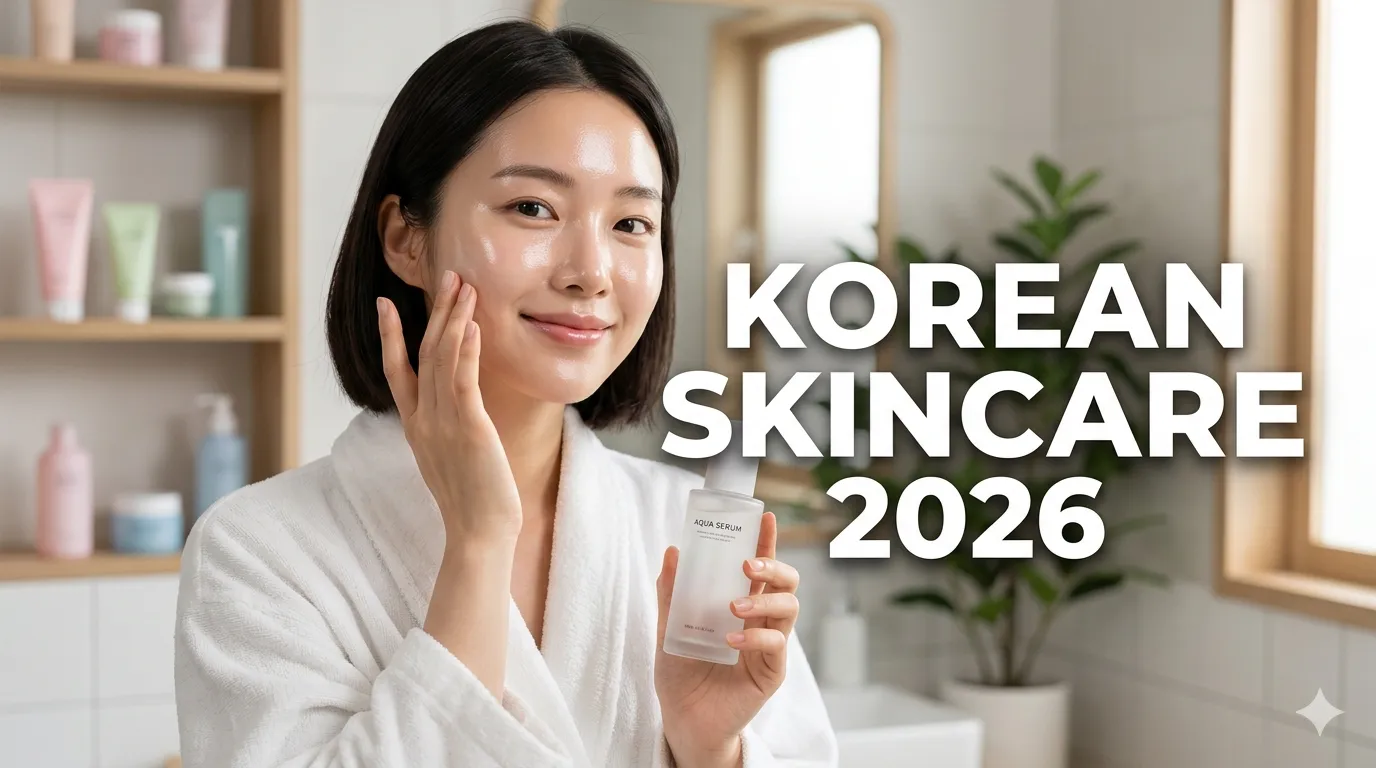
The Evolution of Glass Skin: What to Expect in 2026
The concept of glass skin has transcended its origins as a fleeting beauty trend to become a global standard for skin health. As we move through 2026, the Korean skincare routine continues to evolve, shifting from a rigid ten-step protocol to a more personalized, science-backed approach that prioritizes barrier health, hydration, and long-term radiance. The goal is no longer just surface-level shine but a deep, translucent glow that reflects genuine skin wellness.
In 2026, K-beauty innovation is driven by biotechnology, sustainable sourcing, and AI-driven personalization. Consumers are more educated than ever, demanding transparency in ingredients, efficacy backed by clinical data, and products that align with their ethical values. The modern Korean skincare routine is less about the number of steps and more about the quality of each layer, ensuring every product serves a specific purpose in achieving that coveted glass skin effect.
Why Korean Skincare Remains the Gold Standard:
- Prevention over Correction: K-beauty focuses on maintaining skin health before issues arise, rather than fixing problems after they appear.
- Layering Hydration: The philosophy of multiple lightweight layers ensures deep penetration without heaviness.
- Gentle Innovation: Advanced ingredients are formulated to be effective yet non-irritating, suitable for even sensitive skin.
- Holistic Approach: Skincare is viewed as self-care, integrating mental wellness and lifestyle habits.
- Continuous RandD: South Korea leads the world in cosmetic research, bringing cutting-edge technology to market faster than any other region.
This comprehensive guide explores the updated Korean skincare routine for 2026, detailing the essential steps, breakthrough ingredients, product recommendations, and trends that will define the year. Whether you are a K-beauty novice or a seasoned enthusiast, understanding these evolution will help you curate a routine that delivers genuine, lasting glass skin.
Understanding the Glass Skin Philosophy in 2026
Glass skin is often misunderstood as merely having shiny or oily skin. In reality, it refers to skin that is so smooth, hydrated, and even-toned that it resembles a pane of glass—translucent, poreless, and luminous. In 2026, the definition has expanded to include skin barrier integrity and microbiome balance.
Core Principles of Glass Skin:
- Hydration is Key: Well-hydrated skin reflects light better, creating the illusion of glow. Dehydrated skin appears dull and accentuates fine lines.
- Exfoliation for Smoothness: Removing dead skin cells reveals the fresh, bright layer underneath, essential for translucency.
- Barrier Protection: A healthy skin barrier prevents moisture loss and protects against environmental aggressors like pollution and UV rays.
- Consistency Over Intensity: Gentle, consistent care yields better long-term results than harsh, aggressive treatments.
- Inner Health: Diet, sleep, and stress management are recognized as integral parts of the skincare routine.
Achieving glass skin is not a overnight transformation. It requires patience, consistency, and a routine tailored to your specific skin type and concerns. The 2026 approach emphasizes listening to your skin's daily needs rather than blindly following a fixed regimen.
The Updated 10-Step Korean Skincare Routine for 2026
While the traditional 10-step routine is iconic, the 2026 version is more flexible. You may not need all ten steps every day, but understanding each layer helps you customize your regimen. Here is the updated order and purpose of each step.
Step 1: Oil-Based Cleanser
The first step in double cleansing removes sunscreen, makeup, and sebum that water-based cleansers cannot dissolve. In 2026, oil cleansers have evolved to include nourishing ingredients that support the skin barrier.
Key Ingredients to Look For:
- Rice Bran Oil: Rich in vitamins and antioxidants, brightens skin tone.
- Squalane: Mimics natural skin oils, non-comedogenic and hydrating.
- Green Tea Extract: Soothes inflammation and provides antioxidant protection.
How to Use: Apply to dry skin, massage gently for 60 seconds to dissolve impurities, then emulsify with water and rinse. Avoid harsh rubbing which can cause irritation.
Step 2: Water-Based Cleanser
This step removes sweat, dirt, and any residue from the oil cleanser. The 2026 trend favors low-pH, gentle foaming or gel cleansers that maintain the skin's acid mantle.
Key Ingredients to Look For:
- Ceramides: Restore the skin barrier while cleansing.
- Hyaluronic Acid: Prevents stripping of moisture during washing.
- Centella Asiatica: Calms redness and sensitivity.
How to Use: Apply to damp skin, lather gently, and rinse with lukewarm water. Hot water can strip natural oils, leading to dryness.
Step 3: Exfoliator (1-2 Times Weekly)
Exfoliation is crucial for removing dead skin cells that cause dullness. In 2026, chemical exfoliants are preferred over physical scrubs to prevent micro-tears.
Key Ingredients to Look For:
- AHA (Glycolic/Lactic Acid): Dissolves surface dead cells, improves texture and brightness.
- BHA (Salicylic Acid): Penetrates pores to clear congestion and blackheads.
- PHA (Gluconolactone): Gentler alternative for sensitive skin, provides hydration while exfoliating.
How to Use: Use only 1-2 times per week, preferably in the evening. Always follow with sunscreen the next day as exfoliation increases sun sensitivity.
Step 4: Toner
Modern Korean toners are hydrating essences rather than astringents. They prep the skin to absorb subsequent products and balance pH levels.
Key Ingredients to Look For:
- Fermented Extracts: Enhance absorption and provide nutrients (e.g., Galactomyces).
- Rose Water: Soothes and hydrates with a calming scent.
- Betaine: Natural moisturizer that reduces irritation.
How to Use: Apply with hands or a cotton pad. Pat gently into the skin rather than wiping to avoid friction.
Step 5: Essence
Essence is the heart of the Korean routine. It is a lightweight, hydrating liquid that promotes cell turnover and hydration. In 2026, essences are becoming more concentrated with active ingredients.
Key Ingredients to Look For:
- Snail Mucin: Repairs damaged skin, hydrates, and improves elasticity.
- Niacinamide: Brightens tone, minimizes pores, and regulates oil.
- Peptides: Stimulate collagen production for firmness.
How to Use: Pour a coin-sized amount into palms, press gently into the face and neck.
Step 6: Serum/Ampoule
This is where you target specific concerns like hyperpigmentation, acne, or aging. Serums are concentrated, while ampoules are even more potent versions for short-term use.
Key Ingredients to Look For:
- Vitamin C: Brightens dark spots and protects against free radicals.
- Retinol/Retinal: Anti-aging powerhouse that reduces fine lines (use at night).
- Propolis: Antibacterial and healing, great for acne-prone skin.
How to Use: Apply a few drops after essence. Layer multiple serums if needed, starting with the thinnest consistency.
Step 7: Sheet Mask (2-3 Times Weekly)
Sheet masks provide an intensive boost of hydration and nutrients. In 2026, biodegradable masks and hydrogel formulations are trending for better adherence and sustainability.
Key Ingredients to Look For:
- Aloe Vera: Soothes sunburn and irritation.
- Honey: Natural humectant that locks in moisture.
- Collagen: Plumps skin temporarily for a smooth finish.
How to Use: Leave on for 15-20 minutes. Do not let the mask dry out completely. Pat remaining essence into skin afterward.
Step 8: Eye Cream
The skin around the eyes is thinner and more prone to aging. Eye creams provide targeted hydration and protection.
Key Ingredients to Look For:
- Caffeine: Reduces puffiness and dark circles.
- Adenosine: Korean anti-aging ingredient that smooths wrinkles.
- Peptides: Strengthen delicate skin structure.
How to Use: Dab gently with ring finger to avoid pulling the skin. Apply morning and night.
Step 9: Moisturizer
Moisturizers seal in all previous layers. In 2026, gel-cream hybrids are popular for providing hydration without heaviness.
Key Ingredients to Look For:
- Ceramides: Essential for barrier repair.
- Squalane: Lightweight moisture that mimics skin lipids.
- Shea Butter: Rich nourishment for dry skin types.
How to Use: Apply generously to face and neck. Adjust texture based on season (lighter in summer, richer in winter).
Step 10: Sunscreen (Morning Only)
The most critical step for preventing aging and maintaining glass skin. 2026 sunscreens are cosmetically elegant, leaving no white cast and feeling like skincare.
Key Ingredients to Look For:
- Chemical Filters (New Gen): Tinosorb S, Uvinul A Plus for stable, broad-spectrum protection.
- Physical Filters: Zinc Oxide for sensitive skin (micronized to avoid white cast).
- Soothing Agents: Aloe, Centella to calm skin under sun exposure.
How to Use: Apply as the final step in morning routine. Reapply every 2 hours if outdoors. Use at least two fingers' length for face and neck.
Top K-Beauty Ingredients Trending in 2026
Ingredient consciousness is at an all-time high. In 2026, consumers are looking for specific actives that deliver measurable results. Here are the standout ingredients defining the year.
1. Fermented Ingredients
Fermentation breaks down molecules into smaller sizes, allowing deeper skin penetration. It also increases the concentration of antioxidants and nutrients.
Benefits: Improved hydration, brightness, and anti-aging effects. Fermented ingredients like Galactomyces and Saccharomyces are staples in luxury K-beauty.
Best For: Dull, aging, or dehydrated skin.
2. Probiotics and Postbiotics
Supporting the skin microbiome is a major trend. Probiotics (live bacteria) and postbiotics (byproducts) help balance skin flora, reducing sensitivity and acne.
Benefits: Strengthened barrier, reduced inflammation, and improved resilience against environmental stress.
Best For: Sensitive, acne-prone, or compromised skin barriers.
3. Vegan Collagen Alternatives
With the rise of vegan beauty, plant-based collagen boosters are replacing animal-derived collagen. Ingredients like Bakuchiol and plant peptides stimulate natural collagen production.
Benefits: Firmness and elasticity without ethical concerns. Suitable for vegans and those with animal product sensitivities.
Best For: Aging skin seeking firmness.
4. Blue Light Protection
As screen time increases, protection against HEV (High Energy Visible) light from devices is becoming essential. Ingredients like Iron Oxides and certain antioxidants help shield skin.
Benefits: Prevents pigmentation and premature aging caused by digital device exposure.
Best For: Urban dwellers and heavy device users.
5. Upcycled Ingredients
Sustainability meets efficacy. Ingredients derived from food waste (like grape seeds, coffee grounds, or fruit peels) are being utilized for their potent antioxidant properties.
Benefits: High nutrient content with minimal environmental impact.
Best For: Eco-conscious consumers seeking effective antioxidants.
Morning vs. Evening Routine: Key Differences
Your skin has different needs during the day versus night. Adjusting your routine accordingly maximizes results and protects your skin.
Morning Routine: Protect and Prep
The goal is to protect skin from environmental damage and create a smooth base for makeup.
- Focus: Antioxidants (Vitamin C), hydration, and sun protection.
- Key Steps: Cleanser, Toner, Vitamin C Serum, Moisturizer, Sunscreen.
- Skip: Heavy exfoliants or retinol (unless specified for morning use).
Evening Routine: Repair and Renew
Night is when skin undergoes natural repair processes. Products should support regeneration and deep hydration.
- Focus: Cleansing, exfoliation (occasional), repair actives (Retinol, Peptides), and rich hydration.
- Key Steps: Double Cleanse, Exfoliator (1-2x/week), Toner, Essence, Treatment Serum, Eye Cream, Night Cream.
- Skip: Sunscreen (unless working night shifts with sun exposure).
Customizing Your Routine for Skin Type
One size does not fit all. Adjust the general routine based on your specific skin type to avoid issues like breakouts or dryness.
Oily Skin
- Focus: Oil control without stripping moisture.
- Product Textures: Gel cleansers, watery toners, lightweight serums.
- Key Ingredients: Salicylic Acid, Niacinamide, Tea Tree.
- Avoid: Heavy oils and thick creams that clog pores.
Dry Skin
- Focus: Deep hydration and barrier repair.
- Product Textures: Cream cleansers, rich essences, occlusive moisturizers.
- Key Ingredients: Hyaluronic Acid, Ceramides, Squalane.
- Avoid: High alcohol content and harsh foaming cleansers.
Combination Skin
- Focus: Balancing oily T-zone and dry cheeks.
- Product Textures: Lightweight lotions, layered hydration.
- Key Ingredients: Green Tea, Centella, balanced moisturizers.
- Strategy: Apply richer products only to dry areas.
Sensitive Skin
- Focus: Soothing and minimizing irritation.
- Product Textures: Fragrance-free, minimal ingredient lists.
- Key Ingredients: Centella Asiatica, Mugwort, Panthenol.
- Avoid: Essential oils, artificial fragrances, and strong acids.
Common Mistakes to Avoid in Your Korean Skincare Routine
Even with the best products, mistakes can hinder your progress. Avoid these common pitfalls to ensure your routine is effective.
Mistake #1: Using Too Many Actives at Once
Layering multiple strong ingredients like Vitamin C, Retinol, and AHA/BHA can compromise your skin barrier. Introduce one active at a time and monitor your skin's response.
Mistake #2: Skipping Sunscreen
No routine is complete without sun protection. UV damage undoes all the hard work of hydration and repair. Wear sunscreen daily, even indoors.
Mistake #3: Over-Exfoliating
Exfoliating too frequently leads to sensitivity and redness. Stick to 1-2 times per week and choose gentle chemical exfoliants over physical scrubs.
Mistake #4: Ignoring the Neck and Décolletage
These areas show signs of aging early. Extend your skincare products down your neck and chest to ensure even care.
Mistake #5: Expecting Overnight Results
Skin cycles take about 28 days. Give products at least one full cycle to see real changes. Consistency is more important than intensity.
FAQs About Korean Skincare Routine 2026
Do I really need all 10 steps every day?
No, the 10-step routine is a menu, not a mandate. In 2026, the focus is on customization. On busy days, you might only do cleansing, moisturizing, and sunscreen. Listen to your skin and adjust the number of layers based on its needs and your schedule.
Can men use the Korean skincare routine?
Absolutely. Skincare is gender-neutral. Men benefit equally from hydration, sun protection, and barrier repair. The routine can be simplified to fit any lifestyle, focusing on core steps like cleansing and moisturizing.
How long does it take to achieve glass skin?
Visible improvements in hydration and texture can be seen within 2-4 weeks. However, achieving true glass skin is a long-term commitment that involves consistent care, healthy lifestyle habits, and patience. It is a journey, not a destination.
Is Korean skincare suitable for sensitive skin?
Yes, many K-beauty brands formulate specifically for sensitive skin using soothing ingredients like Centella Asiatica and Mugwort. Look for fragrance-free options and patch test new products before full application.
What is the most important step in the routine?
While all steps contribute, sunscreen is arguably the most critical for long-term skin health. It prevents photoaging, hyperpigmentation, and skin cancer. Cleansing is also vital to prevent buildup and breakouts.
Can I mix Western and Korean skincare products?
Yes, you can absolutely mix brands and origins. Focus on ingredient compatibility and formulation texture rather than brand nationality. A Western Vitamin C serum works well with a Korean sunscreen and moisturizer.
The Future of K-Beauty: Sustainability and Tech
Looking beyond 2026, the Korean skincare industry is pioneering sustainable practices and technological integration.
Sustainability Initiatives:
- Refillable Packaging: Reducing plastic waste through reusable containers.
- Waterless Beauty: Concentrated products that reduce water usage in formulation and shipping.
- Ethical Sourcing: Ensuring ingredients are harvested without harming ecosystems or communities.
Tech Integration:
- AI Skin Analysis: Apps that scan your skin and recommend personalized routines.
- Smart Devices: LED masks and ultrasonic cleansers that enhance product absorption at home.
- Custom Formulations: Services that mix products on-demand based on your current skin status.
These innovations ensure that K-beauty remains at the forefront of the global beauty industry, offering solutions that are effective, ethical, and tailored to individual needs.
Conclusion: Your Journey to Glass Skin Starts Now
The Korean skincare routine in 2026 is more than just a collection of products—it is a philosophy of self-care, respect for your skin, and commitment to long-term health. By understanding the updated steps, embracing breakthrough ingredients, and customizing the routine to your unique needs, you can achieve the radiant, translucent glow of glass skin.
Remember that beauty is personal. What works for one person may not work for another. Be patient with your skin, consistent with your routine, and mindful of the products you choose. The path to glass skin is a journey of discovery, and with the right tools and knowledge, you can unlock your skin's full potential.
Start today by evaluating your current routine, identifying gaps, and introducing one new K-beauty product at a time. Whether you adopt all ten steps or just a few, the principles of hydration, protection, and gentle care will guide you toward a healthier, more luminous complexion. Welcome to the future of skincare—welcome to glass skin.