
Hair Care Trends 2026: Bangladeshi Women's Guide to Glossy Hair
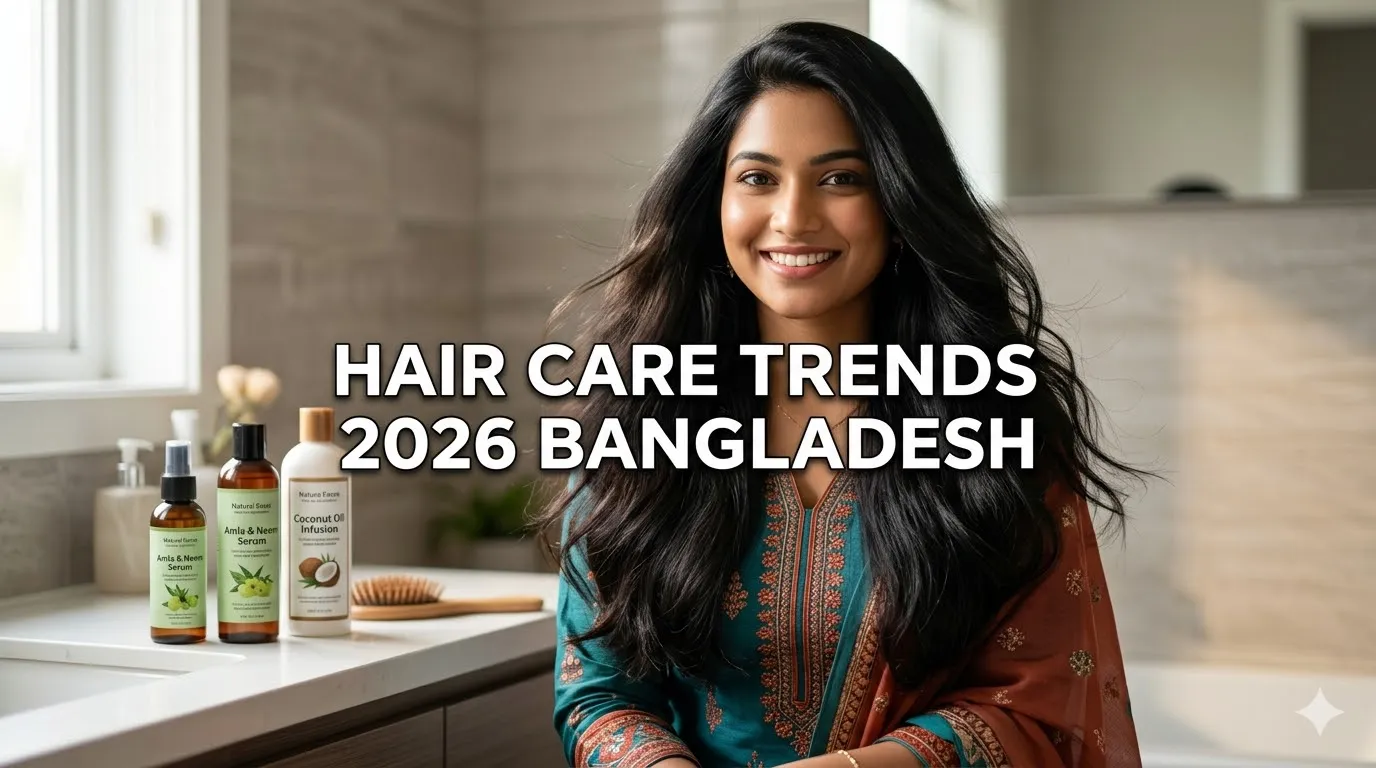
Understanding Hair Care Needs for Bangladeshi Women in 2026
Bangladeshi women have long been celebrated for their naturally thick, lustrous hair—a genetic blessing that runs deep in our heritage. However, maintaining that signature glossy mane in 2026 requires more than just good genes. The unique challenges of Bangladesh's tropical climate, combined with modern lifestyle demands, pollution, and changing water quality, mean that traditional hair care approaches need thoughtful updates.
As we navigate through 2026, Bangladeshi women are increasingly seeking hair care solutions that blend time-tested traditional wisdom with cutting-edge scientific innovations. The humidity that characterizes much of our year—especially during the intense monsoon season from June to September—creates specific hair concerns that women in temperate climates rarely face. Frizz, scalp fungal infections, excessive oiliness, and hair fall become daily battles that require strategic, informed approaches.
Moreover, the hard water prevalent in many areas of Bangladesh, particularly in Dhaka and other urban centers, contributes significantly to hair damage. High mineral content strips natural oils, causes buildup, and leaves hair feeling rough and looking dull. Add to this the environmental stressors of urban pollution, and it's clear why Bangladeshi women need specialized hair care strategies tailored to their unique circumstances.
The good news? 2026 has brought remarkable innovations in hair care that specifically address these regional challenges. From advanced scalp treatments to locally-sourced natural ingredients gaining scientific validation, Bangladeshi women now have more tools than ever to achieve and maintain healthy, glossy hair. This comprehensive guide explores the latest trends, techniques, and products that are transforming hair care for women across Bangladesh.
Trend #1: Scalp-First Hair Care Revolution
The biggest shift in hair care philosophy for 2026 is the recognition that healthy hair starts with a healthy scalp. For too long, Bangladeshi women focused primarily on hair strands, applying oils and conditioners while neglecting the foundation—the scalp itself. This trend has dramatically reversed, with scalp care now taking center stage.
Why Scalp Health Matters:
Your scalp is skin, and just like facial skin, it requires dedicated care. A congested, unhealthy scalp leads to hair fall, dandruff, itching, poor hair growth, and lackluster strands. In Bangladesh's humid climate, the scalp becomes a breeding ground for fungi and bacteria, making regular cleansing and treatment essential.
Modern Scalp Care Practices:
- Scalp Exfoliation: Just as you exfoliate your face, your scalp benefits from regular removal of dead skin cells, product buildup, and excess oil. Use gentle scalp scrubs containing salicylic acid, tea tree oil, or natural alternatives like rice flour mixed with yogurt once weekly.
- Scalp Serums: Lightweight, non-greasy serums containing ingredients like niacinamide, peptides, and hyaluronic acid are trending in 2026. These penetrate the scalp without weighing hair down, promoting circulation and follicle health.
- Pre-Shampoo Treatments: Applying nourishing oils or treatments 30 minutes before washing protects the scalp from harsh sulfates while delivering deep nutrition.
- Scalp Massagers: Silicone or wooden scalp massagers used during shampooing improve blood circulation, enhance product absorption, and provide relaxing stress relief—a win-win for busy Bangladeshi women.
Addressing Common Scalp Issues in Bangladesh:
The humid climate makes Bangladeshi women particularly prone to seborrheic dermatitis, fungal infections, and excessive sweating. Incorporating antifungal ingredients like neem, tea tree oil, or ketoconazole (for severe cases under medical guidance) into your routine can prevent these issues. Regular cleansing with pH-balanced shampoos prevents the oily, itchy scalp that plagues many during monsoon season.
Trend #2: Water Quality Solutions and Hard Water Protection
Hard water has emerged as one of the most significant yet overlooked causes of hair damage for Bangladeshi women in 2026. Cities like Dhaka, Chittagong, and Sylhet have particularly hard water with high calcium and magnesium content that coats hair shafts, prevents moisture absorption, and causes mineral buildup.
Signs Your Hair Is Suffering from Hard Water:
- Hair feels dry and straw-like despite conditioning
- Difficulty creating lather with shampoo
- White or grayish film on hair after washing
- Increased hair fall and breakage
- Dull, lifeless appearance
- Scalp irritation and flakiness
2026 Solutions for Hard Water Damage:
Shower Filters: Installing affordable shower head filters has become increasingly popular among urban Bangladeshi households. These filters remove chlorine, heavy metals, and excess minerals, dramatically improving hair and skin health. Even basic filters can reduce mineral content by 70-80%.
Chelating Shampoos: Used once weekly, these specialized shampoos contain EDTA or citric acid that bind to minerals and remove buildup. Follow with deep conditioning to prevent dryness.
Apple Cider Vinegar Rinses: This traditional remedy has gained scientific backing in 2026. Mix 2 tablespoons of apple cider vinegar with 1 cup water, pour over hair after shampooing, wait 2-3 minutes, then rinse. The acidity helps dissolve mineral deposits and restore pH balance.
Final Rinse with Filtered or Boiled Water: For those who can't install filters, doing a final rinse with boiled (then cooled) or bottled water helps remove mineral residue from hair.
Leave-In Protectants: Lightweight serums containing ingredients that create a barrier between hair and water minerals can prevent buildup between washes.
Trend #3: Personalized Hair Care Through Technology
2026 has seen the democratization of personalized hair care in Bangladesh. What was once a luxury available only to the wealthy is now accessible through smartphone apps and affordable diagnostic tools.
AI-Powered Hair Analysis:
Several apps now available in Bangladesh allow you to photograph your hair and scalp, receiving instant analysis of hair density, scalp health, damage levels, and personalized product recommendations. These tools consider your specific concerns, local climate, and hair type to create customized routines.
DNA-Based Hair Care:
While still emerging, genetic testing for hair care has entered the Bangladeshi market. These tests analyze genetic predispositions to hair loss, graying, texture, and response to different ingredients, allowing for truly personalized formulations.
Subscription Services:
Monthly subscription boxes tailored to Bangladeshi hair types and climate conditions have gained popularity. These services send curated products based on your hair profile, eliminating the guesswork and trial-and-error that often wastes money.
Trend #4: Clean Beauty and Transparent Ingredients
Bangladeshi consumers in 2026 are more educated and demanding than ever about what goes into their hair care products. The clean beauty movement has firmly taken root, with women actively avoiding harmful ingredients and seeking transparency.
Ingredients to Avoid:
- Sulfates (SLS/SLES): While they create rich lather, sulfates strip natural oils, cause color fading, and irritate sensitive scalps—particularly problematic in hard water areas.
- Parabens: These preservatives have been linked to hormonal disruption and are best avoided, especially for long-term use.
- Silicones: While they provide temporary smoothness, silicones build up on hair, block moisture, and require sulfates to remove—creating a damaging cycle.
- Formaldehyde-releasing preservatives: These can cause allergic reactions and scalp irritation.
- Synthetic fragrances: Often contain phthalates and can trigger sensitivities.
What to Look For:
Clean beauty doesn't mean ineffective. Modern formulations use gentle surfactants derived from coconut or corn, natural preservatives like radish root ferment or vitamin E, and plant-based conditioning agents. Look for certifications like ECOCERT, COSMOS, or brands that provide full ingredient transparency.
Local Clean Beauty Brands:
Bangladesh has seen a surge in homegrown clean beauty brands formulating specifically for local hair types and water conditions. These brands often incorporate indigenous ingredients like amla, bhringraj, neem, and coconut oil in modern, scientifically-backed formulations.
Trend #5: Minimalist Hair Care Routines
After years of 10-step hair care routines, 2026 has brought a refreshing shift toward minimalism. Bangladeshi women are discovering that fewer, better products often yield superior results to complex regimens.
The Essential Four:
A minimalist routine focuses on four core products:
- Gentle, sulfate-free shampoo: Cleans without stripping
- Quality conditioner or hair mask: Provides moisture and detangling
- Leave-in treatment or serum: Protects and nourishes between washes
- Scalp treatment: Addresses root health
Multi-Tasking Products:
Products that serve multiple purposes have gained popularity. A leave-in conditioner that also provides heat protection and UV defense, or a hair oil that treats scalp and conditions ends, simplifies routines while maintaining effectiveness.
Less Frequent Washing:
Overwashing strips natural oils and causes the scalp to overproduce sebum. Many Bangladeshi women are successfully transitioning to washing 2-3 times weekly instead of daily, using dry shampoo or water-only rinses on non-wash days.
Trend #6: Science-Backed Natural Ingredients
While traditional ingredients remain popular, 2026 has seen a shift toward natural ingredients with scientific validation. Bangladeshi women are no longer satisfied with "natural" as a marketing buzzword—they want proof of efficacy.
Trending Natural Ingredients:
Rice Water: This ancient remedy has gained modern scientific support. Rich in inositol, amino acids, and vitamins, rice water strengthens hair, improves elasticity, and adds shine. Fermented rice water, popular in rural Bangladesh for generations, is now backed by research showing its pH-balancing and conditioning properties.
Onion Oil: High in sulfur, onion oil promotes collagen production and has antimicrobial properties. Studies show it can reduce hair fall and promote regrowth, making it particularly relevant for Bangladeshi women dealing with pollution-related hair loss.
Amla (Indian Gooseberry): This vitamin C powerhouse prevents premature graying, strengthens hair follicles, and conditions hair. Modern extracts are more stable and effective than traditional preparations.
Bhringraj: Known as the "king of herbs" for hair, bhringraj promotes growth, prevents graying, and treats scalp conditions. 2026 formulations use standardized extracts for consistent results.
Hibiscus: Abundant in Bangladesh, hibiscus flowers and leaves contain amino acids that strengthen hair, prevent breakage, and promote growth. Fresh hibiscus masks remain popular, while modern serums offer convenient alternatives.
Fenugreek (Methi): Rich in proteins and nicotinic acid, fenugreek treats dandruff, strengthens hair, and promotes growth. Soaked fenugreek seeds applied as a paste remain a staple in Bangladeshi hair care.
Trend #7: Protective Styling and Heat Damage Prevention
As Bangladeshi women increasingly embrace natural hair texture and prioritize long-term health over temporary styling, protective practices have become mainstream in 2026.
Heat Styling Reduction:
While straighteners and curling irons remain popular, there's growing awareness of heat damage. The trend is shifting toward:
- Heat-free styling methods like braiding, twisting, and roller sets
- When heat is necessary, using temperatures below 180°C (356°F)
- Always applying heat protectant serums containing silicones or natural alternatives
- Limiting heat styling to 1-2 times weekly maximum
Protective Hairstyles:
Styles that minimize manipulation and protect ends have gained popularity:
- Loose braids and buns that don't pull on the scalp
- Silk or satin scrunchies instead of elastic bands
- Silk pillowcases or bonnets to prevent friction damage during sleep
- Regular trims every 8-12 weeks to prevent split ends from traveling up the hair shaft
Humidity-Proof Styling:
For Bangladesh's humid climate, anti-frizz strategies are essential:
- Lightweight serums containing argan oil or grapeseed oil
- Leave-in conditioners with humectants balanced with sealing oils
- Avoiding glycerin-heavy products during peak humidity
- Protective hairstyles during monsoon season
Trend #8: Nutrition and Hair Health Connection
2026 has brought widespread recognition that beautiful hair starts from within. Bangladeshi women are increasingly addressing nutritional deficiencies that contribute to hair fall, dullness, and slow growth.
Key Nutrients for Hair Health:
Protein: Hair is primarily keratin, a protein. Inadequate protein intake leads to weak, brittle hair. Bangladeshi diets should include adequate fish, eggs, lentils, chicken, and dairy.
Iron: Iron deficiency is common among Bangladeshi women and a leading cause of hair fall. Include leafy greens, red meat, liver, and vitamin C-rich foods to enhance absorption.
Omega-3 Fatty Acids: Found in fatty fish, flaxseeds, and walnuts, omega-3s nourish hair shafts and support scalp health.
Biotin and B-Vitamins: Essential for keratin production, found in eggs, nuts, whole grains, and bananas.
Vitamin D: Deficiency is linked to hair loss. Safe sun exposure and fortified foods help maintain levels.
Zinc: Supports hair tissue growth and repair. Found in pumpkin seeds, chickpeas, and meat.
Hydration: Bangladesh's hot climate increases water needs. Dehydration shows up as dry, brittle hair. Aim for 8-10 glasses of water daily.
Popular Supplements in 2026:
While food-first approaches are preferred, targeted supplementation has gained acceptance:
- Biotin supplements (consult doctor for appropriate dosage)
- Collagen peptides for hair strength
- Multivitamins designed for hair, skin, and nails
- Iron supplements for diagnosed deficiency
Monsoon-Specific Hair Care Strategies
Bangladesh's monsoon season (June-September) presents unique hair challenges that require specialized approaches.
Monsoon Hair Problems:
- Increased frizz due to humidity
- Scalp fungal infections and dandruff
- Hair fall from wet, weakened hair
- Lice infestations (more common in humid conditions)
- Oily scalp with dry ends
Solutions:
- Frequent washing: Wash hair every other day during monsoon to prevent fungal growth
- Antifungal treatments: Use shampoos with tea tree oil, neem, or ketoconazole weekly
- Avoid going out with wet hair: Wet hair is more vulnerable to damage and fungal infection
- Use umbrella or rain protection: Acid rain can damage hair
- Lightweight products: Switch to lighter oils and conditioners that won't weigh hair down
- Tie hair up: Keep hair in loose braids or buns to minimize exposure to humidity
Common Hair Care Mistakes Bangladeshi Women Make
Even with the best intentions, certain habits can sabotage hair health:
Mistake #1: Over-Oiling
While oiling is traditional and beneficial, leaving oil on for days or using excessive amounts clogs pores, attracts dirt, and causes breakouts. Oil hair 1-2 hours before washing, not overnight or for days.
Mistake #2: Vigorous Towel Drying
Rough towel rubbing causes friction damage and breakage. Instead, gently squeeze out water and use a microfiber towel or cotton t-shirt to blot hair.
Mistake #3: Brushing Wet Hair
Hair is most vulnerable when wet. Use a wide-tooth comb, starting from ends and working upward, never brush soaking wet hair.
Mistake #4: Ignoring Scalp Health
Focusing only on hair length while neglecting the scalp is like watering a plant while ignoring the roots.
Mistake #5: Using Hot Water
Hot water strips natural oils and causes dryness. Wash with lukewarm water and finish with a cool rinse to seal cuticles.
Mistake #6: Skipping Regular Trims
Split ends travel up the hair shaft, causing more damage. Regular trims every 8-12 weeks maintain hair health.
FAQs About Hair Care for Bangladeshi Women
How often should I wash my hair in Bangladesh's climate?
In Bangladesh's humid climate, washing 2-3 times weekly is generally ideal. During monsoon season, you may need to wash every other day to prevent scalp issues. However, overwashing can strip natural oils, so adjust based on your scalp's oil production and activity level. If your scalp is oily but ends are dry, consider co-washing (conditioner-only washing) between shampoo days.
What's the best natural oil for Bangladeshi hair types?
Coconut oil remains the gold standard for Bangladeshi hair due to its ability to penetrate the hair shaft and prevent protein loss. However, different oils serve different purposes: coconut oil for deep conditioning, argan oil for frizz control, almond oil for strengthening, and castor oil for promoting growth. Many women benefit from blending oils based on their specific needs.
How can I reduce hair fall caused by hard water?
Install a shower filter if possible, use chelating shampoo weekly to remove mineral buildup, do final rinses with filtered or boiled water, and use apple cider vinegar rinses monthly. Additionally, ensure adequate protein intake and consider supplements if hair fall persists despite these measures.
Is daily oiling necessary for healthy hair?
No, daily oiling is not necessary and can actually cause problems like clogged pores and excessive dirt accumulation. Oil your hair 1-2 times weekly, 1-2 hours before washing. If you have an oily scalp, focus oil application on the mid-lengths and ends only.
Can I achieve glossy hair without expensive products?
Absolutely! Glossy hair comes from health, not price tags. Focus on gentle cleansing, regular conditioning, protecting hair from heat and sun, maintaining a nutritious diet, staying hydrated, and getting regular trims. Natural remedies like rice water rinses, aloe vera masks, and proper oiling can deliver excellent results affordably.
How long does it take to see results from a new hair care routine?
Scalp health improvements can be noticed within 2-4 weeks, reduced hair fall within 6-8 weeks, and visible changes in hair texture and shine within 8-12 weeks. Hair growth is slower—expect about 1-1.5 cm per month. Consistency is crucial; don't switch products too frequently.
Conclusion: Your Journey to Healthy, Glossy Hair
The hair care landscape for Bangladeshi women in 2026 is more exciting and empowering than ever before. By combining traditional wisdom with modern science, understanding your unique hair needs in Bangladesh's climate, and making informed choices about products and practices, you can achieve the healthy, glossy hair you deserve.
Remember that hair health is a journey, not a destination. What works for one person may not work for another, so be patient with experimentation. Pay attention to how your hair responds to different products, adjust your routine seasonally (especially for monsoon), and prioritize scalp health as the foundation of beautiful hair.
The trends highlighted in this guide—from scalp-first care to hard water solutions, from clean beauty to minimalist routines—aren't just passing fads. They represent a fundamental shift toward more sustainable, effective, and personalized hair care that respects both your hair's needs and Bangladesh's unique environmental challenges.
Start by implementing one or two changes at a time rather than overhauling your entire routine overnight. Perhaps begin with installing a shower filter or switching to a sulfate-free shampoo. Add scalp massages or try a rice water rinse. Small, consistent improvements compound over time into dramatic transformations.
Your hair tells a story about your health, your heritage, and your self-care. In 2026, armed with knowledge, quality products, and realistic expectations, Bangladeshi women are writing stories of strong, glossy, beautiful hair that flows with confidence and pride. Your hair journey starts now—embrace it with patience, consistency, and the understanding that healthy hair is always in style.