

Melasma Treatment: Clinical Approach to Prevent Relapse
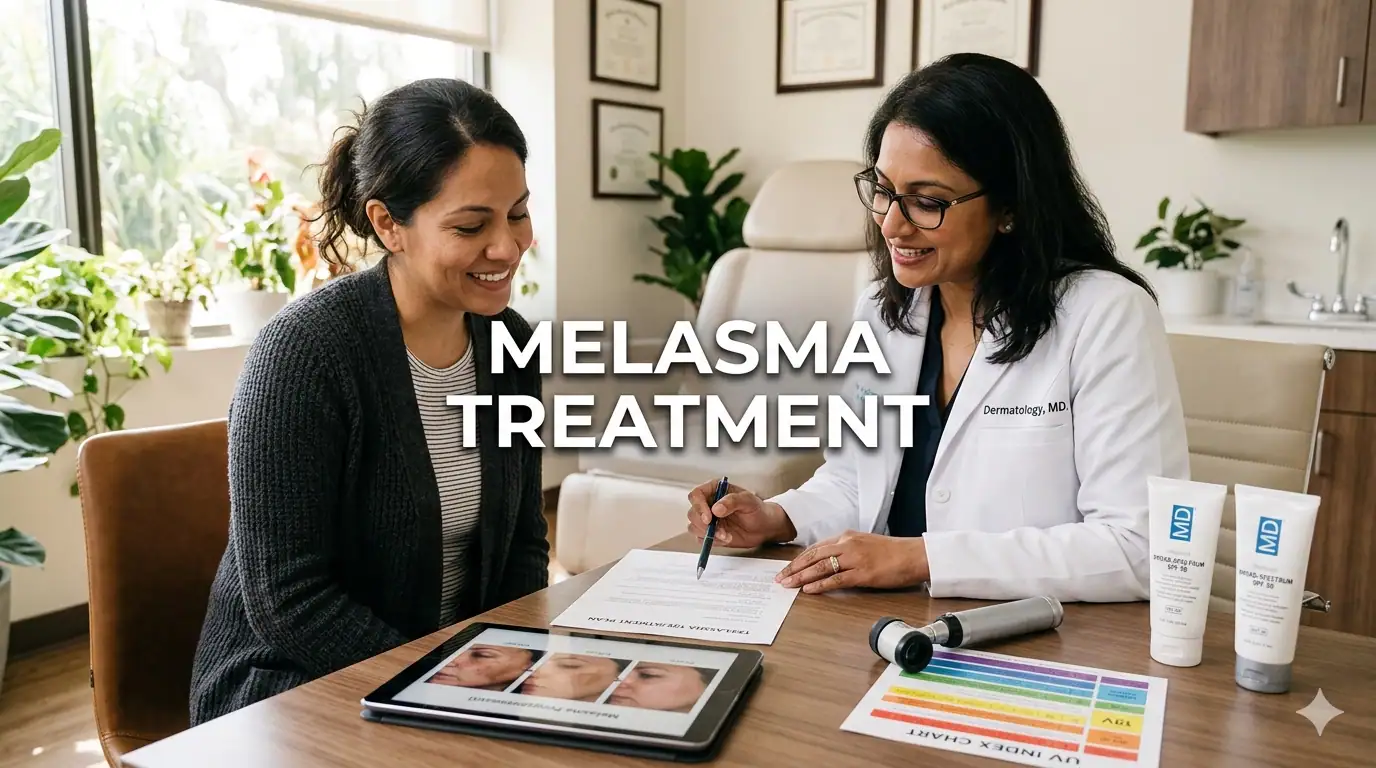
Living with melasma means navigating a complex relationship with your skin. Even after successful treatment, the shadow of relapse looms large—sun exposure, hormonal shifts, or stress can trigger the return of those stubborn brown patches. Melasma treatment isn't just about clearing pigmentation; it's about building a sustainable, clinical strategy to keep it from coming back.
Melasma is one of the most challenging pigmentary disorders in dermatology. Unlike post-inflammatory hyperpigmentation or sun spots, melasma involves multiple triggers: UV radiation, visible light, heat, hormones, genetics, and vascular factors. This complexity is why relapse rates are high—up to 40-50% of patients experience recurrence within a year of stopping active treatment. But with a thoughtful, evidence-based clinical approach to prevent relapse, long-term control is absolutely achievable.
In this comprehensive, dermatologist-informed guide, we'll decode why melasma relapses, reveal the exact maintenance protocol used by skin specialists to sustain results, share the most effective topical and procedural strategies for long-term management, and provide expert lifestyle adjustments to minimize triggers. Whether you've just completed a course of treatment or are planning your first intervention, you'll learn how to build a personalized, sustainable plan that prioritizes prevention, skin health, and confidence.
Why Melasma Relapses: Understanding the Triggers
Short answer: Melasma relapses due to reactivation of melanocytes by UV/visible light exposure, hormonal fluctuations, heat, inflammation, or discontinuation of maintenance therapy—making ongoing prevention essential.
Melasma isn't a condition you "cure" once and forget. It's a chronic, relapsing disorder that requires lifelong management. Understanding why it returns is the first step to preventing it:
Ultraviolet and Visible Light Exposure
UV radiation is the most potent trigger for melasma reactivation. But it's not just UV:
- UVA (320-400nm): Penetrates deep into skin, stimulating melanocytes even through windows
- Visible light (400-700nm): Especially blue light, triggers pigmentation in darker skin tones
- HEV light from screens: Emerging evidence suggests digital device exposure may contribute
Without consistent, broad-spectrum protection—including iron oxides to block visible light—melasma will almost certainly return.
Hormonal Fluctuations
Estrogen and progesterone sensitize melanocytes to light exposure. Common hormonal triggers include:
- Pregnancy (melasma is often called "the mask of pregnancy")
- Oral contraceptives or hormone replacement therapy
- Thyroid dysfunction
- Menstrual cycle variations
For many women, melasma management must account for these inevitable hormonal shifts.
Heat and Infrared Radiation
Heat is an underrecognized melasma trigger. Sources include:
- Cooking over stoves
- Hot yoga or saunas
- Hot climates or prolonged sun exposure
- Infrared radiation from heaters or devices
Heat increases blood flow and inflammation, which can stimulate melanin production independently of UV exposure.
Inflammation and Skin Barrier Disruption
Any irritation to melasma-prone skin can worsen pigmentation:
- Aggressive exfoliation or harsh skincare
- Allergic reactions or contact dermatitis
- Post-procedure inflammation (lasers, peels)
This is why gentle, barrier-supportive care is non-negotiable in melasma maintenance.
Discontinuation of Active Therapy
Many patients stop treatment once pigmentation fades, but melasma melanocytes remain hyperactive. Without ongoing suppression, they quickly resume excess pigment production.
The Clinical Maintenance Protocol: Sustaining Results Long-Term
Short answer: A clinical relapse-prevention protocol combines daily tinted mineral sunscreen, low-dose maintenance topicals (hydroquinone cycling, retinoids, tranexamic acid), trigger avoidance, and quarterly professional assessments.
Successful melasma management has two phases: active treatment (to clear pigmentation) and maintenance therapy (to prevent relapse). The maintenance phase is where most patients struggle—but it's also where the greatest gains are made.
Phase 1: Daily Foundation (Non-Negotiable)
1. Tinted Mineral Sunscreen with Iron Oxides
This is the single most important step in preventing melasma relapse.
- SPF 50+ broad-spectrum: Blocks UVA/UVB
- Iron oxides (2-5%): Block visible light, critical for darker skin tones
- Mineral filters (zinc oxide, titanium dioxide): Less irritating than chemical filters for sensitive, melasma-prone skin
- Application: 1/4 teaspoon for face; reapply every 2 hours with sun exposure
- Year-round use: Even indoors, near windows, or on cloudy days
Product tips: Look for "tinted," "iron oxide," or "universal tint" on labels. Popular options include EltaMD UV Elements, La Roche-Posay Anthelios Mineral Tinted, and Colorescience Sunforgettable.
2. Gentle, Barrier-Supportive Skincare
Melasma-prone skin is often sensitive. Harsh products trigger inflammation, which triggers pigmentation.
- Cleanser: pH-balanced, non-foaming, fragrance-free
- Moisturizer: Contains ceramides, niacinamide, or panthenol to strengthen barrier
- Avoid: Physical scrubs, high-percentage acids, essential oils, or alcohol-based toners
Phase 2: Maintenance Topicals (Rotate Strategically)
After active treatment, continue low-dose actives to suppress melanocyte activity without causing irritation.
Hydroquinone Cycling (2-4%)
- Protocol: Use for 3 months, then take 1-2 months off; repeat cycle
- Purpose: Prevents rebound pigmentation while minimizing ochronosis risk
- Application: Thin layer to affected areas only, at night
- Combine with: Tretinoin 0.025% and mild steroid (Kligman's formula) for enhanced efficacy
Retinoids (Tretinoin 0.025% or Adapalene 0.1%)
- Mechanism: Increases cell turnover, disperses melanin, enhances penetration of other agents
- Frequency: 2-3 nights/week for maintenance (vs. nightly during active treatment)
- Tip: Apply to dry skin; wait 20 minutes before moisturizer to reduce irritation
Tranexamic Acid (Topical 2-5%)
- Mechanism: Inhibits plasmin, reducing melanocyte activation and vascular components of melasma
- Advantage: Well-tolerated for long-term use; safe in pregnancy
- Usage: Morning and/or night; pairs well with vitamin C
Niacinamide (4-5%)
- Mechanism: Blocks melanosome transfer, reduces inflammation, strengthens barrier
- Benefit: Gentle enough for daily, indefinite use
- Best paired with: Sunscreen in morning routine
Phase 3: Professional Maintenance (Quarterly)
Even with perfect home care, periodic professional support optimizes long-term results.
Quarterly Dermatologist Check-Ins
- Assess for early signs of relapse
- Adjust topical regimen based on season, hormones, or lifestyle changes
- Address new triggers (e.g., starting birth control, moving to sunny climate)
Maintenance Procedures (Every 3-6 Months)
- Superficial chemical peels: Glycolic acid 20-30% or mandelic acid to gently exfoliate without inflammation
- Low-fluence Q-switched Nd:YAG laser: "Laser toning" at sub-therapeutic settings to suppress melanocytes without triggering post-inflammatory hyperpigmentation
- Micro-needling with tranexamic acid: Enhances topical penetration with minimal downtime
Caution: Aggressive lasers, deep peels, or high-energy devices can worsen melasma. Always choose a provider experienced in melasma management.
Trigger Management: Lifestyle Strategies for Relapse Prevention
Short answer: Prevent melasma relapse by minimizing UV/visible light exposure, managing heat and hormonal triggers, reducing skin inflammation, and maintaining consistent skincare habits.
Beyond products, daily habits make or break long-term melasma control.
Light Protection Beyond Sunscreen
- Wide-brimmed hats: 3+ inch brim to shade face, neck, and ears
- UV-blocking sunglasses: Protect delicate eye-area skin
- Window film: Apply UV/visible light-blocking film to car and home windows
- Blue light glasses: Consider if spending hours on digital devices
- Seek shade: Especially between 10 AM - 4 PM when UV is strongest
Heat Management
- Cooking: Use exhaust fans; stand back from stovetops
- Exercise: Choose cooler times of day; avoid hot yoga if heat-triggered
- Skincare: Use lukewarm water, not hot, for cleansing
- Environment: Use air conditioning or fans in hot climates
Hormonal Awareness
- Discuss options: If melasma worsens with birth control, ask about non-hormonal alternatives
- Thyroid screening: Untreated thyroid disease can exacerbate melasma
- Pregnancy planning: Start aggressive sun protection pre-conception; discuss safe topical options with OB-GYN
Stress and Inflammation Reduction
- Sleep: Prioritize 7-9 hours; poor sleep increases inflammatory markers
- Diet: Anti-inflammatory foods (omega-3s, antioxidants) may support skin resilience
- Skincare gentleness: Patch-test new products; introduce one at a time
Special Considerations: Skin Tone, Pregnancy, and Procedure Aftercare
Short answer: Tailor melasma maintenance to your skin type, life stage, and treatment history—darker skin needs visible light protection, pregnancy requires safe topicals, and post-procedure care demands extra gentleness.
Fitzpatrick Skin Types IV-VI: Visible Light is Critical
Darker skin tones are more sensitive to visible light, which can trigger melasma independently of UV.
- Non-negotiable: Tinted sunscreen with iron oxides (blocks visible light)
- Avoid: Untinted mineral sunscreens alone—they don't block visible light
- Additional protection: Clothing with UPF rating; seek shade diligently
Pregnancy and Breastfeeding: Safe Maintenance
Many melasma treatments are contraindicated during pregnancy, but prevention remains essential.
- Safe: Mineral sunscreen with iron oxides, azelaic acid 15-20%, vitamin C, niacinamide
- Avoid: Hydroquinone, retinoids, oral tranexamic acid, most chemical peels
- Strategy: Focus on rigorous sun protection and gentle barrier care; resume stronger actives postpartum
Post-Procedure Maintenance
After lasers, peels, or microneedling, skin is more vulnerable to pigmentation rebound.
- First 2 weeks: Strict sun avoidance; gentle cleansing only; no actives
- Weeks 2-4: Reintroduce niacinamide and vitamin C; continue tinted SPF
- Week 4+: Gradually resume maintenance retinoid or tranexamic acid
- Monitor closely: Any new darkening warrants immediate dermatologist consultation
Common Mistakes That Trigger Melasma Relapse
Even well-intentioned patients make these errors that undermine long-term control:
Mistake #1: Skipping Sunscreen on Cloudy Days or Indoors
Why it hurts: Up to 80% of UV rays penetrate clouds; UVA and visible light pass through windows. One unprotected day can reactivate melanocytes.
Fix: Make tinted mineral SPF part of your non-negotiable morning routine, regardless of weather or plans.
Mistake #2: Stopping All Actives Once Pigmentation Fades
Why it hurts: Melasma melanocytes remain hyperactive. Without ongoing suppression, relapse is likely within months.
Fix: Transition to a maintenance regimen: lower-frequency retinoids, cyclic hydroquinone, or daily tranexamic acid.
Mistake #3: Using Untinted Sunscreen Alone
Why it hurts: Standard sunscreens block UV but not visible light, which is a major melasma trigger—especially in medium to deep skin tones.
Fix: Always choose a tinted formula with iron oxides for comprehensive protection.
Mistake #4: Over-Exfoliating or Using Harsh Actives
Why it hurts: Inflammation from irritation stimulates melanin production, worsening or triggering melasma.
Fix: Prioritize barrier health. Use gentle chemical exfoliants (mandelic acid) sparingly; avoid physical scrubs entirely.
Mistake #5: Ignoring Heat as a Trigger
Why it hurts: Heat independently stimulates melanocytes. Patients who protect from sun but ignore heat often experience unexplained relapses.
Fix: Manage environmental heat: use fans, avoid prolonged stove exposure, choose cooler workout times.
Expert Tips for Long-Term Melasma Control
Tip #1: Photograph Your Skin Monthly
Take consistent, well-lit photos to track subtle changes. Early detection of relapse allows quicker intervention.
Tip #2: Keep a Trigger Journal
Note sun exposure, hormonal changes, stress levels, and product use alongside skin appearance. Patterns help personalize prevention.
Tip #3: Layer Protection Strategically
Morning: vitamin C serum + tinted SPF. Evening: maintenance retinoid or tranexamic acid + barrier moisturizer. This creates 24/7 suppression.
Tip #4: Choose a Melasma-Savvy Provider
Not all dermatologists specialize in pigmentary disorders. Seek someone experienced with melasma maintenance protocols.
Tip #5: Embrace "Good Enough" Skin
Melasma management is about control, not perfection. Aim for significant improvement and stability, not complete eradication—which may not be realistic for everyone.
Frequently Asked Questions About Melasma Relapse Prevention
Can melasma ever be permanently cured?
Short answer: Melasma is a chronic condition with no permanent cure, but it can be effectively managed long-term with consistent maintenance therapy and trigger avoidance.
Think of it like hypertension or diabetes: ongoing care keeps it controlled. Many patients achieve years of clear skin with disciplined maintenance.
How long should I continue maintenance treatment?
Short answer: Indefinitely. Melasma maintenance is a lifelong commitment, though the intensity can be reduced over time with stable results.
After 1-2 years of consistent control, some patients successfully taper to sunscreen + niacinamide alone. Others require ongoing low-dose actives. Work with your dermatologist to find your minimum effective regimen.
Is hydroquinone safe for long-term use?
Short answer: Hydroquinone is safe when used correctly: 2-4% concentration, cyclically (3 months on, 1-2 months off), under dermatologist supervision. Long-term unsupervised use carries risks of ochronosis (paradoxical darkening), especially in darker skin tones.
For indefinite maintenance, many dermatologists transition patients to non-hydroquinone alternatives like tranexamic acid, azelaic acid, or cysteamine cream.
Can I get cosmetic procedures if I have melasma?
Short answer: Yes, but choose procedures and providers carefully. Aggressive lasers, deep peels, or microneedling can trigger rebound pigmentation.
Safe options with experienced providers: superficial glycolic peels, low-fluence laser toning, or gentle microneedling with tranexamic acid. Always pre-treat with hydroquinone for 4-6 weeks before procedures and maintain strict sun protection after.
Does melasma fade with age?
Short answer: Sometimes. Melasma may improve after menopause when hormonal triggers decrease, but sun damage accumulated over decades can make pigmentation more stubborn.
Regardless of age, sun protection remains essential. Starting maintenance early yields the best long-term outcomes.
What if my melasma returns despite maintenance?
Short answer: Relapse doesn't mean failure. Reassess triggers (new medication? increased sun exposure?), restart active treatment for 3-4 months, then return to maintenance.
Work with your dermatologist to adjust your protocol. Sometimes a short "boost" of stronger therapy is all that's needed to regain control.
The Bottom Line: Control, Not Cure
Melasma management is a marathon, not a sprint. Relapse prevention isn't about perfection—it's about consistency, awareness, and partnership with your skin.
Remember:
- Sunscreen is non-negotiable: Tinted mineral SPF with iron oxides, every single day
- Maintenance matters: Continue low-dose actives even after clearing
- Triggers are personal: Track your patterns and adapt accordingly
- Gentleness wins: Protect your barrier to avoid inflammation-driven pigmentation
- Professional guidance helps: A melasma-savvy dermatologist optimizes your long-term plan
- Progress over perfection: Significant improvement and stability are realistic, valuable goals
Your skin tells a story. With knowledge, consistency, and compassion, you can write a chapter of clarity and confidence. Melasma doesn't have to define your relationship with your skin. Take control, one day at a time.