

Skin Sensitivity Guide: Triggers, Science & Fast Relief
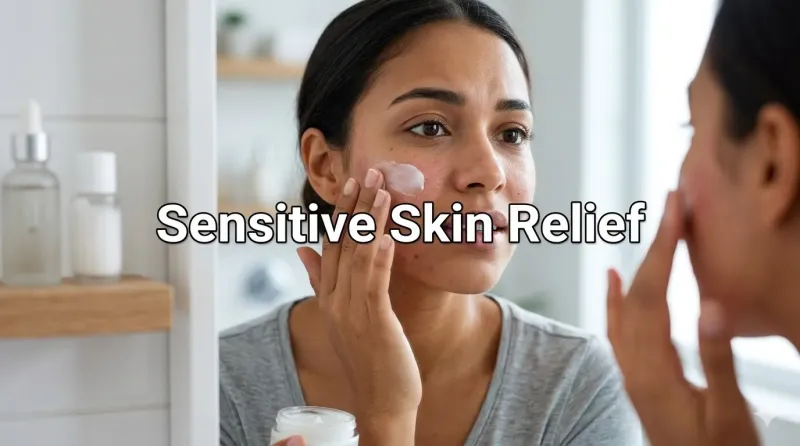
It happens without warning: a product you've used for months suddenly causes redness, stinging, or breakouts. Your skin feels tight after cleansing, reacts to fragrances it once tolerated, or becomes inexplicably dry and irritated. If you experience these fluctuations, you're navigating skin sensitivity—one of the most common yet misunderstood concerns in dermatology.
Skin sensitivity isn't a single condition. It's a symptom with multiple potential drivers: a compromised barrier allowing irritants to penetrate, overactive nerve endings amplifying sensations, inflammatory responses triggered by environmental factors, or an imbalanced microbiome disrupting skin's natural defenses. Understanding which mechanism is at play in your skin is the critical first step toward effective, lasting relief.
This comprehensive guide delivers an evidence-based framework for navigating skin sensitivities. You'll learn the biological science behind sensitive skin reactions, discover how to identify your personal triggers through systematic tracking, implement fast-acting relief strategies for immediate comfort, and build a long-term routine that strengthens your skin's resilience. Whether you're dealing with occasional reactivity or chronic sensitivity, you'll find practical, medically grounded strategies to calm irritation, restore comfort, and reclaim confidence in your skin.
Understanding Skin Sensitivity: Beyond the Surface Reaction
Before exploring solutions, it's essential to understand what "sensitive skin" actually means—and what it doesn't.
Clinical Definition vs. Common Perception
What Sensitive Skin Is:
- Reduced tolerance to topical products or environmental factors
- Manifestations: stinging, burning, itching, tightness, redness, or visible irritation
- Often linked to impaired barrier function, nerve hyperreactivity, or inflammatory dysregulation
- Can be temporary (triggered by specific events) or chronic (ongoing predisposition)
What Sensitive Skin Is NOT:
- Allergic contact dermatitis: Immune-mediated reaction to specific allergens (requires patch testing for diagnosis)
- Irritant contact dermatitis: Direct chemical damage from harsh ingredients (dose-dependent reaction)
- Rosacea or eczema: Chronic inflammatory conditions with specific diagnostic criteria
Key Distinction: True allergies involve the immune system and require avoidance of the specific allergen. Sensitive skin involves heightened reactivity that can often be managed through barrier support and trigger reduction—not just avoidance.
The Biology of Sensitivity: Four Key Mechanisms
| Mechanism | What's Happening | Common Triggers | Relief Strategy Focus |
|---|---|---|---|
| Barrier impairment | Compromised lipid matrix allows irritants to penetrate; increased water loss causes dryness and reactivity | Harsh cleansers, over-exfoliation, low humidity, hot water | Ceramides, cholesterol, fatty acids; gentle cleansing; humidity control |
| Nerve hyperreactivity | TRPV1 receptors (pain/heat sensors) become oversensitive, amplifying sensations | Temperature changes, capsaicin, menthol, certain preservatives | Calming ingredients (centella, panthenol); avoid known neuro-irritants |
| Inflammatory dysregulation | Immune cells overreact to minor stimuli, releasing inflammatory cytokines | Fragrance, essential oils, pollution, UV exposure, stress | Anti-inflammatories (niacinamide, licorice root); antioxidant protection |
| Microbiome imbalance | Shifts in skin bacteria reduce protective functions and increase inflammation | Antibacterial products, over-cleansing, antibiotics, diet changes | Prebiotics, gentle cleansing, pH-balanced products |
Key Insight: Most sensitive skin involves multiple mechanisms simultaneously. Effective management addresses the root causes, not just the symptoms.
Phase 1: Identifying Your Triggers—The Detective Work
Effective relief starts with accurate identification. Not all sensitivity is created equal, and different triggers require different responses.
Common Trigger Categories
Product-Related Triggers:
- Fragrance: Both synthetic and natural (essential oils) are leading causes of sensitivity; fragrance is the #1 cause of allergic contact dermatitis in skincare
- Preservatives: Parabens, phenoxyethanol, methylisothiazolinone can trigger reactions in compromised skin
- Surfactants: SLS/SLES strip natural oils, compromising barrier function
- Active ingredients: Retinoids, AHAs/BHAs, high-concentration vitamin C can overwhelm a weakened barrier
- pH imbalance: Alkaline products disrupt skin's acidic mantle (optimal pH 4.5-5.5)
Environmental Triggers:
- Temperature extremes: Hot/cold air triggers nerve reactivity and barrier stress
- Low humidity: Dry air increases transepidermal water loss, compromising barrier
- Pollution: Particulate matter generates free radicals that trigger inflammation
- UV exposure: Even without sunburn, UV generates oxidative stress that sensitizes skin
- Hard water: Minerals bind to skin, disrupting barrier function and product efficacy
Physiological Triggers:
- Hormonal fluctuations: Menstrual cycle, perimenopause, or thyroid changes alter skin reactivity
- Stress: Elevated cortisol impairs barrier repair and increases inflammatory responses
- Sleep disruption: Poor sleep reduces overnight barrier repair capacity
- Dietary factors: High sugar, alcohol, or inflammatory foods may exacerbate reactivity in some individuals
The Trigger Tracking Protocol
Step 1: Create a Sensitivity Journal
Track these details daily for 2-4 weeks:
- Products used: List all skincare, makeup, haircare, and body products
- Environmental factors: Weather, humidity, pollution index, travel
- Physiological factors: Sleep quality, stress level, menstrual cycle phase, diet notes
- Symptoms: Type (stinging, redness, itching), location, severity (1-10 scale), duration
- Timing: When symptoms appear relative to product application or environmental exposure
Step 2: The Elimination Challenge
- Pause all non-essentials: Stop actives (retinoids, acids, vitamin C), fragrances, and new products for 2 weeks
- Simplify routine: Use only: gentle cleanser, barrier-repair moisturizer, mineral sunscreen
- Reintroduce systematically: After 2 weeks of calm skin, add back one product every 5-7 days
- Monitor reactions: Note which products trigger sensitivity; discontinue if reactions occur
Step 3: Pattern Recognition
- Review your journal for correlations: Do reactions cluster around certain products, weather conditions, or stress levels?
- Identify your top 3-5 triggers to prioritize avoiding
- Distinguish between true allergies (immediate, consistent reactions) and sensitivity (variable, dose-dependent)
When to Seek Professional Diagnosis
Consult a dermatologist if:
- Sensitivity persists after 4-6 weeks of simplified, gentle care
- You experience severe reactions: swelling, blistering, oozing, or pain
- Sensitivity is accompanied by other symptoms: joint pain, fatigue, hair loss (may indicate systemic condition)
- You suspect allergic contact dermatitis (requires patch testing for accurate diagnosis)
- Sensitivity significantly impacts quality of life or mental health
What to Expect: Patch testing applies small amounts of common allergens to your back; reactions after 48-96 hours identify specific triggers. This is the gold standard for diagnosing allergic contact dermatitis.
Phase 2: Fast Relief Strategies—Calming Reactivity Immediately
When sensitivity flares, these evidence-based strategies provide rapid comfort while supporting longer-term repair.
Immediate Soothing Techniques
Cool Compress Therapy:
- How it works: Cool temperatures reduce nerve firing and inflammation; constricts blood vessels to reduce redness
- Protocol: Soak clean cloth in cool (not ice-cold) water; apply to affected areas for 5-10 minutes; re-wet as needed
- Enhanced version: Brew green tea or chamomile, chill, and use as compress liquid for added anti-inflammatory benefits
- When to use: During acute flare-ups; before applying topical treatments to reduce reactivity
Thermal Water Mist:
- How it works: Mineral-rich thermal water (selenium, zinc, silica) has anti-inflammatory and soothing properties
- Protocol: Mist onto clean skin; let air dry or gently pat; follow with moisturizer to seal in hydration
- Best for: Immediate calming after exposure to triggers; midday refresh for reactive skin
- Recommended: La Roche-Posay Thermal Spring Water, Avène Thermal Spring Water, Vichy Mineralizing Thermal Water
Centella Asiatica (Cica) Spot Treatment:
- How it works: Madecassoside and asiaticoside reduce inflammation, support barrier repair, and calm nerve reactivity
- Protocol: Apply pure centella serum or cream to irritated areas; can be used 2-3x daily during flares
- Evidence: Clinical studies show significant reduction in redness and irritation with topical centella [[18]]
- Recommended: Skin1004 Madagascar Centella Ampoule, La Roche-Posay Cicaplast Baume B5, Aveeno Calm + Restore Oat Gel
Ingredient-Based Fast Relief
Niacinamide (Vitamin B3): The Multi-Tasking Calmer
- Mechanism: Reduces inflammation, strengthens barrier, inhibits nerve sensitivity pathways
- Fast relief protocol: Apply 4-5% niacinamide serum to damp skin; follow with moisturizer
- Timeline: Visible redness reduction within hours for some; consistent improvement in 1-2 weeks
- Compatibility: Works well with most ingredients; avoid combining with very low-pH vitamin C initially
Panthenol (Pro-Vitamin B5): The Instant Soother
- Mechanism: Converts to pantothenic acid in skin; enhances hydration, reduces irritation, supports barrier repair
- Fast relief protocol: Apply panthenol-rich serum or cream to irritated areas; can layer under moisturizer
- Best for: Stinging, tightness, post-procedure sensitivity
- Recommended: The Ordinary Panthenol 2% + HA, Bepanthen Ointment (for very dry/irritated areas)
Colloidal Oatmeal: The FDA-Approved Soother
- Mechanism: Contains avenanthramides (anti-inflammatory) and beta-glucans (barrier-supporting); forms protective film
- Fast relief protocol: Use colloidal oatmeal cleanser or mask; leave mask on 10-15 minutes before rinsing
- Evidence: FDA-monographed ingredient for skin protection; clinical studies confirm anti-itch and anti-inflammatory effects
- Recommended: Aveeno Calm + Restore Oat Gel Moisturizer, First Aid Beauty Ultra Repair Cream
What to Avoid During Flare-Ups
Pause These Immediately:
- Active ingredients: Retinoids, AHAs/BHAs, high-concentration vitamin C, benzoyl peroxide
- Physical exfoliants: Scrubs, brushes, or cloths that can micro-tear compromised skin
- Fragrance and essential oils: Even "natural" fragrances can trigger reactivity in sensitive skin
- Hot water: Strips natural oils and increases inflammation; use lukewarm only
- Alcohol-based toners: Further compromise barrier function
Gentle Substitutions:
- Replace foaming cleanser with cream or milk cleanser
- Swap active serum for barrier-repair serum (ceramides, niacinamide)
- Use mineral sunscreen instead of chemical if chemical filters cause stinging
Phase 3: Long-Term Management—Building Resilient Skin
Fast relief addresses symptoms; long-term management addresses root causes. This phase focuses on strengthening your skin's innate defenses.
Barrier Repair: The Foundation of Resilience
Why Barrier Health Matters:
- A healthy barrier keeps irritants out and moisture in
- Compromised barrier allows triggers to penetrate more easily, creating a vicious cycle of reactivity
- Barrier repair is the single most important strategy for long-term sensitivity management
The Golden Ratio: Ceramides, Cholesterol, Fatty Acids
- Ceramides (50%): Form the primary "mortar" between skin cells; look for NP, AP, EOP subtypes
- Cholesterol (25%): Stabilizes lipid organization; ensures ceramides function properly
- Free fatty acids (15%): Provide flexibility to barrier; prevent cracking
- Evidence: Products mimicking this 3:1:1 ratio restore barrier function 3x faster than single-ingredient approaches [[19]]
Barrier-Repair Protocol:
- Cleanse gently: pH 5.0-5.5, non-foaming, fragrance-free cleanser
- Apply to damp skin: Locks in hydration; apply barrier cream within 3 minutes of cleansing
- Layer strategically: Serum with niacinamide or panthenol first, then ceramide moisturizer
- Seal if needed: For very dry skin, add thin layer of squalane or light petrolatum at night
- Consistency: Twice daily application yields measurable barrier improvement in 4-8 weeks
Recommended Barrier Creams:
- Budget: CeraVe Moisturizing Cream, Vanicream Moisturizing Cream
- Mid-range: La Roche-Posay Toleriane Double Repair, Illiyoon Ceramide Ato Concentrate Cream
- Medical-grade: SkinCeuticals Triple Lipid Restore 2:4:2, Epiceram Prescription Barrier Cream
Ingredient Selection: What to Seek and Avoid
Ingredients to Seek for Sensitive Skin:
| Ingredient | Primary Benefit | Best For | Product Examples |
|---|---|---|---|
| Niacinamide 4-5% | Reduces inflammation, strengthens barrier, calms nerve reactivity | Redness, stinging, barrier support | Paula's Choice 10% Niacinamide Booster (use sparingly), Glossier Super Pure |
| Centella asiatica | Anti-inflammatory, barrier repair, wound healing | Acute irritation, post-procedure care | Skin1004 Madagascar Centella Ampoule, Dr. Jart+ Cicapair |
| Panthenol (B5) | Hydration, soothing, barrier support | Tightness, dryness, general sensitivity | The Ordinary Panthenol 2% + HA, Bepanthen |
| Allantoin | Soothes irritation, promotes cell regeneration | Post-exfoliation, general calming | Found in many gentle moisturizers and serums |
| Squalane | Lightweight occlusive; mimics skin's natural oils | Sealing moisture without heaviness | The Ordinary 100% Plant-Derived Squalane, Biossance Squalane + Omega Repair |
Ingredients to Approach with Caution:
- Fragrance (synthetic and natural): Leading cause of sensitivity; opt for fragrance-free
- Essential oils: Even "natural" oils like lavender or tea tree can trigger reactions
- High-concentration actives: Retinoids >0.3%, AHAs >5%, vitamin C >10% may overwhelm sensitive skin
- Alcohol denat. high on ingredient list: Can strip barrier; look for fatty alcohols (cetyl, stearyl) instead
- Physical exfoliants: Scrubs can micro-tear compromised skin; prefer gentle chemical exfoliants if needed
The Sensitive Skin Routine Framework
Minimalist Morning Routine:
- Gentle cleanse: Lukewarm water + non-foaming cleanser (or just water if skin is very dry)
- Soothing serum: Niacinamide 4% or centella serum applied to damp skin
- Barrier moisturizer: Ceramide-rich cream to lock in hydration
- Mineral sunscreen: Zinc oxide/titanium dioxide SPF 30+; tinted options with iron oxides protect against visible light
Minimalist Evening Routine:
- Gentle cleanse: Remove sunscreen and daily impurities without stripping
- Treatment (optional, 2-3x weekly): Low-dose retinaldehyde or gentle peptide serum (only if barrier is stable)
- Barrier-repair moisturizer: Richer formula with ceramides + light occlusive
- Spot treatment (if needed): Centella or panthenol spot treatment for reactive areas
Weekly Additions:
- Hydrating mask: 1x weekly with hyaluronic acid or colloidal oatmeal
- Gentle exfoliation: 1x every 2 weeks with PHA or low-dose lactic acid (only if barrier is stable)
- Facial massage: 2-3 minutes with moisturizer to boost circulation and product absorption
Phase 4: Lifestyle and Environmental Modifications
Topical care works best when supported by habits that reduce overall skin stress.
Environmental Adjustments
Humidity Control:
- Use a humidifier in dry climates or heated indoor spaces (aim for 40-60% humidity)
- Place humidifier in bedroom for overnight barrier support
- Clean humidifier weekly to prevent mold/bacterial growth
Water Quality:
- Install shower filter to reduce hard water minerals that can irritate sensitive skin
- Final rinse with filtered or bottled water if tap water causes reactivity
- Pat skin dry gently; don't rub
Air Quality:
- Use HEPA air purifier in bedroom to reduce particulate matter and allergens
- Keep windows closed during high pollen or pollution days
- Shower after outdoor exposure to remove pollutants from skin
Stress and Sleep: The Overlooked Sensitivity Factors
Stress Management:
- Chronic stress elevates cortisol, which impairs barrier repair and increases inflammation
- Practices: 10 minutes daily mindfulness, deep breathing, or gentle movement
- Even brief stress-reduction practices can reduce skin reactivity within weeks
Sleep Optimization:
- Skin barrier repair peaks during deep sleep
- Aim for 7-9 hours nightly; maintain consistent sleep schedule
- Use silk or satin pillowcases to reduce friction on sensitive skin
- Keep bedroom cool (65-68°F) to support overnight repair
Dietary Considerations
Anti-Inflammatory Nutrition:
- Omega-3 fatty acids (fatty fish, flaxseeds) reduce systemic inflammation that can manifest in skin
- Antioxidant-rich foods (berries, leafy greens) protect skin from oxidative stress
- Limit high-sugar and highly processed foods that may promote inflammation in sensitive individuals
Hydration:
- Adequate water intake supports skin hydration and barrier function
- Limit excessive caffeine and alcohol, which can be dehydrating
Important Note: Dietary triggers are highly individual. If you suspect food sensitivities, work with a registered dietitian or allergist for proper testing—don't restrict unnecessarily.
Special Considerations: Skin of Color, Rosacea, and Eczema
Certain populations face unique challenges with sensitivity.
Women and Men of Color: Unique Considerations
- Higher risk of post-inflammatory hyperpigmentation (PIH): Sensitivity reactions may leave lasting dark marks
- Barrier differences: Some studies suggest variations in ceramide composition that may affect product tolerance
- Cultural product considerations: Some traditional hair/skin products may contain irritants; patch test thoroughly
- Management strategy: Prioritize gentle, fragrance-free products; address sensitivity quickly to prevent PIH; seek providers experienced with skin of color
Coexisting Rosacea or Eczema
Rosacea Overlap:
- Rosacea often presents with sensitivity; triggers overlap (heat, stress, alcohol, spicy foods, harsh skincare)
- Management: Gentle routine + prescription options (ivermectin, brimonidine) if diagnosed
- Avoid known rosacea triggers while building barrier resilience
Eczema (Atopic Dermatitis) Overlap:
- Eczema involves profound barrier impairment; sensitivity is often a core feature
- Flares may be triggered by environmental changes, stress, or product reactions
- Management: Intensive barrier repair + prescription anti-inflammatories during flares
Key Principle: If you have rosacea or eczema, work with a dermatologist to distinguish general sensitivity from disease flares—management strategies differ.
Product Recommendations by Category
While individual responses vary, these product types and features can guide your selections. Always patch-test new products on jawline for 3 days before full-face use.
Gentle Cleansers
Look for:
- Non-foaming, cream or milk textures
- pH 5.0-5.5
- Glycerin, panthenol, allantoin for soothing
- Fragrance-free, dye-free
Recommended:
- Budget: Vanicream Gentle Facial Cleanser, CeraVe Hydrating Cleanser
- Mid-range: La Roche-Posay Toleriane Hydrating Gentle Cleanser, Krave Beauty Matcha Hemp Hydrating Cleanser
- Medical-grade: SkinCeuticals Gentle Cleanser, EltaMD Foaming Cleanser
Barrier-Repair Moisturizers
Look for:
- Ceramides NP/AP/EOP + cholesterol + fatty acids in physiological ratios
- Niacinamide 4-5% for added barrier support
- Hyaluronic acid, glycerin for hydration
- Lightweight occlusives: squalane, dimethicone
Recommended:
- Budget: CeraVe Moisturizing Cream, Vanicream Moisturizing Cream
- Mid-range: La Roche-Posay Toleriane Double Repair, Illiyoon Ceramide Ato Concentrate Cream
- Medical-grade: SkinCeuticals Triple Lipid Restore 2:4:2, Epiceram (prescription)
Soothing Serums and Treatments
Look for:
- Centella asiatica, panthenol, allantoin for immediate calming
- Niacinamide 4-5% for barrier support and redness reduction
- Lightweight textures that absorb quickly
- Fragrance-free formulations
Recommended:
- Budget: The Ordinary Niacinamide 10% + Zinc 1% (use sparingly), Good Molecules Niacinamide Serum
- Mid-range: Paula's Choice 10% Niacinamide Booster, Skin1004 Madagascar Centella Ampoule
- Medical-grade: SkinCeuticals Phyto Corrective Gel, La Roche-Posay Toleriane Ultra 8 Serum
Mineral Sunscreens for Sensitive Skin
Look for:
- Zinc oxide and/or titanium dioxide (mineral filters)
- Tinted formulas with iron oxides for visible light protection
- Fragrance-free, non-comedogenic
- Lightweight textures that don't pill
Recommended:
- EltaMD UV Clear Tinted SPF 46, La Roche-Posay Anthelios Mineral SPF 50, Colorescience Sunforgettable SPF 50
Frequently Asked Questions
Can sensitive skin be "cured" or is it permanent?
Sensitive skin is often manageable, not necessarily "curable": - Temporary sensitivity: Triggered by specific events (over-exfoliation, illness, stress); often resolves with barrier repair and trigger avoidance - Chronic sensitivity: Genetic predisposition or underlying conditions (rosacea, eczema); requires ongoing management - Realistic goal: Reduce frequency and severity of reactions; build resilience through consistent care Many people achieve significant improvement with the right approach—even if complete elimination of reactivity isn't possible.
How do I know if I'm allergic to a product or just sensitive?
Key differences: - Allergic reaction: Immune-mediated; usually appears 24-72 hours after exposure; consistent reaction to same ingredient; may spread beyond application site - Sensitivity reaction: Irritant or nerve-mediated; often immediate or within hours; dose-dependent (more product = worse reaction); usually localized When in doubt: Patch test new products on jawline for 3 days; if reaction occurs, discontinue. For persistent concerns, see a dermatologist for patch testing.
Can I ever use active ingredients like retinoids or vitamin C again?
Yes—with strategic modifications: - Wait for barrier stability: Ensure skin is calm for 4-6 weeks before reintroducing actives - Start low and slow: Begin with lowest concentration (e.g., retinaldehyde 0.05%, vitamin C 10%) - Buffer application: Apply moisturizer before and after actives to reduce irritation - Reduce frequency: Use 1-2x weekly initially; increase only if tolerated - Monitor closely: Discontinue if stinging, redness, or dryness increases Many people successfully reintroduce actives after barrier repair—patience and gradual reintroduction are key.
How long does it take to calm sensitive skin?
Timeline varies by severity and consistency: - Mild reactivity: 2-4 weeks of consistent gentle care - Moderate sensitivity: 4-8 weeks with barrier-focused routine - Severe or chronic sensitivity: 8-12+ weeks; may require professional guidance Key factors: Consistency with routine, avoiding further irritants, addressing hormonal or medical contributors. Track progress with photos and symptom logs—not just daily mirror checks.
Should I stop all products and start over?
Not necessarily. A strategic reset is more effective than complete elimination: - Keep basics: Gentle cleanser, barrier moisturizer, mineral sunscreen - Pause actives: Temporarily stop retinoids, acids, vitamin C - Eliminate potential irritants: Fragrance, essential oils, high-alcohol products - Reintroduce gradually: Add back one product every 5-7 days; monitor for reactions This approach maintains essential protection while identifying specific triggers.
Conclusion: Embracing Skin Changes with Knowledge and Compassion
Skin sensitivity isn't a personal failure—it's a biological reality for many people navigating environmental stressors, hormonal shifts, and the natural evolution of skin biology. Understanding the "why" behind your sensitivity is the first step toward effective management.
The path forward isn't about returning to the skin you had at 25. It's about working with your skin's current needs: supporting barrier function, reducing inflammation, and choosing products that soothe rather than stimulate. With patience, consistency, and the right strategies, sensitive skin can become calm, resilient, and radiant.
Key takeaways for managing skin sensitivity:
- Identify triggers: Product ingredients, environmental factors, and physiological shifts often combine to drive sensitivity
- Prioritize barrier repair: Ceramides, cholesterol, and fatty acids are foundational for resilient skin
- Simplify your routine: Fewer, gentler products often work better than complex regimens
- Be patient: Barrier repair takes weeks; consistency matters more than speed
- Address root causes: Stress management, sleep, and nutrition amplify topical care
- Seek help when needed: Dermatologists can distinguish sensitivity from conditions requiring medical treatment
- Practice self-compassion: Skin changes are normal; your worth isn't defined by your complexion
Your skin has carried you through decades of life. Honoring its changing needs with knowledge, gentle care, and realistic expectations isn't just skincare—it's self-respect.
Start today. Choose one action from this guide to implement this week: perhaps switching to a gentle cleanser, adding a ceramide moisturizer, or simply applying sunscreen to damp skin. Small, intentional steps compound into meaningful change over time.
Your calmest, most comfortable skin is within reach. Trust the process, support your barrier, and embrace the wisdom of working with your skin—not against it.
Here's to your healthiest, most resilient skin yet.