

Edible Skincare: Science-Backed DIY Masks from Your Pantry
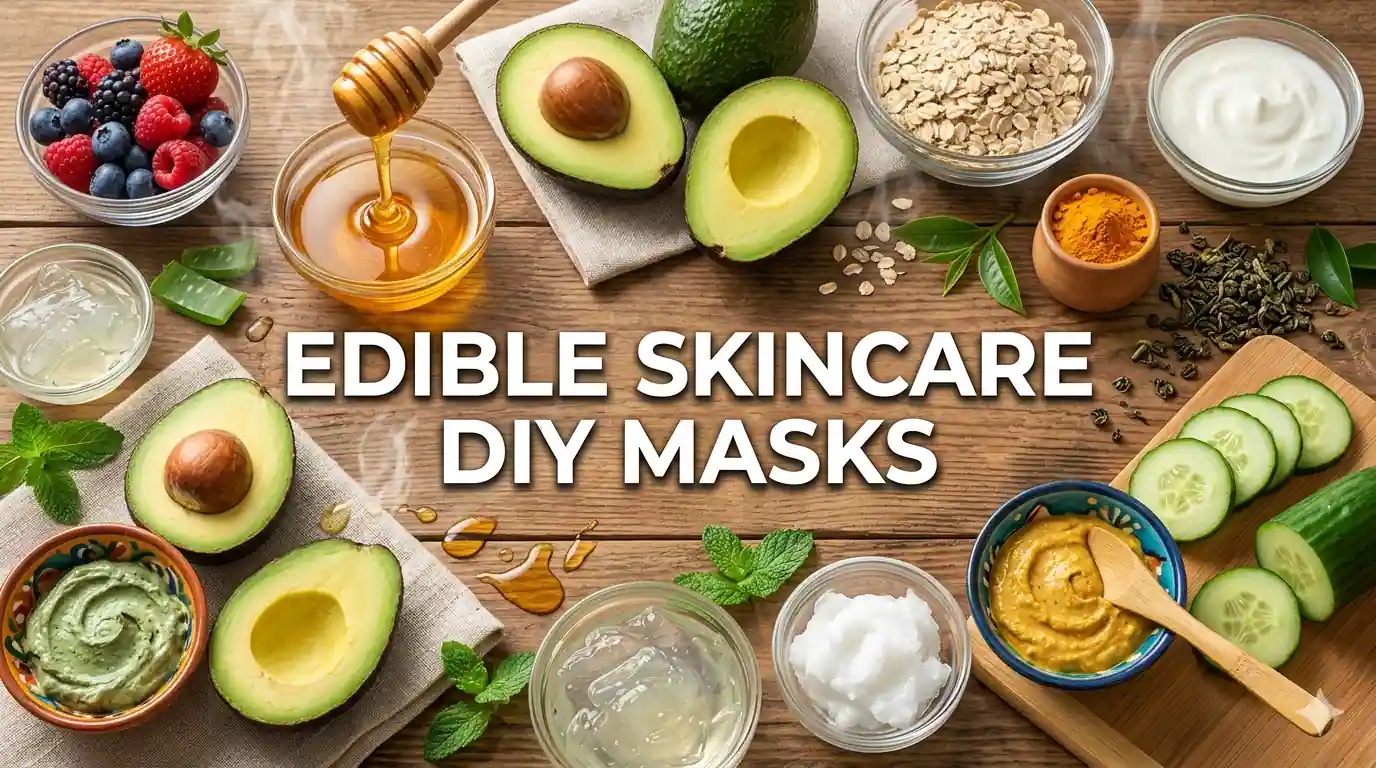
Pantry to Vanity: Science-Backed Edible Skincare & DIY Masks
The boundary between your kitchen and your skincare routine is blurrier than you might think. For centuries, cultures around the world have turned to food-based ingredients for beauty treatments, and modern science is now validating what traditional wisdom has known all along: many pantry staples possess remarkable skincare properties backed by bioactive compounds, antioxidants, and anti-inflammatory agents. This comprehensive guide explores the science behind edible skincare, revealing which kitchen ingredients truly deliver results and how to create effective DIY masks that rival commercial products.
The rise of clean beauty and conscious consumerism has sparked renewed interest in natural, transparent skincare solutions. People are increasingly scrutinizing ingredient lists, questioning synthetic additives, and seeking alternatives that align with holistic wellness values. Edible skincare represents the pinnacle of this movement – if an ingredient is safe enough to eat, it's certainly gentle enough for your skin. However, not all natural ingredients are created equal, and understanding the scientific evidence behind each component is crucial for creating effective treatments.
This guide demystifies the science of food-based skincare, separating evidence-backed ingredients from popular myths. We'll explore the biochemical mechanisms that make honey a humectant, turmeric an anti-inflammatory powerhouse, and oats a soothing treatment for sensitive skin. You'll learn which nutrients your skin craves, how to combine ingredients for synergistic effects, and step-by-step recipes for masks targeting specific concerns like acne, aging, hyperpigmentation, and dehydration.
The Science of Edible Skincare: Why Food Works on Skin
Understanding why edible ingredients benefit skin requires examining the biochemical composition of both food and skin tissue. Your skin, the body's largest organ, consists of layers rich in proteins like collagen and elastin, lipids that form protective barriers, and living cells that constantly regenerate. Many food ingredients contain compounds that directly support these structural components or address the oxidative stress and inflammation that accelerate aging and skin disorders.
Antioxidants represent one of the most important categories of skincare actives, and many pantry ingredients are antioxidant powerhouses. Free radicals – unstable molecules generated by UV exposure, pollution, and metabolic processes – damage skin cells, break down collagen, and trigger inflammation. Vitamins C and E, polyphenols, flavonoids, and carotenoids found in fruits, vegetables, and spices neutralize these free radicals, preventing cellular damage and supporting skin repair mechanisms.
Anti-inflammatory compounds in foods address another fundamental aspect of skin health. Chronic inflammation underlies conditions like acne, rosacea, eczema, and premature aging. Ingredients like turmeric (containing curcumin), ginger (with gingerols), and oats (rich in avenanthramides) inhibit inflammatory pathways at the molecular level, reducing redness, swelling, and irritation.
Humectants and emollients in food ingredients support skin's moisture barrier – the critical layer that prevents transepidermal water loss and protects against environmental aggressors. Honey, aloe vera, and certain plant oils contain sugars, amino acids, and fatty acids that attract and retain moisture while reinforcing the lipid barrier. This dual action improves hydration, plumps fine lines, and enhances skin resilience.
Enzymes and gentle acids in fruits and fermented foods provide natural exfoliation without the irritation associated with harsh synthetic scrubs. Papain from papaya, bromelain from pineapple, and lactic acid from yogurt dissolve the bonds between dead skin cells, promoting cellular turnover and revealing brighter, smoother skin. These enzymatic actions are typically pH-balanced and less disruptive to skin's acid mantle than physical exfoliants.
Honey: Nature's Humectant and Healing Agent
Honey stands as one of the most scientifically validated edible skincare ingredients, with research supporting its antimicrobial, anti-inflammatory, and wound-healing properties. Medical-grade honey has been used in clinical settings for treating burns and ulcers, and these same mechanisms benefit everyday skincare.
The humectant properties of honey derive from its high sugar content and low pH, which attract moisture from the environment into the skin while creating an environment hostile to bacteria. Studies show honey increases skin hydration by up to 20% and maintains this effect for hours after application. This makes it particularly valuable for dry, dehydrated, or mature skin types.
Honey's antimicrobial activity stems from hydrogen peroxide production, low water activity, and acidic pH, which inhibit bacterial growth including Propionibacterium acnes, the bacteria implicated in acne formation. Research published in the Journal of Cosmetic Dermatology found that medical-grade honey reduced acne lesions significantly compared to placebo, with additional benefits for wound healing and scar prevention.
Manuka honey, sourced from New Zealand, contains methylglyoxal (MGO), a compound with enhanced antibacterial properties. While regular honey offers benefits, Manuka honey's unique composition makes it particularly effective for acne-prone or compromised skin. Look for UMF (Unique Manuka Factor) ratings of 10+ or higher for therapeutic effects.
Simple Honey Mask Recipe: Apply 1-2 tablespoons of raw, unprocessed honey to clean, damp skin. Leave for 15-20 minutes, then rinse with warm water. Use 2-3 times weekly for hydration and clarity. For enhanced benefits, mix with a teaspoon of cinnamon (antimicrobial) or aloe vera gel (soothing).
Oats: Soothing Powerhouse for Sensitive Skin
Colloidal oatmeal – finely ground oats suspended in liquid – has earned FDA approval as a skin protectant, a distinction few natural ingredients hold. The scientific evidence supporting oats for skin health is robust, with multiple studies demonstrating benefits for eczema, psoriasis, dry skin, and irritation.
Oats contain unique compounds called avenanthramides, polyphenols found almost exclusively in oats, which exhibit potent anti-inflammatory and antioxidant activity. Research shows avenanthramides inhibit the production of pro-inflammatory cytokines and histamine release, reducing itching, redness, and allergic reactions. A study in the Journal of Drugs in Dermatology found that colloidal oatmeal lotion significantly improved symptoms of atopic dermatitis in children and adults.
Beta-glucans, complex carbohydrates in oats, form a protective film on skin that enhances moisture retention and supports barrier repair. These molecules also stimulate collagen synthesis and accelerate wound healing by activating macrophages, immune cells critical to tissue repair. Saponins, natural cleansers in oats, gently remove dirt and oil without stripping skin's natural moisture.
The pH-buffering capacity of oats helps restore skin's acid mantle, which can be disrupted by harsh cleansers, environmental stressors, or skin conditions. Maintaining optimal pH (4.5-5.5) is essential for healthy skin barrier function, microbial balance, and enzyme activity.
Oatmeal Soothing Mask: Grind 1/2 cup plain oats into fine powder. Mix with 2 tablespoons warm water or milk to form paste. Add 1 tablespoon honey for extra hydration. Apply to clean skin, leave for 15 minutes, then gently massage in circular motions before rinsing. This mask calms irritation, reduces redness, and provides gentle exfoliation. Ideal for sensitive, reactive, or eczema-prone skin.
Turmeric: Golden Anti-Inflammatory Elixir
Turmeric, the vibrant yellow spice central to Ayurvedic medicine, has garnered significant scientific attention for its active compound curcumin. Research validates turmeric's anti-inflammatory, antimicrobial, and antioxidant properties, making it valuable for addressing acne, hyperpigmentation, and signs of aging.
Curcumin inhibits multiple inflammatory pathways, including NF-kB, a protein complex that triggers inflammation at the genetic level. Studies demonstrate curcumin reduces inflammatory markers as effectively as some pharmaceutical anti-inflammatories, but without adverse side effects. For acne-prone skin, this means reduced redness, swelling, and lesion formation.
The antimicrobial properties of turmeric combat acne-causing bacteria while its antioxidant capacity neutralizes free radicals that degrade collagen and elastin. Research published in Phytotherapy Research found that curcumin significantly reduced sebum production and inflammatory acne lesions in clinical trials.
Turmeric also inhibits tyrosinase, the enzyme responsible for melanin production, making it effective for treating hyperpigmentation, dark spots, and uneven skin tone. A study in the Journal of Cosmetic Dermatology showed that topical curcumin reduced hyperpigmentation and improved skin radiance after four weeks of use.
However, turmeric can temporarily stain skin yellow, particularly in higher concentrations or on lighter skin tones. Combining turmeric with ingredients like yogurt, honey, or chickpea flour minimizes staining while enhancing benefits. Always patch test first, as some individuals may experience sensitivity.
Brightening Turmeric Mask: Mix 1/2 teaspoon turmeric powder with 1 tablespoon plain yogurt, 1 teaspoon honey, and 1 teaspoon chickpea flour or oat flour. Apply to clean skin, avoiding eye area. Leave for 10-15 minutes, then rinse thoroughly with warm water. Use 1-2 times weekly. Follow with moisturizer. This mask reduces inflammation, brightens complexion, and evens skin tone.
Yogurt: Probiotic Powerhouse for Skin Balance
Yogurt's skincare benefits extend far beyond its creamy texture. Rich in lactic acid, probiotics, protein, and B vitamins, yogurt addresses multiple skin concerns through scientifically-supported mechanisms. The fermentation process that creates yogurt produces bioactive compounds with unique skincare properties.
Lactic acid, an alpha-hydroxy acid (AHA) naturally present in yogurt, gently exfoliates by dissolving the bonds between dead skin cells. Unlike synthetic AHAs, lactic acid in yogurt is buffered by proteins and fats, making it less irritating while still effective. Research shows lactic acid improves skin texture, reduces fine lines, fades hyperpigmentation, and enhances moisture retention by increasing ceramide production.
Probiotics – beneficial bacteria in yogurt – support skin's microbiome, the ecosystem of microorganisms that protects against pathogens, regulates inflammation, and maintains barrier function. Emerging research on the skin-gut axis reveals that topical and internal probiotics can reduce acne, eczema, and sensitivity by balancing microbial populations and strengthening immune responses.
Proteins and peptides in yogurt provide amino acids essential for collagen synthesis and tissue repair. Zinc, present in modest amounts, regulates sebum production and supports wound healing. B vitamins, particularly B5 (pantothenic acid) and B12, promote cellular regeneration and reduce inflammation.
Full-fat, plain, unsweetened yogurt delivers maximum benefits without added sugars that can feed harmful bacteria or cause glycation (sugar damage to collagen). Greek yogurt, with higher protein concentration, offers enhanced nourishment.
Hydrating Yogurt Mask: Mix 2 tablespoons plain Greek yogurt with 1 teaspoon honey and 1/2 teaspoon olive oil. Apply to clean skin, leave for 15-20 minutes, then rinse. This mask provides gentle exfoliation, deep hydration, and microbiome support. Use 2-3 times weekly for radiant, balanced skin.
Avocado: Nutrient-Dense Moisture Barrier Support
Avocado's rich, creamy texture translates to exceptional skincare benefits, backed by its impressive nutritional profile. Packed with monounsaturated fats, vitamins E and C, carotenoids, and phytosterols, avocado nourishes, protects, and repairs skin at the cellular level.
The oleic acid in avocado, an omega-9 fatty acid, penetrates deeply into skin, delivering moisture and reinforcing the lipid barrier. This is crucial for preventing transepidermal water loss and protecting against environmental damage. Research shows topical application of avocado oil increases collagen synthesis and reduces inflammation in both acute and chronic skin conditions.
Vitamin E, abundant in avocado, is a potent antioxidant that protects cell membranes from oxidative damage and works synergistically with vitamin C to enhance photoprotection. Carotenoids like lutein and zeaxanthin filter blue light and UV radiation, reducing photoaging and DNA damage.
Phytosterols in avocado mimic cholesterol in skin's barrier, filling gaps in the lipid matrix and improving barrier function. Studies demonstrate that phytosterol-rich formulations reduce inflammation, improve hydration, and accelerate wound healing.
Avocado is particularly beneficial for dry, mature, or damaged skin, though its non-comedogenic properties make it suitable for most skin types when used appropriately.
Nourishing Avocado Mask: Mash 1/2 ripe avocado until smooth. Mix with 1 tablespoon honey and 1 teaspoon lemon juice (optional, for brightening). Apply to clean skin, leave for 15-20 minutes, then rinse with lukewarm water. This deeply moisturizing mask restores lipid barrier, reduces inflammation, and improves elasticity. Use 1-2 times weekly.
Green Tea: Antioxidant Protection and Anti-Aging
Green tea, particularly matcha and high-quality loose leaf varieties, contains exceptional concentrations of polyphenols called catechins, with epigallocatechin gallate (EGCG) being the most studied. Decades of research validate green tea's protective and restorative effects on skin.
EGCG exhibits powerful antioxidant activity, neutralizing free radicals and reducing oxidative stress that accelerates aging. Studies show topical green tea extract reduces UV-induced damage, decreases inflammation, and inhibits enzymes that break down collagen. Research published in the Journal of Investigative Dermatology found that green tea polyphenols reduced skin cancer risk in animal models and human trials.
Green tea's anti-inflammatory properties benefit acne-prone and sensitive skin by inhibiting inflammatory cytokines and reducing sebum oxidation, which contributes to comedone formation. Clinical trials demonstrate that green tea formulations reduce acne lesions and sebum production significantly.
The caffeine in green tea constricts blood vessels, reducing puffiness and dark circles around eyes. It also stimulates microcirculation, promoting cellular turnover and radiance.
For maximum benefits, use freshly brewed, cooled green tea or high-quality matcha powder in masks. Avoid adding sugar or milk, which can counteract benefits.
Antioxidant Green Tea Mask: Mix 1 tablespoon matcha powder or cooled strong green tea with 1 tablespoon honey and 1 tablespoon aloe vera gel. Apply to clean skin, leave for 15 minutes, then rinse. This mask protects against environmental damage, reduces inflammation, and promotes radiance. Use 2-3 times weekly.
Targeted Masks for Specific Skin Concerns
Acne-Fighting Clarifying Mask
Combine 1 tablespoon honey (antimicrobial), 1 teaspoon turmeric (anti-inflammatory), 1 tablespoon plain yogurt (lactic acid exfoliation), and 1/2 teaspoon cinnamon (antibacterial). Apply to clean skin, focusing on breakout-prone areas. Leave for 10-15 minutes, then rinse. This mask combats acne-causing bacteria, reduces inflammation, and prevents future breakouts without over-drying. Use 2-3 times weekly.
Anti-Aging Firming Mask
Mix 1/4 mashed avocado (vitamin E, fatty acids), 1 tablespoon plain yogurt (lactic acid), 1 teaspoon honey (humectant), and 1/2 teaspoon matcha powder (antioxidants). Apply to face and neck, leave for 20 minutes, then rinse. This mask stimulates collagen, neutralizes free radicals, improves elasticity, and reduces fine lines. Use 2 times weekly for visible results.
Brightening Radiance Mask
Combine 1 tablespoon plain yogurt, 1/2 teaspoon turmeric, 1 teaspoon honey, and 1 teaspoon freshly squeezed lemon juice (vitamin C, citric acid). Apply to clean skin, avoiding eye area. Leave for 10-12 minutes, then rinse thoroughly. This mask exfoliates gently, inhibits melanin production, and evens skin tone. Use 1-2 times weekly. Always follow with sunscreen, as AHAs increase sun sensitivity.
Deep Hydration Rescue Mask
Mix 2 tablespoons honey, 1/4 mashed avocado, 1 tablespoon plain yogurt, and 1 teaspoon olive oil. Apply generously to clean, damp skin. Leave for 20-25 minutes, then rinse with lukewarm water. This intensive treatment restores moisture barrier, plumps dehydrated skin, and provides lasting hydration. Use as needed for dry, flaky, or stressed skin.
Application Best Practices and Safety Guidelines
Maximizing benefits from DIY masks requires proper application techniques and safety awareness. Always start with clean skin to prevent trapping dirt or bacteria. Perform a patch test 24 hours before using any new ingredient by applying a small amount behind your ear or on inner arm. Discontinue use if irritation, redness, or itching occurs.
Use fresh, high-quality ingredients – organic when possible to avoid pesticide residues. Prepare masks immediately before use, as many active compounds degrade when exposed to air or light. Never store leftover masks, as bacterial growth can occur rapidly in food-based mixtures.
Apply masks with clean hands or a brush, avoiding the delicate eye area unless specifically formulated for that purpose. Follow recommended timing – leaving masks on longer doesn't increase benefits and may cause irritation. Rinse with lukewarm water, pat dry gently, and follow with moisturizer to seal in benefits.
Frequency matters: exfoliating masks (containing AHAs, enzymes) should be limited to 1-2 times weekly to prevent barrier disruption. Hydrating and soothing masks can be used 2-3 times weekly or as needed. Listen to your skin – if you experience increased sensitivity, redness, or breakouts, reduce frequency or discontinue use.
Be aware of potential interactions: citrus juices increase photosensitivity, so use those masks only at night and always wear sunscreen during the day. Some ingredients like cinnamon or essential oils can cause contact dermatitis in sensitive individuals. If you have active skin conditions like severe acne, rosacea, or eczema, consult a dermatologist before trying new treatments.
Enhancing DIY Masks with Strategic Additions
While pantry staples provide excellent foundations, certain additions can amplify benefits. Aloe vera gel, whether from fresh leaves or pure store-bought gel, adds soothing, hydrating, and healing properties to any mask. Its polysaccharides promote wound healing and its anti-inflammatory compounds calm irritation.
Plant oils like jojoba, rosehip, or argan oil can be added in small amounts (1/2 to 1 teaspoon) to boost nourishment without clogging pores. These oils contain fatty acids, vitamins, and antioxidants that complement food-based ingredients.
Essential oils should be used with extreme caution and always diluted. Tea tree oil (1-2 drops maximum) adds antimicrobial power for acne masks, while lavender oil soothes sensitive skin. Never apply essential oils undiluted, and avoid if pregnant or nursing without professional guidance.
Clay powders like bentonite or kaolin can be mixed with food ingredients to add detoxifying and oil-absorbing properties for combination or oily skin types.
Common Myths and Misconceptions Debunked
Not all natural ingredients are safe or effective for skin. Lemon juice, while rich in vitamin C, is highly acidic (pH 2-3) and can disrupt skin's acid mantle, causing irritation, increased sun sensitivity, and paradoxically, hyperpigmentation. If using lemon, always dilute significantly and limit frequency.
Baking soda, despite popularity in DIY circles, has a pH of 9, far too alkaline for skin. Regular use destroys the acid mantle, leading to dryness, irritation, and increased bacterial growth. Avoid baking soda in skincare.
Sugar and salt scrubs provide physical exfoliation but can create micro-tears in skin, especially if granules are large or irregular. Gentle enzymatic exfoliation from yogurt, fruit enzymes, or finely ground oats is safer and more effective.
Coconut oil is highly comedogenic for many people, clogging pores and causing breakouts despite its popularity. While it works for some body skin types, it's generally not recommended for facial use, especially for acne-prone individuals.
Frequently Asked Questions
How long do results from DIY masks last?
Immediate effects like hydration and radiance typically last 24-48 hours. Long-term benefits like improved texture, reduced hyperpigmentation, and enhanced elasticity require consistent use over 4-8 weeks, as skin cell turnover takes approximately 28 days. For sustained results, incorporate masks into a regular skincare routine 1-3 times weekly alongside daily cleansing, moisturizing, and sun protection.
Can I use these masks if I have sensitive skin?
Yes, but proceed with caution. Start with the gentlest ingredients like oats, honey, and plain yogurt. Avoid potentially irritating additions like citrus, cinnamon, or essential oils initially. Always patch test and introduce one new ingredient at a time. If you have diagnosed skin conditions like rosacea or eczema, consult a dermatologist before trying new treatments.
Are DIY masks as effective as commercial products?
DIY masks offer fresh, concentrated nutrients without preservatives or synthetic additives, making them excellent for immediate nourishment and addressing specific concerns. However, commercial products often contain stabilized, bioavailable forms of active ingredients with proven penetration and longer shelf lives. The most effective approach combines both: DIY masks for weekly treatments and well-formulated commercial products for daily care.
Can I store leftover mask mixture?
No, never store leftover DIY masks. Food-based mixtures lack preservatives and provide ideal conditions for bacterial growth within hours, even when refrigerated. Always prepare fresh batches and discard any unused portion. This ensures safety and maximum potency of active compounds.
How do I know if a mask is working?
Positive signs include immediate improvements in hydration, softness, and radiance after use. Over weeks, look for reduced breakouts, more even skin tone, diminished fine lines, and improved texture. If you experience persistent redness, burning, increased breakouts, or irritation, discontinue use. Skin should feel comfortable, not tight or inflamed, after masking.
Conclusion: Embracing Nature's Pharmacy
The convergence of ancient wisdom and modern science validates what our ancestors knew intuitively: the kitchen is a treasure trove of skincare solutions. Honey, oats, turmeric, yogurt, avocado, and green tea aren't just nutritious foods – they're bioactive formulations packed with compounds that nourish, protect, and transform skin at the cellular level.
What makes edible skincare particularly compelling is its transparency and accessibility. You know exactly what you're applying, free from hidden synthetic additives, fragrances, or questionable preservatives. These ingredients are affordable, sustainable, and environmentally friendly, aligning beauty routines with holistic wellness values.
However, effectiveness requires more than simply slathering food on your face. Understanding the science behind each ingredient, selecting high-quality components, preparing fresh formulations, and applying them correctly maximizes benefits while minimizing risks. Consistency, patience, and listening to your skin's responses are essential for achieving lasting results.
DIY masks complement, rather than replace, a comprehensive skincare routine that includes gentle cleansing, daily sun protection, adequate hydration, and healthy lifestyle habits. They offer a personalized, ritualistic approach to self-care that connects you more deeply with natural ingredients and your own wellbeing.
As you embark on your pantry-to-vanity journey, remember that skincare is deeply individual. What works brilliantly for one person may need adjustment for another. Experiment mindfully, document what resonates with your skin, and embrace the process of discovery. Your skin, like your body, thrives on nutrient-dense, wholesome nourishment – whether consumed or applied topically.
The science is clear: nature provides powerful tools for skin health. By harnessing these edible ingredients with knowledge and intention, you can create effective, enjoyable treatments that honor both your skin and the planet. Your journey to radiant, healthy skin begins not in a laboratory, but in your own kitchen.