

Postpartum Hair Care: Ultimate Guide to Regrowth and Strength
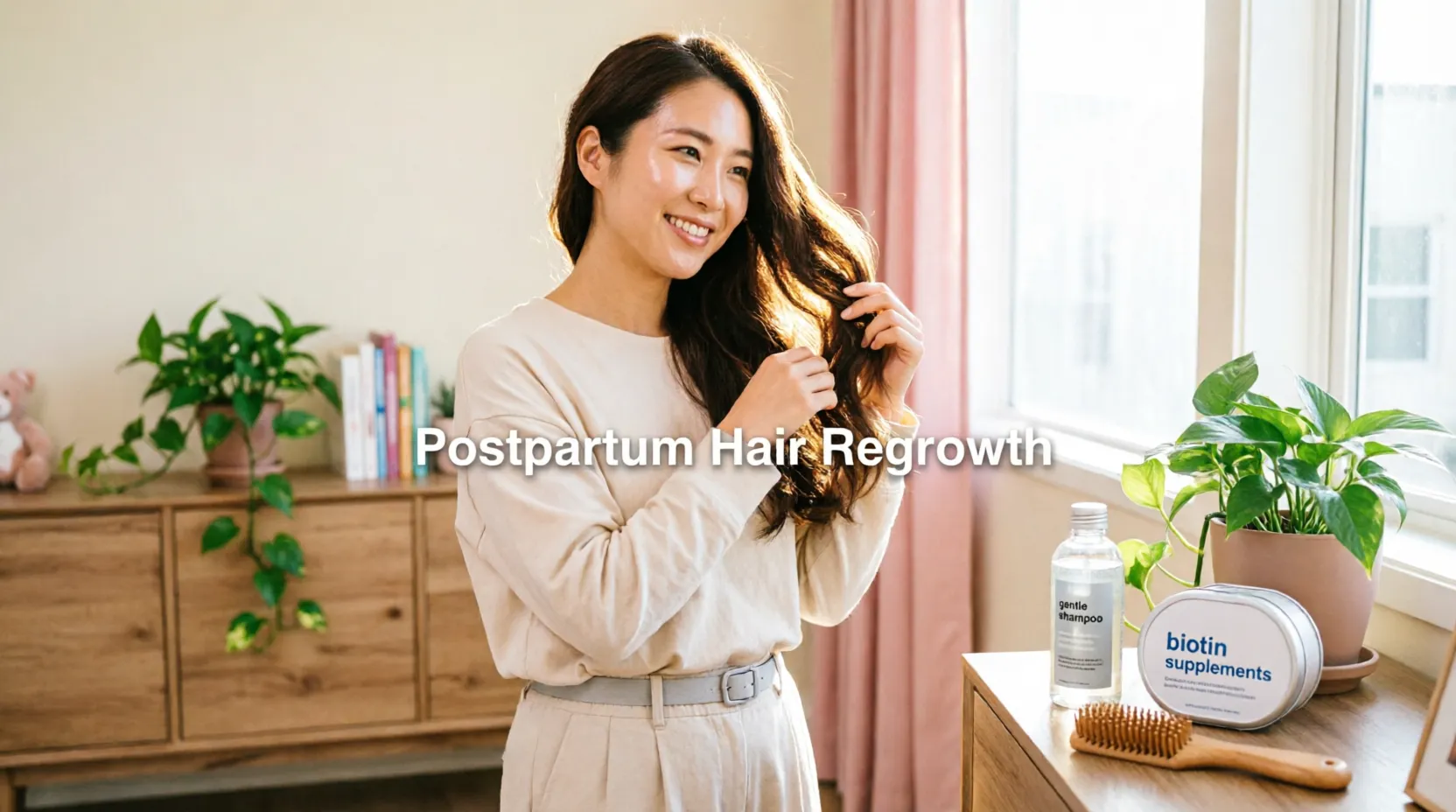
Understanding Postpartum Hair Loss: What's Normal and Why It Happens
If you've recently given birth and noticed handfuls of hair in your shower drain, on your pillow, or clinging to your brush, take a deep breath: you're not alone, and you're not going bald. Postpartum hair loss is an incredibly common experience affecting up to 90% of new mothers, typically beginning around 3-4 months postpartum and peaking around 4-5 months. While it can be alarming and emotionally challenging—especially when you're already navigating the massive physical and emotional changes of new motherhood—understanding what's happening can help you approach it with patience and confidence.
What is postpartum hair loss? Postpartum hair loss, medically known as telogen effluvium, is a temporary condition characterized by excessive shedding of hair following childbirth. During pregnancy, elevated estrogen levels keep hair in the growth phase (anagen) longer than usual, resulting in the thick, luscious locks many women enjoy during pregnancy. After delivery, when estrogen levels plummet back to pre-pregnancy levels, a large number of hair follicles simultaneously enter the resting phase (telogen) and then the shedding phase, leading to noticeable hair loss.
The hormonal rollercoaster explained:
- During pregnancy: High estrogen levels prolong the growth phase, so you shed less hair and it appears thicker and fuller
- After delivery: Estrogen drops dramatically, triggering many hairs to enter the shedding phase simultaneously
- 3-6 months postpartum: Peak shedding period as accumulated hair from pregnancy is shed
- 6-12 months postpartum: Hair growth cycle gradually normalizes; regrowth becomes visible
What's normal:
- Shedding 300-500 hairs per day (compared to the normal 50-100)
- Noticeable thinning, especially around the temples and hairline
- Short, fine "baby hairs" growing in as shedding slows
- Changes in hair texture (some women experience curlier or straighter hair postpartum)
When to be concerned:
- Patchy bald spots (could indicate alopecia areata)
- Scalp symptoms like itching, burning, or scaling
- Shedding that continues beyond 12-15 months postpartum
- Accompanying symptoms like fatigue, weight changes, or mood changes (could indicate thyroid issues or nutritional deficiencies)
This comprehensive guide provides evidence-based strategies to support hair regrowth, strengthen existing hair, and navigate this temporary phase with confidence. You'll learn about nutrition, hair care practices, supplements, lifestyle factors, and when to seek professional help.
The Science of Postpartum Hair Changes
Understanding the biology behind postpartum hair loss helps set realistic expectations and reduces anxiety about the process.
The hair growth cycle:
Hair grows in cycles consisting of three phases:
- Anagen (growth phase): Lasts 2-7 years; about 85-90% of hair is in this phase at any time
- Catagen (transition phase): Lasts 2-3 weeks; hair follicle shrinks
- Telogen (resting/shedding phase): Lasts 3-4 months; hair falls out and new growth begins
During pregnancy, high estrogen levels keep more hairs in the anagen phase longer, delaying the normal shedding process. After delivery, the sudden drop in hormones causes many hairs to simultaneously enter the telogen phase, resulting in the dramatic shedding experienced 3-6 months postpartum.
Additional contributing factors:
- Nutritional demands: Breastfeeding and postpartum recovery increase nutritional needs; deficiencies can exacerbate hair loss
- Sleep deprivation: Chronic sleep disruption affects hormone regulation and healing
- Physical stress: Childbirth is a major physical stressor that can trigger telogen effluvium
- Emotional stress: The adjustments of new motherhood elevate cortisol, which can impact hair health
- Thyroid changes: Postpartum thyroiditis affects 5-10% of women and can cause hair loss
Timeline expectations:
- 0-3 months postpartum: Minimal shedding; hair may still appear thick
- 3-6 months postpartum: Peak shedding period; most noticeable hair loss
- 6-9 months postpartum: Shedding begins to slow; fine regrowth visible
- 9-12 months postpartum: Significant regrowth; hair density improving
- 12-15 months postpartum: Hair cycle typically normalized; full recovery for most women
Will My Hair Return to Its Pre-Pregnancy State?
For most women, yes—hair density and texture return to pre-pregnancy levels within 12-15 months. However, some women notice permanent subtle changes: slightly different texture, volume, or growth patterns. This is normal and varies by individual. The key is supporting your body through the transition with proper nutrition, gentle care, and patience.
Nutrition for Postpartum Hair Regrowth
What you eat directly impacts hair health, especially during the postpartum period when your body is healing and potentially breastfeeding. Targeted nutrition can support regrowth and minimize excessive shedding.
Essential nutrients for hair health:
Protein: Hair is primarily made of keratin, a protein. Postpartum women need 1.1g per kg of bodyweight daily (higher if breastfeeding).
Sources: Lean meats, fish, eggs, Greek yogurt, legumes, quinoa, tofu
Iron: Iron deficiency is common postpartum, especially after blood loss during delivery. Low iron directly impacts hair growth.
Sources: Red meat, spinach, lentils, fortified cereals, pumpkin seeds
Tip: Pair iron-rich foods with vitamin C to enhance absorption
Zinc: Supports hair tissue growth and repair; deficiency can cause hair shedding.
Sources: Oysters, beef, pumpkin seeds, chickpeas, cashews
Biotin (Vitamin B7): Supports keratin production and hair strength.
Sources: Eggs, almonds, sweet potatoes, spinach, salmon
Vitamin D: Low levels are linked to hair loss; many postpartum women are deficient.
Sources: Sunlight exposure, fatty fish, fortified foods, supplements if deficient
Omega-3 fatty acids: Nourish hair follicles and support scalp health.
Sources: Salmon, mackerel, walnuts, chia seeds, flaxseeds
Vitamin C: Essential for collagen production and iron absorption.
Sources: Citrus fruits, bell peppers, strawberries, broccoli
Vitamin E: Antioxidant that supports scalp circulation and hair growth.
Sources: Almonds, sunflower seeds, avocados, spinach
B-complex vitamins: Support overall hair health and energy metabolism.
Sources: Whole grains, eggs, leafy greens, legumes
Postpartum meal planning tips:
- Prep ahead: Batch-cook protein sources and freeze in portions for easy meals
- Snack smart: Keep nutrient-dense snacks handy (nuts, Greek yogurt, hard-boiled eggs)
- Hydrate: Aim for 3-4 liters daily, especially if breastfeeding
- Supplement wisely: Continue prenatal vitamins postpartum; discuss additional supplements with your healthcare provider
Postpartum Hair Care Routine: Gentle Practices for Regrowth
How you care for your hair during the postpartum period can minimize breakage, support regrowth, and make shedding less noticeable.
Gentle washing techniques:
- Frequency: Wash 2-3 times weekly to avoid over-stripping natural oils; adjust based on your hair type
- Temperature: Use lukewarm water; hot water can dry out hair and scalp
- Shampoo choice: Use sulfate-free, gentle formulas; look for ingredients like biotin, keratin, or caffeine
- Application: Focus shampoo on scalp; let suds rinse through lengths rather than aggressively scrubbing ends
- Conditioner: Apply from mid-lengths to ends; use a deep conditioning treatment weekly
Detangling strategies:
- Tools: Use a wide-tooth comb or detangling brush designed for wet hair
- Technique: Start from ends and work upward gently; never yank through knots
- Timing: Detangle when hair is damp with conditioner in it, not soaking wet (hair is most fragile when wet)
- Leave-in conditioner: Apply to damp hair to reduce friction and breakage
Styling modifications:
- Avoid tight styles: Tight ponytails, buns, or braids can cause traction alopecia; opt for loose, low styles
- Heat styling: Minimize use of blow dryers, flat irons, and curling wands; when necessary, use heat protectant and lowest effective temperature
- Air dry: Let hair air dry when possible; if blow drying, use cool setting
- Silk/satin: Sleep on silk or satin pillowcase to reduce friction and breakage
- Avoid chemical treatments: Postpone coloring, perming, or relaxing until shedding subsides (6-12 months postpartum)
Scalp care:
- Gentle massage: 2-3 minutes daily to stimulate circulation and promote growth
- Scalp treatments: Use gentle, nourishing scalp serums with ingredients like caffeine, rosemary oil, or peptides
- Avoid buildup: Clarify monthly to remove product buildup that can clog follicles
Helpful Products for Postpartum Hair
Shampoos: Look for volumizing formulas with biotin, keratin, or caffeine. Avoid heavy, moisturizing shampoos that can weigh hair down.
Conditioners: Lightweight formulas that won't weigh fine, shedding hair down. Focus on mid-lengths and ends.
Leave-in treatments: Lightweight serums or sprays with proteins, vitamins, or natural oils to strengthen and protect.
Dry shampoo: Helps extend time between washes and adds volume at roots during the shedding phase.
Scalp serums: Products with ingredients like minoxidil (consult doctor if breastfeeding), caffeine, or rosemary oil may support regrowth.
Supplements for Postpartum Hair Health
While nutrition from food should be your foundation, targeted supplements can fill gaps and support regrowth—especially important if you're breastfeeding.
Continue prenatal vitamins: Most healthcare providers recommend continuing prenatal vitamins for at least 6 months postpartum, especially if breastfeeding. These provide foundational nutrients for both you and baby.
Additional supplements to consider:
Biotin: 2,500-5,000 mcg daily supports keratin production. Safe for breastfeeding.
Collagen peptides: 10-20g daily may support hair strength and growth. Choose hydrolyzed collagen for better absorption.
Iron: Only supplement if bloodwork confirms deficiency. Typical dose: 18-27mg daily. Take with vitamin C for absorption.
Vitamin D: 1,000-2,000 IU daily if deficient (common postpartum). Get levels tested.
Zinc: 8-11mg daily supports hair tissue repair. Don't exceed 40mg daily.
Omega-3s: 1,000-2,000mg daily of combined EPA/DHA supports scalp health.
B-complex: Supports overall hair health and energy metabolism.
Important considerations:
- Consult your healthcare provider: Always discuss supplements with your doctor, especially if breastfeeding
- Quality matters: Choose third-party tested supplements from reputable brands
- Patience: Supplements take 3-6 months to show results
- Don't megadose: More isn't better; excessive amounts of certain nutrients can actually cause hair loss
Lifestyle Factors That Impact Postpartum Hair
Beyond nutrition and hair care, lifestyle factors significantly influence hair health during the postpartum period.
Sleep and stress management:
Chronic sleep deprivation and elevated stress hormones can exacerbate hair loss and slow regrowth.
Strategies:
- Prioritize rest: Sleep when baby sleeps; ask for help with nighttime feedings if possible
- Stress reduction: Practice 5-10 minutes of deep breathing, meditation, or gentle yoga daily
- Accept help: Delegate tasks to partners, family, or friends
- Set realistic expectations: You don't need to "do it all" during this demanding time
Gentle exercise:
Regular physical activity improves circulation (including to the scalp), reduces stress, and supports hormonal balance.
Recommendations:
- Start gradually: Begin with walking, gentle yoga, or postpartum-specific exercises
- Get clearance: Wait for your healthcare provider's approval before resuming exercise (typically 6 weeks postpartum)
- Stay consistent: Aim for 20-30 minutes most days; consistency matters more than intensity
- Stay hydrated: Drink water before, during, and after exercise
Hormonal health:
If you're experiencing prolonged or severe hair loss, discuss hormonal testing with your provider. Postpartum thyroiditis and other hormonal imbalances can contribute to hair loss and are treatable.
Breastfeeding considerations:
Breastfeeding is generally beneficial for hormonal balance, but it also increases nutritional demands. Ensure you're eating enough calories and nutrients to support both milk production and hair health.
When to Seek Professional Help
While postpartum hair loss is normal and temporary, certain situations warrant medical evaluation.
See your healthcare provider if:
- Shedding continues beyond 12-15 months postpartum
- You notice patchy bald spots (could indicate alopecia areata)
- You experience scalp symptoms: Itching, burning, pain, or scaling
- You have other symptoms: Fatigue, weight changes, mood changes, or irregular periods (could indicate thyroid issues or other hormonal imbalances)
- Hair loss is severe: Losing large clumps or noticing dramatic thinning
- You're concerned: Trust your instincts; if something feels wrong, get it checked
What to expect at the appointment:
- Medical history: Discussion of pregnancy, delivery, breastfeeding, and hair loss pattern
- Blood tests: May check iron levels, thyroid function, vitamin D, and other nutrients
- Scalp examination: To rule out other conditions like fungal infections or scarring alopecia
- Treatment plan: May include supplements, topical treatments, or referral to a dermatologist
Treatment options a provider might recommend:
- Topical minoxidil: FDA-approved for hair regrowth; discuss safety if breastfeeding
- Prescription supplements: Higher-dose iron, biotin, or other nutrients if deficient
- Thyroid medication: If thyroid dysfunction is detected
- Referral to dermatologist: For specialized treatments like platelet-rich plasma (PRP) therapy or laser therapy
Coping Emotionally with Postpartum Hair Loss
Postpartum hair loss isn't just a physical experience—it can take an emotional toll during an already challenging time. Acknowledging and addressing these feelings is important for overall wellbeing.
Common emotional responses:
- Frustration or sadness about changing appearance
- Anxiety about whether hair will grow back
- Feeling less attractive or feminine
- Overwhelm from yet another postpartum change
- Comparison to pre-pregnancy hair or other moms
Healthy coping strategies:
- Remember it's temporary: This phase will pass; hair will regrow
- Focus on what you can control: Nutrition, gentle care, stress management
- Connect with other moms: Share experiences; you're not alone
- Practice self-compassion: Be kind to yourself during this transition
- Celebrate your body: It just grew and birthed a human; hair loss is a small price
- Try new styles: Experiment with cuts or styles that work with thinner hair
- Seek support: Talk to your partner, friends, or a therapist if feelings become overwhelming
Styling tricks during the shedding phase:
- Shorter cuts: A bob or lob can make hair appear fuller and mask thinning
- Layers: Strategic layering adds volume and movement
- Dry shampoo: Adds texture and volume at roots
- Root-lifting products: Volumizing mousses or sprays
- Accessories: Headbands, scarves, or clips can distract from thinning areas
- Change your part: A different part can cover thinning areas
FAQs About Postpartum Hair Care
How long does postpartum hair loss last?
Postpartum hair loss typically begins around 3-4 months postpartum, peaks around 4-5 months, and gradually improves by 9-12 months. Most women see significant regrowth by 12-15 months postpartum, though the timeline varies by individual.
Can I prevent postpartum hair loss?
You can't completely prevent it—it's a natural hormonal response—but you can minimize severity and support regrowth through proper nutrition, gentle hair care, stress management, and addressing any nutritional deficiencies.
Is postpartum hair loss different if I'm breastfeeding?
The timing and severity aren't significantly different between breastfeeding and non-breastfeeding mothers. However, breastfeeding increases nutritional demands, so adequate nutrition becomes even more important for hair health.
Will my hair grow back the same as before pregnancy?
For most women, yes—hair returns to pre-pregnancy density and texture within 12-15 months. Some women notice subtle permanent changes in texture or volume, which is normal and varies individually.
Can I use hair growth products while breastfeeding?
Some products are safe while breastfeeding, but always consult your healthcare provider first. Topical minoxidil has minimal systemic absorption but should be discussed with your doctor. Natural options like rosemary oil or caffeine serums are generally considered safer, but research is limited.
Does taking prenatal vitamins help with postpartum hair loss?
Continuing prenatal vitamins postpartum can help ensure you're getting adequate nutrients, especially if breastfeeding. However, they're not a magic solution—hair loss is primarily hormonal. Prenatal vitamins support overall health and can prevent nutritional deficiencies that might worsen shedding.
Should I cut my hair short after having a baby?
It's a personal choice. Some women find shorter hair easier to manage with a new baby and feel it looks fuller. Others prefer to keep their length. There's no right answer—choose what makes you feel confident and fits your lifestyle.
Can stress make postpartum hair loss worse?
Yes, chronic stress can exacerbate hair loss by elevating cortisol levels, which can disrupt the hair growth cycle. While you can't eliminate stress entirely as a new parent, prioritizing rest, asking for help, and practicing stress-reduction techniques can help minimize its impact.
Creating Your Postpartum Hair Care Action Plan
Putting this information into practice requires a manageable, sustainable approach. Here's a framework to support your postpartum hair health.
Immediate actions (0-3 months postpartum):
- Continue prenatal vitamins
- Focus on nutrient-dense meals and hydration
- Use gentle, sulfate-free hair products
- Be gentle when detangling and styling
- Rest when possible; accept help
Active phase (3-6 months postpartum - peak shedding):
- Add targeted supplements if recommended by your provider (biotin, iron, vitamin D)
- Incorporate scalp massage into your routine
- Use volumizing products and dry shampoo
- Consider a haircut or style change if desired
- Prioritize stress management techniques
- Track your shedding to monitor patterns
Regrowth phase (6-12 months postpartum):
- Continue nutritional support
- Look for fine, short hairs growing in (a positive sign!)
- Gradually reintroduce gentle styling tools if desired
- Consider professional treatments if shedding persists
- Celebrate progress, however small
Long-term maintenance (12+ months):
- Maintain balanced nutrition
- Continue gentle hair care practices
- Address any ongoing concerns with your healthcare provider
- Embrace your new normal—hair may be slightly different, and that's okay
Conclusion: Be Patient and Kind to Yourself
Postpartum hair loss is a challenging but temporary phase that millions of women navigate. While seeing handfuls of hair in the shower or noticing thinning can be distressing, remember that your body is doing exactly what it's designed to do—resetting after the hormonal marathon of pregnancy.
The strategies in this guide—targeted nutrition, gentle hair care, stress management, and professional support when needed—can help minimize shedding and support regrowth. But perhaps most importantly, practice patience and self-compassion. Your body grew and birthed a human being. Hair loss is a small, temporary price for that miracle.
Trust the process. Trust your body. And trust that this phase will pass. In the meantime, focus on what you can control, celebrate small victories, and remember that you're not alone. Reach out to your healthcare provider if you're concerned, connect with other moms going through the same experience, and be gentle with yourself during this demanding time.
Your hair will grow back. And in the meantime, you're still beautiful, still strong, and still amazing—hair or no hair. Here's to regrowth, renewal, and embracing every stage of motherhood with grace and confidence.