

Premature Canities: Why You're Going Grey in Your 20s & Science-Backed Ways to Stall It
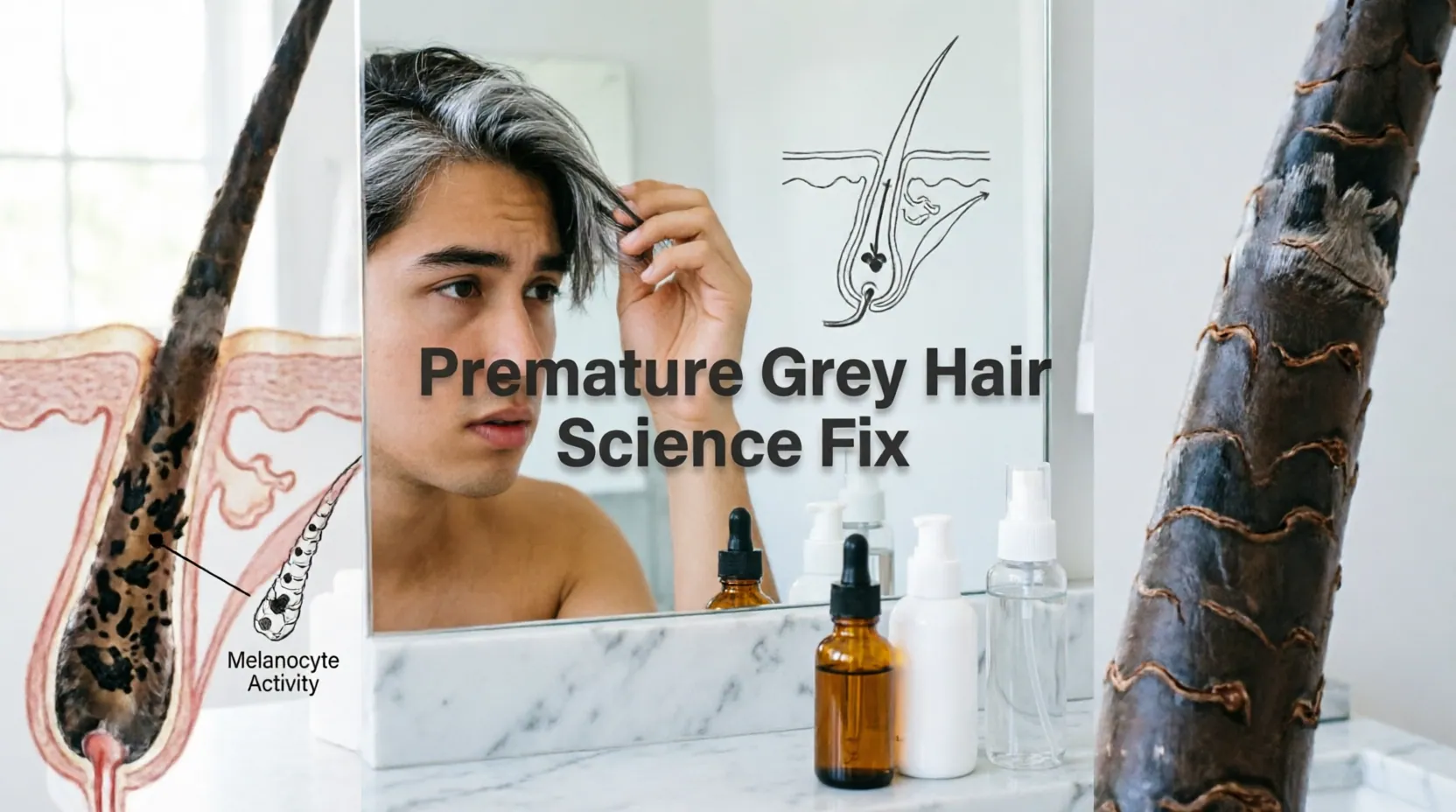
Finding your first silver strand in your 20s can feel like a premature arrival of middle age. You might pluck it, dye over it, or quietly worry: Why is this happening now? Is it stress? Genetics? Something I did wrong? The truth is, premature greying—medically termed premature canities—is a complex biological process influenced by genetics, oxidative stress, nutrition, and environmental factors. While you can't completely stop the clock on hair pigmentation, emerging science offers evidence-based strategies to slow the process, support melanocyte health, and manage premature greying with confidence.
Premature canities isn't just a cosmetic concern. For many young adults, it impacts self-image, confidence, and even professional perception. Understanding the biological mechanisms behind early greying—and implementing targeted, science-backed interventions—can help you take proactive steps toward preserving your natural hair color longer, or embracing silver strands with intention rather than resignation.
This comprehensive guide delivers a dermatologist-backed framework for understanding and managing premature canities in your 20s. You'll learn why hair turns grey prematurely, discover which factors are modifiable versus genetic, implement nutritional and topical strategies supported by clinical research, and understand when medical evaluation is warranted. Whether you're noticing your first few silver strands or managing widespread premature greying, you'll find practical, evidence-based strategies to support hair pigmentation health and feel confident in your choices.
Understanding Premature Canities: The Biology of Hair Pigmentation
Before exploring solutions, it's essential to understand what causes hair to lose its color—and why this process sometimes begins decades earlier than expected.
How Hair Gets Its Color: The Melanin Production Process
The Pigmentation Pipeline:
- Melanocytes: Specialized cells in the hair follicle bulb that produce melanin pigment
- Melanin types: Eumelanin (brown/black pigment) and pheomelanin (red/yellow pigment) determine hair color
- Melanosome transfer: Pigment-filled melanosomes are transferred from melanocytes to keratinocytes (hair shaft cells)
- Stem cell reservoir: Melanocyte stem cells in the follicle bulge replenish pigment-producing cells with each hair cycle
Why Hair Turns Grey:
- Melanocyte depletion: Pigment-producing cells gradually decline with age
- Stem cell exhaustion: Melanocyte stem cells fail to replenish the pigment-producing pool
- Oxidative damage: Hydrogen peroxide buildup in follicles bleaches pigment and damages melanocytes
- Reduced catalase: This enzyme normally breaks down hydrogen peroxide; its decline accelerates greying
Key Insight: Greying isn't just "loss of color"—it's a complex process involving stem cell biology, oxidative stress, and enzymatic regulation. Premature canities occurs when these processes accelerate beyond typical age-related timelines.
Defining "Premature" Canities
| Population | Premature Canities Threshold | Typical Onset (Non-Premature) |
|---|---|---|
| Caucasian | Before age 20 | Mid-30s to 40s |
| Asian | Before age 25 | Late 30s to 40s |
| African descent | Before age 30 | Mid-40s to 50s |
Note: These are population averages; individual variation is significant. Family history is the strongest predictor of greying timeline.
The Multifactorial Causes of Premature Greying
Genetic Factors (Non-Modifiable):
- Family history: Strongest predictor; if parents greyed early, you're more likely to as well
- Specific genes: IRF4, Bcl2, and MITF genes regulate melanocyte function and survival
- Ethnic variation: Baseline greying timelines differ across populations due to genetic factors
Oxidative Stress (Partially Modifiable):
- Hydrogen peroxide accumulation: Naturally produced in follicles; normally broken down by catalase enzyme
- Reduced antioxidant defenses: Decline in catalase, glutathione, and other antioxidants allows oxidative damage to melanocytes
- External contributors: UV exposure, pollution, smoking, and psychological stress increase oxidative burden
Nutritional Deficiencies (Modifiable):
- Vitamin B12: Critical for melanin synthesis; deficiency linked to premature greying
- Folate (B9) and Biotin (B7): Support keratin production and melanocyte function
- Copper and Iron: Cofactors for tyrosinase, the enzyme that produces melanin
- Vitamin D: Emerging evidence links deficiency to premature canities
Medical Conditions (Require Evaluation):
- Autoimmune disorders: Vitiligo, alopecia areata, thyroid disease can target melanocytes
- Endocrine disorders: Thyroid dysfunction, pituitary issues may accelerate greying
- Chronic illnesses: Cardiovascular disease, osteoporosis correlate with premature canities in some studies
Lifestyle and Environmental Factors (Modifiable):
- Smoking: Strongly associated with premature greying; increases oxidative stress in follicles
- Chronic psychological stress: Emerging research suggests stress may accelerate melanocyte stem cell depletion
- UV exposure: Scalp sun exposure generates free radicals that damage melanocytes
- Harsh hair treatments: Chemical relaxers, frequent bleaching may accelerate follicular aging
Phase 1: Assessment—Identifying Your Contributing Factors
Effective management begins with understanding which factors are driving your premature greying. Not all causes are equal, and targeted interventions depend on accurate identification.
Self-Assessment: Clues to Your Specific Causes
Family History Review:
- At what age did parents, grandparents, or siblings notice first grey hairs?
- Is greying pattern similar (e.g., temples first, diffuse, patchy)?
- If strong family history of early greying, genetics likely play a dominant role
Lifestyle and Health Audit:
- Smoking status: Current or past smoker? Duration and intensity?
- Dietary patterns: Vegan/vegetarian without B12 supplementation? Limited variety in whole foods?
- Stress levels: Chronic high stress, major life events, or burnout in past 1-2 years?
- Sun exposure: Frequent scalp sun exposure without protection?
- Hair care practices: Frequent chemical treatments, high-heat styling, or harsh products?
Medical Symptom Check:
- Fatigue, weight changes, or temperature sensitivity (possible thyroid issues)
- Patchy skin depigmentation (possible vitiligo)
- Unexplained hair shedding alongside greying (possible autoimmune component)
- Digestive issues or neurological symptoms (possible B12 absorption issues)
When to Seek Medical Evaluation
Consult a healthcare provider or dermatologist if:
- Premature greying is rapid, patchy, or accompanied by hair loss
- You have symptoms suggesting thyroid dysfunction, autoimmune disease, or nutritional deficiency
- Greying begins before age 20 with no family history
- You're vegan/vegetarian without B12 supplementation
- You want baseline blood work to rule out modifiable contributors
Recommended Baseline Tests:
- Complete blood count (CBC): Screens for anemia that may correlate with nutritional deficits
- Vitamin B12 and folate: Critical for melanin synthesis; deficiency is reversible
- Thyroid panel (TSH, free T4): Thyroid dysfunction can accelerate greying
- Ferritin and iron studies: Iron is a cofactor for melanin-producing enzymes
- Vitamin D: Emerging link to hair pigmentation health
- Copper and zinc: Trace minerals essential for tyrosinase function
Phase 2: Nutritional Strategies—Supporting Melanocyte Health from Within
Nutrition plays a critical role in melanin production and melanocyte survival. While supplements won't reverse genetic greying, correcting deficiencies can slow premature canities and support overall hair health.
Key Nutrients for Hair Pigmentation
| Nutrient | Role in Hair Pigmentation | Food Sources | Supplement Consideration |
|---|---|---|---|
| Vitamin B12 | Essential for melanin synthesis; deficiency directly linked to premature greying | Animal products: meat, fish, eggs, dairy; fortified nutritional yeast for vegans | 1000 mcg methylcobalamin daily if deficient or vegan; sublingual form for better absorption |
| Folate (B9) | Supports DNA synthesis in rapidly dividing melanocytes; works with B12 | Leafy greens, legumes, avocado, fortified grains | 400-800 mcg methylfolate if deficient; avoid excess if B12 status unknown |
| Copper | Cofactor for tyrosinase, the enzyme that produces melanin | Shellfish, nuts, seeds, dark chocolate, organ meats | 2 mg daily if deficient; avoid excess (can be toxic) |
| Iron | Supports tyrosinase function; deficiency linked to hair changes | Red meat, spinach, lentils, fortified cereals; pair with vitamin C for absorption | Only supplement if ferritin |