

Prevent Split Ends: Essential Hair Care Tips
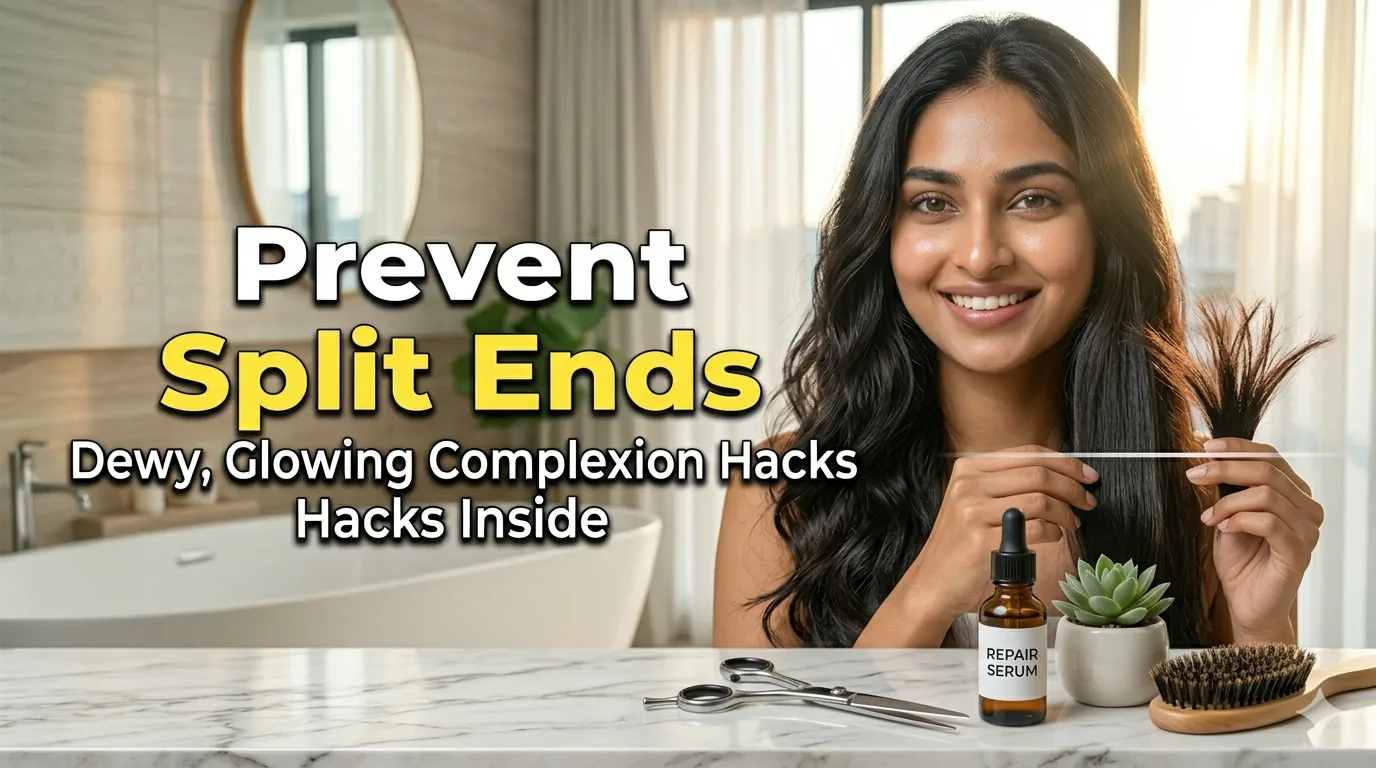
Split ends are the bane of healthy hair—they make your strands look frizzy, dull, and unkempt, no matter how much effort you put into styling. If you're tired of battling frayed, broken ends and dreaming of long, strong, healthy hair, you're in the right place. The truth is, while you can't repair split ends once they occur, you can prevent them from forming in the first place with the right knowledge, habits, and products.
Split ends (technically called trichoptilosis) happen when the protective outer layer of your hair—the cuticle—wears away, causing the inner cortex to fray and split. This damage is cumulative and irreversible; the only true "cure" for an existing split end is to trim it off. But prevention is entirely within your control. By understanding what causes split ends and implementing targeted hair care strategies, you can keep your hair strong, smooth, and split-free from root to tip.
This comprehensive guide delivers science-backed, expert-approved tips for preventing split ends and maintaining healthier hair. You'll discover the real causes of hair damage, learn which products and techniques actually protect your strands, build a personalized hair care routine that works, and get practical advice for minimizing damage from heat styling, chemical treatments, and environmental stressors. Whether your hair is straight, wavy, curly, or coily, these strategies will help you achieve the strong, beautiful hair you deserve.
Understanding Split Ends: What Causes Hair to Fray
Before diving into prevention, it's essential to understand what split ends are and why they happen. This knowledge helps you target the root causes rather than just treating symptoms.
What Are Split Ends?
Split ends occur when the protective cuticle layer of your hair shaft becomes damaged and wears away, exposing the inner cortex. Without this protective barrier, the hair fiber weakens and begins to fray, creating splits that can travel up the hair shaft if left untreated.
Common types of hair damage include:
- Basic split: The end of the hair splits into two strands
- Tree split: Multiple splits branch out from a single point
- Feather split: The cuticle peels away in sections, creating a frayed appearance
- Complete break: The hair snaps entirely, causing noticeable shortening
Research published in the International Journal of Trichology confirms that mechanical stress, chemical exposure, and environmental factors are the primary contributors to cuticle damage and split end formation [[18]].
Primary Causes of Split Ends
Understanding what damages your hair helps you avoid or minimize these triggers:
Mechanical damage:
- Brushing or combing too aggressively, especially when hair is wet
- Using brushes with harsh bristles or metal teeth
- Tying hair too tightly with elastic bands that snag and break strands
- Rough towel-drying that creates friction and cuticle damage
Heat styling damage:
- Using flat irons, curling wands, or blow dryers at high temperatures
- Skipping heat protectant products before styling
- Repeated heat exposure without giving hair time to recover
Chemical damage:
- Hair coloring, bleaching, or perming that weakens the hair structure
- Overusing harsh shampoos with sulfates that strip natural oils
- Applying multiple chemical treatments in short succession
Environmental stressors:
- UV radiation from sun exposure that degrades hair proteins
- Wind, pollution, and hard water that roughen the cuticle
- Chlorine from swimming pools that dries and damages hair
Neglect and poor habits:
- Skipping regular trims, allowing small splits to travel up the shaft
- Not using conditioner or leave-in treatments to protect ends
- Sleeping on cotton pillowcases that create friction and breakage
Essential Prevention Strategies for Split-End-Free Hair
Preventing split ends requires a multi-faceted approach. These evidence-based strategies protect your hair from root to tip.
1. Get Regular Trims: The Non-Negotiable
Why it works: Trimming removes existing split ends before they can travel up the hair shaft and cause more extensive damage. While trimming doesn't make hair grow faster, it preserves length by preventing breakage.
Recommended schedule:
- For most hair types: Every 8-12 weeks
- For chemically treated or heat-styled hair: Every 6-8 weeks
- For very long or fragile hair: Every 10-14 weeks with careful maintenance
Pro tip: Ask your stylist for a "dusting" or "search and destroy" trim, where only split ends are removed rather than cutting length. This preserves your style while eliminating damage.
2. Handle Wet Hair with Extreme Care
Why it matters: Hair is most vulnerable when wet—the cuticle swells and the strand stretches more easily, making it prone to breakage.
Gentle wet-hair practices:
- Detangle before washing: Gently comb through dry hair to remove knots before shampooing
- Use a wide-tooth comb: Start from the ends and work upward to minimize pulling
- Apply conditioner first: Use conditioner to add slip before detangling in the shower
- Pat dry, don't rub: Use a microfiber towel or cotton t-shirt to gently squeeze out water
- Avoid tight styles when wet: Let hair air dry partially before tying up
3. Use Heat Protectants Every Time
Why it works: Heat protectants form a barrier between your hair and styling tools, reducing direct heat damage and moisture loss.
Effective heat protection routine:
- Apply a heat protectant spray or serum to damp or dry hair before any heat styling
- Look for ingredients like dimethicone, cyclomethicone, or natural oils that provide thermal protection
- Ensure even coverage from mid-lengths to ends, where damage is most likely
- Reapply if restyling later in the day
Temperature guidelines:
- Fine or damaged hair: Keep tools below 300°F (150°C)
- Normal hair: 300-350°F (150-175°C) is usually sufficient
- Thick or coarse hair: May tolerate up to 400°F (200°C), but start low and increase only if needed
Pro tip: Use tools with adjustable temperature settings and ceramic or tourmaline plates, which distribute heat more evenly and reduce hot spots.
4. Choose Gentle Hair Tools
The tools you use significantly impact hair health. Invest in quality implements designed to minimize damage.
Best brushes and combs:
- Boar bristle brushes: Natural bristles distribute oils gently and reduce static
- Wide-tooth combs: Ideal for detangling without pulling or breaking strands
- Wet brushes or Tangle Teezers: Flexible bristles glide through knots with minimal force
- Avoid: Metal-bristle brushes, fine-tooth combs on wet hair, or brushes with ball-tipped bristles that can snag
Hair tie recommendations:
- Use spiral hair ties, silk scrunchies, or fabric-covered elastics
- Avoid rubber bands or ties with metal clasps that snag and break hair
- Don't tie hair too tightly; opt for loose styles that minimize tension
5. Protect Hair While You Sleep
Nighttime friction is a major cause of split ends. Simple changes to your sleep routine can make a big difference.
Sleep-friendly hair practices:
- Silk or satin pillowcases: Reduce friction and moisture loss compared to cotton
- Loose protective styles: Braid hair loosely or put it in a low, soft bun to prevent tangling
- Silk bonnets or scarves: Provide an extra layer of protection, especially for curly or textured hair
- Avoid sleeping with wet hair: Damp hair is more fragile; let it dry partially before bed
6. Deep Condition Regularly
Why it works: Deep conditioning treatments replenish moisture, strengthen the hair shaft, and smooth the cuticle—creating a protective barrier against future damage.
Effective deep conditioning routine:
- Use a deep conditioner or hair mask 1-2 times weekly
- Focus application on mid-lengths and ends, where damage accumulates
- Leave on for 10-20 minutes; for deeper penetration, cover with a shower cap or apply gentle heat
- Rinse with cool water to help seal the cuticle
Key ingredients to look for:
- Proteins: Keratin, hydrolyzed wheat, or silk proteins strengthen weak strands
- Lipids: Ceramides, fatty acids, and natural oils repair the cuticle
- Humectants: Glycerin, panthenol, and hyaluronic acid attract and retain moisture
- Silicones: Dimethicone or amodimethicone smooth the cuticle and reduce friction (use in moderation)
7. Minimize Chemical Processing
Why it matters: Chemical treatments like coloring, bleaching, perming, or relaxing break down the hair's protein structure, making it more prone to splitting.
Smart chemical care strategies:
- Space out chemical treatments; avoid overlapping processes
- Choose gentler options: demi-permanent color instead of bleach, or ammonia-free formulas
- Always follow chemical services with intensive conditioning treatments
- Consider low-maintenance color techniques like balayage that require less frequent touch-ups
- Consult a professional stylist who prioritizes hair health
Building Your Split-End Prevention Routine
Consistency is key to preventing split ends. This step-by-step routine integrates protective practices into your daily and weekly hair care.
Daily Care Essentials
Morning routine:
- Gentle detangling: Use a wide-tooth comb or wet brush on dry hair, starting from ends
- Light leave-in protection: Apply a small amount of leave-in conditioner or serum to ends
- Heat protectant: If styling with heat, apply protectant before any tools
- Loose styling: Avoid tight ponytails or braids that create tension on ends
Evening routine:
- Pre-bed detangling: Gently remove any knots accumulated during the day
- Apply overnight treatment: Light oil or serum on ends for extra protection
- Protective styling: Braid loosely or use a silk bonnet before sleep
Weekly Maintenance
Wash day protocol:
- Pre-wash detangle: Comb through dry hair to minimize breakage during washing
- Gentle cleansing: Use a sulfate-free shampoo focused on the scalp; let suds rinse through ends
- Condition thoroughly: Apply conditioner from mid-lengths to ends; leave on 3-5 minutes
- Cool rinse: Finish with cool water to help seal the cuticle
- Pat dry: Use microfiber towel or t-shirt; avoid rubbing
- Apply leave-in: While hair is damp, apply leave-in conditioner or detangler
Weekly treatment:
- Deep condition with a reparative mask 1x/week
- Optional: Apply a protein treatment every 2-4 weeks if hair feels weak or porous
- Scalp massage to promote healthy growth and circulation
Monthly Check-Ins
Assess your hair:
- Examine ends for early signs of splitting or fraying
- Note any increase in breakage, dryness, or tangling
- Adjust products or routine based on seasonal changes or styling habits
Professional care:
- Schedule trims every 8-12 weeks as recommended
- Consult your stylist about any concerns or desired changes
Product Recommendations for Split End Prevention
Choosing the right products supports your prevention efforts. Look for these categories and key ingredients.
Shampoos for Healthy Hair
What to look for:
- Sulfate-free formulas that cleanse without stripping
- Moisturizing ingredients like glycerin, panthenol, or natural oils
- Protein or keratin for strength (use in moderation to avoid buildup)
Application tip: Focus shampoo on the scalp; let suds rinse through ends to avoid over-cleansing fragile tips.
Conditioners and Leave-Ins
Key features:
- Rinse-out conditioners with slip for easy detangling
- Leave-in conditioners or creams for ongoing protection
- Ingredients like ceramides, fatty alcohols, or silicones to smooth cuticles
Usage: Always apply conditioner from mid-lengths to ends; avoid the scalp to prevent greasiness.
Heat Protectants
Effective options:
- Spray formulas for even, lightweight coverage
- Creams or serums for thicker or very dry hair
- Ingredients like dimethicone, cyclomethicone, or natural oils with thermal protection
Pro tip: Apply to damp hair before blow-drying, or to dry hair before using hot tools.
Hair Oils and Serums
Best for sealing ends:
- Argan oil: Lightweight, rich in vitamin E and fatty acids
- Jojoba oil: Mimics natural sebum, easily absorbed
- Marula oil: Fast-absorbing with antioxidant benefits
- Squalane: Non-greasy, compatible with all hair types
Application: Use 2-3 drops warmed between palms; smooth over ends only, avoiding roots.
Deep Conditioning Treatments
Look for:
- Masks with proteins for strength (keratin, hydrolyzed wheat)
- Lipid-rich formulas for cuticle repair (ceramides, shea butter)
- Humectants for moisture retention (glycerin, panthenol)
Frequency: 1-2 times weekly for dry or damaged hair; once every 2 weeks for healthy hair maintenance.
Lifestyle Factors That Impact Hair Health
Your overall health and habits significantly influence hair strength and resilience.
Nutrition for Strong Hair
Hair is primarily made of keratin, a protein that requires specific nutrients to form strong, resilient strands.
Essential nutrients for hair health:
- Protein: Eggs, lean meats, legumes, Greek yogurt provide building blocks for keratin
- Biotin: Found in eggs, almonds, sweet potatoes; supports keratin production
- Omega-3 fatty acids: Fatty fish, walnuts, flaxseeds nourish hair follicles and reduce inflammation
- Vitamin E: Almonds, spinach, sunflower seeds protect hair from oxidative stress
- Iron and zinc: Lean meats, lentils, pumpkin seeds support hair growth and repair
- Vitamin C: Citrus, bell peppers, berries enhance iron absorption and collagen production
Hydration matters: Drink adequate water daily; dehydrated hair becomes brittle and prone to breakage.
Stress Management
Chronic stress can trigger hair shedding and weaken strands. Support hair health by:
- Practicing relaxation techniques: meditation, deep breathing, yoga
- Prioritizing 7-9 hours of quality sleep nightly
- Engaging in regular physical activity to reduce cortisol levels
- Seeking support for persistent stress or anxiety
Environmental Protection
Shield your hair from external damage:
- Sun protection: Wear hats or use hair products with UV filters when in direct sun
- Chlorine defense: Wet hair with clean water before swimming; rinse immediately after; use a swim cap if possible
- Wind and pollution: Protective styles (braids, buns) minimize exposure; rinse hair after windy days
- Hard water: Consider a shower filter or use a clarifying shampoo monthly to remove mineral buildup
Common Mistakes That Cause Split Ends
Even with good intentions, certain habits can sabotage your split-end prevention efforts. Avoid these pitfalls.
Over-Washing or Using Harsh Shampoos
The problem: Frequent washing with sulfates strips natural oils that protect hair ends, leaving them dry and vulnerable.
The solution: Wash 2-3 times weekly with a gentle, sulfate-free shampoo. Focus cleansing on the scalp; let suds rinse through ends.
Brushing Aggressively or When Wet
The problem: Wet hair stretches more easily and is prone to breakage; rough brushing causes mechanical damage.
The solution: Detangle gently with a wide-tooth comb starting from ends. Use a wet brush or Tangle Teezer for wet hair.
Skipping Heat Protectant
The problem: Direct heat exposure damages the cuticle, leading to dryness, breakage, and split ends.
The solution: Always apply a heat protectant before using any hot tools. Keep temperatures as low as effective.
Ignoring Regular Trims
The problem: Small splits travel up the hair shaft, causing more extensive damage and breakage.
The solution: Schedule trims every 8-12 weeks to remove damaged ends before they worsen.
Using Elastic Bands That Snag
The problem: Rubber bands or ties with metal clasps catch and break hair strands.
The solution: Use spiral hair ties, silk scrunchies, or fabric-covered elastics. Avoid tight styles that create tension.
Overusing Protein Treatments
The problem: Too much protein can make hair stiff and brittle, increasing breakage risk.
The solution: Use protein treatments only as needed (every 2-4 weeks for damaged hair); balance with moisture-focused products.
Special Considerations for Different Hair Types
Tailor your split-end prevention strategy to your hair's unique needs.
Fine or Thin Hair
Challenges: More prone to breakage; heavy products can weigh hair down.
Strategies:
- Use lightweight leave-ins and serums; apply only to ends
- Choose volumizing shampoos that don't strip moisture
- Avoid heavy oils; opt for squalane or argan oil in tiny amounts
- Trim regularly to maintain shape and prevent visible damage
Thick or Coarse Hair
Challenges: Ends can become dry and frayed due to difficulty distributing natural oils.
Strategies:
- Use richer conditioners and deep treatments focused on ends
- Apply heavier oils like shea butter or castor oil to seal moisture
- Detangle in sections to ensure thorough care
- Consider protective styles that minimize manipulation
Curly or Coily Hair
Challenges: Natural oils struggle to travel down curly strands; ends are most vulnerable.
Strategies:
- Use the LOC (Liquid-Oil-Cream) or LCO method to layer hydration
- Detangle gently with fingers or wide-tooth comb when saturated with conditioner
- Protect ends with satin bonnets or pillowcases to reduce friction
- Trim carefully to maintain curl pattern while removing damage
Chemically Treated or Color-Treated Hair
Challenges: Chemical processes weaken hair structure, increasing split end risk.
Strategies:
- Use color-safe, sulfate-free products to preserve treatment and moisture
- Incorporate protein treatments every 2-4 weeks to rebuild strength
- Deep condition weekly with reparative masks
- Trim more frequently (every 6-8 weeks) to stay ahead of damage
Frequently Asked Questions
Can split ends be repaired without cutting?
No. Once the hair shaft splits, the damage is irreversible. Products that claim to "repair" split ends temporarily seal the cuticle or bind fibers together, but they don't restore the original structure. The only permanent solution is trimming. Prevention through proper care is far more effective than trying to fix damage after it occurs.
How can I tell if I have split ends?
Signs of split ends include:
- Ends that look frayed, white, or translucent
- Hair that tangles easily or feels rough at the tips
- Increased breakage when brushing or styling
- Ends that don't hold style or appear thinner than the rest of the strand
For a closer look, examine a few strands under good lighting or use a magnifying mirror.
Does trimming hair make it grow faster?
No, trimming doesn't affect the growth rate, which is determined by genetics and health. However, regular trims prevent breakage, allowing hair to retain length more effectively. Think of it as preserving the length you've grown rather than accelerating growth.
How often should I trim my hair to prevent split ends?
For most people, every 8-12 weeks is ideal. If you frequently use heat tools, color your hair, or have naturally fragile strands, consider trimming every 6-8 weeks. If your hair is very healthy and you minimize damage, you may stretch to 12-14 weeks. Listen to your hair—if ends feel rough or look frayed, it's time for a trim.
Are natural oils effective for preventing split ends?
Yes, when used correctly. Lightweight oils like argan, jojoba, or squalane can seal the cuticle, reduce friction, and lock in moisture. Apply a few drops to damp or dry ends only—avoid roots to prevent greasiness. Oils work best as part of a comprehensive routine that includes gentle handling and regular trims.
Can I prevent split ends if I love heat styling?
You can significantly reduce risk by:
- Always using a heat protectant
- Keeping temperatures as low as effective
- Limiting heat styling to 2-3 times weekly
- Giving hair "rest days" with air-drying
- Following up with hydrating treatments
Complete avoidance isn't necessary—smart habits make heat styling safer.
Conclusion: Stronger, Healthier Hair Starts Today
Preventing split ends isn't about perfection—it's about consistent, mindful care that protects your hair from daily damage. By understanding what causes splits, implementing gentle handling practices, choosing protective products, and maintaining a regular trimming schedule, you can keep your hair strong, smooth, and beautiful from root to tip.
Remember: your hair is unique. What works for one person may need adjustment for another. Pay attention to how your strands respond, and don't hesitate to adapt your routine based on seasonal changes, styling habits, or life transitions.
Start today. Choose one prevention strategy from this guide to implement right now—whether it's swapping to a sulfate-free shampoo, adding a heat protectant to your routine, or scheduling that overdue trim. Small, consistent actions compound into significant results over time.
Your healthiest, most radiant hair is within reach. With patience, care, and the right knowledge, you can say goodbye to split ends and hello to the strong, beautiful hair you deserve.