

Say Goodbye to Whiteheads: Treating Clogged Pores in Humid Climates
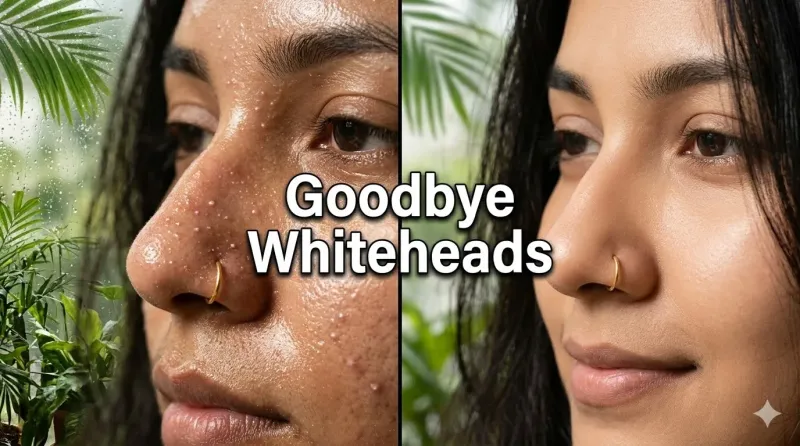
Living in a humid climate comes with its share of beauty challenges, but few are as frustrating as persistent whiteheads and clogged pores. If you've noticed your skin breaking out more frequently, your pores appearing larger, or those stubborn white bumps multiplying on your face—especially in areas like your nose, chin, and forehead—you're not alone. Humid weather creates the perfect storm for clogged pores, and understanding why this happens is the first step toward achieving clearer, smoother skin.
The combination of excess moisture in the air, increased sweat production, and oilier skin creates an environment where dead skin cells, sebum, and bacteria easily become trapped in your pores. What starts as a small clog can quickly transform into visible whiteheads, blackheads, or even inflamed acne. But here's the good news: with the right skincare routine, targeted treatments, and lifestyle adjustments, you can effectively manage and prevent whiteheads—even in the most challenging humid conditions.
This comprehensive guide will walk you through everything you need to know about treating and preventing whiteheads in humid climates. From understanding the science behind humidity-related breakouts to discovering the most effective ingredients and products, you'll gain practical strategies to achieve clearer skin. Whether you live in a tropical region or are simply struggling with summer breakouts, these expert-backed solutions will help you say goodbye to clogged pores and hello to a clearer, more confident complexion.
Understanding Whiteheads and Clogged Pores
Before diving into treatment strategies, it's essential to understand what whiteheads are and why they form, especially in humid conditions.
What Are Whiteheads?
Whiteheads, medically known as closed comedones, are a type of acne that occurs when pores become clogged with oil (sebum), dead skin cells, and bacteria. Unlike blackheads (open comedones), whiteheads remain closed at the surface, creating a small, flesh-colored or white bump.
How they form:
- Excess oil production: Your sebaceous glands produce too much sebum
- Dead skin cell buildup: Dead cells don't shed properly and accumulate
- Pore blockage: Oil and dead cells trap bacteria inside the pore
- Closed surface: The pore remains closed, creating a white or flesh-colored bump
Why Humid Climates Make Whiteheads Worse
Humidity significantly impacts your skin's health and can exacerbate whitehead formation through several mechanisms:
1. Increased Sweat Production
High humidity triggers your body to produce more sweat. When sweat mixes with oil, dirt, and bacteria on your skin's surface, it can easily clog pores.
2. Excess Sebum Production
Humid weather can stimulate your sebaceous glands to produce more oil, creating the perfect environment for clogged pores.
3. Impaired Skin Barrier Function
Constant moisture can disrupt your skin's natural barrier, making it more susceptible to bacterial growth and inflammation.
4. Product Buildup
In humid conditions, skincare and makeup products don't absorb or evaporate as easily, leading to residue that can clog pores.
5. Bacterial Growth
Warm, moist environments are ideal breeding grounds for Propionibacterium acnes (P. acnes), the bacteria responsible for acne.
Common Areas Affected
Whiteheads in humid climates typically appear in areas with higher oil production:
- T-zone: Forehead, nose, and chin
- Cheeks: Especially if you wear masks or touch your face frequently
- Jawline: Hormonal fluctuations can make this area prone to breakouts
- Back and chest: These areas also have numerous oil glands
Prevention Strategies for Humid Climates
Preventing whiteheads in humid weather requires a proactive approach that addresses the unique challenges posed by high moisture levels in the air.
1. Adjust Your Cleansing Routine
Morning cleanse:
- Use a gentle, water-based cleanser
- Avoid harsh soaps that strip natural oils (this can trigger more oil production)
- Look for ingredients like salicylic acid or glycolic acid
Evening cleanse (double cleansing):
- First cleanse: Use an oil-based or micellar water cleanser to remove sunscreen, makeup, and pollutants
- Second cleanse: Follow with a gentle foaming or gel cleanser to remove remaining impurities
Post-workout cleansing:
- Always cleanse immediately after sweating
- Keep facial wipes or a gentle cleanser in your gym bag
- Don't let sweat sit on your skin for extended periods
2. Choose the Right Products for Humid Weather
Look for:
- "Non-comedogenic" or "oil-free" labels: These won't clog pores
- Lightweight, water-based formulas: Gel or serum textures absorb quickly
- "Matte finish" products: Help control shine throughout the day
- Niacinamide: Regulates oil production and minimizes pores
Avoid:
- Heavy, oil-based moisturizers
- Thick creams or ointments
- Products with comedogenic ingredients (coconut oil, cocoa butter, lanolin)
- Silicone-heavy products that can trap sweat and oil
3. Exfoliate Regularly (But Don't Overdo It)
Chemical exfoliants (preferred):
- Salicylic acid (BHA): Penetrates pores to dissolve oil and dead skin cells (2-3 times weekly)
- Glycolic acid (AHA): Exfoliates surface skin cells (1-2 times weekly)
- Lactic acid (AHA): Gentler alternative for sensitive skin
Physical exfoliants (use sparingly):
- Fine, gentle scrubs no more than once weekly
- Avoid harsh scrubs that can irritate skin and worsen breakouts
Important: Over-exfoliating can damage your skin barrier and trigger more oil production. Start slowly and observe how your skin responds.
4. Don't Skip Moisturizer
Many people with oily skin in humid climates skip moisturizer, but this can backfire. When skin is dehydrated, it produces more oil to compensate.
Choose:
- Oil-free, non-comedogenic moisturizers
- Gel or water-cream textures
- Ingredients like hyaluronic acid (hydrates without heaviness)
- Niacinamide (controls oil and refines pores)
5. Use Sunscreen Daily
Sun damage can thicken skin and worsen clogged pores. In humid climates, choose:
- Lightweight, non-comedogenic formulas
- Gel or fluid sunscreens
- SPF 30 or higher
- "Matte finish" or "dry touch" formulas
- Mineral sunscreens (zinc oxide, titanium dioxide) if you have sensitive skin
6. Manage Sweat Throughout the Day
Practical tips:
- Blot excess sweat and oil with oil-absorbing sheets
- Keep a facial mist with salicylic acid or witch hazel for midday refresh
- Wear breathable, moisture-wicking fabrics
- Avoid touching your face with sweaty hands
- Change out of sweaty clothes immediately after exercise
Effective Treatment Options
When prevention isn't enough, these targeted treatments can help clear existing whiteheads and prevent new ones from forming.
Over-the-Counter Treatments
1. Salicylic Acid
How it works: This beta-hydroxy acid (BHA) penetrates deep into pores to dissolve oil and dead skin cells.
How to use:
- Start with 0.5-2% concentration
- Apply as a spot treatment or all-over treatment
- Use 2-3 times weekly, gradually increasing frequency
- Can be found in cleansers, toners, serums, and spot treatments
2. Benzoyl Peroxide
How it works: Kills acne-causing bacteria and helps remove excess oil and dead skin cells.
How to use:
- Start with 2.5% concentration (just as effective as higher strengths with less irritation)
- Apply as a spot treatment or thin layer to affected areas
- Can bleach fabrics, so use white pillowcases
- May cause dryness, so follow with moisturizer
3. Retinoids (Adapalene)
How it works: Increases cell turnover, prevents clogged pores, and reduces inflammation.
How to use:
- Available over-the-counter as adapalene 0.1% (Differin)
- Apply a pea-sized amount to entire face (not just spots)
- Start 2-3 times weekly, gradually increasing to nightly use
- Use at night (makes skin sun-sensitive)
- Always follow with moisturizer
- Results take 8-12 weeks
4. Niacinamide
How it works: Regulates oil production, minimizes pores, and reduces inflammation.
How to use:
- Use 5-10% concentration
- Can be used morning and/or night
- Compatible with most other skincare ingredients
- Gentle enough for daily use
Professional Treatments
If over-the-counter products aren't providing results, consider these professional treatments:
1. Professional Extractions
What it is: A dermatologist or licensed esthetician safely removes whiteheads using sterile tools.
Benefits:
- Immediate results
- Performed safely without scarring
- Can address multiple whiteheads in one session
Important: Never attempt to extract whiteheads at home, as this can cause scarring, infection, and worsened breakouts.
2. Chemical Peels
What it is: Professional-grade chemical solutions exfoliate deeper layers of skin.
Types:
- Salicylic acid peels: Excellent for oily, acne-prone skin
- Glycolic acid peels: Improve texture and unclog pores
- Combination peels: Customized for your skin's needs
Frequency: Every 2-4 weeks, depending on peel strength
3. Microdermabrasion
What it is: Mechanical exfoliation that removes dead skin cells and unclogs pores.
Benefits:
- Improves skin texture
- Reduces appearance of pores
- Minimal downtime
4. Laser and Light Therapies
What it is: Various laser and light treatments target oil glands and bacteria.
Options:
- Blue light therapy: Kills acne-causing bacteria
- Red light therapy: Reduces inflammation
- Laser treatments: Reduce oil production and improve skin texture
Prescription Treatments
For persistent whiteheads, a dermatologist may prescribe:
- Topical retinoids: Tretinoin, tazarotene (stronger than OTC options)
- Topical antibiotics: Clindamycin, erythromycin (reduce bacteria)
- Combination treatments: Benzoyl peroxide + antibiotic
- Oral medications: For severe cases (antibiotics, hormonal treatments, isotretinoin)
Building Your Humid Climate Skincare Routine
Here's a sample routine specifically designed for preventing and treating whiteheads in humid conditions:
Morning Routine
Step 1: Gentle Cleanser
- Use a salicylic acid or gentle foaming cleanser
- Rinse with lukewarm (not hot) water
- Pat dry with clean towel
Step 2: Toner (Optional)
- Use an alcohol-free toner with niacinamide or witch hazel
- Helps balance pH and control oil
Step 3: Treatment Serum
- Niacinamide serum (5-10%)
- Or vitamin C serum (antioxidant protection)
Step 4: Lightweight Moisturizer
- Oil-free, non-comedogenic formula
- Gel or water-cream texture
Step 5: Sunscreen
- SPF 30 or higher
- Lightweight, non-comedogenic formula
- Reapply every 2 hours if outdoors
Evening Routine
Step 1: First Cleanse (Oil-Based or Micellar Water)
- Remove sunscreen, makeup, and pollutants
- Gently massage for 60 seconds
- Rinse thoroughly
Step 2: Second Cleanse (Water-Based)
- Use salicylic acid cleanser or gentle foaming cleanser
- Rinse with lukewarm water
Step 3: Treatment (2-3 times weekly)
- Option A: Salicylic acid toner or serum
- Option B: Adapalene (retinoid)
- Option C: Benzoyl peroxide spot treatment
- Don't use all on the same night—alternate
Step 4: Moisturizer
- Lightweight, oil-free formula
- If using retinoid, wait 20 minutes before applying moisturizer
Weekly Treatments
1-2 times weekly:
- Clay mask: Absorbs excess oil and unclogs pores (kaolin or bentonite clay)
- Chemical exfoliant: AHA or BHA treatment (if not using daily)
Once weekly:
- Gentle physical exfoliation: Only if your skin tolerates it
Lifestyle Adjustments for Clearer Skin
Beyond skincare products, certain lifestyle changes can significantly impact whitehead formation in humid climates.
Diet Considerations
Foods that may worsen whiteheads:
- High-glycemic foods: White bread, sugary snacks, processed foods
- Dairy: Some studies link dairy to increased acne
- Fried and greasy foods: Can increase oil production
Foods that may help:
- Omega-3 fatty acids: Fatty fish, walnuts, flaxseeds (reduce inflammation)
- Antioxidant-rich foods: Berries, leafy greens, colorful vegetables
- Zinc-rich foods: Pumpkin seeds, lentils, chickpeas
- Probiotic foods: Yogurt, kefir, fermented foods (support gut health)
- Water: Stay hydrated to maintain skin health
Stress Management
Stress triggers cortisol production, which can increase oil production and worsen breakouts.
Stress-reduction techniques:
- Regular exercise (shower immediately after)
- Meditation or deep breathing exercises
- Adequate sleep (7-9 hours nightly)
- Yoga or gentle stretching
- Hobbies and activities you enjoy
Sleep Hygiene
Pillowcase care:
- Change pillowcases 2-3 times weekly
- Use silk or satin pillowcases (less friction, absorb less oil)
- Wash in fragrance-free, hypoallergenic detergent
Sleep position:
- Try to sleep on your back to avoid pressing face into pillow
- Keep hair off your face while sleeping
Hygiene Habits
- Avoid touching your face: Hands transfer oil, dirt, and bacteria
- Clean your phone: Wipe screen daily with alcohol wipe
- Wash makeup brushes: Weekly to prevent bacterial buildup
- Don't share personal items: Towels, makeup, or skincare products
- Shower after sweating: Don't let sweat sit on skin
Environmental Controls
Indoor humidity:
- Use air conditioning to reduce indoor humidity
- Use a dehumidifier if indoor humidity exceeds 60%
- Keep indoor humidity between 30-50% for optimal skin health
Air quality:
- Use an air purifier to remove pollutants
- Keep windows closed during high pollution days
- Clean air vents and filters regularly
Common Mistakes to Avoid
Even with the best intentions, certain habits can worsen whiteheads in humid climates.
1. Over-Cleansing
The mistake: Washing your face more than 2-3 times daily or using harsh cleansers.
Why it's harmful: Strips natural oils, triggering increased oil production and irritation.
The fix: Cleanse gently twice daily (morning and night), plus after heavy sweating.
2. Skipping Moisturizer
The mistake: Thinking oily skin doesn't need moisturizer.
Why it's harmful: Dehydrated skin produces more oil to compensate.
The fix: Always use a lightweight, oil-free moisturizer.
3. Picking or Squeezing
The mistake: Attempting to extract whiteheads at home.
Why it's harmful: Can cause scarring, infection, inflammation, and spread bacteria.
The fix: Leave extractions to professionals. Use proper treatments instead.
4. Using Too Many Products
The mistake: Layering multiple active ingredients simultaneously.
Why it's harmful: Can irritate skin, damage barrier, and worsen breakouts.
The fix: Introduce one new product at a time. Start with 3-5 core products.
5. Ignoring Sunscreen
The mistake: Skipping sunscreen because it feels heavy or greasy.
Why it's harmful: Sun damage thickens skin and worsens clogged pores.
The fix: Use lightweight, non-comedogenic sunscreen daily.
6. Over-Exfoliating
The mistake: Exfoliating daily or using multiple exfoliants.
Why it's harmful: Damages skin barrier, causes irritation, and triggers more oil production.
The fix: Limit chemical exfoliation to 2-3 times weekly. Avoid harsh physical scrubs.
7. Using Comedogenic Products
The mistake: Using heavy, oil-based products in humid weather.
Why it's harmful: Clogs pores and traps sweat and bacteria.
The fix: Always choose "non-comedogenic" and "oil-free" products.
Product Recommendations for Humid Climates
Here are specific product types and ingredients to look for when shopping for humid climate skincare:
Cleansers
Look for:
- Salicylic acid (0.5-2%)
- Gentle foaming or gel formulas
- pH-balanced (around 5.5)
- Fragrance-free
Avoid:
- Harsh sulfates (SLS/SLES)
- Heavy cream cleansers
- High alcohol content
Toners
Look for:
- Niacinamide
- Witch hazel (alcohol-free)
- Glycolic or salicylic acid
- Hyaluronic acid
Avoid:
- High alcohol content (drying)
- Heavy fragrances
Treatments
Look for:
- Salicylic acid (BHA)
- Niacinamide (5-10%)
- Adapalene (retinoid)
- Benzoyl peroxide (2.5%)
- Azelaic acid
Moisturizers
Look for:
- "Oil-free" and "non-comedogenic" labels
- Gel or water-cream textures
- Hyaluronic acid
- Niacinamide
- Dimethicone (lightweight silicone)
Avoid:
- Heavy oils (coconut oil, mineral oil)
- Thick creams
- Cocoa butter, shea butter (can be comedogenic)
Sunscreens
Look for:
- "Matte finish" or "dry touch"
- Gel or fluid formulas
- Non-comedogenic
- SPF 30 or higher
- Water-resistant (for humid, sweaty conditions)
Masks
Look for:
- Clay masks (kaolin, bentonite)
- Charcoal masks
- Salicylic acid masks
- Sulfur masks
Use: 1-2 times weekly
When to See a Dermatologist
While many whiteheads can be managed with proper skincare and over-the-counter treatments, certain situations warrant professional help.
See a Dermatologist If:
- Whiteheads persist after 8-12 weeks of consistent OTC treatment
- You have severe or painful acne (cystic acne, nodules)
- Whiteheads are leaving scars or dark marks
- Your skin is very sensitive and reacts to most products
- You suspect hormonal acne (breakouts along jawline, chin, related to menstrual cycle)
- Whiteheads are affecting your confidence or quality of life
- You're experiencing sudden, severe breakouts without clear cause
What to Expect at Your Appointment
Your dermatologist will:
- Examine your skin and assess severity
- Ask about your skincare routine, diet, and lifestyle
- Review your medical history and medications
- Discuss treatment options tailored to your needs
- May perform professional extractions
- May prescribe stronger topical or oral medications
- May recommend professional treatments (peels, lasers)
Frequently Asked Questions
How long does it take to see results from whitehead treatments?
Patience is key when treating whiteheads:
- Salicylic acid: 2-4 weeks for initial improvement, 6-8 weeks for significant results
- Retinoids (adapalene): 8-12 weeks for visible results
- Benzoyl peroxide: 4-6 weeks
- Niacinamide: 4-8 weeks
- Professional treatments: Immediate improvement from extractions, but maintenance required
Important: Consistency is crucial. Don't switch products too quickly—give each treatment at least 6-8 weeks to work.
Can humidity alone cause whiteheads?
Humidity doesn't directly cause whiteheads, but it creates conditions that make them more likely:
- Increases sweat and oil production
- Makes pores more prone to clogging
- Creates ideal environment for bacterial growth
- Prevents products from absorbing properly
If you're already prone to whiteheads, humidity will likely worsen them. However, with proper skincare, you can manage breakouts even in humid conditions.
Should I use different products in humid vs. dry weather?
Yes! Your skin's needs change with the climate:
Humid weather:
- Lighter, water-based products
- Gel moisturizers instead of creams
- More frequent cleansing (but still gentle)
- Oil-absorbing products
- Water-resistant sunscreen
Dry weather:
- Richer moisturizers
- More hydrating ingredients
- Less frequent exfoliation
- More emollient products
Is it normal to get more whiteheads in summer?
Yes, this is very common. Summer typically brings:
- Higher humidity levels
- Increased sweat production
- More outdoor activities (more dirt and pollution exposure)
- Heavier sunscreen and makeup use
To combat summer breakouts, adjust your routine to be lighter and more focused on oil control and cleansing.
Can I wear makeup if I have whiteheads?
Yes, but choose wisely:
- Use "non-comedogenic" and "oil-free" makeup
- Choose mineral makeup (less likely to clog pores)
- Avoid heavy, full-coverage foundations
- Use powder or matte finish products
- Always remove makeup completely before bed
- Clean makeup brushes weekly
- Consider skipping makeup on particularly humid days
Why do I still get whiteheads even with a good skincare routine?
Several factors could be at play:
- Hormones: Hormonal fluctuations can trigger breakouts regardless of skincare
- Diet: Certain foods may trigger breakouts in some people
- Stress: Increases cortisol and oil production
- Product buildup: Even "good" products can build up over time
- Wrong products: Even non-comedogenic products can clog some people's pores
- Over-treating: Using too many active ingredients can irritate skin
- Genetics: Some people are simply more prone to whiteheads
If you're doing everything right and still struggling, consult a dermatologist for personalized advice.
Are natural remedies effective for whiteheads?
Some natural ingredients show promise, but evidence is limited:
May help:
- Tea tree oil: Has antibacterial properties (must be diluted)
- Green tea: Antioxidants may reduce inflammation
- Honey: Natural antibacterial properties
- Aloe vera: Soothes and hydrates
Use caution with:
- Lemon juice: Too acidic, can irritate skin
- Baking soda: Disrupts skin's pH balance
- Toothpaste: Can irritate and dry skin
Bottom line: Natural doesn't always mean better or safer. Stick with proven ingredients like salicylic acid and retinoids for best results.
Conclusion: Your Path to Clearer Skin in Humid Climates
Dealing with whiteheads and clogged pores in humid climates is challenging, but certainly not impossible. By understanding how humidity affects your skin and implementing a targeted skincare routine, you can significantly reduce breakouts and achieve clearer, healthier skin.
Key takeaways for success:
- Consistency is crucial: Stick with your routine for at least 8-12 weeks before expecting significant results
- Less is more: Don't over-cleanse, over-exfoliate, or use too many products
- Choose wisely: Always opt for non-comedogenic, oil-free, lightweight products
- Protect your skin: Never skip sunscreen, even in humid weather
- Be patient: Whitehead treatment takes time—don't expect overnight results
- Listen to your skin: Adjust your routine based on how your skin responds
- Seek help when needed: Don't hesitate to consult a dermatologist if OTC treatments aren't working
Remember that everyone's skin is unique. What works for someone else may not work for you, and that's okay. The key is finding the right combination of products, habits, and treatments that work for your skin in your climate.
Living in a humid climate doesn't mean you're destined to struggle with whiteheads forever. With the right knowledge, products, and patience, you can achieve the clear, confident skin you deserve. Start implementing these strategies today, and give your skin the care it needs to thrive—even in the most challenging humid conditions.
Your clearer skin journey starts now. Take it one step at a time, be kind to your skin, and celebrate the small victories along the way. You've got this!