

Scalp SOS: How to Soothe Irritation and Achieve a Healthier Scalp
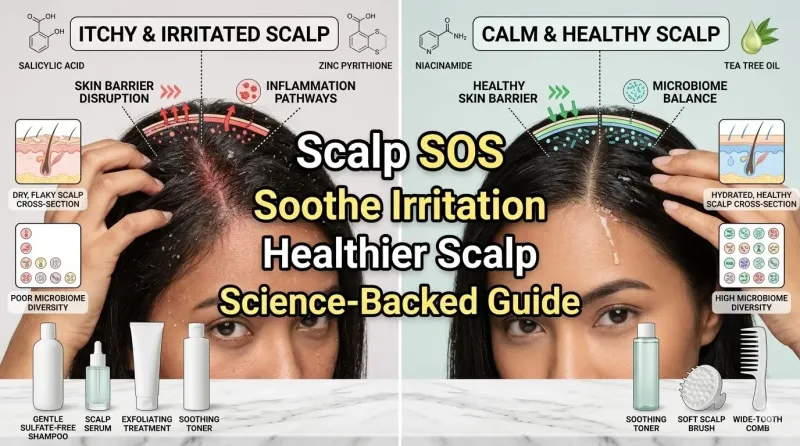
Your scalp is the foundation of healthy hair, yet it's often the most neglected part of your beauty routine. When your scalp is irritated, inflamed, or imbalanced, no amount of expensive hair products can compensate for the underlying issues. Scalp health is hair health—and achieving a calm, balanced scalp is the first step toward lustrous, strong hair.
Scalp irritation affects millions of people worldwide, manifesting as itching, flaking, redness, tightness, or painful sensitivity. Whether you're dealing with occasional dryness, chronic dandruff, product buildup, or inflammatory conditions like seborrheic dermatitis or psoriasis, understanding the root causes and implementing targeted solutions can transform your scalp health—and consequently, your hair quality.
This comprehensive guide provides everything you need to know about identifying, treating, and preventing scalp irritation. You'll discover the science behind scalp health, learn which ingredients actually work (and which make problems worse), build a personalized scalp care routine, and understand when professional intervention is necessary. Whether you're experiencing mild discomfort or chronic scalp issues, this guide will empower you to achieve the calm, healthy scalp that supports beautiful, thriving hair.
Understanding Scalp Irritation: Causes and Symptoms
Before treating scalp irritation, it's essential to understand what's causing it. The scalp is unique skin with distinct characteristics that make it prone to specific issues.
What Makes Scalp Skin Different
The scalp differs from facial and body skin in several important ways:
- High density of sebaceous (oil) glands: The scalp has more oil glands per square inch than almost any other area of the body
- Thicker skin: Scalp skin is thicker than facial skin, making it more resilient but also slower to heal
- Hair follicle density: Approximately 100,000 hair follicles create numerous entry points for irritation
- Constant exposure: Regular washing, styling products, heat tools, and environmental factors create ongoing stress
- Microbiome complexity: Home to bacteria, fungi (particularly Malassezia yeast), and mites that must remain in balance
Common Causes of Scalp Irritation
1. Seborrheic Dermatitis (Dandruff):
- Cause: Overgrowth of Malassezia yeast combined with excess oil production and individual susceptibility
- Symptoms: Greasy, yellowish flakes; redness; itching; sometimes burning sensation
- Triggers: Stress, cold/dry weather, hormonal changes, infrequent washing
2. Dry Scalp:
- Cause: Insufficient natural oil production or excessive stripping of oils
- Symptoms: Small, white, dry flakes; tight feeling; mild itching; no redness or inflammation
- Triggers: Harsh shampoos, hot water, cold weather, overwashing, aging
3. Contact Dermatitis:
- Cause: Allergic reaction or irritation from hair products, dyes, or treatments
- Symptoms: Redness, itching, burning, swelling, sometimes blistering
- Common culprits: Fragrances, preservatives (methylisothiazolinone), hair dye (PPD), sulfates
4. Psoriasis:
- Cause: Autoimmune condition causing rapid skin cell turnover
- Symptoms: Thick, silvery scales; well-defined red patches; can extend beyond hairline
- Characteristics: Chronic condition requiring medical management
5. Folliculitis:
- Cause: Inflammation or infection of hair follicles
- Symptoms: Small red bumps or pustules around hair follicles; tenderness; itching
- Triggers: Bacterial or fungal infection, ingrown hairs, tight hairstyles, occlusive products
6. Product Buildup:
- Cause: Accumulation of styling products, hard water minerals, and natural oils
- Symptoms: Itching, flaking, dull hair, scalp feels coated or heavy
- Contributing factors: Infrequent washing, heavy products, hard water
7. Environmental Factors:
- Sun exposure: UV damage causes inflammation and dryness
- Pollution: Particulate matter and toxins irritate scalp
- Hard water: Mineral buildup disrupts scalp pH and causes dryness
- Climate: Cold, dry air or excessive humidity can trigger irritation
Identifying Your Specific Issue
| Symptom | Likely Cause | Key Distinguishing Feature |
|---|---|---|
| Greasy, yellow flakes + redness | Seborrheic dermatitis | Oily flakes, inflammation |
| Small, white, dry flakes | Dry scalp | No redness, tight feeling |
| Sudden reaction after new product | Contact dermatitis | Timing correlates with product use |
| Thick, silvery scales | Psoriasis | Well-defined plaques, may extend beyond hairline |
| Red bumps/pustules | Folliculitis | Centered on hair follicles |
| Itching + dull, coated feeling | Product buildup | Improves after clarifying wash |
The Scalp Microbiome: Your Skin's Ecosystem
Understanding your scalp's microbiome is crucial for addressing irritation effectively.
What Is the Scalp Microbiome?
Your scalp hosts a complex ecosystem of:
- Bacteria: Primarily Propionibacterium and Staphylococcus species
- Fungi: Mainly Malassezia yeast species
- Mites: Demodex mites in small numbers
In a healthy scalp, these microorganisms exist in balance, actually protecting against harmful pathogens and supporting skin barrier function.
When the Microbiome Becomes Imbalanced
Dysbiosis (microbial imbalance) occurs when:
- Harmful organisms overgrow (like Malassezia in dandruff)
- Beneficial organisms are depleted
- pH balance is disrupted
Factors that disrupt the microbiome:
- Overwashing with harsh surfactants
- Antibiotic use (oral or topical)
- High-sugar, high-fat diets
- Chronic stress
- Hormonal changes
- Environmental pollutants
Supporting a Healthy Microbiome
Prebiotic ingredients: Feed beneficial bacteria - Inulin, fructooligosaccharides, alpha-glucan oligosaccharide
Probiotic ingredients: Introduce beneficial organisms - Fermented ingredients, lysates of beneficial bacteria
pH-balanced products: Maintain scalp's natural pH of 4.5-5.5
Gentle cleansing: Avoid stripping natural oils that feed beneficial organisms
Evidence-Based Ingredients for Scalp Health
Not all scalp treatments are created equal. These ingredients have scientific backing for treating various scalp conditions.
For Dandruff and Seborrheic Dermatitis
1. Zinc Pyrithione:
- How it works: Antifungal and antibacterial; reduces Malassezia yeast
- Concentration: 1-2% in shampoos
- Usage: 2-3 times weekly; leave on scalp for 3-5 minutes before rinsing
- Evidence: Multiple studies confirm effectiveness in reducing flaking and itching [[18]]
2. Ketoconazole:
- How it works: Powerful antifungal that targets Malassezia
- Concentration: 1% OTC, 2% prescription
- Usage: 2-3 times weekly for 2-4 weeks, then weekly for maintenance
- Evidence: Considered gold standard for seborrheic dermatitis treatment
3. Selenium Sulfide:
- How it works: Slows skin cell turnover; antifungal properties
- Concentration: 1% OTC, 2.5% prescription
- Usage: 2-3 times weekly; can discolor blonde/gray/chemically-treated hair
- Caution: Strong odor; may be drying
4. Salicylic Acid:
- How it works: Keratolytic (breaks down scales); exfoliates dead skin
- Concentration: 1.5-3% in shampoos
- Usage: 2-3 times weekly; can be drying, follow with conditioner
- Best for: Thick, stubborn scaling
5. Coal Tar:
- How it works: Slows rapid skin cell growth; anti-inflammatory
- Concentration: 0.5-5%
- Usage: 2-3 times weekly; strong odor; can stain
- Best for: Psoriasis and severe seborrheic dermatitis
- Caution: Increases sun sensitivity; potential carcinogen concerns with long-term use
For Dry, Itchy Scalp
1. Hyaluronic Acid:
- How it works: Humectant that draws moisture into scalp
- Benefits: Hydrates without heaviness; soothes tightness
- Usage: Can be found in scalp serums; apply to damp scalp
2. Aloe Vera:
- How it works: Anti-inflammatory; moisturizing; soothing
- Benefits: Reduces itching and redness; promotes healing
- Usage: Pure aloe gel or products with high aloe content
3. Glycerin:
- How it works: Humectant that attracts and retains moisture
- Benefits: Prevents dryness; improves scalp barrier function
- Usage: Look for in moisturizing shampoos and scalp treatments
4. Natural Oils:
- Jojoba oil: Mimics natural sebum; non-comedogenic
- Argan oil: Rich in vitamin E and fatty acids
- Tea tree oil: Antimicrobial; use diluted (5% concentration)
- Usage: Apply to scalp 30 minutes before washing or as overnight treatment
For Inflammation and Sensitivity
1. Niacinamide (Vitamin B3):
- How it works: Anti-inflammatory; strengthens skin barrier; regulates oil
- Concentration: 2-5% in scalp serums
- Benefits: Reduces redness and irritation; improves barrier function
2. Panthenol (Pro-Vitamin B5):
- How it works: Humectant; anti-inflammatory; promotes healing
- Benefits: Soothes irritation; improves moisture retention
- Usage: Found in many gentle shampoos and scalp treatments
3. Oat Extract (Colloidal Oatmeal):
- How it works: Anti-inflammatory; antioxidant; skin-protecting
- Benefits: FDA-approved skin protectant; relieves itching
- Usage: Shampoos, scalp masks, or DIY oat rinses
4. Bisabolol:
- How it works: Derived from chamomile; anti-inflammatory and soothing
- Benefits: Calms irritated, sensitive scalp
- Usage: Look for in products for sensitive scalp
For Product Buildup
1. Apple Cider Vinegar:
- How it works: Acidic pH dissolves buildup; restores scalp pH
- Usage: Dilute 1-2 tablespoons in 1 cup water; use as final rinse
- Frequency: Once weekly or biweekly
- Caution: Can be drying; always dilute
2. Clarifying Shampoos:
- How they work: Stronger surfactants remove product residue and minerals
- Usage: Once weekly or every 2 weeks
- Follow with: Deep conditioner to prevent dryness
3. Chelating Agents:
- Examples: EDTA, citric acid
- How they work: Bind to hard water minerals and remove them
- Best for: Hard water areas; swimmers
Building Your Scalp Care Routine
A consistent, targeted routine is essential for scalp health. Here's how to structure it.
Weekly Scalp Care Schedule
For Oily/Dandruff-Prone Scalp:
Monday:
- Medicated shampoo (zinc pyrithione or ketoconazole)
- Leave on scalp 5 minutes before rinsing
- Lightweight, oil-free conditioner on ends only
Wednesday:
- Gentle, pH-balanced shampoo
- Scalp serum with niacinamide or salicylic acid
Friday:
- Medicated shampoo
- Deep conditioner on ends
Sunday (Weekly Treatment):
- Pre-shampoo scalp treatment (tea tree oil or salicylic acid)
- Leave on 30 minutes
- Clarifying shampoo
For Dry/Sensitive Scalp:
Monday:
- Hydrating, sulfate-free shampoo
- Scalp serum with hyaluronic acid or aloe
- Moisturizing conditioner
Wednesday:
- Gentle co-wash (cleansing conditioner) or mild shampoo
- Light scalp oil (jojoba or argan) on damp scalp
Friday:
- Hydrating shampoo
- Deep conditioning mask
Sunday (Weekly Treatment):
- Scalp massage with nourishing oil blend
- Leave on 1-2 hours or overnight
- Gentle shampoo to remove
For Normal/Balanced Scalp (Maintenance):
2-3 times weekly:
- Gentle, pH-balanced shampoo
- Conditioner on mid-lengths to ends
- Occasional scalp serum for prevention
Once weekly:
- Scalp exfoliation (gentle scrub or salicylic acid treatment)
- Hydrating scalp mask
Daily Scalp Care Habits
Morning:
- If needed, apply lightweight scalp serum or toner
- Avoid heavy products that can build up
- Protect scalp from sun with hat or UV-protective products
Evening:
- Gentle scalp massage (2-3 minutes) to stimulate circulation
- If using treatment oils, apply 1-2 hours before bed
- Avoid going to bed with wet hair (can promote fungal growth)
Throughout the day:
- Avoid touching scalp with dirty hands
- Don't scratch—use gentle pressure if itchy
- Keep hair tools clean to prevent bacterial transfer
Proper Washing Technique
Step-by-step:
- Pre-rinse: Thoroughly wet hair with lukewarm (not hot) water for 1 minute
- First cleanse: Apply shampoo to scalp; massage gently with fingertips (not nails) for 1-2 minutes
- Rinse thoroughly: Ensure all shampoo is removed
- Second cleanse (if needed): For oily scalp or heavy product use
- Condition: Apply to mid-lengths and ends only; avoid scalp if oily
- Final rinse: Cool water rinse to seal cuticles and soothe scalp
- Gentle drying: Pat with microfiber towel; avoid rough rubbing
Lifestyle Factors That Impact Scalp Health
Your scalp doesn't exist in isolation—overall health and lifestyle significantly affect its condition.
Diet and Nutrition
Nutrients for scalp health:
- Omega-3 fatty acids:
- Sources: Fatty fish, flaxseeds, walnuts, chia seeds
- Benefits: Reduce inflammation; support skin barrier
- Zinc:
- Sources: Pumpkin seeds, lentils, chickpeas, oysters
- Benefits: Regulates oil production; supports healing
- B vitamins (especially Biotin, B6, B12):
- Sources: Eggs, leafy greens, legumes, whole grains
- Benefits: Support skin cell turnover; reduce inflammation
- Vitamin D:
- Sources: Sunlight, fortified foods, supplements
- Benefits: Regulates skin cell growth; immune function
- Probiotics:
- Sources: Yogurt, kefir, sauerkraut, kimchi
- Benefits: Support healthy microbiome; reduce inflammation
Foods to limit:
- High-sugar foods (feed yeast, increase inflammation)
- Processed foods (lack nutrients, promote inflammation)
- Excessive dairy (may worsen seborrheic dermatitis in some)
- Alcohol (dehydrates scalp, triggers inflammation)
Stress Management
Chronic stress significantly impacts scalp health:
- How stress affects scalp:
- Increases cortisol, which can trigger inflammation
- Disrupts skin barrier function
- Can exacerbate conditions like psoriasis and seborrheic dermatitis
- May trigger hair shedding (telogen effluvium)
- Stress-reduction techniques:
- Scalp massage (reduces tension and improves circulation)
- Meditation and deep breathing
- Regular exercise (shower promptly after)
- Adequate sleep (7-9 hours nightly)
- Yoga or gentle stretching
Sleep Quality
Why it matters:
- Skin repairs and regenerates during sleep
- Poor sleep increases inflammation and cortisol
- Dirty pillowcases can harbor bacteria and fungi
Scalp-friendly sleep habits:
- Change pillowcases 2-3 times weekly
- Use silk or satin pillowcases (less friction, less absorption of scalp oils)
- Avoid going to bed with product-laden or wet hair
- Keep bedroom cool and well-ventilated
Environmental Protection
Sun protection:
- UV rays damage scalp skin and hair follicles
- Wear hats or use UV-protective hair products
- Part hair in different places to avoid consistent sun exposure on same areas
Pollution protection:
- Particulate matter and toxins can irritate scalp
- Use antioxidant-rich hair products
- Wash hair after heavy pollution exposure
- Consider scalp detox treatments monthly
Hard water:
- Mineral buildup causes dryness and irritation
- Install shower filter if hard water is an issue
- Use chelating shampoos monthly
- Final rinse with diluted apple cider vinegar
Common Scalp Care Mistakes to Avoid
Even with good intentions, certain habits can worsen scalp irritation.
1. Overwashing or Underwashing
The problem:
- Overwashing: Strips natural oils, disrupts microbiome, triggers rebound oil production
- Underwashing: Allows buildup of oil, dead skin, and product residue
The solution:
- Find your optimal frequency (typically every 2-3 days for most people)
- Oily scalp: May need daily or every-other-day washing
- Dry scalp: Can extend to 3-4 days between washes
- Use gentle, pH-balanced shampoos
2. Using Water That's Too Hot
The problem:
- Hot water strips natural oils
- Causes inflammation and dryness
- Can worsen conditions like seborrheic dermatitis
The solution:
- Use lukewarm water for washing
- Final rinse with cool water to soothe scalp and seal cuticles
3. Scratching an Itchy Scalp
The problem:
- Creates micro-tears in skin
- Introduces bacteria, leading to infection
- Causes inflammation and worsens itching (itch-scratch cycle)
- Can lead to scarring and hair loss
The solution:
- Use gentle pressure with fingertips if you must touch
- Apply soothing treatments (aloe, anti-itch serums)
- Address underlying cause of itching
- Keep nails short and clean
4. Using Too Many Products
The problem:
- Product buildup clogs follicles
- Multiple active ingredients can cause irritation
- Difficult to identify what's causing problems
The solution:
- Simplify your routine
- Introduce one new product at a time
- Clarify regularly to remove buildup
- Choose multi-functional products
5. Ignoring Underlying Health Issues
The problem:
- Hormonal imbalances, nutritional deficiencies, and autoimmune conditions can manifest as scalp issues
- Treating symptoms without addressing root cause leads to chronic problems
The solution:
- See a dermatologist for persistent issues
- Get blood work to check for deficiencies (iron, vitamin D, B vitamins, zinc)
- Address hormonal issues with healthcare provider
- Consider food sensitivities or allergies
When to See a Dermatologist
While many scalp issues can be managed at home, certain situations require professional evaluation.
Red Flags Requiring Medical Attention
Seek immediate care if you experience:
- Severe pain or burning sensation
- Pus, oozing, or crusting
- Fever accompanying scalp symptoms
- Rapid hair loss or bald patches
- Swelling of face or neck
- Signs of infection (increasing redness, warmth, tenderness)
Schedule an appointment if:
- Symptoms persist after 4-6 weeks of consistent home treatment
- Over-the-counter treatments aren't helping
- Condition is worsening despite care
- You suspect psoriasis, severe seborrheic dermatitis, or fungal infection
- Scalp issues are affecting quality of life
- You experience recurrent flare-ups
What to Expect at the Dermatologist
Evaluation may include:
- Detailed medical history
- Scalp examination (may use dermoscope for magnified view)
- Scalp biopsy (if psoriasis or other conditions suspected)
- Fungal culture or KOH test
- Blood tests for underlying conditions
Treatment options:
- Prescription shampoos: Higher-strength ketoconazole, clobetasol, or other medicated formulas
- Topical steroids: For inflammation (short-term use)
- Topical antifungals: For fungal infections
- Topical calcineurin inhibitors: For sensitive areas or long-term use
- Oral medications: Antifungals, antibiotics, or immunosuppressants for severe cases
- Light therapy: For psoriasis or severe seborrheic dermatitis
Special Considerations
Scalp Care for Different Hair Types
Curly/Coily Hair:
- May need less frequent washing (every 5-7 days)
- Use sulfate-free, moisturizing shampoos
- Focus conditioner on ends; avoid heavy products on scalp
- Pre-shampoo oil treatments can protect hair during washing
- Clarify monthly to prevent buildup from styling products
Fine/Thin Hair:
- May need more frequent washing (every 1-2 days)
- Use lightweight, volumizing formulas
- Avoid heavy oils and butters on scalp
- Rinse thoroughly to prevent weighing hair down
Color-Treated Hair:
- Use color-safe, sulfate-free shampoos
- Wash less frequently to preserve color
- Avoid harsh anti-dandruff shampoos that can fade color
- Use gentle, moisturizing scalp treatments
Scalp Care During Pregnancy
Hormonal changes can cause:
- Increased oil production or dryness
- Heightened sensitivity
- Changes in hair texture and growth
Safe ingredients:
- Zinc pyrithione (category C, generally considered safe)
- Gentle, natural ingredients (aloe, oatmeal)
- Salicylic acid in low concentrations (avoid high-dose, prolonged use)
Avoid:
- Coal tar (category C, potential concerns)
- High-concentration salicylic acid
- Essential oils without medical approval
Always consult your OB-GYN before using medicated products during pregnancy.
Scalp Care for Children
Cradle cap (infant seborrheic dermatitis):
- Gently massage with baby oil or mineral oil
- Use soft brush to loosen scales
- Wash with gentle baby shampoo
- Usually resolves on its own by 6-12 months
Older children:
- Use gentle, tear-free formulas
- Avoid harsh medicated shampoos unless prescribed
- Teach proper washing technique
- Address lice promptly if present
Frequently Asked Questions
How long does it take to see improvement in scalp health?
Timeline varies by condition: - Mild dryness/irritation: 1-2 weeks with proper care - Dandruff/seborrheic dermatitis: 2-4 weeks with medicated shampoo - Chronic conditions (psoriasis): 4-8 weeks; requires ongoing management - Product buildup: 1-2 clarifying washes Consistency is key—stick with your routine for at least 4-6 weeks before evaluating results.
Can stress cause scalp problems?
Yes, stress significantly impacts scalp health: - Increases cortisol, which triggers inflammation - Disrupts skin barrier function - Can exacerbate conditions like psoriasis, seborrheic dermatitis, and eczema - May trigger hair shedding (telogen effluvium) Managing stress through meditation, exercise, adequate sleep, and relaxation techniques can improve scalp health.
Is it normal for scalp to itch after washing?
Mild itching immediately after washing can be normal due to: - Water temperature (too hot) - Harsh shampoo stripping natural oils - Incomplete rinsing leaving residue - Scalp adjusting to new products However, persistent or severe itching indicates: - Product sensitivity or allergy - Underlying scalp condition - Overwashing or harsh products If itching persists beyond a few minutes or worsens, adjust your routine or consult a dermatologist.
Can I use the same shampoo every day?
It depends on your scalp type and shampoo formulation: - Gentle, sulfate-free shampoos: Generally safe for daily use - Medicated shampoos: Should be used as directed (typically 2-3 times weekly) - Clarifying shampoos: Limit to once weekly to avoid over-drying Many people benefit from rotating between 2-3 shampoos: - Daily gentle shampoo - Medicated shampoo for treatment - Clarifying shampoo for monthly deep clean
Should I condition my scalp?
Generally, no—conditioner is designed for hair shafts, not scalp: - Oily scalp: Apply conditioner only to mid-lengths and ends - Dry scalp: Use scalp-specific treatments (oils, serums) instead of conditioner - Exception: Some lightweight, scalp-friendly conditioners exist for very dry scalps If you accidentally get conditioner on your scalp, rinse thoroughly to prevent buildup.
Does diet affect scalp health?
Yes, nutrition significantly impacts scalp health: - Deficiencies in zinc, B vitamins, iron, and vitamin D can cause scalp issues - High-sugar diets can feed yeast and worsen seborrheic dermatitis - Omega-3 fatty acids reduce inflammation - Probiotics support healthy microbiome - Hydration is essential for scalp moisture A balanced, nutrient-rich diet supports overall scalp and hair health.
Conclusion: Your Path to a Healthier Scalp
Achieving a calm, healthy scalp is entirely possible with the right knowledge, products, and consistency. Remember that scalp health is foundational to hair health—investing in your scalp pays dividends in the strength, shine, and vitality of your hair.
Key takeaways for scalp health:
- Identify your specific concern: Dandruff, dryness, sensitivity, or buildup require different approaches
- Choose evidence-based ingredients: Zinc pyrithione, ketoconazole, salicylic acid, niacinamide, and soothing botanicals deliver real results
- Build a consistent routine: Gentle cleansing, targeted treatments, and regular maintenance
- Support from within: Nutrition, stress management, and sleep amplify topical treatments
- Be patient: Scalp improvement takes 4-8 weeks of consistent care
- Know when to seek help: Persistent issues warrant professional evaluation
Your scalp is unique, and what works for someone else may need adjustment for you. Start with gentle, targeted treatments, observe how your scalp responds, and refine your approach based on results. Celebrate small improvements—they compound into significant transformation over time.
Begin today. Choose one strategy from this guide to implement right now: perhaps switching to a gentler shampoo, adding a weekly scalp treatment, or improving your washing technique. Small, consistent actions create the calm, healthy scalp that supports beautiful, thriving hair.
Your healthiest scalp—and your most beautiful hair—is within reach. With knowledge, patience, and the right approach, you can soothe irritation, restore balance, and embrace the confident, comfortable scalp you deserve.