

Selling Handmade Products Online: Realistic Mom's Guide
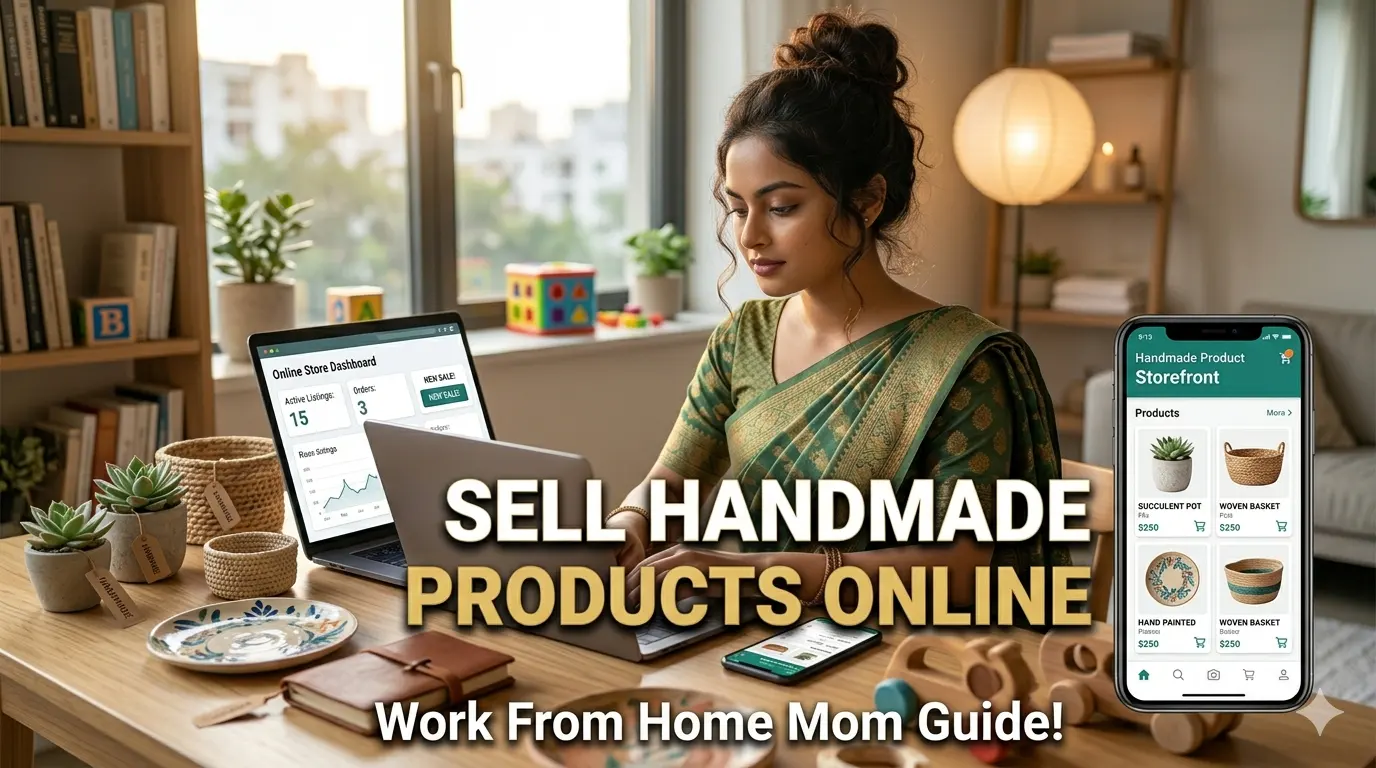
As a mom, you've likely dreamed of turning your creative passion into income—whether you knit cozy baby blankets, craft elegant jewelry, bake artisanal treats, or design custom home décor. The idea of selling handmade products online offers the flexibility to work from home, set your own hours, and build something meaningful while caring for your family. But the reality of launching and growing an online handmade business is often more complex than social media success stories suggest.
This realistic guide is written specifically for moms—whether you live in a bustling urban neighborhood or a quiet rural community—who want to sell handmade products online without burning out, overspending, or sacrificing family time. We'll cut through the hype and provide practical, actionable strategies for choosing the right platforms, pricing your products profitably, marketing on a budget, managing time effectively, and setting realistic income expectations. You'll learn how to leverage your unique strengths as a mom, navigate the challenges of rural or urban living, and build a sustainable business that grows alongside your family.
Whether you're just starting to explore the idea or you've already listed a few items and are struggling to gain traction, this guide will help you create a realistic roadmap for success. Let's dive into what it really takes to sell handmade products online as a mom in today's digital marketplace.
Understanding the Handmade Online Market: Reality Check
Before investing time and money, it's essential to understand the current landscape of online handmade sales. The market is both promising and competitive, and success requires strategic thinking.
Market Size and Opportunity
The global handmade goods market continues to grow, driven by consumer demand for unique, sustainable, and ethically-made products. Platforms like Etsy report millions of active buyers searching for handmade items, and social commerce through Instagram and Facebook has opened new direct-to-consumer channels.
Key opportunities for moms:
- Flexibility: Work around nap times, school hours, and family commitments
- Low startup costs: Many platforms allow you to start with minimal investment
- Community support: Strong networks of mom entrepreneurs for advice and encouragement
- Personal fulfillment: Turn creative passion into purposeful income
Realistic Challenges to Anticipate
Competition: Millions of sellers offer handmade products online. Standing out requires more than just great products—it requires smart branding, photography, and marketing.
Time management: Creating products, photographing them, writing listings, managing orders, and handling customer service all take time. Balancing these tasks with parenting responsibilities is the #1 challenge mom entrepreneurs face.
Profit margins: Many new sellers underestimate costs (materials, platform fees, shipping, packaging, taxes) and underprice their work, leading to burnout without meaningful income.
Marketing learning curve: Understanding SEO, social media algorithms, and customer acquisition takes time and experimentation.
Seasonal fluctuations: Handmade sales often peak during holidays and dip in slower months, requiring financial planning.
Rural vs. Urban Considerations
Rural moms may face:
- Limited access to shipping carriers or higher shipping costs
- Slower internet affecting photo uploads and customer communication
- Fewer local craft fairs for hybrid online/offline sales
- Stronger community support and unique rural-inspired product appeal
Urban moms may face:
- Higher competition in local markets and online
- Higher costs for materials and workspace
- More networking and collaboration opportunities
- Easier access to shipping services and craft supply stores
Understanding your specific context helps you leverage advantages and plan for challenges.
Choosing the Right Platform: Where to Sell Your Handmade Products
Selecting the right sales platform is one of the most important decisions you'll make. Each option has pros, cons, and ideal use cases.
Etsy: The Handmade Marketplace Giant
Pros:
- Built-in audience of millions of buyers searching for handmade goods
- Easy setup with guided listing process
- Integrated payment processing and seller tools
- Strong community and educational resources
- Low barrier to entry ($0.20 listing fee, 6.5% transaction fee)
Cons:
- High competition makes discoverability challenging
- Fees add up (listing, transaction, payment processing, offsite ads)
- Limited branding control compared to your own website
- Algorithm changes can impact visibility unexpectedly
Best for: Beginners, moms testing product demand, those who want minimal tech setup
Amazon Handmade: Reach a Massive Audience
Pros:
- Access to Amazon's enormous customer base
- Trust and convenience of Amazon checkout
- Fulfillment by Amazon (FBA) option for shipping help
- Professional seller tools and analytics
Cons:
- Stricter application process (must prove handmade nature)
- Higher fees (15% referral fee, plus potential FBA costs)
- Less "crafty" brand identity than Etsy
- More complex seller dashboard
Best for: Moms with scalable products, those comfortable with Amazon's ecosystem
Social Commerce: Instagram, Facebook, TikTok
Pros:
- Direct connection with customers and community building
- Visual platforms ideal for showcasing handmade products
- Low or no listing fees
- Flexibility to sell via DMs, shops, or linked websites
Cons:
- Requires consistent content creation and engagement
- Algorithm changes can reduce organic reach
- Payment and order management often manual
- Building an audience takes time and strategy
Best for: Moms with strong visual content skills, those building a personal brand
Your Own Website: Shopify, WooCommerce, Squarespace
Pros:
- Full control over branding, customer experience, and data
- Lower long-term fees (no per-transaction marketplace fees)
- Build customer email list and loyalty directly
- Professional credibility and scalability
Cons:
- Higher upfront setup time and learning curve
- You drive all traffic (no built-in marketplace audience)
- Ongoing costs for hosting, themes, apps
- Responsibility for security, updates, and troubleshooting
Best for: Moms with established products, those ready to invest in long-term brand building
Hybrid Approach: Start Small, Expand Smart
Many successful mom entrepreneurs start on Etsy or social media to test demand, then expand to their own website as they grow. This approach minimizes risk while building momentum.
Recommended path for beginners:
- Start with Etsy or Instagram to validate product ideas
- Use social media to drive traffic to your Etsy shop
- Once you have consistent sales, launch a simple website
- Gradually shift focus to your own site while maintaining marketplace presence
Product Photography: Your Most Important Marketing Tool
In online selling, customers can't touch or try your products. Your photos must do the selling. Great photography doesn't require expensive equipment—just strategy and practice.
Essential Photo Types for Each Listing
1. Main Hero Shot:
- Clear, well-lit image of the product on a clean background
- Shows the product exactly as the customer will receive it
- Should be eye-catching in search results
2. Lifestyle/Context Shots:
- Product in use or styled in a realistic setting
- Helps customers visualize the product in their life
- Example: A handmade blanket draped on a cozy sofa
3. Detail/Close-Up Shots:
- Highlight craftsmanship, materials, and unique features
- Show texture, stitching, hardware, or personalization options
- Builds trust in quality
4. Size/Scale Reference:
- Include a common object (coin, hand, ruler) for scale
- Prevents returns due to size misunderstandings
5. Packaging/Unboxing Shot (optional but valuable):
- Shows how the product arrives, enhancing perceived value
- Great for social media sharing and reviews
DIY Photography Setup on a Budget
Lighting:
- Use natural light near a window (avoid direct sunlight)
- Shoot during mid-morning or late afternoon for soft, even light
- Avoid overhead lights that create harsh shadows
- Use a white foam board as a reflector to fill shadows
Background:
- Start with a plain white poster board or sheet
- Use a wooden table, marble contact paper, or fabric for texture
- Keep backgrounds simple and consistent across listings
Equipment:
- Smartphone camera is sufficient for starting (use rear camera)
- Tripod or stable surface to avoid blurry images
- Free editing apps: Snapseed, VSCO, Canva for basic adjustments
Editing Basics:
- Adjust brightness and contrast for clarity
- Correct white balance so colors look accurate
- Crop to focus on the product
- Avoid heavy filters that misrepresent the product
Photo Tips for Rural and Urban Moms
Rural moms:
- Leverage natural settings: fields, gardens, rustic wood for authentic lifestyle shots
- Use golden hour light (shortly after sunrise or before sunset) for beautiful outdoor photos
- If internet is slow, edit photos offline and upload during off-peak hours
Urban moms:
- Use minimal, modern backgrounds that appeal to urban aesthetics
- Find quiet corners or use a portable backdrop for consistent lighting
- Consider renting a photo studio by the hour for product shoots if home space is limited
Pricing Your Handmade Products for Profit
One of the most common mistakes new sellers make is underpricing. Proper pricing ensures you're paid fairly for your time, materials, and expertise while remaining competitive.
The Profitable Pricing Formula
Step 1: Calculate Your Costs
- Materials: Cost of all supplies used to make one item
- Labor: Time spent making the item × your desired hourly rate (start with $15-25/hour)
- Overhead: Portion of recurring costs (tools, workspace, utilities, software)
- Platform fees: Listing fees, transaction fees, payment processing fees
- Packaging: Boxes, tissue paper, labels, thank-you cards
- Shipping: Actual shipping cost + packaging materials
Step 2: Apply the Formula
Wholesale Price = (Materials + Labor + Overhead) × 2
Retail Price = Wholesale Price × 2
Final Online Price = Retail Price + Platform Fees + Shipping
Example: Handmade knit baby hat
- Materials: $3.50
- Labor: 45 minutes × $20/hour = $15
- Overhead allocation: $1
- Subtotal: $19.50
- Wholesale: $19.50 × 2 = $39
- Retail: $39 × 2 = $78
- Platform fees (15%): ~$12
- Final price: ~$90 + shipping
Note: This is a simplified example. Adjust multipliers based on your market, brand positioning, and competition.
Psychological Pricing Strategies
Charm pricing: $24.99 instead of $25 feels significantly cheaper to buyers.
Bundle pricing: Offer sets (e.g., "Baby Gift Set: Hat + Booties + Blanket") at a slight discount to increase average order value.
Tiered pricing: Offer basic, premium, and luxury versions of products to appeal to different budgets.
Free shipping threshold: "Free shipping on orders over $50" encourages larger purchases.
Common Pricing Mistakes to Avoid
- Undervaluing your time: Your skill and experience have value. Don't price as if your time is free.
- Ignoring fees: Platform fees, payment processing, and shipping add up. Factor them in from the start.
- Competing solely on price: Handmade buyers value quality and story. Compete on uniqueness, not lowest price.
- Not testing prices: Start with a calculated price, then adjust based on sales data and customer feedback.
Marketing on a Budget: Reaching Customers Without Breaking the Bank
You don't need a big advertising budget to sell handmade products online. Strategic, consistent marketing efforts yield better long-term results than sporadic spending.
SEO: Getting Found in Search
Keyword research basics:
- Think like your customer: What would they search for? ("personalized baby blanket" vs. "handmade knit blanket")
- Use platform search bars to see autocomplete suggestions
- Include keywords in titles, tags, and descriptions naturally
Listing optimization checklist:
- Title: Include primary keyword first, be descriptive (under 140 characters for Etsy)
- Tags: Use all available tags with specific, relevant phrases
- Description: Tell the story, include details, dimensions, care instructions
- Attributes: Fill out all relevant categories (color, occasion, style)
Social Media Strategy for Busy Moms
Choose 1-2 platforms to master:
- Instagram: Visual, great for lifestyle content, Reels for reach
- Pinterest: Acts as a search engine, drives long-term traffic
- Facebook: Community building, local sales, mom groups
- TikTok: High organic reach potential, behind-the-scenes content
Content ideas that work:
- Behind-the-scenes: Show your making process, workspace, tools
- Customer features: Share photos of happy customers using your products
- Educational content: Care tips, styling ideas, gift guides
- Personal stories: Why you started, your mom life, your values
- User-generated content: Encourage customers to tag you
Time-saving tips:
- Batch create content: Photograph multiple products in one session
- Use scheduling tools: Later, Buffer, or platform-native schedulers
- Repurpose content: Turn a blog post into Instagram captions, Pinterest pins, and email content
- Engage in short bursts: 15 minutes twice daily is better than 2 hours once a week
Email Marketing: Your Most Valuable Asset
Why email matters:
- You own your email list (unlike social media followers)
- Direct communication with interested customers
- Higher conversion rates than social media
- Builds long-term customer relationships
Getting started simply:
- Use free tools: Mailchimp (free up to 500 contacts), ConvertKit (free tier)
- Offer an incentive: "10% off your first order" for email signups
- Send valuable content: New product launches, behind-the-scenes, exclusive offers
- Keep it personal: Write like you're talking to a friend
Collaborations and Community Building
Partner with complementary sellers:
- Bundle products with non-competing handmade sellers
- Cross-promote on social media
- Participate in handmade marketplaces or virtual craft fairs
Engage with your niche community:
- Join Facebook groups for handmade sellers or your product niche
- Comment genuinely on posts from potential customers
- Share value first, promote second
Time Management: Running a Business While Raising Kids
Time is your most precious resource as a mom entrepreneur. Effective time management isn't about doing more—it's about doing what matters most.
Realistic Time Expectations
Startup phase (first 3 months):
- 10-15 hours/week: Product creation, listing setup, learning platforms
- Expect slow sales while building visibility
- Focus on learning and refining, not immediate profit
Growth phase (3-12 months):
- 15-25 hours/week: Marketing, customer service, product development
- Sales should become more consistent
- Begin systematizing processes
Established phase (12+ months):
- 20-30 hours/week: Scaling, delegation, strategic planning
- Consider outsourcing tasks (photography, packaging, admin)
- Focus on high-impact activities
Time-Blocking Strategies for Moms
The "Nap Time Power Hour":
- Dedicate one nap time to high-focus tasks: photography, listing creation, strategy
- Prepare tasks the night before to maximize efficiency
- Protect this time—treat it like an important appointment
The "After-Bedtime Batch":
- Use 1-2 hours after kids' bedtime for repetitive tasks: packaging orders, responding to messages, scheduling social posts
- Batch similar tasks to reduce mental switching costs
- Set a hard stop to protect your own rest
The "Weekend Prep Session":
- Dedicate 2-3 hours on weekend for bigger tasks: inventory planning, content creation, business admin
- Involve older kids in simple tasks (packing, labeling) as learning opportunities
- Balance work time with family time intentionally
Outsourcing and Automation
Tasks to consider outsourcing first:
- Photography editing (use Fiverr or local students)
- Packaging and shipping (virtual assistant or local helper)
- Basic customer service templates and responses
- Bookkeeping (once revenue justifies it)
Automation tools worth the investment:
- Social media scheduling: Later, Buffer
- Email marketing: Mailchimp, ConvertKit
- Order management: Etsy's built-in tools, Shopify apps
- Accounting: QuickBooks Self-Employed, Wave (free)
Rural and Urban Specific Strategies
Your location influences your business approach. Leverage your unique advantages and plan for your specific challenges.
Strategies for Rural Moms
Leverage your rural advantage:
- Authentic storytelling: Highlight your rural lifestyle, local materials, or traditional techniques in your brand story
- Unique product angles: Farmhouse decor, nature-inspired designs, heritage crafts
- Community support: Tap into local pride; rural customers often love supporting local makers
- Lower overhead: Potentially lower costs for workspace and materials
Overcome rural challenges:
- Shipping: Research USPS, UPS, and FedEx rates; consider flat-rate boxes; build shipping costs into pricing
- Internet reliability: Download listing templates offline; schedule uploads during reliable hours; use mobile hotspot as backup
- Supply access: Order materials in bulk online; connect with other rural makers for group orders
- Networking: Join online communities for rural entrepreneurs; attend virtual craft fairs
Strategies for Urban Moms
Leverage your urban advantage:
- Local pickup/delivery: Offer local pickup to save on shipping; partner with local cafes for consignment
- Networking: Attend local craft markets, maker meetups, and business workshops
- Collaboration: Partner with urban boutiques, photographers, or influencers
- Trend awareness: Stay attuned to urban consumer trends and aesthetics
Overcome urban challenges:
- Space constraints: Use vertical storage, multi-functional furniture, or rent a small studio by the hour
- Higher costs: Factor in higher material and shipping costs; focus on higher-margin products
- Distractions: Create a dedicated workspace, even if small; use noise-canceling headphones
- Competition: Differentiate through unique design, superior customer service, or niche specialization
Legal and Financial Basics: Protecting Your Business
Ignoring legal and financial basics can lead to problems down the road. These foundational steps protect you and your family.
Business Structure Basics
Sole proprietorship (simplest):
- Default structure; no formal registration required in most places
- You and your business are legally the same
- Simple taxes (report on personal return)
- No liability protection
LLC (recommended as you grow):
- Separates business and personal liability
- More professional appearance to customers
- Requires registration and annual fees
- Consult a local attorney or accountant for setup
When to formalize: Start as sole proprietor, then consider LLC once you have consistent revenue or want liability protection.
Taxes and Record-Keeping
Essential records to keep:
- Sales records: Date, amount, platform, customer info
- Expense receipts: Materials, shipping, platform fees, marketing
- Mileage logs: If you drive for business (post office, supply runs)
- Home office calculation: If you use part of your home exclusively for business
Simple tracking system:
- Use a spreadsheet or free app (Wave, QuickBooks Self-Employed)
- Set aside 25-30% of revenue for taxes (varies by location)
- Consider quarterly estimated tax payments to avoid penalties
- Consult a tax professional familiar with small business in your area
Intellectual Property Basics
Protect your original designs:
- Copyright automatically applies to original creative works
- Add © [Year] [Your Name] to product descriptions and website
- For unique designs, consider formal copyright registration
Avoid infringing on others:
- Don't use trademarked characters, logos, or phrases without permission
- Create original designs inspired by trends, not copied
- When in doubt, consult an intellectual property attorney
Scaling Smart: Growing Without Burning Out
Growth is exciting, but unmanaged growth leads to burnout. Scale intentionally to maintain balance and quality.
Signs You're Ready to Scale
- Consistent sales that exceed your current production capacity
- Repeat customers and positive reviews
- Clear systems for order fulfillment and customer service
- Financial buffer to invest in growth
- Personal capacity to manage increased workload
Smart Scaling Strategies
Product line expansion:
- Add complementary products that use similar materials/skills
- Create bundles or gift sets to increase average order value
- Test new products with small batches before full launch
Process optimization:
- Document your creation process to identify inefficiencies
- Batch similar tasks (cutting, sewing, packaging) to save time
- Invest in tools that speed up production without sacrificing quality
Delegation:
- Start with low-skill tasks: packaging, labeling, basic customer service
- Hire locally (other moms, students) or use virtual assistants
- Provide clear instructions and quality standards
Strategic partnerships:
- Wholesale to boutiques (at wholesale pricing)
- Collaborate with influencers for targeted exposure
- Partner with complementary brands for cross-promotion
Maintaining Balance During Growth
- Set clear work hours and communicate them to customers
- Protect family time by scheduling it like important meetings
- Regularly reassess priorities: What activities drive the most value?
- Celebrate milestones to maintain motivation
- Remember why you started: Flexibility, creativity, family
Frequently Asked Questions
How much money can I realistically make selling handmade products online?
Income varies widely based on product type, pricing, marketing, and time invested. Realistic expectations:
- Side income (first year): $100-$500/month with part-time effort
- Supplemental income (years 2-3): $500-$2,000/month with consistent effort
- Full-time income (3+ years): $3,000+/month with scaled operations and systems
Focus on building a sustainable business, not get-rich-quick results. Many successful mom entrepreneurs start small and grow gradually.
Do I need a business license to sell handmade products online?
Requirements vary by location. Generally:
- Most places require a business license or permit for any business activity
- Sales tax registration may be required if you sell to customers in your state/country
- Home occupation permits may apply if working from home
- Check with your local city/county clerk and tax authority
When in doubt, consult a local small business advisor or accountant.
How do I handle shipping as a rural mom with limited carrier access?
Strategies for rural shipping:
- Use USPS for most affordable rural rates; they deliver everywhere
- Consider flat-rate boxes to simplify pricing
- Build shipping costs into product pricing to avoid surprises
- Offer local pickup for nearby customers
- Schedule post office visits during less busy times
- Consider a PO box for consistent mail pickup
What if I don't have time to do everything myself?
Prioritize and delegate:
- Focus your time on high-value tasks: product creation, customer relationships
- Outsource or automate low-value tasks: photo editing, packaging, basic admin
- Use templates and systems to reduce decision fatigue
- Remember: Done is better than perfect. Launch, learn, improve.
How do I handle negative reviews or difficult customers?
Professional response strategy:
- Respond promptly and politely, even if the review is unfair
- Acknowledge the concern and offer a solution
- Take the conversation private when possible
- Learn from feedback, but don't take it personally
- Remember: One negative review among many positives won't sink your business
Conclusion: Your Handmade Business, Your Terms
Selling handmade products online as a mom is not about building the next Etsy empire overnight. It's about creating a flexible, fulfilling way to share your creativity, contribute to your family's income, and build something that's uniquely yours—on your terms.
The path won't always be smooth. There will be slow sales days, technical frustrations, and moments when balancing business and family feels impossible. But there will also be the joy of a first sale, the pride of a five-star review, and the satisfaction of building skills and confidence that extend far beyond your business.
Start where you are. Use what you have. Do what you can. Your handmade business doesn't need to look like anyone else's. It just needs to work for you and your family.
Take your first step today. List one product. Take one photo. Write one social post. Small, consistent actions compound into meaningful results. Your creativity has value. Your time has value. Your family deserves to see you pursue what lights you up.
You've got this, mama. One handmade item at a time.