

Sleep Timing and Female Skin Recovery Guide
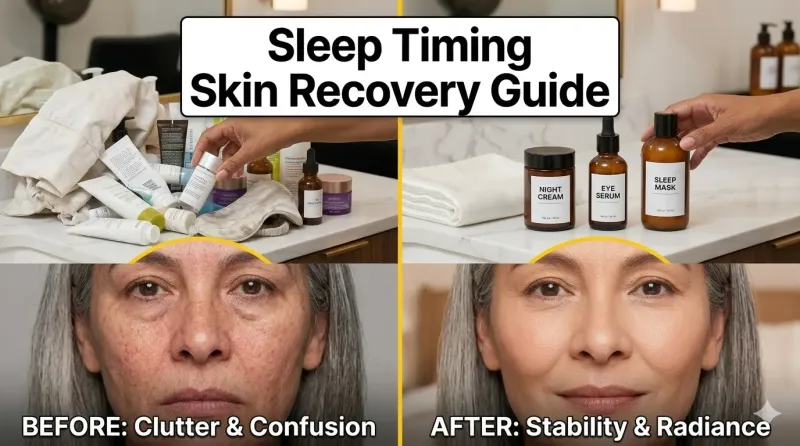
If you have ever woken up after a late night to find puffy eyes, dull complexion, or breakouts that seem to appear overnight, you have experienced firsthand how sleep affects your skin. But it is not just about how many hours you sleep—it is about when you sleep. For women, whose skin is uniquely influenced by hormonal fluctuations, stress, and environmental factors, sleep timing plays a critical role in skin recovery, repair, and long-term health.
The beauty industry often emphasizes topical products: serums, creams, and treatments designed to target fine lines, dullness, or uneven texture. Yet one of the most powerful, free, and underutilized tools for skin health is something you already do every day: sleep. More specifically, the timing of your sleep. When you go to bed, when you wake up, and how consistent your sleep schedule is can significantly influence how effectively your skin repairs itself overnight.
This comprehensive guide explores the science behind how sleep timing influences female skin recovery. We will break down the circadian rhythms that govern skin cell renewal, explain why certain sleep windows optimize repair processes, and provide practical, evidence-based strategies to align your sleep schedule with your skincare routine. Whether you are a night owl struggling with dullness, a new mom navigating interrupted sleep, or simply curious about maximizing your beauty rest, you will find actionable insights to help you sleep smarter for healthier, more radiant skin.
Because beautiful skin is not just about what you apply—it is about how you rest.
The Science of Sleep and Skin Why Timing Matters
To understand why sleep timing influences skin recovery, you first need to understand the biological processes that occur while you sleep—and how they are regulated by your body's internal clock.
Circadian rhythms govern skin function
Your body operates on a roughly 24-hour internal clock called the circadian rhythm, which regulates everything from hormone release to cell repair. Your skin is no exception. Research shows that skin cells have their own circadian clocks that control functions like:
Cell turnover and regeneration
Collagen and elastin production
Barrier repair and moisture retention
Antioxidant defense against environmental damage
Sebum (oil) production and pore regulation
These processes peak at specific times. For example, skin cell proliferation is highest at night, while barrier function is strongest in the evening. Disrupting your sleep schedule—by staying up late, sleeping in on weekends, or working night shifts—can desynchronize these rhythms, reducing your skin's ability to repair itself efficiently.
The nighttime repair window
Between approximately 10 PM and 2 AM, your body enters its deepest repair phase. During this window:
Growth hormone release peaks, stimulating collagen production and cell renewal
Blood flow to the skin increases, delivering oxygen and nutrients
Cortisol (the stress hormone) drops, reducing inflammation
Melatonin, a powerful antioxidant, rises to protect skin from free radical damage
If you are not asleep during this critical window, you miss out on these peak repair processes. This does not mean you must be in bed by 10 PM sharp, but consistently sleeping outside this window can compromise your skin's overnight recovery.
Sleep stages and skin benefits
Not all sleep is equal. Your skin benefits most during deep sleep (slow-wave sleep) and REM sleep
Deep sleep: Triggers growth hormone release, which supports collagen synthesis and tissue repair
REM sleep: Increases blood flow to the skin, promoting nutrient delivery and waste removal
Irregular sleep timing can fragment these stages, reducing the quality of your skin's overnight repair even if you get enough total hours.
Featured snippet answer: How does sleep timing affect female skin recovery? Sleep timing influences skin repair because circadian rhythms regulate cell turnover, collagen production, and barrier function. The peak repair window (10 PM-2 AM) supports growth hormone release and antioxidant defense. Consistently sleeping outside this window can reduce skin's ability to repair itself overnight.
How Female Hormones Interact with Sleep and Skin
Women's skin is uniquely affected by hormonal fluctuations throughout the menstrual cycle, pregnancy, postpartum, and menopause. These hormonal shifts interact with sleep patterns in ways that can amplify or diminish skin recovery.
Menstrual cycle effects
During the luteal phase (after ovulation, before your period), progesterone rises and can disrupt sleep quality. Poor sleep during this phase may worsen premenstrual breakouts or dullness. Aligning your sleep schedule—prioritizing earlier bedtimes during this phase—can help mitigate these effects.
Pregnancy and postpartum
Pregnancy often brings sleep disruptions due to physical discomfort, while postpartum sleep is frequently fragmented by infant care. These interruptions can impair skin repair, contributing to dryness, dullness, or slower healing. Prioritizing sleep timing when possible—even short, consistent windows—supports skin resilience during these demanding phases.
Perimenopause and menopause
Declining estrogen during perimenopause and menopause can cause sleep disturbances like night sweats or insomnia. Since estrogen also supports collagen production and skin hydration, disrupted sleep during this transition can accelerate visible aging. Consistent sleep timing, even if total hours are limited, helps maintain skin barrier function and repair capacity.
Cortisol and stress
Women often experience higher baseline stress levels due to multitasking roles. Elevated cortisol from poor sleep timing can break down collagen, increase inflammation, and worsen conditions like acne or eczema. Prioritizing consistent sleep helps regulate cortisol, supporting both skin and overall health.
People Also Ask: Does going to bed earlier improve skin appearance? Yes. Going to bed earlier aligns your sleep with your body's natural repair window (10 PM-2 AM), when growth hormone peaks and skin cell renewal is highest. Consistent early bedtimes support collagen production, reduce inflammation, and improve overall skin radiance over time.
The Impact of Poor Sleep Timing on Skin
When sleep timing is inconsistent or misaligned with your circadian rhythm, several skin concerns can emerge or worsen.
Accelerated signs of aging
Poor sleep timing reduces collagen production and increases cortisol, which breaks down existing collagen. Over time, this can lead to:
Finer lines appearing more pronounced
Loss of firmness and elasticity
Dull, uneven skin tone
Increased inflammation and breakouts
Disrupted sleep elevates inflammatory markers and can imbalance sebum production. This creates an environment where acne, rosacea, or eczema may flare more frequently.
Impaired barrier function
Your skin barrier repairs itself overnight. Inconsistent sleep timing can compromise this process, leading to:
Increased dryness or dehydration
Heightened sensitivity to products or environmental irritants
Slower healing of minor damage or irritation
Dark circles and puffiness
Poor sleep timing affects fluid balance and blood circulation around the eyes. This can cause
Fluid retention leading to morning puffiness
Visible blood vessels contributing to dark circles
Thinner, more translucent skin under the eyes
Featured snippet answer: Can poor sleep timing cause premature aging? Yes. Inconsistent sleep timing disrupts circadian-regulated collagen production and increases cortisol, which breaks down collagen. Over time, this can accelerate fine lines, loss of firmness, and dullness. Consistent sleep timing supports skin repair and helps maintain a youthful appearance.
Optimizing Sleep Timing for Skin Recovery
You do not need to overhaul your entire life to improve your skin through sleep. Small, consistent adjustments to your sleep timing can yield significant benefits.
Identify your chronotype
Not everyone thrives on the same sleep schedule. Your chronotype—whether you are a natural early bird or night owl—influences your optimal sleep window:
Morning types: May benefit from bedtimes around 9-10 PM and wake times around 5-6 AM
Evening types: May do better with bedtimes around 11 PM-midnight and wake times around 7-8 AM
The key is consistency. Whatever schedule you choose, stick to it—even on weekends—to support your circadian rhythm.
Aim for the repair window
While individual needs vary, try to be asleep during at least part of the 10 PM-2 AM repair window. If you cannot shift your entire schedule, prioritize getting to bed earlier on nights when skin recovery is a priority (e.g., before an important event or during a breakout).
Create a pre-sleep skincare ritual
Align your skincare routine with your sleep timing to maximize overnight repair
Cleanse gently to remove makeup and pollutants
Apply targeted treatments (retinol, peptides, niacinamide) 30-60 minutes before bed to allow absorption
Seal with a rich moisturizer to support barrier repair overnight
Use an eye cream to address puffiness and dark circles
Optimize your sleep environment
Your bedroom environment influences sleep quality, which in turn affects skin recovery
Keep the room cool (around 65°F/18°C) to support deep sleep
Use blackout curtains or an eye mask to block light, which can disrupt melatonin production
Consider a silk or satin pillowcase to reduce friction and prevent sleep lines
Use a humidifier in dry climates to prevent overnight moisture loss
People Also Ask: What is the best time to go to bed for skin repair? While individual needs vary, aiming to be asleep between 10 PM and 2 AM aligns with your body's peak repair window. During this time, growth hormone release and skin cell renewal are highest. Consistency matters more than the exact hour—stick to a regular schedule to support circadian rhythms.
Aligning Skincare Products with Sleep Timing
The products you use matter, but when you use them matters just as much. Aligning your skincare routine with your sleep timing can enhance product efficacy.
Evening application timing
Apply active ingredients 30-60 minutes before bed to allow absorption before you lie down
Retinoids: Apply early evening to minimize irritation and allow overnight cell renewal
Peptides Apply before sleep to support collagen production during repair hours
Niacinamide Apply in the evening to support barrier repair overnight
Hyaluronic acid Apply to damp skin before moisturizer to lock in hydration
Layering order for overnight repair
Follow this sequence to maximize product benefits while you sleep
Cleanse gently
Apply toner or essence to damp skin
Apply targeted treatment serum (retinol, peptide, etc.)
Apply moisturizer to seal in hydration
Optional Add a facial oil or occlusive for extra barrier support
Morning aftercare
How you care for your skin upon waking also matters
Rinse with lukewarm water or use a gentle cleanser to remove overnight product residue
Apply antioxidant serum (vitamin C) to protect against daytime environmental damage
Always finish with broad-spectrum SPF 30+ to protect newly repaired skin
Featured snippet answer: How should I time my skincare routine with sleep? Apply active treatments like retinol or peptides 30-60 minutes before bed to allow absorption. Follow with moisturizer to seal in hydration overnight. In the morning, cleanse gently and apply antioxidant serum plus SPF. Consistent timing enhances product efficacy and supports skin repair.
Common Sleep Timing Mistakes That Harm Skin
Even with good intentions, certain habits can undermine the skin benefits of sleep.
Mistake #1 Inconsistent bedtimes
Going to bed at wildly different times each night confuses your circadian rhythm, reducing the efficiency of overnight skin repair. Aim for a consistent bedtime within a 30-60 minute window, even on weekends.
Mistake #2 Late-night screen exposure
Blue light from phones, tablets, and computers suppresses melatonin production, delaying sleep onset and reducing sleep quality. This can impair skin repair. Limit screen time 1-2 hours before bed, or use blue light filters.
Mistake #3 Eating late or heavy meals
Eating large or spicy meals close to bedtime can disrupt sleep quality and trigger inflammation, which may worsen breakouts or redness. Finish meals 2-3 hours before bed for optimal digestion and sleep.
Mistake #4 Skipping nighttime skincare
Rushing to bed without cleansing or applying nighttime products misses the opportunity to support overnight repair. Even a simplified routine (cleanse + moisturizer) is better than skipping entirely.
Mistake #5 Sleeping on your stomach
Stomach sleeping presses your face into the pillow, creating friction that can contribute to sleep lines and wrinkles over time. Side or back sleeping is gentler on facial skin.
People Also Ask: Does sleeping on your side cause wrinkles? Side sleeping can contribute to sleep lines over time due to repeated pressure on facial skin. To minimize this, use a silk or satin pillowcase to reduce friction, and consider alternating sides or training yourself to sleep on your back when possible.
Practical Strategies for Better Sleep Timing
Improving sleep timing does not require drastic changes. These practical strategies can help you align your sleep with your skin's needs.
Gradual schedule adjustments
If you need to shift your bedtime earlier, do so gradually
Move bedtime 15 minutes earlier every 2-3 days
Adjust wake time accordingly to maintain total sleep hours
Be patient—your body may take 1-2 weeks to fully adapt
Wind-down routine
Create a calming pre-sleep ritual to signal your body it is time to rest
Dim lights 1 hour before bed to support melatonin production
Practice gentle stretching, meditation, or deep breathing
Read a physical book instead of scrolling on devices
Enjoy a caffeine-free herbal tea like chamomile or lavender
Daytime habits that support nighttime sleep
What you do during the day influences your sleep quality
Get morning sunlight exposure to regulate circadian rhythms
Limit caffeine after 2 PM to avoid sleep disruption
Exercise regularly, but avoid intense workouts within 3 hours of bedtime
Stay hydrated throughout the day, but reduce fluids 1-2 hours before bed to minimize nighttime awakenings
Track your progress
Keep a simple sleep and skin journal to identify patterns
Note bedtime, wake time, and sleep quality
Record skin observations (dullness, breakouts, hydration)
Review weekly to identify what timing adjustments yield the best skin results
Special Considerations for Women's Life Stages
Different life stages bring unique sleep and skin challenges. Tailoring your approach can maximize benefits.
Teens and young adults
Hormonal fluctuations and busy schedules often disrupt sleep. Prioritize consistency over perfection—even 7-8 hours of consistent sleep supports skin health during this acne-prone phase.
Pregnancy and postpartum
Sleep may be fragmented, but quality matters more than quantity. Short, consistent sleep windows and strategic naps can support skin recovery. Focus on gentle, hydrating skincare to compensate for sleep disruptions.
Perimenopause and menopause
Night sweats and insomnia are common. Use breathable bedding, keep the bedroom cool, and consider cooling gel eye masks to improve sleep comfort. Prioritize barrier-supporting skincare to combat dryness from hormonal changes.
Shift workers
If your schedule does not align with typical sleep windows, focus on consistency within your available window. Use blackout curtains, white noise, and strict pre-sleep rituals to optimize sleep quality despite non-traditional hours.
Frequently Asked Questions About Sleep Timing and Skin
How many hours of sleep do women need for optimal skin recovery?
Most women benefit from 7-9 hours of quality sleep per night. However, consistency in timing matters as much as total hours. Even with 7 hours, consistent bed and wake times support circadian-regulated skin repair better than irregular 9-hour sleep.
Can catching up on sleep on weekends reverse skin damage?
While extra sleep can help with short-term puffiness or dullness, it does not fully reverse the effects of chronic poor sleep timing. Consistent daily sleep patterns support long-term skin health more effectively than weekend catch-up.
Does the position I sleep in affect my skin?
Yes. Stomach sleeping can contribute to sleep lines and wrinkles due to facial pressure. Side sleeping may cause asymmetrical lines over time. Back sleeping is gentlest on facial skin. Using a silk pillowcase can reduce friction regardless of position.
Can improving sleep timing reduce dark circles?
Yes. Consistent sleep timing improves circulation and reduces fluid retention, which can minimize puffiness and dark circles. However, genetics, allergies, and skin thickness also play roles, so results vary.
Is it too late to improve my skin by adjusting sleep timing?
No. Skin has remarkable regenerative capacity at any age. While starting earlier provides cumulative benefits, improving sleep timing at any stage can enhance skin repair, reduce inflammation, and improve overall radiance.
Conclusion Rest Is the Ultimate Beauty Treatment
In a world that glorifies busyness and constant productivity, prioritizing sleep timing for skin health is a radical act of self-care. Your skin does not need another expensive serum or trendy treatment. It needs the time, consistency, and biological support that quality sleep provides.
Remember the essentials
Circadian rhythms regulate skin repair—align your sleep timing with your body's natural cycles
The 10 PM-2 AM window supports peak collagen production and antioxidant defense
Consistency matters more than perfection—stick to a regular schedule even if it is not ideal
Align your skincare routine with sleep timing to maximize product efficacy
Small, sustainable adjustments yield long-term benefits for skin health
The next time you consider staying up late to finish one more task, ask yourself: Is this worth the cost to my skin's recovery? Often, the most powerful beauty choice is simply to rest.
Your healthiest, most radiant skin is not found in a bottle. It is cultivated through patience, consistency, and compassionate care—including the care you give yourself through rest. Trust your body's rhythms. Honor your need for sleep. And watch as steady, intentional rest transforms not just your skin's appearance, but your overall well-being.
Start tonight. Choose consistency. Your skin will thank you for years to come.