

Soft Skin Without Heavy Creams: Lightweight Hydration Guide
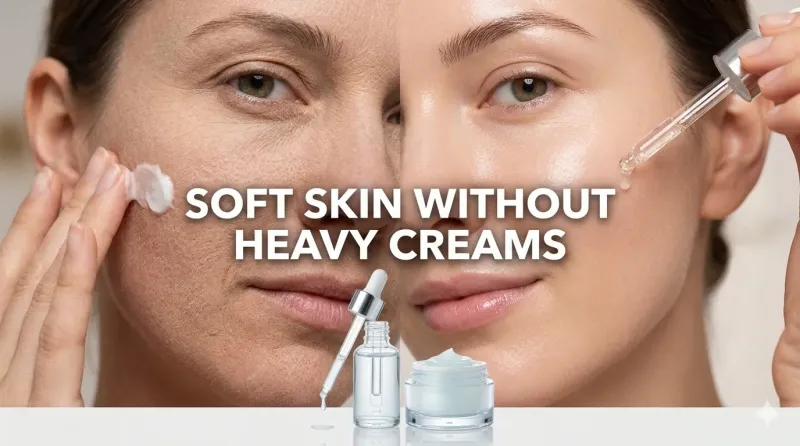
HOW TO MAINTAIN SOFT SKIN WITHOUT HEAVY CREAMS THE LIGHTWEIGHT HYDRATION PROTOCOL
Achieving soft, supple skin doesn't require slathering on thick, heavy creams that leave a greasy residue or clog pores. In fact, for many skin types—especially oily, combination, or acne-prone skin—rich moisturizers can do more harm than good, triggering breakouts, milia, or that unwanted shiny finish by midday.
The secret to maintaining soft skin without heavy creams lies in understanding hydration versus moisturization, choosing the right lightweight ingredients, and mastering the art of strategic layering. This approach delivers the plump, smooth, comfortable skin you want—without the weight.
What makes lightweight hydration particularly appealing is its versatility. Whether you live in a humid climate, have naturally oily skin, prefer a minimalist routine, or simply dislike the feeling of heavy products, a well-designed lightweight hydration protocol can meet your needs while supporting long-term skin health.
In this comprehensive guide, you'll discover the science behind effective lightweight hydration, learn which ingredients deliver softness without heaviness, and get access to a complete, dermatologist-backed routine that works for multiple skin types. Whether you're dealing with dehydration, oiliness, sensitivity, or just want a fresher feel, you'll find practical, evidence-based strategies to help you achieve soft, healthy skin—minus the heavy cream.
UNDERSTANDING HYDRATION VS. MOISTURIZATION THE FOUNDATION OF LIGHTWEIGHT SOFT SKIN
Before building a lightweight hydration routine, it's essential to understand two distinct but related concepts: hydration and moisturization. Confusing these terms leads to product choices that don't address your skin's actual needs.
What Is Hydration?
Hydration refers to the water content within your skin cells. Well-hydrated skin appears plump, smooth, and radiant because water fills out cells and supports their function. Dehydrated skin—regardless of oil production—can feel tight, look dull, and show fine lines more prominently.
Key hydrating ingredients (humectants) draw water into the skin:- Hyaluronic Acid: Holds up to 1000x its weight in water, providing intense surface and deep hydration- Glycerin: A time-tested humectant that pulls moisture from the environment into skin- Beta-Glucan: A powerful humectant with soothing properties, ideal for sensitive skin- Panthenol (Vitamin B5): Attracts water while supporting barrier repair- Sodium PCA: A natural component of skin's moisturizing factor that enhances hydration
What Is Moisturization?
Moisturization refers to sealing in hydration and reinforcing the skin's lipid barrier to prevent water loss. This is where emollients and occlusives come in—they smooth the skin's surface and create a protective layer.
Key moisturizing ingredients:- Emollients (squalane, caprylic/caprylic triglyceride): Smooth and soften skin by filling gaps between cells- Lightweight occlusives (dimethicone, cyclomethicone): Create a breathable barrier that locks in moisture without heaviness- Ceramides: Restore the skin's natural lipid barrier, preventing transepidermal water loss
The Lightweight Hydration Strategy
The goal isn't to eliminate moisturization—it's to achieve it with lighter, non-greasy ingredients. Instead of relying on heavy butters or oils, focus on:- Layering multiple lightweight humectants for cumulative hydration- Using silicone-based or gel-textured emollients that absorb quickly- Incorporating barrier-supporting ingredients that work at a cellular level- Applying products to damp skin to maximize water retention
This approach delivers softness through intelligent formulation, not heavy texture.
THE BEST LIGHTWEIGHT INGREDIENTS FOR SOFT, SUPPLE SKIN
Not all hydrating ingredients are created equal. Here are the most effective lightweight options for achieving soft skin without heaviness, backed by dermatological research.
Hyaluronic Acid (Multi-Molecular Weight)
Why it works: Hyaluronic acid (HA) is a superstar humectant that attracts and holds water. Using multiple molecular weights ensures hydration at different skin depths—low-weight HA penetrates deeply, while high-weight HA hydrates the surface.
How to use: Apply to damp skin after cleansing. Layer under serums or lightweight moisturizers. Look for formulas with 1-2% HA for optimal efficacy without stickiness.
Best for All skin types, especially dehydrated or combination skin.
Niacinamide (Vitamin B3, 4-10%)
Why it works: Niacinamide improves barrier function, reduces transepidermal water loss, and has anti-inflammatory properties. It helps skin retain moisture naturally while regulating oil production—making it ideal for achieving softness without grease.
How to use: Apply morning and/or night after cleansing. Works well layered with hyaluronic acid or other hydrating serums.
Best for Oily, combination, acne-prone, or sensitive skin.
Glycerin
Why it works: This classic humectant is highly effective, non-irritating, and compatible with nearly all skin types. It draws moisture into the skin and helps other ingredients penetrate more effectively.
How to use: Found in most hydrating toners, serums, and lightweight moisturizers. Apply to damp skin for best results.
Best for All skin types, including sensitive and reactive skin.
Squalane (Plant-Derived)
Why it works: Squalane is a lightweight emollient that mimics skin's natural sebum. It softens and smooths without clogging pores or leaving a greasy residue. Unlike heavy oils, it absorbs quickly and supports barrier function.
How to use: Apply 2-3 drops after serums, before moisturizer. Can be mixed with lightweight gels for enhanced softness.
Best for Dry, combination, or mature skin that needs softness without heaviness.
Dimethicone (and other lightweight silicones)
Why it works: Dimethicone creates a breathable, protective barrier that locks in hydration without feeling heavy or occlusive. It also provides a smooth, silky finish that enhances the feel of subsequent products.
How to use: Found in gel-creams, primers, and lightweight moisturizers. Apply as the final step in your hydration routine.
Best for All skin types, especially those seeking a smooth, matte-soft finish.
Beta-Glucan
Why it works: Derived from oats or mushrooms, beta-glucan is a powerful humectant with soothing and barrier-supporting properties. It hydrates deeply while calming irritation—ideal for sensitive or compromised skin.
How to use: Apply as a serum after cleansing, before moisturizer. Pairs well with niacinamide or hyaluronic acid.
Best for Sensitive, reactive, or post-procedure skin.
Panthenol (Vitamin B5)
Why it works: Panthenol attracts moisture while supporting barrier repair and reducing inflammation. It helps skin feel soft and comfortable without adding weight.
How to use: Found in hydrating serums, toners, and lightweight moisturizers. Apply to damp skin for enhanced absorption.
Best for Dehydrated, sensitive, or irritated skin.
THE ART OF LAYERING BUILDING HYDRATION WITHOUT HEAVINESS
One of the most effective strategies for achieving soft skin without heavy creams is mastering the technique of layering lightweight products. This approach allows you to customize hydration levels while maintaining a fresh, non-greasy feel.
The Layering Order (Thinnest to Thickest)
1. Cleanser: Start with a gentle, pH-balanced cleanser that doesn't strip skin.2. Hydrating Toner/Essence: Apply a water-based toner with humectants to damp skin.3. Hydrating Serum: Layer a hyaluronic acid or beta-glucan serum for targeted hydration.4. Treatment Serum: Add niacinamide, peptides, or antioxidants as needed.5. Lightweight Emollient: Apply squalane or a silicone-based serum to seal in hydration.6. Gel or Gel-Cream Moisturizer: Finish with a lightweight, non-comedogenic moisturizer.7. Sunscreen (AM): Always end your morning routine with broad-spectrum SPF 30+.
Pro Layering Tips
- Apply each product to damp skin to enhance absorption and hydration.- Wait 30-60 seconds between layers to allow products to absorb.- Use a pea-sized amount for face and neck to avoid buildup.- Focus hydrating layers on drier areas; use less on oilier zones.- In humid weather, you may skip the final moisturizer and rely on serums + sunscreen.
Customizing for Your Skin Type
Oily/Combination Skin:- Focus on humectants (HA, glycerin) + niacinamide- Use a gel moisturizer or skip moisturizer if serums provide enough hydration- Finish with a matte, oil-free sunscreen
Dry Skin (Without Heavy Creams):- Layer multiple humectants (HA + beta-glucan + glycerin)- Add squalane or a lightweight emollient serum- Finish with a gel-cream moisturizer containing ceramides
Sensitive/Reactive Skin:- Prioritize soothing humectants (beta-glucan, panthenol)- Avoid fragrances, essential oils, and potential irritants- Patch test new products and introduce one at a time
Mature Skin:- Layer hydrating serums with peptides or antioxidants- Use squalane for lightweight emollience- Finish with a gel-cream containing ceramides for barrier support
YOUR COMPLETE LIGHTWEIGHT HYDRATION ROUTINE
Here's a comprehensive, dermatologist-backed routine you can customize based on your specific needs.
Morning Routine (10-15 minutes)
Step 1: Gentle Cleanse (2 minutes)- Use a mild, pH-balanced, non-foaming cleanser- Massage gently with lukewarm water for 60 seconds- Rinse thoroughly and pat dry (leave skin slightly damp)
Step 2: Hydrating Toner or Essence (1 minute)- Apply a water-based toner with glycerin, hyaluronic acid, or beta-glucan- Pat gently onto damp skin—don't rub- Allow 30 seconds to absorb
Step 3: Hydrating Serum (2 minutes)- Apply a hyaluronic acid or multi-humectant serum- Focus on drier areas if you have combination skin- Allow 1 minute to absorb
Step 4: Treatment Serum (Optional, 1 minute)- Add niacinamide 4-5% for barrier support and oil regulation- Or use a vitamin C serum for antioxidant protection- Allow 1 minute to absorb
Step 5: Lightweight Emollient (Optional, 1 minute)- Apply 2-3 drops of squalane or a silicone-based serum- Press gently into skin—don't rub vigorously- Skip if your skin feels sufficiently hydrated
Step 6: Gel or Gel-Cream Moisturizer (1 minute)- Apply a pea-sized amount of oil-free, non-comedogenic moisturizer- Look for ingredients like dimethicone, ceramides, or niacinamide- Focus on drier areas if you have combination skin
Step 7: Sunscreen (Non-Negotiable, 2 minutes)- Apply broad-spectrum SPF 30+ sunscreen- Choose a lightweight, non-greasy formula (gel, fluid, or matte finish)- Use 1/4 teaspoon for face and neck
Evening Routine (15-20 minutes)
Step 1: Double Cleanse (if wearing makeup/sunscreen, 4 minutes)- First cleanse: Oil-based cleanser or micellar water to remove makeup and sunscreen- Second cleanse: Gentle water-based cleanser- Massage each for 60 seconds, rinse thoroughly, pat dry (leave slightly damp)
Step 2: Hydrating Toner or Essence (1 minute)- Apply a water-based toner with humectants to damp skin- Pat gently—don't rub
Step 3: Treatment Serum (2 minutes)- Apply targeted treatments: retinol for anti-aging, salicylic acid for acne, or azelaic acid for redness- Focus on areas of concern- Allow 1-2 minutes to absorb
Step 4: Hydrating Serum (2 minutes)- Apply a hyaluronic acid, beta-glucan, or panthenol serum- Layer over treatment serum to counteract potential dryness- Allow 1 minute to absorb
Step 5: Lightweight Emollient (Optional, 1 minute)- Apply squalane or a lightweight barrier serum if skin feels dry- Press gently into skin
Step 6: Gel or Gel-Cream Moisturizer (2 minutes)- Apply a slightly richer (but still lightweight) moisturizer than morning- Look for ceramides, peptides, or niacinamide for overnight barrier support- Seal in all previous layers
Weekly Treatments
1-2 Times Weekly:- Hydrating sheet mask with hyaluronic acid or beta-glucan- Gentle enzyme mask for additional exfoliation without stripping- Skip heavy clay masks if your goal is lightweight hydration
PRODUCT RECOMMENDATIONS BY SKIN CONCERN
For Oily/Combination Skin:- Cleanser: Gentle foaming or gel cleanser with niacinamide- Toner: Alcohol-free, hydrating formula with glycerin or HA- Serum: Niacinamide 4-5% + hyaluronic acid- Moisturizer: Oil-free gel with dimethicone or squalane- Sunscreen: Matte, non-comedogenic SPF 50+ fluid or gel
For Dry Skin (Lightweight Approach):- Cleanser: Cream or milky cleanser that doesn't strip- Toner: Rich hydrating essence with multiple humectants- Serum: Hyaluronic acid + beta-glucan + panthenol- Moisturizer: Gel-cream with ceramides and squalane- Sunscreen: Hydrating but non-greasy SPF 30+
For Sensitive/Reactive Skin:- Cleanser: Ultra-gentle, fragrance-free, pH-balanced formula- Toner: Soothing formula with beta-glucan or panthenol- Serum: Beta-glucan or panthenol-focused hydration- Moisturizer: Fragrance-free gel-cream with ceramides- Sunscreen: Mineral-based, fragrance-free SPF 30+
For Mature Skin:- Cleanser: Gentle cream or milky cleanser- Toner: Hydrating essence with peptides or antioxidants- Serum: Hyaluronic acid + peptides or vitamin C- Moisturizer: Gel-cream with ceramides and niacinamide- Sunscreen: Broad-spectrum SPF 50+ with antioxidants
LIFESTYLE FACTORS THAT SUPPORT LIGHTWEIGHT HYDRATION
Your daily habits significantly influence how well lightweight hydration works. Optimize these factors for best results.
Hydration From Within
Drinking adequate water supports skin hydration at a cellular level:- Aim for 8-10 glasses of water daily- Include hydrating foods (cucumber, watermelon, leafy greens)- Limit dehydrating beverages (excessive caffeine, alcohol)
Humidity and Environment
- In humid climates: Lightweight hydration is ideal; you may need fewer layers- In dry climates: Layer humectants and finish with a lightweight occlusive- Use a humidifier indoors during winter or in air-conditioned spaces to support skin hydration
Diet and Nutrition
Certain nutrients support skin barrier function and hydration:- Omega-3 fatty acids (fatty fish, flaxseed, walnuts) support barrier lipids- Antioxidant-rich foods (berries, colorful vegetables) protect against environmental stress- Limit high-glycemic foods that may worsen inflammation and oil production
Stress Management
Chronic stress elevates cortisol, which can compromise barrier function and increase water loss:- Practice stress-reduction techniques (meditation, deep breathing, yoga)- Prioritize 7-9 hours of quality sleep nightly for skin repair- Regular exercise improves circulation and supports skin health
Avoid Over-Cleansing
Stripping your skin with harsh cleansers or washing too frequently can compromise your barrier and increase dehydration:- Cleanse twice daily maximum with a gentle, pH-balanced formula- Avoid hot water, which can strip natural oils- Pat skin dry—don't rub—to preserve the moisture barrier
COMMON MISTAKES THAT UNDERMINE LIGHTWEIGHT HYDRATION
Avoid these pitfalls that can sabotage your efforts to maintain soft skin without heaviness.
Mistake #1 Skipping Moisturizer Entirely
Believing that serums alone provide sufficient hydration is a common error. While humectants draw water into skin, you still need a lightweight emollient or occlusive to seal it in—especially in dry environments or overnight.
The Fix: Always finish your hydration routine with a lightweight gel-cream or silicone-based product to lock in moisture.
Mistake #2 Applying Products to Dry Skin
Humectants like hyaluronic acid work best when applied to damp skin. Applying them to dry skin can actually draw moisture out of deeper layers, worsening dehydration.
The Fix Apply hydrating toners and serums to slightly damp skin immediately after cleansing.
Mistake #3 Using Too Many Layers
While layering is powerful, overdoing it can lead to product buildup, pilling, or a heavy feel—defeating the purpose of lightweight hydration.
The Fix: Start with 3-4 core layers (toner + serum + emollient + moisturizer) and add only what your skin truly needs.
Mistake #4 Choosing the Wrong Texture for Your Climate
A gel moisturizer that works perfectly in humid summer weather may not provide enough protection in dry winter conditions.
The Fix: Adjust your routine seasonally—add a lightweight occlusive in dry months, simplify in humid weather.
Mistake #5 Ignoring Sunscreen
UV damage compromises the skin barrier and increases water loss, making hydration efforts less effective.
The Fix: Always finish your morning routine with a lightweight, non-greasy sunscreen—hydration without protection is incomplete.
Mistake #6 Expecting Overnight Transformation
Building a resilient, well-hydrated skin barrier takes time. Lightweight hydration delivers cumulative benefits, not instant fixes.
The Fix: Be patient and consistent. Give your routine 4-8 weeks to show significant improvement in softness and comfort.
HOW LONG DOES IT TAKE TO SEE RESULTS?
Understanding realistic timelines helps maintain motivation and prevents over-complicating your routine.
Immediate Benefits (Same Day):- Skin feels softer and more comfortable after application- Reduced tightness or dryness- Improved makeup application due to smoother texture
Short-Term Results (2-4 Weeks):- Noticeable improvement in skin plumpness and radiance- Reduced flakiness or rough patches- Better tolerance of active ingredients (retinoids, acids) due to stronger barrier
Medium-Term Results (8-12 Weeks):- Significant improvement in overall skin texture and softness- Enhanced barrier function with less sensitivity or reactivity- More balanced oil production in combination skin
Long-Term Results (3-6 Months):- Sustained softness and resilience with consistent routine- Reduced fine lines due to improved hydration and barrier health- Ability to maintain results with a simplified, lightweight routine
Factors That Influence Timeline:- Baseline skin condition: Dehydrated or compromised skin may take longer to improve- Consistency: Daily adherence speeds results- Environmental factors: Humidity, temperature, and pollution affect hydration needs- Age: Mature skin may require more time for barrier repair
FREQUENTLY ASKED QUESTIONS ABOUT LIGHTWEIGHT HYDRATION
Can I skip moisturizer if I use hydrating serums?
Not ideally. While serums deliver active hydration, a lightweight moisturizer or emollient helps seal that moisture in and supports barrier function. If your skin feels sufficiently hydrated with serums alone in humid weather, you may skip moisturizer temporarily—but always monitor your skin's response.
Is hyaluronic acid enough for dry skin?
Hyaluronic acid is excellent for hydration, but dry skin also needs emollients and barrier-supporting ingredients to prevent water loss. Layer HA with squalane, ceramides, or a lightweight gel-cream for comprehensive care.
Can lightweight hydration help with oily skin?
Absolutely. Oily skin often benefits most from lightweight hydration because heavy creams can clog pores and trigger more oil production. Humectants like HA and niacinamide provide hydration without adding grease.
What's the difference between a gel and a gel-cream moisturizer?
Gel moisturizers are water-based, absorb quickly, and provide lightweight hydration—ideal for oily or humid-weather use. Gel-creams have a slightly richer texture with added emollients, making them suitable for combination or dry skin that still wants a non-greasy feel.
Can I use lightweight hydration with retinoids or acids?
Yes, and it's often recommended. Lightweight hydration helps counteract potential dryness or irritation from active ingredients. Apply actives first, allow them to absorb, then layer hydrating serums and a lightweight moisturizer.
Does lightweight hydration work in winter?
Yes, but you may need to adjust your routine. In dry, cold weather, add an extra hydrating layer or choose a gel-cream over a pure gel. Always finish with sunscreen, as UV damage occurs year-round.
WHEN TO CONSULT A DERMATOLOGIST
While lightweight hydration is generally safe for at-home use, consult a professional if:- You experience persistent dryness, irritation, or breakouts despite consistent care- You have a medical skin condition (eczema, rosacea, psoriasis) that affects hydration needs- You're unsure which ingredients or products are right for your skin type- You're using prescription treatments and need guidance on compatible hydration
A dermatologist can provide:- Personalized recommendations based on your skin type and concerns- Prescription options for barrier repair or hydration if needed- Guidance on integrating lightweight hydration with medical treatments- Monitoring for potential reactions or complications
MAINTAINING RESULTS LONG-TERM
Once you've achieved soft, hydrated skin with a lightweight routine, consistency is key to maintaining results.
Continue Core Practices- Layer hydrating products from thinnest to thickest consistency- Apply to damp skin to maximize absorption- Always finish with sunscreen in the morning- Adjust layers seasonally based on climate and skin needs
Monitor and Adjust- Pay attention to how your skin responds to environmental changes- Add or remove layers based on hydration needs (e.g., extra serum in dry weather)- Don't become complacent—skin needs evolve over time
Avoid Common Pitfalls- Don't over-complicate your routine; simplicity often yields the best results- Don't skip sunscreen, even with lightweight hydration- Don't expect one product to do everything; layering is key
CONCLUSION SOFT SKIN, LIGHTWEIGHT FEEL—ACHIEVABLE AND SUSTAINABLE
Maintaining soft, supple skin without heavy creams isn't just possible—it's often preferable for long-term skin health. By understanding the difference between hydration and moisturization, choosing the right lightweight ingredients, and mastering the art of strategic layering, you can achieve the comfortable, radiant skin you want—without the greasy residue or pore-clogging weight.
Remember the keys to success:- Hydrate first, seal second: Use humectants to draw in water, then lightweight emollients to lock it in- Less is often more: A well-designed lightweight routine can outperform heavy, complicated regimens- Consistency beats intensity: Daily, gentle care yields better long-term results than occasional intensive treatments- Customize for your needs: Adjust layers, textures, and ingredients based on your skin type, climate, and concerns- Protect your progress: Sunscreen is non-negotiable, even with lightweight hydration
Your skin has an incredible capacity to balance, hydrate, and renew itself when given the right support. By following this evidence-based lightweight hydration protocol and adapting it to your specific needs, you can achieve soft, healthy, resilient skin—without ever reaching for a heavy cream. Start today, stay consistent, and trust the process—your softest, most comfortable skin is absolutely achievable.