

Solo Travel Tips for a Safe and Enjoyable Trip: The Ultimate Guide to Exploring the World on Your Own
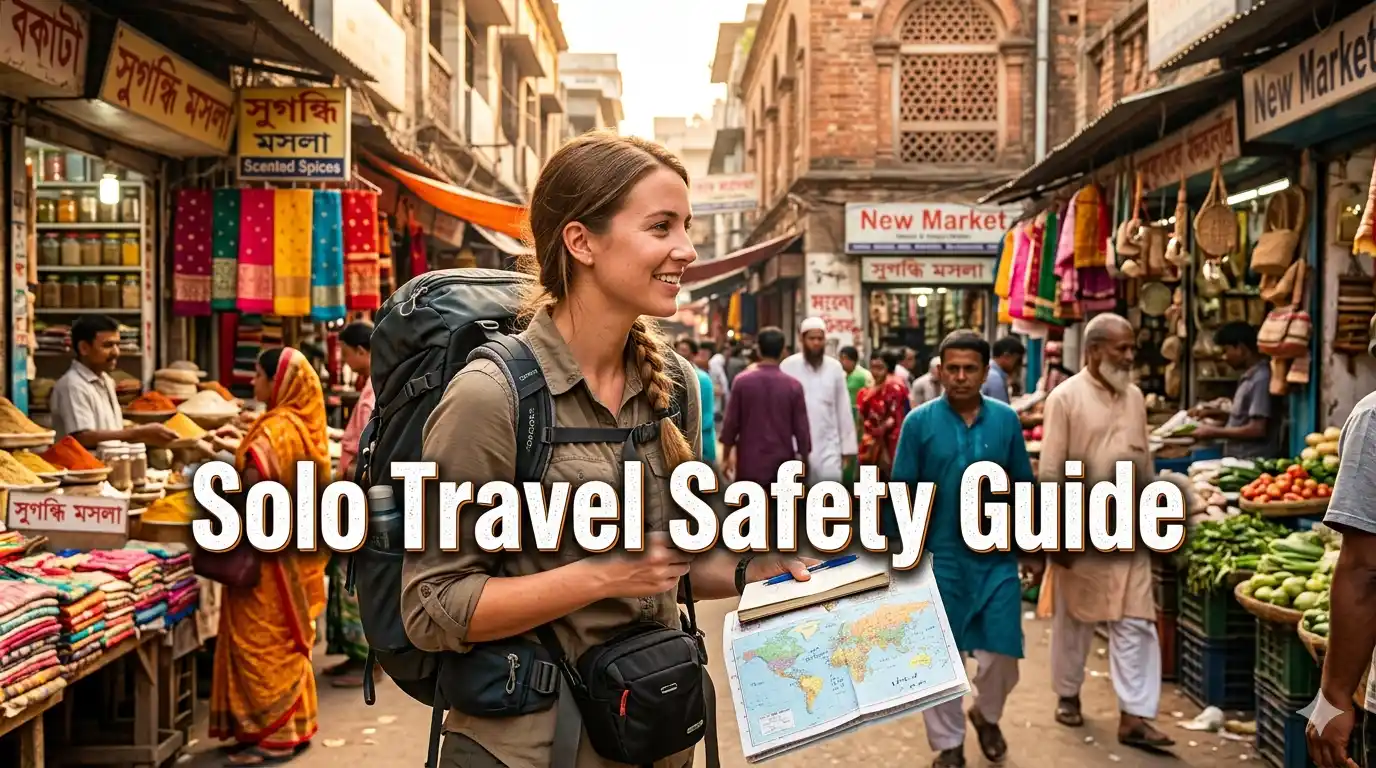
There's a unique magic to traveling alone—the freedom to follow your curiosity wherever it leads, the chance to discover parts of yourself you never knew existed, and the opportunity to connect with the world on your own terms. Solo travel isn't just a trend; it's a transformative experience that builds confidence, resilience, and a deeper understanding of both the world and yourself. But let's be honest: the idea of exploring the world alone can also feel intimidating. Questions about safety, loneliness, logistics, and budget can hold even the most adventurous souls back from taking that first solo step.
The truth is, solo travel is safer, more accessible, and more rewarding than ever before. With the right preparation, mindset, and practical strategies, you can navigate the world with confidence and create memories that last a lifetime. Whether you're a first-time solo traveler planning your inaugural adventure or a seasoned independent explorer looking to refine your approach, this comprehensive guide delivers everything you need to know for a safe, enjoyable, and unforgettable solo journey.
In this ultimate guide, you'll discover how to choose destinations that align with your comfort level and travel style, master essential safety practices that work anywhere in the world, build a flexible yet structured itinerary that balances planning with spontaneity, connect with fellow travelers and locals in meaningful ways, manage your budget without sacrificing experiences, and handle the inevitable challenges that arise when you're navigating unfamiliar territory alone. By the end, you'll have the knowledge, tools, and confidence to embark on your solo adventure with excitement—not anxiety.
Why Solo Travel Is Worth It (And Why Now Is the Perfect Time)
Before diving into tactics, let's clarify why solo travel deserves a spot on your bucket list—and why 2026 is an ideal time to take the leap.
The Unique Benefits of Traveling Alone
Complete Freedom and Flexibility:
- Change plans on a whim without consulting anyone
- Follow your interests deeply, whether that's museums, hiking, food tours, or simply people-watching
- Set your own pace—sleep in, rise early, or linger somewhere that captivates you
Personal Growth and Confidence:
- Navigating unfamiliar situations builds problem-solving skills and resilience
- Making decisions independently strengthens self-trust
- Stepping outside your comfort zone expands your perspective on what you're capable of
Deeper Cultural Immersion:
- Traveling alone makes you more approachable to locals and fellow travelers
- You're more likely to accept spontaneous invitations and unexpected opportunities
- Without a travel companion to default to, you engage more fully with your surroundings
Authentic Connections:
- Solo travelers often form meaningful friendships with people they'd never meet otherwise
- Hostels, group tours, and local events become natural networking opportunities
- These connections often lead to future travel opportunities and lifelong friendships
Why 2026 Is a Great Time for Solo Travel
- Improved infrastructure: Better transportation, accommodation options, and digital tools make solo travel easier than ever
- Stronger safety resources: Travel apps, emergency services, and community networks provide unprecedented support
- Growing solo travel community: More resources, forums, and events specifically for independent travelers
- Flexible work arrangements: Remote work and digital nomad visas enable longer, more immersive solo trips
- Increased awareness: Destinations are increasingly catering to solo travelers with tailored experiences and safety measures
Phase 1: Preparation – Laying the Foundation for a Successful Solo Trip
Great solo travel starts long before you pack your bag. This preparation phase sets the stage for safety, enjoyment, and peace of mind.
Step 1: Choose the Right Destination for Your First Solo Adventure
Factors to Consider When Selecting a Solo-Friendly Destination:
- Safety reputation: Research crime rates, political stability, and traveler experiences
- Infrastructure: Reliable transportation, accommodation options, and English accessibility (if needed)
- Solo traveler community: Destinations with hostels, group tours, and social spaces make meeting people easier
- Cultural openness: Some cultures are more welcoming to solo travelers, especially solo female travelers
- Budget alignment: Choose destinations that match your financial comfort zone
Beginner-Friendly Solo Travel Destinations (2026):
| Destination | Why It's Great for Solo Travelers | Best For |
|---|---|---|
| Portugal | Safe, affordable, English widely spoken, excellent public transport | First-time solo travelers, foodies, culture lovers |
| Japan | Extremely safe, efficient infrastructure, solo-dining culture | Culture enthusiasts, foodies, tech lovers |
| New Zealand | Adventure activities, well-marked trails, friendly locals | Nature lovers, adventure seekers, road trippers |
| Thailand | Budget-friendly, established backpacker infrastructure, welcoming culture | Budget travelers, beach lovers, cultural explorers |
| Iceland | Very safe, compact, stunning natural beauty, easy to navigate | Nature photographers, road trippers, Northern Lights chasers |
| Costa Rica | Eco-tourism focus, friendly "pura vida" culture, good infrastructure | Nature lovers, adventure seekers, wellness travelers |
Pro Tip: Start with a destination that feels "comfortably challenging"—familiar enough to reduce anxiety, but different enough to feel adventurous.
Step 2: Research Thoroughly (But Don't Over-Plan)
Essential Pre-Trip Research:
- Safety basics: Emergency numbers, embassy location, areas to avoid, local scams
- Transportation: How to get from airport to accommodation, local transit options, ride-sharing apps
- Accommodation: Read recent reviews, check location safety, understand cancellation policies
- Cultural norms: Dress codes, tipping customs, greeting etiquette, photography rules
- Connectivity: SIM card options, WiFi availability, offline map downloads
Tools for Efficient Research:
- Government travel advisories: U.S. State Department, UK FCDO, or your country's equivalent
- Travel forums: Reddit's r/solotravel, Lonely Planet Thorn Tree, TripAdvisor forums
- YouTube vlogs: Search "[destination] solo travel" for recent, visual insights
- Google Maps: Save accommodations, attractions, and restaurants to offline maps
The Balance: Research enough to feel prepared, but leave room for spontaneity. Over-planning can create stress and rob you of unexpected discoveries.
Step 3: Build Your Safety Toolkit
Essential Safety Items to Pack:
- Portable door lock/alarm: Adds security to hostel rooms or Airbnb stays
- Money belt or hidden pouch: For passports, extra cash, and cards
- Portable charger: Ensures your phone (and safety apps) stay powered
- Copy of important documents: Digital and physical copies of passport, insurance, itinerary
- Basic first-aid kit: Band-aids, pain relievers, any personal medications
- Whistle or personal alarm: For emergencies in isolated areas
Digital Safety Tools:
- Offline maps: Google Maps or Maps.me downloaded for your destination
- Translation app: Google Translate with offline language packs
- Emergency contacts: Saved locally and shared with a trusted contact at home
- Location sharing: Temporary sharing with a trusted friend or family member
- Travel insurance app: Easy access to policy details and emergency assistance
Step 4: Secure Travel Insurance (Non-Negotiable)
Why Travel Insurance Is Essential for Solo Travelers:
- Medical emergencies: Covers treatment costs in foreign healthcare systems
- Trip interruptions: Reimburses costs if you need to cut your trip short
- Lost belongings: Replaces stolen or lost luggage, electronics, documents
- Emergency evacuation: Covers transport to adequate medical facilities if needed
- 24/7 assistance: Provides support when you're alone and need guidance
What to Look for in a Policy:
- Medical coverage of at least $100,000 USD
- Coverage for adventure activities if you plan hiking, diving, etc.
- 24/7 multilingual assistance hotline
- Clear claims process and good customer reviews
Recommended Providers: World Nomads, SafetyWing, Allianz Travel, or compare options on InsureMyTrip
Phase 2: On the Ground – Safety Strategies That Work Anywhere
Once you've arrived, these practical safety practices will help you navigate your destination with confidence.
Tactic 1: Master the Art of Situational Awareness
What Situational Awareness Really Means:
It's not about paranoia—it's about being present and informed. Think of it as "relaxed alertness."
Practical Techniques:
- Scan your environment: When entering a new space, note exits, people, and potential hazards
- Trust your intuition: If a situation feels off, leave. Your gut is often right
- Avoid distractions: Limit phone use while walking in unfamiliar areas
- Walk with purpose: Even if you're lost, project confidence to avoid appearing vulnerable
- Keep valuables secure: Use crossbody bags, keep wallets in front pockets, avoid flashing expensive items
Nighttime Safety:
- Stick to well-lit, populated areas after dark
- Use reputable ride-sharing apps or official taxis rather than walking alone late at night
- Share your location or itinerary with someone when going out
- Avoid excessive alcohol, which impairs judgment and awareness
Tactic 2: Smart Accommodation Choices
Hostels vs. Hotels vs. Airbnb: Pros and Cons for Solo Travelers
| Option | Pros for Solo Travelers | Cons to Consider | Best For |
|---|---|---|---|
| Hostels | Social atmosphere, budget-friendly, organized activities, easy to meet people | Less privacy, shared facilities, potential noise | Social travelers, budget-conscious, first-time solos |
| Hotels | Privacy, security, consistent standards, 24/7 front desk | More expensive, less social, can feel isolating | Privacy-focused travelers, business travelers, luxury seekers |
| Airbnb | Local experience, kitchen access, often good value, privacy | Variable quality, less social, safety depends on host/neighborhood | Longer stays, cooks, those wanting local immersion |
Safety Checklist for Any Accommodation:
- Read recent reviews specifically mentioning safety, location, and solo traveler experiences
- Check the neighborhood on Google Maps Street View before booking
- Confirm secure entry (key card, code, or 24/7 reception)
- Verify lock quality on room doors and windows
- Ask about safe storage for valuables
- Save the accommodation address and contact info offline before arrival
Tactic 3: Transportation Safety Essentials
Getting Around Safely:
- Research transit options in advance: Know which buses, trains, or apps are reliable
- Use official services: Official taxis, registered ride-shares, or public transit over unmarked vehicles
- Share your ride: Use apps that let you share trip details with a trusted contact
- Sit strategically: On public transit, sit near the driver or in well-populated areas
- Keep belongings close: Bags on your lap or between your feet, not on overhead racks
Navigation Without Looking Lost:
- Download offline maps before you go
- Check directions discreetly (step into a shop or café rather than staring at your phone on the street)
- Ask for directions at hotels, tourist information centers, or reputable businesses
- Learn basic directional phrases in the local language
Tactic 4: Protecting Your Belongings
Daily Carry Strategy:
- Use the "layering" method: Keep essentials (passport copy, one card, small cash) in a hidden pouch; daily spending money in a secure pocket or bag
- Choose the right bag: Crossbody bags with slash-proof straps, anti-theft features, and multiple compartments
- Never leave belongings unattended: Even for a minute at a café or beach
- Use hotel safes wisely: Store passports, extra cash, and valuables; keep a copy of your passport separate
Digital Security:
- Use strong, unique passwords for travel accounts
- Enable two-factor authentication on important accounts
- Avoid public WiFi for sensitive transactions; use a VPN if needed
- Back up photos and important documents to the cloud regularly
Phase 3: Connection – Building Community and Avoiding Loneliness
One of the biggest concerns about solo travel is loneliness. These strategies help you connect meaningfully while maintaining your independence.
Tactic 5: Strategic Socializing
Where to Meet Fellow Travelers:
- Hostel common areas: Kitchens, lounges, and organized events are natural networking spots
- Group tours and activities: Walking tours, cooking classes, day trips create instant shared experiences
- Travel apps: Meetup, Couchsurfing Hangouts, or Bumble BFF for travel connections
- Co-working spaces: Great for digital nomads and remote workers to connect
- Local events: Check Facebook Events, Meetup, or local listings for concerts, markets, or festivals
Conversation Starters That Work:
- "Is this your first time in [destination]? Any recommendations?"
- "I'm trying to decide between [Activity A] and [Activity B]—have you done either?"
- "That's a great [item they're wearing/using]—where did you find it?"
- "I noticed you're from [place]—what's your favorite thing about traveling here?"
Balancing Social Time and Solo Time:
- It's okay to say no to invitations if you need recharge time
- Schedule "me time" into your itinerary—solo meals, journaling, or simply people-watching
- Remember: Connection doesn't have to mean constant companionship
Tactic 6: Connecting with Locals Authentically
Respectful Ways to Engage with Local Culture:
- Learn basic phrases: "Hello," "thank you," "please" in the local language goes a long way
- Support local businesses: Eat at family-run restaurants, shop at local markets, hire local guides
- Ask thoughtful questions: Show genuine interest in people's lives and culture
- Respect boundaries: Not everyone wants to chat; read social cues and respect privacy
- Participate, don't just observe: Join a local festival, take a traditional craft class, or volunteer briefly
Apps and Platforms for Local Connections:
- Couchsurfing: Not just for free stays—use the "Hangouts" feature to meet locals
- Withlocals: Book experiences with local guides for authentic insights
- Eatwith: Share meals with locals in their homes
- Language exchange apps: Tandem or HelloTalk to practice language and make friends
Tactic 7: Managing Loneliness When It Arises
It's Normal to Feel Lonely Sometimes:
Even the most social solo travelers experience moments of loneliness. The key is having strategies to cope.
Healthy Ways to Handle Solo Travel Loneliness:
- Journal: Process your thoughts and experiences; it's therapeutic and creates a travel memoir
- Stay connected with home: Schedule regular check-ins with loved ones, but don't let it replace present-moment experiences
- Embrace solo activities: Museums, cafes, nature walks—many activities are actually better alone
- Practice self-compassion: It's okay to have quiet days; they're part of the journey
- Seek professional support if needed: Many therapists offer online sessions for travelers
Phase 4: Budget Management – Traveling Well Without Breaking the Bank
Solo travel can be budget-friendly, but it requires smart planning and spending strategies.
Tactic 8: Smart Budgeting for Solo Travelers
Pre-Trip Budget Planning:
- Research daily costs: Use Numbeo or Budget Your Trip to estimate accommodation, food, transport, and activities
- Build in a buffer: Add 15-20% for unexpected expenses or spontaneous opportunities
- Track as you go: Use apps like Trail Wallet or a simple spreadsheet to monitor spending
- Separate funds: Keep daily spending money separate from emergency funds
Money-Saving Strategies That Don't Sacrifice Experience:
- Accommodation:
- Book hostels with kitchens to save on meals
- Consider house-sitting or home exchanges for longer stays
- Travel during shoulder season for lower prices and fewer crowds
- Food:
- Eat where locals eat—street food and local markets are often delicious and affordable
- Book accommodations with breakfast included
- Carry a reusable water bottle and snacks to avoid impulse purchases
- Transportation:
- Walk or use public transit instead of taxis when possible
- Book intercity transport in advance for better rates
- Consider overnight buses or trains to save on accommodation
- Activities:
- Research free walking tours, museum free days, and public parks
- Look for city tourism cards that bundle attractions at a discount
- Prioritize experiences that matter most to you; skip the rest
Tactic 9: Managing Money Safely While Abroad
Banking and Payment Strategies:
- Notify your bank: Inform your bank of travel dates and destinations to avoid card freezes
- Use no-foreign-transaction-fee cards: Save 3% on every purchase with travel-friendly credit cards
- Carry multiple payment methods: At least two cards from different banks, plus some local cash
- Use ATMs wisely: Choose bank ATMs inside secure locations; avoid standalone machines in isolated areas
- Keep emergency cash separate: Hide a small amount of cash in a different location from your main wallet
Daily Money Routine:
- Withdraw or exchange only what you need for 1-2 days
- Keep daily spending money easily accessible; store backup funds securely
- Track expenses each evening to stay on budget
- Reassess your budget weekly and adjust as needed
Phase 5: Health and Wellbeing – Staying Strong on the Road
Physical and mental health are foundational to enjoyable solo travel. These practices help you stay well throughout your journey.
Tactic 10: Prioritizing Physical Health
Pre-Trip Health Preparation:
- Visit a travel clinic: Get recommended vaccinations and prescriptions for your destination
- Pack a personalized first-aid kit: Include medications you regularly take, plus basics for common travel ailments
- Research healthcare at your destination: Know where to go for medical care if needed
- Get travel insurance that covers medical emergencies: Non-negotiable for solo travelers
On-the-Road Health Practices:
- Stay hydrated: Carry a reusable water bottle; use purification tablets if water safety is uncertain
- Eat mindfully: Balance indulgence with nutritious meals; listen to your body
- Prioritize sleep: Jet lag and busy itineraries can be draining; build in rest days
- Move your body: Walk, stretch, or do quick workouts to counter long travel days
- Practice good hygiene: Hand sanitizer, regular handwashing, and safe food practices prevent illness
Tactic 11: Supporting Mental and Emotional Wellbeing
Mindset Practices for Solo Travel Success:
- Embrace flexibility: Plans change; view detours as part of the adventure, not failures
- Practice gratitude: Journaling three good things each day boosts mood and perspective
- Set realistic expectations: Not every moment will be Instagram-perfect; that's okay
- Allow for downtime: Schedule rest days to process experiences and recharge
- Stay connected to your "why": Remind yourself why you chose to travel solo when challenges arise
Managing Travel Stress:
- Breathing exercises: Simple 4-7-8 breathing can calm anxiety in unfamiliar situations
- Grounding techniques: Name 5 things you see, 4 you feel, 3 you hear, 2 you smell, 1 you taste
- Limit decision fatigue: Plan key decisions in advance; leave smaller choices spontaneous
- Create small routines: A morning coffee ritual or evening journaling provides stability
Phase 6: Problem-Solving – Handling Challenges When They Arise
Even with perfect planning, challenges happen. These strategies help you navigate setbacks with resilience.
Common Solo Travel Challenges and Solutions
Challenge: Getting Lost or Disoriented
- Prevention: Download offline maps; save accommodation address in local language
- Solution: Stay calm; step into a reputable business to ask for directions or use your phone discreetly
- Backup: Carry a card with your accommodation address and a local emergency contact
Challenge: Feeling Overwhelmed or Anxious
- Prevention: Build buffer days into your itinerary; don't overschedule
- Solution: Find a quiet space (park, café, your accommodation) to breathe and regroup
- Backup: Have a "comfort list" of easy, low-stress activities for tough days
Challenge: Language Barriers
- Prevention: Learn key phrases; download offline translation apps
- Solution: Use gestures, pictures, or translation apps; smile and be patient
- Backup: Save important phrases (allergies, medical needs) in the local language on your phone
Challenge: Unexpected Costs or Budget Shortfalls
- Prevention: Build a 15-20% buffer into your budget; track spending daily
- Solution: Prioritize essentials; cut non-essential activities temporarily
- Backup: Keep an emergency fund separate from daily spending money
Challenge: Homesickness or Loneliness
- Prevention: Schedule regular check-ins with loved ones; plan social activities
- Solution: Acknowledge the feeling; reach out to someone; engage in a comforting activity
- Backup: Have a list of "comfort activities" (favorite podcast, journaling, calling home)
Emergency Preparedness
Before You Go:
- Save emergency contacts: local emergency number, embassy/consulate, travel insurance hotline
- Share your itinerary with a trusted contact at home
- Register with your government's traveler registration program if available
- Photograph important documents and store securely in the cloud
If an Emergency Occurs:
- Stay calm and assess the situation
- Contact local emergency services if immediate help is needed
- Reach out to your travel insurance provider for guidance
- Contact your embassy or consulate for assistance with lost documents or serious issues
- Notify your emergency contact at home
Special Considerations: Solo Female Travel and Other Identities
While many solo travel tips apply universally, certain identities may face unique considerations.
Solo Female Travel: Additional Safety Strategies
Research Destination-Specific Considerations:
- Cultural attitudes toward women traveling alone
- Dress codes and cultural expectations
- Areas or situations that may pose higher risks for women
- Female-focused travel resources and communities
Practical Safety Enhancements:
- Choose accommodations with 24/7 reception or female-only dorms if preferred
- Use ride-sharing apps that share trip details with contacts
- Trust your intuition—if a situation feels uncomfortable, leave
- Connect with other female travelers through forums or apps for advice and support
Empowering Mindset:
- Remember: Millions of women travel solo safely every year
- Preparation builds confidence; knowledge is power
- Focus on empowerment, not fear
Considerations for LGBTQ+ Solo Travelers
Research Legal and Social Climate:
- Laws regarding LGBTQ+ rights and expression in your destination
- Social attitudes and potential risks in different areas
- LGBTQ+-friendly accommodations and resources
Safety and Comfort Strategies:
- Connect with LGBTQ+ travel communities for destination-specific advice
- Choose accommodations and neighborhoods known to be inclusive
- Be mindful of public displays of affection in conservative areas
- Have a plan for accessing LGBTQ+-friendly spaces or support if needed
Post-Trip: Reflecting and Planning Your Next Adventure
The solo travel experience doesn't end when you return home. Reflection and integration amplify the benefits.
Capture and Process Your Experience
- Journal your journey: Write about highlights, challenges, and lessons learned
- Organize photos and memories: Create a photo book, blog post, or presentation to share
- Reflect on personal growth: What did you learn about yourself? What skills did you develop?
- Stay connected: Maintain friendships made on the road through social media or future meetups
Apply Lessons to Future Travel
- What strategies worked best for safety, budgeting, and connection?
- What would you do differently next time?
- What destinations or experiences are now on your list?
Share Your Story (If You Choose)
- Your experience can inspire and inform other aspiring solo travelers
- Share tips, recommendations, and honest reflections through blogs, social media, or travel forums
- Contribute to the solo travel community that supported you
Frequently Asked Questions
Is solo travel safe?
Yes, solo travel can be very safe with proper preparation and awareness. Key safety practices: - Research your destination thoroughly - Stay aware of your surroundings - Trust your intuition - Keep loved ones informed of your whereabouts - Have travel insurance and emergency contacts ready - Follow local customs and laws Millions of people travel solo safely every year. Preparation and common sense go a long way.
How do I deal with loneliness while traveling alone?
Loneliness is normal and manageable: - Stay connected with home through scheduled check-ins - Engage in social activities: hostels, group tours, classes - Embrace solo activities that you enjoy: reading, photography, nature walks - Journal to process your thoughts and experiences - Remember that loneliness is temporary; it often passes with a change of scenery or activity - Consider traveling during peak seasons when there are more travelers to meet Many solo travelers find that moments of solitude become some of the most valuable parts of their journey.
How much should I budget for solo travel?
Budgets vary widely by destination and travel style: - Budget travel: $30-70/day in Southeast Asia, Eastern Europe, parts of Latin America - Mid-range: $70-150/day in Western Europe, Japan, Australia - Higher-end: $150+/day in Scandinavia, Switzerland, or luxury travel anywhere Always include: - Accommodation, food, transportation, activities - Travel insurance, visas, vaccinations - Emergency buffer (15-20% of total budget) Track spending as you go and adjust as needed.
What if I get sick or have an emergency while traveling alone?
Preparation is key: - Have comprehensive travel insurance that covers medical emergencies - Know how to access local healthcare (research before you go) - Keep emergency contacts saved and accessible - Carry necessary medications plus copies of prescriptions - Stay connected with someone at home who knows your itinerary If an emergency occurs: 1. Stay calm and assess the situation 2. Contact local emergency services if needed 3. Reach out to your travel insurance provider 4. Contact your embassy if you need assistance with documents or serious issues 5. Notify your emergency contact at home Most destinations have good healthcare infrastructure, and travel insurance provides crucial support.
How do I meet people while traveling solo?
Great ways to connect: - Stay in social accommodations: hostels, guesthouses, or social hotels - Join group activities: walking tours, cooking classes, day trips - Use travel apps: Meetup, Couchsurfing Hangouts, Bumble BFF - Visit co-working spaces if you're working remotely - Attend local events: markets, festivals, concerts - Take a class: language, dance, cooking, or craft workshops - Be open and approachable: smile, make eye contact, ask questions Remember: Most travelers and locals are friendly and happy to chat. A simple "Is this seat taken?" or "Do you have any recommendations?" can start a great conversation.
Conclusion: Your Solo Adventure Awaits
Solo travel isn't about being alone—it's about being free. Free to discover, to grow, to connect, and to experience the world in a way that's uniquely yours. The challenges are real, but so are the rewards: confidence that comes from navigating the unfamiliar, connections that transcend borders, and memories that become part of who you are.
Key takeaways for safe and enjoyable solo travel:
- Prepare thoughtfully: Research, pack strategically, and secure insurance
- Prioritize safety: Situational awareness, smart choices, and emergency planning
- Embrace connection: Balance solo time with meaningful social interactions
- Manage your budget: Plan wisely, track spending, and prioritize experiences
- Care for your wellbeing: Physical health, mental resilience, and self-compassion
- Stay flexible: Plans change; view detours as part of the adventure
- Trust yourself: You're more capable than you think
The world is waiting—not just to be seen, but to change you. Your solo journey doesn't require perfection, a big budget, or fearless courage. It requires curiosity, preparation, and the willingness to take that first step.
Your action plan:
- This week: Research 3 potential destinations using the criteria in this guide
- Next week: Draft a rough itinerary and budget; book your first accommodation
- Within a month: Finalize travel insurance, pack your safety toolkit, and share your plans with a trusted contact
- Then: Take that first step. The rest will follow.
You don't need to have everything figured out. You just need to begin.
The world is vast, beautiful, and full of people waiting to welcome you. Your solo adventure isn't just a trip—it's an invitation to become the person you're meant to be.
Go. Explore. Discover. You've got this.
Safe travels, brave soul. The world is yours to explore.