

Sudden Skin Sensitivity After 40: Causes & Solutions
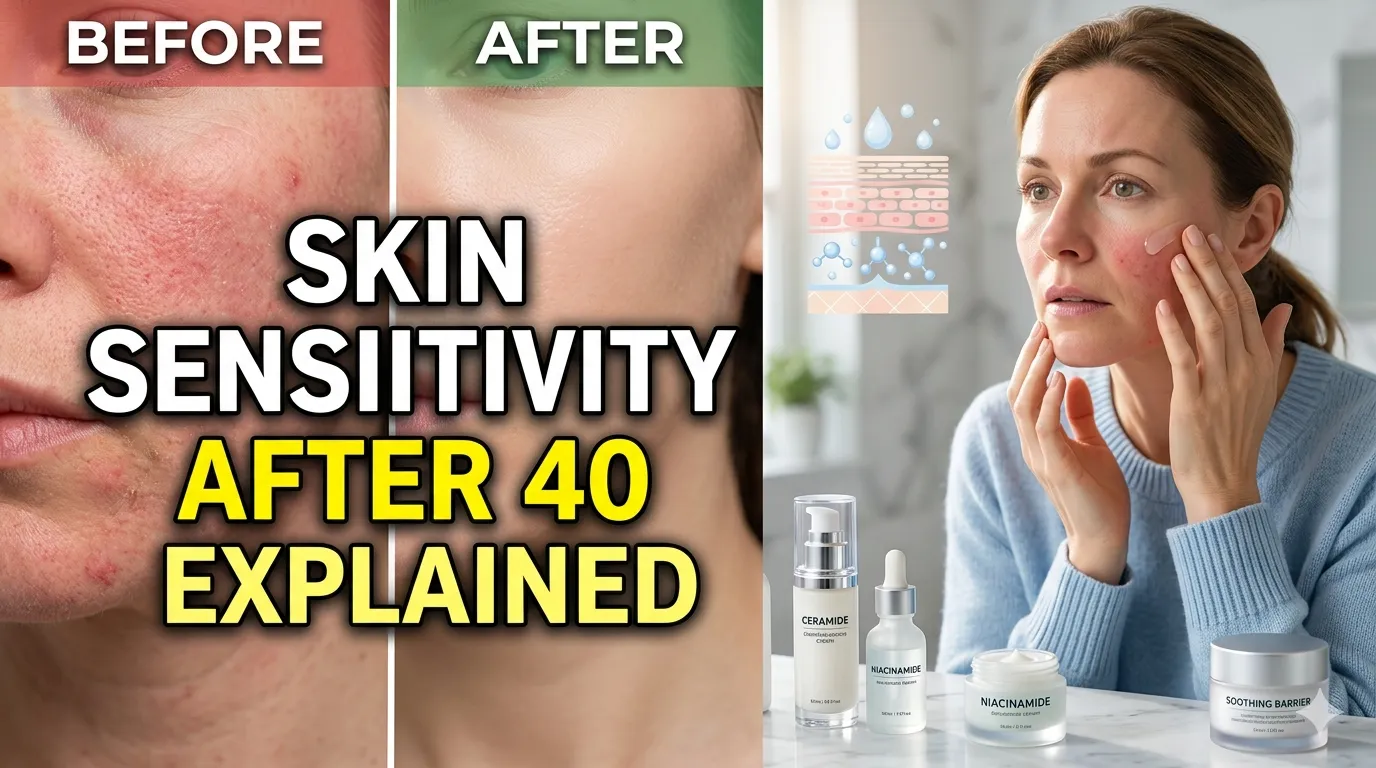
It happens without warning: a product you've used for years suddenly causes redness, stinging, or breakouts. Your skin feels tight after cleansing, reacts to fragrances it once tolerated, or becomes inexplicably dry and irritated. If you're over 40 and experiencing these changes, you're not imagining things—and you're far from alone. Sudden skin sensitivity after 40 is one of the most common yet under-discussed concerns in dermatology.
While many women attribute these changes to "just aging," the reality is more nuanced. Skin sensitivity in your 40s and beyond is rarely about getting "older" in a vague sense—it's about specific, identifiable biological shifts that alter how your skin functions, responds to products, and repairs itself. Understanding these mechanisms is the first step toward reclaiming comfortable, resilient skin.
This comprehensive guide delivers an evidence-based exploration of why sudden skin sensitivity happens after 40 and what you can do about it. You'll learn the hormonal, structural, and environmental factors that drive increased reactivity, discover which ingredients actually calm mature sensitive skin (and which worsen it), build a personalized routine that supports barrier repair, and understand when professional evaluation is warranted. Whether you're navigating perimenopause, managing chronic dryness, or simply seeking to restore your skin's comfort, you'll find practical, medically grounded strategies to soothe sensitivity and support long-term skin health.
Understanding Skin Sensitivity After 40: It's Not "Just Aging"
Before exploring solutions, it's essential to understand what's actually happening beneath the surface. Skin sensitivity after 40 isn't a single condition—it's a symptom with multiple potential drivers.
What "Sensitive Skin" Actually Means
Clinical Definition: Sensitive skin is characterized by reduced tolerance to topical products or environmental factors, manifesting as stinging, burning, itching, tightness, or visible redness.
Key Distinction: Sensitive skin is not the same as:
- Allergic contact dermatitis: Immune-mediated reaction to specific allergens (requires patch testing)
- Irritant contact dermatitis: Direct chemical damage from harsh ingredients
- Rosacea or eczema: Chronic inflammatory conditions requiring medical management
However, hormonal shifts after 40 can make skin more prone to all of these conditions, creating a complex interplay of factors.
The Biological Shifts Driving Sensitivity After 40
| Change | How It Increases Sensitivity | Typical Onset |
|---|---|---|
| Declining estrogen | Reduces collagen, hyaluronic acid, and skin thickness; impairs barrier function | Perimenopause (mid-40s), accelerates in menopause |
| Slower cell turnover | Dead cells accumulate, creating rough texture that traps irritants | Gradual from late 30s; noticeable after 45 |
| Reduced sebum production | Less natural oil = compromised barrier, increased TEWL (transepidermal water loss) | Accelerates during perimenopause |
| Altered skin microbiome | Shifts in bacterial balance can trigger inflammation and reactivity | Variable; influenced by hormones, antibiotics, lifestyle |
| Thinning epidermis | Less protective layer = easier penetration of irritants and allergens | Gradual from 40s; accelerates post-menopause |
| Impaired barrier repair | Slower recovery from minor insults = prolonged sensitivity | Noticeable after repeated minor irritations |
Key Insight: These changes don't happen overnight—but their cumulative effect can create a "tipping point" where previously tolerated products or routines suddenly cause reactions.
Why Sensitivity Feels "Sudden"
Several factors create the perception of abrupt change:
- Hormonal fluctuations: Perimenopause involves erratic estrogen/progesterone shifts that can trigger rapid skin changes
- Threshold effect: Barrier function declines gradually until a minor trigger pushes skin over the edge into visible reactivity
- Product accumulation: Years of using actives (retinoids, AHAs) may finally overwhelm a weakening barrier
- Environmental compounding: Stress, poor sleep, or seasonal changes can amplify underlying vulnerability
Understanding that "sudden" sensitivity often reflects accumulated changes—not a single event—helps frame effective solutions.
Phase 1: Identifying Your Triggers—The Diagnostic Approach
Effective management starts with accurate identification. Not all sensitivity is created equal, and different triggers require different responses.
Common Triggers for Sensitivity After 40
Hormonal Triggers:
- Perimenopausal fluctuations: Estrogen drops reduce skin thickness and barrier lipids; progesterone shifts can increase oiliness or dryness unpredictably
- Menopause: Sustained low estrogen accelerates barrier impairment and inflammation
- Hormone therapy: Starting, stopping, or changing HRT can trigger temporary sensitivity
Product-Related Triggers:
- Over-exfoliation: Years of using AHAs, BHAs, or retinoids may finally compromise a weakening barrier
- Fragrance sensitivity: Aging skin becomes more reactive to fragrance compounds previously tolerated
- Preservative reactions: Parabens, phenoxyethanol, or other preservatives may trigger reactions in compromised skin
- pH imbalance: Alkaline cleansers disrupt skin's acidic mantle, worsening sensitivity
Environmental Triggers:
- Seasonal shifts: Low humidity in winter or high pollen in spring can overwhelm a compromised barrier
- Hard water: Mineral deposits further impair barrier function in already-vulnerable skin
- Pollution and UV exposure: Cumulative oxidative stress weakens skin's defense systems
Lifestyle Triggers:
- Chronic stress: Elevates cortisol, which impairs barrier repair and increases inflammation
- Sleep disruption: Poor sleep reduces skin's overnight repair capacity
- Dietary factors: High sugar, alcohol, or inflammatory foods may exacerbate reactivity
Self-Assessment: Mapping Your Sensitivity Pattern
Track These Details for 2-4 Weeks:
- Timing: When did sensitivity start? Was there a trigger (new product, illness, stress, hormonal change)?
- Location: Is reactivity localized (cheeks, around eyes) or generalized?
- Symptoms: Stinging, burning, itching, redness, dryness, breakouts—note which dominate
- Product history: List all products used in past 3 months; note when reactions began relative to new introductions
- Hormonal context: Menstrual cycle changes, perimenopausal symptoms, HRT use
- Environmental factors: Season, travel, water source changes, new detergents
The "Elimination Challenge" Protocol:
- Pause all actives: Stop retinoids, AHAs, BHAs, vitamin C, and exfoliants for 2 weeks
- Simplify routine: Use only gentle cleanser, barrier-repair moisturizer, and mineral sunscreen
- Reintroduce gradually: After 2 weeks of calm skin, add back one product every 5-7 days
- Monitor reactions: Note which products trigger sensitivity; discontinue if reactions occur
This systematic approach helps distinguish true allergies from barrier-related reactivity.
When to See a Dermatologist
Professional evaluation is recommended if:
- Sensitivity persists after 4-6 weeks of simplified, gentle care
- You experience severe reactions: swelling, blistering, oozing, or pain
- Sensitivity is accompanied by other symptoms: joint pain, fatigue, hair loss (may indicate systemic condition)
- You suspect allergic contact dermatitis (requires patch testing for accurate diagnosis)
- Sensitivity significantly impacts quality of life or mental health
What to Expect at a Dermatology Visit:
- Detailed history review: products, hormones, lifestyle, symptom timeline
- Physical examination: assessing pattern, severity, and signs of underlying conditions
- Patch testing: if allergic contact dermatitis is suspected
- Personalized treatment plan: may include prescription barrier repair, anti-inflammatories, or hormonal evaluation
Phase 2: Understanding the Hormone-Skin Connection
For women over 40, hormonal shifts are often the primary driver of new-onset sensitivity. Understanding this connection is key to effective management.
Estrogen's Role in Skin Health
What Estrogen Does for Skin:
- Stimulates collagen production: Maintains skin thickness and resilience
- Boosts hyaluronic acid: Supports hydration and plumpness
- Enhances barrier lipids: Promotes ceramide synthesis for strong barrier function
- Modulates inflammation: Helps regulate immune responses in skin
- Supports wound healing: Accelerates repair of minor damage
What Happens When Estrogen Declines:
- Skin becomes 30% thinner within first 5 years of menopause
- Ceramide production drops, compromising barrier integrity
- Hyaluronic acid levels fall, reducing moisture retention
- Inflammatory responses become less regulated, increasing reactivity
- Wound healing slows, prolonging recovery from minor irritations
Key Insight: These changes don't just cause dryness—they fundamentally alter how skin responds to products, environment, and stress.
Perimenopause vs. Menopause: Different Challenges
| Stage | Hormonal Pattern | Skin Impact | Management Focus |
|---|---|---|---|
| Perimenopause (typically 40-50) | Erratic estrogen/progesterone; occasional surges and drops | Unpredictable reactions: oily one week, dry the next; increased sensitivity to previously tolerated products | Flexibility: adapt routine to skin's changing needs; prioritize barrier support during low-estrogen phases |
| Menopause (12+ months without period) | Sustained low estrogen; stable but deficient | Consistent dryness, thinning, barrier impairment; heightened sensitivity to irritants | Consistency: daily barrier repair, gentle actives, hormonal evaluation if appropriate |
Other Hormonal Influences
Thyroid Function:
- Hypothyroidism (more common after 40) causes dry, rough, sensitive skin
- Hyperthyroidism can cause thin, fragile, reactive skin
- Thyroid disorders often coincide with perimenopause, compounding skin changes
Cortisol and Stress:
- Chronic stress elevates cortisol, which impairs barrier repair and increases inflammation
- Perimenopausal hormonal shifts can amplify stress responses
- Stress-induced sensitivity often improves with stress management + barrier support
Insulin and Blood Sugar:
- Insulin resistance (more common after 40) promotes inflammation that can worsen skin reactivity
- Blood sugar spikes may trigger inflammatory responses in sensitive skin
Phase 3: Building a Gentle, Effective Routine for Sensitive Mature Skin
With triggers identified and hormonal context understood, you can build a routine that soothes sensitivity while supporting skin health.
The Core Principles of Sensitive Mature Skin Care
Principle #1: Less Is More
- Reduce product count: 3-5 essential products often work better than complex routines
- Avoid layering multiple actives; introduce one new product at a time
- Focus on barrier repair before adding anti-aging actives
Principle #2: Gentle Is Non-Negotiable
- Choose pH-balanced, fragrance-free, non-foaming cleansers
- Avoid physical exfoliants (scrubs) that can micro-tear thinning skin
- Use lukewarm (not hot) water to prevent further barrier stripping
Principle #3: Barrier Repair Is Foundational
- Prioritize ceramides, cholesterol, and fatty acids in 3:1:1 ratio
- Apply moisturizer to damp skin to lock in hydration
- Use occlusives (squalane, light petrolatum) at night for extra protection
Principle #4: Patience Over Speed
- Barrier repair takes 4-8 weeks of consistent care
- Don't abandon routine too soon; give products time to work
- Track progress with photos and symptom logs, not just daily mirror checks
Product Selection Guide: What to Look For (and Avoid)
Cleansers:
| Look For | Avoid | Recommended Examples |
|---|---|---|
| • Non-foaming, cream or milk textures • pH 5.0-5.5 • Glycerin, panthenol, allantoin • Fragrance-free, dye-free | • Sulfates (SLS/SLES) • High-foaming formulas • Fragrance, essential oils • Alcohol denat. high on ingredient list | • Vanicream Gentle Facial Cleanser • La Roche-Posay Toleriane Hydrating Gentle Cleanser • CeraVe Hydrating Cleanser |
Moisturizers:
| Look For | Avoid | Recommended Examples |
|---|---|---|
| • Ceramides NP/AP/EOP + cholesterol + fatty acids • Niacinamide 4-5% (barrier support) • Hyaluronic acid, glycerin for hydration • Lightweight occlusives: squalane, dimethicone | • Heavy fragrances • High concentrations of essential oils • Comedogenic oils if prone to breakouts • High alcohol content | • CeraVe Moisturizing Cream • La Roche-Posay Toleriane Double Repair • Illiyoon Ceramide Ato Concentrate Cream • SkinCeuticals Triple Lipid Restore (premium) |
Serums and Treatments:
| Beneficial Ingredients | Use With Caution | Application Tips |
|---|---|---|
| • Niacinamide 4-5%: barrier support, anti-inflammatory • Centella asiatica: soothes, supports repair • Panthenol (B5): hydrates, calms irritation • Low-dose retinaldehyde: gentler than retinol for mature skin | • High-concentration vitamin C (L-ascorbic acid >10%) • Strong AHAs/BHAs (>5% glycolic, >2% salicylic) • High-strength retinoids without buffering • Essential oils, fragrance | • Patch test new products on jawline for 3 days • Apply serums to damp skin for better tolerance • Buffer actives with moisturizer if sensitivity occurs • Start with 1-2x weekly frequency; increase slowly |
Sunscreen:
- Mineral formulas: Zinc oxide/titanium dioxide less likely to irritate sensitive skin
- Tinted options: Iron oxides protect against visible light, which can trigger sensitivity in some
- Fragrance-free: Avoid added fragrance in sunscreens for sensitive skin
- Recommended: EltaMD UV Clear Tinted SPF 46, La Roche-Posay Anthelios Mineral SPF 50, Colorescience Sunforgettable SPF 50
Sample Routine for Sensitive Mature Skin
Morning:
- Gentle cleanse: Lukewarm water + non-foaming cleanser (or just water if skin is very dry)
- Soothing serum: Niacinamide 4% or centella serum applied to damp skin
- Barrier moisturizer: Ceramide-rich cream to lock in hydration
- Mineral sunscreen: Tinted SPF 30+ with iron oxides for visible light protection
Evening:
- Gentle cleanse: Remove sunscreen and daily impurities without stripping
- Treatment (optional, 2-3x weekly): Low-dose retinaldehyde or gentle peptide serum
- Barrier-repair moisturizer: Richer formula with ceramides + light occlusive
- Spot treatment (if needed): Centella or panthenol spot treatment for reactive areas
Weekly Additions:
- Hydrating mask: 1x weekly with hyaluronic acid or colloidal oatmeal
- Gentle exfoliation: 1x every 2 weeks with PHA or low-dose lactic acid (only if barrier is stable)
- Facial massage: 2-3 minutes with moisturizer to boost circulation and product absorption
Phase 4: Advanced Strategies—When Basic Care Isn't Enough
For persistent sensitivity, these evidence-based approaches provide deeper support.
Prescription and Medical-Grade Options
Barrier-Repair Prescriptions:
- Epiceram, Atopiclair: Prescription barrier creams with optimized lipid ratios for severe barrier impairment
- Topical calcineurin inhibitors: Tacrolimus or pimecrolimus for inflammatory sensitivity (requires dermatologist)
Hormonal Evaluation:
- Blood testing: Check estrogen, progesterone, thyroid, and cortisol levels if sensitivity coincides with other symptoms
- HRT discussion: For some women, hormone therapy significantly improves skin barrier function and reduces sensitivity
- Topical estrogen: Emerging research on compounded topical estrogen for localized skin benefits (discuss with provider)
Professional Treatments:
- LED light therapy: Red light may reduce inflammation and support barrier repair
- Gentle chemical peels: Very low-concentration mandelic or lactic acid peels performed by experienced provider
- Hydrating facials: Professional-grade hyaluronic acid or ceramide infusions for immediate barrier support
Lifestyle Modifications That Support Skin Resilience
Stress Management:
- Daily mindfulness: 10 minutes of meditation or deep breathing reduces cortisol and inflammation
- Sleep prioritization: 7-9 hours nightly supports overnight barrier repair
- Gentle movement: Walking, yoga, or tai chi reduces stress without triggering inflammation
Nutrition for Barrier Support:
| Nutrient | Role in Skin Sensitivity | Food Sources |
|---|---|---|
| Omega-3 fatty acids | Reduce inflammation; support barrier lipid production | Fatty fish, flaxseeds, walnuts, chia seeds |
| Vitamin D | Modulates immune responses in skin; deficiency linked to increased reactivity | Fatty fish, fortified foods, sunlight (with protection) |
| Zinc | Supports barrier repair and wound healing; anti-inflammatory | Oysters, beef, pumpkin seeds, chickpeas |
| Antioxidants (Vitamins C, E) | Protect barrier lipids from oxidative damage | Berries, nuts, leafy greens, citrus |
Environmental Modifications:
- Humidify indoor air: Maintain 40-60% humidity to support barrier function
- Filter water: Hard water minerals can further impair sensitive skin; consider shower filter
- Choose gentle fabrics: Cotton, silk, or bamboo next to skin; avoid wool or synthetic irritants
- Use fragrance-free detergents: Reduce contact irritants from laundry
Special Considerations: Skin of Color, Rosacea, and Eczema
Certain populations face unique challenges with sensitivity after 40.
Women of Color: Unique Considerations
- Higher risk of post-inflammatory hyperpigmentation (PIH): Sensitivity reactions may leave lasting dark marks
- Barrier differences: Some studies suggest variations in ceramide composition that may affect product tolerance
- Cultural product considerations: Some traditional hair/skin products may contain irritants; patch test thoroughly
- Management strategy: Prioritize gentle, fragrance-free products; address sensitivity quickly to prevent PIH; seek providers experienced with skin of color
Coexisting Rosacea or Eczema
Rosacea Overlap:
- Rosacea often emerges or worsens in 40s; sensitivity may be early sign
- Triggers overlap: heat, stress, alcohol, spicy foods, harsh skincare
- Management: Gentle routine + prescription options (ivermectin, brimonidine) if diagnosed
Eczema (Atopic Dermatitis) Overlap:
- Adult-onset eczema can appear in 40s; barrier impairment is central
- Flares may be triggered by hormonal shifts, stress, or environmental changes
- Management: Intensive barrier repair + prescription anti-inflammatories during flares
Key Principle: If you have rosacea or eczema, work with a dermatologist to distinguish hormonal sensitivity from disease flares—management strategies differ.
Frequently Asked Questions
Can I ever use actives like retinoids or vitamin C again?
Yes—with strategic modifications: - Wait for barrier stability: Ensure skin is calm for 4-6 weeks before reintroducing actives - Start low and slow: Begin with lowest concentration (e.g., retinaldehyde 0.05%, vitamin C 10%) - Buffer application: Apply moisturizer before and after actives to reduce irritation - Reduce frequency: Use 1-2x weekly initially; increase only if tolerated - Monitor closely: Discontinue if stinging, redness, or dryness increases Many women successfully reintroduce actives after barrier repair—patience and gradual reintroduction are key.
How long does it take to calm sensitive skin after 40?
Timeline varies by severity and consistency: - Mild reactivity: 2-4 weeks of consistent gentle care - Moderate sensitivity: 4-8 weeks with barrier-focused routine - Severe or chronic sensitivity: 8-12+ weeks; may require professional guidance Key factors: Consistency with routine, avoiding further irritants, addressing hormonal or medical contributors. Track progress with photos and symptom logs—not just daily mirror checks.
Should I stop all products and start over?
Not necessarily. A strategic reset is more effective than complete elimination: - Keep basics: Gentle cleanser, barrier moisturizer, mineral sunscreen - Pause actives: Temporarily stop retinoids, acids, vitamin C - Eliminate potential irritants: Fragrance, essential oils, high-alcohol products - Reintroduce gradually: Add back one product every 5-7 days; monitor for reactions This approach maintains essential protection while identifying specific triggers.
Can hormonal therapy help skin sensitivity?
For some women, yes: - Systemic HRT: Can improve skin thickness, hydration, and barrier function in menopausal women - Topical estrogen: Emerging evidence for localized skin benefits with minimal systemic absorption - Considerations: HRT has risks/benefits that vary by individual; discuss with healthcare provider - Not a standalone solution: Even with HRT, gentle skincare and barrier support remain essential Hormonal therapy is one tool—not a cure-all—for sensitivity management.
When should I worry about sudden skin sensitivity?
Seek prompt medical evaluation if sensitivity is accompanied by: - Severe swelling, blistering, or oozing - Fever, joint pain, or systemic symptoms - Rapidly spreading rash or hives - Difficulty breathing or swallowing (seek emergency care) - No improvement after 6-8 weeks of consistent gentle care These signs may indicate allergic reaction, infection, or systemic condition requiring medical attention.
Conclusion: Embracing Skin Changes with Knowledge and Compassion
Sudden skin sensitivity after 40 isn't a personal failure—it's a biological reality for many women navigating hormonal shifts, cumulative environmental exposure, and the natural evolution of skin biology. Understanding the "why" behind your sensitivity is the first step toward effective management.
The path forward isn't about returning to the skin you had at 30. It's about working with your skin's current needs: supporting barrier function, reducing inflammation, and choosing products that soothe rather than stimulate. With patience, consistency, and the right strategies, sensitive mature skin can become calm, resilient, and radiant.
Key takeaways for managing skin sensitivity after 40:
- Identify triggers: Hormonal shifts, product overload, and environmental factors often combine to drive sensitivity
- Prioritize barrier repair: Ceramides, cholesterol, and fatty acids are foundational for resilient skin
- Simplify your routine: Fewer, gentler products often work better than complex regimens
- Be patient: Barrier repair takes weeks; consistency matters more than speed
- Address hormones: Discuss hormonal evaluation if sensitivity coincides with perimenopausal symptoms
- Seek help when needed: Dermatologists can distinguish sensitivity from conditions requiring medical treatment
- Practice self-compassion: Skin changes are normal; your worth isn't defined by your complexion
Your skin has carried you through decades of life. Honoring its changing needs with knowledge, gentle care, and realistic expectations isn't just skincare—it's self-respect.
Start today. Choose one action from this guide to implement this week: perhaps switching to a gentle cleanser, adding a ceramide moisturizer, or simply applying sunscreen to damp skin. Small, intentional steps compound into meaningful change over time.
Your calmest, most comfortable skin is within reach. Trust the process, support your barrier, and embrace the wisdom of working with your skin—not against it.
Here's to your healthiest, most resilient skin yet.


0 Comments