

Sunburn Relief: How to Soothe and Heal Your Skin Fast
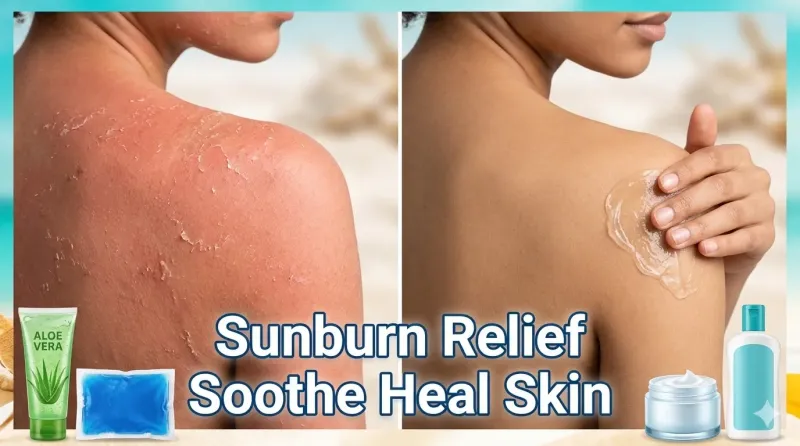
There's nothing quite like the sting of a sunburn to remind you that fun in the sun comes with consequences. Whether you fell asleep on the beach, forgot to reapply sunscreen during a hike, or simply underestimated the strength of midday rays, sunburn can leave your skin red, painful, and peeling for days. The good news? With the right approach, you can soothe and heal sunburned skin fast, minimizing discomfort and speeding up recovery.
Sunburn is more than just a temporary inconvenience—it's a sign of skin damage caused by ultraviolet (UV) radiation. While mild sunburns typically heal on their own within a few days, proper care can significantly reduce pain, inflammation, and long-term damage. This comprehensive guide provides science-backed strategies for immediate sunburn relief, from cooling treatments and anti-inflammatory remedies to hydration tips and warning signs that require medical attention.
Whether you're dealing with a mild pink glow or a severe, blistering burn, you'll find actionable, dermatologist-approved advice to help your skin recover. We'll explore the best home remedies, over-the-counter treatments, and prevention strategies to keep your skin healthy and protected. Let's dive into how to calm the burn and restore your skin's comfort—fast.
Understanding Sunburn: What Happens to Your Skin
Before treating sunburn, it's helpful to understand what's happening beneath the surface. Sunburn occurs when UV radiation damages the DNA in skin cells, triggering an inflammatory response.
Key stages of sunburn:
- Immediate damage (0-6 hours): UV rays penetrate skin, damaging cellular DNA and triggering inflammation
- Redness and pain (6-24 hours): Blood vessels dilate, causing redness, warmth, and tenderness
- Peak inflammation (24-72 hours): Swelling, pain, and sometimes blistering reach maximum intensity
- Peeling and healing (3-7 days): Damaged outer skin layers shed as new cells regenerate
Research published in the Journal of the American Academy of Dermatology confirms that even a single severe sunburn in childhood or adolescence can more than double the risk of melanoma later in life [[18]]. This underscores why proper treatment and prevention matter—not just for comfort, but for long-term health.
Immediate Relief: First Steps for Sunburn Care
Acting quickly after sun exposure can significantly reduce the severity and duration of sunburn. These evidence-based steps provide immediate relief.
Cool the Skin Gently
Why it works: Cool temperatures constrict blood vessels, reducing inflammation and numbing nerve endings that transmit pain.
How to do it safely:
- Take a cool (not cold) shower or bath for 10-15 minutes
- Apply a clean, damp cloth to affected areas for 15-20 minutes at a time
- Avoid ice or ice packs directly on skin—they can cause further tissue damage
- Pat skin dry gently; never rub
Pro tip: Add colloidal oatmeal to bathwater for additional soothing benefits. Oatmeal contains anti-inflammatory compounds that calm irritated skin.
Hydrate Inside and Out
Why it works: Sunburn draws fluid to the skin's surface and away from the rest of the body, potentially causing dehydration. Replenishing fluids supports healing and reduces systemic symptoms like headache or fatigue.
Hydration strategies:
- Drink extra water throughout the day (aim for 8-10 glasses)
- Include electrolyte-rich beverages if you're experiencing fatigue or dizziness
- Apply a fragrance-free moisturizer to damp skin to lock in hydration
- Avoid alcohol and caffeine, which can worsen dehydration
Take an Anti-Inflammatory Medication
Why it works: Nonsteroidal anti-inflammatory drugs (NSAIDs) like ibuprofen or naproxen reduce inflammation, pain, and swelling at the cellular level.
Usage guidelines:
- Take as soon as you notice sunburn symptoms for maximum benefit
- Follow package dosing instructions; don't exceed recommended amounts
- Continue for 24-48 hours if pain persists
- Consult a doctor before use if you have kidney issues, stomach ulcers, or take blood thinners
Note: Acetaminophen can help with pain but doesn't reduce inflammation like NSAIDs do.
Top Home Remedies for Sunburn Relief
These natural, accessible remedies can provide significant comfort while your skin heals.
Aloe Vera: The Gold Standard for Sunburn Care
Why it works: Aloe vera contains polysaccharides, glycoproteins, and antioxidants that reduce inflammation, promote healing, and provide a cooling sensation.
How to use it effectively:
- Choose pure aloe vera gel (95%+ aloe) without alcohol, fragrance, or added colors
- Chill the gel in the refrigerator for enhanced cooling effect
- Apply a thin layer to clean, damp skin 2-3 times daily
- Let it absorb fully before applying other products
Research insight: A review in Phytotherapy Research found that topical aloe vera significantly accelerated wound healing and reduced inflammation in UV-damaged skin [[22]].
DIY option: If you have an aloe plant, cut a leaf, slice it open, and apply the fresh gel directly. Rinse off any yellow latex (aloin), which can irritate skin.
Cool Compresses with Green Tea or Black Tea
Why it works: Tea contains tannins and polyphenols with anti-inflammatory and antioxidant properties that soothe irritated skin.
Application method:
- Brew 2-3 tea bags in hot water, then cool completely
- Soak a clean cloth in the tea and wring out excess liquid
- Apply to sunburned areas for 15-20 minutes
- Repeat 2-3 times daily
Best for: Face, neck, and other sensitive areas where gentle treatment is essential.
Oatmeal Baths for Widespread Sunburn
Why it works: Colloidal oatmeal (finely ground oats) forms a protective barrier on skin, locks in moisture, and contains avenanthramides that reduce itching and inflammation.
How to prepare:
- Grind plain, unflavored oats into a fine powder using a blender or food processor
- Add 1 cup to a lukewarm bath and stir until water becomes milky
- Soak for 15-20 minutes
- Pat skin dry and apply moisturizer immediately
Alternative: Use commercially prepared colloidal oatmeal products designed for sensitive skin.
Hydrating Moisturizers with Soothing Ingredients
Key ingredients to look for:
- Hyaluronic acid: Draws moisture into skin, reducing tightness and flaking
- Ceramides: Restore skin barrier function compromised by UV damage
- Panthenol (Pro-Vitamin B5): Soothes and accelerates healing
- Allantoin: Promotes cell regeneration and reduces irritation
Application tip: Apply moisturizer to damp skin within 3 minutes of bathing to seal in hydration. Reapply every few hours as needed.
Over-the-Counter Treatments That Work
When home remedies aren't enough, these OTC options provide targeted relief.
Hydrocortisone Cream for Inflammation
Best for: Red, inflamed areas with significant discomfort
How to use:
- Apply a thin layer of 1% hydrocortisone cream to affected areas
- Use 1-2 times daily for no more than 7 days
- Avoid face, groin, or broken skin unless directed by a doctor
Caution: Prolonged use can thin skin; use only as directed for short-term relief.
Pain Relief Gels with Lidocaine or Pramoxine
Best for: Localized pain, burning, or itching
Benefits:
- Topical anesthetics numb nerve endings for immediate pain relief
- Fast-acting and non-systemic (won't cause drowsiness)
- Can be used alongside oral pain medications
Usage guidelines:
- Apply sparingly to intact skin only (avoid blisters or broken skin)
- Follow package directions for frequency
- Discontinue if irritation occurs
Oral Antihistamines for Itching
Best for: Sunburns that itch as they heal
Options:
- Diphenhydramine (Benadryl): Effective but may cause drowsiness
- Cetirizine (Zyrtec) or Loratadine (Claritin): Non-drowsy alternatives
Pro tip: Take antihistamines at bedtime if using sedating formulas to improve sleep quality during recovery.
What to Avoid When Treating Sunburn
Certain well-intentioned actions can actually worsen sunburn or delay healing. Steer clear of these common mistakes.
"-Caine" Products with Benzocaine or Lidocaine (in excess)
The problem: While topical anesthetics can help, products with high concentrations of benzocaine may cause allergic reactions or contact dermatitis in some people.
The solution: Use sparingly and patch test first. Discontinue if you notice increased redness, itching, or rash.
Butter, Oil, or Petroleum-Based Products Early On
The problem: Heavy occlusives like petroleum jelly trap heat in the skin, potentially worsening inflammation in the first 24-48 hours.
The solution: Wait until the initial heat and redness subside before using heavier moisturizers. Start with lightweight, water-based gels or lotions.
Exfoliating or Picking at Peeling Skin
The problem: Peeling is your body's natural way of shedding damaged cells. Forcing it off prematurely can expose raw skin, increase infection risk, and lead to scarring or hyperpigmentation.
The solution: Let skin peel naturally. Keep the area moisturized to minimize flaking and discomfort. If loose skin is bothersome, trim carefully with clean scissors—don't pull.
Further Sun Exposure
The problem: Sunburned skin is extremely vulnerable to additional UV damage, which can worsen burns and increase long-term skin cancer risk.
The solution: Stay out of the sun until fully healed. If you must go outside, wear loose, tightly woven clothing, a wide-brimmed hat, and apply broad-spectrum SPF 30+ sunscreen to unaffected areas.
Hot Showers or Baths
The problem: Hot water strips natural oils, further drying and irritating already compromised skin.
The solution: Stick to lukewarm or cool water for bathing and showering during recovery.
Special Care for Blistering Sunburns
Severe sunburns that form blisters require extra caution to prevent infection and promote healing.
Do's for Blister Care
- Leave blisters intact: They protect underlying skin and reduce infection risk
- Cover loosely: Use a non-stick bandage or gauze if blisters are in areas prone to friction
- Keep clean: Gently wash with mild soap and water; pat dry
- Apply antibiotic ointment: If a blister breaks, use a thin layer of bacitracin or similar to prevent infection
Don'ts for Blister Care
- Don't pop or drain blisters intentionally
- Don't apply adhesive bandages directly to blisters
- Don't use harsh antiseptics like hydrogen peroxide or alcohol
- Don't ignore signs of infection (increasing redness, pus, fever)
When Blisters Break Naturally
- Gently clean the area with mild soap and water
- Apply a thin layer of antibiotic ointment
- Cover with a non-stick bandage
- Change dressing daily or if it becomes wet/dirty
- Monitor for signs of infection
Supporting Healing: Nutrition and Lifestyle
What you do internally significantly impacts how quickly your skin recovers.
Anti-Inflammatory Foods to Prioritize
Omega-3 rich foods: Fatty fish (salmon, mackerel), walnuts, chia seeds, and flaxseeds help reduce systemic inflammation.
Antioxidant-packed produce: Berries, leafy greens, tomatoes, and colorful vegetables combat oxidative stress from UV damage.
Vitamin C sources: Citrus fruits, bell peppers, and broccoli support collagen production and skin repair.
Zinc-rich foods: Pumpkin seeds, lentils, and lean meats promote wound healing and immune function.
Hydration Strategies
Beyond drinking water:
- Eat water-rich foods like cucumber, watermelon, and celery
- Include electrolyte sources (coconut water, bananas) if you're experiencing fatigue
- Limit diuretics like alcohol and excessive caffeine
Sleep and Rest
Quality sleep is when your body does most of its repair work. Prioritize:
- 7-9 hours of uninterrupted sleep nightly
- Cool, dark sleeping environment to support skin recovery
- Loose, soft bedding to minimize friction on sunburned areas
Preventing Peeling and Long-Term Damage
While some peeling is inevitable with moderate to severe sunburn, these strategies can minimize it and support healthier healing.
Keep Skin Continuously Moisturized
Dry skin peels more readily. Apply a gentle, fragrance-free moisturizer:
- Immediately after bathing while skin is still damp
- Every 3-4 hours during the day
- Before bed for overnight repair
Avoid Harsh Skincare Products
During recovery, skip:
- Retinoids, AHAs, BHAs, or other exfoliating actives
- Fragranced lotions or body sprays
- Alcohol-based toners or astringents
- Physical scrubs or loofahs
These can further irritate compromised skin and delay healing.
Protect Healing Skin from Sun
New skin is extremely sensitive to UV damage. Until fully healed:
- Stay in shade whenever possible
- Wear UPF 50+ clothing for coverage
- Apply mineral sunscreen (zinc oxide or titanium dioxide) to unaffected areas
- Avoid peak sun hours (10 AM - 4 PM)
When to See a Doctor for Sunburn
Most sunburns heal at home, but certain symptoms warrant medical evaluation.
Seek Immediate Medical Attention If You Experience:
- Severe blistering: Covering a large area of your body
- Signs of infection: Increasing pain, redness, warmth, pus, or red streaks
- Systemic symptoms: High fever (>101.3°F/38.5°C), chills, nausea, vomiting, or confusion
- Dehydration: Dizziness, extreme thirst, reduced urination, or dry mouth
- Eye pain or vision changes: Possible sign of photokeratitis (sunburn of the eyes)
- No improvement: After 48 hours of home care
Special Considerations for Children and Infants
Babies and young children are more vulnerable to sunburn complications. Contact a pediatrician if:
- An infant under 1 year has any sunburn
- A child develops blisters, fever, or seems unusually irritable
- You're unsure about appropriate treatment for a child's sunburn
Frequently Asked Questions About Sunburn Relief
How long does sunburn take to heal?
Mild sunburns typically improve within 3-5 days, with peeling occurring around days 4-7. Moderate to severe burns may take 7-10 days or longer to fully heal. Proper care can speed recovery and reduce discomfort, but skin cell regeneration follows its own timeline.
Can I use makeup on sunburned skin?
It's best to avoid makeup on actively sunburned skin, as it can trap heat, clog pores, and irritate sensitive areas. If you must cover redness, use a mineral-based, fragrance-free product and remove it gently at the end of the day. Prioritize healing over cosmetics.
Does aloe vera really help sunburn?
Yes. Multiple studies confirm that pure aloe vera gel reduces inflammation, accelerates healing, and provides cooling relief for sunburned skin. For best results, use products with 95%+ aloe content and apply to clean, damp skin. Avoid formulas with alcohol or added fragrances.
Should I pop sunburn blisters?
No. Blisters protect the delicate skin underneath and reduce infection risk. Let them heal naturally. If a blister breaks on its own, clean the area gently, apply antibiotic ointment, and cover with a non-stick bandage.
Can I get sunburned on a cloudy day?
Absolutely. Up to 80% of UV rays penetrate cloud cover. You can also get sunburned through windows, as UVA rays pass through glass. Always use broad-spectrum sunscreen daily, regardless of weather or indoor/outdoor plans.
What's the difference between sunburn and sun poisoning?
"Sun poisoning" isn't a medical term but typically refers to severe sunburn with systemic symptoms like fever, chills, nausea, headache, or dizziness. It requires medical evaluation. Mild sunburn affects only the skin; "sun poisoning" indicates a more serious reaction requiring professional care.
Prevention: Avoiding Sunburn in the Future
The best sunburn treatment is prevention. These evidence-based strategies protect your skin year-round.
Sunscreen Best Practices
Choose wisely:
- Broad-spectrum SPF 30 or higher
- Water-resistant if swimming or sweating
- Mineral (zinc oxide/titanium dioxide) for sensitive skin
Apply correctly:
- Use 1 ounce (a shot glass full) for full body coverage
- Apply 15-30 minutes before sun exposure
- Reapply every 2 hours, or immediately after swimming/sweating
- Don't forget ears, lips, back of neck, and tops of feet
Smart Sun Behavior
- Seek shade: Especially between 10 AM and 4 PM when UV rays are strongest
- Wear protective clothing: Long sleeves, pants, wide-brimmed hats, and UV-blocking sunglasses
- Check the UV index: Plan outdoor activities around lower-risk times
- Be extra cautious near water, snow, or sand: These surfaces reflect UV rays, increasing exposure
Year-Round Protection
UV damage accumulates over a lifetime. Make sun protection a daily habit:
- Apply sunscreen to face and hands every morning, even in winter
- Use lip balm with SPF 15+
- Consider UV-protective window film for home and car
- Teach children sun safety from an early age
Conclusion: Heal Now, Protect Forever
Sunburn is your skin's distress signal—a clear message that UV damage has occurred. While you can't undo the injury, prompt, proper care can significantly reduce pain, speed healing, and minimize long-term consequences.
Remember the core principles: cool the skin gently, hydrate inside and out, use anti-inflammatory remedies like aloe vera, avoid further sun exposure, and listen to your body. Most importantly, let this experience reinforce the importance of prevention. Every time you apply sunscreen, seek shade, or wear protective clothing, you're investing in your skin's health for years to come.
Start healing today. Gather aloe vera, a cool compress, and a gentle moisturizer. Take an anti-inflammatory if needed, drink plenty of water, and give your skin the rest it deserves. With consistent care, your skin will recover—and you'll be better prepared to enjoy the sun safely in the future.
Your skin is your body's largest organ and your first line of defense. Treat it with the care it deserves, and it will serve you well for a lifetime.