

Sweat Pimples and Heat Rash: Causes and Proven Solutions
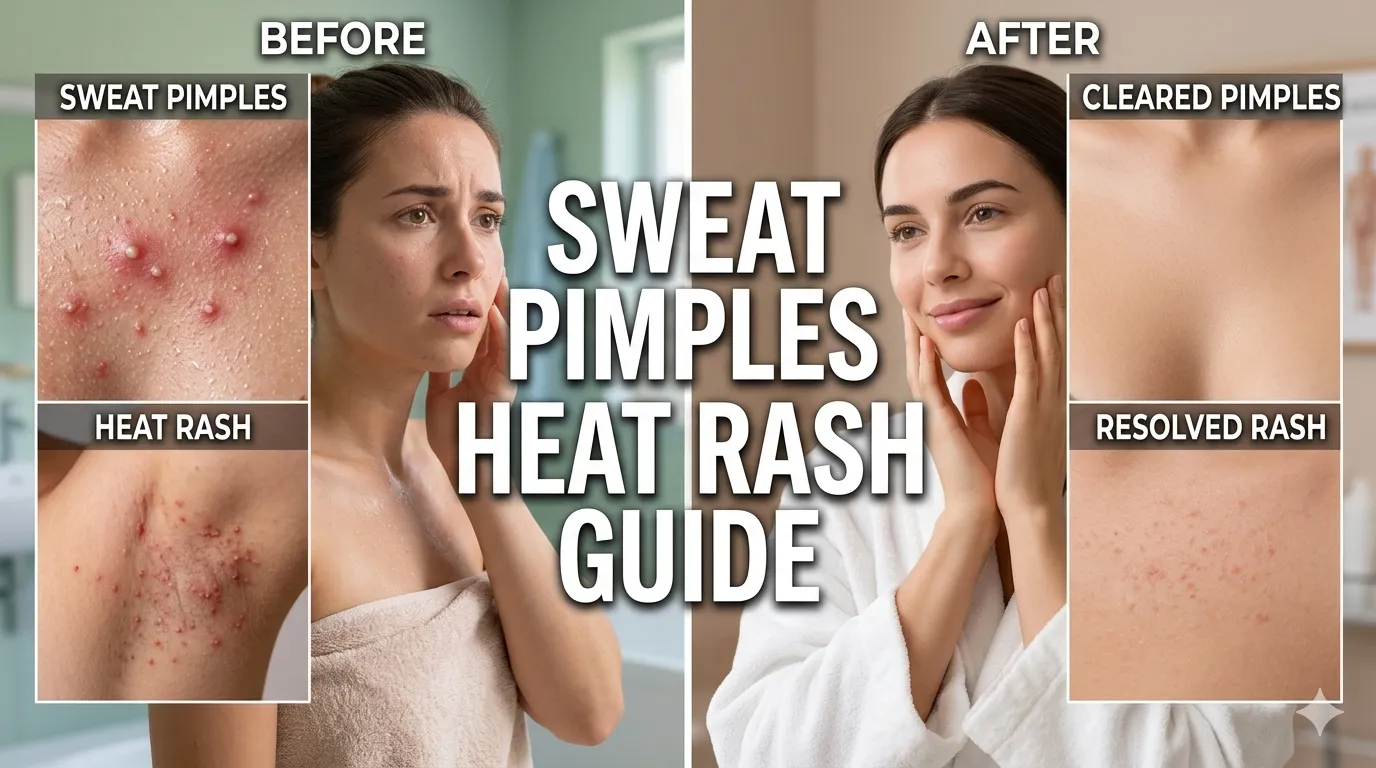
Understanding and Treating Sweat-Related Skin Irritation
Sweat pimples and heat rash are among the most common and frustrating skin concerns, especially during hot weather, intense exercise, or in humid climates. These uncomfortable conditions can affect anyone, from athletes to office workers, and from infants to adults. While often dismissed as minor annoyances, understanding the science behind why they form is key to preventing and treating them effectively.
Sweat pimples and heat rash are not the same condition, though they're often confused. Sweat pimples (also called acne mechanica or folliculitis) occur when sweat, bacteria, and dead skin cells clog hair follicles. Heat rash (miliaria) develops when sweat ducts become blocked, trapping sweat beneath the skin. Both conditions cause uncomfortable bumps, but they require different treatment approaches.
This comprehensive, dermatologist-backed guide explains the science behind sweat-related skin issues, reveals why your skin reacts this way, and provides evidence-based solutions for prevention and treatment. Whether you're dealing with post-workout breakouts, summer heat rash, or recurring sweat pimples, you'll discover practical strategies to keep your skin clear, comfortable, and healthy—even in the hottest conditions.
What Are Sweat Pimples? The Science Explained
Understanding Acne Mechanica and Folliculitis
Sweat pimples typically fall into two categories:
Acne Mechanica: This form of acne is triggered by a combination of heat, friction, pressure, and trapped sweat. It commonly occurs in areas where skin rubs against skin or clothing—under sports bras, helmet straps, backpack straps, or tight workout gear.
Folliculitis: This is inflammation of hair follicles caused by bacterial or fungal infection. When sweat creates a warm, moist environment, bacteria (particularly Staphylococcus aureus) or yeast (Malassezia) can multiply and infect hair follicles, creating pimple-like bumps.
Scientific insight: Dr. Rachel Kim, board-certified dermatologist specializing in sports dermatology, explains: "Sweat itself doesn't cause acne. However, when sweat mixes with bacteria, dead skin cells, and oils on your skin's surface, and then gets trapped under tight clothing or equipment, it creates the perfect environment for breakouts. The friction from clothing or equipment further irritates the skin, worsening inflammation."
How Sweat Pimples Form: The Biological Process
The development of sweat pimples follows a specific sequence:
- Sweat production: During exercise or heat exposure, your eccrine sweat glands produce sweat to cool your body
- Mixing with skin debris: Sweat mixes with sebum (oil), dead skin cells, and bacteria naturally present on your skin
- Trapping: Tight clothing, equipment, or skin-on-skin contact traps this mixture against your skin
- Follicle clogging: The mixture penetrates and clogs hair follicles
- Bacterial proliferation: Propionibacterium acnes bacteria multiply in the clogged, oxygen-deprived environment
- Inflammation: Your immune system responds, causing redness, swelling, and pus formation
Key difference from regular acne: Sweat pimples are primarily caused by external factors (friction, trapped sweat, bacteria) rather than hormonal fluctuations, though hormones can still play a role in severity.
What Is Heat Rash? Understanding Miliaria
The Three Types of Heat Rash
Heat rash (miliaria) occurs when sweat ducts become blocked, preventing sweat from reaching the skin's surface. There are three distinct types, classified by the depth of duct blockage:
Miliaria Crystallina (Superficial):
- Appearance: Clear, fluid-filled blisters that break easily
- Depth: Blockage in the uppermost layer of skin (stratum corneum)
- Symptoms: Usually not itchy or painful; blisters look like dew drops
- Common in: Infants, bedridden adults, people with fever
- Resolution: Clears quickly once skin cools
Miliaria Rubra (Deep) - "Prickly Heat":
- Appearance: Red, inflamed bumps that feel prickly or itchy
- Depth: Blockage deeper in the epidermis
- Symptoms: Intense itching, burning, prickling sensation
- Common in: Adults in hot, humid conditions; areas covered by clothing
- Complications: Can become infected if scratched
Miliaria Profunda (Deepest):
- Appearance: Flesh-colored, firm bumps
- Depth: Blockage at the dermal-epidermal junction (deepest layer)
- Symptoms: Less itchy but can cause significant discomfort
- Common in: Tropical climates; people who've had recurrent miliaria rubra
- Risk: Can lead to heat exhaustion due to impaired sweating
Why Sweat Ducts Become Blocked
Several factors contribute to sweat duct obstruction:
Immature sweat ducts: In infants, sweat ducts aren't fully developed and can rupture easily, causing miliaria crystallina.
Keratin buildup: Dead skin cells (keratin) can accumulate and block sweat duct openings, particularly in areas of friction.
Bacterial overgrowth: Staphylococcus epidermidis bacteria produce a sticky substance that can clog sweat ducts.
Heavy creams and ointments: Thick, occlusive products can physically block sweat duct openings.
Prolonged moisture: Constant exposure to sweat softens skin and causes duct swelling, leading to blockage.
Sweat Pimples vs. Heat Rash: Key Differences
How to Tell Them Apart
While both conditions are triggered by heat and sweat, they have distinct characteristics:
Appearance:
- Sweat pimples: Red, inflamed bumps with white or yellow pus-filled centers; resemble typical acne
- Heat rash: Small red bumps or clear blisters; no pus; may look like tiny water bubbles
Location:
- Sweat pimples: Areas with friction and trapped sweat (back, chest, shoulders, under breasts, groin, under helmet straps)
- Heat rash: Areas where sweat accumulates (neck, chest, armpits, elbow creases, groin, under breasts)
Sensation:
- Sweat pimples: Tender, painful to touch; may itch slightly
- Heat rash: Intense itching, prickling, or burning sensation
Duration:
- Sweat pimples: Can last days to weeks; may leave marks or scars
- Heat rash: Usually clears within 2-3 days of cooling; rarely leaves marks
Triggers:
- Sweat pimples: Exercise, tight clothing, equipment friction, delayed showering after sweating
- Heat rash: Hot, humid weather, overdressing, fever, bed rest
Why Some People Are More Prone to These Conditions
Risk Factors for Sweat Pimples
Genetic predisposition: If you have naturally oily skin or a history of acne, you're more susceptible to sweat-induced breakouts.
Activity level: Athletes and people who exercise frequently or intensely have higher risk due to prolonged sweat exposure.
Clothing choices: Synthetic, non-breathable fabrics trap sweat and bacteria against skin.
Equipment use: Helmets, pads, straps, and tight gear create friction and trap sweat.
Hygiene habits: Delayed showering after sweating allows bacteria to multiply.
Hormonal factors: Hormonal fluctuations (puberty, menstruation, pregnancy) can increase oil production and susceptibility.
Risk Factors for Heat Rash
Age: Infants are most susceptible due to immature sweat ducts. Elderly people are also at higher risk.
Climate: Living in or traveling to hot, humid environments significantly increases risk.
Obesity: Skin folds create areas where sweat accumulates and friction occurs.
Medical conditions: Diabetes, heart disease, and conditions that cause excessive sweating increase risk.
Medications: Certain drugs (beta-blockers, anticholinergics, diuretics) can impair sweating or increase heat sensitivity.
Bed rest: Prolonged immobility, especially with fever, creates ideal conditions for heat rash.
Immediate Relief: What to Do When Breakouts Occur
First Aid for Sweat Pimples
Step 1: Cleanse gently
Wash the affected area with a gentle, pH-balanced cleanser. Avoid harsh scrubbing, which can worsen inflammation. Use lukewarm water—hot water can increase inflammation.
Step 2: Apply cold compress
Use a clean, cold, damp cloth on the area for 5-10 minutes to reduce inflammation and soothe irritation.
Step 3: Use targeted treatment
Apply one of the following:
- Benzoyl peroxide (2.5-5%): Kills bacteria and reduces inflammation
- Salicylic acid (0.5-2%): Exfoliates and unclogs pores
- Tea tree oil (5% solution): Natural antibacterial and anti-inflammatory
Step 4: Avoid picking or popping
Picking can introduce more bacteria, cause scarring, and spread infection.
Step 5: Wear loose, breathable clothing
Avoid tight clothing that creates friction and traps sweat.
First Aid for Heat Rash
Step 1: Cool the skin immediately
Move to a cooler environment. Take a cool (not cold) shower or bath. Pat dry gently—don't rub.
Step 2: Apply soothing treatments
- Calamine lotion: Relieves itching and has a cooling effect
- Aloe vera gel: Soothes inflammation and promotes healing
- Hydrocortisone cream (1%): Reduces inflammation and itching (use sparingly for 2-3 days max)
Step 3: Keep skin dry
Allow skin to air dry when possible. Use fans or air conditioning to keep cool and dry.
Step 4: Avoid occlusive products
Don't apply heavy creams, ointments, or petroleum-based products that can further block sweat ducts.
Step 5: Wear loose, lightweight clothing
Choose 100% cotton or moisture-wicking fabrics that allow air circulation.
Prevention Strategies: Stop Sweat Pimples Before They Start
Pre-Workout Preparation
Cleanse before exercise: Start with clean skin to reduce bacterial load. If you can't shower, use a gentle cleanser or salicylic acid wipe on problem areas.
Apply preventive treatments:
- Use a benzoyl peroxide wash on acne-prone areas before working out
- Apply a lightweight, non-comedogenic sunscreen if exercising outdoors
- Use anti-chafing products (Body Glide, petroleum jelly) on friction-prone areas
Choose the right clothing:
- Fabric: Moisture-wicking synthetics (polyester, nylon blends) or natural fibers (merino wool, bamboo)
- Fit: Loose enough to allow air circulation but fitted enough to minimize friction
- Avoid: 100% cotton for intense exercise (it traps moisture)
During Exercise
Wipe sweat regularly: Use a clean, soft towel to gently blot (not rub) sweat from your skin.
Change wet clothing: If your clothes become soaked with sweat, change into dry clothes if possible.
Adjust equipment: Ensure helmets, pads, and straps fit properly to minimize friction.
Stay hydrated: Proper hydration helps regulate body temperature and may reduce excessive sweating.
Post-Workout Protocol
Shower immediately: Shower within 15-30 minutes after exercise. The longer sweat sits on your skin, the higher the risk of breakouts.
Use the right cleanser:
- Benzoyl peroxide wash (4-10%) for body acne
- Salicylic acid cleanser (2%) for exfoliation
- Sulfur-based cleanser for sensitive skin
Clean your gear: Wash workout clothes, towels, and equipment after every use. Bacteria multiply rapidly in damp fabric.
Moisturize: Apply a lightweight, non-comedogenic moisturizer to maintain skin barrier function.
Prevention Strategies: Avoiding Heat Rash
Environmental Control
Stay cool:
- Use air conditioning or fans in hot weather
- Avoid outdoor activities during peak heat (10 AM - 4 PM)
- Take cool showers or baths frequently
- Use cool compresses on pulse points (wrists, neck, temples)
Manage humidity:
- Use a dehumidifier in humid climates
- Avoid saunas and steam rooms if prone to heat rash
Clothing Choices
Fabric selection:
- Choose 100% cotton, linen, or moisture-wicking fabrics
- Avoid synthetic fabrics that trap heat and moisture
- Choose loose-fitting clothing that allows air circulation
Layering strategy:
- Wear lightweight, breathable layers you can remove as needed
- Avoid tight undergarments that create friction
Skin Care for Heat Rash Prevention
Keep skin dry:
- Use absorbent powders (cornstarch-based, not talc) in skin folds
- Pat skin dry after bathing; don't rub
- Change out of wet or sweaty clothes immediately
Avoid occlusive products:
- Skip heavy creams, ointments, and petroleum-based products in hot weather
- Use lightweight, water-based moisturizers if needed
- Avoid thick sunscreens on areas prone to heat rash; choose gel or spray formulas
Special Considerations for Infants
Dress appropriately:
- Dress infants in lightweight, loose clothing
- Avoid overdressing, especially during sleep
- Use breathable crib mattresses and avoid plastic mattress covers
Keep cool:
- Maintain room temperature at 68-72°F (20-22°C)
- Use fans for air circulation (not directly on baby)
- Give frequent lukewarm baths
Treatment Options: Medical and Over-the-Counter Solutions
Over-the-Counter Treatments for Sweat Pimples
Benzoyl Peroxide:
- Concentration: 2.5-10%
- How it works: Kills bacteria, reduces inflammation, helps unclog pores
- Application: Apply once or twice daily to affected areas
- Side effects: Can cause dryness, peeling, bleaching of fabrics
- Best for: Inflamed, pus-filled sweat pimples
Salicylic Acid:
- Concentration: 0.5-2%
- How it works: Exfoliates dead skin cells, unclogs pores, reduces inflammation
- Application: Use as cleanser, toner, or spot treatment
- Side effects: Can cause dryness, mild stinging
- Best for: Preventing clogged pores and blackheads
Sulfur:
- Concentration: 3-10%
- How it works: Antibacterial, antifungal, helps remove excess oil and dead skin
- Application: Use as wash, mask, or spot treatment
- Side effects: Distinct odor, can be drying
- Best for: Sensitive skin that can't tolerate benzoyl peroxide
Adapalene (Differin):
- Concentration: 0.1% (now available OTC)
- How it works: Retinoid that normalizes skin cell turnover, prevents clogged pores
- Application: Apply thin layer once daily at night
- Side effects: Initial purging, dryness, sun sensitivity
- Best for: Preventing recurrent sweat pimples
Over-the-Counter Treatments for Heat Rash
Calamine Lotion:
- How it works: Soothes itching, has cooling effect, mild antiseptic
- Application: Apply to affected areas 3-4 times daily
- Side effects: Generally well-tolerated; can be drying
- Best for: Relieving itching and discomfort from miliaria rubra
Hydrocortisone Cream:
- Concentration: 0.5-1% (OTC strength)
- How it works: Reduces inflammation and itching
- Application: Apply thin layer 1-2 times daily for up to 7 days
- Side effects: Skin thinning with prolonged use, acne flare-ups
- Best for: Severe itching and inflammation (short-term use only)
- Warning: Don't use on infected skin or for more than 7 days without medical advice
Menthol or Camphor Preparations:
- How it works: Provides cooling sensation, relieves itching
- Application: Apply as directed on product label
- Side effects: Can cause stinging on broken skin
- Best for: Immediate relief of prickly heat sensation
Antihistamines (Oral):
- Examples: Diphenhydramine (Benadryl), cetirizine (Zyrtec), loratadine (Claritin)
- How it works: Reduces itching and allergic response
- Application: Take as directed on label
- Side effects: Drowsiness (especially with diphenhydramine)
- Best for: Severe itching that interferes with sleep
Prescription Treatments (When to See a Doctor)
For severe or recurrent sweat pimples:
- Topical antibiotics: Clindamycin, erythromycin
- Oral antibiotics: Doxycycline, minocycline for widespread or severe cases
- Stronger retinoids: Tretinoin, tazarotene
- Oral contraceptives: For hormonally-influenced acne in women
- Isotretinoin (Accutane): For severe, treatment-resistant cases
For infected heat rash:
- Topical antibiotics: Mupirocin, fusidic acid for bacterial infection
- Oral antibiotics: For widespread infection
- Antifungal medications: If yeast infection is present
Natural and Home Remedies: What Works
Evidence-Based Natural Treatments
Tea Tree Oil:
- Evidence: Multiple studies show 5% tea tree oil is as effective as 5% benzoyl peroxide for mild to moderate acne, with fewer side effects
- How to use: Dilute to 5% concentration in carrier oil; apply to affected areas 1-2 times daily
- Caution: Never apply undiluted; can cause allergic reactions in some people
Aloe Vera:
- Evidence: Contains salicylic acid and has anti-inflammatory, antibacterial properties
- How to use: Apply pure aloe vera gel to affected areas 2-3 times daily
- Best for: Soothing heat rash and reducing inflammation from sweat pimples
Green Tea:
- Evidence: Polyphenols in green tea reduce sebum production and inflammation
- How to use: Apply cooled green tea as a toner or compress; or use products containing green tea extract
- Best for: Reducing oiliness and inflammation
Zinc:
- Evidence: Oral zinc supplements and topical zinc have anti-inflammatory and antibacterial effects
- How to use: Oral: 30-45 mg elemental zinc daily; Topical: zinc oxide cream
- Best for: Reducing inflammation and promoting healing
- Caution: High doses of oral zinc can cause nausea and copper deficiency
Home Remedies with Limited Evidence
Apple Cider Vinegar:
- Claim: Balances skin pH, has antibacterial properties
- Reality: Limited scientific evidence; can cause chemical burns if not properly diluted
- If using: Dilute 1 part ACV to 3-4 parts water; patch test first
Honey:
- Claim: Antibacterial, anti-inflammatory, promotes healing
- Reality: Medical-grade honey (Manuka) has evidence; regular honey has limited evidence
- If using: Apply raw honey as a mask for 10-15 minutes, then rinse
When to See a Doctor: Red Flags
Seek Medical Attention If:
For sweat pimples:
- Breakouts are severe, painful, or widespread
- Over-the-counter treatments haven't improved condition after 6-8 weeks
- You develop large, deep, painful cysts or nodules
- Signs of infection: increasing redness, warmth, swelling, pus, fever
- Scarring or dark marks are developing
- Breakouts are affecting your quality of life or self-esteem
For heat rash:
- Rash doesn't improve after 3-4 days of home treatment
- Symptoms worsen despite cooling measures
- Signs of infection: increased pain, swelling, redness, warmth, pus, fever
- Rash is accompanied by chills, fever, or increased pain
- Infant has heat rash with fever or appears ill
- Rash covers large areas of the body
- You experience symptoms of heat exhaustion or heat stroke (dizziness, nausea, rapid pulse, confusion)
Special Populations: Tailored Advice
Athletes and Active Individuals
Prevention strategies:
- Shower immediately after training; don't sit in sweaty clothes
- Use antibacterial body wash on acne-prone areas
- Clean all equipment and gear after each use
- Use moisture-wicking, breathable fabrics
- Apply preventive benzoyl peroxide wash before intense training
- Consider probiotic supplements to support skin health
Infants and Children
Heat rash prevention:
- Dress in lightweight, loose cotton clothing
- Keep room temperature comfortable (68-72°F)
- Avoid overdressing, especially during sleep
- Give frequent lukewarm baths
- Use fans for air circulation (not directly on baby)
Treatment:
- Cool baths with colloidal oatmeal
- Air drying when possible
- Avoid heavy creams and ointments
- Use calamine lotion if needed (consult pediatrician first)
Pregnant Women
Considerations:
- Hormonal changes increase sweat production and acne risk
- Avoid retinoids, oral tetracyclines, and high-dose salicylic acid during pregnancy
- Safe options: benzoyl peroxide (limited areas), azelaic acid, glycolic acid
- Stay cool and hydrated to prevent heat rash
- Wear loose, breathable maternity clothing
- Consult OB-GYN before starting any new treatment
Frequently Asked Questions
Can sweat pimples cause scarring?
Yes, if left untreated or if you pick at them, sweat pimples can cause post-inflammatory hyperpigmentation (dark marks) or permanent scarring. Prevent this by treating breakouts early, avoiding picking, and using sunscreen to prevent dark marks from worsening.
How long does heat rash take to heal?
Miliaria crystallina usually clears within 24-48 hours of cooling. Miliaria rubra typically resolves in 2-3 days. Miliaria profunda may take several weeks. If heat rash persists beyond a week despite cooling measures, see a doctor.
Can I exercise with heat rash?
It's best to avoid exercise until heat rash clears, as sweating will worsen the condition. If you must exercise, keep sessions short, stay in a cool environment, wear loose breathable clothing, and shower immediately afterward.
Are sweat pimples contagious?
No, sweat pimples (acne mechanica) are not contagious. However, if they're caused by bacterial folliculitis, the bacteria can potentially spread through shared towels or equipment. Always use clean towels and don't share personal items.
Why do I get heat rash more easily than others?
Several factors increase susceptibility: living in hot, humid climates; obesity (more skin folds); certain medications; medical conditions that affect sweating; wearing non-breathable clothing; and genetic factors affecting sweat duct structure.
Conclusion: Clear Skin Is Achievable
Sweat pimples and heat rash are common, frustrating conditions, but they're also highly preventable and treatable when you understand the science behind them. The key is taking a proactive approach: choosing the right clothing, maintaining proper hygiene, cooling your skin promptly, and using evidence-based treatments at the first sign of trouble.
Remember: Sweat itself isn't the enemy—it's a natural, healthy bodily function. The problem arises when sweat is trapped, mixed with bacteria and dead skin, and left on the skin for too long. By respecting your skin's needs and implementing the strategies in this guide, you can stay active, stay cool, and keep your skin clear and healthy.
Be patient and consistent. Prevention is always easier than treatment. Make these practices part of your daily routine, especially during hot weather or intense activity periods. Your skin will thank you.
Know when to seek help. While most cases of sweat pimples and heat rash resolve with home care, don't hesitate to see a dermatologist if conditions are severe, recurrent, or not improving. Professional treatment can prevent complications and get you back to comfortable, healthy skin faster.
Your clearest, healthiest skin is within reach. With the right knowledge and consistent care, you can enjoy an active lifestyle without the burden of sweat-related skin problems.
Understanding and Treating Sweat-Related Skin Irritation
Sweat pimples and heat rash are among the most common and frustrating skin concerns, especially during hot weather, intense exercise, or in humid climates. These uncomfortable conditions can affect anyone, from athletes to office workers, and from infants to adults. While often dismissed as minor annoyances, understanding the science behind why they form is key to preventing and treating them effectively.
Sweat pimples and heat rash are not the same condition, though they're often confused. Sweat pimples (also called acne mechanica or folliculitis) occur when sweat, bacteria, and dead skin cells clog hair follicles. Heat rash (miliaria) develops when sweat ducts become blocked, trapping sweat beneath the skin. Both conditions cause uncomfortable bumps, but they require different treatment approaches.
This comprehensive, dermatologist-backed guide explains the science behind sweat-related skin issues, reveals why your skin reacts this way, and provides evidence-based solutions for prevention and treatment. Whether you're dealing with post-workout breakouts, summer heat rash, or recurring sweat pimples, you'll discover practical strategies to keep your skin clear, comfortable, and healthy—even in the hottest conditions.
What Are Sweat Pimples? The Science Explained
Understanding Acne Mechanica and Folliculitis
Sweat pimples typically fall into two categories:
Acne Mechanica: This form of acne is triggered by a combination of heat, friction, pressure, and trapped sweat. It commonly occurs in areas where skin rubs against skin or clothing—under sports bras, helmet straps, backpack straps, or tight workout gear.
Folliculitis: This is inflammation of hair follicles caused by bacterial or fungal infection. When sweat creates a warm, moist environment, bacteria (particularly Staphylococcus aureus) or yeast (Malassezia) can multiply and infect hair follicles, creating pimple-like bumps.
Scientific insight: Dr. Rachel Kim, board-certified dermatologist specializing in sports dermatology, explains: "Sweat itself doesn't cause acne. However, when sweat mixes with bacteria, dead skin cells, and oils on your skin's surface, and then gets trapped under tight clothing or equipment, it creates the perfect environment for breakouts. The friction from clothing or equipment further irritates the skin, worsening inflammation."
How Sweat Pimples Form: The Biological Process
The development of sweat pimples follows a specific sequence:
- Sweat production: During exercise or heat exposure, your eccrine sweat glands produce sweat to cool your body
- Mixing with skin debris: Sweat mixes with sebum (oil), dead skin cells, and bacteria naturally present on your skin
- Trapping: Tight clothing, equipment, or skin-on-skin contact traps this mixture against your skin
- Follicle clogging: The mixture penetrates and clogs hair follicles
- Bacterial proliferation: Propionibacterium acnes bacteria multiply in the clogged, oxygen-deprived environment
- Inflammation: Your immune system responds, causing redness, swelling, and pus formation
Key difference from regular acne: Sweat pimples are primarily caused by external factors (friction, trapped sweat, bacteria) rather than hormonal fluctuations, though hormones can still play a role in severity.
What Is Heat Rash? Understanding Miliaria
The Three Types of Heat Rash
Heat rash (miliaria) occurs when sweat ducts become blocked, preventing sweat from reaching the skin's surface. There are three distinct types, classified by the depth of duct blockage:
Miliaria Crystallina (Superficial):
- Appearance: Clear, fluid-filled blisters that break easily
- Depth: Blockage in the uppermost layer of skin (stratum corneum)
- Symptoms: Usually not itchy or painful; blisters look like dew drops
- Common in: Infants, bedridden adults, people with fever
- Resolution: Clears quickly once skin cools
Miliaria Rubra (Deep) - "Prickly Heat":
- Appearance: Red, inflamed bumps that feel prickly or itchy
- Depth: Blockage deeper in the epidermis
- Symptoms: Intense itching, burning, prickling sensation
- Common in: Adults in hot, humid conditions; areas covered by clothing
- Complications: Can become infected if scratched
Miliaria Profunda (Deepest):
- Appearance: Flesh-colored, firm bumps
- Depth: Blockage at the dermal-epidermal junction (deepest layer)
- Symptoms: Less itchy but can cause significant discomfort
- Common in: Tropical climates; people who've had recurrent miliaria rubra
- Risk: Can lead to heat exhaustion due to impaired sweating
Why Sweat Ducts Become Blocked
Several factors contribute to sweat duct obstruction:
Immature sweat ducts: In infants, sweat ducts aren't fully developed and can rupture easily, causing miliaria crystallina.
Keratin buildup: Dead skin cells (keratin) can accumulate and block sweat duct openings, particularly in areas of friction.
Bacterial overgrowth: Staphylococcus epidermidis bacteria produce a sticky substance that can clog sweat ducts.
Heavy creams and ointments: Thick, occlusive products can physically block sweat duct openings.
Prolonged moisture: Constant exposure to sweat softens skin and causes duct swelling, leading to blockage.
Sweat Pimples vs. Heat Rash: Key Differences
How to Tell Them Apart
While both conditions are triggered by heat and sweat, they have distinct characteristics:
Appearance:
- Sweat pimples: Red, inflamed bumps with white or yellow pus-filled centers; resemble typical acne
- Heat rash: Small red bumps or clear blisters; no pus; may look like tiny water bubbles
Location:
- Sweat pimples: Areas with friction and trapped sweat (back, chest, shoulders, under breasts, groin, under helmet straps)
- Heat rash: Areas where sweat accumulates (neck, chest, armpits, elbow creases, groin, under breasts)
Sensation:
- Sweat pimples: Tender, painful to touch; may itch slightly
- Heat rash: Intense itching, prickling, or burning sensation
Duration:
- Sweat pimples: Can last days to weeks; may leave marks or scars
- Heat rash: Usually clears within 2-3 days of cooling; rarely leaves marks
Triggers:
- Sweat pimples: Exercise, tight clothing, equipment friction, delayed showering after sweating
- Heat rash: Hot, humid weather, overdressing, fever, bed rest
Why Some People Are More Prone to These Conditions
Risk Factors for Sweat Pimples
Genetic predisposition: If you have naturally oily skin or a history of acne, you're more susceptible to sweat-induced breakouts.
Activity level: Athletes and people who exercise frequently or intensely have higher risk due to prolonged sweat exposure.
Clothing choices: Synthetic, non-breathable fabrics trap sweat and bacteria against skin.
Equipment use: Helmets, pads, straps, and tight gear create friction and trap sweat.
Hygiene habits: Delayed showering after sweating allows bacteria to multiply.
Hormonal factors: Hormonal fluctuations (puberty, menstruation, pregnancy) can increase oil production and susceptibility.
Risk Factors for Heat Rash
Age: Infants are most susceptible due to immature sweat ducts. Elderly people are also at higher risk.
Climate: Living in or traveling to hot, humid environments significantly increases risk.
Obesity: Skin folds create areas where sweat accumulates and friction occurs.
Medical conditions: Diabetes, heart disease, and conditions that cause excessive sweating increase risk.
Medications: Certain drugs (beta-blockers, anticholinergics, diuretics) can impair sweating or increase heat sensitivity.
Bed rest: Prolonged immobility, especially with fever, creates ideal conditions for heat rash.
Immediate Relief: What to Do When Breakouts Occur
First Aid for Sweat Pimples
Step 1: Cleanse gently
Wash the affected area with a gentle, pH-balanced cleanser. Avoid harsh scrubbing, which can worsen inflammation. Use lukewarm water—hot water can increase inflammation.
Step 2: Apply cold compress
Use a clean, cold, damp cloth on the area for 5-10 minutes to reduce inflammation and soothe irritation.
Step 3: Use targeted treatment
Apply one of the following:
- Benzoyl peroxide (2.5-5%): Kills bacteria and reduces inflammation
- Salicylic acid (0.5-2%): Exfoliates and unclogs pores
- Tea tree oil (5% solution): Natural antibacterial and anti-inflammatory
Step 4: Avoid picking or popping
Picking can introduce more bacteria, cause scarring, and spread infection.
Step 5: Wear loose, breathable clothing
Avoid tight clothing that creates friction and traps sweat.
First Aid for Heat Rash
Step 1: Cool the skin immediately
Move to a cooler environment. Take a cool (not cold) shower or bath. Pat dry gently—don't rub.
Step 2: Apply soothing treatments
- Calamine lotion: Relieves itching and has a cooling effect
- Aloe vera gel: Soothes inflammation and promotes healing
- Hydrocortisone cream (1%): Reduces inflammation and itching (use sparingly for 2-3 days max)
Step 3: Keep skin dry
Allow skin to air dry when possible. Use fans or air conditioning to keep cool and dry.
Step 4: Avoid occlusive products
Don't apply heavy creams, ointments, or petroleum-based products that can further block sweat ducts.
Step 5: Wear loose, lightweight clothing
Choose 100% cotton or moisture-wicking fabrics that allow air circulation.
Prevention Strategies: Stop Sweat Pimples Before They Start
Pre-Workout Preparation
Cleanse before exercise: Start with clean skin to reduce bacterial load. If you can't shower, use a gentle cleanser or salicylic acid wipe on problem areas.
Apply preventive treatments:
- Use a benzoyl peroxide wash on acne-prone areas before working out
- Apply a lightweight, non-comedogenic sunscreen if exercising outdoors
- Use anti-chafing products (Body Glide, petroleum jelly) on friction-prone areas
Choose the right clothing:
- Fabric: Moisture-wicking synthetics (polyester, nylon blends) or natural fibers (merino wool, bamboo)
- Fit: Loose enough to allow air circulation but fitted enough to minimize friction
- Avoid: 100% cotton for intense exercise (it traps moisture)
During Exercise
Wipe sweat regularly: Use a clean, soft towel to gently blot (not rub) sweat from your skin.
Change wet clothing: If your clothes become soaked with sweat, change into dry clothes if possible.
Adjust equipment: Ensure helmets, pads, and straps fit properly to minimize friction.
Stay hydrated: Proper hydration helps regulate body temperature and may reduce excessive sweating.
Post-Workout Protocol
Shower immediately: Shower within 15-30 minutes after exercise. The longer sweat sits on your skin, the higher the risk of breakouts.
Use the right cleanser:
- Benzoyl peroxide wash (4-10%) for body acne
- Salicylic acid cleanser (2%) for exfoliation
- Sulfur-based cleanser for sensitive skin
Clean your gear: Wash workout clothes, towels, and equipment after every use. Bacteria multiply rapidly in damp fabric.
Moisturize: Apply a lightweight, non-comedogenic moisturizer to maintain skin barrier function.
Prevention Strategies: Avoiding Heat Rash
Environmental Control
Stay cool:
- Use air conditioning or fans in hot weather
- Avoid outdoor activities during peak heat (10 AM - 4 PM)
- Take cool showers or baths frequently
- Use cool compresses on pulse points (wrists, neck, temples)
Manage humidity:
- Use a dehumidifier in humid climates
- Avoid saunas and steam rooms if prone to heat rash
Clothing Choices
Fabric selection:
- Choose 100% cotton, linen, or moisture-wicking fabrics
- Avoid synthetic fabrics that trap heat and moisture
- Choose loose-fitting clothing that allows air circulation
Layering strategy:
- Wear lightweight, breathable layers you can remove as needed
- Avoid tight undergarments that create friction
Skin Care for Heat Rash Prevention
Keep skin dry:
- Use absorbent powders (cornstarch-based, not talc) in skin folds
- Pat skin dry after bathing; don't rub
- Change out of wet or sweaty clothes immediately
Avoid occlusive products:
- Skip heavy creams, ointments, and petroleum-based products in hot weather
- Use lightweight, water-based moisturizers if needed
- Avoid thick sunscreens on areas prone to heat rash; choose gel or spray formulas
Special Considerations for Infants
Dress appropriately:
- Dress infants in lightweight, loose clothing
- Avoid overdressing, especially during sleep
- Use breathable crib mattresses and avoid plastic mattress covers
Keep cool:
- Maintain room temperature at 68-72°F (20-22°C)
- Use fans for air circulation (not directly on baby)
- Give frequent lukewarm baths
Treatment Options: Medical and Over-the-Counter Solutions
Over-the-Counter Treatments for Sweat Pimples
Benzoyl Peroxide:
- Concentration: 2.5-10%
- How it works: Kills bacteria, reduces inflammation, helps unclog pores
- Application: Apply once or twice daily to affected areas
- Side effects: Can cause dryness, peeling, bleaching of fabrics
- Best for: Inflamed, pus-filled sweat pimples
Salicylic Acid:
- Concentration: 0.5-2%
- How it works: Exfoliates dead skin cells, unclogs pores, reduces inflammation
- Application: Use as cleanser, toner, or spot treatment
- Side effects: Can cause dryness, mild stinging
- Best for: Preventing clogged pores and blackheads
Sulfur:
- Concentration: 3-10%
- How it works: Antibacterial, antifungal, helps remove excess oil and dead skin
- Application: Use as wash, mask, or spot treatment
- Side effects: Distinct odor, can be drying
- Best for: Sensitive skin that can't tolerate benzoyl peroxide
Adapalene (Differin):
- Concentration: 0.1% (now available OTC)
- How it works: Retinoid that normalizes skin cell turnover, prevents clogged pores
- Application: Apply thin layer once daily at night
- Side effects: Initial purging, dryness, sun sensitivity
- Best for: Preventing recurrent sweat pimples
Over-the-Counter Treatments for Heat Rash
Calamine Lotion:
- How it works: Soothes itching, has cooling effect, mild antiseptic
- Application: Apply to affected areas 3-4 times daily
- Side effects: Generally well-tolerated; can be drying
- Best for: Relieving itching and discomfort from miliaria rubra
Hydrocortisone Cream:
- Concentration: 0.5-1% (OTC strength)
- How it works: Reduces inflammation and itching
- Application: Apply thin layer 1-2 times daily for up to 7 days
- Side effects: Skin thinning with prolonged use, acne flare-ups
- Best for: Severe itching and inflammation (short-term use only)
- Warning: Don't use on infected skin or for more than 7 days without medical advice
Menthol or Camphor Preparations:
- How it works: Provides cooling sensation, relieves itching
- Application: Apply as directed on product label
- Side effects: Can cause stinging on broken skin
- Best for: Immediate relief of prickly heat sensation
Antihistamines (Oral):
- Examples: Diphenhydramine (Benadryl), cetirizine (Zyrtec), loratadine (Claritin)
- How it works: Reduces itching and allergic response
- Application: Take as directed on label
- Side effects: Drowsiness (especially with diphenhydramine)
- Best for: Severe itching that interferes with sleep
Prescription Treatments (When to See a Doctor)
For severe or recurrent sweat pimples:
- Topical antibiotics: Clindamycin, erythromycin
- Oral antibiotics: Doxycycline, minocycline for widespread or severe cases
- Stronger retinoids: Tretinoin, tazarotene
- Oral contraceptives: For hormonally-influenced acne in women
- Isotretinoin (Accutane): For severe, treatment-resistant cases
For infected heat rash:
- Topical antibiotics: Mupirocin, fusidic acid for bacterial infection
- Oral antibiotics: For widespread infection
- Antifungal medications: If yeast infection is present
Natural and Home Remedies: What Works
Evidence-Based Natural Treatments
Tea Tree Oil:
- Evidence: Multiple studies show 5% tea tree oil is as effective as 5% benzoyl peroxide for mild to moderate acne, with fewer side effects
- How to use: Dilute to 5% concentration in carrier oil; apply to affected areas 1-2 times daily
- Caution: Never apply undiluted; can cause allergic reactions in some people
Aloe Vera:
- Evidence: Contains salicylic acid and has anti-inflammatory, antibacterial properties
- How to use: Apply pure aloe vera gel to affected areas 2-3 times daily
- Best for: Soothing heat rash and reducing inflammation from sweat pimples
Green Tea:
- Evidence: Polyphenols in green tea reduce sebum production and inflammation
- How to use: Apply cooled green tea as a toner or compress; or use products containing green tea extract
- Best for: Reducing oiliness and inflammation
Zinc:
- Evidence: Oral zinc supplements and topical zinc have anti-inflammatory and antibacterial effects
- How to use: Oral: 30-45 mg elemental zinc daily; Topical: zinc oxide cream
- Best for: Reducing inflammation and promoting healing
- Caution: High doses of oral zinc can cause nausea and copper deficiency
Home Remedies with Limited Evidence
Apple Cider Vinegar:
- Claim: Balances skin pH, has antibacterial properties
- Reality: Limited scientific evidence; can cause chemical burns if not properly diluted
- If using: Dilute 1 part ACV to 3-4 parts water; patch test first
Honey:
- Claim: Antibacterial, anti-inflammatory, promotes healing
- Reality: Medical-grade honey (Manuka) has evidence; regular honey has limited evidence
- If using: Apply raw honey as a mask for 10-15 minutes, then rinse
When to See a Doctor: Red Flags
Seek Medical Attention If:
For sweat pimples:
- Breakouts are severe, painful, or widespread
- Over-the-counter treatments haven't improved condition after 6-8 weeks
- You develop large, deep, painful cysts or nodules
- Signs of infection: increasing redness, warmth, swelling, pus, fever
- Scarring or dark marks are developing
- Breakouts are affecting your quality of life or self-esteem
For heat rash:
- Rash doesn't improve after 3-4 days of home treatment
- Symptoms worsen despite cooling measures
- Signs of infection: increased pain, swelling, redness, warmth, pus, fever
- Rash is accompanied by chills, fever, or increased pain
- Infant has heat rash with fever or appears ill
- Rash covers large areas of the body
- You experience symptoms of heat exhaustion or heat stroke (dizziness, nausea, rapid pulse, confusion)
Special Populations: Tailored Advice
Athletes and Active Individuals
Prevention strategies:
- Shower immediately after training; don't sit in sweaty clothes
- Use antibacterial body wash on acne-prone areas
- Clean all equipment and gear after each use
- Use moisture-wicking, breathable fabrics
- Apply preventive benzoyl peroxide wash before intense training
- Consider probiotic supplements to support skin health
Infants and Children
Heat rash prevention:
- Dress in lightweight, loose cotton clothing
- Keep room temperature comfortable (68-72°F)
- Avoid overdressing, especially during sleep
- Give frequent lukewarm baths
- Use fans for air circulation (not directly on baby)
Treatment:
- Cool baths with colloidal oatmeal
- Air drying when possible
- Avoid heavy creams and ointments
- Use calamine lotion if needed (consult pediatrician first)
Pregnant Women
Considerations:
- Hormonal changes increase sweat production and acne risk
- Avoid retinoids, oral tetracyclines, and high-dose salicylic acid during pregnancy
- Safe options: benzoyl peroxide (limited areas), azelaic acid, glycolic acid
- Stay cool and hydrated to prevent heat rash
- Wear loose, breathable maternity clothing
- Consult OB-GYN before starting any new treatment
Frequently Asked Questions
Can sweat pimples cause scarring?
Yes, if left untreated or if you pick at them, sweat pimples can cause post-inflammatory hyperpigmentation (dark marks) or permanent scarring. Prevent this by treating breakouts early, avoiding picking, and using sunscreen to prevent dark marks from worsening.
How long does heat rash take to heal?
Miliaria crystallina usually clears within 24-48 hours of cooling. Miliaria rubra typically resolves in 2-3 days. Miliaria profunda may take several weeks. If heat rash persists beyond a week despite cooling measures, see a doctor.
Can I exercise with heat rash?
It's best to avoid exercise until heat rash clears, as sweating will worsen the condition. If you must exercise, keep sessions short, stay in a cool environment, wear loose breathable clothing, and shower immediately afterward.
Are sweat pimples contagious?
No, sweat pimples (acne mechanica) are not contagious. However, if they're caused by bacterial folliculitis, the bacteria can potentially spread through shared towels or equipment. Always use clean towels and don't share personal items.
Why do I get heat rash more easily than others?
Several factors increase susceptibility: living in hot, humid climates; obesity (more skin folds); certain medications; medical conditions that affect sweating; wearing non-breathable clothing; and genetic factors affecting sweat duct structure.
Conclusion: Clear Skin Is Achievable
Sweat pimples and heat rash are common, frustrating conditions, but they're also highly preventable and treatable when you understand the science behind them. The key is taking a proactive approach: choosing the right clothing, maintaining proper hygiene, cooling your skin promptly, and using evidence-based treatments at the first sign of trouble.
Remember: Sweat itself isn't the enemy—it's a natural, healthy bodily function. The problem arises when sweat is trapped, mixed with bacteria and dead skin, and left on the skin for too long. By respecting your skin's needs and implementing the strategies in this guide, you can stay active, stay cool, and keep your skin clear and healthy.
Be patient and consistent. Prevention is always easier than treatment. Make these practices part of your daily routine, especially during hot weather or intense activity periods. Your skin will thank you.
Know when to seek help. While most cases of sweat pimples and heat rash resolve with home care, don't hesitate to see a dermatologist if conditions are severe, recurrent, or not improving. Professional treatment can prevent complications and get you back to comfortable, healthy skin faster.
Your clearest, healthiest skin is within reach. With the right knowledge and consistent care, you can enjoy an active lifestyle without the burden of sweat-related skin problems.