

Sweat Smarter: Acidify Your Routine to Control Body Odor
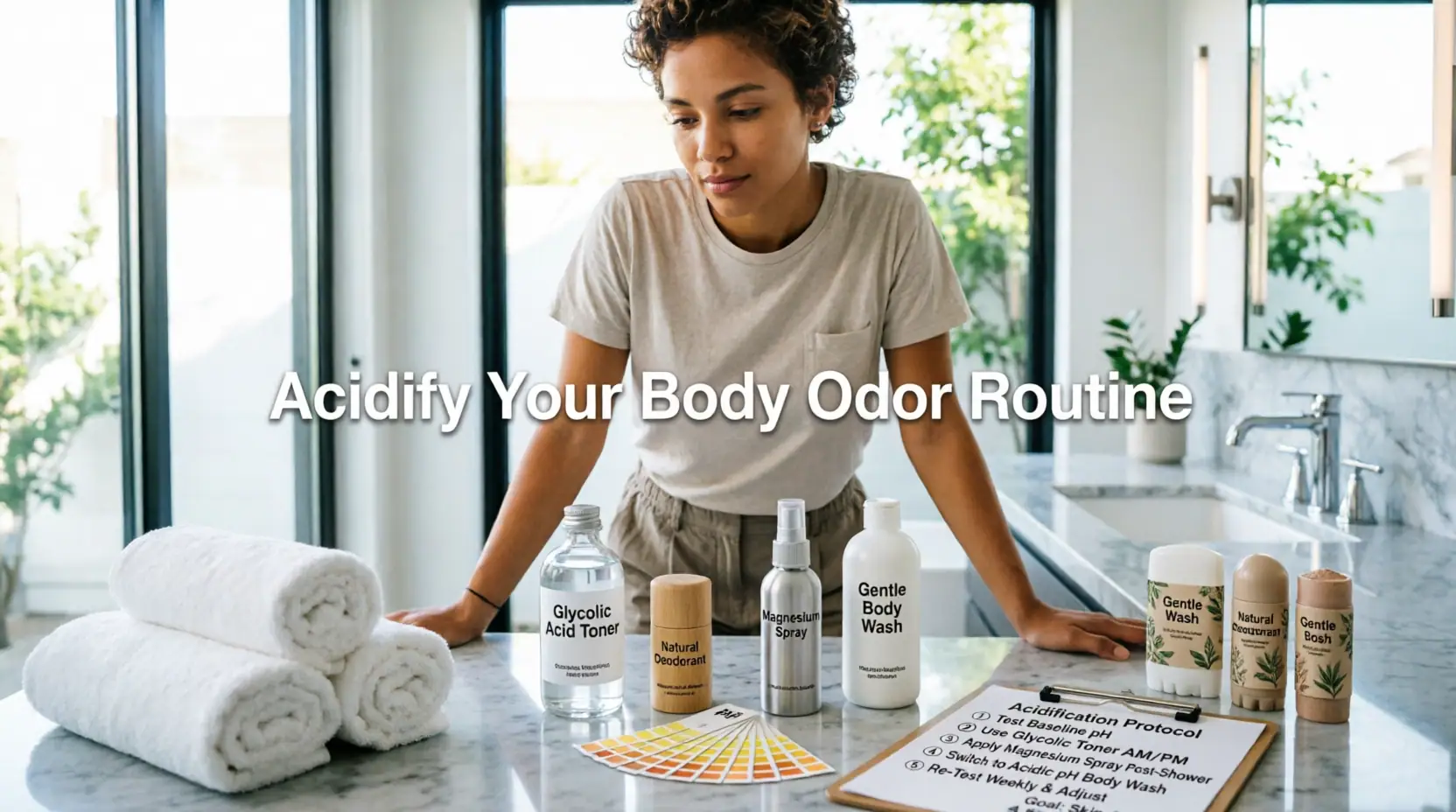
That embarrassing body odor isn't just about sweating more—it's about your skin's pH balance and the bacteria that thrive there. Body odor affects everyone at some point, yet most people reach for harsh antiperspirants or heavily fragranced deodorants that mask the problem without addressing the root cause. The truth is, understanding the science of sweat and learning how to acidify your body care routine can transform how you smell—naturally and effectively.
Body odor occurs when bacteria on your skin break down sweat into acids. The key isn't to stop sweating (which is actually healthy and necessary), but to create an environment where odor-causing bacteria can't thrive. By acidifying your skin's surface and supporting your body's natural pH balance, you can significantly reduce odor without relying on aluminum-based antiperspirants or synthetic fragrances.
In this comprehensive, science-backed guide, we'll decode the biology of body odor, reveal why traditional deodorants often fail, share the exact acidification protocol dermatologists and microbiome experts recommend, and provide expert strategies for long-term odor control. Whether you're transitioning to natural deodorant, dealing with stubborn odor, or simply want to understand your body better, you'll learn how to work with your biology—not against it—for fresher, healthier skin.
Understanding Body Odor: The Science of Sweat and Bacteria
Short answer: Body odor occurs when skin bacteria break down proteins in sweat into acids; the process is influenced by skin pH, bacterial populations, diet, hormones, and hygiene habits—not just how much you sweat.
To effectively manage body odor, you need to understand the biological processes at play:
The Two Types of Sweat Glands
Eccrine Glands:
- Found all over the body (2-4 million glands)
- Produce watery sweat (99% water, 1% salt)
- Primarily for temperature regulation
- Sweat is odorless when it leaves the gland
- Activated by heat, exercise, and emotional stress
Apocrine Glands:
- Concentrated in armpits, groin, and scalp
- Produce thicker, milky sweat containing proteins and lipids
- Activated by stress and hormones (not heat)
- Become active at puberty
- This is where odor primarily originates
The Bacterial Breakdown Process
Body odor isn't caused by sweat itself—it's caused by bacteria metabolizing sweat:
- Sweat secretion: Apocrine glands release odorless sweat containing proteins, lipids, and steroids
- Bacterial colonization: Skin bacteria (primarily Corynebacterium and Staphylococcus species) feed on sweat components
- Metabolic breakdown: Bacteria break down proteins and lipids into volatile fatty acids
- Odor production: These acids (particularly isovaleric acid and propionic acid) create characteristic body odor
Key Insight: Different bacterial species produce different odors. Corynebacterium produces stronger, more pungent odors, while Staphylococcus produces milder scents. The ratio of these bacteria determines your unique body odor profile.
The pH Factor
Skin pH plays a crucial role in odor development:
- Healthy skin pH: 4.5-5.5 (slightly acidic)
- Optimal bacterial balance: Acidic pH favors beneficial bacteria
- Alkaline shift: pH above 6.0 favors odor-causing bacteria
- Sweat pH: Initially acidic (4.5-6.5) but becomes alkaline as bacteria break it down
When skin pH becomes too alkaline (from harsh soaps, antiperspirants, or poor hygiene), odor-causing bacteria thrive. Acidifying the skin surface creates an environment where beneficial bacteria flourish and odor-causing species struggle to survive.
Why Traditional Deodorants and Antiperspirants Often Fail
Short answer: Traditional products mask odor with fragrance or block sweat with aluminum, but they don't address bacterial overgrowth or pH imbalance—often making odor worse when you stop using them.
Understanding why conventional products fail helps you choose better alternatives:
Antiperspirants: The Aluminum Problem
How They Work:
- Aluminum salts (aluminum chlorohydrate, aluminum zirconium) form plugs in sweat ducts
- Physically block sweat from reaching skin surface
- Reduce sweating by 20-50%
Why They Fail Long-Term:
- Don't kill bacteria: Only block sweat; bacteria remain on skin
- Disrupt microbiome: Alter bacterial populations unpredictably
- Rebound effect: When you stop using them, sweating can increase dramatically
- pH disruption: Aluminum compounds are alkaline, raising skin pH
- Potential health concerns: Ongoing research into aluminum absorption and health effects
Traditional Deodorants: The Masking Problem
How They Work:
- Contain antimicrobial agents (triclosan, alcohol) to kill bacteria
- Add heavy fragrances to mask odor
- Often contain alcohol to dry skin
Why They Fail:
- Broad-spectrum killing: Kill both good and bad bacteria, disrupting microbiome balance
- Temporary effect: Bacteria repopulate quickly
- Fragrance sensitivity: Synthetic fragrances can irritate skin
- Don't address pH: Often alkaline, creating favorable conditions for odor bacteria
- Bacterial resistance: Some bacteria develop resistance to antimicrobial agents
The Transition Period Problem
When switching from antiperspirants to natural alternatives, many people experience a "detox" period:
- Week 1-2: Increased sweating as sweat ducts unclog
- Week 2-4: Microbiome rebalancing; odor may temporarily worsen
- Week 4-6: Bacterial populations stabilize; odor decreases
- Week 6+: New equilibrium established; natural odor control
Understanding this transition helps you stay committed to natural alternatives.
The Acidification Strategy: How pH Controls Odor
Short answer: Acidifying your skin to pH 4.5-5.5 creates an environment where beneficial bacteria thrive and odor-causing bacteria struggle, naturally reducing body odor without blocking sweat or disrupting your microbiome.
The acidification approach works with your body's biology rather than against it:
The Science of Acidic Skin
Acid Mantle Function:
- Your skin's surface has a natural acidic film (pH 4.5-5.5)
- Composed of sebum, sweat, and natural moisturizing factors
- Protects against pathogenic bacteria and environmental damage
- Maintains healthy microbiome balance
How Acidity Controls Odor:
- Inhibits odor bacteria: Corynebacterium species prefer neutral to alkaline pH (6.0-7.5)
- Supports beneficial bacteria: Staphylococcus epidermidis thrives at pH 5.0-5.5
- Reduces bacterial enzymes: Acidic pH inhibits bacterial proteases that break down sweat proteins
- Strengthens barrier: Acidic pH supports skin barrier function, reducing bacterial penetration
Key Acids for Body Odor Control
Glycolic Acid (AHA):
- pH: 3.0-4.0 (strongly acidic)
- Mechanism: Exfoliates dead skin cells where bacteria live; lowers skin pH; antibacterial properties
- Best for: Underarms, feet, groin area
- Concentration: 5-10% for body use
- Evidence: Studies show 7% glycolic acid reduces bacterial count by 90% in 2 weeks
Lactic Acid (AHA):
- pH: 3.5-4.5 (acidic)
- Mechanism: Naturally produced by beneficial skin bacteria; lowers pH; hydrates while exfoliating
- Best for: Sensitive skin, daily maintenance
- Concentration: 5-12% for body use
- Advantage: Gentler than glycolic; supports natural acid mantle
Mandelic Acid (AHA):
- pH: 3.5-4.5 (acidic)
- Mechanism: Larger molecule penetrates slowly; antibacterial; gentle exfoliation
- Best for: Sensitive or reactive skin
- Concentration: 5-10% for body use
- Advantage: Less irritating; good for darker skin tones
Salicylic Acid (BHA):
- pH: 3.0-4.0 (acidic)
- Mechanism: Oil-soluble; penetrates pores; antibacterial; anti-inflammatory
- Best for: Oily skin, acne-prone areas
- Concentration: 0.5-2% for body use
- Advantage: Penetrates deeper than AHAs
Citric Acid:
- pH: 2.0-3.0 (very acidic)
- Mechanism: Chelates metals bacteria need; lowers pH dramatically
- Best for: pH adjustment in DIY recipes
- Concentration: Use sparingly; 0.5-1% in formulations
- Caution: Can be irritating at high concentrations
The Science-Backed Acidification Protocol
Short answer: Follow a 3-phase protocol: transition from antiperspirants (weeks 1-2), acidify with glycolic/lactic acid and support microbiome (weeks 3-8), and maintain with gentle acids and probiotics (week 9+) for long-term odor control.
This evidence-based protocol addresses body odor through pH balance and microbiome support:
Phase 1: Transition and Reset (Weeks 1-2)
Goal: Stop antiperspirants, allow sweat ducts to unclog, and begin pH reset
Week 1-2 Routine
Morning:
- Gentle Cleansing:
- Wash underarms with pH-balanced body wash (pH 5.0-5.5)
- Avoid antibacterial soaps or harsh detergents
- Pat dry thoroughly—moisture breeds bacteria
- Recommended: CeraVe Hydrating Body Wash, Vanicream Gentle Body Wash
- Apple Cider Vinegar Toner (Optional):
- Dilute raw apple cider vinegar 1:1 with water
- Apply to clean, dry underarms with cotton pad
- Let air dry completely
- Natural acidity (pH 2.5-3.0) helps reset skin pH
- Natural Deodorant (Aluminum-Free):
- Choose baking soda-free formula if sensitive
- Look for magnesium hydroxide or zinc ricinoleate
- Apply sparingly; reapply if needed
- Recommended: Native Deodorant, Schmidt's Sensitive Skin, Meow Meow Tweet
Evening:
- Gentle Cleansing:
- Wash underarms again with pH-balanced cleanser
- Remove deodorant residue and sweat buildup
- Glycolic Acid Treatment (Start Slowly):
- Apply 7% glycolic acid toner or solution 2-3x/week
- Use cotton pad to apply to clean, dry underarms
- Let dry completely before dressing
- Start with 2x/week, increase to nightly as tolerated
- Recommended: The Ordinary Glycolic Acid 7% Toning Solution, Pixi Glow Tonic
- Moisturize (If Needed):
- Apply lightweight, fragrance-free moisturizer if skin feels dry
- Avoid heavy occlusives that trap bacteria
Phase 2: Active Acidification (Weeks 3-8)
Goal: Establish consistent acidification routine and support beneficial bacteria
Enhanced Routine
Morning:
- Gentle cleanse
- Lactic acid or mandelic acid toner (5-10%)
- Probiotic deodorant or magnesium-based deodorant
- Optional: Light dusting of cornstarch or arrowroot powder
Evening:
- Gentle cleanse
- Glycolic acid 7% (nightly)
- Wait 10-15 minutes
- Optional: Probiotic serum or prebiotic moisturizer
- Light moisturizer if needed
Weekly Treatments
Clay Mask (1x/week):
- Mix bentonite or kaolin clay with apple cider vinegar or water
- Apply to underarms for 10-15 minutes
- Rinse thoroughly and follow with glycolic acid
- Clay draws out impurities and absorbs excess oil
Exfoliating Scrub (1x/week):
- Use gentle physical exfoliant with fine particles
- Or use chemical exfoliant (AHA/BHA combination)
- Don't over-exfoliate; once weekly is sufficient
Phase 3: Maintenance and Optimization (Week 9+)
Goal: Sustain results with simplified routine and microbiome support
- Daily acidification: Continue glycolic or lactic acid 3-5x/week
- Probiotic support: Use probiotic deodorant or apply probiotic serum
- pH monitoring: Use pH strips monthly to ensure skin stays acidic (4.5-5.5)
- Lifestyle support: Maintain diet, hydration, and clothing choices that support odor control
Best Products for Acidifying Your Body Odor Routine
Short answer: Top products include The Ordinary Glycolic Acid 7% Toning Solution, pH-balanced body washes, magnesium-based deodorants, probiotic deodorants, and natural clay masks—formulated to support acidic pH without harsh chemicals.
Glycolic Acid Treatments
- The Ordinary Glycolic Acid 7% Toning Solution: Affordable, effective, widely available; pH ~3.6
- Pixi Glow Tonic: 5% glycolic acid with aloe and ginseng; gentler formula
- Paula's Choice Weightless Body Treatment 2% BHA: Salicylic acid for oily skin
- Amlactin Daily Moisturizing Lotion: 12% lactic acid; exfoliates while hydrating
pH-Balanced Cleansers
- CeraVe Hydrating Body Wash: pH 5.5; ceramides and hyaluronic acid
- Vanicream Gentle Body Wash: pH 5.0-5.5; free of dyes, fragrance, parabens
- La Roche-Posay Lipikar Wash APG: pH 5.5; prebiotic thermal water
- Aveeno Daily Moisturizing Body Wash: pH 5.5; colloidal oatmeal
Natural Deodorants
Magnesium-Based:
- Native Deodorant: Magnesium hydroxide; aluminum-free; various scents
- Schmidt's Sensitive Skin: Magnesium and probiotics; baking soda-free
- Meow Meow Tweet: Magnesium and baking soda; plastic-free packaging
Probiotic Deodorants:
- Aura Cacia Probiotic Deodorant: Contains beneficial bacteria
- Essential Deodorant: Probiotic and magnesium-based
- Kosas Chemistry Deodorant: Probiotic and AHA blend
Supporting Products
- Bentonite Clay: Aztec Secret Indian Healing Clay; detoxifying mask
- Apple Cider Vinegar: Raw, unfiltered (Bragg's); pH reset toner
- Probiotic Serum: Mother Dirt AO+ Mist; live beneficial bacteria
- Arrowroot Powder: Natural moisture absorber; DIY deodorant ingredient
- pH Test Strips: Monitor skin pH; ensure acidic environment
What to Avoid
- Aluminum-based antiperspirants: Block sweat ducts; disrupt microbiome
- Antibacterial soaps: Kill beneficial bacteria; raise skin pH
- Heavy fragrances: Can irritate skin; mask rather than treat odor
- Baking soda (if sensitive): Alkaline (pH 9); can disrupt acid mantle in sensitive individuals
- Alcohol-based deodorants: Over-dry skin; disrupt barrier function
Lifestyle Modifications to Support Odor Control
Short answer: Enhance acidification results by wearing breathable fabrics, managing stress, staying hydrated, eating a balanced diet low in sulfur compounds, and maintaining good hygiene habits.
Skincare alone isn't enough. These lifestyle habits create the optimal environment for odor control:
Clothing and Fabric Choices
Breathable Fabrics:
- Choose natural fibers: cotton, linen, bamboo, hemp
- Avoid synthetic fabrics (polyester, nylon) that trap sweat and bacteria
- Wear moisture-wicking athletic wear for exercise
- Change clothes immediately after sweating
Laundry Habits:
- Wash workout clothes after each use
- Use fragrance-free, hypoallergenic detergent
- Avoid fabric softeners that coat fibers and trap bacteria
- Add white vinegar to rinse cycle to remove bacteria and odors
- Dry clothes completely; dampness breeds bacteria
Diet and Nutrition
Foods That May Increase Odor:
- Sulfur-rich foods: Garlic, onions, cruciferous vegetables (broccoli, cabbage)
- Red meat: Takes longer to digest; can intensify body odor
- Spicy foods: Contain capsaicin that triggers sweating
- Alcohol: Metabolized into acetic acid; excreted through sweat
- Caffeine: Stimulates sweat glands
Foods That May Reduce Odor:
- Chlorophyll-rich foods: Leafy greens, parsley, wheatgrass (natural deodorizer)
- Zinc-rich foods: Pumpkin seeds, lentils, chickpeas (reduces odor-causing bacteria)
- Magnesium-rich foods: Spinach, almonds, black beans (supports detoxification)
- Probiotic foods: Yogurt, kefir, sauerkraut (supports microbiome balance)
- Water: Dilutes sweat; helps flush toxins
Stress Management
Stress and Sweat Connection:
- Stress activates apocrine glands (odor-producing sweat glands)
- Chronic stress disrupts microbiome balance
- Cortisol increases sebum production, feeding bacteria
Stress-Reduction Strategies:
- Practice deep breathing or meditation daily
- Get 7-9 hours of quality sleep nightly
- Exercise regularly (but shower immediately after)
- Practice yoga or tai chi for stress relief
Hygiene Habits
- Shower daily: Remove sweat and bacteria before they multiply
- Shave or trim underarm hair: Reduces surface area for bacteria (optional)
- Dry thoroughly: Bacteria thrive in moist environments
- Change clothes daily: Especially underwear and socks
- Clean high-touch areas: Phone, gym equipment, steering wheel
Common Mistakes That Worsen Body Odor
Avoid these errors that can sabotage your acidification efforts:
Mistake #1: Over-Washing with Harsh Soaps
Why it hurts: Antibacterial soaps and high-pH cleansers strip beneficial bacteria and raise skin pH, creating favorable conditions for odor-causing bacteria to repopulate.
Fix: Use pH-balanced (5.0-5.5) gentle cleansers. Wash once or twice daily maximum. Avoid antibacterial ingredients like triclosan.
Mistake #2: Applying Deodorant to Damp Skin
Why it hurts: Moisture traps bacteria and prevents deodorant from adhering properly. Bacteria multiply rapidly in damp environments.
Fix: Always dry underarms completely before applying deodorant or acid treatments. Wait 5-10 minutes after showering to ensure skin is fully dry.
Mistake #3: Using Too Much Product
Why it hurts: Over-applying acids or deodorant can irritate skin, disrupt the microbiome, and create a breeding ground for bacteria in product buildup.
Fix: Use products sparingly. A thin layer of glycolic acid or small amount of deodorant is sufficient. Less is more.
Mistake #4: Not Giving Natural Deodorant Time to Work
Why it hurts: Switching back to antiperspirants during the transition period (weeks 1-4) prevents microbiome rebalancing and resets the cycle.
Fix: Commit to natural deodorant for at least 4-6 weeks. Expect increased sweating and temporary odor during transition. Stay consistent.
Mistake #5: Ignoring Clothing and Laundry
Why it hurts: Bacteria live in clothing fibers. Wearing unwashed clothes or synthetic fabrics reintroduces odor-causing bacteria to clean skin.
Fix: Wash clothes after each wear. Choose natural fibers. Add vinegar to laundry rinse cycle. Replace old workout clothes that retain odor.
Mistake #6: Skipping Exfoliation
Why it hurts: Dead skin cells provide food and shelter for bacteria. Without regular exfoliation, bacterial populations grow unchecked.
Fix: Use glycolic acid or gentle physical exfoliant 2-3x/week. Remove dead skin cells where bacteria live.
Expert Tips for Long-Term Odor Control
Tip #1: Layer Products Strategically
Apply glycolic acid first (wait 10 minutes), then deodorant, then light dusting of arrowroot powder if needed. This creates multiple barriers against odor.
Tip #2: Rotate Deodorants
Use different deodorants throughout the week to prevent bacterial adaptation. Example: magnesium-based on weekdays, probiotic on weekends.
Tip #3: Monitor Your pH
Use pH test strips monthly to ensure underarm skin stays acidic (4.5-5.5). If pH rises above 6.0, increase acidification frequency.
Tip #4: Address Hormonal Changes
Body odor can fluctuate with hormones (menstrual cycle, pregnancy, menopause). Adjust routine during high-odor periods with more frequent acidification.
Tip #5: Be Patient During Transition
The microbiome takes 4-6 weeks to rebalance after stopping antiperspirants. Don't give up during weeks 2-3 when odor may temporarily worsen.
Tip #6: Combine Internal and External Approaches
Support external acidification with internal strategies: stay hydrated, eat chlorophyll-rich foods, manage stress, and consider probiotic supplements.
Frequently Asked Questions About Body Odor and Acidification
How long does it take to see results from acidification?
Short answer: Most people notice reduced odor within 1-2 weeks of consistent glycolic acid use. Full microbiome rebalancing takes 4-6 weeks. Significant improvement typically seen by week 4-8.
Timeline depends on:
- Previous deodorant/antiperspirant use
- Consistency of acidification routine
- Diet and lifestyle factors
- Individual microbiome composition
Can I use glycolic acid on sensitive skin?
Short answer: Yes, but start slowly. Begin with 5% glycolic acid or switch to gentler lactic acid or mandelic acid. Apply 2x/week initially, gradually increasing frequency. Always patch-test first.
For sensitive skin:
- Use lactic acid 5-10% instead of glycolic
- Apply to damp skin to reduce irritation
- Follow with soothing moisturizer (aloe, centella)
- Avoid if you have active irritation or broken skin
Will acidifying make me sweat more?
Short answer: No—acidification doesn't increase sweat production. It changes the bacterial environment so sweat doesn't smell. You may notice more sweat initially when transitioning from antiperspirants, but this is temporary as sweat ducts unclog.
Remember: Sweating is healthy and necessary for temperature regulation and detoxification. The goal is odor control, not sweat elimination.
Can I use acids on other body areas?
Short answer: Yes—glycolic acid works on feet, groin, and other odor-prone areas. Use same concentration (5-7%) and frequency. Avoid mucous membranes and broken skin.
Safe areas:
- Underarms (primary target)
- Feet (great for foot odor)
- Groin area (use gentler concentration)
- Back (if prone to body acne)
Is natural deodorant as effective as antiperspirant?
Short answer: Natural deodorant won't stop sweating (which is healthy), but it can be equally effective at controlling odor when combined with acidification. The key is addressing bacteria and pH, not blocking sweat.
Effectiveness factors:
- Consistency of use
- Proper application (to dry skin)
- Supporting acidification routine
- Lifestyle and diet modifications
When should I see a doctor about body odor?
Short answer: Consult a doctor if: odor is sudden and severe, accompanied by excessive sweating (hyperhidrosis), doesn't improve after 8-12 weeks of consistent care, or is accompanied by other symptoms like weight changes or fatigue.
Medical conditions to rule out:
- Hyperhidrosis (excessive sweating)
- Trimethylaminuria (fish odor syndrome)
- Diabetes or metabolic disorders
- Thyroid dysfunction
- Infections
The Bottom Line: Work With Your Biology
Body odor isn't a flaw—it's a natural biological process. But with the right approach, you can manage it effectively without harsh chemicals or aluminum-based antiperspirants. By acidifying your skin, supporting your microbiome, and making smart lifestyle choices, you can achieve fresh, confident skin that works with your body, not against it.
Remember:
- Sweat is healthy: Don't try to stop it; manage the bacteria that cause odor
- pH matters: Acidic skin (4.5-5.5) favors beneficial bacteria over odor-causing species
- Consistency is key: Acidification and microbiome support require daily commitment
- Transition takes time: Allow 4-6 weeks for microbiome rebalancing
- Holistic approach: Combine topical care with diet, clothing, and lifestyle changes
- Be patient: Your unique microbiome needs time to find its new balance
Your body is designed to sweat. With science-backed acidification and microbiome support, you can embrace this natural process while staying fresh and confident. Start tonight: gentle cleanse, apply glycolic acid, and commit to pH-balanced care. Your skin—and your confidence—will thank you.
You deserve to feel fresh and confident in your own skin. With knowledge, consistency, and the right acidification protocol, natural odor control is absolutely within reach.