

Tackling Wrinkles: Proven Solutions for Fine Lines and Aging
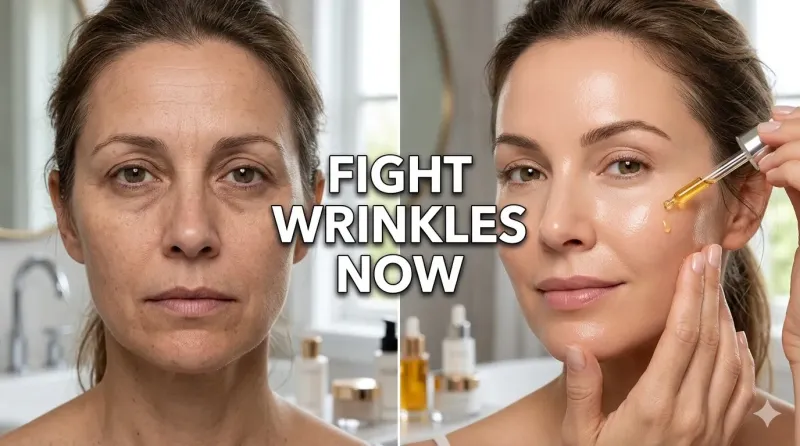
Fine lines and wrinkles are a natural part of aging, but that doesn't mean you have to accept them without a fight. Whether you're noticing your first crow's feet in your late 20s or addressing deeper lines in your 50s and beyond, the good news is that science has never offered more effective, evidence-based solutions for tackling wrinkles and maintaining youthful, radiant skin. From topical treatments backed by clinical research to professional procedures and lifestyle strategies that support skin health from within, there are more ways than ever to fight fine lines and aging with confidence.
Understanding what causes wrinkles—and which solutions actually work—is the first step toward building an effective anti-aging strategy. While genetics play a role, factors like sun exposure, lifestyle choices, and skincare habits significantly influence how quickly signs of aging appear. The key is combining prevention with targeted treatment, using approaches that are both scientifically supported and sustainable for your lifestyle.
This comprehensive guide delivers everything you need to know about tackling wrinkles and fine lines. You'll discover the science behind skin aging, learn which ingredients and treatments deliver real results, build a personalized anti-aging skincare routine, and understand when professional interventions may be appropriate. Whether you're just starting to notice fine lines or looking to enhance an existing anti-aging regimen, you'll find practical, evidence-based strategies to help you achieve smoother, more youthful-looking skin at any age.
Understanding Wrinkles: What Causes Fine Lines and Aging Skin
Before exploring solutions, it's essential to understand what causes wrinkles. This knowledge helps you target the right factors and set realistic expectations for results.
The Biology of Skin Aging
Skin aging involves two distinct processes:
Intrinsic Aging (Chronological):
- Genetically programmed changes that occur with time
- Gradual decline in collagen and elastin production (about 1% per year after age 25)
- Slower cell turnover leading to duller complexion
- Reduced natural oil production causing dryness
- Thinning of the epidermis and dermis layers
Extrinsic Aging (Environmental):
- Sun exposure (photoaging): Accounts for up to 90% of visible skin aging [[18]]
- Pollution and environmental toxins generating free radicals
- Smoking, which breaks down collagen and impairs circulation
- Repetitive facial expressions creating dynamic lines
- Poor nutrition, chronic stress, and inadequate sleep
Types of Wrinkles and Fine Lines
Dynamic Wrinkles:
- Caused by repetitive muscle movements (smiling, frowning, squinting)
- Appear first as expression lines that fade when face is relaxed
- Common locations: Crow's feet, forehead lines, frown lines between eyebrows
- Can become static over time if not addressed
Static Wrinkles:
- Visible even when facial muscles are relaxed
- Result from collagen loss, sun damage, and skin laxity
- Common locations: Nasolabial folds, marionette lines, neck lines
- Require more intensive treatment approaches
Fine Lines:
- Superficial, shallow lines often appearing around eyes and mouth
- Often the first visible sign of aging
- More responsive to topical treatments than deeper wrinkles
Key Factors That Accelerate Wrinkle Formation
1. UV Radiation (The #1 Culprit):
- Breaks down collagen and elastin fibers through matrix metalloproteinases (MMPs)
- Causes DNA damage in skin cells
- Leads to uneven pigmentation and rough texture
- Damage is cumulative—every unprotected exposure adds up
2. Glycation:
- Sugar molecules binding to collagen and elastin, making them stiff and brittle
- High-sugar diets accelerate this process
- Results in loss of skin elasticity and deeper wrinkles
3. Oxidative Stress:
- Free radicals from pollution, UV exposure, and inflammation damage skin cells
- Overwhelms the skin's natural antioxidant defenses
- Accelerates collagen breakdown and cellular aging
4. Hormonal Changes:
- Declining estrogen during perimenopause and menopause reduces collagen production
- Can lead to sudden acceleration of visible aging signs
- Affects skin thickness, hydration, and elasticity
Prevention First: Strategies to Slow Wrinkle Formation
The most effective anti-aging strategy combines prevention with treatment. These evidence-based approaches help slow the formation of new wrinkles while you address existing ones.
Daily Sun Protection: Your Most Powerful Anti-Aging Tool
Why It Works: UV radiation is responsible for the majority of visible skin aging. Consistent sun protection prevents further collagen damage and allows skin to repair itself.
Best Practices:
- SPF 30+ broad-spectrum sunscreen: Apply every morning, even on cloudy days
- Reapplication: Reapply every 2 hours with direct sun exposure
- Adequate amount: Use 1/4 teaspoon for face and neck
- Physical barriers: Wide-brimmed hats, UV-protective clothing, seeking shade
- Year-round protection: UV rays penetrate clouds and windows; protect daily
Ingredient Tips:
- Mineral sunscreens (zinc oxide, titanium dioxide) offer immediate protection and are gentle on sensitive skin
- Chemical sunscreens absorb UV rays; look for modern filters like Tinosorb or Mexoryl for broad protection
- Tinted sunscreens with iron oxides provide added protection against visible light, which can contribute to pigmentation
Antioxidant Defense: Neutralizing Free Radicals
Why It Works: Antioxidants neutralize free radicals before they can damage collagen and accelerate aging.
Top Antioxidant Ingredients:
- Vitamin C (L-ascorbic acid):
- Stimulates collagen production and brightens skin
- Most effective at 10-20% concentration, pH under 3.5
- Apply in morning under sunscreen for enhanced protection
- Vitamin E (tocopherol):
- Works synergistically with vitamin C to enhance protection
- Stabilizes vitamin C formulations
- Provides moisturizing benefits
- Ferulic Acid:
- Stabilizes vitamins C and E, boosting their effectiveness
- Has independent antioxidant and anti-inflammatory properties
- Often found in combination serums (C+E+Ferulic)
- Niacinamide (Vitamin B3):
- Improves skin barrier function and reduces inflammation
- Minimizes appearance of fine lines and uneven texture
- Well-tolerated at 2-10% concentrations
- Resveratrol, Green Tea Extract, CoQ10:
- Additional antioxidants with anti-aging benefits
- Often included in multi-antioxidant formulations
Lifestyle Foundations for Youthful Skin
Nutrition:
- Antioxidant-rich foods: Berries, leafy greens, colorful vegetables combat oxidative stress
- Omega-3 fatty acids: Fatty fish, walnuts, flaxseeds support skin barrier and reduce inflammation
- Collagen-supporting nutrients: Vitamin C, zinc, copper, and adequate protein intake
- Limit sugar and refined carbs: Reduces glycation damage to collagen
- Stay hydrated: Adequate water intake supports skin plumpness and function
Sleep Quality:
- Skin repairs and regenerates during deep sleep
- Poor sleep increases cortisol, which breaks down collagen
- Aim for 7-9 hours nightly; consider silk pillowcases to reduce friction lines
Stress Management:
- Chronic stress elevates cortisol, accelerating collagen breakdown
- Practice meditation, deep breathing, yoga, or other relaxation techniques
- Prioritize activities that bring joy and reduce tension
Avoid Smoking and Limit Alcohol:
- Smoking reduces blood flow to skin and breaks down collagen
- Excessive alcohol dehydrates skin and generates free radicals
- Quitting smoking at any age improves skin appearance
Topical Treatments: Ingredients That Actually Work
When it comes to reducing existing fine lines and wrinkles, certain topical ingredients have robust clinical evidence supporting their effectiveness.
1. Retinoids (Retinol, Retinaldehyde, Prescription Retinoids)
The Gold Standard: Retinoids are the most extensively researched and proven topical ingredients for reducing wrinkles and improving skin texture.
How They Work:
- Increase cell turnover, revealing fresher, smoother skin
- Stimulate collagen and elastin production
- Improve skin thickness and elasticity
- Reduce appearance of fine lines, wrinkles, and uneven texture
Types and Potency:
| Type | Potency | Best For | Considerations |
|---|---|---|---|
| Retinol (OTC) | Mild to moderate | Beginners, sensitive skin | Requires conversion to active form; start 1-2x/week |
| Retinaldehyde (OTC) | Moderate | Those ready to step up from retinol | One conversion step to active form; more effective than retinol |
| Prescription tretinoin | High | Significant wrinkles, under dermatologist care | Most potent; requires prescription; higher irritation risk |
| Adapalene (OTC/prescription) | Moderate to high | Acne and anti-aging | More stable than retinol; good for acne-prone skin |
How to Use Retinoids Effectively:
- Start slowly: Begin with 1-2 times per week, gradually increasing to nightly as tolerated
- Apply to dry skin: Wait 20-30 minutes after cleansing to reduce irritation
- Use pea-sized amount: More is not better; can increase irritation
- Follow with moisturizer: Helps mitigate dryness and irritation
- Always use sunscreen: Retinoids increase sun sensitivity
- Be patient: Visible results typically appear after 8-12 weeks of consistent use
Managing Irritation:
- Expect some dryness, flaking, or redness initially (the "retinization" period)
- If irritation is significant, reduce frequency or try the "sandwich method" (moisturizer, retinoid, moisturizer)
- Avoid using with other potentially irritating actives (AHAs, benzoyl peroxide) initially
- Consult a dermatologist if irritation persists or is severe
2. Peptides: Building Blocks for Collagen
How They Work: Peptides are short chains of amino acids that signal skin to produce more collagen and support skin repair.
Types and Benefits:
- Signal peptides (e.g., Matrixyl, Argireline): Stimulate collagen production; Argireline may have mild Botox-like effects on expression lines
- Carrier peptides (e.g., copper peptides): Deliver trace elements that support skin repair and antioxidant defense
- Neurotransmitter-inhibiting peptides: May temporarily reduce muscle contractions that cause dynamic wrinkles
Clinical Evidence: Studies show certain peptides can improve skin firmness, reduce wrinkle depth, and enhance texture with consistent use over 8-12 weeks [[22]].
How to Use:
- Apply after cleansing and before moisturizer
- Can be used morning and/or night
- Compatible with most other ingredients, including retinoids and vitamin C
- Look for products listing specific peptide complexes rather than generic "peptides"
3. Alpha-Hydroxy Acids (AHAs) and Beta-Hydroxy Acid (BHA)
How They Work: Chemical exfoliants remove dead skin cells, improve texture, and stimulate collagen production.
Best Options for Anti-Aging:
- Glycolic Acid (AHA):
- Smallest molecule penetrates deeply
- Effective for fine lines, texture, and radiance
- Best for normal to oily, non-sensitive skin
- Start with 5-10% concentration
- Lactic Acid (AHA):
- Gentler than glycolic; also hydrating
- Good for sensitive or dry skin
- Effective for texture and mild fine lines
- Start with 5-10% concentration
- Mandelic Acid (AHA):
- Larger molecule; gentle and well-tolerated
- Good for sensitive skin and darker skin tones
- Effective for texture and pigmentation
- Salicylic Acid (BHA):
- Oil-soluble; penetrates pores
- Best for oily, acne-prone skin with texture concerns
- Less directly anti-aging but improves overall skin quality
How to Use:
- Start with 1-2 times weekly; increase frequency as tolerated
- Apply to clean, dry skin; follow with moisturizer and sunscreen
- Avoid using with retinoids on the same night initially
- Always use sunscreen—AHAs increase sun sensitivity
4. Growth Factors and Stem Cell Extracts
How They Work: These ingredients aim to support skin repair and regeneration by mimicking natural signaling processes.
Evidence and Considerations:
- Some studies show improvement in fine lines, texture, and firmness with topical growth factors
- Research is promising but less extensive than for retinoids or vitamin C
- Quality and stability of formulations vary significantly
- Typically found in higher-end serums and creams
How to Use:
- Apply after cleansing, before moisturizer
- Can be used morning and/or night
- Store as directed (some require refrigeration)
- Be patient—results may take 8-12 weeks
5. Hyaluronic Acid and Hydration Boosters
How They Work: While not directly anti-aging, hydration plumps skin, temporarily minimizing the appearance of fine lines and supporting overall skin health.
Key Ingredients:
- Hyaluronic Acid: Holds up to 1000x its weight in water; multiple molecular weights penetrate different skin layers
- Glycerin: Classic humectant that draws moisture into skin
- Ceramides: Support skin barrier, preventing moisture loss
- Squalane: Lightweight emollient that mimics skin's natural oils
Pro Tip: Apply hyaluronic acid to damp skin, then seal with moisturizer to maximize hydration benefits.
Building Your Anti-Aging Skincare Routine
A well-structured routine maximizes the benefits of active ingredients while minimizing irritation. Here's how to build an effective anti-aging regimen.
Core Routine Framework
Morning:
- Gentle Cleanser: pH-balanced, non-stripping formula
- Antioxidant Serum: Vitamin C or multi-antioxidant formula
- Peptide or Hydration Serum: Optional layer for added benefits
- Moisturizer: Lightweight, non-comedogenic formula
- Sunscreen: SPF 30+ broad-spectrum (non-negotiable)
Evening:
- Double Cleanse (if wearing makeup/sunscreen):
- First: Oil-based cleanser or micellar water
- Second: Gentle foaming or cream cleanser
- Active Treatment (Alternate Nights):
- Retinoid nights: Apply retinol/retinaldehyde to dry skin
- Exfoliation nights: AHA/BHA treatment (2-3x weekly max)
- Recovery nights: Focus on hydration and barrier support
- Peptide or Growth Factor Serum: Optional, compatible with most actives
- Moisturizer: Richer formula than morning if needed
- Facial Oil (Optional): For extra nourishment on dry skin
Customizing for Your Skin Type
Dry or Mature Skin:
- Prioritize hydration: hyaluronic acid, ceramides, squalane
- Use cream-based cleansers and richer moisturizers
- Introduce retinoids slowly; consider starting with retinaldehyde
- Limit exfoliation to 1-2x weekly with gentle AHAs
Oily or Combination Skin:
- Choose lightweight, oil-free formulations
- Consider salicylic acid for exfoliation and pore care
- Retinoids can help regulate oil production over time
- Don't skip moisturizer—dehydration can trigger more oil
Sensitive Skin:
- Start with lowest concentrations of actives
- Prioritize niacinamide and peptides (generally well-tolerated)
- Introduce one new product at a time; patch test first
- Avoid combining multiple actives initially
Acne-Prone Skin:
- Retinoids address both acne and anti-aging
- Salicylic acid helps with pores and texture
- Choose non-comedogenic, oil-free formulations
- Be patient—purging can occur when starting retinoids
Weekly Treatments to Enhance Results
- Exfoliating Mask: 1x weekly with AHA or enzyme formula
- Hydrating Mask: 1x weekly with hyaluronic acid or glycerin
- LED Light Therapy: Red light for collagen stimulation (at-home devices available)
- Facial Massage: Gentle massage to promote circulation and lymphatic drainage
Professional Treatments: When to Consider In-Office Solutions
For more significant wrinkles or when topical treatments aren't delivering desired results, professional procedures can provide enhanced outcomes.
Injectable Treatments
Neuromodulators (Botox, Dysport, Xeomin):
- How they work: Temporarily relax muscles that cause dynamic wrinkles
- Best for: Forehead lines, frown lines, crow's feet
- Results: Visible in 3-7 days; last 3-4 months
- Considerations: Requires skilled injector; maintenance treatments needed
Dermal Fillers (Hyaluronic Acid-based):
- How they work: Add volume to smooth static wrinkles and restore facial contours
- Best for: Nasolabial folds, marionette lines, lip enhancement, cheek volume
- Results: Immediate; last 6-18 months depending on product and area
- Considerations: Choose experienced injector; results are reversible with hyaluronidase
Energy-Based Devices
Laser Treatments:
- Ablative lasers (CO2, Erbium): Remove outer skin layers; significant results but longer downtime (1-2 weeks)
- Non-ablative fractional lasers: Create micro-injuries to stimulate collagen; less downtime (2-4 days)
- Best for: Wrinkles, texture, pigmentation, overall rejuvenation
- Results: Gradual improvement over 3-6 months; multiple sessions often needed
Radiofrequency and Ultrasound:
- How they work: Heat deeper skin layers to stimulate collagen production
- Examples: Thermage (RF), Ultherapy (ultrasound)
- Best for: Mild to moderate skin laxity, jawline definition
- Results: Gradual improvement over 2-6 months; minimal downtime
Intense Pulsed Light (IPL):
- How it works: Broad-spectrum light targets pigmentation and redness
- Best for: Sun damage, uneven tone, fine lines (indirectly via overall skin improvement)
- Results: Series of 3-5 treatments; minimal downtime
Chemical Peels
Superficial Peels (AHA-based):
- Improve texture, radiance, and fine lines
- Minimal downtime (1-3 days of flaking)
- Can be done monthly for maintenance
Medium Peels (TCA-based):
- Address moderate wrinkles, pigmentation, and texture
- More downtime (5-7 days of peeling)
- Typically done 1-2 times per year
Deep Peels (Phenol-based):
- Significant improvement in deep wrinkles and sun damage
- Significant downtime (2+ weeks) and requires careful aftercare
- Usually one-time treatment with long-lasting results
Microneedling and RF Microneedling
How They Work: Create controlled micro-injuries to stimulate collagen and elastin production.
Traditional Microneedling:
- Uses fine needles to create micro-channels
- Can be combined with topical serums for enhanced penetration
- Downtime: 1-3 days of redness
RF Microneedling:
- Combines microneedling with radiofrequency energy
- Deeper collagen stimulation for more significant results
- Downtime: 2-4 days
- Often requires 3 sessions for optimal results
Natural and Home Remedies: What the Evidence Says
While clinical ingredients deliver the most reliable results, some natural approaches can complement your anti-aging routine.
Ingredients with Some Supporting Evidence
Bakuchiol:
- What it is: Plant-derived alternative to retinol
- Evidence: Some studies show similar benefits to retinol with less irritation [[19]]
- Best for: Those who can't tolerate retinoids or prefer plant-based options
- How to use: Apply nightly; can be combined with other actives
Rosehip Oil:
- What it is: Cold-pressed oil rich in vitamins A, C, and essential fatty acids
- Evidence: Small studies suggest improvement in skin texture and pigmentation
- Best for: Dry or mature skin; as a nourishing overnight treatment
- How to use: Apply 2-3 drops to damp skin after serums
Green Tea Extract:
- What it is: Rich in polyphenols with antioxidant and anti-inflammatory properties
- Evidence: Topical application may protect against UV damage and support skin health
- Best for: Morning antioxidant protection; sensitive skin
- How to use: Look for serums or moisturizers with standardized extract
Popular Remedies with Limited Evidence
Coconut Oil:
- Reality: Highly comedogenic for many; can clog pores
- Better use: Body moisturizer rather than facial anti-aging treatment
Lemon Juice:
- Reality: Highly acidic; can cause irritation, photosensitivity, and chemical burns
- Recommendation: Avoid on face; use formulated vitamin C instead
Baking Soda:
- Reality: Disrupts skin's pH barrier; can cause irritation and dryness
- Recommendation: Avoid on facial skin
Lifestyle Practices with Anti-Aging Benefits
- Facial massage: May improve circulation and lymphatic drainage; use gentle pressure with clean hands or tools
- Gua sha or jade rolling: May provide temporary depuffing; use with light pressure and clean tools
- Sleep position: Sleeping on your back may reduce sleep lines; silk pillowcases reduce friction
- Facial exercises: Evidence is mixed; some studies suggest potential benefits for muscle tone, but over-exercising may deepen expression lines
Product Recommendations by Category
While individual results vary, these ingredient-focused recommendations can guide your selections.
Retinoids
For Beginners:
- The Ordinary Granactive Retinoid 2% Emulsion
- CeraVe Resurfacing Retinol Serum
- Paula's Choice Clinical 0.3% Retinol + 2% Bakuchiol Treatment
For Intermediate Users:
- SkinCeuticals Retinol 0.5
- Medik8 Crystal Retinal 3 or 6
- Paula's Choice Clinical 1% Retinol
Prescription Options (Consult Dermatologist):
- Tretinoin (Retin-A)
- Tazarotene
- Adapalene 0.3% (prescription strength)
Vitamin C Serums
Look for:
- L-ascorbic acid at 10-20% concentration
- Formulations with vitamin E and ferulic acid for stability
- Opaque, air-tight packaging to prevent oxidation
Recommended:
- SkinCeuticals C E Ferulic (gold standard, premium price)
- Timeless 20% Vitamin C + E Ferulic Acid Serum (effective, affordable)
- Paula's Choice C15 Super Booster
- Mad Hippie Vitamin C Serum (gentler, sodium ascorbyl phosphate)
Peptide Serums
Look for: Specific peptide complexes listed (e.g., Matrixyl 3000, Argireline, copper peptides)
Recommended:
- The Ordinary "Buffet" + Copper Peptides 1%
- NIOD CAIS 3 (advanced peptide complex)
- Paula's Choice Peptide Booster
- Revision Skincare DEJ Face Cream (peptides + other actives)
Exfoliants
For Normal to Oily Skin:
- Paula's Choice Skin Perfecting 2% BHA Liquid Exfoliant
- The Ordinary Glycolic Acid 7% Toning Solution
- Drunk Elephant T.L.C. Framboos Glycolic Night Serum
For Sensitive or Dry Skin:
- The Ordinary Lactic Acid 5% or 10%
- Paula's Choice CALM 1% BHA Lotion Exfoliant
- Biologique Recherche Lotion P50 (advanced; patch test first)
Moisturizers with Anti-Aging Benefits
For Day:
- CeraVe PM Facial Moisturizing Lotion (niacinamide, ceramides)
- La Roche-Posay Toleriane Double Repair Face Moisturizer
- Paula's Choice Resist Anti-Aging Clear Skin Hydrator
For Night:
- CeraVe Skin Renewing Night Cream (peptides, ceramides)
- First Aid Beauty Ultra Repair Cream (for dry skin)
- Paula's Choice Resist Barrier Repair Moisturizer
Frequently Asked Questions
At what age should I start using anti-aging products?
Prevention is most effective when started early, but it's never too late to begin: - 20s: Focus on sun protection, antioxidants (vitamin C), and gentle exfoliation - 30s: Add retinoids, peptides, and more targeted treatments - 40s and beyond: Continue proven actives; consider professional treatments for more significant concerns The most important step at any age: daily broad-spectrum sunscreen.
How long does it take to see results from anti-aging products?
Timeline expectations: - Hydration products: Immediate plumping effect - Antioxidants (vitamin C): Brightening in 2-4 weeks; collagen benefits in 8-12 weeks - Retinoids: Initial texture improvement in 4-8 weeks; wrinkle reduction in 12-24 weeks - Peptides: Subtle firming in 8-12 weeks - Professional treatments: Varies by procedure; some immediate, others gradual over months Consistency is crucial—most actives require 8-12 weeks of regular use to show visible results.
Can I use retinol and vitamin C together?
Yes, but timing matters: - Option 1: Vitamin C in morning, retinol at night (most common and well-tolerated) - Option 2: If using both at night, apply vitamin C first, wait 20-30 minutes, then apply retinol - Option 3: Alternate nights if you experience irritation Both ingredients are pH-dependent; separating them can optimize effectiveness and minimize irritation.
Do expensive products work better than affordable ones?
Not necessarily. What matters most: - Active ingredient concentration and stability: A well-formulated affordable product with proven actives can outperform a luxury product with ineffective concentrations - Formulation quality: Delivery systems, pH, and ingredient compatibility affect performance - Consistency of use: Using an affordable product consistently beats using an expensive one sporadically Focus on ingredient lists and evidence, not just price tags. Many effective options exist at various price points.
Can I reverse wrinkles completely?
Realistic expectations are important: - Fine lines: Can often be significantly improved or nearly eliminated with consistent topical treatment - Moderate wrinkles: Can be softened and improved; may require combination of topicals and professional treatments - Deep wrinkles: Can be improved but rarely eliminated without injectables or procedures - Prevention: The most effective strategy—preventing new wrinkles is easier than reversing existing ones Focus on progressive improvement rather than perfection. Even modest improvements can significantly enhance skin appearance and confidence.
Is it safe to use anti-aging products during pregnancy or breastfeeding?
Some ingredients require caution: - Avoid: Prescription retinoids (tretinoin), high-dose salicylic acid, hydroquinone - Generally considered safe: Vitamin C, niacinamide, peptides, hyaluronic acid, azelaic acid, glycolic acid (low concentration) - Consult your OB-GYN or dermatologist: Before starting or continuing any active skincare during pregnancy or breastfeeding When in doubt, prioritize gentle, well-tolerated ingredients and postpone potent actives until after pregnancy.
Conclusion: Your Path to Smoother, Youthful-Looking Skin
Tackling wrinkles and fine lines isn't about chasing an impossible standard of agelessness—it's about supporting your skin's health, enhancing your natural beauty, and feeling confident at every stage of life. With the right combination of prevention, targeted treatment, and realistic expectations, you can achieve visible improvements in skin texture, firmness, and radiance.
Key principles for success:
- Start with prevention: Daily sunscreen is the single most effective anti-aging step
- Choose evidence-based actives: Retinoids, vitamin C, peptides, and AHAs deliver proven results
- Be consistent and patient: Visible improvements take 8-12 weeks of regular use
- Customize for your skin: What works for others may need adjustment for your unique needs
- Support from within: Nutrition, sleep, and stress management amplify topical results
- Consider professional options: For more significant concerns, in-office treatments can enhance results
- Embrace progress, not perfection: Every improvement matters; celebrate your skin's journey
Your skin tells the story of your life—every line, every change is part of your unique journey. Anti-aging skincare isn't about erasing that story; it's about ensuring your skin looks and feels its healthiest, most vibrant self as you write the next chapter.
Start today. Choose one strategy from this guide to implement right now: perhaps adding a vitamin C serum to your morning routine, committing to daily sunscreen, or scheduling a consultation with a dermatologist. Small, consistent actions compound into significant transformation over time.
Your healthiest, most radiant skin is within reach. With knowledge, patience, and the right approach, you can tackle wrinkles with confidence and embrace the beautiful, aging process that is uniquely yours.