

The Benefits of Hydrotherapy for Infants: Is Baby Swimming Safe?
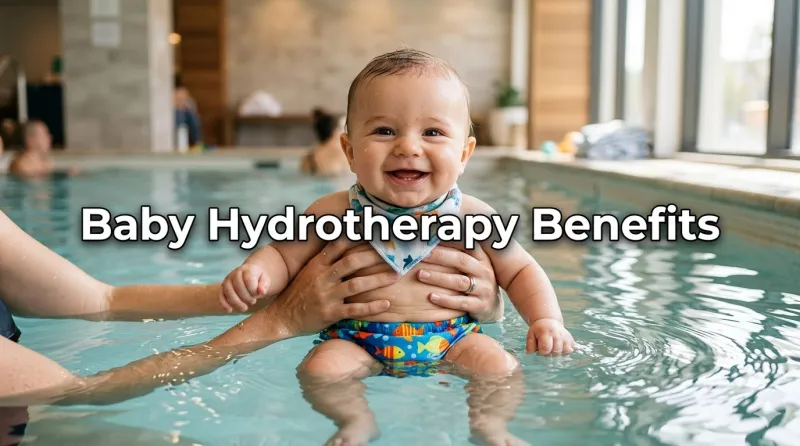
As parents, we constantly seek ways to support our little one's growth, development, and overall well-being. From choosing the right nutrition to ensuring adequate sleep, every decision feels monumental. Recently, hydrotherapy for infants, often introduced through baby swimming classes, has gained significant attention as a holistic approach to early childhood development. But amidst the excitement, a crucial question lingers in every parent's mind: Is baby swimming actually safe?
The concept of introducing babies to water isn't new; humans have an innate connection to water from the womb. However, structured hydrotherapy goes beyond simple splashing. It involves specific movements, temperature control, and guided interaction designed to stimulate physical and neurological development. This comprehensive guide will dive deep into the science-backed benefits of infant hydrotherapy, debunk common myths, and provide a step-by-step safety protocol to ensure your baby's aquatic journey is both beneficial and secure.
Understanding Infant Hydrotherapy More Than Just a Splash
Hydrotherapy, in the context of infants, refers to the use of water for therapeutic purposes to promote health and development. Unlike adult hydrotherapy which might focus on pain relief or muscle recovery, infant hydrotherapy focuses on sensory stimulation, motor skill acquisition, and bonding. When people speak of "baby swimming," they are often referring to a form of hydrotherapy where the infant is guided through water movements that mimic walking, kicking, and reaching.
The water environment offers unique properties that cannot be replicated on land. Buoyancy reduces the effect of gravity, allowing babies to move limbs more freely than they can on dry land. This is particularly beneficial for infants who are not yet crawling or walking, as it gives them a taste of independent movement. Furthermore, the resistance provided by water helps strengthen muscles without the risk of impact injuries associated with falling on hard surfaces.
It is important to distinguish between recreational swimming lessons and therapeutic hydrotherapy. While both involve water, therapeutic sessions are often tailored to specific developmental goals, such as improving muscle tone in babies with hypotonia or providing sensory input for children with processing delays. However, for the average healthy infant, general baby swimming classes serve as an excellent introduction to these therapeutic principles.
How Does Water Affect a Baby's Body?
To understand the benefits, we must first look at the physiology. A baby's body is composed of a higher percentage of water than an adult's, making them naturally buoyant. When submerged in warm water (typically between 32°C to 34°C or 90°F to 93°F for infants), several physiological changes occur:
Vasodilation: Warm water causes blood vessels to expand, improving circulation throughout the body. This delivers more oxygen and nutrients to growing tissues.
Muscle Relaxation: The warmth helps relax tight muscles, which can be soothing for babies who suffer from colic or general fussiness.
Sensory Input: The pressure of the water against the skin provides deep tactile stimulation, which helps regulate the nervous system.
Respiratory Regulation: Being in water encourages deeper, more rhythmic breathing patterns, which can help strengthen respiratory muscles.
These physiological responses form the foundation of why hydrotherapy is considered so beneficial for infants. It is not merely about learning to swim; it is about optimizing the body's natural functions in a supportive environment.
The Top 7 Proven Benefits of Hydrotherapy for Infants
Parents often enroll their babies in swimming classes for fun, but the advantages extend far beyond recreation. Research and pediatric observations have highlighted several key areas where hydrotherapy makes a tangible difference.
1. Enhanced Motor Development and Muscle Strength
One of the most significant benefits of baby swimming is the acceleration of motor skills. On land, gravity is a constant opponent for a developing infant. Lifting a head, rolling over, or kicking legs requires significant effort. In water, buoyancy counteracts gravity, allowing babies to practice these movements with greater ease.
The resistance of the water acts as a natural weight training tool. Every kick and arm stroke requires the baby to push against the water, engaging core muscles, leg muscles, and arm muscles simultaneously. This leads to improved muscle tone and strength. Studies have shown that babies who participate in regular hydrotherapy often reach milestones like sitting up, crawling, and walking slightly earlier than their non-swimming peers. The cross-lateral movements involved in swimming (using opposite arms and legs) also help in developing coordination and balance.
2. Improved Sleep Patterns
Sleep is the holy grail for parents of infants. Exhausted babies mean exhausted parents. Hydrotherapy has been observed to have a profound effect on sleep quality. The combination of physical exertion, the soothing warmth of the water, and the rhythmic nature of the movements creates a state of deep relaxation.
After a session of baby swimming, many parents report that their infants fall asleep faster and stay asleep longer. The energy expended during the gentle exercise, coupled with the drop in body temperature after leaving the warm pool (which mimics the natural temperature drop that signals sleep), triggers the body's sleep mechanisms. For babies struggling with irregular sleep cycles, incorporating hydrotherapy into the evening routine (at least an hour before bed) can be a game-changer.
3. Appetite Stimulation and Digestive Health
Physical activity naturally increases appetite, and this holds true for infants as well. The energy burned during hydrotherapy often results in a healthier appetite, encouraging babies to feed more vigorously. This is particularly helpful for "poor eaters" or babies who struggle to gain weight.
Furthermore, the gentle pressure of the water on the abdomen can aid in digestion. The movement of the legs and the massage-like effect of the water can help move gas through the digestive tract, providing relief from colic and constipation. Many parents of colicky babies find that a warm water session provides immediate soothing relief, reducing crying spells and promoting a calmer demeanor.
4. Cardiovascular and Respiratory Health
Swimming is widely recognized as one of the best cardiovascular exercises for adults, and the same principles apply to infants. The horizontal position in water facilitates better blood flow back to the heart, reducing the workload on the cardiovascular system while still providing a workout.
Regarding respiratory health, the humidity of the pool environment can be beneficial for babies with mild respiratory congestion. Additionally, the need to coordinate breathing with movement helps develop lung capacity. While babies do not hold their breath voluntarily in the same way older children do, the instinctive breath-holding reflex (the bradycardic response) is stimulated in a controlled manner, which some experts believe contributes to better breath control later in life. However, it is crucial to note that this should never be forced.
5. Sensory Integration and Cognitive Development
The water environment is a sensory powerhouse. Babies experience changes in temperature, pressure, sound (water muffles and distorts sound differently than air), and visual stimuli (light refraction). This rich sensory input is vital for brain development.
Sensory integration is the process by which the brain organizes and interprets sensory information. Hydrotherapy challenges the baby's vestibular system (balance) and proprioceptive system (body awareness). Navigating the three-dimensional space of a pool requires the brain to process information rapidly, fostering neural connections. This can lead to improved focus, better spatial awareness, and enhanced cognitive processing speeds as the child grows.
6. Boosting Immunity
While it may seem counterintuitive to expose a baby to a public pool, moderate exposure to different environments can actually help strengthen the immune system. The mild stress of adapting to a new environment (temperature change, new sensations) triggers the immune system to respond and adapt. Of course, hygiene is paramount, and pools must be well-maintained to avoid harmful pathogens. However, the general consensus among pediatricians is that healthy babies can benefit from the immune-boosting effects of varied environmental exposures, including clean swimming pools.
7. Parent-Child Bonding
Perhaps the most emotional benefit is the strengthening of the bond between parent and child. Baby swimming is almost always a participatory activity requiring close physical contact. Skin-to-skin contact in the water releases oxytocin, the "love hormone," in both the parent and the baby. The eye contact, the shared smiles, and the trust required for the baby to float in the parent's arms create a profound sense of security and attachment. This emotional foundation is critical for the baby's social and emotional development.
Is Baby Swimming Safe? Addressing Safety Concerns
With great benefits come great responsibilities. The question "Is baby swimming safe?" cannot be answered with a simple yes or no. The safety of hydrotherapy for infants depends entirely on how it is practiced. Without proper precautions, water activities can pose serious risks.
The Drowning Risk Myth vs. Reality
A common misconception is that babies cannot drown because they have a "diving reflex." While infants do possess a bradycardic response (slowing of the heart rate) and a reflex to hold their breath when submerged, this does not make them immune to drowning. This reflex diminishes around 6 months of age, and even before then, a baby can inhale water if submerged for too long or if they are distressed.
Safety Rule #1: Touch Supervision. An adult must be within arm's reach of the infant at all times. Never rely on flotation devices alone. Flotation aids like arm bands or neck rings can give a false sense of security and can even be dangerous if they tip the baby face down.
Water Temperature and Hypothermia
Babies lose body heat much faster than adults due to their high surface-area-to-body-weight ratio. Swimming in water that is too cold can lead to hypothermia, even if the baby doesn't shiver visibly. Signs of a baby being too cold include blue lips, pale skin, and lethargy.
Ideal Temperature: For infants under 6 months, the water temperature should be maintained between 32°C and 34°C (90°F - 93°F). For older babies (6-12 months), 30°C to 32°C (86°F - 90°F) is generally acceptable. Always check the temperature with a reliable thermometer before entering.
Chemical Exposure and Skin Sensitivity
Public pools use chlorine and other chemicals to kill bacteria. While necessary for hygiene, these chemicals can irritate a baby's delicate skin and eyes. Chlorine can strip natural oils from the skin, leading to dryness or eczema flare-ups. Inhaling chloramine gases (formed when chlorine mixes with organic matter) can also irritate the respiratory tract.
Mitigation Strategies:- Rinse the baby with fresh water immediately before and after swimming.- Apply a barrier cream or baby-safe moisturizer before entering the pool to protect the skin.- Choose pools that use saltwater systems or UV treatment, which often have lower chlorine levels, if available.- Limit session duration to 20-30 minutes for young infants to minimize exposure.
Infection Risks
Pools can harbor bacteria and viruses if not properly maintained. Conditions like "swimmer's ear" (otitis externa) or gastrointestinal infections from swallowing contaminated water are risks. Ensure the pool you visit adheres to strict hygiene standards. Avoid swimming if your baby has an open wound, an active infection, or diarrhea.
When to Start Age Guidelines for Infant Hydrotherapy
Parents are often eager to get their newborns into the water. While the instinct is strong, timing matters.
Newborns (0-3 Months)
Many experts suggest waiting until the baby is at least 2 to 3 months old before starting formal hydrotherapy or swimming classes. The primary reasons are:
Immune System: Newborns have immature immune systems and are more susceptible to infections found in public places.
Temperature Regulation Very young babies struggle significantly with thermoregulation.
Neck Control: Adequate neck strength is required to keep the airway clear, although in parent-led hydrotherapy, the parent supports the head.
However, bathing at home in a warm tub can be a form of gentle hydrotherapy from birth. This allows for skin-to-skin contact and gentle movement in a controlled, hygienic environment.
Infants (3-6 Months)
This is generally considered the ideal time to start formal baby swimming classes. By this age, babies have better head control, their immune systems are slightly more robust, and they are more socially interactive. They can enjoy the sensory experience without being overwhelmed.
Older Infants (6-12 Months)
Babies in this age group are more mobile and curious. Hydrotherapy can be more active, involving games, retrieving toys, and more independent kicking. This is also a great time to introduce basic water safety concepts, like blowing bubbles and getting the face wet.
Step-by-Step Guide to a Safe Baby Swimming Session
To maximize benefits and ensure safety, follow this structured approach for every hydrotherapy session.
Step 1 Preparation
Gather all necessary items beforehand: swim diapers (essential for hygiene), a regular diaper for after, towels (hooded towels are best), a change of clothes, baby lotion, and a feeding bottle or snack if the baby is older. Ensure the baby is well-rested and not hungry, but also not full (wait at least 30 minutes after a heavy feed to prevent spitting up).
Step 2 Acclimatization
Do not rush into the water. Sit by the poolside and let the baby observe the environment. Splash a little water on their feet and legs. Talk to them in a soothing voice. This reduces anxiety and builds positive associations with the pool.
Step 3 Entry
Enter the water slowly, holding the baby securely against your chest. Maintain eye contact and smile. Keep the baby's body warm by keeping most of them submerged, except for the head. Move gently to get them used to the sensation of buoyancy.
Step 4 The Activity
Engage in simple movements
The Cradle Hold: Support the baby's head and back while they float on their back. Gently rock them side to side.
Kicking Practice: Hold the baby under the armpits and encourage them to kick. You can gently guide their legs in a bicycling motion.
Reaching Hold a floating toy just out of reach to encourage stretching and arm movement.
Bubble Blowing: Demonstrate blowing bubbles in the water to teach breath control and reduce fear of water on the face.
Keep the session short. For babies under 6 months, 20 minutes is sufficient. For older babies, up to 30-40 minutes is acceptable, provided they remain warm and happy.
Step 5 Exit and Warm Up
Lift the baby out of the water immediately if they start shivering or crying. Wrap them in a warm towel instantly. Dry them thoroughly, paying attention to skin folds. Dress them warmly.
Step 6 Post-Swim Care
Rinse off any chlorine with fresh water if you haven't done so immediately upon exiting. Apply a generous amount of moisturizer to replenish skin oils. Offer a feed; babies are often thirsty and hungry after swimming. Watch for signs of fatigue and allow them to nap if needed.
Common Mistakes Parents Make in Baby Swimming
Even with the best intentions, parents can make errors that compromise safety or enjoyment. Being aware of these pitfalls is crucial.
1. Using Neck Floats Indiscriminately
Neck rings are controversial. While popular in some regions, pediatric physiotherapists often advise against them. They can put undue pressure on the baby's cervical spine and restrict natural movement. Furthermore, they can tip forward, submerging the baby's face. It is safer to use parent-supported holds or approved flotation suits that support the torso rather than the neck.
2. Overstaying the Welcome
More is not always better. Pushing a baby to stay in the water past their comfort zone can create a fear of water that lasts for years. Watch for cues: shivering, blue lips, fussiness, or rubbing eyes. These are signs it's time to get out.
3. Ignoring Hygiene
Failing to use swim diapers or not showering before/after can lead to skin issues and spread infections. Swim diapers are designed to contain solid waste but do not absorb urine; changing the baby immediately after an accident is vital.
4. Forcing Submersion
Some old-school methods involve forcibly dunking babies to teach them to hold their breath. This is traumatic and dangerous. Breath-holding should be encouraged through play (blowing bubbles) and never forced. Trust is the cornerstone of baby swimming.
Special Considerations Hydrotherapy for Babies with Special Needs
Hydrotherapy is increasingly recognized as a powerful tool for infants with special needs, including cerebral palsy, Down syndrome, and developmental delays.
For babies with hypotonia (low muscle tone), the buoyancy of water supports their body, allowing them to practice movements they cannot yet achieve on land. This can help build the strength necessary for sitting and standing.
For babies with hypertonia (high muscle tone or spasticity), the warm water helps relax tight muscles, reducing spasms and allowing for smoother movement patterns.
Children with sensory processing disorders often find the consistent pressure of water calming and organizing. It can help desensitize them to touch and improve their ability to process sensory input.
If your baby has a medical condition, always consult with a pediatrician or a specialized pediatric physiotherapist before starting hydrotherapy. They can recommend specific exercises and precautions tailored to your child's needs.
Frequently Asked Questions (FAQs)
Can I take my baby swimming if they have a cold?
It is generally advised to avoid swimming if your baby has a fever, a severe cough, or difficulty breathing. The humidity of the pool might help with a stuffy nose, but if the baby is lethargic or contagious, it is best to skip the session to prevent spreading illness and to allow them to rest. Always consult your doctor if you are unsure.
Do babies swallow too much water?
Babies may swallow small amounts of pool water, which is usually harmless if the pool is clean. However, swallowing large amounts can lead to water intoxication (hyponatremia), though this is rare in supervised baby swimming. Teaching babies to blow bubbles and keeping sessions short minimizes this risk. If your baby swallows a lot of water and seems unwell afterward, seek medical advice.
What if my baby cries in the water?
Crying is a normal reaction to a new environment. Do not force the issue. Comfort your baby, hold them close, and try to distract them with songs or toys. If they continue to cry, end the session and try again another day. Forcing a crying baby into the water can create long-term aquaphobia.
Are saltwater pools better for babies?
Saltwater pools generate chlorine through electrolysis, meaning they still contain chlorine but often at lower, more stable levels. Many parents find saltwater gentler on the baby's skin and eyes. If you have a choice and your baby has sensitive skin, a saltwater pool might be a better option.
How often should we go swimming?
Consistency is key, but balance is also important. Once or twice a week is usually sufficient to reap the benefits without overexposing the baby to chemicals or exhausting them. Listen to your baby's cues and your own schedule.
Expert Tips for Maximizing Hydrotherapy Benefits
To get the most out of your baby swimming experience, consider these expert insights
Make it Fun: Sing songs, play peek-a-boo, and use colorful toys. The goal is for the baby to associate water with joy.
Be Consistent: Try to go at the same time of day to establish a routine. This helps the baby know what to expect.
Join a Class: Certified instructors can teach you proper holding techniques and introduce age-appropriate activities that you might not think of on your own.
Focus on Bonding: Put away your phone and focus entirely on your baby. Your attention and reassurance are the most important tools they have.
Hydrate: Remember that babies can get dehydrated just like adults. Offer breast milk or formula frequently after the session.
Conclusion Embracing the Wave of Wellness
Hydrotherapy for infants offers a unique blend of physical exercise, sensory stimulation, and emotional bonding that is hard to replicate in any other setting. When practiced safely, baby swimming can accelerate motor development, improve sleep, boost appetite, and foster a lifelong love for the water. The key lies in respecting the baby's limits, maintaining strict safety protocols, and prioritizing the joy of the experience over performance.
Is baby swimming safe? Yes, provided that parents are educated, vigilant, and responsive to their child's needs. By understanding the benefits and adhering to safety guidelines, you can turn bath time or pool time into a powerful therapeutic tool that supports your baby's holistic growth. So, pack those swim diapers, grab a towel, and get ready to make a splash in your baby's developmental journey. The water is waiting, and the benefits are boundless.